25 Fascinating Facts About Sound That Will Change How You Think About Noise
1The Physics of Sound: How It Works
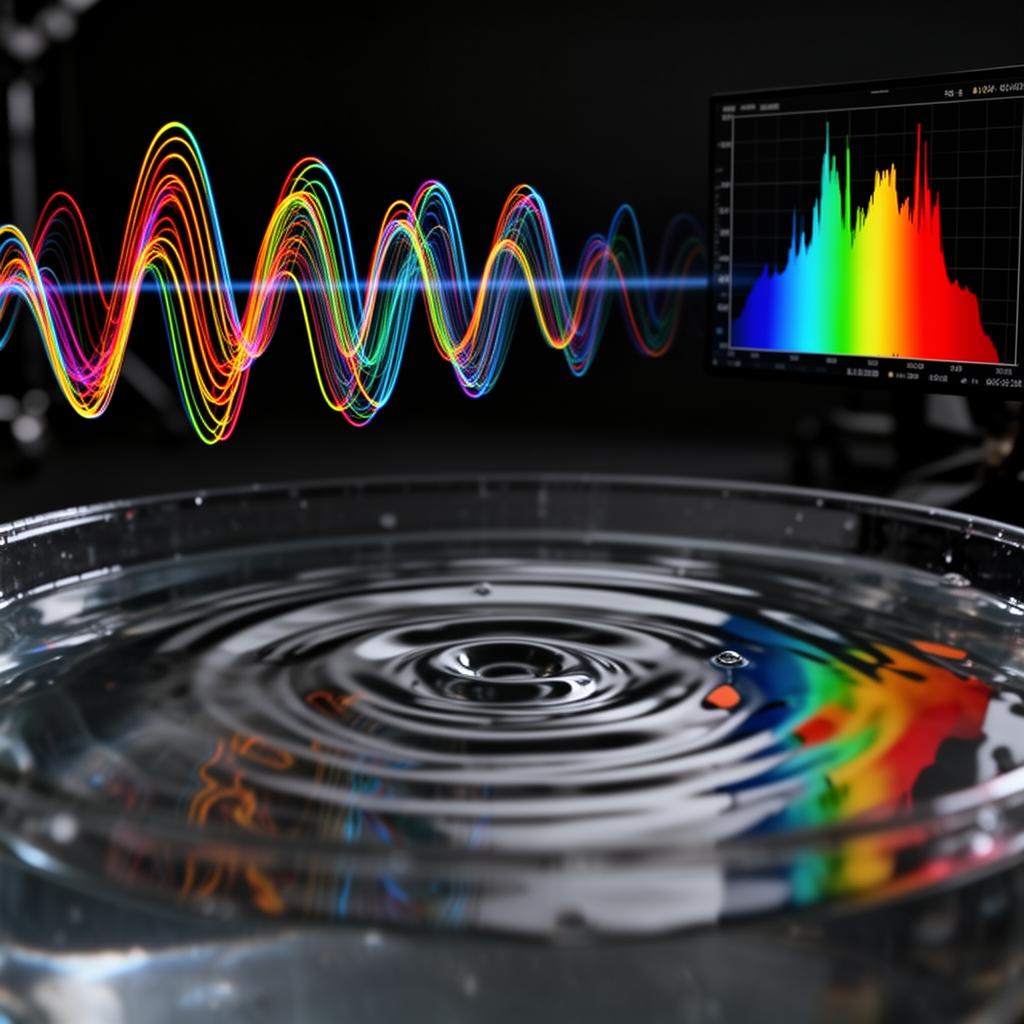
Fact 1: Sound Is a Mechanical Wave, Not a "Thing"
Fact 2: Frequency Determines Pitch, Amplitude Determines Volume
• Amplitude (measured in Decibels/dB): The strength of the pressure wave. Greater amplitude = louder sound. A whisper is about 30 dB; a rock concert hits 110+ dB
Fact 3: Sound Waves Come in Two Types
• Transverse waves: Occur in solids—molecules vibrate perpendicular to the wave's direction (like a rope being flicked up and down)
2Sound Speed: Through Air, Water, and Steel
Fact 4: Sound Travels 4x Faster in Water Than Air
• In water: ~4,800 feet per second (1,460 m/s)
• In steel: ~16,400 feet per second (5,000 m/s)
• In diamond: ~39,370 feet per second (12,000 m/s)—the fastest known
Fact 5: Temperature Changes the Speed of Sound
• At 68°F (20°C): 1,130 ft/s
• At 104°F (40°C): 1,170 ft/s
Fact 6: Sound Cannot Travel Through Space
3The Loudest Sounds Ever Recorded
Fact 7: The Krakatoa Eruption Reached ~310 dB
• Was clearly heard 3,000 miles away in Rodrigues Island (near Mauritius)
• Created pressure waves that circled the Earth 3.5 times, detected on barographs worldwide
• Generated a tsunami over 100 feet tall
Fact 8: A Sperm Whale's Click Is the Loudest Animal Sound
Fact 9: A Crying Baby Can Be Louder Than a Car Horn
4Sound in Everyday Life
Fact 10: A 1% Opening Can Leak 50% of Sound Energy
• Door sweeps and seals on every entry point
• Putty pads behind electrical boxes
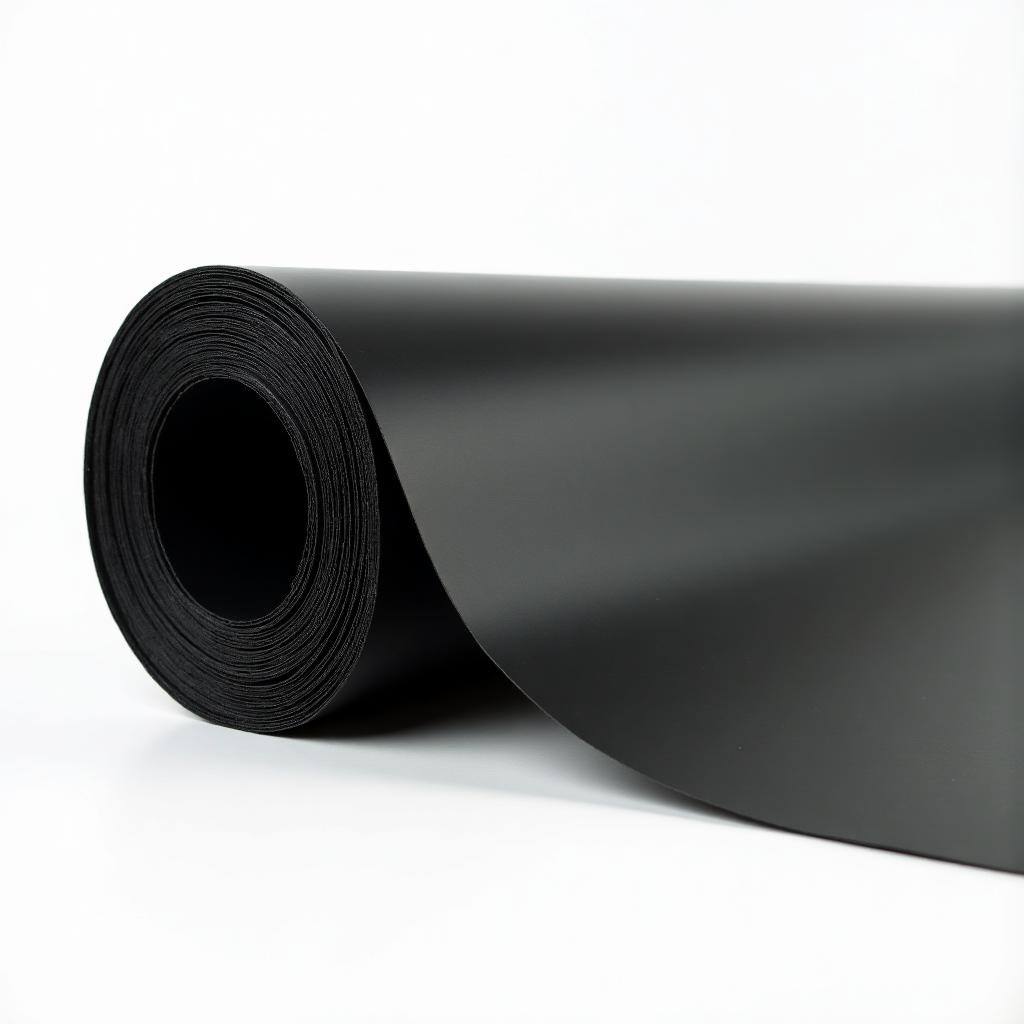
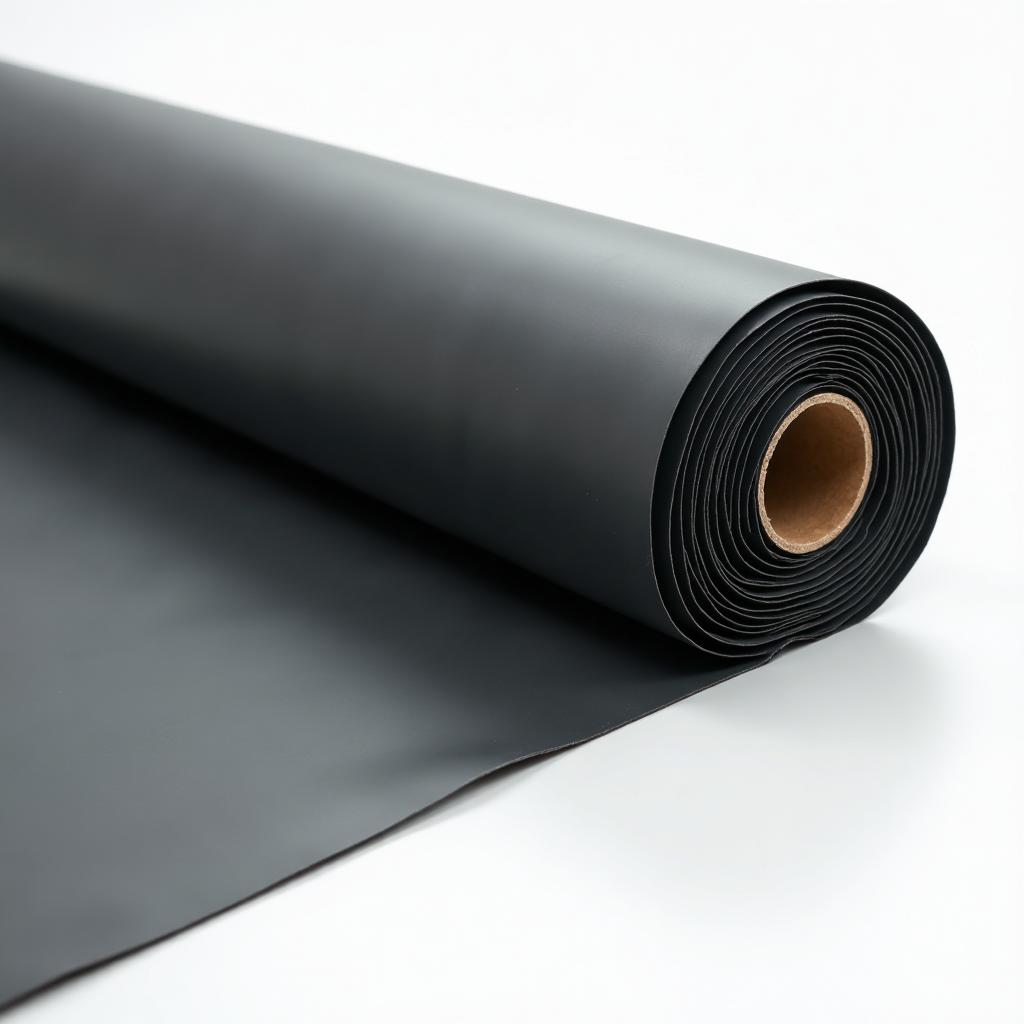
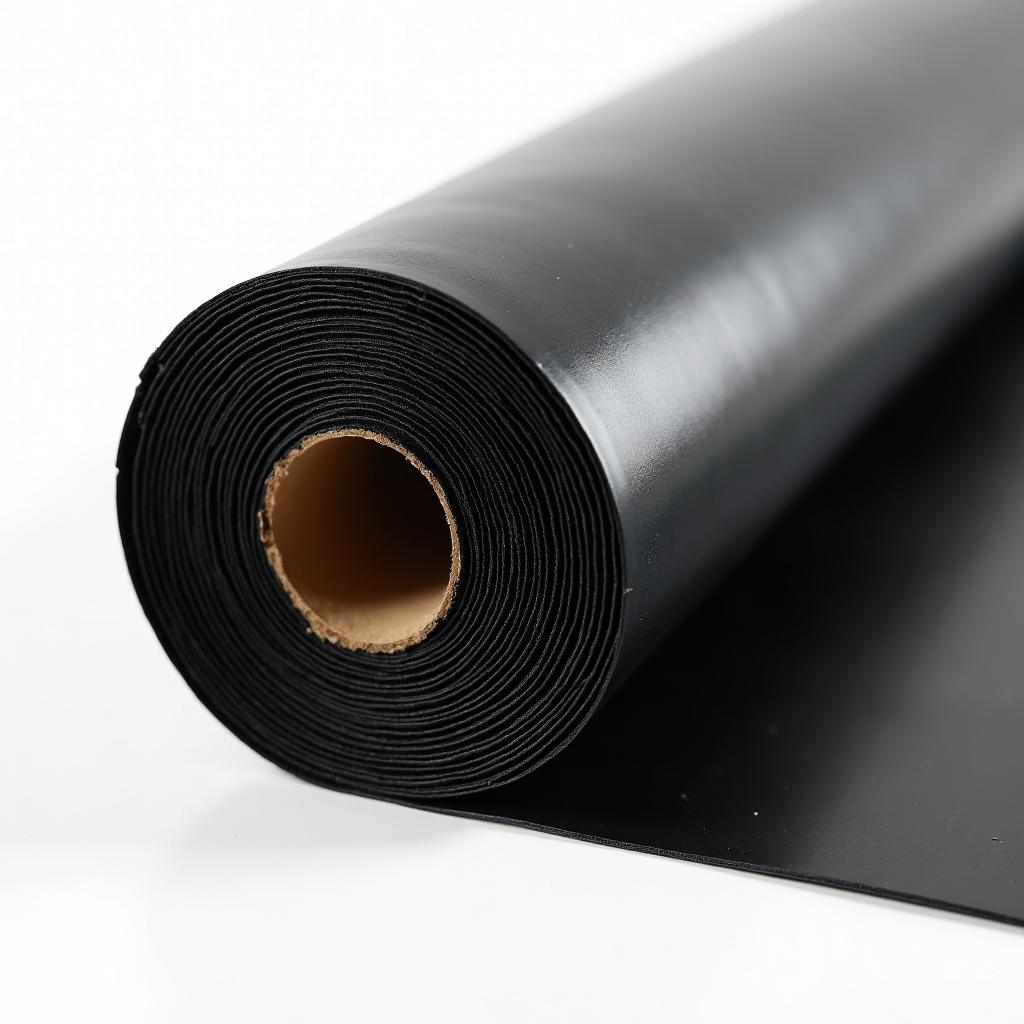
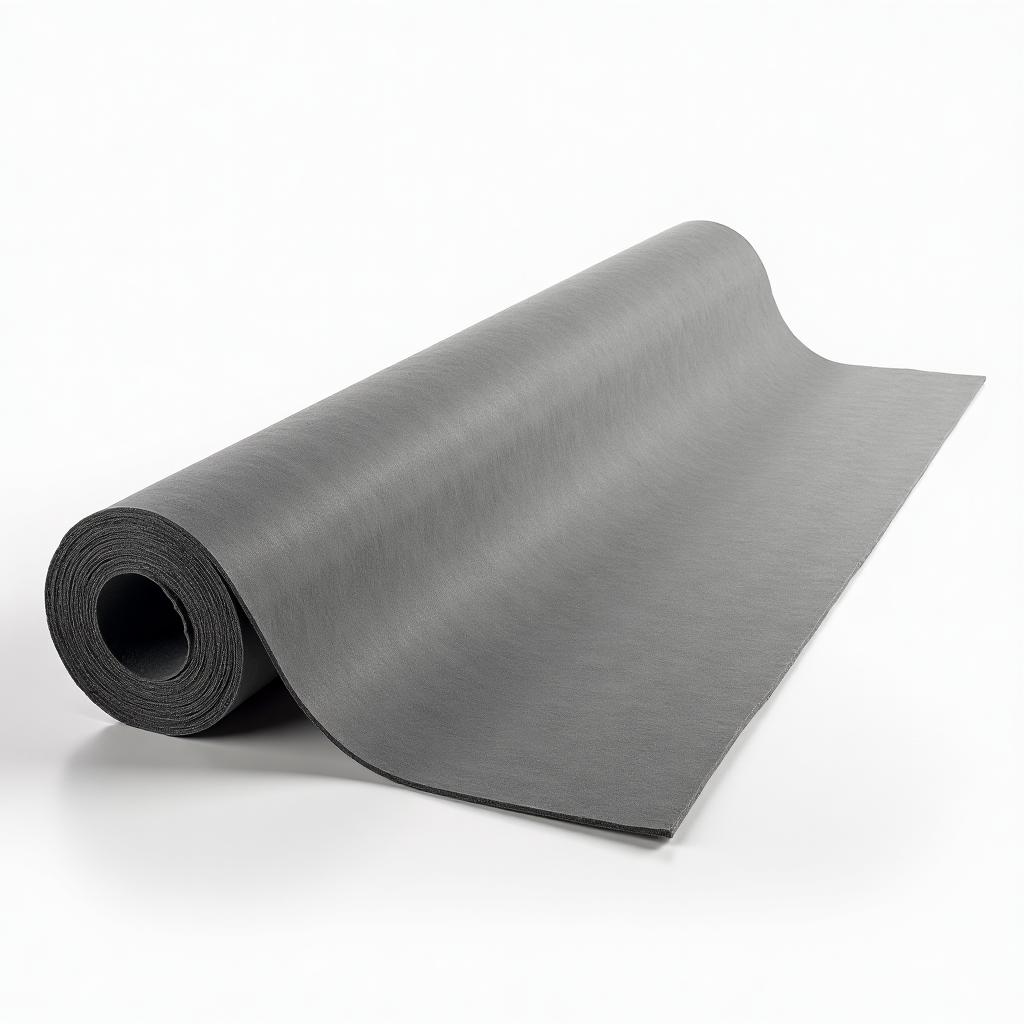
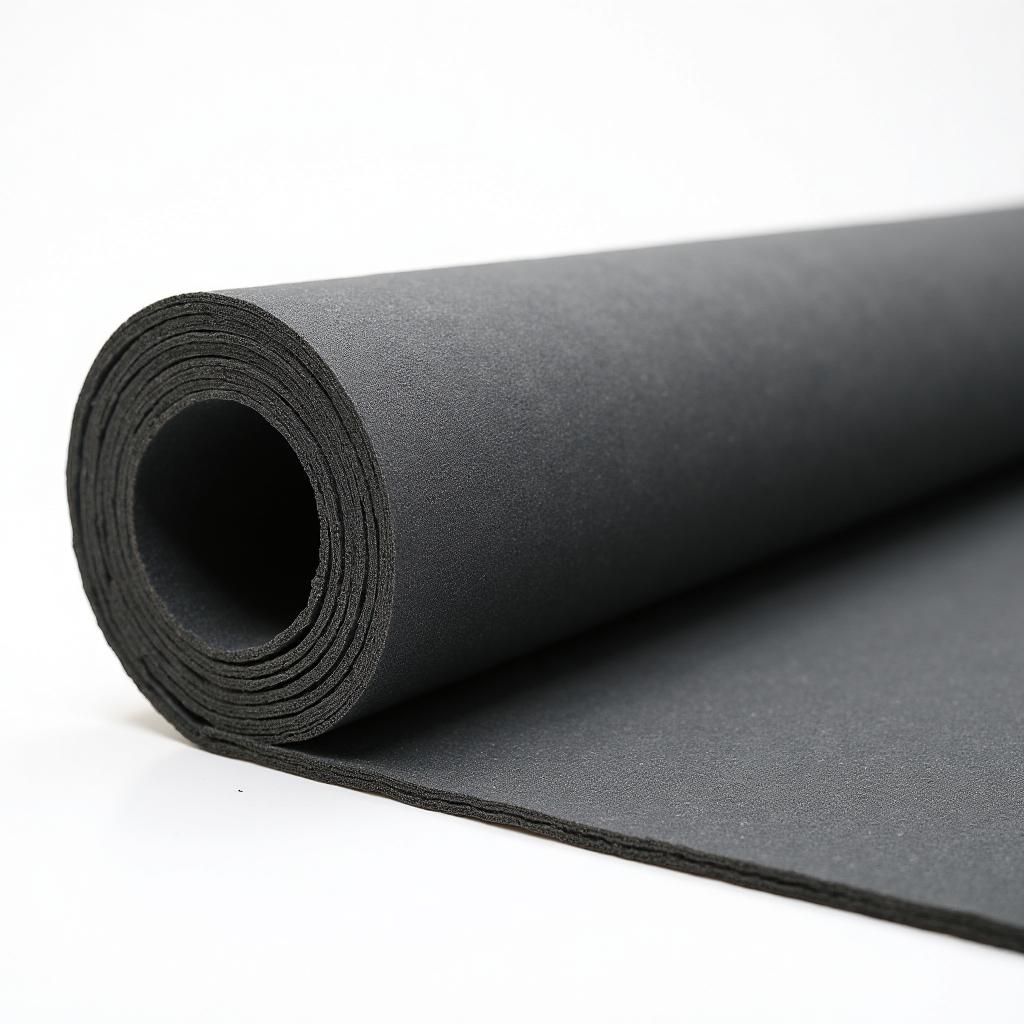
• Mass loaded vinyl (MLV) as a continuous, sealed barrier layer
Fact 11: Egg Cartons Don't Actually Soundproof Anything
• No absorption depth: Real acoustic absorbers need porous material at least 2-4 inches thick to absorb meaningful frequencies
• NRC rating near 0.05: Compared to professional acoustic foam's NRC of 0.80-1.00, egg cartons absorb virtually nothing
• Fire hazard: Cardboard on walls creates a serious fire risk with no acoustic benefit
Fact 12: Soundproof Paint Is Largely Ineffective
• Only affects high frequencies above 2,000 Hz
• Completely ineffective against bass, traffic noise, and most speech frequencies
• Costs $40-60 per gallon with minimal acoustic benefit
5Animal Hearing and Communication
Fact 13: Dogs Hear Frequencies Up to 45,000 Hz
Fact 14: Bats Navigate Entirely by Sound
Fact 15: Elephants Communicate Through Infrasound
Fact 16: Some Flies Cannot Hear at All
6Sound Technology and Innovation
Fact 17: Sound Can Levitate Objects
• Materials science: Studying molten metals without container interference
• 3D printing: Positioning micro-components with acoustic precision
• Future displays: Creating floating visual elements for augmented reality
Fact 18: Sound Can Extinguish Fires
Fact 19: Whips Were the First Man-Made Objects to Break the Sound Barrier
Fact 20: Sound Can Break Glass
7Soundproofing Science
Fact 21: STC Ratings Measure Sound Transmission Loss
• STC 35: Loud speech audible but not intelligible
• STC 45: Loud speech barely audible—minimum recommended for residential
• STC 50: Loud sounds barely heard—standard for quality construction
• STC 60+: Superior isolation—required for recording studios, theaters, and hospitals
Fact 22: Mass Is the Foundation of All Soundproofing
• Double layers of 5/8" drywall: Adds mass but also adds thickness
• Concrete block: Excellent mass but impractical for retrofits
• Lead sheeting: Historically used but now avoided due to toxicity
Fact 23: Decoupling Stops Vibration Transfer Through Structures
• Sound isolation clips: Rubber-mounted clips that create a floating wall system
• Staggered stud walls: Alternating studs so each side of drywall connects to different framing
• Double stud walls: Two completely separate wall frames with an air gap between them
8The Psychology of Sound
Fact 24: Music Can Increase Milk Production in Cows
Fact 25: Silence Has a Measurable Decibel Level
• Your inner ear begins to generate phantom sounds (tinnitus-like effects)
• Most people become disoriented within 30-45 minutes
• The brain, deprived of external stimuli, begins to hallucinate sounds
11Conclusion
FAQs: Facts About Sound
Related Guides in Acoustics & Education
Continue exploring with these hand-picked articles
What Is Sound? The Complete Science of How Sound Works
The definitive guide to understanding sound—how sound waves propagate, the physics of frequency, amplitude, wavelength, the decibel scale, resonance, and how soundproofing materials actually block noise.
Characteristics of Sound Waves: Amplitude, Frequency, Wavelength & More
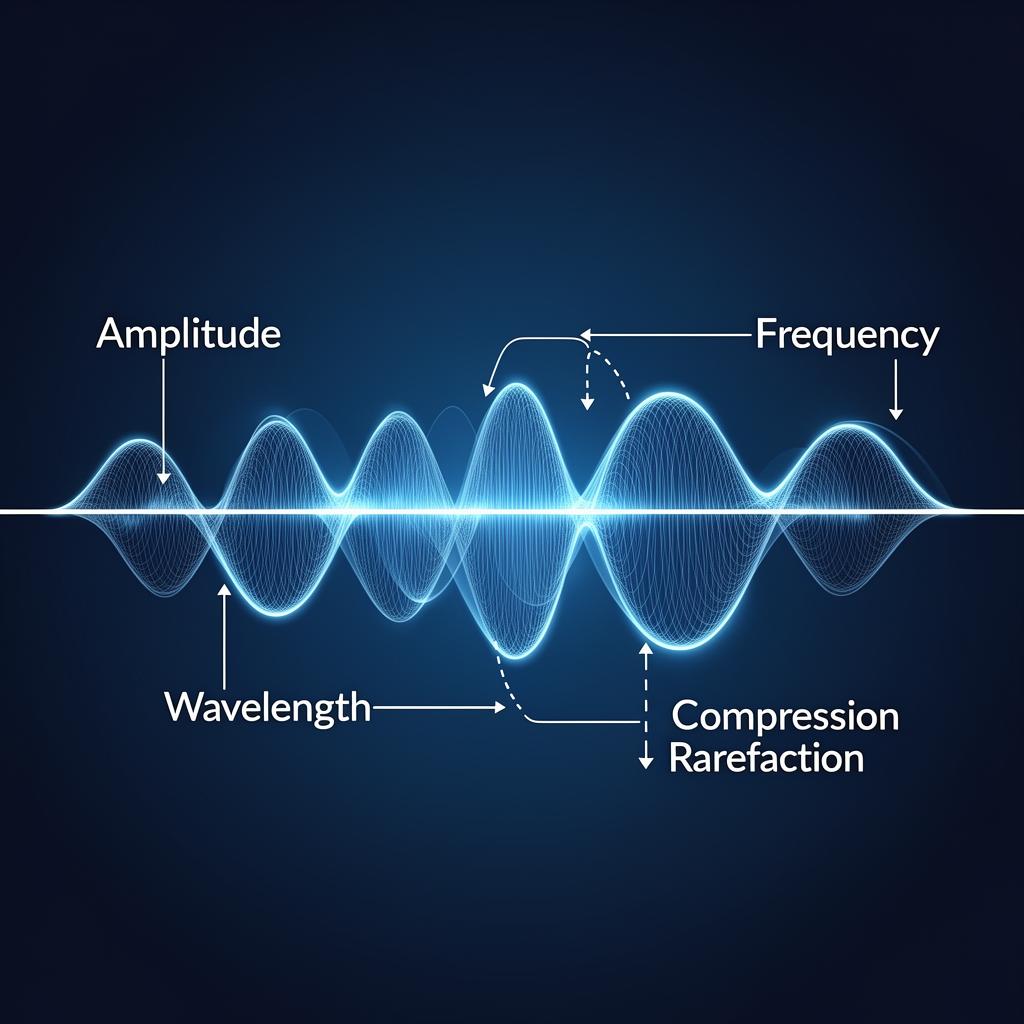
The complete guide to sound wave characteristics—amplitude, frequency, wavelength, timbre, reflection, refraction, diffraction, interference, and resonance. Learn how each property affects soundproofing and acoustic design.
What Is Sound Diffusion? The Complete Guide to Scattering Sound
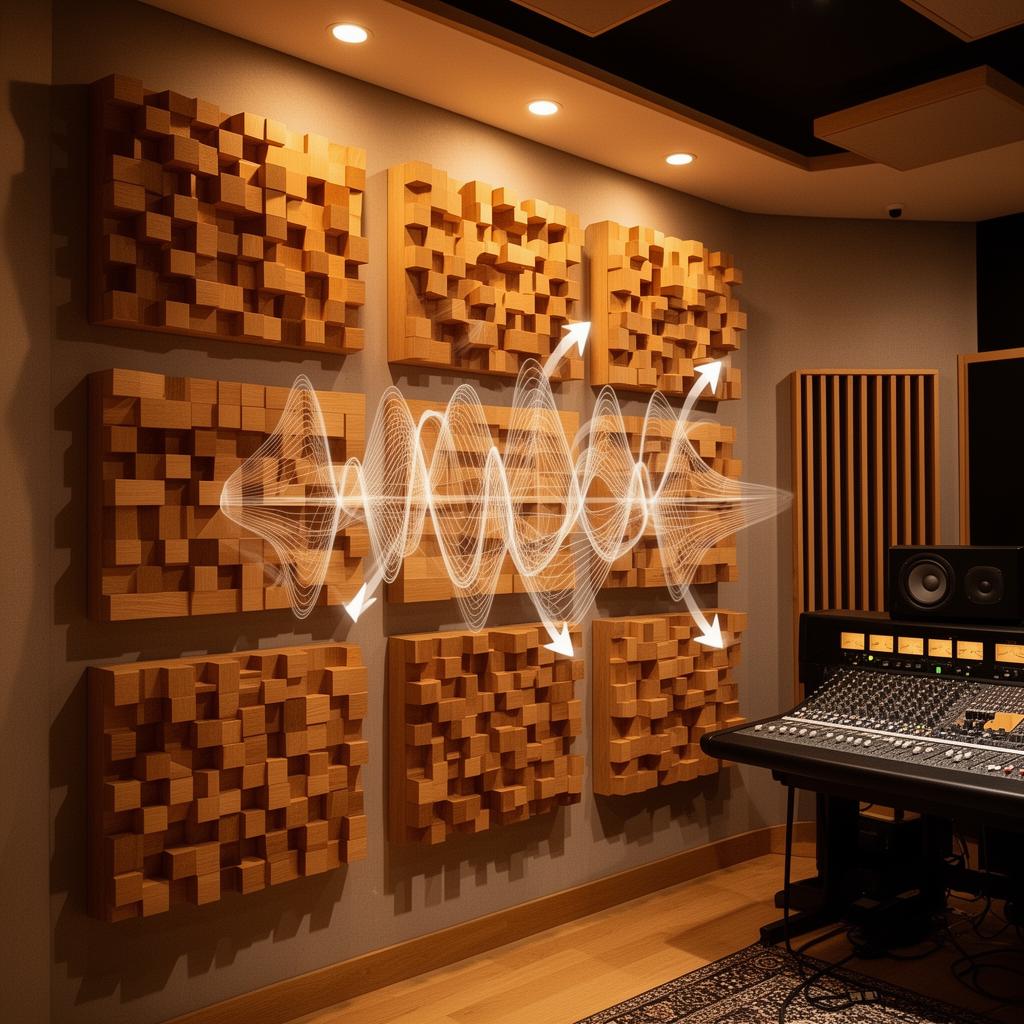
What is sound diffusion? Learn how diffusers scatter sound waves, the difference between diffusion and absorption, types of acoustic diffusers (QRD, skyline, polycylindrical), placement strategies, and when to use diffusion in studios, home theaters, and commercial spaces.
Our Complete Product Line
Professional-grade soundproofing materials for any application
Need Expert Soundproofing Advice?
Our team of soundproofing specialists is here to help you choose the right products and installation methods for your museum or gallery project.