What Frequency Can Humans Hear? The Complete Science of Human Hearing Range
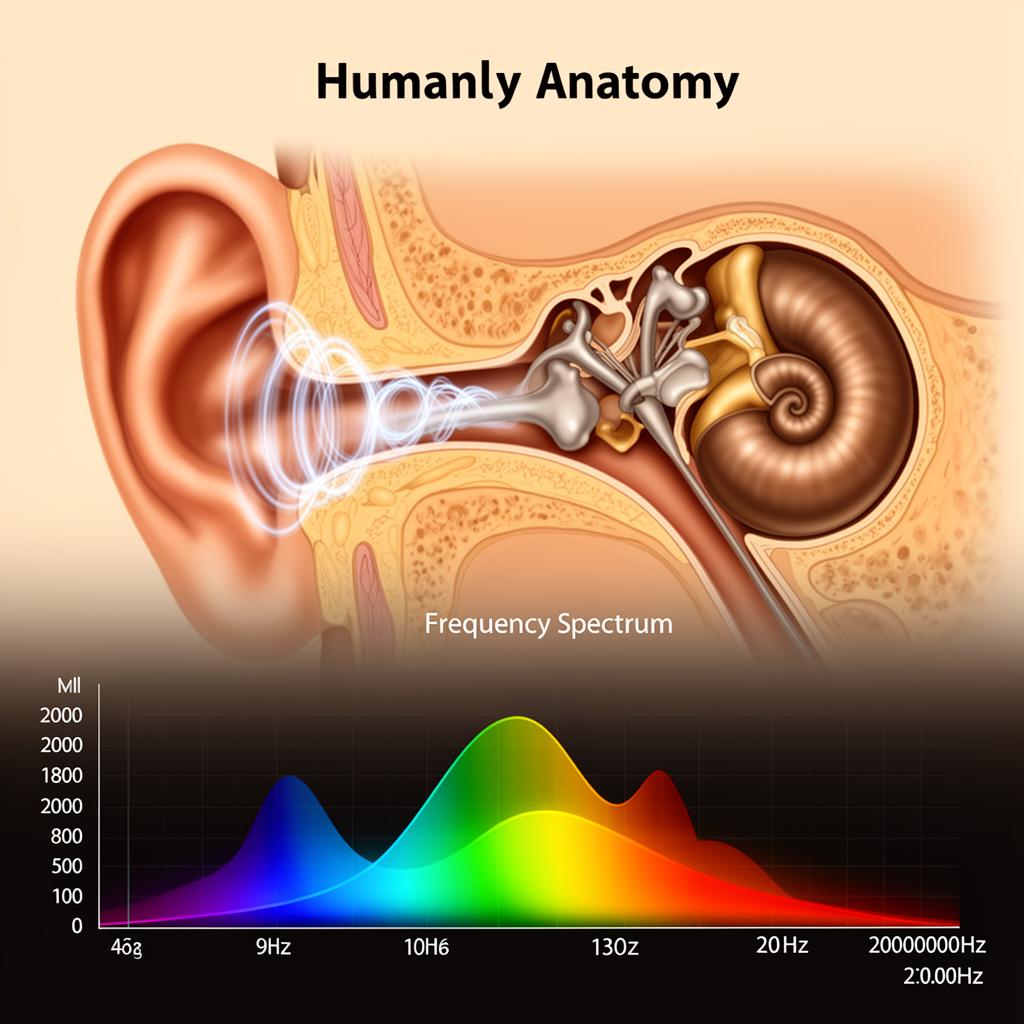
1The Human Hearing Range: 20 Hz to 20,000 Hz
What These Numbers Actually Mean
Individual Variation
2How the Human Ear Converts Sound to Signal
The Outer Ear: Collection and Amplification
The Middle Ear: Mechanical Impedance Matching
The Inner Ear: Frequency Analysis
• Apex of cochlea (tip of spiral): Wide, flexible membrane responds to low frequencies (20 Hz)
• Middle sections: Respond to intermediate frequencies in a continuous gradient
3Frequency Ranges and What They Sound Like
| Range | Frequency | Sound Examples | Soundproofing Difficulty |
|---|---|---|---|
| Sub-bass | 20–60 Hz | Thunder rumble, pipe organ pedal notes, subwoofer | Extremely difficult—requires massive mass |
| Bass | 60–250 Hz | Male voice fundamental, bass guitar, kick drum | Difficult—heavy barriers + decoupling needed |
| Low-mid | 250–500 Hz | Female voice fundamental, cello, telephone dial tone | Moderate—standard MLV effective |
| Mid-range | 500–2,000 Hz | Speech consonants, piano middle C, guitar | Moderate—most materials work |
| Upper-mid | 2,000–4,000 Hz | Speech sibilance ("s" and "t" sounds), violin | Easier—ear canal resonance makes these prominent |
| Presence | 4,000–6,000 Hz | Cymbal attack, snare snap, vocal clarity | Easy—thin barriers effective |
| Brilliance | 6,000–20,000 Hz | Cymbal shimmer, breath sounds, electronic beeps | Easiest—almost any solid barrier blocks these |
4Equal-Loudness Contours: Why Some Frequencies Sound Louder
How Equal-Loudness Contours Work
Why This Matters for Soundproofing
5How Hearing Changes with Age
The Timeline of High-Frequency Loss
| Age Range | Typical Upper Hearing Limit | What You Lose |
|---|---|---|
| Newborn | ~20,000+ Hz | Nothing—peak sensitivity |
| 18–25 | 17,000–19,000 Hz | Highest ultrasonic edge |
| 25–35 | 15,000–17,000 Hz | Subtle treble detail, cymbal shimmer |
| 35–50 | 12,000–15,000 Hz | Consonant clarity ("s", "f", "th" sounds) |
| 50–65 | 8,000–12,000 Hz | Speech intelligibility in noisy environments |
| 65+ | 4,000–8,000 Hz | Significant speech comprehension difficulty |
Why High Frequencies Disappear First
The "Mosquito" Frequency
6Infrasound: Below 20 Hz
Natural Sources of Infrasound
• Volcanic eruptions: The 1883 Krakatoa eruption produced infrasound that circled the globe 7 times
• Ocean waves: Large waves generate infrasound at 0.05–0.5 Hz detectable thousands of miles inland
• Severe weather: Tornadoes, hurricanes, and thunderstorms produce infrasound used for early detection systems
• Wind over mountains: Mountain passes can generate standing infrasonic waves that travel hundreds of miles
Human-Made Sources
• Heavy machinery: Industrial equipment, diesel engines, and HVAC systems produce significant infrasound
• Subwoofers: Some extreme audio systems reproduce down to 5–15 Hz
• Explosions: Nuclear and conventional explosions generate massive infrasonic waves
Effects on the Human Body
7Ultrasound: Above 20,000 Hz
Medical Applications
Industrial Applications
• Ultrasonic welding: 15–70 kHz vibrations join plastics and metals without heat
• Non-destructive testing: 0.1–50 MHz ultrasound detects internal flaws in metals and composites
• Pest deterrents: Electronic devices emit 25–65 kHz to repel rodents (effectiveness debated)
Health Concerns
8Animal Hearing vs. Human Hearing
| Animal | Hearing Range | Notable Capability |
|---|---|---|
| Human | 20 Hz – 20,000 Hz | Most sensitive at 2,000–5,000 Hz (speech) |
| Dog | 67 Hz – 45,000 Hz | Hears dog whistles (23,000–54,000 Hz) |
| Cat | 48 Hz – 85,000 Hz | One of the widest mammal ranges |
| Bat | 2,000 Hz – 110,000 Hz | Echolocation via ultrasonic pulses |
| Dolphin | 75 Hz – 150,000 Hz | Highest confirmed mammal upper limit |
| Elephant | 14 Hz – 12,000 Hz | Communicates via infrasound over miles |
| Owl | 200 Hz – 12,000 Hz | Asymmetric ears for 3D sound localization |
| Blue whale | 5 Hz – 12,000 Hz | Calls travel 1,000+ miles underwater |
| Greater wax moth | 20 Hz – 300,000 Hz | Widest hearing range of any known animal |
9How Noise Exposure Damages Hearing at Different Frequencies
OSHA Permissible Exposure Limits
| Sound Level (dBA) | Maximum Daily Exposure | Common Source |
|---|---|---|
| 85 dBA | 8 hours | Heavy city traffic, noisy restaurant |
| 88 dBA | 4 hours | Leaf blower, food processor |
| 91 dBA | 2 hours | Power drill, motorcycle |
| 94 dBA | 1 hour | Nightclub, car horn at 3 feet |
| 100 dBA | 15 minutes | Chainsaw, jack hammer |
| 110 dBA | ~2 minutes | Rock concert front row, siren at 100 feet |
The 4,000 Hz Notch
10Testing Your Own Hearing Range
Professional Audiometry
Online Hearing Tests
Smartphone Apps
Important Caveats
• Use the best headphones you own (over-ear, closed-back preferred)
• Test each ear separately—hearing loss is often asymmetric
• Repeat tests at the same volume settings for comparison over time
• Online tests cannot diagnose medical conditions—consult an audiologist for any concerns
11Soundproofing by Frequency: Why Low Frequencies Are Hardest to Block
The Mass Law
Resonance and Coincidence
Practical Frequency-Based Solutions
• 80–250 Hz: Standard MLV (1 lb/sq ft) + insulated cavity + resilient channels effective
• 250–1,000 Hz: Standard wall assemblies with MLV perform well
• Above 1,000 Hz: Even basic wall treatments provide significant attenuation—sealing gaps becomes the primary challenge
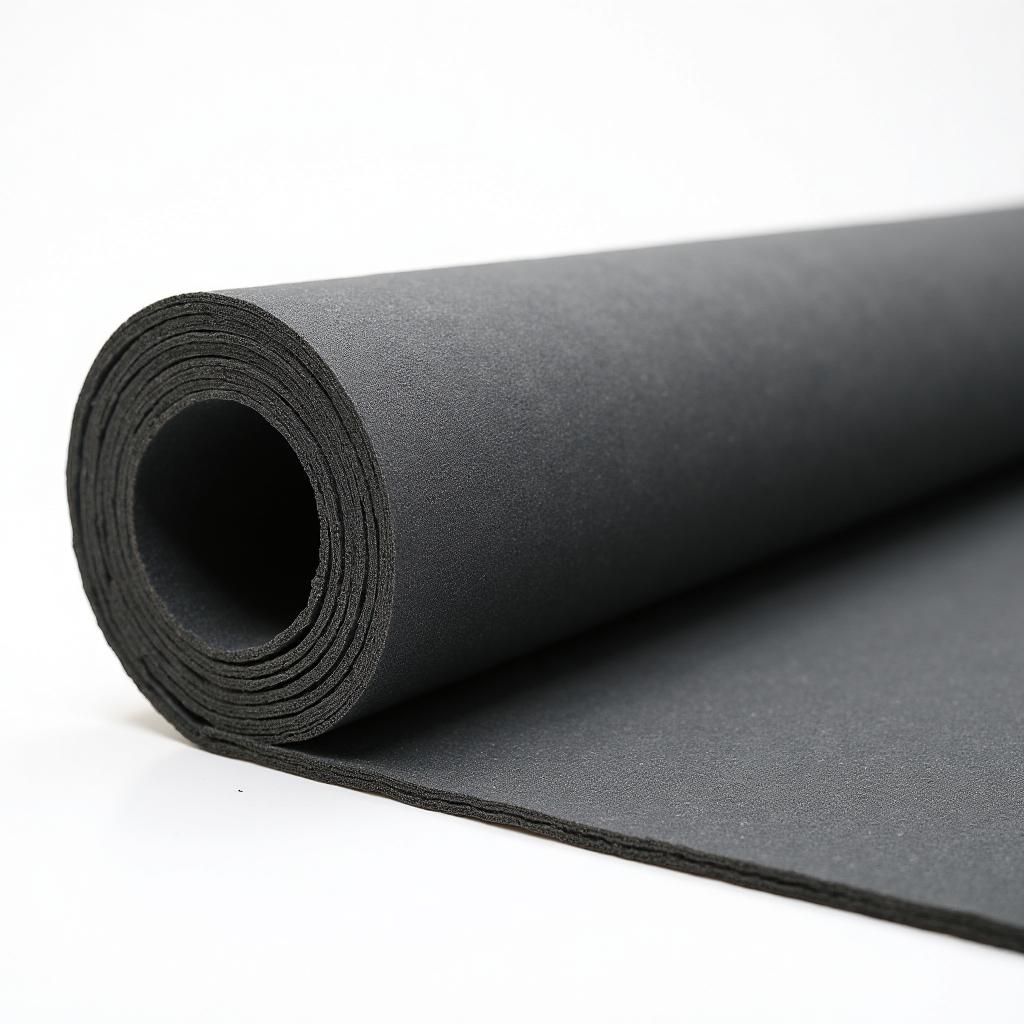
12How Mass Loaded Vinyl Performs Across the Frequency Spectrum
Why "Limp Mass" Matters
MLV Transmission Loss by Frequency
| Frequency (Hz) | 1/2 lb MLV (TL) | 1 lb MLV (TL) | 2 lb MLV (TL) |
|---|---|---|---|
| 125 | 7 dB | 12 dB | 17 dB |
| 250 | 11 dB | 17 dB | 23 dB |
| 500 | 15 dB | 21 dB | 27 dB |
| 1,000 | 19 dB | 25 dB | 31 dB |
| 2,000 | 24 dB | 30 dB | 36 dB |
| 4,000 | 29 dB | 35 dB | 41 dB |
13Conclusion
FAQs: What Frequency Can Humans Hear
Related Guides in Education
Continue exploring with these hand-picked articles

Noise in Communication: 9 Types, Real-World Examples & Proven Solutions
The definitive guide to noise in communication—covering all 9 types (physical, psychological, semantic, physiological, technical, organizational, cultural, environmental, and channel noise) with real-world examples, scientific models, measurable impact data, and proven strategies to eliminate communication barriers.
How Sound Frequencies Affect Your Emotions, Energy, and Health
Discover how different sound frequencies affect your emotions, brainwaves, stress levels, and physical health. The science of Solfeggio frequencies, binaural beats, and why acoustic environments matter.
Why Do We Sing in the Shower? The Acoustic Science Explained
Discover why showers sound like recording studios — the acoustic science of bathroom resonance, reverb, standing waves, and why your voice genuinely sounds better in the shower.
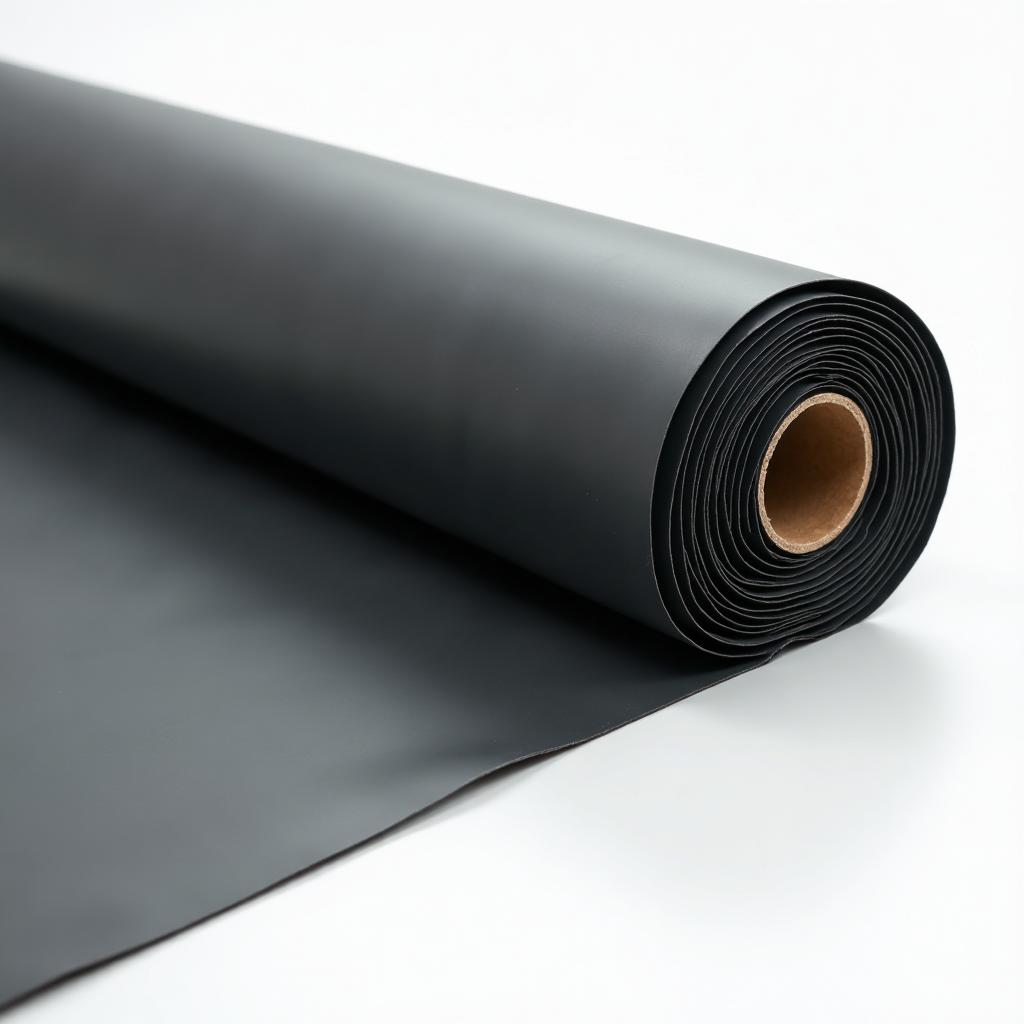
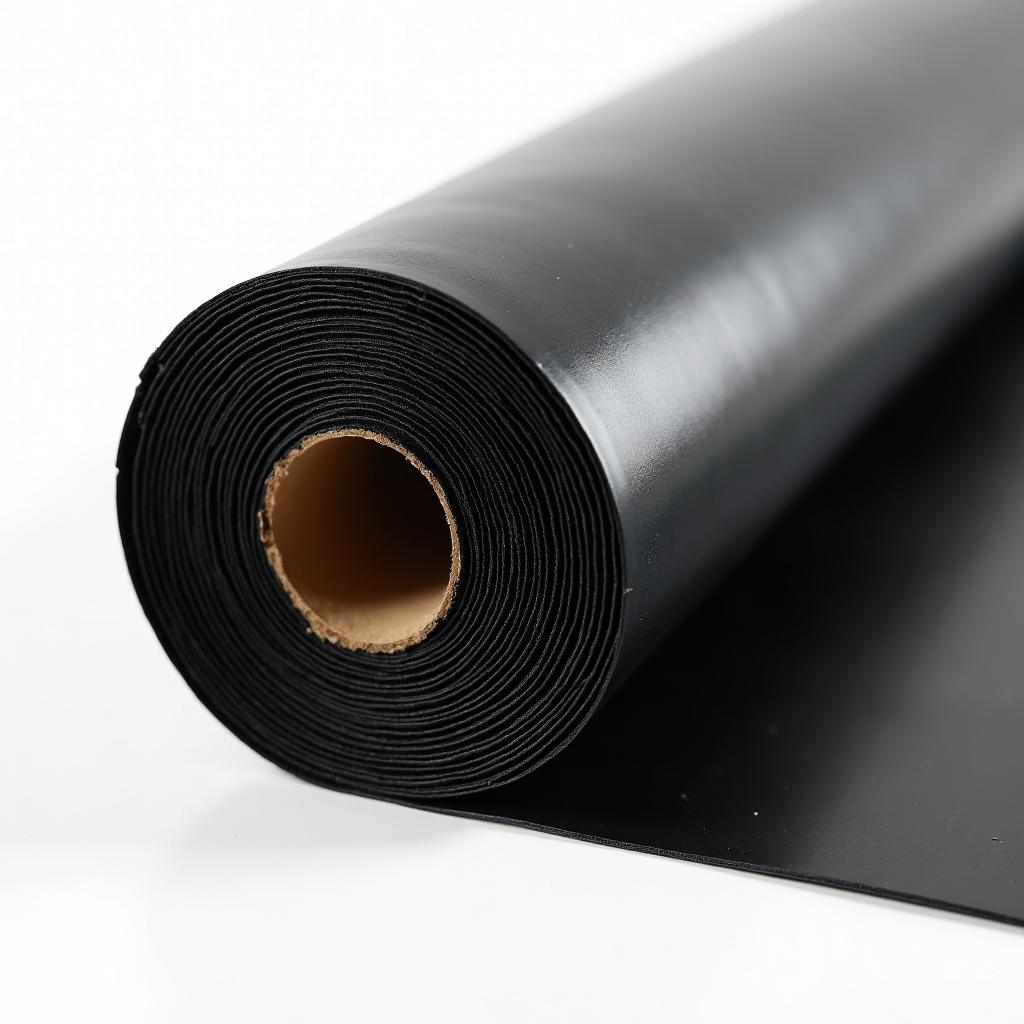
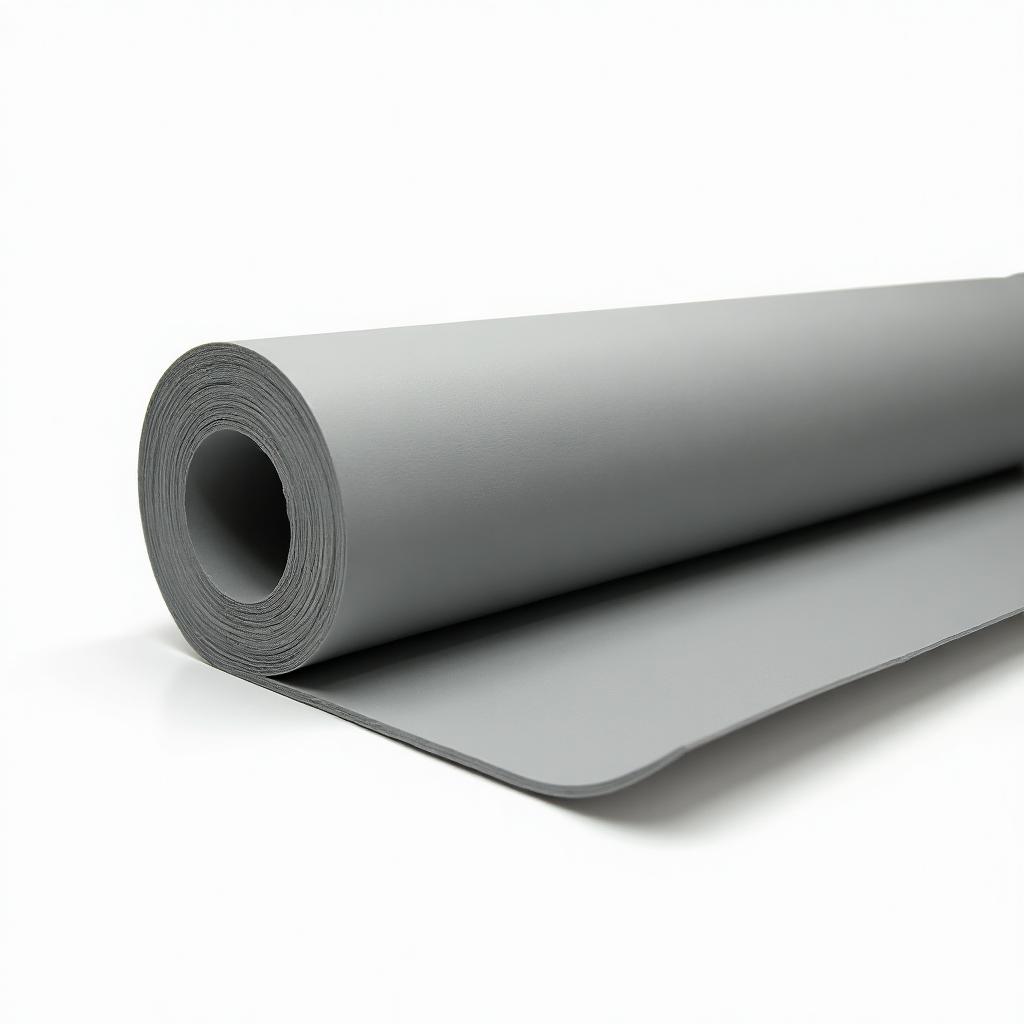
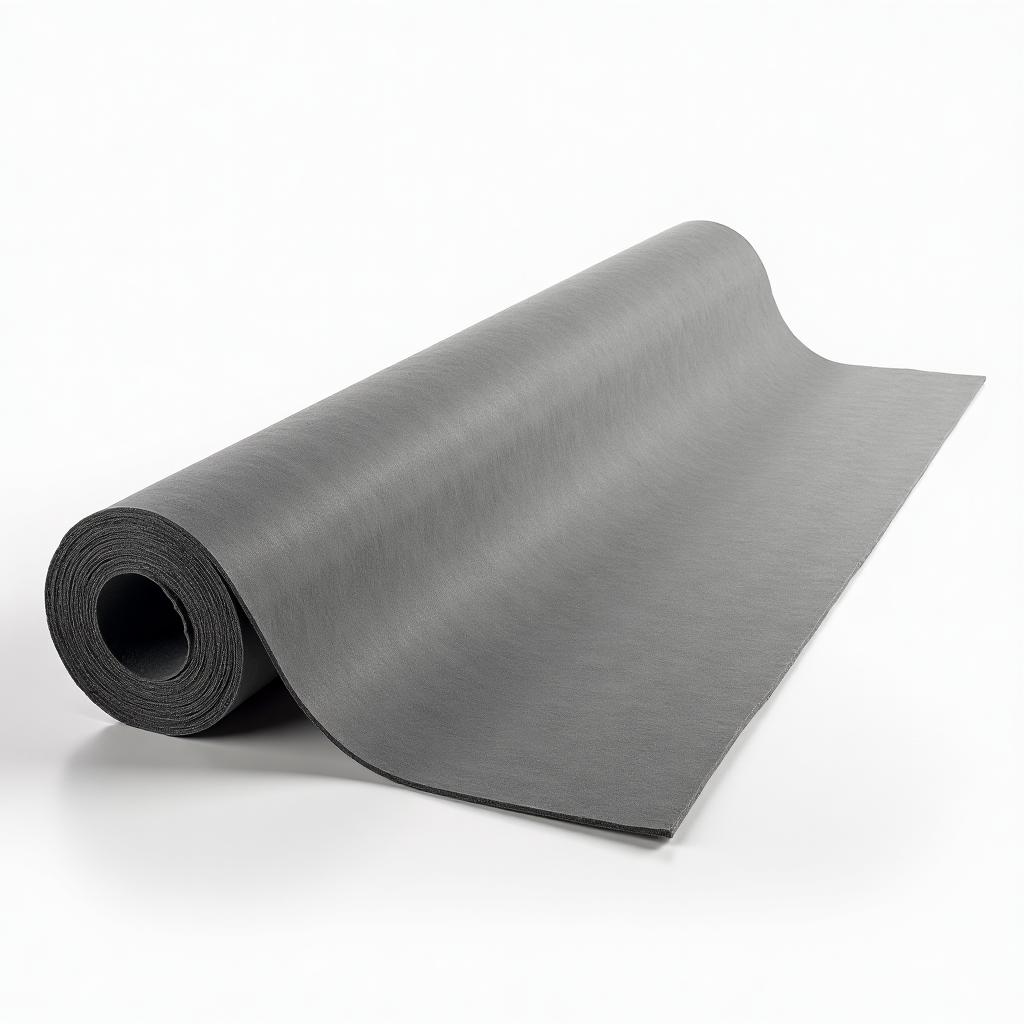
Our Complete Product Line
Professional-grade soundproofing materials for any application
Need Expert Soundproofing Advice?
Our team of soundproofing specialists is here to help you choose the right products and installation methods for your museum or gallery project.