STC vs. OITC Ratings: Which Soundproofing Number Should You Actually Trust?
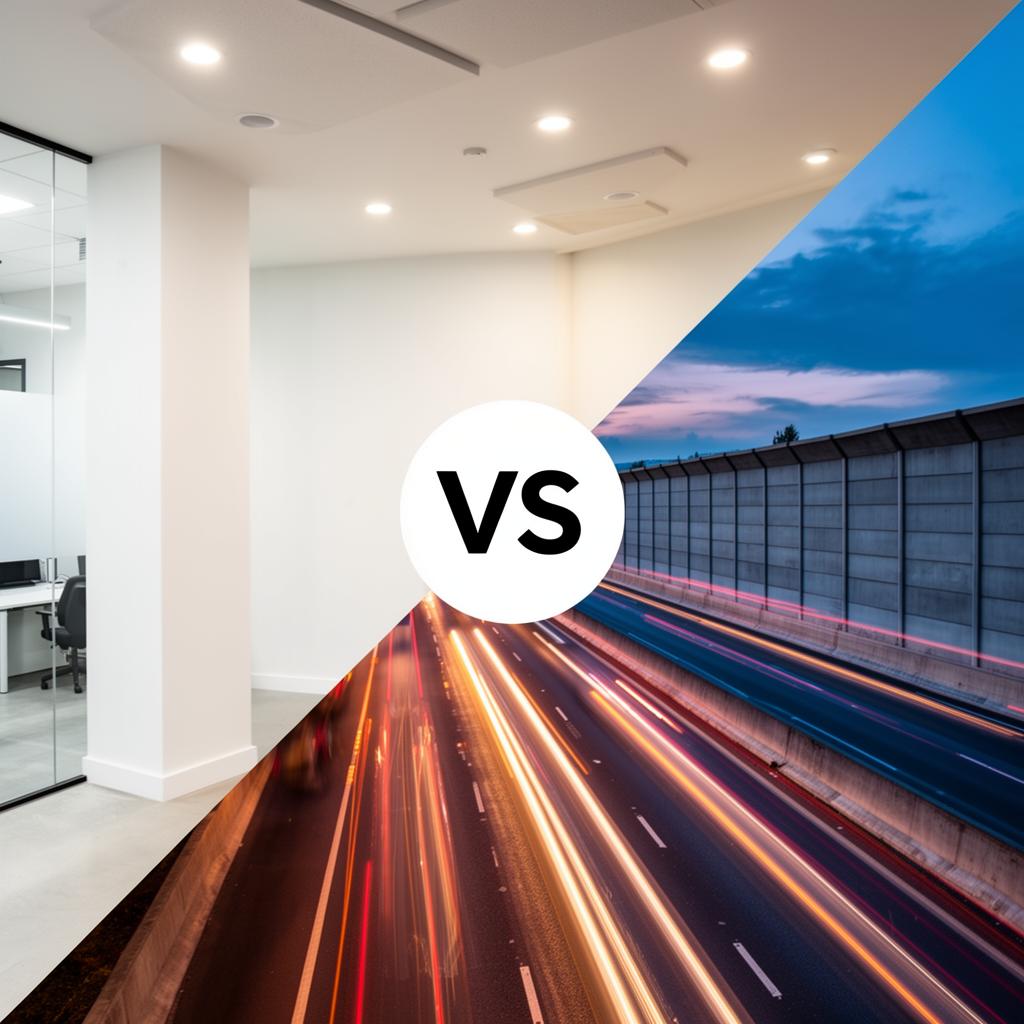
1The Problem with a Single Number
2What STC Actually Measures
• Frequency range: 125 Hz – 4,000 Hz
• Optimized for: Human speech (primary energy between 250–4,000 Hz)
• Ignores: Everything below 125 Hz — bass music, traffic rumble, HVAC, aircraft
• Contour fitting: Allows up to 8 dB deficiency in any single band, meaning a wall can have a severe weakness at one frequency and still achieve a high STC
3What OITC Actually Measures
• Frequency range: 80 Hz – 4,000 Hz (extends 45 Hz lower than STC)
• Optimized for: Transportation noise (traffic, aircraft, trains)
• Weighting: Uses an A-weighted spectrum based on real transportation noise data, giving more importance to low frequencies
• No contour fitting: Calculates a single weighted average — no hiding a low-frequency weakness behind a curve fit
4Head-to-Head: STC vs. OITC
| Wall Assembly | STC Rating | OITC Rating | Difference |
|---|---|---|---|
| Single 2×4 wall, 1/2" drywall each side | 33 | 25 | −8 |
| Same wall + mineral wool cavity | 39 | 29 | −10 |
| Same wall + 1 lb MLV + mineral wool | 46 | 38 | −8 |
| Double drywall + Green Glue each side, mineral wool | 56 | 42 | −14 |
| Same assembly + 1 lb MLV | 58 | 48 | −10 |
| 8" concrete block wall, painted | 52 | 48 | −4 |
5When STC Misleads You
6Which Rating to Use for Your Project
• Your primary concern is voices, conversation, or speech privacy
• You are building interior partitions between offices, bedrooms, or apartments
• You need to meet building code requirements (codes reference STC, not OITC)
• The noise source is primarily mid-to-high frequency (TV dialogue, telephone, general office noise)
• You are blocking exterior noise (traffic, aircraft, trains, construction)
• The noise has a significant low-frequency component (bass music, mechanical equipment, HVAC)
• You are designing exterior facades or selecting windows/doors for noise reduction
• You want a more honest assessment of real-world performance across all audible frequencies
• You are designing a multi-family building where residents face both interior party-wall noise and exterior traffic noise
• You are building a home studio or theater where you need to block both neighbor noise and outside traffic
• You want the complete picture of how an assembly performs across the full frequency spectrum
8Conclusion
FAQs: STC vs OITC Ratings
Related Guides in Comparisons
Continue exploring with these hand-picked articles
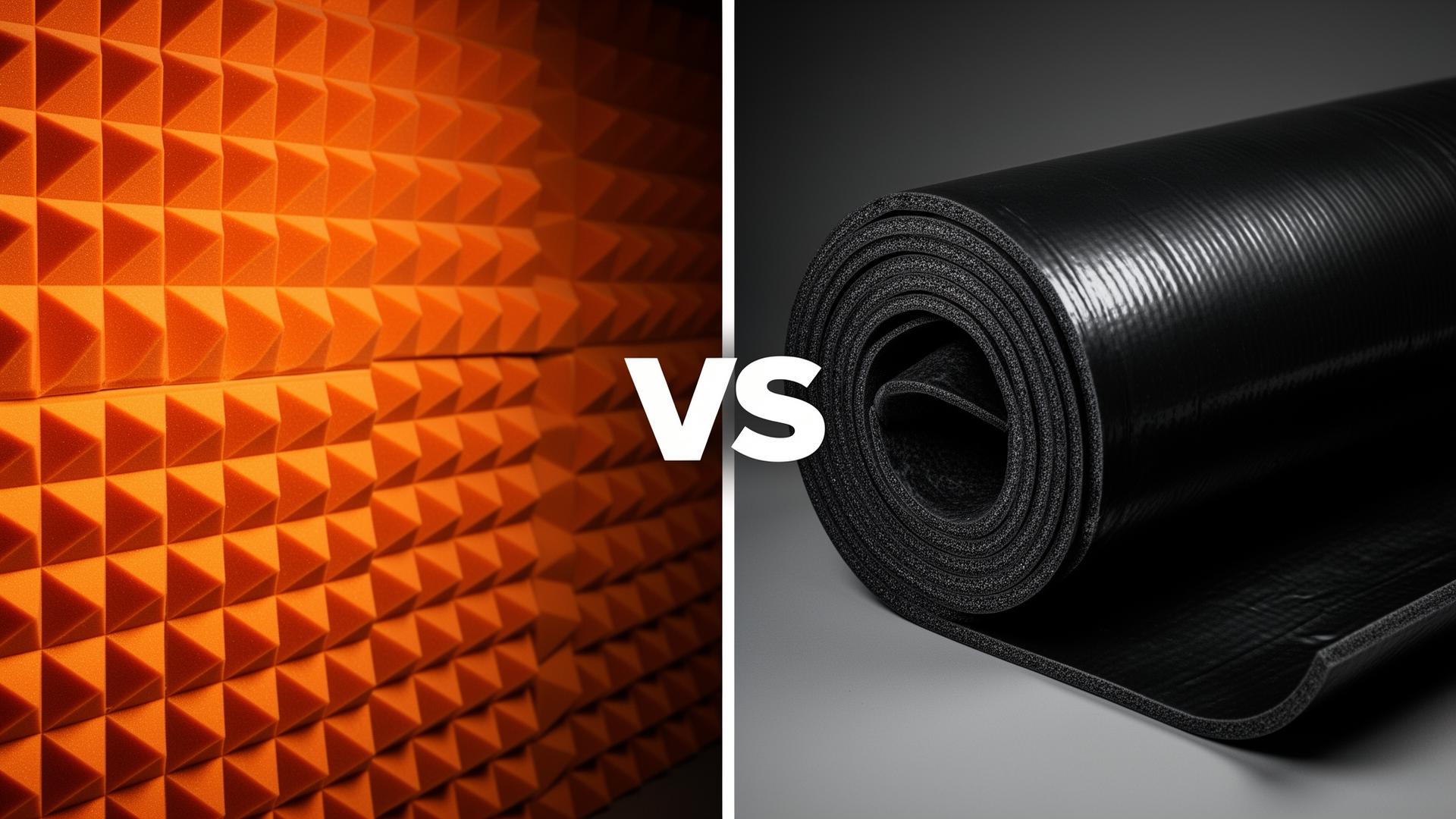
Acoustic Foam vs MLV: Which One Actually Stops Noise?
Acoustic foam absorbs echo while MLV blocks sound transmission—they're not the same thing. Discover which material you actually need, why foam won't stop neighbor noise, and when to use both for optimal acoustic control.
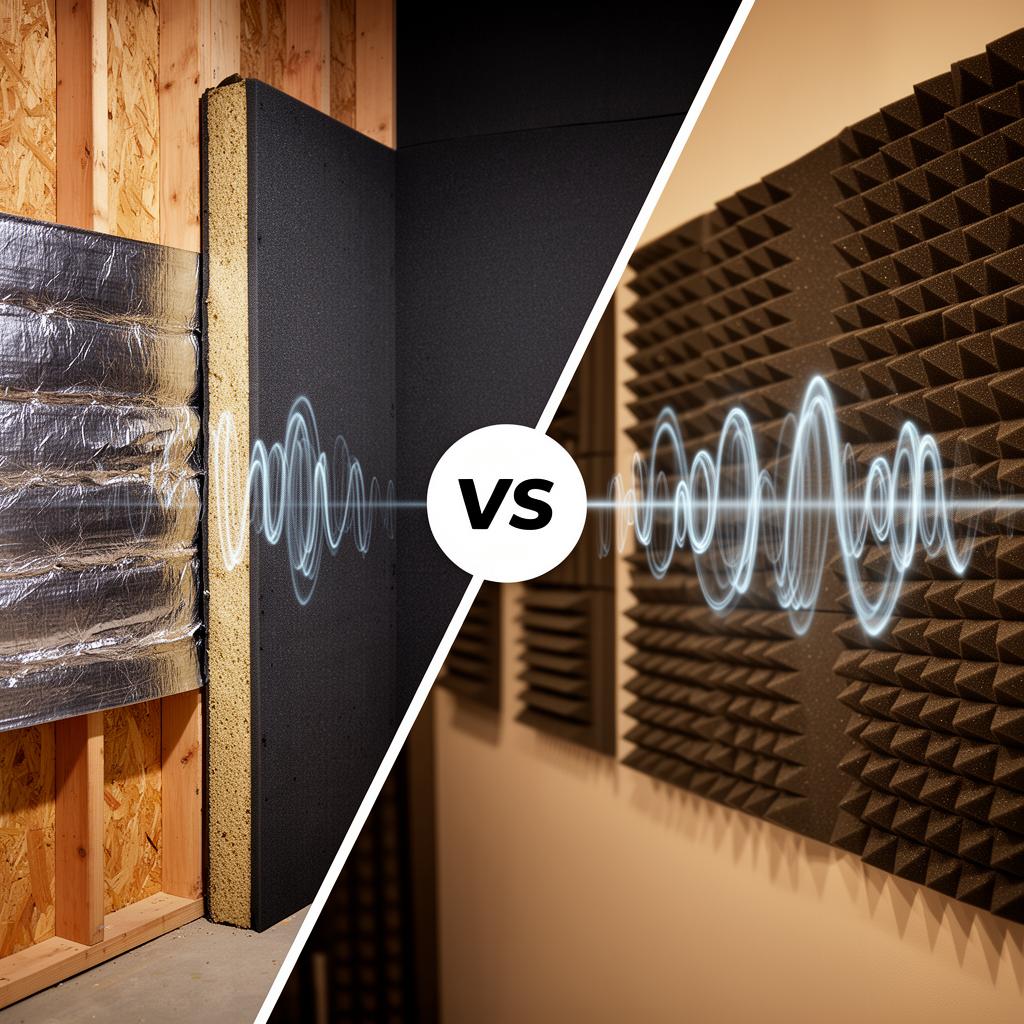
Soundproofing vs Sound Absorbing: The Critical Difference That Costs Thousands
Soundproofing blocks noise between spaces using dense materials like MLV. Sound absorption reduces echo within a room using porous materials like foam. Learn exactly when to use each, how they work differently, and why confusing them wastes thousands of dollars.
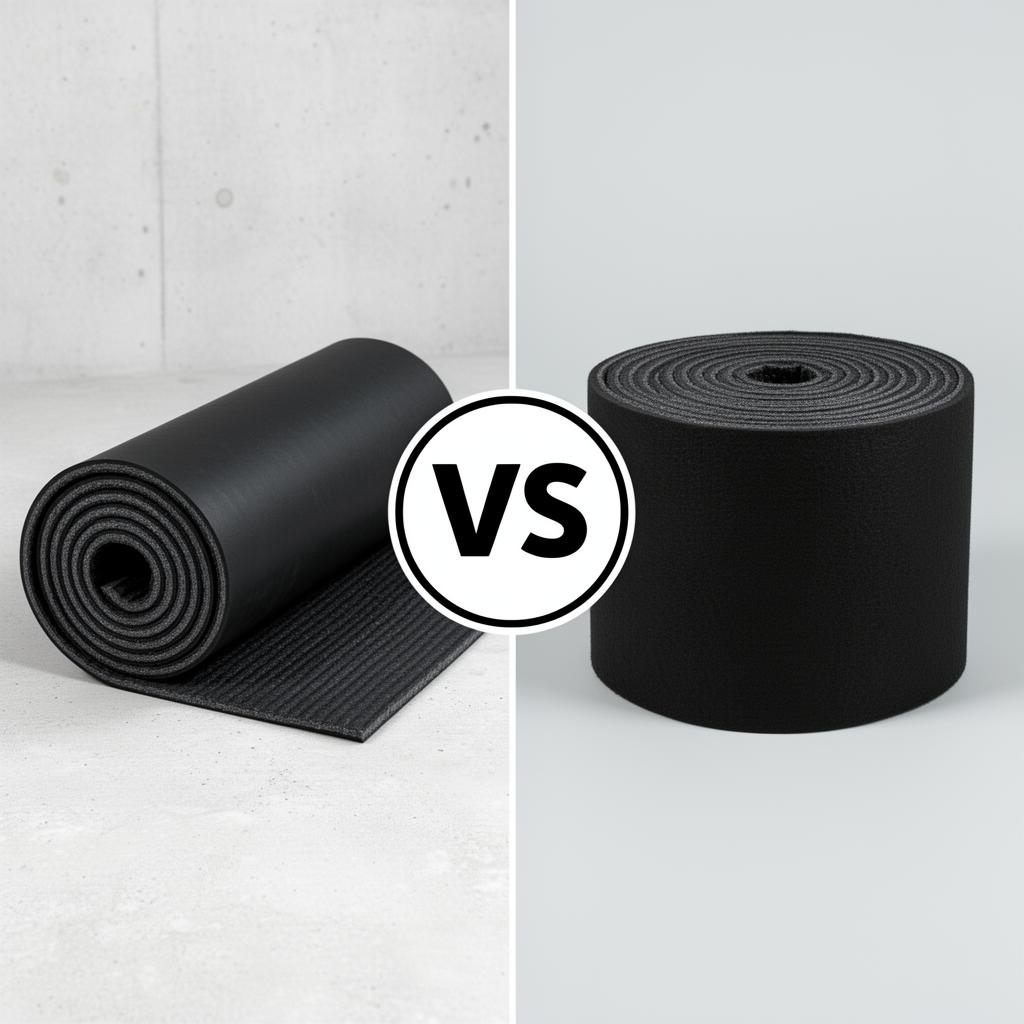
1 lb vs. 2 lb Mass Loaded Vinyl: Which Thickness Should You Buy?
Compare 1 lb/ft² MLV (STC 26) vs 2 lb/ft² MLV (STC 32). Practical buyer's guide covering use cases, cost math, wall assemblies, and when upgrading to 2 lb MLV is worth the investment.
Our Complete Product Line
Professional-grade soundproofing materials for any application
Need Expert Soundproofing Advice?
Our team of soundproofing specialists is here to help you choose the right products and installation methods for your museum or gallery project.