What Is Sound Diffusion? The Complete Guide to Scattering Sound
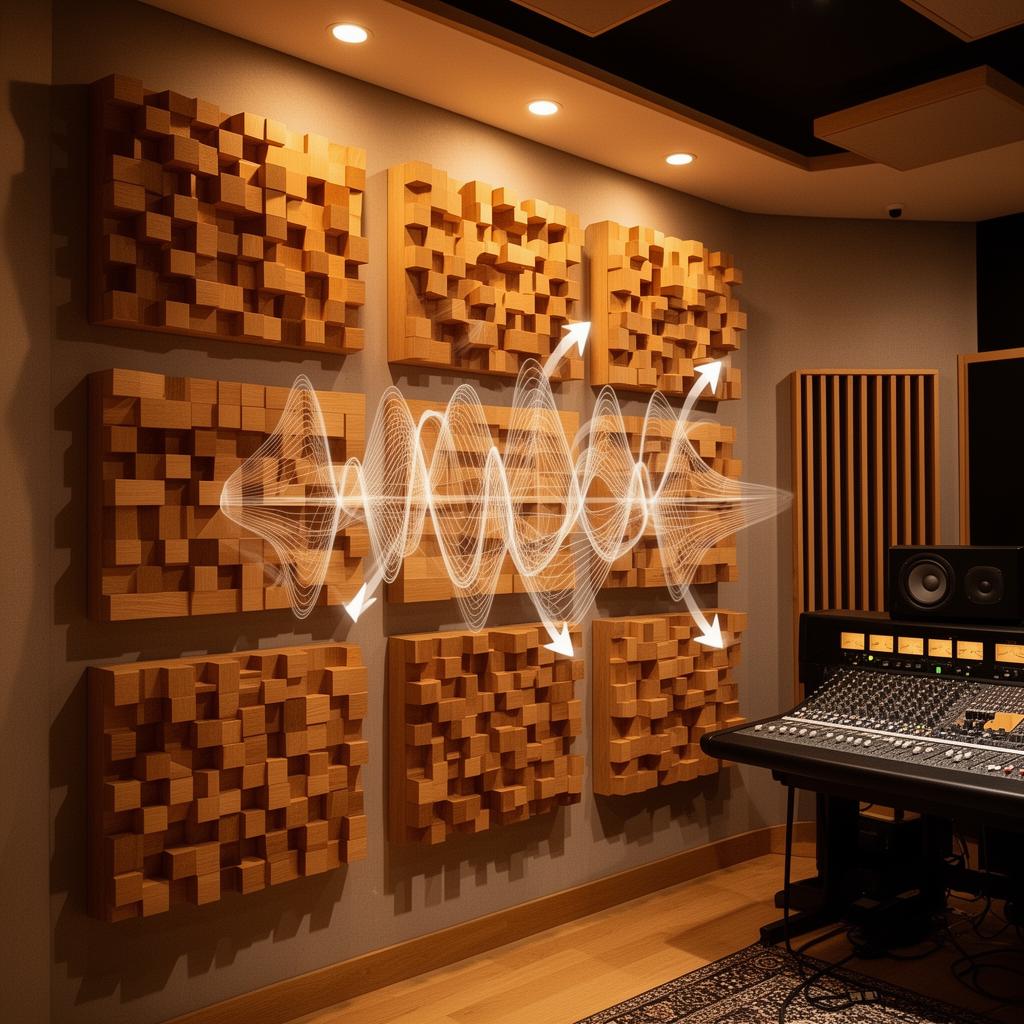
1What Is Sound Diffusion?
• Spatial scattering: Sound is reflected in many directions simultaneously, preventing focused hot spots or dead zones
• Temporal smearing: The slight time differences between reflections from different parts of the diffuser smooth out the sound, reducing comb filtering
• Frequency-dependent: Every diffuser has an effective frequency range determined by its physical dimensions
2Diffusion vs. Absorption vs. Reflection
Reflection
Absorption
Diffusion
3The Physics Behind Sound Diffusion
The Scattering Coefficient
• s = 1: Perfectly diffuse reflection (energy scattered uniformly in all directions)
• s = 0.5–0.7: Typical range for well-designed commercial diffusers
Frequency Range and Physical Size
4Types of Acoustic Diffusers
1. Quadratic Residue Diffusers (QRD)
2. Skyline (Primitive Root) Diffusers
3. Polycylindrical Diffusers
4. Binary Amplitude Diffusers
5. Fractal and Optimized Diffusers
5Where to Place Diffusers
Recording Studios and Control Rooms
• Ceiling cloud perimeter: Surrounding an absorptive ceiling cloud with diffusion helps maintain room liveliness
• Side walls (behind the mix position): Scatters lateral reflections in the rear half of the room
Home Theaters
• Combine with absorption: Use absorption at first reflection points and diffusion elsewhere for optimal cinema sound
Conference Rooms and Offices
Performance Halls and Houses of Worship
6When to Use Diffusion vs. Absorption
• Low-frequency buildup is a problem (bass traps)
• First reflection points need treatment (side walls, ceiling above the listening position)
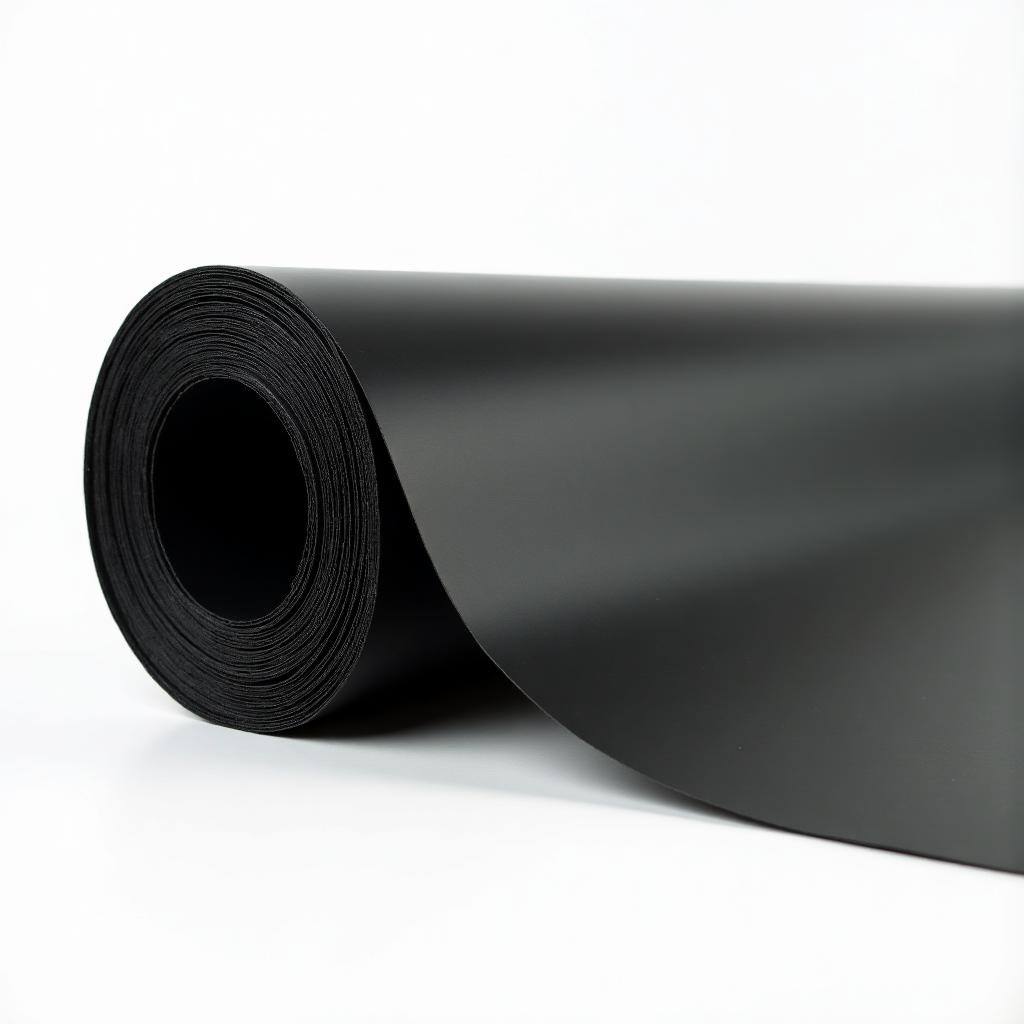
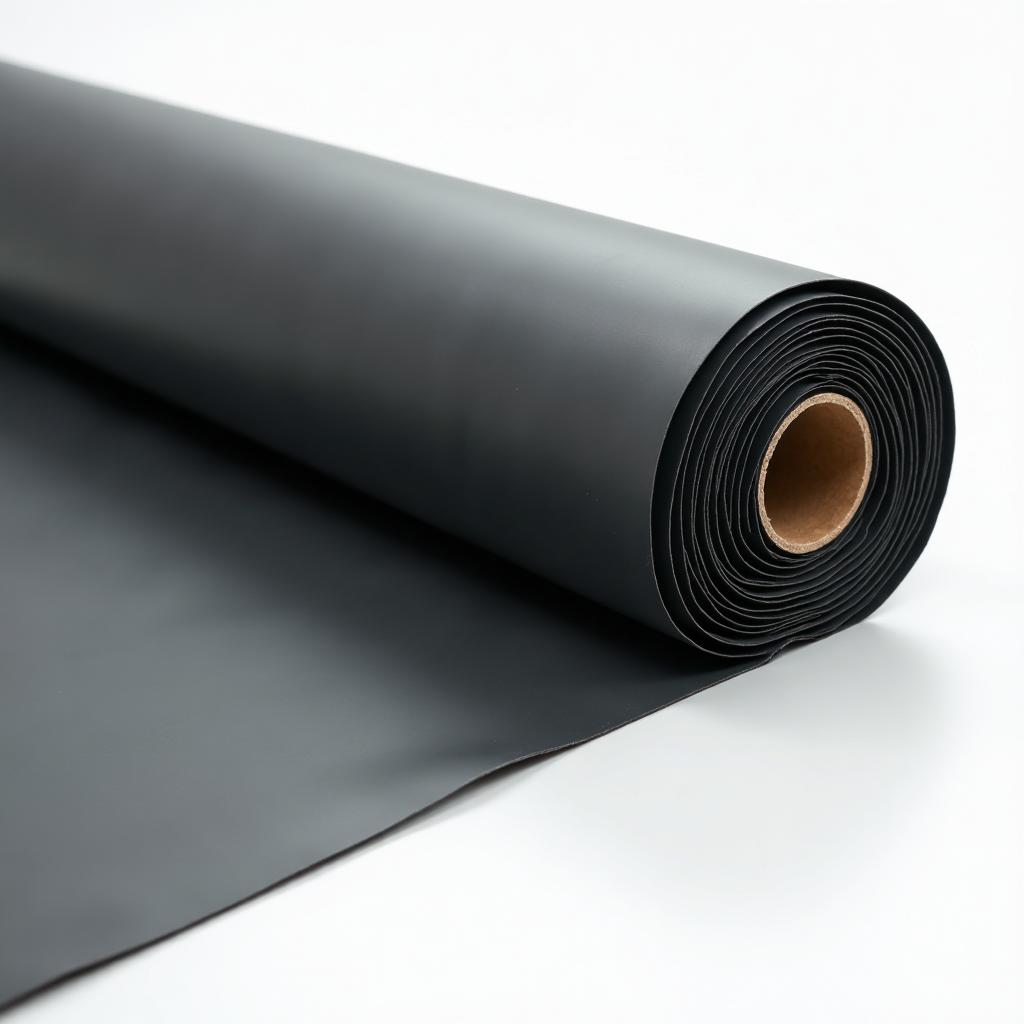
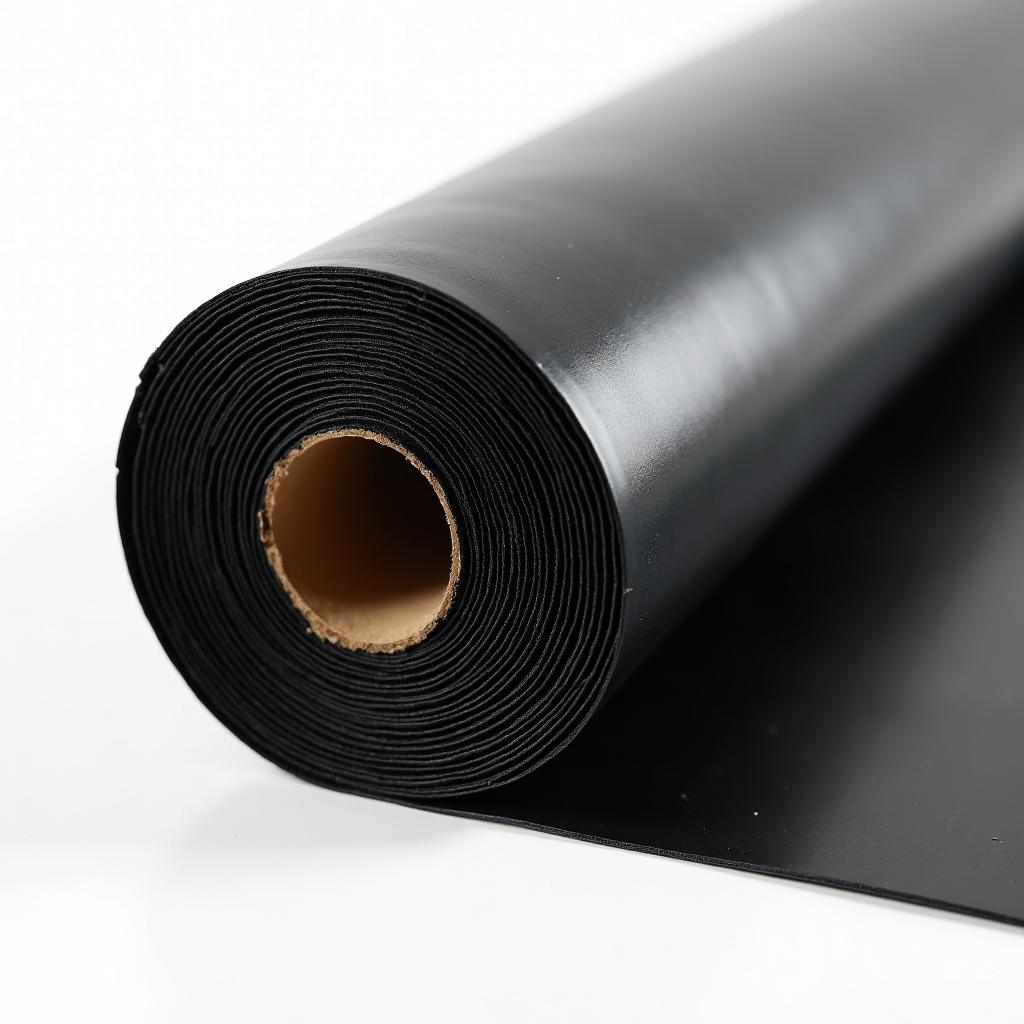
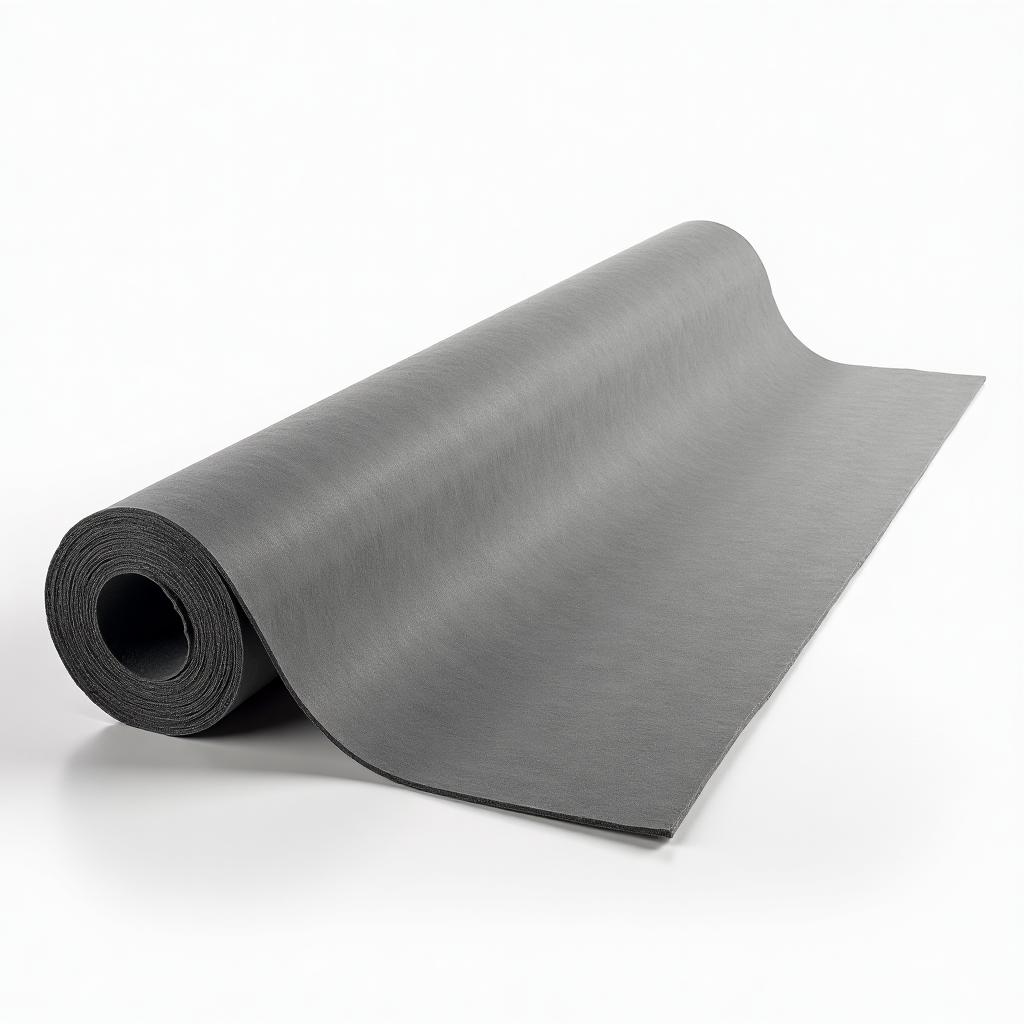
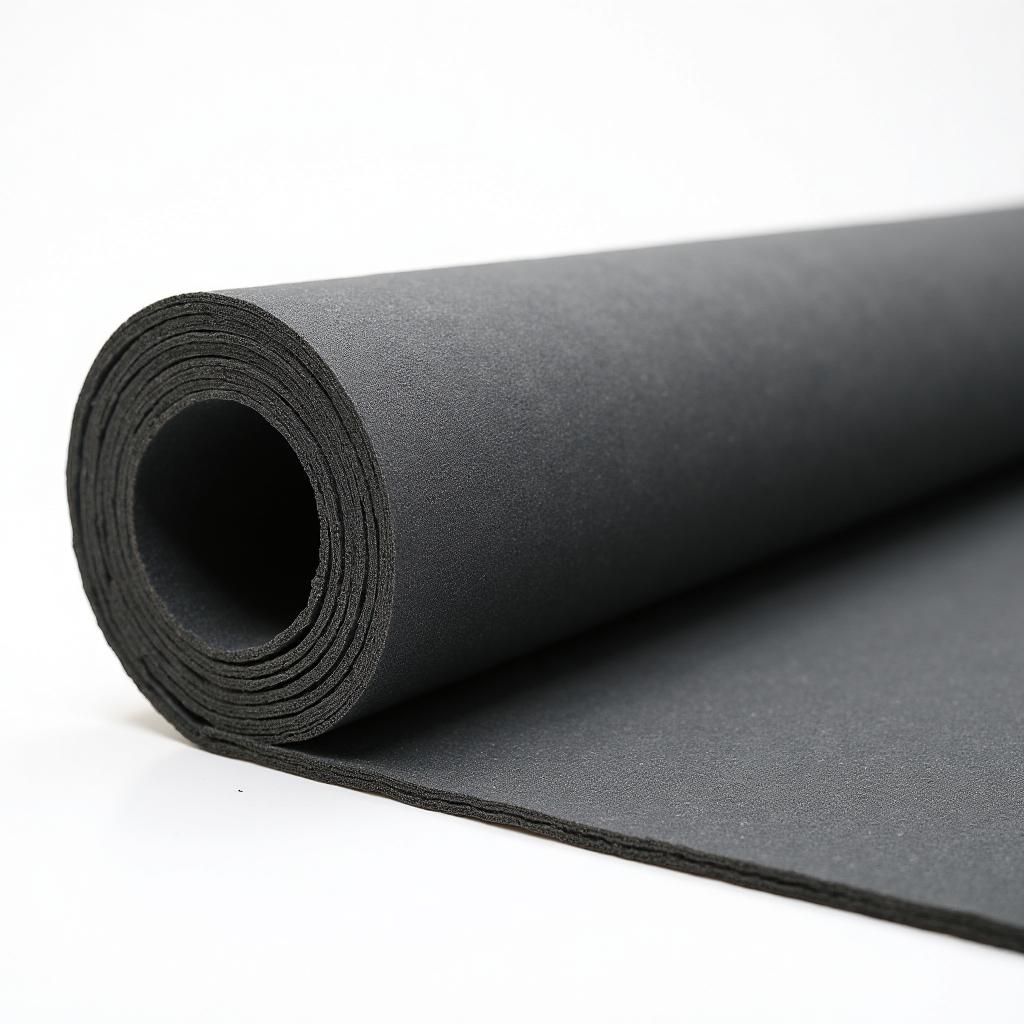
• You're soundproofing to prevent sound from leaving or entering a room (this is where mass loaded vinyl excels—adding mass to walls, ceilings, and floors to block sound transmission)
• Speech privacy is the primary goal
• You want to preserve the room's natural acoustic energy and sense of space
• Flutter echo between parallel walls is a problem but you don't want to reduce liveliness
• Rear walls in mixing rooms, studios, or home theaters
• You want an even, immersive sound field for music listening
7Common Myths About Sound Diffusion
Myth 1: Bookshelves are great diffusers
Myth 2: Egg cartons work as diffusers
Myth 3: Any irregular surface creates good diffusion
Myth 4: Diffusion replaces soundproofing
9Conclusion
FAQs: What Is Sound Diffusion
Related Guides in Acoustics & Education
Continue exploring with these hand-picked articles
25 Fascinating Facts About Sound That Will Change How You Think About Noise
Discover 25 mind-blowing facts about sound—from acoustic levitation and the 310 dB Krakatoa eruption to why a 1% gap leaks 50% of sound energy. The ultimate guide to understanding acoustics.
What Is Sound? The Complete Science of How Sound Works
The definitive guide to understanding sound—how sound waves propagate, the physics of frequency, amplitude, wavelength, the decibel scale, resonance, and how soundproofing materials actually block noise.
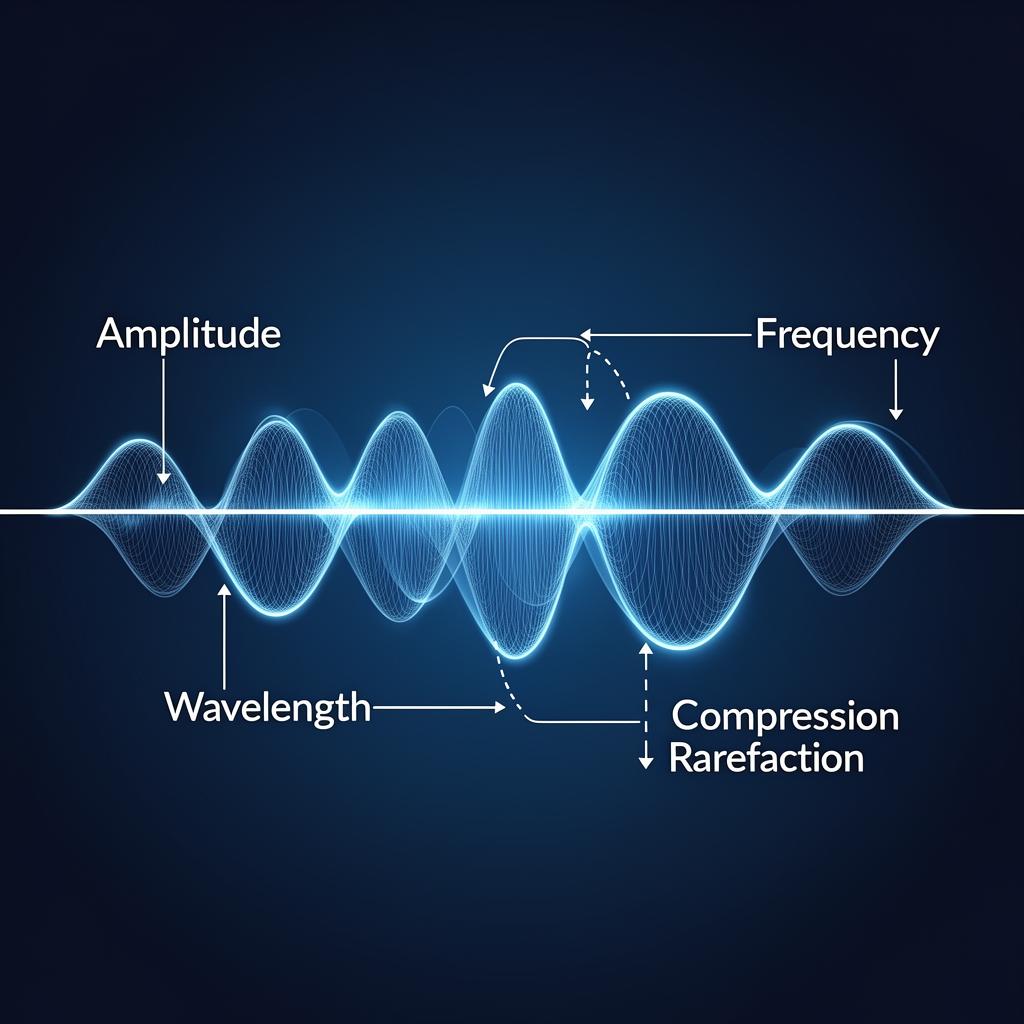
Characteristics of Sound Waves: Amplitude, Frequency, Wavelength & More
The complete guide to sound wave characteristics—amplitude, frequency, wavelength, timbre, reflection, refraction, diffraction, interference, and resonance. Learn how each property affects soundproofing and acoustic design.
Our Complete Product Line
Professional-grade soundproofing materials for any application
Need Expert Soundproofing Advice?
Our team of soundproofing specialists is here to help you choose the right products and installation methods for your museum or gallery project.