What Makes an Anechoic Chamber Different From a Regular Soundproof Room?
1Two Completely Different Goals
2What a Soundproof Room Actually Does
• Decoupling: Separating structural elements (staggered studs, resilient channels, floating floors) prevents vibration from traveling through the building frame
• Damping: Viscoelastic compounds like Green Glue between drywall layers convert vibrational energy into heat, reducing transmission
• Sealing: Every gap, crack, and penetration is sealed with acoustic caulk because sound follows air paths — a 1% gap can reduce wall performance by 50%
3What an Anechoic Chamber Actually Does
• Vibration isolation: The entire inner chamber is typically mounted on springs or rubber isolators, mechanically decoupled from the building structure to prevent ground vibration from entering
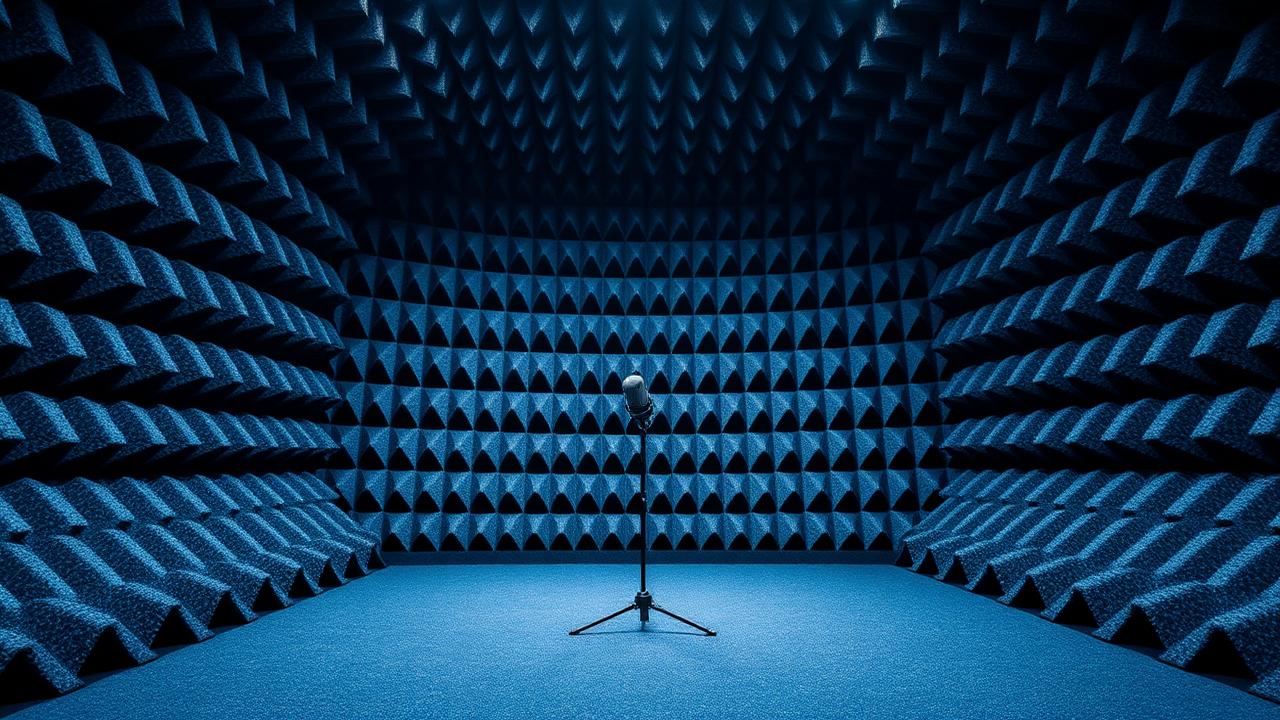
• Absorptive wedges: Every interior surface — walls, ceiling, and floor — is covered with precisely engineered foam or fiberglass wedges that absorb sound energy across the audible frequency spectrum
• Wire mesh floor: Since the floor is also covered in wedges, occupants walk on a tensioned wire mesh or steel grating suspended above the wedge layer
4The Wedge Design: Why Those Foam Pyramids Exist
• Melamine foam: Lightweight, fire-resistant, good absorption above 200 Hz
• Fiberglass wedges: Better low-frequency performance, heavier, requires fabric facing to prevent fiber release
• Hybrid designs: Fiberglass core with melamine facing for broadband performance
5How Silence Is Measured in Each Space
• Professional anechoic chamber: Background noise -10 to -20 dBA, STC 70+, RT60 effectively 0 seconds
• Semi-anechoic chamber: Background noise 5-15 dBA, STC 60+, RT60 near 0 (walls/ceiling only — reflective floor)
• Well-soundproofed bedroom: Background noise 25-35 dBA, STC 40-50, RT60 of 0.4-0.8 seconds
6Can You Combine Both Approaches?
• Home theaters: Need some early reflections for spaciousness and envelopment. Anechoic conditions would make surround sound feel flat and lifeless
• Conference rooms: Require managed reverberation (RT60 of 0.4-0.6 seconds) for clear speech intelligibility without feeling acoustically dead
7Real-World Applications
• Recording studios and broadcast facilities
• Home theaters and media rooms
• Medical facilities (MRI suites, audiology booths)
• Industrial noise control (equipment enclosures, operator booths)
• Residential applications (bedrooms, home offices near highways)
• Conference rooms and teleconference spaces
• Audio equipment testing (speakers, microphones, hearing aids)
• Automotive noise testing (measuring vehicle interior and exterior noise)
• Aerospace component testing (antenna pattern measurement, radar calibration)
• Military and defense applications (sonar calibration, acoustic signature testing)
• Scientific research (psychoacoustics, human hearing threshold studies)
• Product compliance testing (FCC electromagnetic emission testing in RF anechoic chambers)
8What It Feels Like Inside Each Space
10Conclusion
FAQs: Anechoic Chamber vs Soundproof Room
Related Guides in Acoustics
Continue exploring with these hand-picked articles
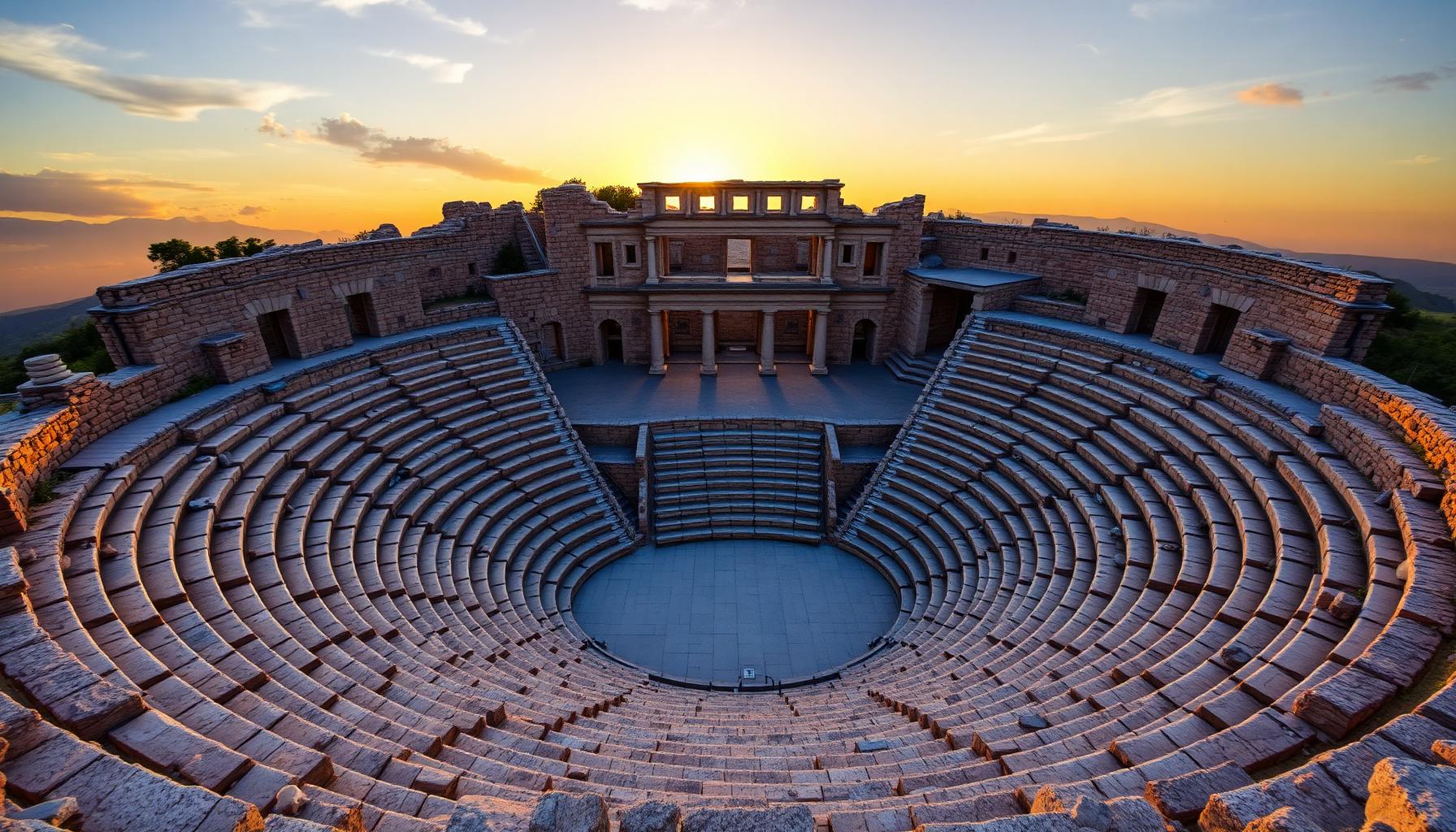
How Ancient Greeks Designed Perfect Amphitheaters Without Modern Technology
Discover how ancient Greeks achieved perfect acoustics at Epidaurus and other amphitheaters. Explore limestone seating, semicircular geometry, and natural frequency filtering that scientists still study today.
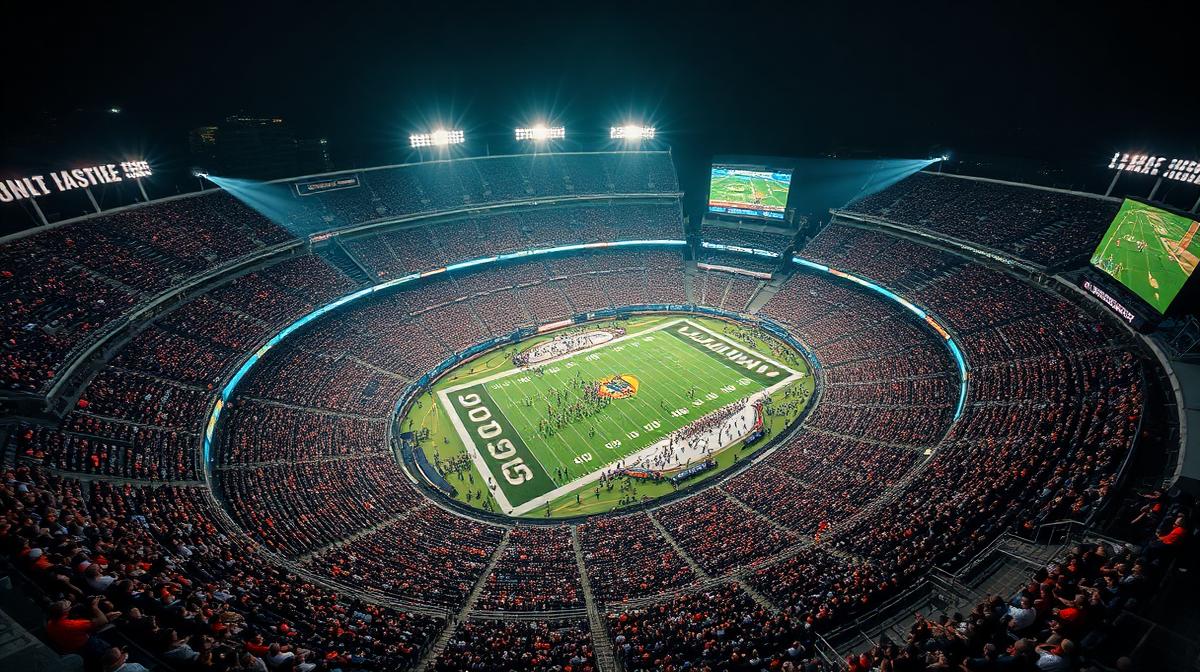
Loudest College Football Stadiums in 2026: All 20 Power Conference Venues Ranked
The loudest college football stadiums in 2026, ranked by decibel records, capacity, acoustics and crowd intensity. Compare all 20 Power Conference venues with verified noise data and conference-by-conference breakdowns.
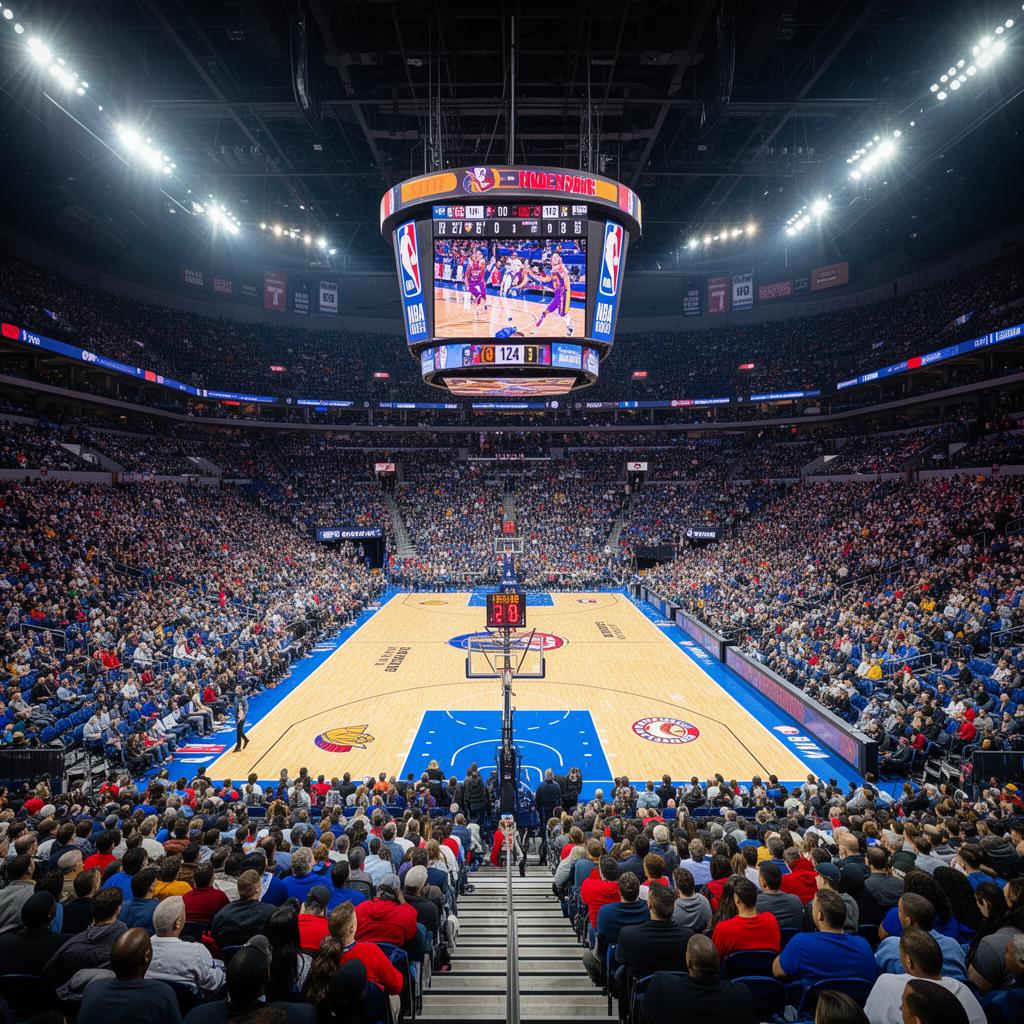
Loudest NBA Arenas Ranked: All 30 NBA Home Arenas
Complete ranking of all 30 NBA arenas by loudness. Covers crowd reputation, arena design, playoff atmosphere, home-court history, and documented noise moments across every current NBA venue.
Our Complete Product Line
Professional-grade soundproofing materials for any application
Need Expert Soundproofing Advice?
Our team of soundproofing specialists is here to help you choose the right products and installation methods for your museum or gallery project.