2Loudest NBA Arenas Ranked
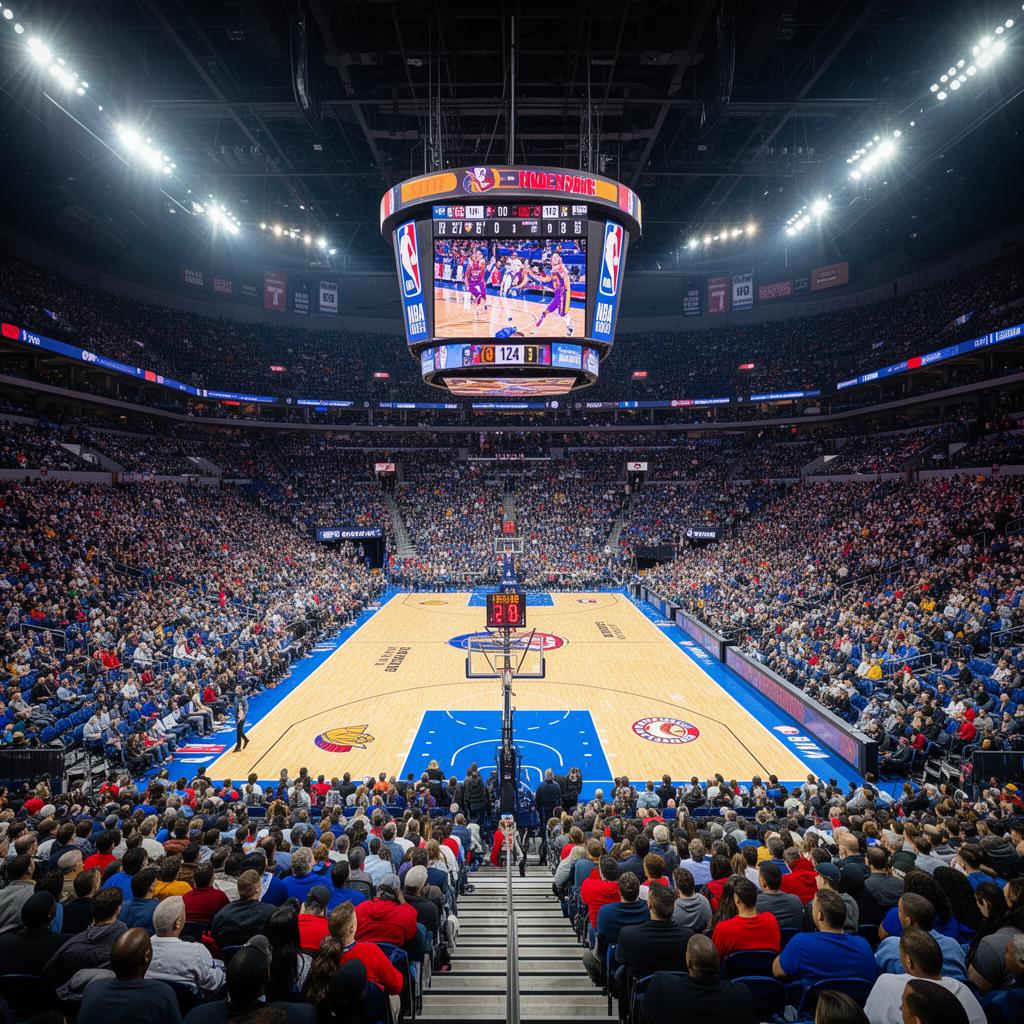
This comprehensive ranking covers all 30 current NBA home arenas, providing far more depth than a typical top-10 list. Each entry includes team, location, capacity, and what makes the venue uniquely loud or limiting.
1. Golden 1 Center
Team: Sacramento Kings | Location: Sacramento, California | Capacity: 17,611 | First NBA Season: 2016-17
Golden 1 Center has the best hard loudness claim in the NBA conversation because Sacramento fans famously set a Guinness crowd-noise record during the Kings era before this building, and that fan identity still carries into Golden 1. The arena is not one of the league's largest, but it feels sharp, modern, and packed with energy when the Kings are competitive. When Sacramento gets rolling, this is one of the most uncomfortable places in the league for a visiting team.
2. Madison Square Garden
Team: New York Knicks | Location: New York, New York | Capacity: 19,812 | First NBA Season: 1967-68
Madison Square Garden is not just famous. It is one of the few arenas where every big possession feels heavier because the crowd knows the moment. Knicks playoff basketball has reminded everyone how violent the sound can feel in this building. The arena's history, location, and star power give it a different kind of volume than a newer venue, and when the Garden is alive, it belongs near the very top.
3. TD Garden
Team: Boston Celtics | Location: Boston, Massachusetts | Capacity: 18,624 | First NBA Season: 1995-96
TD Garden earns its spot because Celtics games can feel nasty in the best possible way. Boston is a real basketball city, and the crowd gets loud early and stays loud late when the stakes rise. Deep playoff runs, a compact feel, and an experienced fan base make TD Garden one of the safest bets in any loudest-NBA-arena discussion.
4. Paycom Center
Team: Oklahoma City Thunder | Location: Oklahoma City, Oklahoma | Capacity: 18,203 | First NBA Season: 2005-06 as an NBA venue; 2008-09 for the Thunder
Paycom Center has had one of the strongest noise reputations in the league for years. Oklahoma City crowds bring a college-style edge that translates well in a tight basketball building. When the Thunder are good, the arena feels personal, loud, and hostile in a way that many bigger markets do not always match.
5. Gainbridge Fieldhouse
Team: Indiana Pacers | Location: Indianapolis, Indiana | Capacity: 17,923 | First NBA Season: 1999-2000
Indiana is one of the purest basketball states in the country, and that matters. Gainbridge Fieldhouse does not need huge capacity to create noise because the fan base understands the game and responds fast. Recent playoff runs have pushed it further up the loudness conversation, and it is now one of the more dangerous home courts in the East.
6. Footprint Center
Team: Phoenix Suns | Location: Phoenix, Arizona | Capacity: 17,071 | First NBA Season: 1992-93
Footprint Center is not massive, but it gets loud because the building can feel tight and the Suns fan base has shown real playoff juice. Phoenix crowds have produced some of the strongest recent postseason atmospheres in the league. This is exactly the kind of arena that proves loudness is not just about total seats.
7. Fiserv Forum
Team: Milwaukee Bucks | Location: Milwaukee, Wisconsin | Capacity: 17,341 | First NBA Season: 2018-19
Fiserv Forum became a serious noise environment as the Bucks became contenders. The arena is modern, loud, and more intense than casual fans often assume. Milwaukee may not get the same national attention as New York or Los Angeles, but the building delivers in big games.
8. Intuit Dome
Team: LA Clippers | Location: Inglewood, California | Capacity: 18,000 | First NBA Season: 2024-25
Intuit Dome is still building its reputation, but it was clearly designed with home-court advantage in mind. The Clippers finally have a building of their own, and that matters. New arenas can sometimes feel sterile at first, but this one has real loudness upside because it was built to create a stronger fan environment than the team had before.
9. Moda Center
Team: Portland Trail Blazers | Location: Portland, Oregon | Capacity: 19,411 | First NBA Season: 1995-96
Portland belongs high on the list because the fan base has long been one of the league's best. When the Blazers matter, Moda Center gets rowdy in a hurry. It is one of the buildings that keeps showing up in arena-atmosphere conversations for a reason.
10. Ball Arena
Team: Denver Nuggets | Location: Denver, Colorado | Capacity: 19,520 | First NBA Season: 1999-2000
Ball Arena has a strong case as a top-10 loud building because Denver has become a major basketball market and the crowd has risen with the team. The altitude adds a physical edge for opponents, and the arena gets plenty loud in meaningful playoff games. It is not always the first arena named, but it should be in the conversation.
11. Chase Center
Team: Golden State Warriors | Location: San Francisco, California | Capacity: 18,064 | First NBA Season: 2019-20
Chase Center has had to live in the shadow of Oracle's old reputation, but it still becomes a strong environment when Golden State is relevant. Warriors crowds are experienced, loud, and responsive, especially in big postseason moments. It is a very good arena atmosphere, even if some fans still prefer the energy of the previous era.
12. Crypto.com Arena
Team: Los Angeles Lakers | Location: Los Angeles, California | Capacity: 18,997 | First NBA Season: 1999-2000
Lakers games bring celebrity attention and history, but the building can also get genuinely loud when the game matters. Crypto.com Arena is not always the most relentless regular-season environment, but playoff Lakers basketball still carries real energy. The brand alone makes every big game feel bigger.
13. Wells Fargo Center
Team: Philadelphia 76ers | Location: Philadelphia, Pennsylvania | Capacity: 20,007 | First NBA Season: 1996-97
Philadelphia fans are loud, emotional, and demanding, which gives Wells Fargo Center a real edge. The building has enough size to feel major and enough fan intensity to feel uncomfortable for road teams. It may not always have the same clean acoustic reputation as the top few, but the crowd personality gives it serious force.
14. Scotiabank Arena
Team: Toronto Raptors | Location: Toronto, Ontario | Capacity: 19,800 | First NBA Season: 1998-99
Scotiabank Arena has proven it can create one of the better atmospheres in the league, especially when Toronto is contending. The fan base is broad, energized, and capable of making the arena feel much louder than a standard regular-season stop. It rises noticeably in playoff settings.
15. Kaseya Center
Team: Miami Heat | Location: Miami, Florida | Capacity: 19,600 | First NBA Season: 2000-01
Miami's crowd gets criticized at times, but that can hide the truth that big Heat games still produce serious volume. When the stakes rise, Kaseya Center can be a strong home building. It is more situational than the top-tier arenas, but its ceiling is absolutely loud enough to merit a solid ranking.
16. Rocket Mortgage FieldHouse
Team: Cleveland Cavaliers | Location: Cleveland, Ohio | Capacity: 19,432 | First NBA Season: 1994-95
Cleveland has always cared deeply about basketball, and the arena responds when the Cavaliers are relevant. Rocket Mortgage FieldHouse gets a lot of life from the crowd in close games and postseason moments. It is a strong, credible home-court arena even if it is not usually placed in the absolute top tier.
17. United Center
Team: Chicago Bulls | Location: Chicago, Illinois | Capacity: 20,917 | First NBA Season: 1994-95
The United Center is the biggest current NBA arena by listed capacity, and history gives it enormous weight. Chicago crowds have produced legendary moments, though the arena's loudness has naturally fluctuated with the team's relevance. When the Bulls are truly good again, this building could rise fast in the conversation.
18. Barclays Center
Team: Brooklyn Nets | Location: Brooklyn, New York | Capacity: 17,732 | First NBA Season: 2012-13
Barclays Center has a modern, intimate feel that can help the noise carry better than some larger buildings. The challenge has been consistency rather than potential. In important games, though, it can absolutely feel lively and disruptive.
19. Capital One Arena
Team: Washington Wizards | Location: Washington, D.C. | Capacity: 20,333 | First NBA Season: 1997-98
Capital One Arena has the size and downtown setting to create a big-event feel, but its loudness depends heavily on team momentum. It is capable of strong nights when the city is engaged. It just has not lived in the same atmosphere tier as the best NBA buildings on a regular basis.
20. State Farm Arena
Team: Atlanta Hawks | Location: Atlanta, Georgia | Capacity: 17,044 | First NBA Season: 1999-2000
State Farm Arena can build noise quickly when Atlanta has a real playoff push. The building is not huge, but that can help the environment feel tighter and more connected. It sits in the middle because the top-level loudness moments have been less consistent than the best arenas in the league.
21. Kia Center
Team: Orlando Magic | Location: Orlando, Florida | Capacity: 18,846 | First NBA Season: 2010-11
Orlando has become more interesting as the Magic have improved, and the arena has responded. Kia Center is a solid modern building with enough energy to create a good home floor. It feels like a place that could climb this list if the team keeps growing.
22. American Airlines Center
Team: Dallas Mavericks | Location: Dallas, Texas | Capacity: 19,200 | First NBA Season: 2001-02
Dallas can absolutely get loud in the right game, especially in the postseason. The arena is proven, polished, and large enough to create real crowd force. It lands here because its week-to-week intimidation factor has generally been less talked about than some of the top 15 above it.
23. Little Caesars Arena
Team: Detroit Pistons | Location: Detroit, Michigan | Capacity: 20,332 | First NBA Season: 2017-18
Little Caesars Arena is a newer building with strong upside, especially if Detroit continues to improve. Right now, it feels more like a venue with potential than a fully established loudness monster. The city's basketball roots still give it a good long-term ceiling.
24. Target Center
Team: Minnesota Timberwolves | Location: Minneapolis, Minnesota | Capacity: 18,024 | First NBA Season: 1990-91
Target Center has had some very good recent nights as the Timberwolves gained traction. The arena may not have the national loudness brand of some others, but it can become a strong environment when Minnesota is rolling. It feels like another building on the rise rather than one in decline.
25. FedExForum
Team: Memphis Grizzlies | Location: Memphis, Tennessee | Capacity: 17,794 | First NBA Season: 2004-05
FedExForum has had stretches where it felt like a tough, physical basketball atmosphere that fit the Grizzlies perfectly. It does not get discussed enough nationally, but Memphis fans can create a loud, gritty setting. The ranking here is more about inconsistent recent visibility than lack of upside.
26. Delta Center
Team: Utah Jazz | Location: Salt Lake City, Utah | Capacity: 18,306 | First NBA Season: 1991-92
Utah has a long history of strong home support, and the Delta Center name carries some real nostalgia. The arena still matters and still gets loud on the right nights. It sits a little lower mainly because the loudest current NBA conversations have shifted toward other buildings in recent years.
27. Spectrum Center
Team: Charlotte Hornets | Location: Charlotte, North Carolina | Capacity: 19,077 | First NBA Season: 2005-06
Spectrum Center is a solid arena with enough capacity and a good downtown location, but it has not built a major league-wide loudness reputation. It can still feel strong in close games and meaningful stretches. It just has less proof than the arenas ranked above it.
28. Frost Bank Center
Team: San Antonio Spurs | Location: San Antonio, Texas | Capacity: 18,354 | First NBA Season: 2002-03
San Antonio has a serious basketball culture, and the building has seen plenty of important moments. Even so, its loudness profile today is more stable than explosive. It remains respectable, but not currently one of the first arenas people point to when talking pure volume.
29. Toyota Center
Team: Houston Rockets | Location: Houston, Texas | Capacity: 18,055 | First NBA Season: 2003-04
Toyota Center is a good modern NBA arena, but it has rarely carried a top-tier loudness reputation compared with the stronger buildings in the West. That could change if the Rockets become a true contender again. For now, it stays toward the bottom half of the list.
30. Smoothie King Center
Team: New Orleans Pelicans | Location: New Orleans, Louisiana | Capacity: 16,867 | First NBA Season: 2002-03
Smoothie King Center is the smallest arena in this list by capacity, and that matters when comparing it against the league's loudest buildings. It can still be fun and energetic, but it does not have the same consistent pressure or national loudness reputation as most of the teams above it.