Acoustics28 min readAuthorMass Loaded Vinyl DirectPublishedUpdated

    Loudest College Football Stadiums in 2026: All 20 Power Conference Venues Ranked

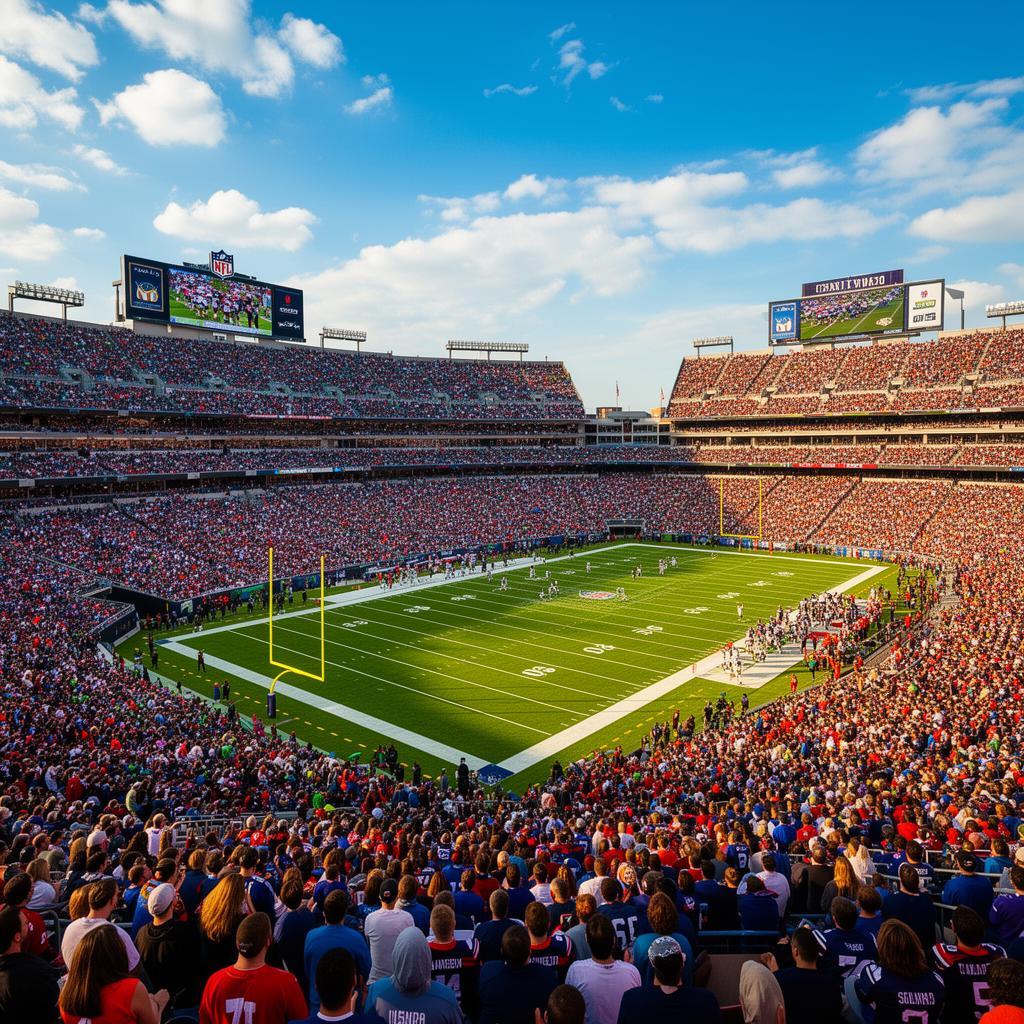
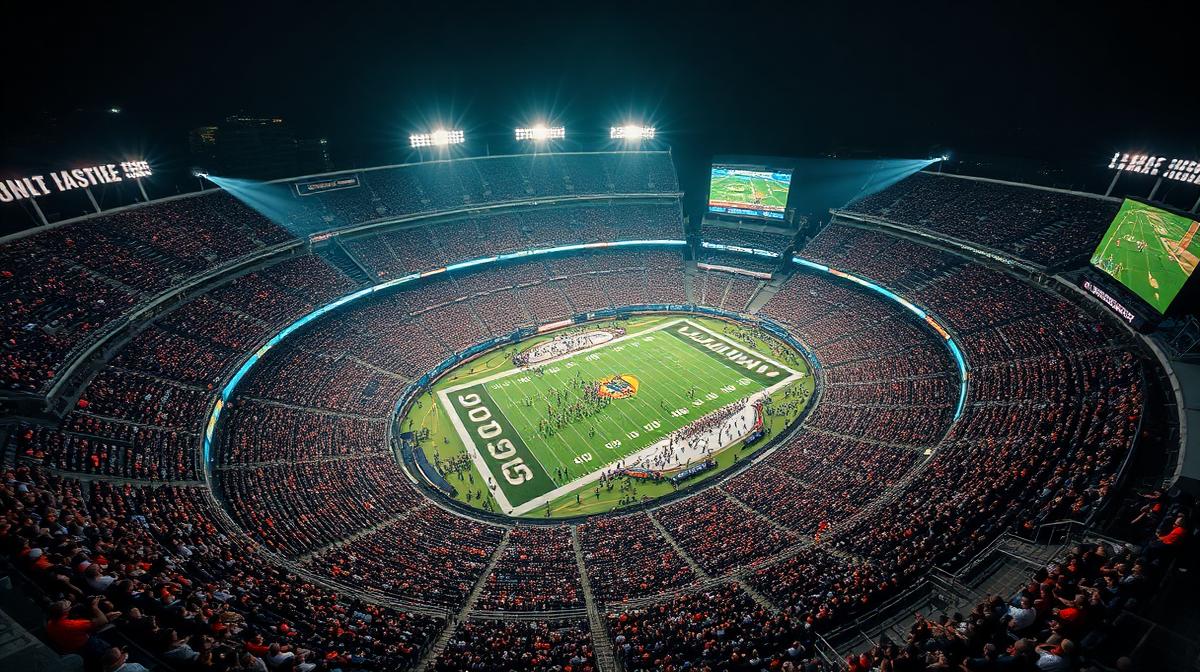
    Aerial view of a packed college football stadium at night with over 100,000 fans creating an intense game-day atmosphere under bright stadium lights
    Aerial view of a packed college football stadium at night with over 100,000 fans creating an intense game-day atmosphere under bright stadium lights

    1What Makes a College Football Stadium Loud?

    The loudest stadiums in college football are not always the biggest. Capacity matters, but stadium design, crowd behavior, and game atmosphere often matter just as much. A smaller stadium with steep seating and intense fan engagement can feel louder than a bigger venue with a more open design.

    Crowd Capacity

    Larger stadiums can generate more total sound because they hold more fans. Places like Michigan Stadium (107,601), Beaver Stadium (106,572), Neyland Stadium (101,915), Tiger Stadium (102,321), and Ohio Stadium (102,780) all benefit from massive attendance and consistent game-day energy. When 100,000+ fans are screaming in unison, the raw acoustic power is staggering—crowd noise at these venues has been measured above 130 dB, which approaches the threshold of physical pain.
    However, raw capacity alone doesn't tell the whole story. Michigan Stadium, despite being the largest venue in college football, is often described as quieter than smaller stadiums because of its open bowl design and wider seating angles that allow sound to escape upward rather than reflecting back toward the field.

    Stadium Architecture and Acoustics

    Some stadiums trap sound better than others, and the acoustic principles behind this are well understood in architectural engineering. The key factors include:
    Steep upper decks: When seating rises sharply from the field, sound waves bounce off the angled surfaces and reflect back down toward the playing surface instead of escaping into the open air. Autzen Stadium and Lane Stadium are prime examples of this effect
    Enclosed bowl designs: Stadiums with fully enclosed ends and continuous seating bowls create a reverberant chamber effect. Tiger Stadium's four-sided enclosure is one of the most effective acoustic traps in college football
    Overhangs and canopies: Upper deck overhangs reflect crowd noise from the upper sections back down, effectively doubling the acoustic contribution of fans seated in those areas
    Proximity to the field: When the first row of seating is close to the sideline, sound reaches the field with less distance-based attenuation. Every doubling of distance from a sound source reduces the sound level by approximately 6 dB in open conditions
    Hard surface materials: Concrete and steel reflect sound efficiently, while open-air designs with gaps and soft surfaces absorb and diffuse acoustic energy

    Fan Culture and Traditions

    Stadiums become truly intimidating when the crowd knows when to get loud and stays engaged throughout the game. Signature traditions, rivalry games, night kickoffs, coordinated chants, and big defensive moments all raise the noise level. The difference between a stadium that gets loud on big plays and one that sustains crushing noise throughout an entire defensive series can determine whether an opposing offense can communicate at the line of scrimmage.
    Schools like LSU, Penn State, Texas A&M, and Virginia Tech have built cultures where fans understand their role in creating a hostile environment. The 12th Man tradition at Texas A&M, the Enter Sandman entrance at Virginia Tech, and Tiger Bait chants at LSU are not just traditions—they are coordinated acoustic weapons that create sustained, directional noise aimed at disrupting opposing offenses.

    Historic Rivalry Games and Night Games

    Many of the loudest moments in college football happen during rivalry games or primetime matchups. Night games at LSU, White Out games at Penn State, major SEC showdowns, and packed conference title races tend to create the most intense environments. The combination of emotional stakes, national television exposure, and the atmospheric intensity of playing under lights pushes fan engagement to levels that regular-season noon kickoffs simply cannot match.
    Research from acoustic monitoring during major college football games shows that night games average 5-8 dB higher in sustained crowd noise compared to afternoon games at the same venue. Given that a 10 dB increase represents a perceived doubling of loudness, this difference is enormous.

    2How We Ranked the Loudest Stadiums

    A strong ranking should not rely on reputation alone. We evaluated each stadium across four weighted criteria to produce a ranking that balances measurable data with the experiential reality of game-day atmosphere.

    Capacity and Crowd Density

    Stadium size still matters. A venue with more than 90,000 fans has a higher noise ceiling than a stadium with 45,000 seats, especially when the building is full and the game has real stakes. But we also considered crowd density—how tightly packed the seating is relative to the total square footage of the bowl. A compact 54,000-seat stadium where fans are crammed into steep, tight rows can produce a higher decibel reading per fan than a sprawling 107,000-seat venue with wide concourses and open ends.

    Documented Decibel Records

    Where available, decibel readings and widely cited noise records were included and weighted in the ranking. These help support the placement with evidence instead of pure opinion. Notable documented readings include:
    Husky Stadium (Washington): Registered a seismic event during a 1992 game—the crowd's synchronized jumping was detected by seismographic equipment at the University of Washington
    Beaver Stadium (Penn State): White Out games have been measured above 130 dB
    Tiger Stadium (LSU): Crowd noise during the 2007 Alabama game reportedly reached 130+ dB on sustained defensive stands
    Kyle Field (Texas A&M): Third-deck readings during the 2013 Alabama game were reported near 130 dB
    Autzen Stadium (Oregon): Despite seating only 54,000, readings have exceeded 127 dB during key defensive moments

    Seating Bowl Design

    Stadiums with steep sides, enclosed ends, and fans closer to the field tend to create more pressure on opposing offenses. We evaluated each venue's architectural design for its ability to trap and amplify crowd noise, including factors like bowl enclosure percentage, average seating angle, distance from the first row to the sideline, and the presence of overhangs or canopies that reflect sound back toward the field.

    Fan Reputation and Game Atmosphere

    Some schools are simply known for louder and more disruptive home environments. That reputation, when backed by history and consistent game-day intensity, influenced the ranking. We considered factors like average attendance as a percentage of capacity (sellout streaks), signature crowd moments, coaching and player quotes about the difficulty of playing at specific venues, and the overall emotional investment of the fan base.

    3The Loudest College Football Stadiums Ranked

    This comprehensive ranking covers 20 major Power Conference stadiums, providing far more depth than a typical top-10 list. Each entry includes capacity, conference, key architectural features, and what makes the venue uniquely loud.

    1. Tiger Stadium — LSU

    Capacity: 102,321 | Conference: SEC | Known As: Death Valley
    LSU's Tiger Stadium belongs at the top of any loudest college football stadiums ranking because of its size, fan intensity, and legendary reputation for night games. The enclosed bowl design with steep upper decks on all four sides creates one of the most effective acoustic traps in college football. When 102,000 fans in Baton Rouge unleash coordinated noise during a Saturday night SEC game, the sound has nowhere to escape. The stadium's concrete construction reflects sound waves back toward the field, and the narrow playing surface means visiting players are surrounded by hostile noise from every direction.
    Death Valley has produced some of the most iconic home-field advantage moments in college football history. LSU's home record during night games under multiple coaching eras is among the best in the sport. The crowd's ability to sustain crushing noise through entire defensive series—not just on individual plays—is what separates Tiger Stadium from venues that get loud in bursts. Visiting quarterbacks have described the experience as feeling like the ground is shaking.

    2. Beaver Stadium — Penn State

    Capacity: 106,572 | Conference: Big Ten | Known As: The White Out
    Penn State's White Out atmosphere has made Beaver Stadium one of the most famous noise environments in the country. The combination of more than 106,000 fans dressed entirely in white and a highly coordinated crowd creates a visual and acoustic spectacle that has no equal in college football. The student section alone holds more than 21,000 fans packed into the south end zone, creating a wall of noise that hits opposing offenses immediately after they cross midfield.
    Beaver Stadium's recent renovation plans aim to enclose more of the bowl, which will only amplify the acoustic effect. Even in its current configuration, White Out games against top-10 opponents have produced sustained readings above 130 dB. The stadium's sheer scale means that even moderate crowd engagement produces enormous total acoustic output, and when the game is close in the fourth quarter, the noise becomes genuinely overwhelming.

    3. Autzen Stadium — Oregon

    Capacity: 54,000 | Conference: Big Ten | Known As: The Autzen Zoo
    Autzen Stadium proves that raw size is not everything. Oregon's home field is widely regarded as one of the loudest pound-for-pound stadiums in college football because of its compact design and intense acoustics. The steep seating bowl rises sharply from a playing surface that sits well below grade level, creating a natural amphitheater effect where sound is funneled downward toward the field. At just 54,000 seats, Autzen generates per-seat noise levels that rival or exceed stadiums twice its size.
    Visiting coaches have consistently rated Autzen as one of the most difficult road environments in the country. The crowd's proximity to the field—the first row of seating is remarkably close to the sideline—means that sound reaches the playing surface with minimal distance-based attenuation. When Oregon is competitive and the game matters, Autzen becomes one of the most disorienting environments in college football.

    4. Kyle Field — Texas A&M

    Capacity: 102,733 | Conference: SEC | Known As: Home of the 12th Man
    Kyle Field combines massive capacity with one of the most engaged fan bases in the sport. The 12th Man tradition—where the entire student body stands for the duration of the game—creates a sustained noise floor that never drops below a punishing level. The three-deck configuration and recent renovations have improved the acoustic enclosure of the bowl, making Kyle Field even louder than its already formidable reputation suggested.
    When Texas A&M is competitive and the game has SEC implications, Kyle Field can feel overwhelming for visiting teams. The Aggie War Hymn, midnight yell practice (which draws 30,000+ fans the night before home games), and coordinated crowd responses create an atmosphere that is as psychologically intimidating as it is acoustically punishing.

    5. Neyland Stadium — Tennessee

    Capacity: 101,915 | Conference: SEC | Known As: The Volunteer Navy Venue
    Neyland Stadium has one of the biggest crowds in the sport, and Tennessee's recent return to national relevance has pushed the atmosphere to another level. Big SEC games in Knoxville create a brutal road setting that combines massive attendance, passionate fans, and a stadium design that channels noise effectively. The iconic checkerboard end zones and Rocky Top anthem create moments of coordinated crowd energy that shake the stadium.
    The 2022 Tennessee season reminded the college football world of how loud Neyland Stadium can be when the stakes are enormous and the game stays close. The atmosphere during the Alabama game that year was widely described as one of the loudest environments anyone had experienced in modern college football.

    6. Ohio Stadium — Ohio State

    Capacity: 102,780 | Conference: Big Ten | Known As: The Horseshoe
    Ohio Stadium deserves a spot near the top because of its scale, history, and the intensity of big home games. The Horseshoe's distinctive open-ended design means it is not as acoustically enclosed as Tiger Stadium or Kyle Field, but the sheer volume of fans compensates. When 102,000+ fans in Columbus are engaged in a major Big Ten matchup, the noise is enormous. The O-H-I-O cheer, Hang On Sloopy, and Script Ohio create coordinated energy bursts that generate massive crowd noise.

    7. Sanford Stadium — Georgia

    Capacity: 92,746 | Conference: SEC | Known As: Between the Hedges
    Georgia's rise to back-to-back national championships has made Sanford Stadium even more intimidating. The fan base is loud, loyal, and increasingly confident, and the stadium's environment during big SEC games stands out as one of the most hostile in the conference. The hedges that line the field create a psychological barrier that adds to the intimidation factor, and the crowd's ability to generate noise during critical defensive moments has improved markedly during the program's championship run.

    8. Ben Hill Griffin Stadium — Florida

    Capacity: 88,548 | Conference: SEC | Known As: The Swamp
    The Swamp has long been known as one of the toughest venues in college football. Florida's home field gets loud quickly, and its design helps the sound stay in the stadium. The nickname itself reflects the suffocating atmosphere—opposing teams feel like they are sinking into a hostile environment where escape is impossible. The combination of Florida heat, humidity, and relentless crowd noise creates a multi-sensory assault on visiting teams that few venues can match.
    Steve Spurrier, Urban Meyer, and multiple other coaches have specifically cited The Swamp as one of the most difficult road environments they have ever faced. The stadium's steep east side and enclosed south end zone create acoustic hot spots where the noise concentrates.

    9. Camp Randall Stadium — Wisconsin

    Capacity: 80,321 | Conference: Big Ten | Known As: Camp Randall
    Camp Randall deserves serious respect because of its tradition, crowd involvement, and ability to build momentum during big moments. The Jump Around tradition between the third and fourth quarters—where the entire stadium jumps in unison to House of Pain's hit—has been measured by seismographic equipment and creates one of the most famous atmospheric moments in all of college football. The crowd energy from Jump Around carries into the fourth quarter and creates a tangible home-field advantage.
    Camp Randall's relatively compact design for a Big Ten stadium means the noise feels concentrated. The student section in the south end zone is one of the most energetic in the conference, and Wisconsin's running-game identity creates natural crowd engagement on every short-yardage and goal-line situation.

    10. Husky Stadium — Washington

    Capacity: 70,138 | Conference: Big Ten | Known As: The Greatest Setting in College Football
    Washington's stadium has delivered some of the most famous noise moments in college football history. The waterfront setting on Lake Washington is beautiful, but the game-day sound is anything but soft. Husky Stadium's distinctive cantilevered roof design traps and reflects crowd noise downward toward the field, creating an acoustic effect that has been compared to a covered arena. The result is that 70,000 fans in Seattle can sound like 100,000 elsewhere.
    The stadium is perhaps most famous for causing a measurable seismic event during a 1992 game against Nebraska. The crowd's synchronized stomping and jumping was detected by earthquake monitoring equipment at the university, giving Husky Stadium a unique distinction in the history of college football noise.

    11. Lane Stadium — Virginia Tech

    Capacity: 66,233 | Conference: ACC | Known As: Enter Sandman
    Lane Stadium is one of the best examples of a venue that feels louder than its size alone would suggest. The crowd energy and stadium design make it one of the more difficult ACC environments. The Enter Sandman entrance—where the entire stadium jumps in unison as Metallica's iconic song plays—has become one of the most viral traditions in college football and creates an immediate acoustic explosion that sets the tone for the entire game.
    The stadium's steep west stands and compact bowl design concentrate noise effectively. Virginia Tech's fan base has built a reputation for sustained intensity that persists well beyond the pregame entrance, making Lane Stadium consistently ranked among the best home-field environments in the country despite a capacity under 67,000.

    12. Memorial Stadium — Clemson

    Capacity: 81,500 | Conference: ACC | Known As: Death Valley
    Clemson's Memorial Stadium has built a national reputation thanks to elite teams, a passionate fan base, and one of the sport's most recognizable entrances. The tradition of Running Down the Hill—where players touch Howard's Rock and run down a hill into the stadium—creates a crowd explosion that sets the energy for the entire game. During Clemson's championship runs, the atmosphere in Death Valley reached levels that rivaled any venue in the country.

    13. Bryant-Denny Stadium — Alabama

    Capacity: 100,077 | Conference: SEC | Known As: Bryant-Denny
    Alabama's home stadium is one of the biggest in the country, and when the game matters, the atmosphere becomes one of the strongest in college football. The combination of 100,000+ fans, the weight of Alabama's dynasty-era expectations, and the emotional intensity of major SEC rivalry games creates an environment where the crowd can genuinely influence outcomes. Bryant-Denny's south end zone renovation created a more enclosed bowl that improved the acoustic profile.

    14. Jordan-Hare Stadium — Auburn

    Capacity: 87,451 | Conference: SEC | Known As: The Loveliest Village on the Plains
    Jordan-Hare is known for its chaotic energy and history of dramatic home moments. Auburn fans have a reputation for creating some of the most improbable atmospheres in college football history—the Kick Six, the Prayer at Jordan-Hare, and countless other moments have been amplified by a crowd that feeds on momentum and emotion. The venue deserves inclusion because the crowd can heavily impact games, and the stadium's enclosed bowl design keeps the noise inside.

    15. Rice-Eccles Stadium — Utah

    Capacity: 51,444 | Conference: Big 12 | Known As: Rice-Eccles
    Utah's home field has earned a reputation as a loud and difficult place to play, particularly during the program's rise from Mountain West powerhouse to Big 12 competitor. The compact feel, steep seating angles, and strong home crowd help create one of the better atmospheres outside the traditional mega-stadium tier. The MUSS (Mighty Utah Student Section) is one of the most organized and vocal student sections in the country, consistently generating noise levels that belie the stadium's modest capacity.

    16. Boone Pickens Stadium — Oklahoma State

    Capacity: 55,509 | Conference: Big 12 | Known As: BPS
    Boone Pickens Stadium is one of the better examples of a smaller stadium that can still become extremely loud because of crowd proximity and design. The paddle people, the all-orange crowd effect, and the tight seating configuration create a focused noise environment that opponents consistently describe as more difficult than expected. The stadium's renovation and expansion maintained the intimate feel while adding capacity, preserving the acoustic advantage.

    17. Bill Snyder Family Stadium — Kansas State

    Capacity: 50,000 | Conference: Big 12 | Known As: The Bill
    Kansas State has built one of the stronger home-field environments in the Big 12, and the stadium consistently creates a better road challenge than casual fans expect. The fan base's dedication to the program—built during Bill Snyder's remarkable turnaround of a historically struggling program—creates emotional intensity that translates directly into sustained crowd noise. When Kansas State is competitive, the atmosphere in Manhattan punches well above the stadium's weight class.

    18. Folsom Field — Colorado

    Capacity: 50,183 | Conference: Big 12 | Known As: Folsom
    Colorado's stadium belongs in the broader conversation because of fan intensity, the scenic setting against the Flatirons, and the added energy that comes when the program is nationally relevant. At 5,430 feet of elevation, Folsom Field also offers a physiological advantage—visiting teams from lower elevations experience fatigue more quickly, which amplifies the psychological impact of crowd noise as the game progresses. When Colorado is winning, Folsom Field's bowl design and enthusiastic crowd create a legitimately difficult road environment.

    19. Nippert Stadium — Cincinnati

    Capacity: 40,000 | Conference: Big 12 | Known As: The Nipp
    Nippert feels tight, close, and disruptive. It does not need massive capacity to produce a loud environment, which makes it a valuable inclusion in a comprehensive ranking. The stadium's sunken design—the field sits well below street level—creates a natural amphitheater effect similar to Autzen Stadium. The steep seating bowl and close proximity to the field mean that 40,000 fans can generate noise levels comparable to much larger venues. Cincinnati's emergence as a nationally competitive program has only increased the crowd's intensity.

    20. Amon G. Carter Stadium — TCU

    Capacity: 45,000 | Conference: Big 12 | Known As: Carter
    TCU's home stadium rounds out the list as another venue that can become highly disruptive when the crowd is fully engaged and the stakes are high. The 2022 CFP season demonstrated that TCU's fan base is capable of creating an atmosphere that matches the team's on-field performance. The stadium's horseshoe design with an open end allows some sound to escape, but the steep main grandstand and club-level seating on the west side generate focused noise that impacts the visiting sideline.
    4Loudest College Football Stadiums Comparison Table

    A comparison table helps readers scan the full ranking quickly and provides structured data for understanding the relationship between capacity, design, and noise reputation.

    Stadium Capacity Comparison

    RankStadiumTeamConferenceCapacityNoise Factor
    1Tiger StadiumLSUSEC102,321Enclosed bowl, night games
    2Beaver StadiumPenn StateBig Ten106,572White Out, massive student section
    3Autzen StadiumOregonBig Ten54,000Compact design, steep seating
    4Kyle FieldTexas A&MSEC102,73312th Man, standing crowd
    5Neyland StadiumTennesseeSEC101,915Massive capacity, passionate fans
    6Ohio StadiumOhio StateBig Ten102,780Scale, tradition, big-game intensity
    7Sanford StadiumGeorgiaSEC92,746Championship momentum
    8Ben Hill Griffin StadiumFloridaSEC88,548Enclosed design, heat factor
    9Camp Randall StadiumWisconsinBig Ten80,321Jump Around, compact bowl
    10Husky StadiumWashingtonBig Ten70,138Cantilevered roof, seismic history
    11Lane StadiumVirginia TechACC66,233Enter Sandman, steep stands
    12Memorial StadiumClemsonACC81,500Howard's Rock, championship crowds
    13Bryant-Denny StadiumAlabamaSEC100,077Dynasty-era expectations
    14Jordan-Hare StadiumAuburnSEC87,451Chaotic energy, historic moments
    15Rice-Eccles StadiumUtahBig 1251,444Steep design, MUSS section
    16Boone Pickens StadiumOklahoma StateBig 1255,509Crowd proximity, tight design
    17Bill Snyder Family StadiumKansas StateBig 1250,000Fan dedication, emotional intensity
    18Folsom FieldColoradoBig 1250,183Elevation, bowl design
    19Nippert StadiumCincinnatiBig 1240,000Sunken design, amphitheater effect
    20Amon G. Carter StadiumTCUBig 1245,000Steep grandstand, focused noise

    Largest Stadiums vs Loudest Stadiums

    One of the most useful angles for understanding stadium noise is recognizing that the biggest stadium is not always the loudest. Michigan Stadium (107,601 capacity) is larger than Autzen Stadium by a huge margin—nearly double the seating—but many fans, coaches, and players still describe Autzen as the more intense noise environment because of the way sound is trapped and reflected in its compact, steep bowl.
    The relationship between capacity and loudness is not linear. Consider the following comparison:
    Michigan Stadium (107,601): Open bowl design, wide seating angles, sound escapes upward—often described as 'surprisingly quiet' for its size
    Autzen Stadium (54,000): Steep, enclosed bowl, sunken field, sound reflects back—described as 'deafening' despite half the capacity
    Lane Stadium (66,233): Steep west stands, compact design—perceived louder than stadiums 40,000 seats larger
    Nippert Stadium (40,000): Sunken amphitheater design—creates noise comparable to 70,000+ venues
    This is why acoustic design matters as much as raw attendance. A stadium that traps, reflects, and concentrates sound will always feel louder per fan than a venue where sound dissipates into open air.

    5Why Smaller Stadiums Can Still Be Extremely Loud

    A great analysis of the loudest college football stadiums should not focus only on capacity. Smaller venues can create sharper, more concentrated noise because the seating is tighter, steeper, and closer to the field. That is why stadiums like Autzen, Lane Stadium, Boone Pickens Stadium, and Nippert Stadium deserve real attention even though they do not match the largest SEC and Big Ten venues in total size.
    The acoustic science behind this is straightforward. Sound intensity follows the inverse square law—sound pressure decreases proportionally to the square of the distance from the source. When a fan is seated 30 feet from the field instead of 100 feet, their contribution to field-level noise is approximately 10 dB stronger. Multiply this across thousands of close-proximity fans in a steep, enclosed bowl, and the cumulative effect is enormous.
    Additionally, smaller stadiums often create a higher noise floor—the minimum ambient crowd noise during normal play. In a large, open stadium, the noise floor between plays might drop to 70-75 dB. In a compact, enclosed stadium, the noise floor stays at 85-90 dB, meaning the opposing offense is never able to communicate comfortably, even during routine plays. This sustained acoustic pressure is more disruptive to game performance than occasional noise spikes.
    The psychological component matters too. When opposing players look up from the field and see fans packed close on all sides with no visible escape routes, the perceived intensity is amplified. Open-ended or widely spaced stadiums simply do not create the same claustrophobic effect, regardless of how many total fans are present.

    6Historic Noise Moments in College Football

    This section moves beyond the ranking to highlight the specific moments that define college football's loudest stadiums. These are the games and plays that fans actually remember—the events that cemented certain venues' reputations as the most hostile environments in the sport.

    Penn State White Out Games

    White Out games at Beaver Stadium have become some of the most famous atmosphere events in college football. The visual effect—106,000+ fans dressed entirely in white—and synchronized crowd energy add to the stadium's reputation as one of the loudest in the nation. The 2019 White Out against Michigan, the 2016 White Out against Ohio State (which Penn State won to kick-start a Big Ten championship run), and multiple other White Out games have produced sustained noise readings above 130 dB. The tradition has become so iconic that opposing teams specifically game-plan for the acoustic environment weeks in advance.

    LSU Night Games in Death Valley

    Few environments in the sport are more feared than a major night game at Tiger Stadium. LSU's home field reputation was built on games where the crowd seemed to completely overwhelm the visiting offense. The 2003 game against Georgia, the 2007 game against Florida, and countless other Saturday night SEC showdowns have produced atmospheric conditions that coaches describe as 'unlike anything else in sports.' The combination of Louisiana heat, passionate fans, the Tiger Bait chant, and Mike the Tiger's cage near the visiting team's entrance creates a multi-sensory assault that begins before kickoff.

    Washington Crowd Quake Games

    Husky Stadium is permanently tied to crowd-induced seismic events. During a 1992 game against Nebraska, the crowd's synchronized jumping and stomping was detected by seismographic equipment at the university, creating what is commonly known as the 'Husky Stadium earthquake.' This was not a one-time event—similar seismic readings have been recorded during subsequent big games, confirming that the cantilevered roof design amplifies crowd energy to physically measurable levels. No other college football stadium has a comparable documented history of literally shaking the earth.

    Tennessee vs Alabama 2022

    Modern signature games matter too. Tennessee's 52-49 victory over Alabama on October 15, 2022, produced one of the loudest environments in recent college football history. The Neyland Stadium crowd was measured at sustained levels that rivaled any modern-era reading, and the postgame field rush became a defining image of the season. The game reminded the college football world that Neyland Stadium's combination of 100,000+ fans and emotional stakes can produce an atmosphere that matches any venue in the country.

    Virginia Tech Enter Sandman Moments

    Lane Stadium's Enter Sandman entrance has become one of the most viral traditions in college football. The synchronized jumping of 66,000 fans as Metallica's opening riff plays has been captured on countless videos that have accumulated hundreds of millions of views across social media platforms. The 2017 entrance for the Clemson game and the 2011 entrance for the Miami game are among the most viewed college football atmosphere videos in internet history. The tradition creates an immediate acoustic explosion that reaches peak crowd noise before the game even starts.

    Camp Randall Jump Around

    Wisconsin's Jump Around tradition between the third and fourth quarters has been measured by seismographic equipment and creates structural vibrations in the stadium. The tradition—where the entire stadium jumps in unison to House of Pain's 'Jump Around'—was temporarily paused due to structural concerns before engineers confirmed the stadium could handle the forces. The fact that 80,000 fans jumping simultaneously creates enough force to raise structural questions about a concrete stadium underscores the raw acoustic and physical energy that Camp Randall generates.

    7Which Conferences Have the Loudest Stadiums?

    Breaking down stadium noise by conference adds another useful comparison layer and helps readers understand the broader landscape of college football atmospheres.

    SEC Stadium Atmosphere

    The SEC usually dominates the loudest stadium conversation because it combines huge attendance, emotionally intense fan bases, major rivalries, and a culture built around home-field advantage. Six SEC stadiums appear in our top 14, and the conference's overall average stadium capacity is the highest in college football. The SEC's culture of treating game day as a social event—with tailgating, traditions, and emotional investment that exceeds most other conferences—creates environments where fans arrive early, stay late, and view crowd noise as a personal obligation rather than a passive experience.
    The SEC's dominance is not just about size. The conference's rivalry structure (Alabama-Auburn, Florida-Georgia, LSU-Alabama, Tennessee-Alabama, Ole Miss-Mississippi State) creates annual games with enormous emotional stakes that push crowd intensity beyond what neutral-site or non-rivalry games can generate.

    Big Ten Stadium Traditions

    The Big Ten counters with some of the biggest buildings in the sport and several iconic home environments. Penn State, Ohio State, Wisconsin, Michigan, and the recently added Oregon and Washington give the conference an impressive collection of atmospheric venues. The Big Ten's strength is in coordinated traditions—White Out games, Jump Around, Script Ohio, the Victors fight song—that create moments of synchronized crowd energy. The conference's expansion to include Oregon and Washington has added two of the most acoustically effective stadiums in the country to an already strong portfolio.

    Big 12 and Smaller Noise Traps

    The Big 12 may not have as many mega-stadiums, but it does have several venues that can feel unusually loud because of crowd density and design. Oklahoma State, Kansas State, Utah, Cincinnati, and TCU all offer environments where the noise feels disproportionate to the capacity. The Big 12's stadium profile is more diverse than the SEC or Big Ten, ranging from 40,000-seat amphitheaters to mid-size bowls, but the best Big 12 venues leverage compact design and passionate fan bases to create road environments that visiting teams consistently underestimate.

    ACC Atmosphere

    The ACC's loudest stadiums—Clemson and Virginia Tech—are genuine top-tier venues that compete with anything in the SEC or Big Ten. Beyond those two, the conference's atmospheric profile drops off, but Memorial Stadium and Lane Stadium individually rank among the most intimidating environments in all of college football. Clemson's combination of championship-caliber teams and iconic traditions, paired with Virginia Tech's Enter Sandman entrance and compact design, give the ACC two of the sport's most famous home-field advantages.

    8Final Ranking: Top 10 Loudest College Football Stadiums

    After evaluating capacity, acoustic design, documented decibel readings, fan culture, and historic moments, here is the definitive top 10:
    1. Tiger Stadium (LSU) — The complete package: 102,000+ capacity, fully enclosed bowl, legendary night game atmosphere, and decades of documented home-field dominance. Death Valley earns the top spot because no other venue combines size, design, and crowd intensity as consistently.
    2. Beaver Stadium (Penn State) — The White Out phenomenon has made Beaver Stadium the single most famous crowd event in college football. Over 106,000 fans in coordinated white creates a visual and acoustic experience that has no peer.
    3. Autzen Stadium (Oregon) — The gold standard for proving that size isn't everything. At 54,000 seats, Autzen generates noise levels that rival stadiums twice its capacity, thanks to its steep, compact design and ferocious fan base.
    4. Kyle Field (Texas A&M) — The 12th Man standing tradition, 102,000+ capacity, and SEC schedule make Kyle Field one of the most consistently loud venues in the country.
    5. Neyland Stadium (Tennessee) — Over 101,000 fans, Rocky Top, and Tennessee's recent return to national relevance have pushed Neyland back into the top five of loudest stadiums.
    6. Ohio Stadium (Ohio State) — The Horseshoe's combination of 102,000+ capacity, iconic traditions, and big-game intensity makes it one of the most formidable home environments in the Big Ten.
    7. Sanford Stadium (Georgia) — Championship-caliber teams and 92,000+ passionate fans have made Between the Hedges one of the SEC's most intimidating destinations.
    8. Ben Hill Griffin Stadium (Florida) — The Swamp's enclosed design, Florida heat, and decades of reputation as one of the toughest road venues in college football secure its top-10 position.
    9. Camp Randall Stadium (Wisconsin) — Jump Around, a compact design, and one of the Big Ten's most energetic student sections make Camp Randall a venue that consistently overperforms its capacity.
    10. Husky Stadium (Washington) — The cantilevered roof, seismic history, and stunning waterfront setting create an atmosphere that is as acoustically effective as it is visually memorable.

    11Conclusion

    Ranking the loudest college football stadiums requires looking beyond simple capacity numbers. The venues on this list earn their reputations through a combination of architectural design that traps and amplifies crowd noise, fan cultures that prioritize sustained intensity over brief outbursts, historic moments that cement a stadium's intimidation factor, and measurable acoustic data that separates genuine noise from reputation alone. Whether it's Tiger Stadium's Saturday night death trap, Beaver Stadium's White Out spectacle, or Autzen Stadium's pound-for-pound dominance, the loudest stadiums in college football share a common trait: they make visiting teams dread the trip before the game even starts. If you're interested in how acoustic design principles apply beyond stadiums—to buildings, walls, floors, and commercial spaces—explore our complete guide library covering soundproofing science, materials, and installation techniques.

    FAQs: Loudest College Football Stadiums

    Need Expert Soundproofing Advice?

    Our team of soundproofing specialists is here to help you choose the right products and installation methods for your museum or gallery project.