Acoustics14 min readAuthorMass Loaded Vinyl DirectPublishedUpdated

    The World's Quietest Room: Inside the Chamber Where You Hear Yourself Blink
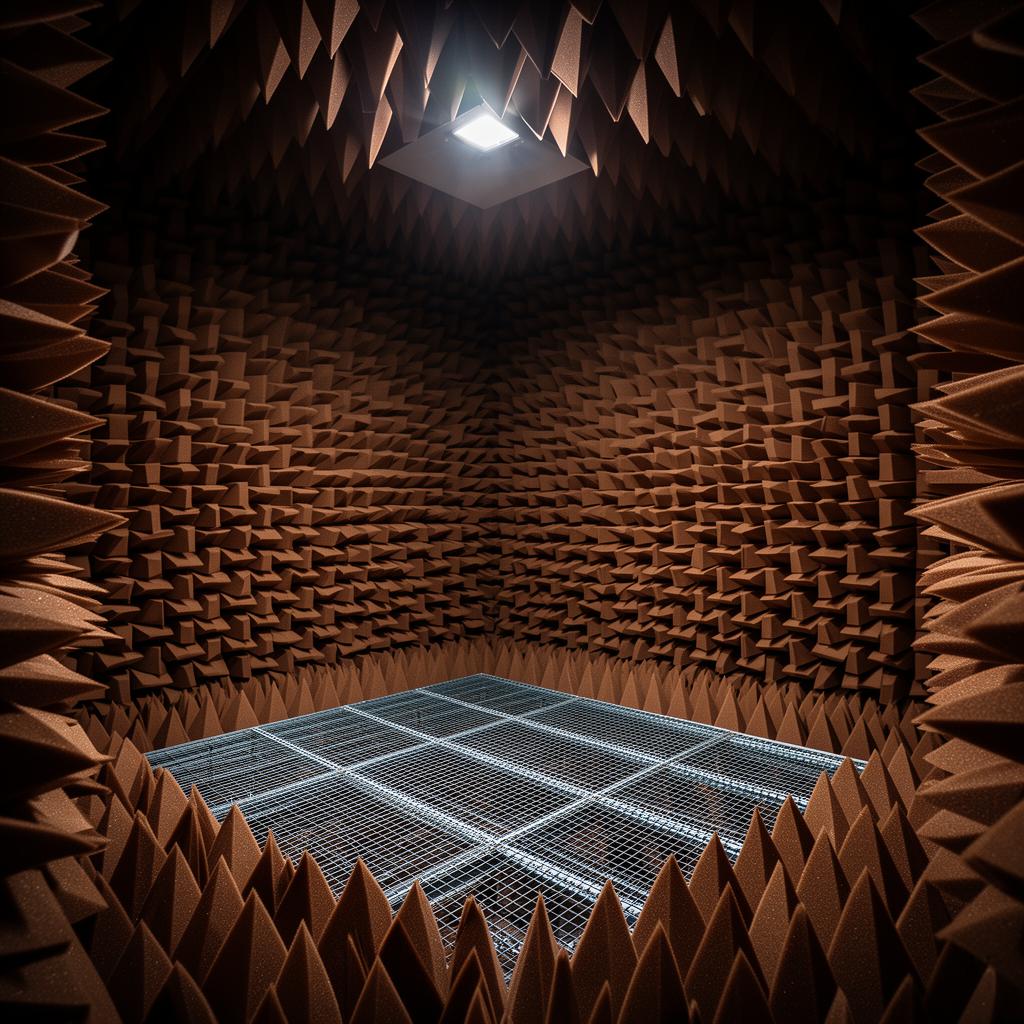
    Interior of an anechoic chamber with brown fiberglass wedges covering all walls ceiling and floor with a wire mesh platform in the center
    Interior of an anechoic chamber with brown fiberglass wedges covering all walls ceiling and floor with a wire mesh platform in the center

    1What is the World's Quietest Room?

    An anechoic chamber is a specialized room designed to completely absorb reflections of either sound or electromagnetic waves. The word "anechoic" translates directly to "non-echoing." When you speak or move in this environment, the sound waves are instantly swallowed by the walls, floor, and ceiling, leaving absolutely no reverberation.
    Orfield Laboratories currently holds the title for the quietest place on Earth. The record-setting measurement stands at an astonishing -24.9 dBA. To put this in perspective, the threshold of human hearing is generally considered to be 0 dBA. Normal breathing measures around 10 dBA, and a quiet library typically registers at about 30 dBA. The ambient noise inside the Orfield chamber is so profoundly low that the human ear cannot detect it under normal circumstances.
    Current Record Holder: Orfield Laboratories (Minneapolis, Minnesota)
    Decibel Measurement: -24.9 dBA
    Human Hearing Threshold: 0 dBA
    Normal Breathing: ~10 dBA
    Quiet Library: ~30 dBA
    Normal Conversation: ~60 dBA

    How Quiet is -24.9 dBA Really?

    To grasp the scale, consider that the decibel system is logarithmic. Every 10 dB increase represents a tenfold increase in sound intensity. A quiet rural area at night might measure 20-25 dBA. A recording studio's isolation booth typically achieves 10-15 dBA. The Orfield chamber at -24.9 dBA is roughly 50 dB quieter than a library—meaning the library is approximately 100,000 times louder in terms of sound intensity. At these levels, the room is quieter than any natural environment on the planet, including the deepest caves and the most remote wilderness.

    2The Battle for the Guinness World Record

    The pursuit of absolute silence has sparked a quiet but intense rivalry among acoustics laboratories and major technology companies. The Guinness World Record for the quietest place has changed hands multiple times over the past two decades as engineering techniques have advanced.

    Orfield Laboratories' First Record (2004)

    Orfield Laboratories initially claimed the world record in 2004 with a measurement of -9.4 dBA. The team continued to refine the space, upgrading the acoustic dampening materials and structural isolation. By 2012, Orfield Laboratories achieved a new verified reading of -13 dBA, cementing its reputation as a pioneer in acoustic engineering.

    Microsoft's Challenge (2015)

    The title was unexpectedly challenged in 2015. Microsoft constructed a state-of-the-art anechoic chamber at its headquarters in Redmond, Washington. The tech giant built the room specifically to test audio equipment and device noise. Microsoft's chamber registered a staggering -20.35 dBA, temporarily unseating Orfield Laboratories from the top spot. Microsoft's chamber was built inside Building 87 on the company's campus, and the construction involved six layers of concrete and steel to isolate the room from external vibrations.

    Orfield Reclaims the Record (2021)

    Steven Orfield and his team were determined to reclaim the title. Following further renovations and meticulous acoustic testing, Orfield Laboratories submitted new measurements to the Guinness World Records. In November 2021, they officially took the record back with the current, unprecedented reading of -24.9 dBA. This achievement pushed the boundaries of what physicists thought was possible for an artificially constructed acoustic environment.

    Timeline of the Quietest Room Record

    2004: Orfield Laboratories sets first record at -9.4 dBA
    2012: Orfield improves to -13 dBA
    2015: Microsoft's Building 87 chamber reaches -20.35 dBA
    2021: Orfield reclaims the record at -24.9 dBA

    3How the Anechoic Chamber Achieves Total Silence

    Creating an environment that registers negative decibels requires extraordinary architectural and engineering precision. You cannot simply install soundproofing foam in a standard room and expect total silence. The chamber relies on extreme physical isolation and specialized geometric materials to eliminate both external noise and internal echoes.

    The Box-Within-a-Box Architecture

    The core structural design of the chamber is often described as a box within a box. The primary goal is decoupling the room from the rest of the building and the surrounding earth. The foundation begins with a massive outer shell constructed from concrete walls that are a full foot thick. These concrete walls block low-frequency sounds from nearby traffic and urban activity.
    Inside the concrete bunker sits the chamber itself, constructed with double steel walls. The entire steel structure is suspended on a series of industrial springs. This physical separation prevents structural vibrations from transferring from the building's foundation into the quiet room. Even if a heavy truck drives by outside, the springs absorb the kinetic energy before it can manifest as sound inside the chamber.

    Sound-Absorbing Fiberglass Wedges

    Blocking outside noise is only half the equation. The interior must eliminate all internal reflections. The walls, ceiling, and floor are entirely covered in rigid, brown fiberglass wedges. These wedges are three feet long and geometrically designed to trap sound waves.
    When a sound wave hits the fiberglass, it bounces between the angled surfaces of the wedges. With each bounce, the porous fiberglass material absorbs a fraction of the wave's energy, converting the acoustic energy into a microscopic amount of heat. By the time the wave reaches the base of the wedge, it is completely dissipated. Because the floor is also covered in these wedges, visitors stand on a suspended mesh trampoline net strung across the center of the room.

    The Four Principles at Work

    The chamber demonstrates all four fundamental soundproofing principles working together at their most extreme levels:
    Mass: The foot-thick concrete walls and double steel shell add enormous mass to block sound transmission from the outside world
    Damping: The fiberglass wedge material converts sound energy into heat through friction, eliminating reflections
    Decoupling: The spring-mounted inner chamber prevents structural vibrations from transferring between the building and the quiet space
    Absorption: The geometric wedge design ensures that virtually 100% of sound energy that contacts the walls is absorbed rather than reflected back into the room

    4What Happens to Your Body in Complete Silence

    Human beings are not biologically adapted to total silence. We evolved in noisy environments, and our brains constantly process ambient audio to map our surroundings, balance our bodies, and monitor our safety. Stripping away that background noise triggers an intense and immediate physiological response.

    Becoming the Sound

    When you enter the quietest room on Earth, your ears immediately begin to adapt to the lack of input. The auditory cortex amplifies its sensitivity, searching desperately for any sound. Within minutes, the absence of external noise is replaced by the inescapable sounds of your own biology.
    Visitors routinely report hearing the rhythmic pumping of their own blood echoing through their heads. As the minutes pass, you begin to hear the distinct sound of your lungs expanding and contracting. You hear the friction of your joints moving. You can hear your stomach digesting food. Perhaps most unsettling of all, the room is so quiet that you can clearly hear the physical scraping sound of your eyelids shutting every time you blink. In an anechoic chamber, you stop listening to the room and start listening to yourself.

    Disorientation and Loss of Balance

    The extreme quiet has profound effects on spatial awareness. The human brain relies heavily on echolocation cues. We subconsciously use the subtle reflections of sound bouncing off walls and floors to understand the size of a room and our physical position within it. In an anechoic chamber, those cues vanish instantly.
    Without the perceptual data provided by reflected sound, people quickly lose their sense of balance. The sensory deprivation tricks the inner ear and the brain, making it difficult to stand upright. Many visitors experience extreme dizziness or a feeling of falling. For this reason, anyone spending more than a few minutes inside the chamber is strongly advised to sit down in a chair to prevent injury.

    Psychological Effects Over Time

    Extended time in the chamber produces increasingly unusual psychological phenomena. After 10-15 minutes, many visitors report a growing sense of pressure or fullness in their ears, similar to the sensation of descending in an airplane. The brain, deprived of its normal audio stream, may begin generating phantom sounds—a phenomenon known as tinnitus or auditory hallucination. Some people hear faint ringing, humming, or even music that exists entirely within their own neural activity. These experiences are temporary and resolve completely upon leaving the chamber, but they demonstrate how heavily the brain depends on continuous environmental sound input.

    5Why Do We Need the Quietest Place on Earth?

    While the psychological effects of the room make for fascinating journalism and adventurous tourism, the chamber serves a vital commercial and scientific purpose. Absolute silence is an incredibly valuable tool for modern engineering and research.

    Commercial Product Testing

    Companies from around the world rent time in anechoic chambers to measure the acoustic output of their products with perfect accuracy. Manufacturers need to know exactly how much noise a product generates without the interference of room echo or background hum.
    Automotive Engineering: Harley-Davidson has famously utilized acoustic testing to ensure their motorcycles maintain their signature engine rumble while reducing mechanical noise to meet regulatory standards
    Consumer Electronics: Tech companies test the subtle, high-pitched whining sounds generated by LED displays, computer hard drives, and cooling fans to ensure they do not irritate consumers
    Home Appliances: Manufacturers of washing machines, dishwashers, and refrigerators use these rooms to design quieter household products
    Medical Devices: Companies testing sleep apnea machines (CPAPs) and hearing aids rely on perfect silence to calibrate highly sensitive equipment

    Aerospace and Sensory Deprivation Training

    The aerospace industry utilizes similar anechoic facilities to test satellite components and spacecraft materials. NASA has utilized anechoic chambers to prepare astronauts for the unique psychological stressors of space travel. The vacuum of space is entirely devoid of sound. Training in an earthbound anechoic chamber allows astronauts to acclimate to absolute silence and practice maintaining focus when deprived of normal sensory input. This helps prevent panic and disorientation during complex orbital missions.

    Hearing Research and Audiology

    Anechoic chambers play a critical role in hearing science. Audiologists use these spaces to conduct precise hearing tests free from environmental interference. Researchers studying hearing loss, tinnitus, and cochlear implant calibration rely on controlled silence to isolate specific frequencies and measure the exact thresholds of human auditory perception. Without access to these chambers, the development of hearing aids, noise-canceling headphones, and acoustic medical devices would be significantly slower and less precise.

    Acoustic Research and Sound Design

    Sound designers for film, video games, and virtual reality use anechoic environments to record pure sound effects without room coloring. A footstep recorded in an anechoic chamber sounds fundamentally different from one recorded in a hallway—the chamber version captures only the raw mechanical sound, which can then be artificially placed in any digital environment with perfect accuracy. This technique is essential for creating the immersive spatial audio used in modern gaming and VR experiences.

    6Other Notable Anechoic Chambers Around the World

    While Orfield Laboratories holds the current world record, several other facilities have built impressive anechoic chambers for research and commercial purposes.
    Microsoft Building 87 (Redmond, Washington): Former record holder at -20.35 dBA. Built with six layers of concrete and steel. Used primarily for testing Surface devices, Xbox hardware, and HoloLens audio systems
    Bell Labs (Murray Hill, New Jersey): One of the original anechoic chambers, built in 1940. Used for decades of foundational telecommunications research and is considered the birthplace of modern acoustic testing
    Salford University (Manchester, England): Houses one of Europe's most advanced acoustic laboratories. The chamber is used for automotive, aerospace, and consumer product testing by major international brands
    National Physical Laboratory (Teddington, England): The UK's national measurement institute operates an anechoic chamber used to calibrate acoustic measurement equipment and establish British acoustic standards
    DTU Space (Copenhagen, Denmark): Technical University of Denmark operates an anechoic chamber used primarily for satellite and space technology testing in partnership with the European Space Agency

    Why Most Anechoic Chambers Are Not Public

    The majority of anechoic chambers worldwide are closed to the public because they are active commercial testing facilities. Companies pay significant fees to reserve time in these rooms, and contamination from unauthorized visitors could compromise sensitive tests. Orfield Laboratories is unusual in that it actively welcomes tourists alongside its commercial clients, which is a major reason it has become the most famous quiet room in the world.

    7How Anechoic Chamber Principles Apply to Everyday Soundproofing

    You do not need to build a -24.9 dBA chamber to benefit from the same acoustic principles. The four core strategies used in anechoic chambers—mass, damping, decoupling, and absorption—are the same principles used in residential and commercial soundproofing projects at a more practical scale.

    Mass: Adding Weight to Block Sound

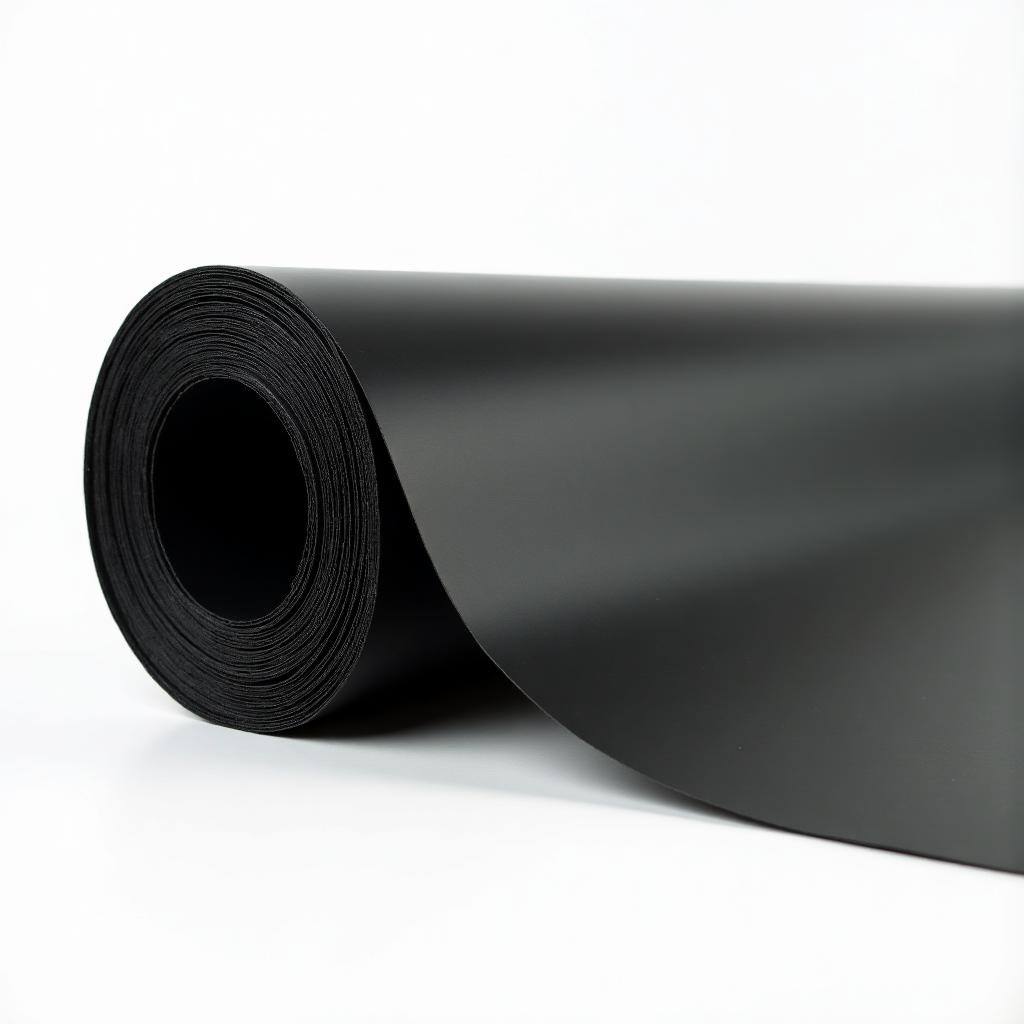
    The Orfield chamber uses foot-thick concrete and double steel walls. In a home or office, mass loaded vinyl (MLV) provides the same principle at a fraction of the thickness. A single layer of 1 lb/sf MLV added to a standard wall can improve the STC rating by 5-7 points—enough to make a noticeable difference in how much sound passes through.

    Decoupling: Breaking the Vibration Path

    The chamber floats on industrial springs to prevent vibration transfer. In everyday construction, resilient channels, sound isolation clips, and floating floor assemblies achieve similar decoupling. The goal is always the same: prevent sound energy from traveling through solid building materials by introducing a physical break in the structure.

    Absorption: Trapping Sound Energy

    Fiberglass wedges inside the chamber absorb virtually 100% of sound energy. In practical applications, acoustic insulation inside wall cavities, ceiling clouds, and bass traps serve the same function. While no home installation will achieve anechoic-level absorption, even modest treatment can reduce reverberation and improve speech clarity.

    Damping: Converting Sound to Heat

    Damping compounds like viscoelastic materials convert vibrational energy into heat. In construction, products like constrained-layer damping systems applied between drywall layers reduce sound transmission through panels. The principle is identical to how the fiberglass wedges dissipate sound energy in the chamber.

    8How to Visit Orfield Laboratories

    The quietest place on Earth is fully accessible to the public. Orfield Laboratories welcomes visitors, researchers, and tourists who want to experience the phenomenon of negative decibels firsthand. The facility is located in a building with a rich acoustic history, originally constructed in 1970 as a prominent recording studio that hosted legendary musicians like Bob Dylan and Prince.
    For those interested in challenging their senses, the laboratory offers multiple booking options. You can schedule a guided tour of the facility, which explores the history of the building, the science of acoustics, and the engineering behind the chamber.
    Group Tours: You can book a 90-minute group tour of the laboratory space for $200. This package includes a guided overview of the facility and allows visitors to spend a 20-minute session inside the anechoic chamber to experience the silence
    Shared Experience: If reading about the chamber is not enough, you can book a shared hour-long experience with four other people at a cost of $75 per person
    Private Sensory Deprivation: For those seeking the ultimate test of endurance, Orfield Laboratories offers a private, solo hour inside the room for $400. This is the premier option for individuals who want to truly disconnect from the world and get in tune with their inner self

    Location and Practical Details

    Orfield Laboratories is located at 2709 East 25th Street, Minneapolis, Minnesota 55406. The building sits in a quiet residential neighborhood, which itself contributes to the low ambient noise levels that make the chamber's measurements possible. Visitors should book in advance as availability is limited, particularly during peak tourism months. The facility recommends wearing comfortable clothing and leaving electronic devices outside the chamber for the most immersive experience.

    11Conclusion

    The world's quietest room at Orfield Laboratories is more than a novelty—it is a working demonstration of acoustic engineering at its most extreme. The same principles of mass, damping, decoupling, and absorption that create -24.9 dBA inside this chamber are the same principles that make everyday soundproofing work. Whether you are designing a home theater, soundproofing a bedroom, or building a professional recording studio, the physics never change. The Orfield chamber simply proves what is possible when those principles are applied without compromise.

    FAQs: World's Quietest Room

    Need Expert Soundproofing Advice?

    Our team of soundproofing specialists is here to help you choose the right products and installation methods for your museum or gallery project.