What Is Infrasound? The Frequencies You Can't Hear But Definitely Feel

1What Infrasound Actually Is
Why 20 Hz Is the Cutoff
Wavelengths Are Massive
2How Humans Perceive the Unhearable
Tactile Detection
Visceral Resonance
Cochlear Response
Bone Conduction
3Natural Sources of Infrasound
Earthquakes and Seismic Activity
Volcanic Eruptions
Ocean Waves and Storms
Auroras and the Atmosphere
Animal Communication
4Man-Made Sources
Wind Turbines
Heavy Machinery and Industry
Subwoofers and Audio Systems
Vehicles
Explosions and Sonic Events
5Physiological and Psychological Effects
Documented Physical Effects
• Visual disturbances and blurred vision when the eyeball vibrates at its resonant frequency near 18–19 Hz
• Nausea and disorientation from inner ear stimulation outside the normal hearing range
• Fatigue and headaches after prolonged exposure to industrial or environmental infrasound
• Sleep disruption, particularly when low-frequency noise penetrates bedrooms at night
Psychological Effects
• Increased anxiety and feelings of unease
• Sense of being watched or of an unseen "presence"
• Heightened emotional response to other stimuli
• Difficulty concentrating
The Concert Experience
6The 'Haunted' Frequency: 18.9 Hz
The Implication
7Why Infrasound Is So Hard to Block
Massive Wavelengths
The Mass Law Limit
Structural Coupling
Practical Mitigation Strategies
• Bass traps and tuned absorbers for room mode control in dedicated listening or recording spaces
• Equipment isolation pads under HVAC systems, generators, and large appliances to prevent infrasonic vibration from coupling into the structure
• Heavy floating floors on rubber underlayment to interrupt the structural transmission path
9Conclusion
FAQs: Infrasound
Related Guides in Education
Continue exploring with these hand-picked articles

Noise in Communication: 9 Types, Real-World Examples & Proven Solutions
The definitive guide to noise in communication—covering all 9 types (physical, psychological, semantic, physiological, technical, organizational, cultural, environmental, and channel noise) with real-world examples, scientific models, measurable impact data, and proven strategies to eliminate communication barriers.
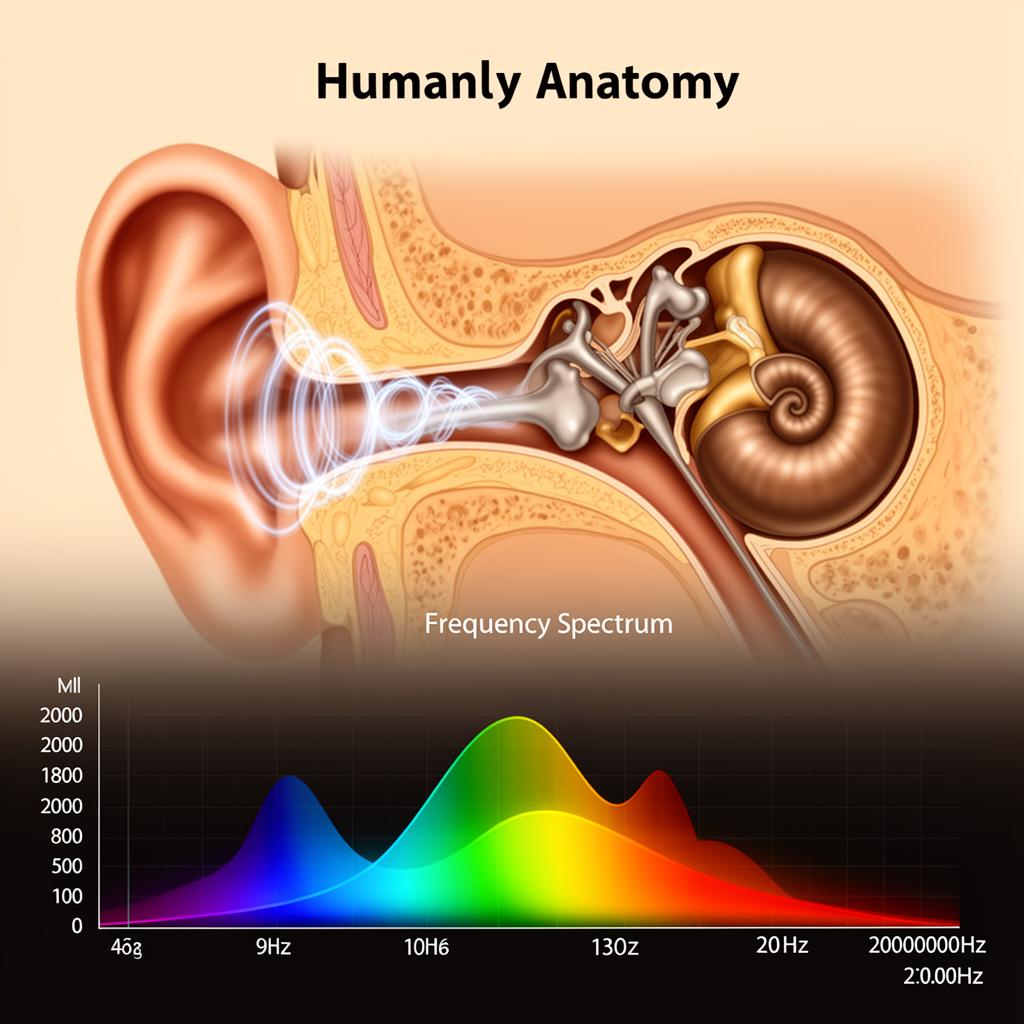
What Frequency Can Humans Hear? The Complete Science of Human Hearing Range
What frequency can humans hear? The complete guide to the 20 Hz–20 kHz human hearing range, equal-loudness contours, age-related hearing loss, infrasound, ultrasound, animal comparisons, and soundproofing by frequency.
How Sound Frequencies Affect Your Emotions, Energy, and Health
Discover how different sound frequencies affect your emotions, brainwaves, stress levels, and physical health. The science of Solfeggio frequencies, binaural beats, and why acoustic environments matter.
Our Complete Product Line
Professional-grade soundproofing materials for any application






Need Expert Soundproofing Advice?
Our team of soundproofing specialists is here to help you choose the right products and installation methods for your museum or gallery project.