Education12 min readAuthorMass Loaded Vinyl DirectPublishedUpdated

    How Sound Frequencies Affect Your Emotions, Energy, and Health
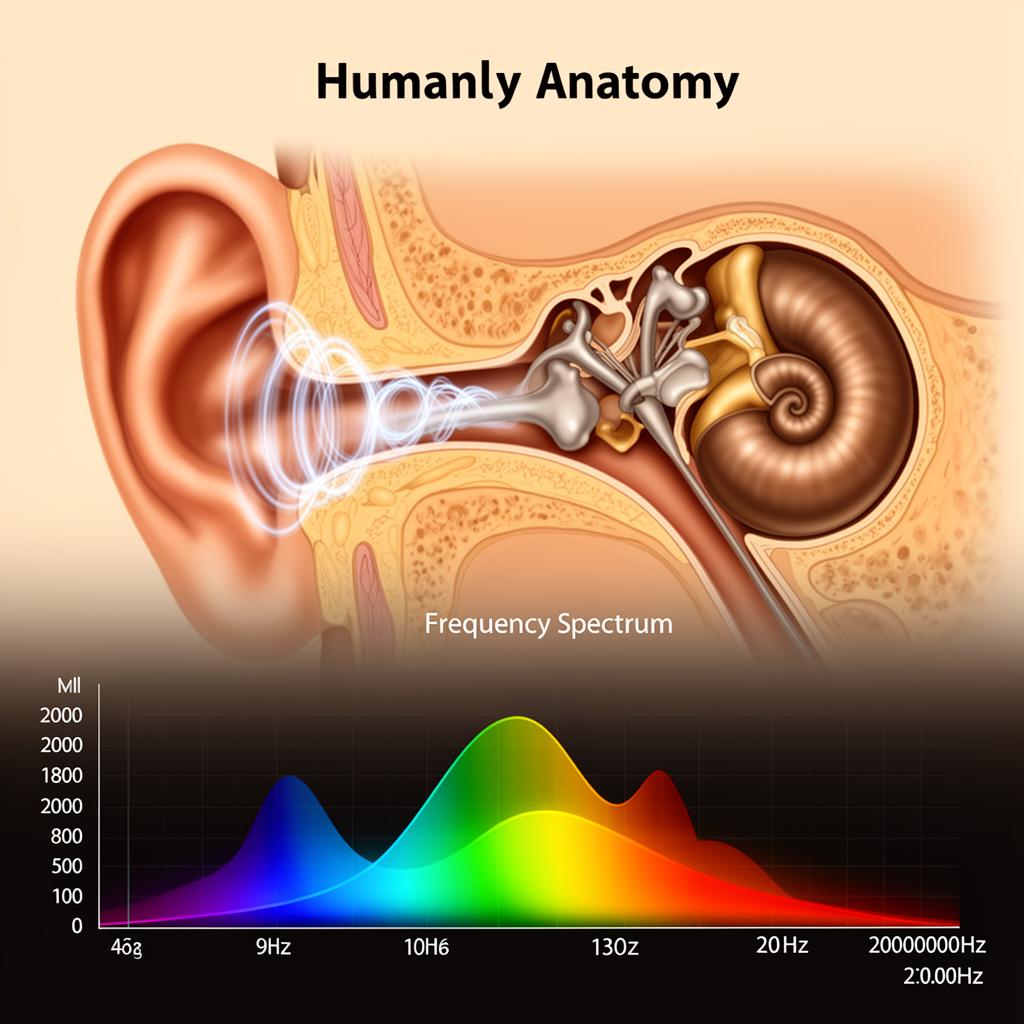
    Scientific visualization of sound wave frequencies affecting the human brain and body with colorful spectrum and neural pathways
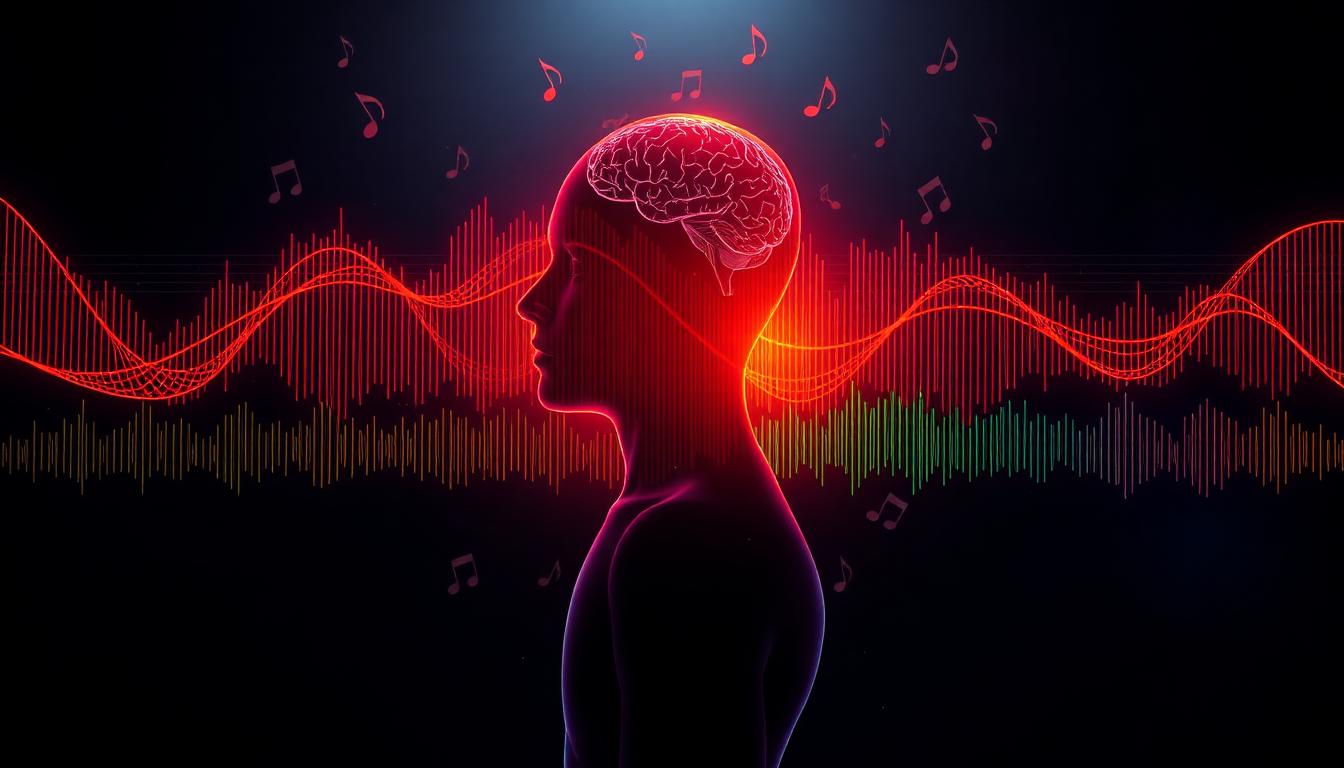
    Scientific visualization of sound wave frequencies affecting the human brain and body with colorful spectrum and neural pathways

    1Why Sound Has Such a Powerful Effect on Humans

    Humans evolved in a world of sound. Long before we developed language, our ancestors relied on acoustic cues for survival—the snap of a twig signaling a predator, the rumble of thunder warning of storms, the rhythmic breathing of a sleeping companion confirming safety.

    Your Body Is Built to Respond to Sound

    The human body is approximately 60% water—and water is an excellent conductor of vibration. Sound waves don't just reach your eardrums; they physically vibrate your tissues, organs, and bones. This is why you can feel bass at a concert in your chest, or why a sudden loud noise triggers an instant fight-or-flight response before your conscious brain even processes what happened.
    Your auditory system is directly connected to the amygdala (the brain's emotional processing center) and the autonomic nervous system (which controls heart rate, breathing, and stress responses). This hardwired connection means sound bypasses rational thought and triggers emotional and physical responses instantly.

    The Frequency Spectrum and Human Perception

    Humans hear frequencies between roughly 20 Hz and 20,000 Hz. But even frequencies outside this range affect us. Infrasound below 20 Hz can cause feelings of unease, anxiety, and even nausea—which is why natural disasters like earthquakes and volcanic eruptions (which produce intense infrasound) trigger deep primal fear. Ultrasound above 20,000 Hz is used therapeutically in physical therapy to promote tissue healing.

    2The Science: How Frequencies Interact with Your Body

    The relationship between sound and the body operates through several well-documented mechanisms.

    Resonance and Entrainment

    Resonance occurs when an external vibration matches the natural frequency of an object, causing it to vibrate in sympathy. Your body's organs, bones, and tissues each have natural resonant frequencies. When exposed to matching frequencies, these structures absorb energy more efficiently—which can be either therapeutic or harmful.
    Entrainment is the tendency of biological rhythms to synchronize with external rhythmic stimuli. Your heartbeat, breathing rate, and brainwave patterns all naturally entrain to dominant sounds in your environment. A slow, steady drumbeat at 60 BPM can literally slow your heart rate to match. Fast, chaotic noise does the opposite.

    Neurochemical Effects

    Specific sound frequencies trigger measurable neurochemical changes:
    Cortisol reduction: A 2013 study in PLOS ONE found that listening to relaxing music before a stressor reduced cortisol levels significantly compared to silence
    Dopamine release: Research published in Nature Neuroscience confirmed that pleasurable music triggers dopamine release in the brain's reward centers
    Oxytocin increase: Group singing and rhythmic activities increase oxytocin—the bonding hormone—explaining why communal music experiences feel so connecting
    Serotonin modulation: Certain frequencies, particularly in the 528 Hz range, have shown associations with serotonin-related relaxation responses

    3Brainwave Entrainment: How Sound Changes Your Mental State

    Your brain produces electrical patterns called brainwaves that correspond to different states of consciousness. Sound frequencies can entrain your brainwaves—literally guiding your brain into specific states.

    The Five Brainwave States

    Delta (0.5–4 Hz): Deep dreamless sleep, physical healing, and cell regeneration. Dominant during restorative sleep cycles
    Theta (4–8 Hz): Deep meditation, creativity, intuition, and the hypnagogic state between waking and sleeping. Where breakthrough insights often occur
    Alpha (8–13 Hz): Calm relaxation, light meditation, reduced anxiety. The state of peaceful alertness—present but not stressed
    Beta (13–30 Hz): Active thinking, problem-solving, conversation, and focus. Your normal waking state during engaged activity
    Gamma (30–100 Hz): Peak concentration, heightened perception, information processing, and moments of insight

    How Sound Drives Brainwave States

    When you listen to a sound pulsing at a specific frequency, your brain's electrical activity begins to match that frequency—a process called auditory entrainment or the frequency-following response. This is measurable with EEG equipment and reproducible across studies.
    For example, listening to sounds embedded with a 10 Hz pulse encourages alpha brainwaves, promoting calm focus. A 3 Hz pulse encourages delta waves, promoting deep sleep. This isn't subtle—a 2019 meta-analysis in Psychological Research confirmed that auditory entrainment reliably shifts brainwave patterns and associated mental states.

    4Solfeggio Frequencies: Ancient Tones with Modern Research

    The Solfeggio frequencies are a set of tones rooted in medieval Gregorian chant tradition, rediscovered in the 1970s by Dr. Joseph Puleo. While some claims about these frequencies are exaggerated, emerging research supports genuine biological effects for several.

    The Core Solfeggio Frequencies

    174 Hz — Foundation and Pain Relief: Associated with physical comfort and reduced pain perception. Preliminary research suggests this frequency may reduce sensitivity to physical discomfort
    285 Hz — Cellular Restoration: Linked to tissue repair and immune function. Used in some therapeutic settings alongside conventional treatment
    396 Hz — Releasing Fear and Guilt: Associated with emotional liberation and stress reduction. Corresponds to tones traditionally used in meditative practice
    417 Hz — Facilitating Change: Linked to breaking negative patterns and encouraging adaptability. Some studies associate this range with improved emotional processing
    528 Hz — Transformation and Repair: The most researched Solfeggio frequency. A 2018 study in the Journal of Addiction Research & Therapy found 528 Hz reduced anxiety in rats by increasing testosterone levels and reducing cortisol. Called the "love frequency" or "miracle tone"
    639 Hz — Connection and Relationships: Associated with interpersonal harmony, communication, and empathy
    741 Hz — Expression and Solutions: Linked to creative problem-solving and self-expression
    852 Hz — Intuition and Awareness: Associated with heightened perception and mental clarity
    963 Hz — Higher Consciousness: Linked to expanded awareness and spiritual connection

    What the Research Actually Shows

    It's important to note that rigorous peer-reviewed research on Solfeggio frequencies is still limited. The strongest evidence exists for 528 Hz, with several published studies showing measurable stress reduction. The other frequencies have historical and anecdotal support but less clinical evidence. That said, the underlying mechanism—that specific frequencies produce specific physiological responses—is well-established science.

    5Binaural Beats: Engineering Your Brain State

    Binaural beats are an auditory illusion created when two slightly different frequencies are played in each ear. Your brain perceives a third "beat" at the difference between the two frequencies.
    For example, if your left ear receives 200 Hz and your right ear receives 210 Hz, your brain perceives a 10 Hz beat—corresponding to the alpha brainwave range associated with calm relaxation.

    Research-Backed Benefits

    Anxiety reduction: A 2019 study in Physiological Research found that theta-range binaural beats (4–7 Hz) significantly reduced pre-operative anxiety
    Improved focus: Beta-range binaural beats (13–30 Hz) improved attention and cognitive performance in multiple controlled studies
    Better sleep: Delta-range binaural beats (0.5–4 Hz) helped participants fall asleep faster and achieve deeper sleep in a 2018 Frontiers in Human Neuroscience study
    Pain management: Theta and alpha binaural beats reduced perceived pain intensity in chronic pain patients across several trials
    Binaural beats require headphones to work (since different frequencies must reach each ear separately). Sessions of 15–30 minutes are typically recommended for noticeable effects.

    6How Noise Damages Emotional and Physical Health

    While beneficial frequencies heal, harmful noise does real damage—and not just to your hearing.

    The Hidden Health Costs of Noise

    The World Health Organization estimates that environmental noise causes 12,000 premature deaths annually in Europe alone and contributes to 48,000 new cases of heart disease per year. Chronic noise exposure:
    Elevates cortisol continuously, leading to chronic stress, weakened immunity, and metabolic disruption
    Disrupts sleep architecture even when you don't consciously wake up—reducing time in restorative deep sleep stages
    Impairs cognitive function in children: Studies show kids in noisy schools score lower on reading comprehension and standardized tests
    Increases cardiovascular risk: Every 10 dB increase in environmental noise is associated with a 7–17% increase in heart attack risk
    Triggers anxiety and depression: Chronic noise exposure is independently associated with higher rates of anxiety disorders and depression

    Low-Frequency Noise Is the Worst Offender

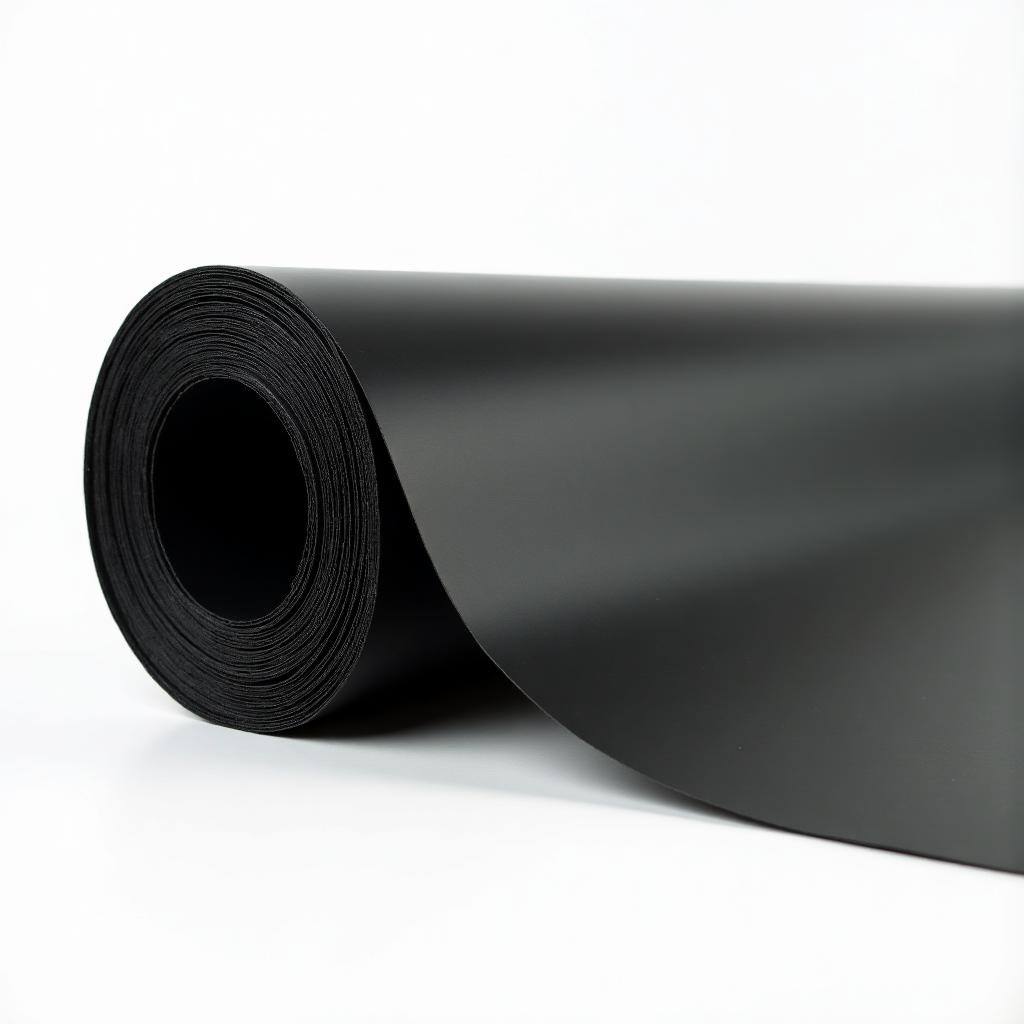
    Frequencies below 200 Hz are particularly harmful because they penetrate walls easily, travel long distances, and are difficult to block. Traffic rumble, HVAC systems, industrial equipment, and neighboring bass music all produce persistent low-frequency noise that standard construction does little to stop. This is precisely why mass loaded vinyl (MLV) is so valuable—it adds the dense mass needed to block these frequencies that lighter materials simply cannot.

    7Practical Applications: Using Sound to Feel Better

    You don't need expensive equipment or special training to harness the power of sound frequencies.

    Daily Sound Practices

    Morning activation: Listen to beta-range binaural beats (14–20 Hz) or upbeat music at 120+ BPM for 10 minutes to boost alertness and focus
    Work focus: Ambient sounds at 50–70 dB (coffee shop noise, nature sounds, or alpha-range beats) improve creative thinking and sustained attention
    Stress recovery: After a difficult day, 20 minutes of 528 Hz tones or theta binaural beats (4–7 Hz) can measurably reduce cortisol
    Pre-sleep wind-down: Delta-range binaural beats (1–3 Hz) or slow-tempo music at 60 BPM for 30 minutes before bed improves sleep onset and quality
    Physical recovery: 174 Hz or 285 Hz tones played quietly during rest may complement physical recovery from exercise or injury

    Creating Better Acoustic Environments

    Beyond active sound therapy, your passive acoustic environment profoundly affects your baseline emotional and physical state. A room with constant low-frequency noise from traffic, HVAC, or neighbors keeps your nervous system in a subtly elevated stress state—even when you're not consciously aware of it.
    This is why soundproofing isn't just about comfort—it's about health. Reducing unwanted noise transmission with products like mass loaded vinyl doesn't just make rooms quieter; it removes a chronic stressor that affects your sleep, focus, mood, and cardiovascular health every single day.

    8Why Your Acoustic Environment Matters More Than You Think

    Most people think about soundproofing only when noise becomes unbearable. But the research is clear: even moderate, chronic noise exposure produces measurable health effects long before it reaches the "annoying" threshold.

    The 35 dB Threshold

    The WHO recommends nighttime noise levels below 35 dB for restorative sleep. Most urban bedrooms—especially in multi-family buildings—exceed this when traffic, neighbors, or building systems are factored in. Every decibel above this threshold reduces sleep quality and increases next-day cortisol.

    Investing in Silence

    Creating a properly soundproofed space—whether a bedroom, home office, meditation room, or music studio—is an investment in your physical and emotional health. Mass loaded vinyl is one of the most effective tools for this because it blocks the full spectrum of unwanted frequencies, including the low-frequency noise that causes the most biological harm.
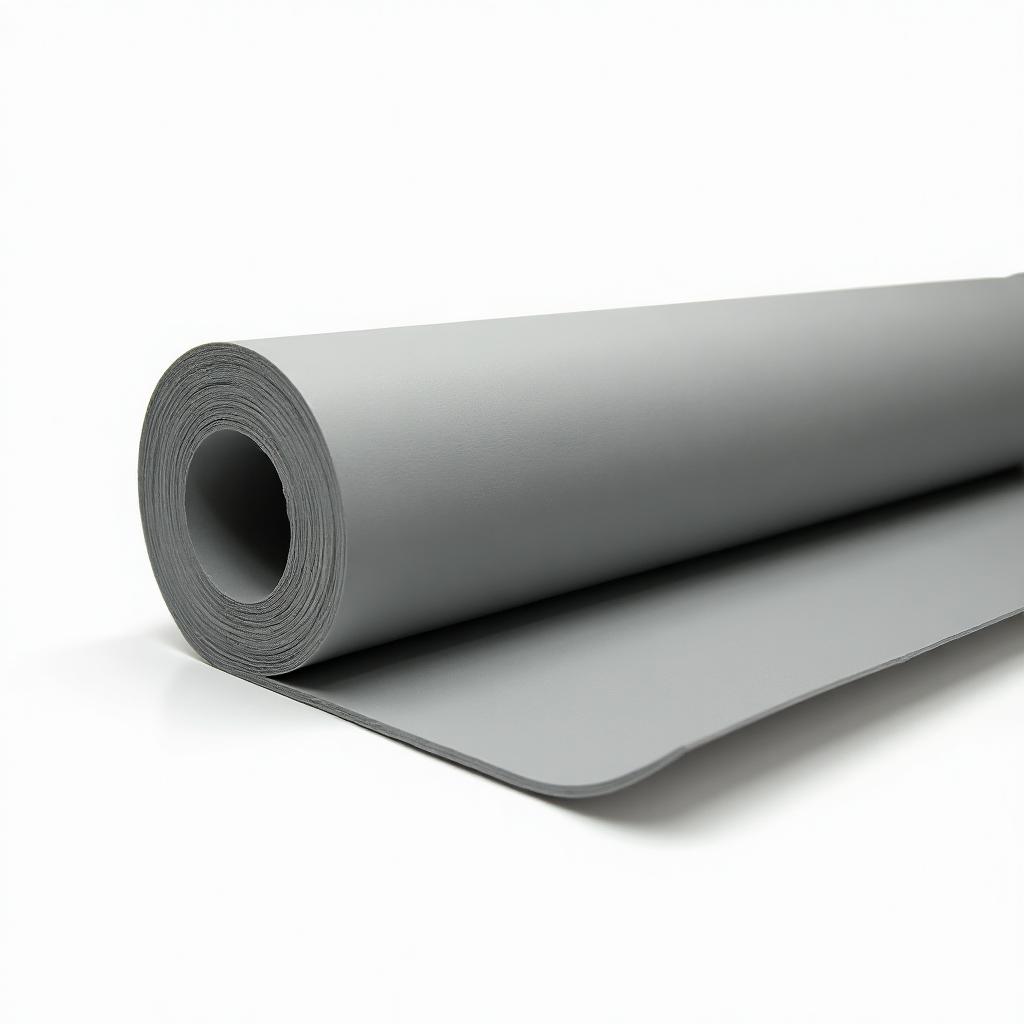
    A standard interior wall provides roughly STC 33—meaning loud speech and all bass frequencies pass through easily. Adding a single layer of MLV Regular (1 lb/ft²) can boost that to STC 45–50+, dramatically reducing the noise that disrupts your sleep, elevates your stress, and erodes your health over time.
    Sound frequencies shape how you feel, think, and heal every moment of every day. Taking control of your acoustic environment—both the sounds you choose to hear and the noise you choose to block—is one of the most impactful health decisions you can make.

    10Conclusion

    Sound frequencies are far more than background noise—they are powerful biological signals that directly affect your brainwaves, hormones, cardiovascular system, and emotional state. From the ancient Solfeggio tones to modern binaural beat therapy, the science confirms what healers have known for millennia: the right frequencies heal, and the wrong ones harm. The good news is you have control. You can actively use beneficial frequencies through music, meditation, and sound therapy. And you can protect yourself from harmful noise by creating properly soundproofed spaces that let your nervous system rest, recover, and thrive.

    FAQs: How Sound Frequencies Affect Emotions

    Need Expert Soundproofing Advice?

    Our team of soundproofing specialists is here to help you choose the right products and installation methods for your museum or gallery project.