Materials6 min readAuthorMass Loaded Vinyl DirectPublishedUpdated

    What Is Viscoelastic Material and Why Does It Matter for Soundproofing?
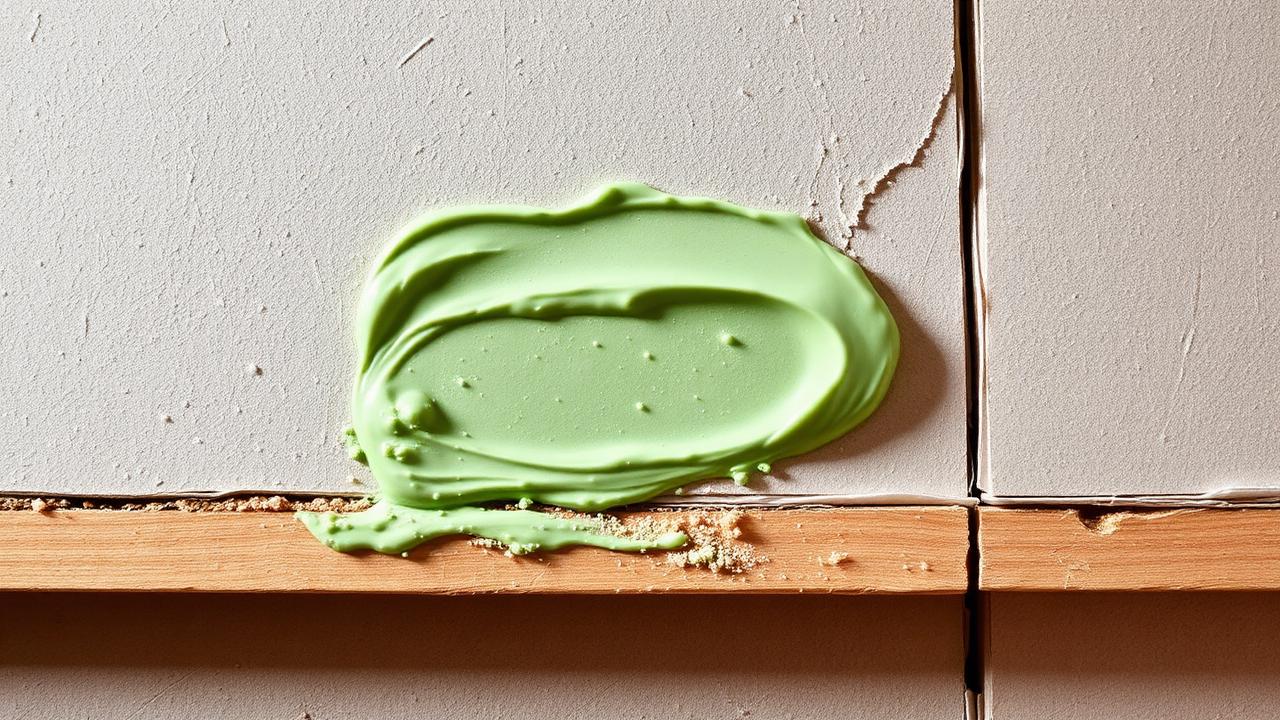
    Close-up of green viscoelastic damping compound being applied between drywall layers in a soundproofing wall assembly
    Close-up of green viscoelastic damping compound being applied between drywall layers in a soundproofing wall assembly

    1What Viscoelastic Means in Plain English

    Every material responds to force in one of two ways — or a combination of both:
    Elastic materials deform under stress and snap back immediately. Think of a rubber band: stretch it and release, and it returns to its original shape instantly. The energy you put in comes back out. Elastic materials store energy — they do not dissipate it.
    Viscous materials resist deformation and flow slowly under stress. Think of honey: push a spoon through it and the honey flows around it, converting your mechanical energy into internal friction (heat). Viscous materials dissipate energy — they do not return it.
    Viscoelastic materials do both simultaneously. They deform under stress like an elastic material, but they return to shape slowly and incompletely — dissipating a portion of the energy as heat during the process. A memory foam pillow is the classic example: press your hand into it, and it holds the impression for a moment before gradually recovering. That slow recovery is energy being converted from mechanical vibration into thermal energy through internal molecular friction.
    In soundproofing, this dual behavior is invaluable. When sound vibration hits a viscoelastic layer, the material flexes — absorbing vibrational energy. Instead of springing back and re-radiating that energy as sound (like a rigid wall does), it converts a significant portion into heat through internal molecular friction. The sound energy effectively disappears.

    2How Viscoelastic Materials Kill Sound Energy

    The mechanism is called hysteresis damping. When a viscoelastic material is subjected to cyclic loading — which is exactly what sound vibration is — it follows a stress-strain loop. The energy input (compression from the sound wave) is greater than the energy output (the material springing back). The difference is converted to heat.
    At a molecular level, the long polymer chains within viscoelastic materials slide past each other when deformed. This internal friction between molecular chains converts kinetic energy to thermal energy. The more the chains slide, the more energy is lost. This is why temperature matters: at very low temperatures, the polymer chains become rigid and the material behaves more elastically (less damping). At very high temperatures, the chains move too freely and the material becomes too viscous. Each viscoelastic product has an optimal temperature range where damping is maximized — typically between 60°F and 100°F for construction products.
    The amount of energy a viscoelastic material dissipates is measured by its loss factor (η). A loss factor of 0 means perfectly elastic (no energy lost). A loss factor of 1.0 means all energy is dissipated. Most viscoelastic soundproofing products have loss factors between 0.1 and 0.5 — meaning they convert 10% to 50% of vibrational energy into heat per cycle.

    3Constrained-Layer Damping Explained

    Viscoelastic materials are most effective when sandwiched between two rigid layers — a technique called constrained-layer damping (CLD). This is why Green Glue is applied between two sheets of drywall, not on top of one.
    Here is how it works: When sound vibration causes the outer drywall layer to flex, the viscoelastic layer between the two sheets is forced to deform in shear — a side-to-side sliding motion rather than simple compression. Shear deformation forces far more molecular friction than compression alone, dramatically increasing energy dissipation.
    Without the constraint of a second rigid layer, the viscoelastic material simply compresses and expands — dissipating some energy but far less than in shear mode. The rigid layers force the viscoelastic material to work harder, converting more vibration into heat.
    This is why application method matters enormously. A tube of Green Glue applied to one sheet of drywall and left exposed does almost nothing. The same tube sandwiched between two drywall sheets can add STC 5-9 points to the assembly. The constraint is what activates the damping mechanism.

    4Common Viscoelastic Soundproofing Products

    Several products in the soundproofing market rely on viscoelastic properties, though they are rarely marketed using that term:
    Green Glue Noiseproofing Compound: The most recognized viscoelastic damping compound for construction. A water-based polymer applied between drywall layers at 1-2 tubes per 4×8 sheet. Peak damping occurs 7-30 days after installation as the compound cures to its optimal viscoelastic state. Loss factor: approximately 0.4 at peak frequencies.
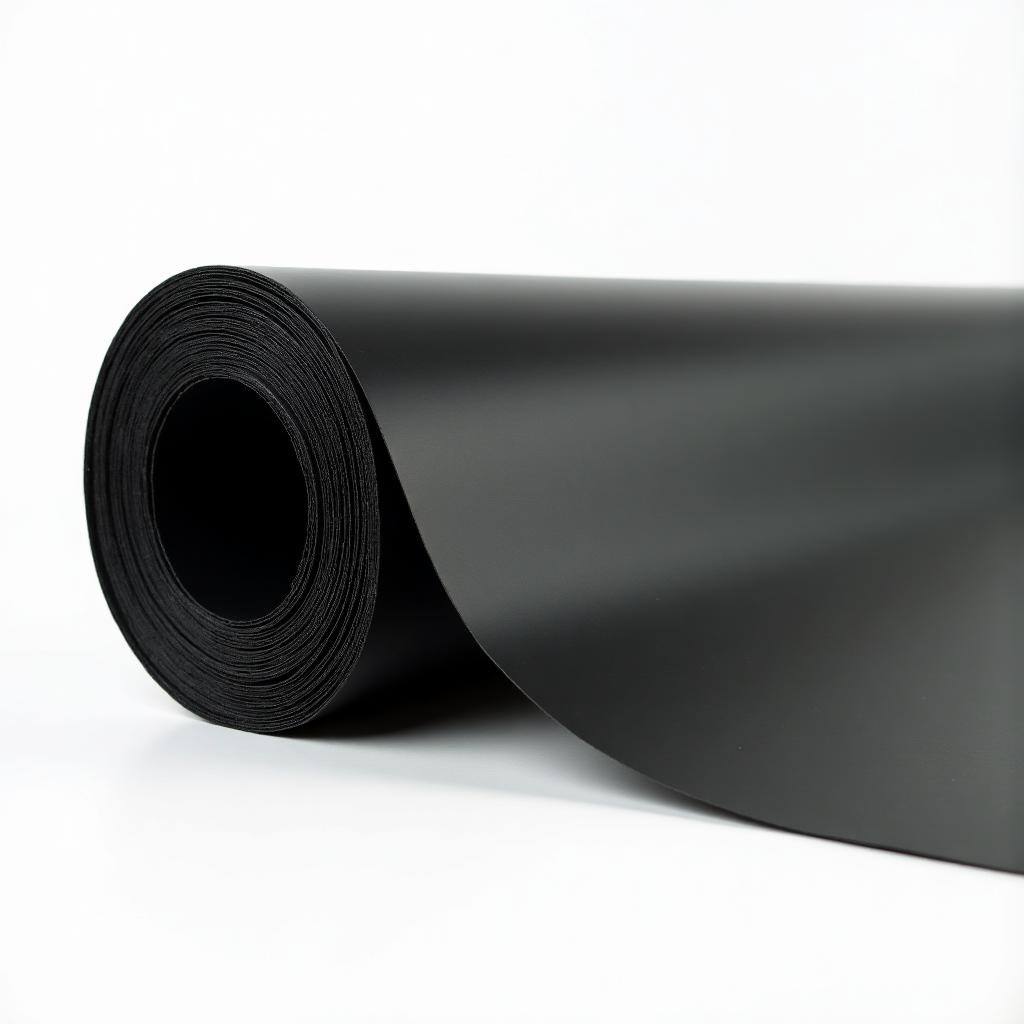
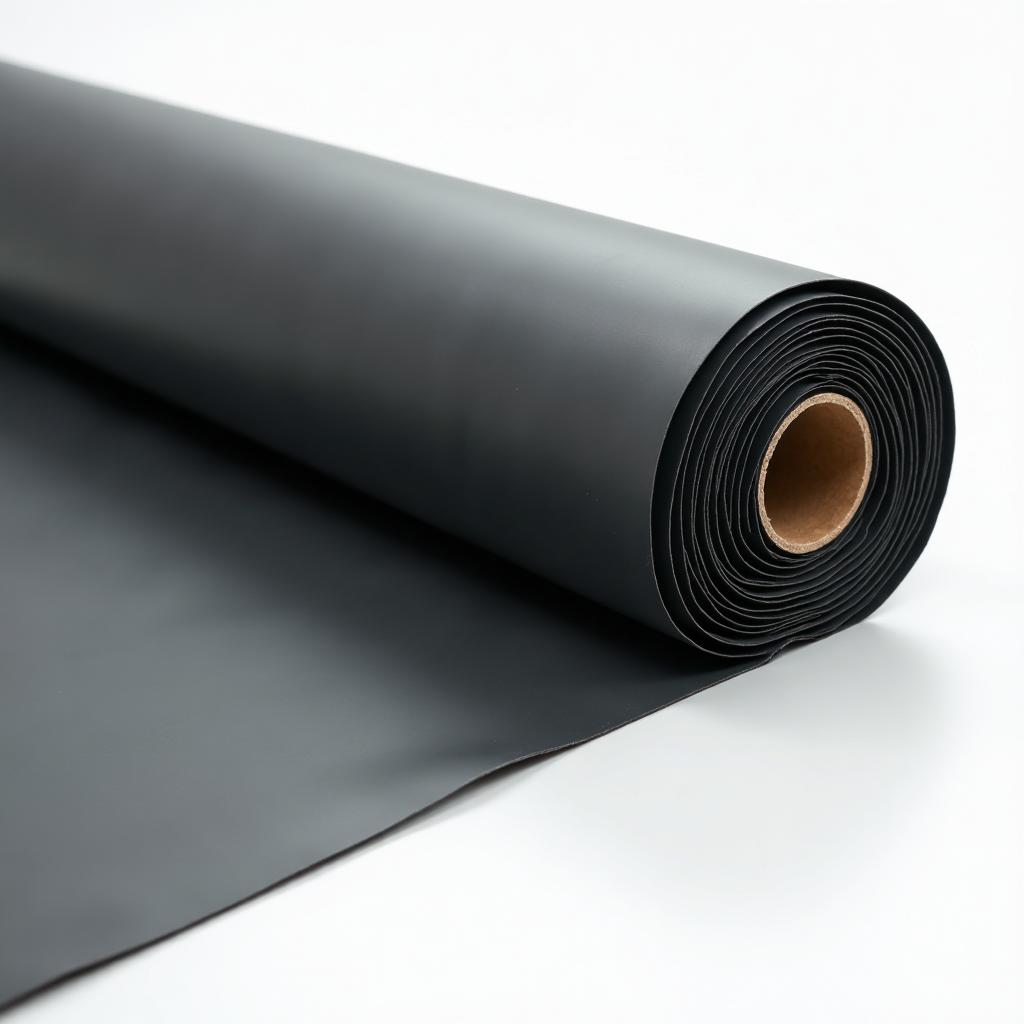
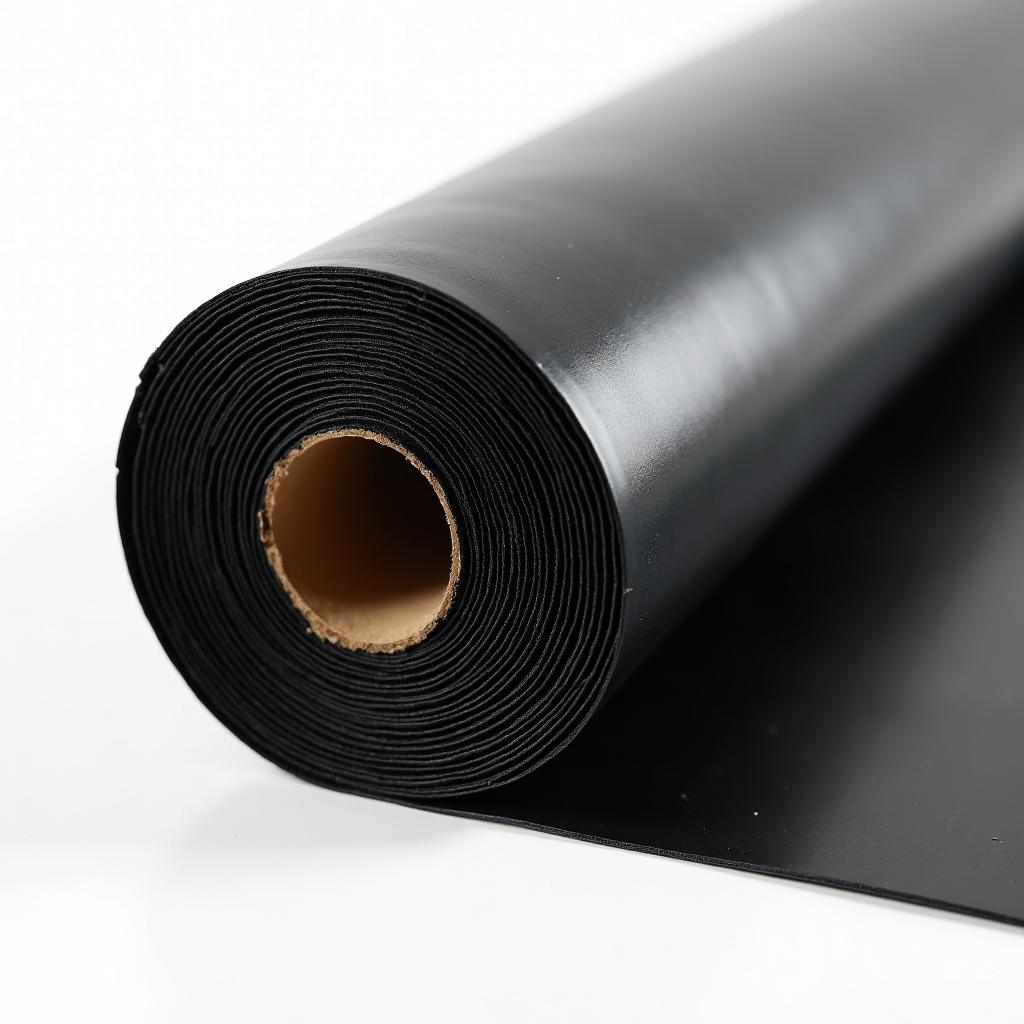
    Mass Loaded Vinyl (MLV): While MLV is primarily a mass barrier, its vinyl matrix exhibits viscoelastic behavior — it flexes and dissipates energy rather than transmitting it rigidly. This is why MLV outperforms rigid materials of similar mass (like lead sheet) at certain frequencies. The viscoelastic vinyl dampens vibration while the embedded mass (barium sulfate or calcium carbonate) blocks transmission.
    Butyl rubber mats: Used extensively in automotive sound deadening, butyl rubber sheets are applied to metal panels in car doors, trunks, and floors. The viscoelastic butyl converts panel vibrations into heat. Brands include Dynamat, Noico, and Kilmat.
    Sorbothane pads: A high-performance polyurethane-based viscoelastic material used for equipment isolation — turntable feet, machine mounts, and vibration-sensitive instrument pads. Loss factor: up to 0.5, among the highest of any commercial material.
    Acoustic caulk (non-hardening): Products like Green Glue Sealant and OSI SC-175 remain permanently flexible because they are viscoelastic — they never fully cure. This allows them to absorb building movement and vibration at joints and penetrations without cracking.

    5Performance Comparison Table

    Here is how common viscoelastic products compare across key metrics:
    ProductLoss FactorBest Frequency RangeSTC ContributionCost/sq ft
    Green Glue Compound~0.40100-5,000 Hz+5 to +9 STC$0.50-0.75
    Mass Loaded Vinyl (1 lb)~0.1550-10,000 Hz+STC 26-32$1.50-2.50
    Butyl Rubber Mat (80 mil)~0.30200-8,000 Hz+3 to +6 STC$0.75-1.50
    Sorbothane (70 duro)~0.5010-30,000 HzN/A (isolation)$5.00-15.00
    Acoustic Caulk~0.20All frequenciesSeals gaps only$0.15-0.30/LF
    Key insight: MLV's STC contribution is dominated by its mass, not its viscoelastic properties. Green Glue's contribution is almost entirely from viscoelastic damping. They solve different aspects of the same problem and work best together.

    6Where Viscoelastic Materials Work Best

    Viscoelastic damping is most effective in specific scenarios:
    Between drywall layers: The classic constrained-layer damping application. Green Glue or equivalent compounds between two sheets of 5/8" drywall create a damped panel that significantly outperforms a single thick layer of equivalent mass.
    On resonant metal surfaces: Thin metal panels in HVAC ducts, car bodies, machine enclosures, and appliance housings resonate violently. Butyl mats or spray-on damping compounds kill these resonances by converting panel vibration into heat.
    Under floating floors: Viscoelastic underlayments (rubber-based products) decouple the floor surface from the subfloor, reducing impact sound transmission. The viscoelastic layer absorbs footfall energy before it reaches the structure.
    At structural connections: Viscoelastic isolation pads between structural steel members, pipe hangers, and equipment mounts prevent vibration from traveling through the building frame.
    Sealing perimeter joints: Non-hardening acoustic caulk at wall-floor, wall-ceiling, and wall-wall junctions maintains an airtight seal while absorbing building movement. Rigid caulk cracks; viscoelastic caulk flexes permanently.
    The common thread: viscoelastic materials excel wherever vibration travels through rigid connections. They interrupt the transmission path by converting mechanical energy to heat at the interface.

    7Common Mistakes With Viscoelastic Products

    Most failures with viscoelastic soundproofing come from misapplication rather than material deficiency:
    Using Green Glue without a second layer: The compound needs to be constrained between two rigid surfaces to generate shear deformation. Applied to one sheet of exposed drywall, it provides negligible damping.
    Not using enough product: Green Glue requires 1-2 tubes per 4×8 sheet for rated performance. Using half a tube to save money cuts the damping effect by more than half — the relationship is not linear.
    Expecting immediate results: Green Glue reaches full performance after 7-30 days of curing. Testing the wall the day after installation gives misleadingly poor results.
    Ignoring temperature range: Most viscoelastic products are optimized for 60-100°F. In unheated garages, warehouses, or exterior applications in cold climates, damping performance drops significantly. Check manufacturer specifications for rated temperature ranges.
    Confusing damping with blocking: Viscoelastic damping reduces the amplitude of vibration passing through a panel. It does not add mass or create an air gap. For maximum performance, combine viscoelastic damping (Green Glue) with mass addition (MLV or extra drywall) and decoupling (resilient channel or clips).
    The highest-performing wall assemblies use all three principles: mass, damping, and decoupling. Viscoelastic materials handle the damping component — but they cannot replace the other two.

    9Conclusion

    Viscoelastic materials are the hidden workhorses of modern soundproofing. They do not look impressive — a tube of green compound, a sheet of flexible vinyl, a thin rubber mat. But at the molecular level, they perform an elegant transformation: sound vibration goes in, heat comes out. Every time you sandwich Green Glue between drywall, hang mass loaded vinyl in a wall cavity, or apply butyl mats to a resonant panel, you are deploying viscoelastic damping. Understanding this mechanism does not just satisfy curiosity — it explains why certain assemblies work, why application method matters, and why the most effective soundproofing systems always combine mass, damping, and decoupling rather than relying on any single approach.

    FAQs: Viscoelastic Material Soundproofing

    Need Expert Soundproofing Advice?

    Our team of soundproofing specialists is here to help you choose the right products and installation methods for your museum or gallery project.