Materials16 min readAuthorMass Loaded Vinyl DirectPublishedUpdated

    10 Best Sound Absorbing Materials for Flawless Acoustics

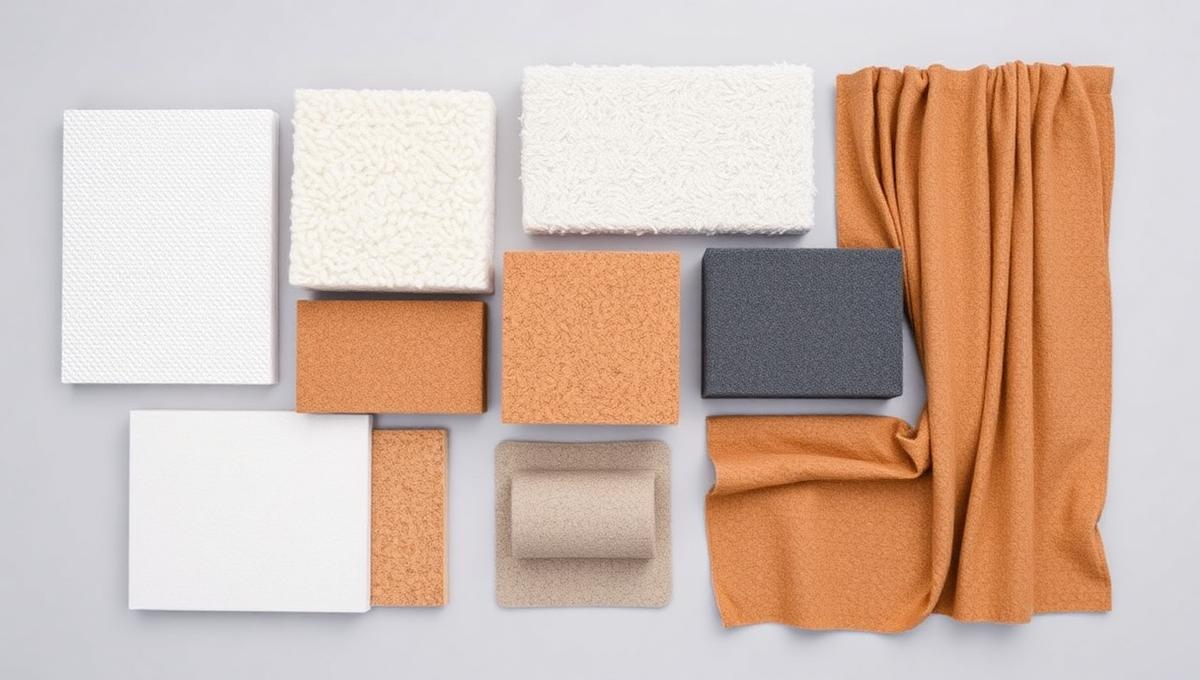
    Flat lay of various sound absorbing materials including fiberglass panels, mineral wool batts, polyurethane foam wedges, PET felt tiles, cork tiles, and heavy velvet curtain fabric
    Flat lay of various sound absorbing materials including fiberglass panels, mineral wool batts, polyurethane foam wedges, PET felt tiles, cork tiles, and heavy velvet curtain fabric

    1Quick Comparison of Top Sound Absorbers

    Review this breakdown to find the exact material matching your budget and acoustic goals. The Noise Reduction Coefficient (NRC) rating measures how much sound the material absorbs, with 1.0 meaning total absorption.
    MaterialIdeal ApplicationAverage NRC RatingRelative Cost
    High-Density FiberglassProfessional studios, corporate offices0.90 – 1.05Medium
    Mineral Wool (Rockwool)Bass traps, critical listening rooms0.95 – 1.10Medium
    Open-Cell Polyurethane FoamBudget home studios, podcasting0.40 – 0.80Low
    PET Acoustic FeltModern offices, open ceiling baffles0.60 – 0.90Medium to High
    Wood Fiber PanelsGymnasiums, industrial facilities0.50 – 0.85Low to Medium
    Perforated Wood PanelsAuditoriums, luxury boardrooms0.65 – 0.95High
    Heavy Textile CurtainsHome theaters, large window banks0.50 – 0.80Medium
    Acoustic CorkFlooring underlayment, decorative walls0.30 – 0.60Medium
    Acoustic Plaster SystemsHigh-end residential, museums0.80 – 1.00Premium
    Preserved Moss WallsCorporate lobbies, biophilic design0.60 – 0.90Premium

    2The Science of Sound Absorption

    Sound absorption is the physical process of controlling acoustic reflections within a specific space. When sound waves hit hard, flat drywall, they bounce back into the room with nearly full force. Introducing soft, porous, or fibrous materials disrupts this harsh reflection. Sound energy enters the microscopic pores of these specialized materials. The incoming acoustic vibrations cause the internal fibers or cellular structures to vibrate, converting the acoustic energy into trace amounts of thermal energy. This physical conversion effectively traps the sound, stopping it from bouncing back to your ears and muddying the room.
    Professionals measure the effectiveness of these materials using the Noise Reduction Coefficient (NRC) rating system. The NRC rating is the standard metric ranging from 0.0 to 1.0. Materials with an NRC rating of 0.0 absorb zero sound, reflecting everything perfectly. Materials carrying an NRC rating of 1.0 absorb 100 percent of the sound frequencies striking them. Highly rated materials pull immense amounts of acoustic energy out of the air, drastically reducing the overall reverberation time of the room. Prioritizing high NRC ratings ensures you get measurable, high-performance results when treating your walls.
    Thickness also dictates performance. Thin materials only capture short, high-frequency sound waves like cymbals or sharp vocal consonants. Thick materials must be used to trap long, low-frequency sound waves like bass guitars or heavy traffic rumble. Matching the thickness of the absorber to the specific frequency problem is mandatory for professional results.
    The relationship between thickness and frequency absorption follows a straightforward physical rule: a material absorbs most effectively at frequencies where its thickness equals approximately one-quarter of the sound wavelength. A 2-inch panel absorbs well down to about 1,000 Hz. A 4-inch panel reaches down to roughly 500 Hz. To capture deep bass at 125 Hz or below, you need absorbers that are 6 inches thick or deeper, or you need to mount thinner panels with an air gap behind them to effectively increase the system depth.

    3Top 10 Materials for Absorbing Room Noise

    1. High-Density Fiberglass

    Rigid fiberglass boards represent the ultimate gold standard for acoustic treatment in professional environments. Manufacturers compress fine glass fibers into dense, semi-rigid panels that trap massive amounts of sound energy. These heavy boards consistently achieve NRC ratings between 0.90 and 1.05, making them incredibly efficient across a broad spectrum of frequencies.
    Recording studios, corporate office spaces, and dedicated home theaters rely heavily on fiberglass cores for custom acoustic wall panels. Installers typically wrap these rigid boards in acoustically transparent fabric to prevent loose fibers from escaping while maintaining a premium visual aesthetic. Fiberglass handles mid to high-frequency reflections flawlessly, clearing up vocal ranges and sharp percussive sounds instantly.
    The most common product specifications include 703 boards (2 lb/ft³ density) for general broadband absorption and 705 boards (6 lb/ft³ density) for maximum low-frequency performance. Both versions are available in 2-inch and 4-inch thicknesses, with the thicker panels providing substantially better bass absorption down to 250 Hz.

    2. Mineral Wool (Rockwool)

    Mineral wool shares many acoustic properties with fiberglass but utilizes spun volcanic rock and slag instead of glass. This unique composition gives mineral wool slightly higher density, allowing it to trap lower frequency sounds more effectively. Bass traps and heavy broadband absorbers frequently utilize mineral wool cores to tame boomy, low-end room resonance that ruins audio mixes.
    Mineral wool is naturally fire-resistant, water-repellent, and highly durable. Building these panels requires constructing rigid wooden frames to hold the loose batts firmly in place, followed by a tight fabric wrapping. This dense material is absolutely essential for recording studios and critical listening rooms where precise low-frequency control is mandatory.
    Standard mineral wool batts at 8 lb/ft³ density achieve NRC ratings of 0.95 to 1.10, outperforming fiberglass in the 125–500 Hz range. This makes mineral wool the preferred choice for bass traps placed in room corners where low-frequency energy accumulates most aggressively.

    3. Open-Cell Polyurethane Foam

    Polyurethane foam is the most recognizable sound absorbing material sold on the consumer market. Engineered with a specific open-cell structure, this type of foam allows sound waves to penetrate deep into the material core. The complex internal matrix of bubbles and pathways rapidly dissipates high-frequency energy.
    Foam panels are lightweight, highly cost-effective, and incredibly easy to install using basic spray adhesives or double-sided tape. Content creators and home studio owners frequently utilize wedge or pyramid-shaped foam panels to control direct vocal reflections behind microphones. Foam struggles to absorb deep bass frequencies, yet it remains a highly accessible and effective solution for basic flutter echo reduction.
    A standard 2-inch wedge foam panel typically achieves an NRC of 0.40 to 0.65, while thicker 4-inch panels can reach 0.80. The key limitation is density—foam weighs far less per cubic foot than fiberglass or mineral wool, which directly limits its low-frequency performance.

    4. PET Acoustic Felt (Recycled Polyester)

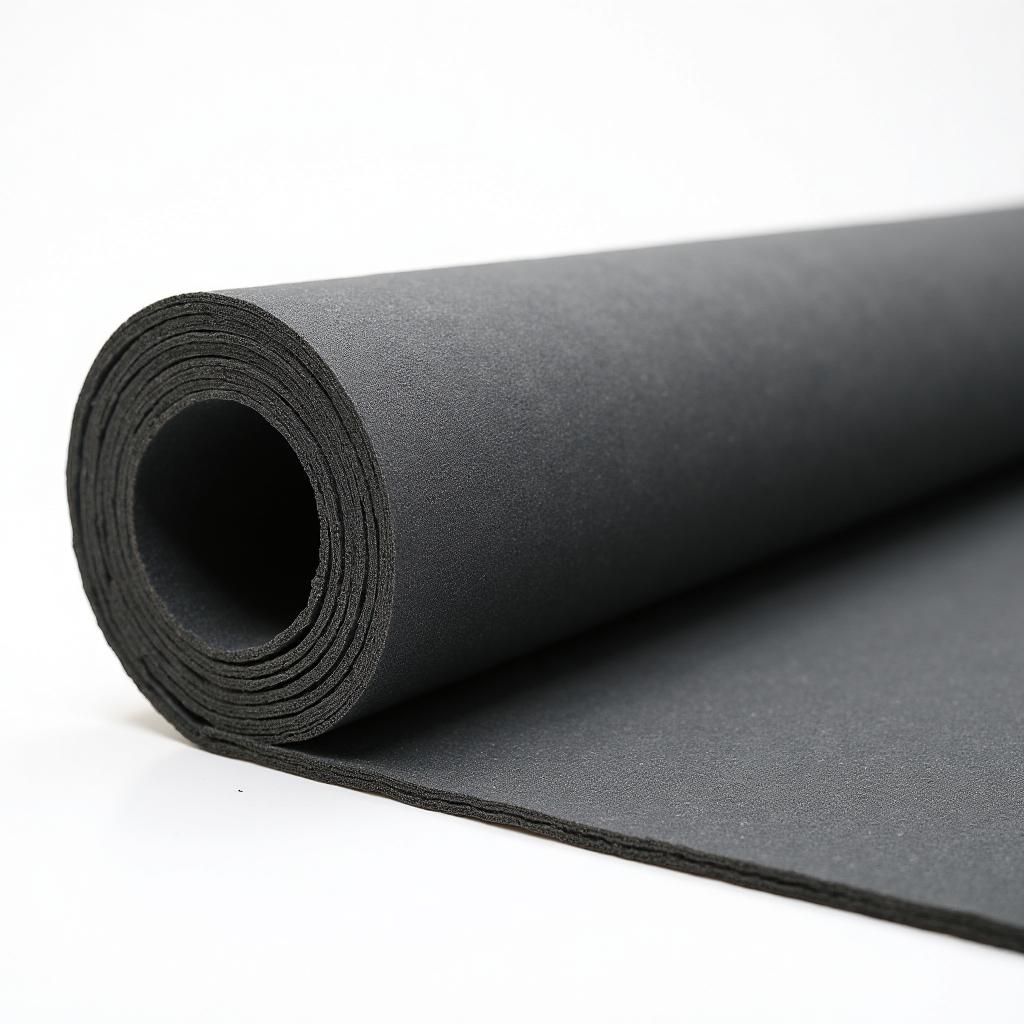
    Modern architectural design heavily favors PET acoustic felt for commercial applications. Manufacturers create this highly durable material by recycling plastic water bottles into dense, soft polyester fibers. PET felt is completely free of harmful chemical binders, making it the premier eco-friendly favorite for modern workspaces.
    Designers frequently deploy this dense felt as suspended ceiling baffles, freestanding desktop dividers, and geometric decorative wall tiles. The material holds its shape perfectly without requiring external wooden frames or fabric wraps. PET felt provides excellent mid-range frequency absorption and allows for intricate, laser-cut designs that elevate the visual appeal of corporate offices and busy restaurants.

    5. Wood Fiber Panels

    Cementitious wood fiber panels offer extreme structural durability alongside significant sound absorption. Manufacturers bind long wood fibers together using portland cement or magnesite, creating rigid building boards that withstand heavy physical impacts. Gymnasiums, public parking garages, and industrial manufacturing facilities utilize wood fiber panels because they survive abuse while drastically reducing dangerous noise levels.
    You can spray-paint these panels any color without destroying their acoustic porosity, offering excellent interior design flexibility. The biophilic, highly textured appearance of the wood strands adds a warm, organic aesthetic to commercial spaces requiring heavy-duty noise control.

    6. Perforated Wood Panels

    Luxury boardrooms and classical concert halls require impeccable acoustics without sacrificing high-end architectural design. Perforated wood panels solve this complex challenge by combining rigid wood veneers with hidden acoustic backing materials.
    The visible wooden surface features thousands of microscopic holes or precision-routed slotted grooves. Sound waves pass right through these tiny openings and get trapped by a hidden layer of dense fiberglass or acoustic felt placed behind the wood. This sophisticated acoustic engineering allows architects to design visually stunning wooden interiors that completely eliminate harsh echoes and long reverberation times.

    7. Heavy Textile Curtains

    Large structural windows and sliding glass doors create acoustic nightmares in both residential and commercial spaces. Heavy textiles like thick velvet, dense wool, and heavy cotton provide excellent absorption solutions for these highly reflective surfaces.
    Acoustic curtains feature multiple layers of dense fabric engineered specifically to capture sound waves before they bounce off the glass panes. Hanging thick velvet drapes in a home theater or open-concept living room noticeably reduces high-frequency chatter and softens the overall acoustic environment. Creating deep, aggressive folds in the curtain fabric drastically increases the total surface area, further improving the overall absorption efficiency of the window treatment.

    8. Acoustic Cork

    Natural cork is a highly porous, sustainable material harvested directly from the outer bark of living cork oak trees. The unique cellular structure of cork contains millions of microscopic air pockets that naturally absorb incoming acoustic vibrations.
    Builders heavily utilize acoustic cork rolls as premium flooring underlayment to reduce heavy footfall noise and echo in rooms featuring hard surface flooring. Decorative cork wall tiles also provide a striking, earthy design element while softening the ambient noise of a busy room. This fully renewable natural resource is highly resilient, moisture-resistant, and perfect for environmentally conscious acoustic building projects.

    9. Acoustic Plaster Systems

    High-end residential homes and modern art galleries often require flawless, monolithic ceilings without relying on visible acoustic panels. Acoustic plaster systems deliver massive sound absorption while looking exactly like standard, smooth drywall.
    Installers mount specialized fiberglass or mineral wool backing boards directly to the ceiling substrate. They then trowel highly specialized, acoustically transparent plaster over the entire installed surface. Sound waves pass right through the seamless plaster finish and get fully absorbed by the backing material. This premium ceiling system delivers exceptional NRC ratings while maintaining absolutely pristine, uninterrupted architectural lines.

    10. Preserved Acoustic Moss Walls

    Integrating natural elements into interior design provides tremendous psychological and acoustic benefits. Preserved moss walls utilize natural reindeer moss that has been sustainably harvested and chemically treated to retain its soft, spongy texture permanently.
    The dense, highly irregular surface of the preserved moss acts as a highly effective natural sound absorber, breaking up harsh reflections and trapping high-frequency office noise. These living-wall alternatives require absolutely zero watering, sunlight, or trimming, making them completely maintenance-free. Corporate lobbies and upscale restaurants install massive moss walls to reduce ambient chatter while creating a stunning, organic visual focal point.
    4Where to Place Your Acoustic Treatments

    Buying the best materials is useless if you install them in the wrong locations. Strategic placement dictates the success of your acoustic project.
    First reflection points require immediate attention. These are the spots on the left and right walls halfway between the sound source and your listening position. Treat these parallel walls first to stop immediate slap-echo.
    Corners are the next priority. Low-frequency bass waves constantly congregate in the corners of rectangular rooms, creating muddy, overwhelming boominess. Placing thick mineral wool bass traps vertically in the corners smooths out the low-end response.
    Ceilings also generate massive reflections. Suspending acoustic clouds directly above seating areas or conference tables catches sound waves before they bounce back down to the floor.
    LocationProblemBest MaterialCoverage Needed
    First Reflection PointsSlap echo, comb filtering2" fiberglass or mineral wool panels2–4 panels per wall
    Room CornersBass buildup, muddy low end4–6" mineral wool bass trapsAll 4 vertical corners
    CeilingVertical reflections, flutter echoSuspended fiberglass clouds30–50% of ceiling area
    Rear WallLate reflections, reverb tailDiffusers + absorbers50–75% coverage
    WindowsGlass reflectionsHeavy acoustic curtainsFull window coverage
    For standard residential rooms and home offices, covering 15 to 30 percent of the total wall surface area provides excellent acoustic control. Commercial spaces with high ceilings, like restaurants or gymnasiums, may require closer to 40 percent coverage to tame severe reverberation. Treating every single wall is rarely necessary and often results in a room sounding unnervingly dead.

    5Sound Absorption vs. Soundproofing

    Many property owners make the critical error of confusing sound absorption with soundproofing. The ten materials listed above will brilliantly eliminate echo and improve audio clarity inside your room. They will not stop the sound of heavy traffic, loud neighbors, or construction equipment from entering your space. Soft, porous materials absorb internal reflections but completely lack the physical mass required to block heavy sound waves from penetrating your drywall.
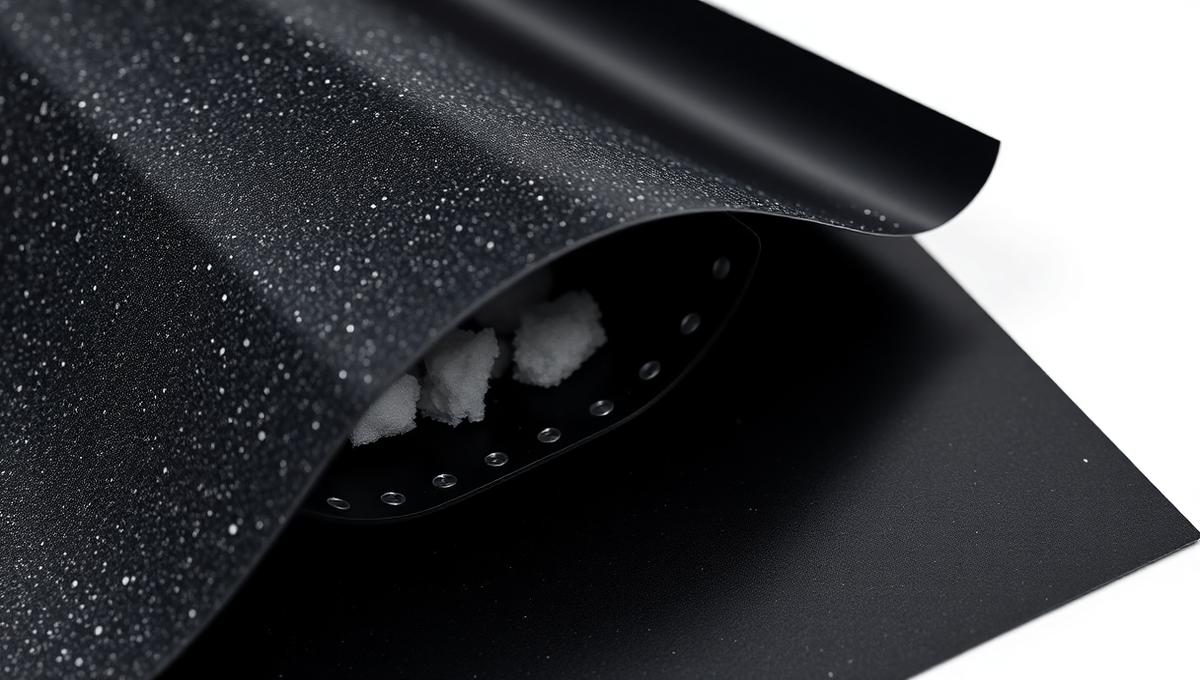
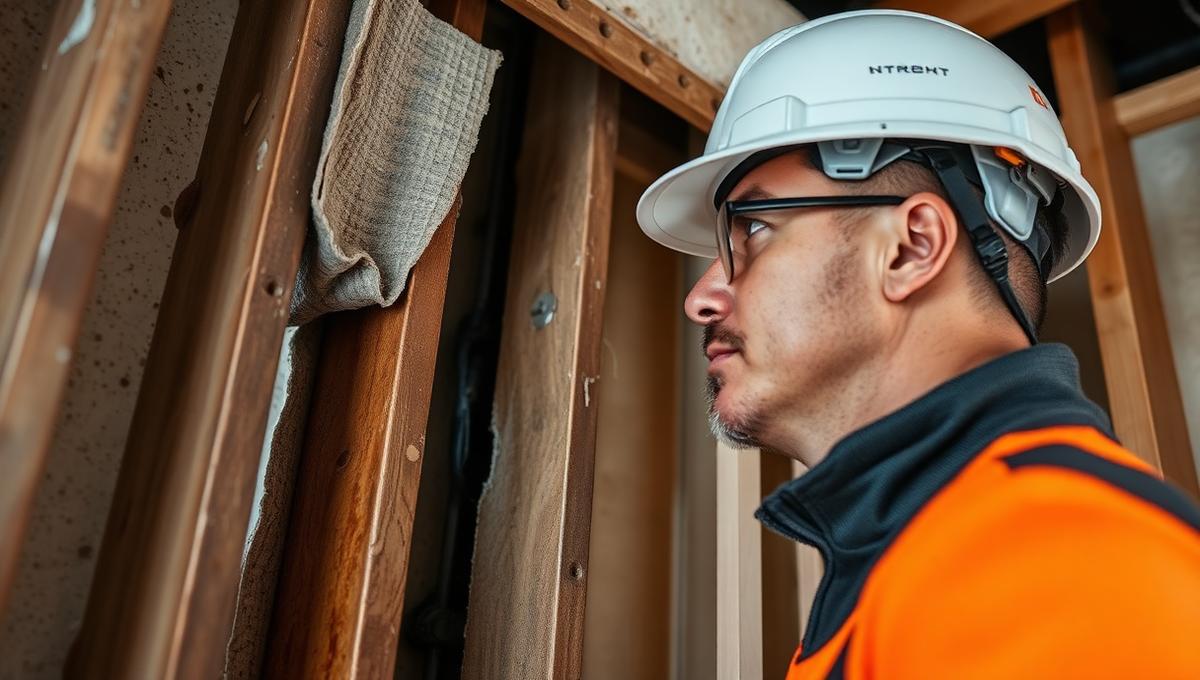
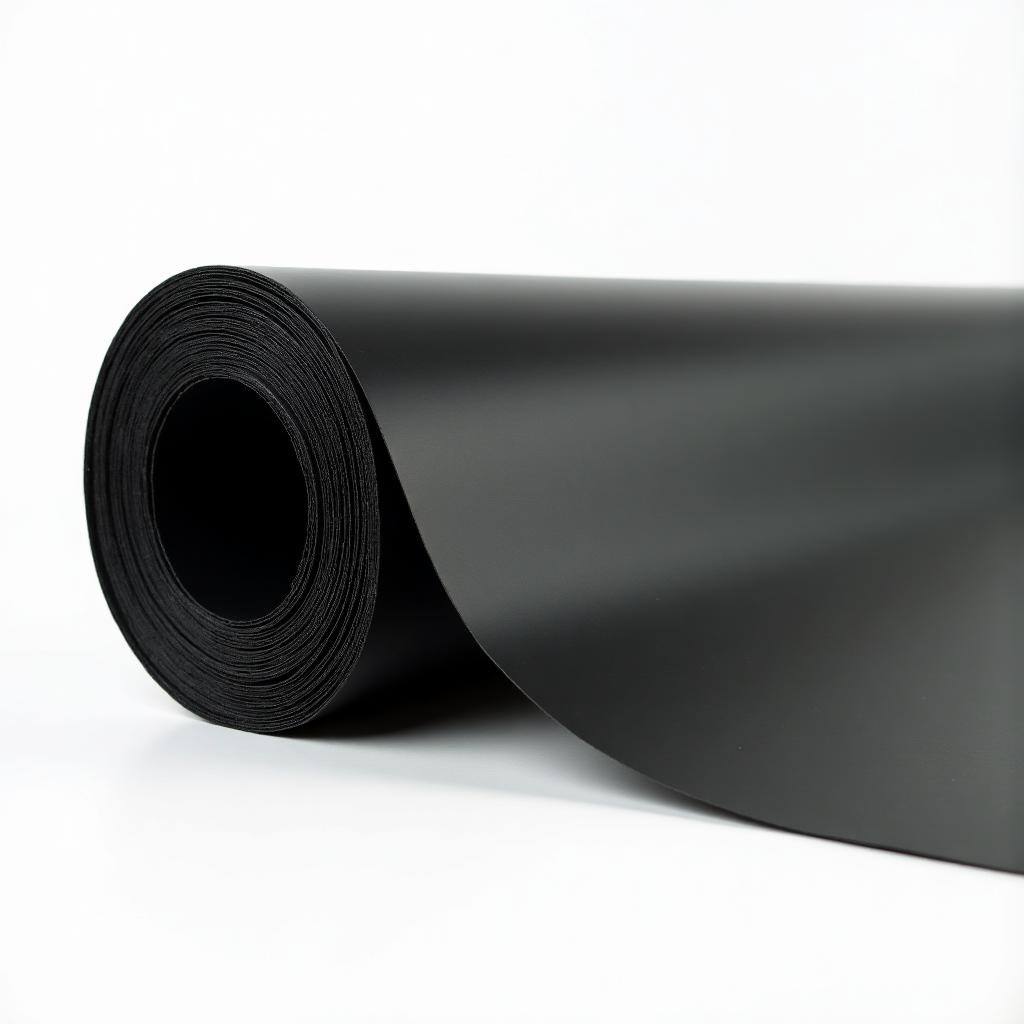
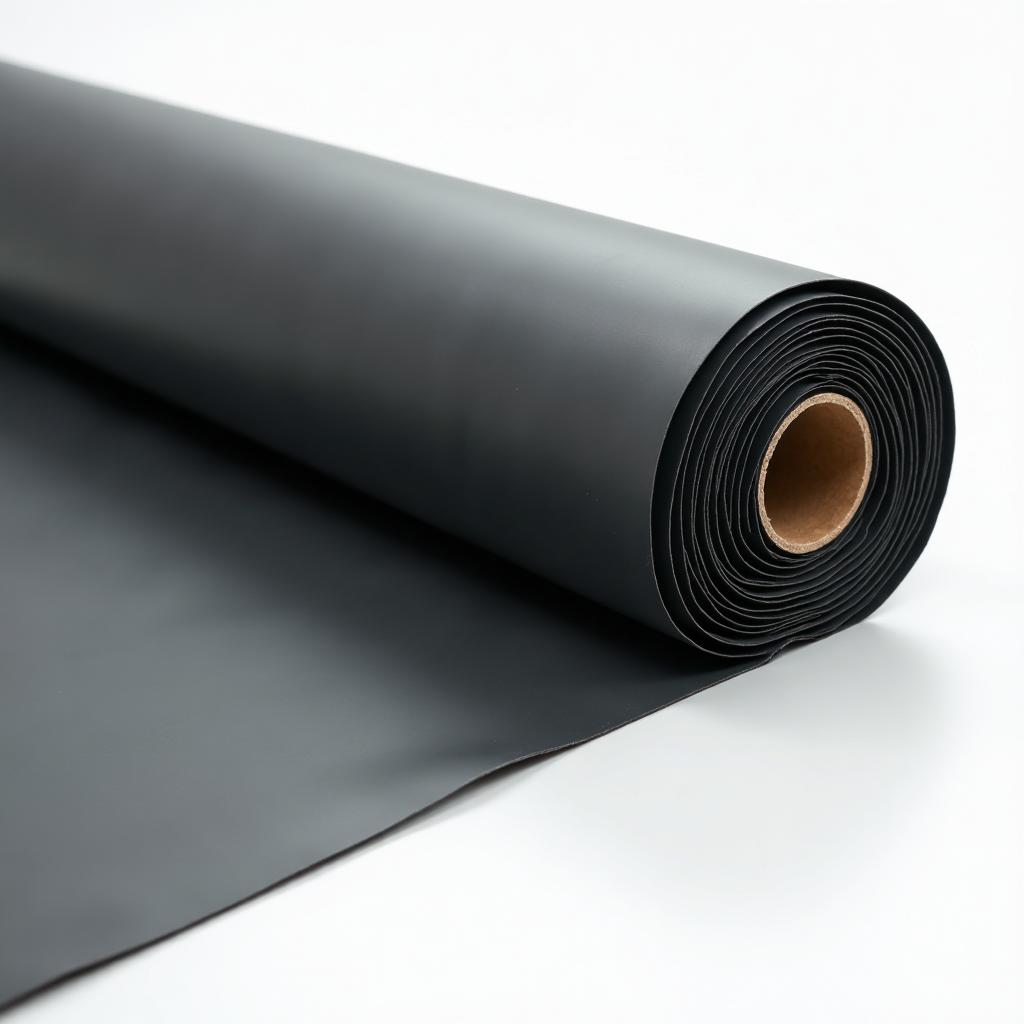
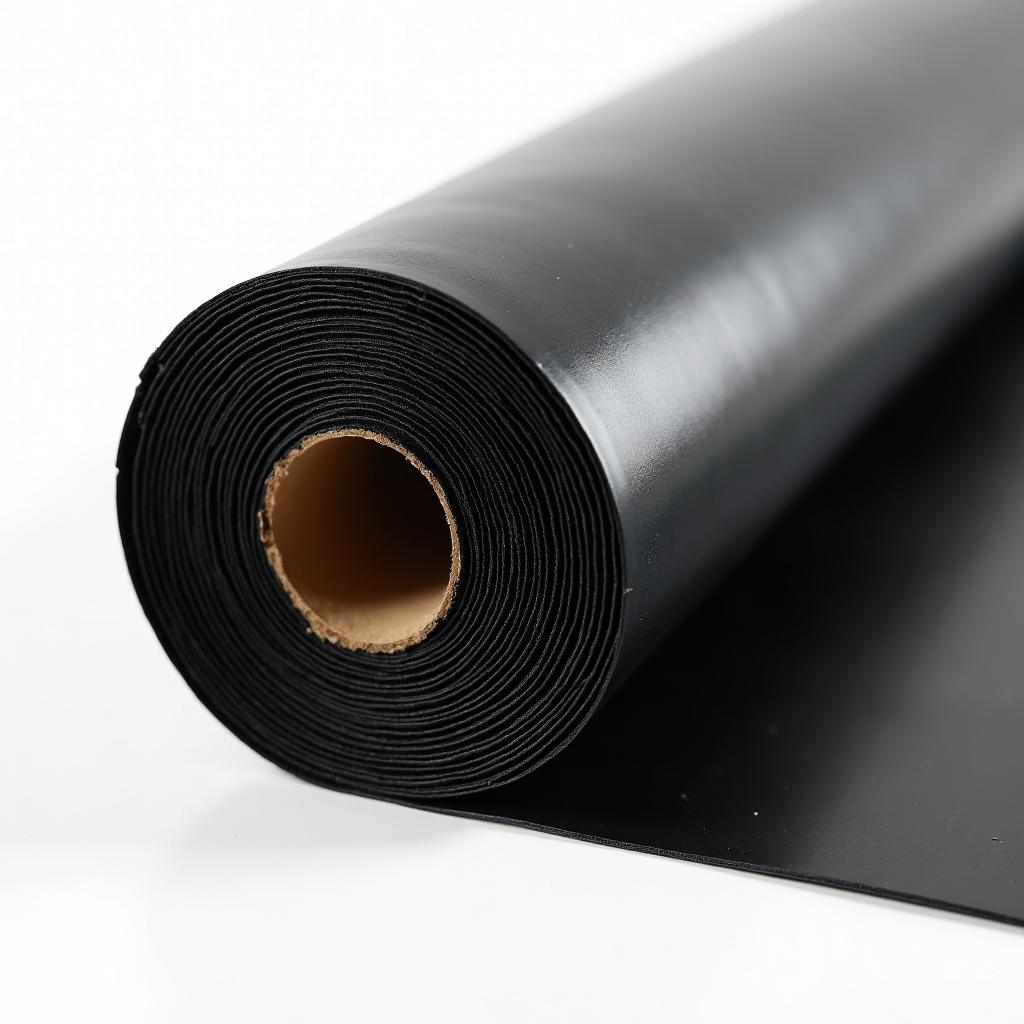
    True soundproofing requires high density, massive weight, and structural decoupling. Stopping noise from traveling between rooms requires introducing heavy acoustic barriers. Mass Loaded Vinyl (MLV) is the definitive solution for blocking sound transmission entirely. MLV is an incredibly dense, flexible membrane installed directly against bare wall studs or floor joists. It acts as a heavy physical shield, reflecting incoming sound waves back to their source before they can enter your room.
    FeatureSound AbsorptionSoundproofing (Blocking)
    PurposeReduce echo & reverberation inside roomStop noise from passing through walls
    Key MetricNRC (Noise Reduction Coefficient)STC (Sound Transmission Class)
    MaterialsFiberglass, foam, mineral wool, feltMLV, double drywall, resilient channels
    InstallationSurface-mounted on walls/ceilingInside wall/floor/ceiling assembly
    Best ForStudios, offices, home theatersApartments, shared walls, noisy streets
    Combining both strategies yields the best possible results. You first build a highly dense boundary using Mass Loaded Vinyl to block external noise from invading your space. Once the room is completely isolated from the outside world, you introduce premium sound absorbing materials like fiberglass panels or PET felt to dial in the internal acoustics perfectly. Mastering both absorption and blocking guarantees complete acoustic control over any challenging environment.

    6Final Thoughts on Acoustic Treatment

    Reflective surfaces and hollow architecture do not have to dictate your daily auditory experience. Implementing the right combination of high-density fiberglass, modern acoustic felt, or specialized wood panels will immediately eliminate distracting echoes and clarify every sound in your room.
    Identify your most problematic parallel walls and flat ceilings, calculate the necessary square footage, and choose the material that best matches your visual aesthetic. If heavy external noise is also penetrating your walls, secure your room boundaries first.
    Explore the professional-grade sound blocking solutions available at Mass Loaded Vinyl Direct to build the ultimate acoustic barrier before finalizing your interior treatments.

    7Conclusion

    The best sound absorbing materials transform chaotic, echo-filled rooms into controlled acoustic environments. High-density fiberglass and mineral wool remain the gold standard for professional studios, while PET felt and perforated wood panels lead the way for modern commercial design. Match your material choice to your specific frequency problem, install at the correct reflection points, and remember that absorption controls echo inside the room—not noise coming through the walls. For true noise blocking, pair your acoustic treatment with Mass Loaded Vinyl for complete acoustic control.

    FAQs: Best Sound Absorbing Materials

    Need Expert Soundproofing Advice?

    Our team of soundproofing specialists is here to help you choose the right products and installation methods for your museum or gallery project.