Soundproofing vs Sound Absorbing: The Critical Difference That Costs Thousands
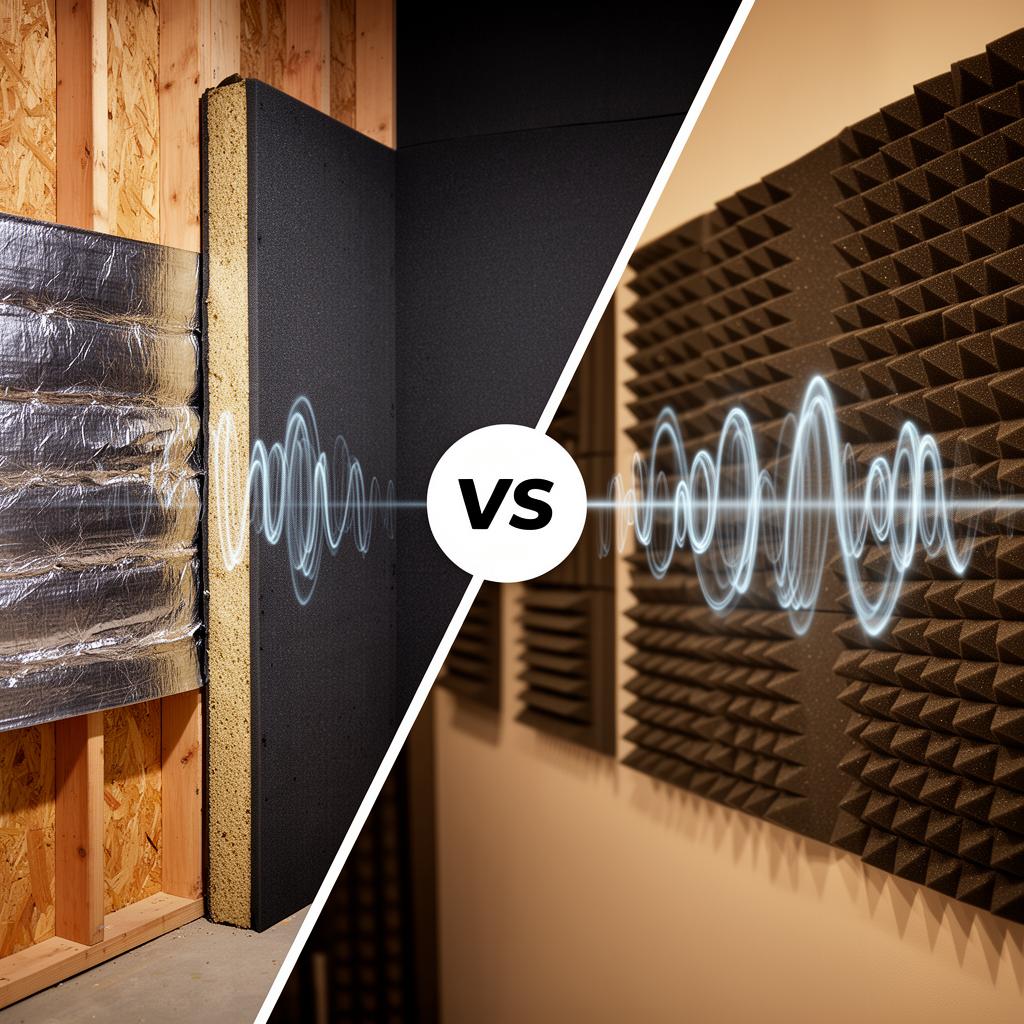
1Why This Distinction Matters More Than You Think
The Financial Cost of Confusion
• Apartment dweller adds MLV to all walls: Room still echoes during video calls—MLV blocks transmission but doesn't control internal reflections
• Restaurant installs mass barriers: Dining room is still unbearably loud—the noise problem was internal reverberation, not leakage
• Condo developer uses sound-absorbing ceiling tiles: Fails building code STC requirements—absorption materials don't block airborne or impact sound between units
• Church installs soundproofing barriers: Congregation still can't understand the pastor—the problem was excessive echo, not sound leaking out
The Simple Test
• "Is the noise bouncing around INSIDE this room?" → You need sound absorption (treatment)
• "Both?" → You need a combined approach (most common in studios and theaters)
2What Is Soundproofing? How Blocking Sound Actually Works
The Four Pillars of Soundproofing
• Damping: Converting sound energy into heat through viscoelastic materials. Green Glue compound between drywall layers dampens vibration at the coincidence frequency where single-layer walls fail
• Decoupling: Breaking the mechanical connection between surfaces so vibration can't transfer through solid contact. Resilient channels, sound clips, and double-stud walls all use decoupling
• Absorption (cavity fill): Filling wall cavities with insulation reduces resonance within the cavity itself—this is the ONLY overlap between soundproofing and sound absorption, and it happens inside the wall, not on the surface
How Sound Transmission Is Measured
• OITC (Outdoor-Indoor Transmission Class): Measures low-frequency blocking better than STC. Critical for traffic noise, aircraft noise, and industrial settings
• IIC (Impact Insulation Class): Measures resistance to impact sound (footsteps, dropped objects). Floor/ceiling assemblies are rated with IIC in addition to STC
• NIC (Noise Isolation Class): Field-measured version of STC that accounts for flanking paths and real-world installation quality
What Soundproofing Does NOT Do
• Does not reduce noise within the same room: If a dishwasher is loud in your kitchen, soundproofing the kitchen walls won't help—you need to address the source or absorb the reflections
• Does not work with lightweight, porous materials: Foam, fabric, curtains, and carpet cannot soundproof because sound passes through them
3What Is Sound Absorption? The Science of Echo Control
How Absorption Actually Works
• Viscous losses: The narrow passages within porous materials slow air movement, dissipating energy
• Thermal exchange: Compression and rarefaction of air within the material creates tiny temperature changes that absorb energy
How Sound Absorption Is Measured
• SAA (Sound Absorption Average): Similar to NRC but includes more frequency bands (200–2500 Hz in one-third octave bands)
• Absorption coefficients by frequency: Individual ratings at 125, 250, 500, 1000, 2000, and 4000 Hz reveal how the material performs across the spectrum
• RT60 (Reverberation Time): The time for sound to decay by 60 dB in a space. Controlled by the total absorption in the room
What Sound Absorption Does NOT Do
• Does not add mass: Sound-absorbing materials are intentionally lightweight and porous—the opposite of what blocks sound
• Does not reduce noise from other rooms: If traffic noise enters through your window, covering your walls with absorption panels won't reduce it—the sound is already in your room
4Head-to-Head: Soundproofing vs Sound Absorbing Compared
| Factor | Soundproofing (Blocking) | Sound Absorption (Treatment) |
|---|---|---|
| Primary Goal | Prevent sound from passing between spaces | Reduce echo/reverberation within a space |
| Key Metric | STC (Sound Transmission Class) | NRC (Noise Reduction Coefficient) |
| Material Properties | Dense, heavy, non-porous | Lightweight, porous, fibrous |
| Typical Weight | 1–2 lb/sq ft (MLV alone) | 0.1–0.5 lb/sq ft |
| Installation Location | Inside walls/ceilings/floors (structural) | Surface-mounted on walls/ceilings (cosmetic) |
| Frequency Range | Full spectrum (mass law favors low freq) | Best at mid/high frequencies |
| Cost Range | $1.50–$5.00/sq ft | $0.50–$3.00/sq ft |
| DIY Difficulty | Moderate to high (behind walls) | Easy (surface mount with adhesive) |
| Reversible? | Generally no (permanent) | Usually yes (removable panels) |
| Building Code Relevance | Required (STC/IIC minimums) | Rarely required by code |
5The Physics Behind Each Approach
The Mass Law: Why Heavy Materials Block Sound
• Double 1/2" drywall (4.4 lb/sq ft): STC ~33 (approximately 6 dB improvement)
• 1 lb/sq ft MLV added to single drywall: Adds 5-7 STC points because it adds mass efficiently without doubling thickness
• 2 lb/sq ft MLV added to single drywall: Adds 8-12 STC points
Porous Absorber Theory: Why Soft Materials Trap Sound
• Viscous drag: Air movement within narrow passages loses energy to friction
• Thickness matters: A porous absorber must be approximately 1/4 wavelength thick to absorb a given frequency. This is why thin foam absorbs only high frequencies while thick panels absorb lower frequencies
• Distance from wall: Mounting absorbers with an air gap behind them effectively doubles their low-frequency performance
Why You Can't Substitute One for the Other
• MLV has almost zero porosity: Its dense, limp structure reflects sound energy rather than allowing it to enter and dissipate. Mounting MLV on a wall surface would increase echo, not reduce it
• Different frequency responses: Mass-based blocking follows the mass law across all frequencies. Porous absorption is highly frequency-dependent on material thickness
6Common Materials for Soundproofing
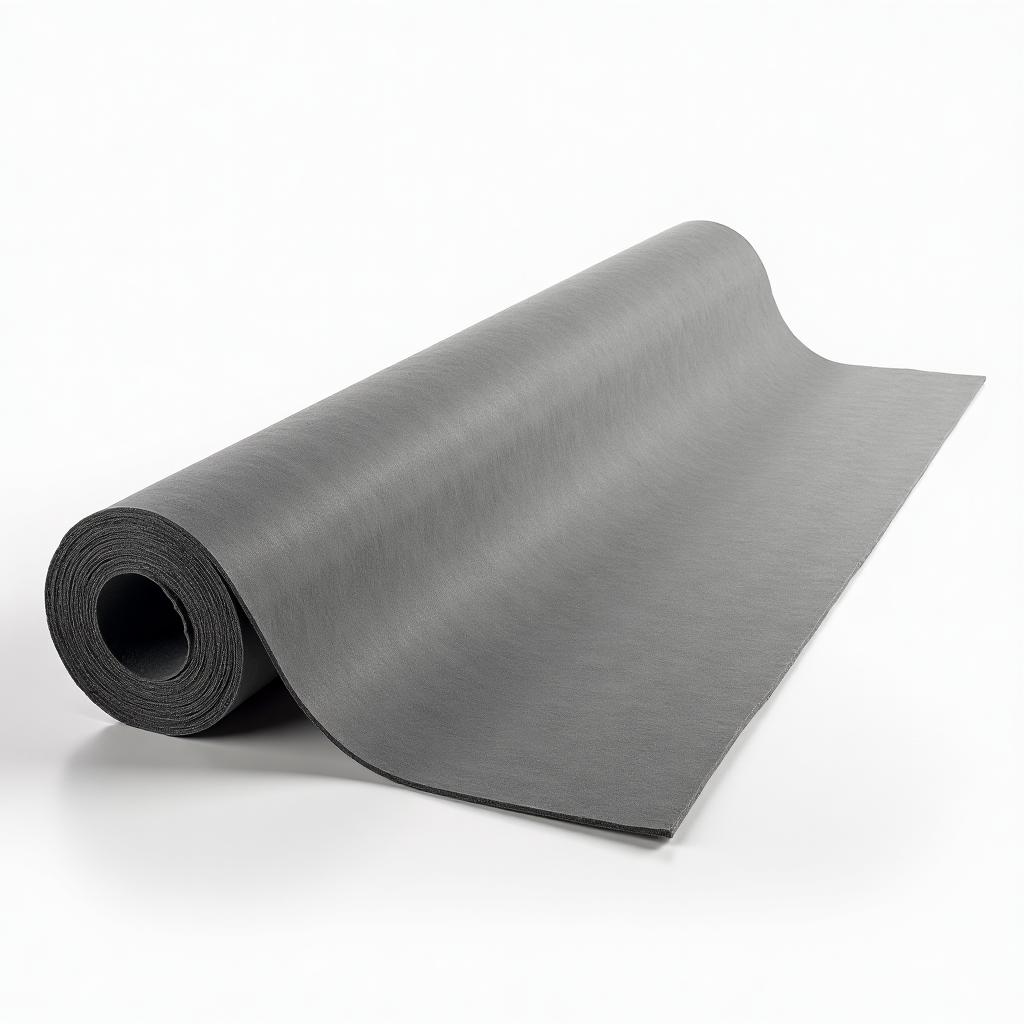
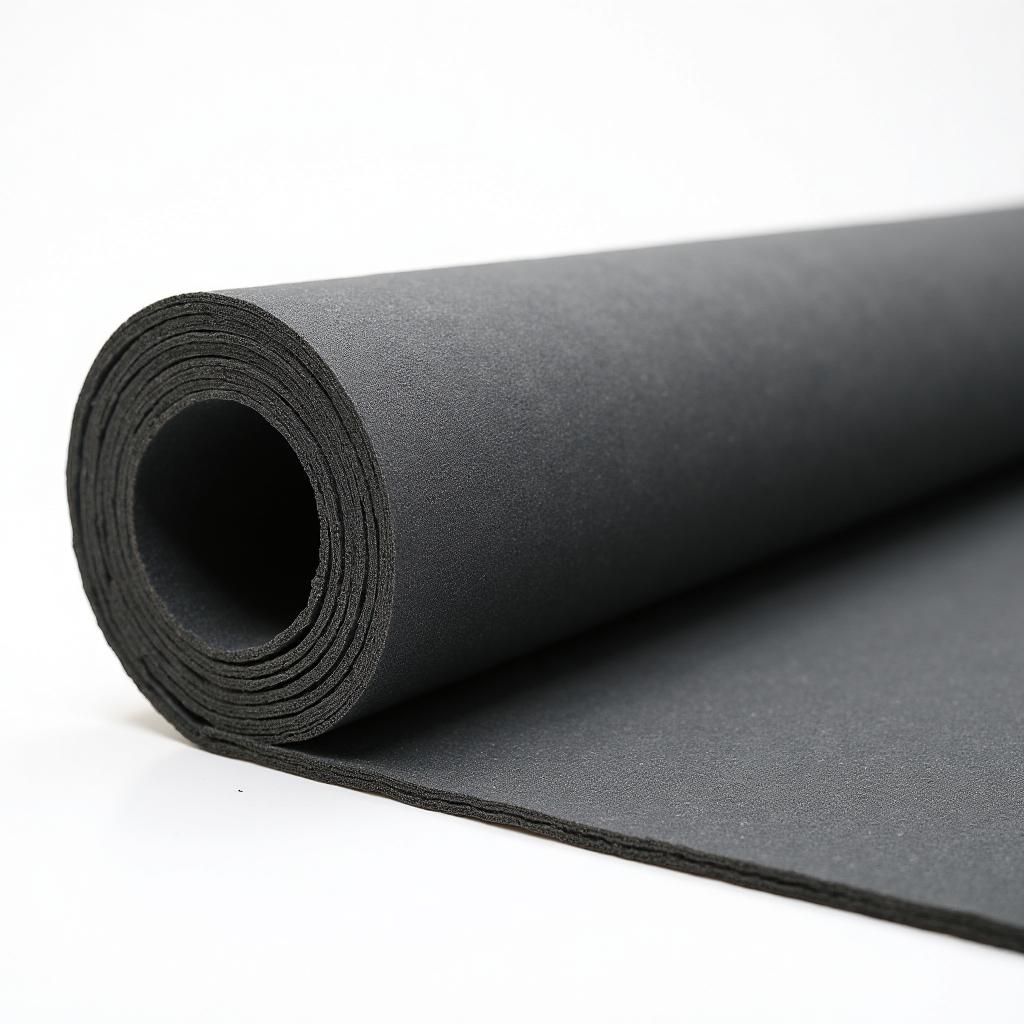
Mass Loaded Vinyl (MLV)
• Density: 1–2 lb/sq ft in standard thicknesses
• STC contribution: STC 21–33 depending on weight class
• Advantages: Thin profile (1/16"–1/4"), flexible installation, doesn't require framing changes, excellent for retrofits
• Best for: Walls, ceilings, floors, wrapping ductwork, pipe lagging, equipment enclosures
Additional Drywall Layers
• Diminishing returns: Each additional layer adds less STC improvement than the previous one
• Space requirement: Each layer adds 5/8" of wall thickness
• Best used with: Damping compound (Green Glue) between layers to address coincidence frequency
Other Soundproofing Materials
• Resilient channel / sound clips: Decoupling hardware that breaks the mechanical path between drywall and studs
• Concrete / CMU: Extremely high mass for commercial/industrial applications
• Lead sheet: Historically used but being replaced by safer MLV products
• Acoustic sealant: Flexible caulk that maintains the airtight seal critical for high STC ratings
7Common Materials for Sound Absorption
Acoustic Foam
• NRC range: 0.40–0.95 depending on thickness and profile
• Thickness: 1"–4" common; thicker = better low-frequency absorption
• Advantages: Easy to install, widely available, good mid/high frequency absorption
• Limitations: Poor low-frequency absorption in thin profiles, can degrade over time, fire rating varies
Fiberglass Panels
• NRC range: 0.80–1.15 (yes, NRC can exceed 1.00 due to edge diffraction effects)
• Best for: Studios, home theaters, conference rooms, auditoriums
• Advantages: Excellent broadband absorption, professional appearance when fabric-wrapped
Other Sound-Absorbing Materials
• PET felt panels: NRC 0.40–0.85. Eco-friendly recycled polyester, popular for modern office aesthetics
• Acoustic ceiling tiles: NRC 0.50–0.90. Standard in commercial spaces for controlling reverb
• Heavy curtains/drapes: NRC 0.15–0.55. Modest absorption for high frequencies only
• Carpet and pad: NRC 0.30–0.60. Reduces flutter echo from floors but doesn't replace wall treatment
8When to Use Soundproofing (And Only Soundproofing)
Residential Applications
• Floor/ceiling between units: Footstep noise (impact sound) requires mass barriers and resilient mounting systems
• Home theater rooms: Prevent movie sound from disturbing the rest of the house while keeping outside noise out of the theater
• Nursery/bedroom walls: Block noise from living areas, traffic, or neighboring units to protect sleep
• Home office: Maintain speech privacy for video calls and prevent household noise from disrupting work
Commercial Applications
• Medical/dental offices: HIPAA compliance requires acoustic privacy between exam rooms and waiting areas
• Hotels: Guest room separations must meet STC 50+ for guest satisfaction and brand standards
• Multifamily construction: IBC requires STC 50/IIC 50 minimum between dwelling units
• Schools: ANSI S12.60 establishes acoustic requirements for classroom walls to support learning
The Key Indicator
9When to Use Sound Absorption (And Only Sound Absorption)
Reverberation Control
• Open offices: Speech intelligibility and noise levels degrade in large open spaces. Acoustic clouds, baffles, and wall panels reduce ambient noise
• Churches/worship spaces: Balancing reverb for music and speech clarity requires strategic absorption placement
• Gymnasiums: Massive hard-surface rooms create 4-8 second reverb times. Ceiling baffles and wall panels bring RT60 to usable levels
Recording & Critical Listening
• Podcast studios: Reducing room reflections improves voice clarity without requiring full soundproofing (unless noise isolation is also needed)
• Vocal booths: Internal absorption prevents comb filtering from close reflections
The Key Indicator
10When You Need Both: The Combined Approach
Recording Studios
• Absorption layer: Interior surface treatments (bass traps, broadband panels, ceiling clouds) control reflections for accurate monitoring
• Order matters: Build the soundproofing shell FIRST, then tune the interior with absorption. Doing it in reverse wastes money
Home Theaters
• Absorption: Strategic panel placement at first reflection points improves dialog clarity and creates immersive surround sound
• Common mistake: Installing only absorption panels and wondering why bass still shakes the bedroom above
Medical Offices
• Absorption: Waiting rooms need acoustic treatment to reduce ambient noise and improve announcement intelligibility
• Budget allocation: Approximately 70% of acoustic budget should go to soundproofing (walls, doors, ceilings) and 30% to absorption (waiting areas, corridors)
Restaurants
• Absorption: Interior ceiling clouds, wall panels, and banquette absorbers to control the dining room noise level
• Priority: Most restaurants need absorption first—internal noise from diners is usually the primary complaint
11The $10,000 Mistake: Real-World Horror Stories
Case Study 1: The Foam-Covered Apartment
• What they actually needed: 1 lb MLV behind a new layer of 5/8" drywall with Green Glue ($1,200 in materials for the shared wall)
• Lesson: Acoustic foam absorbs reflections WITHIN your room. It cannot block sound FROM your neighbor
Case Study 2: The Silent (But Echoey) Podcast Studio
• What they also needed: $800 in acoustic panels at first reflection points plus bass traps in corners
• Lesson: Soundproofing creates a quiet box—but you still need absorption to make that box sound good
Case Study 3: The Restaurant That Got It Backwards
• What they actually needed FIRST: $6,000 in ceiling clouds and wall panels to reduce internal reverb from 3.2 seconds to 0.8 seconds
• Lesson: Identify the primary problem before spending. The neighbor complaint was secondary to the dining experience problem
12Room-by-Room Decision Guide
| Room Type | Primary Need | Secondary Need | Recommended Approach |
|---|---|---|---|
| Apartment bedroom | Soundproofing | — | MLV + drywall on shared walls |
| Home theater | Soundproofing | Absorption | MLV + drywall shell, then acoustic panels |
| Recording studio | Both (equal) | — | Full soundproofing build + tuned absorption |
| Podcast room | Absorption | Soundproofing | Acoustic panels first, MLV if external noise |
| Restaurant | Absorption | Soundproofing | Ceiling clouds + wall panels; MLV on shared walls |
| Open office | Absorption | — | Ceiling baffles, desk dividers, wall panels |
| Conference room | Soundproofing | Absorption | STC 50+ walls + ceiling absorption for clarity |
| Medical exam room | Soundproofing | — | MLV + drywall for HIPAA compliance |
| Home office | Soundproofing | Absorption | MLV on shared walls + desk-area panels |
| Nursery | Soundproofing | — | MLV on shared walls, solid door upgrade |
| Church/worship | Absorption | Soundproofing | Ceiling treatment + wall panels for RT60 control |
| Gym/fitness | Absorption | Soundproofing | Ceiling baffles; MLV on walls if adjacent to offices |
13How Mass Loaded Vinyl Fits Into Your Strategy
MLV for Pure Soundproofing Projects
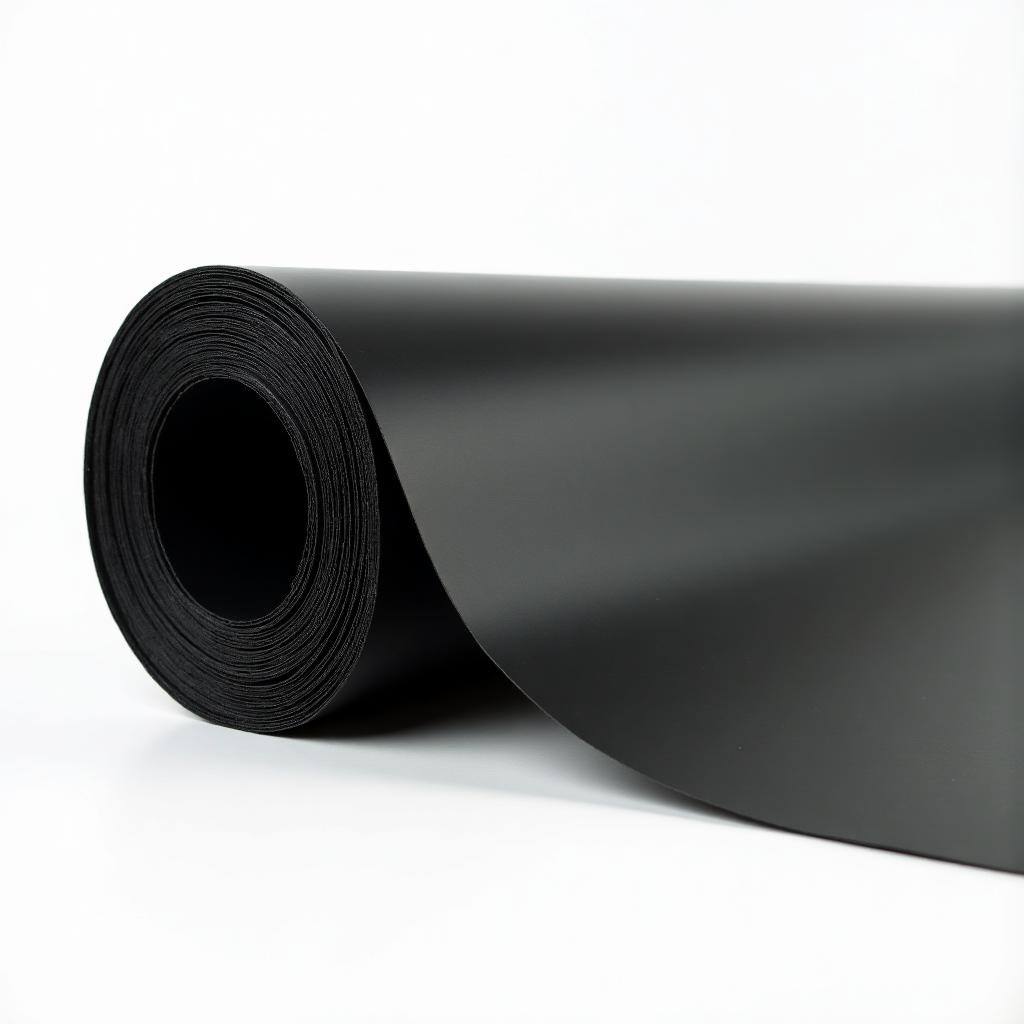
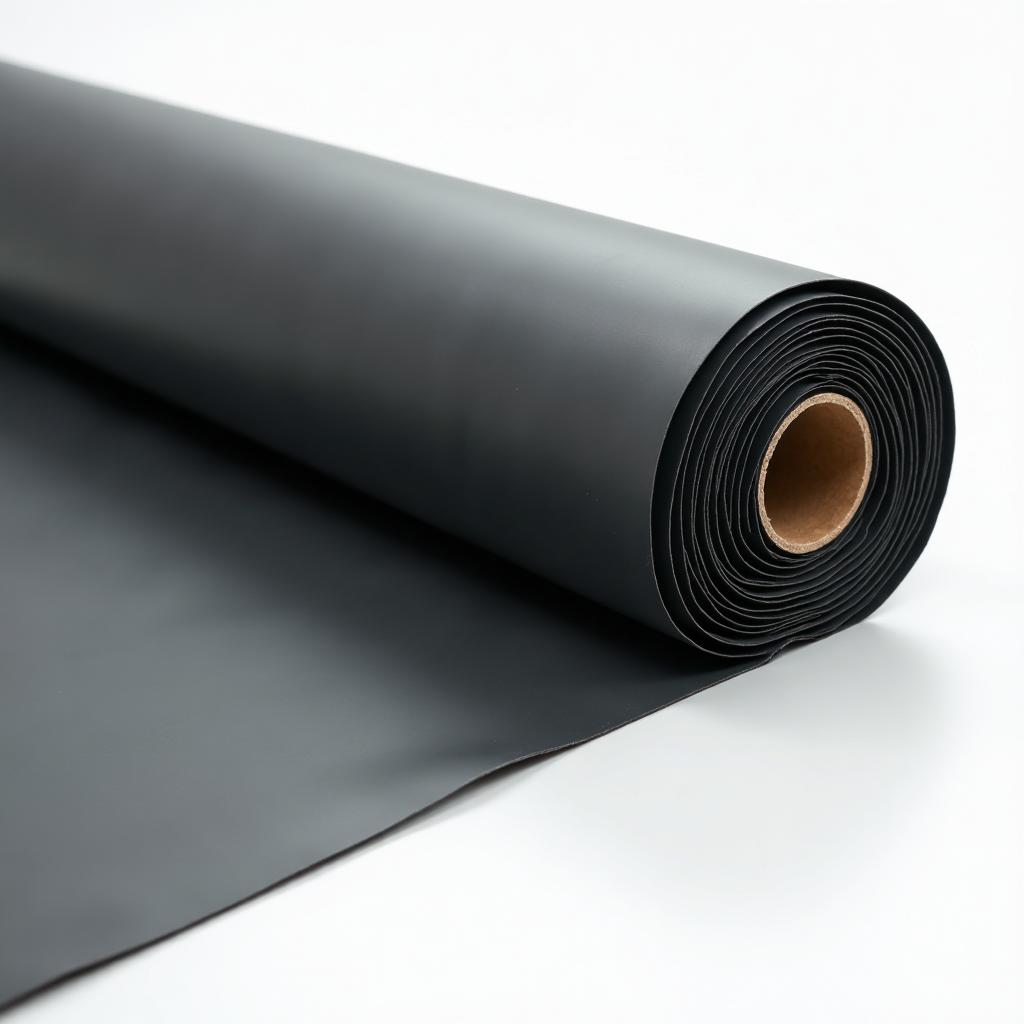
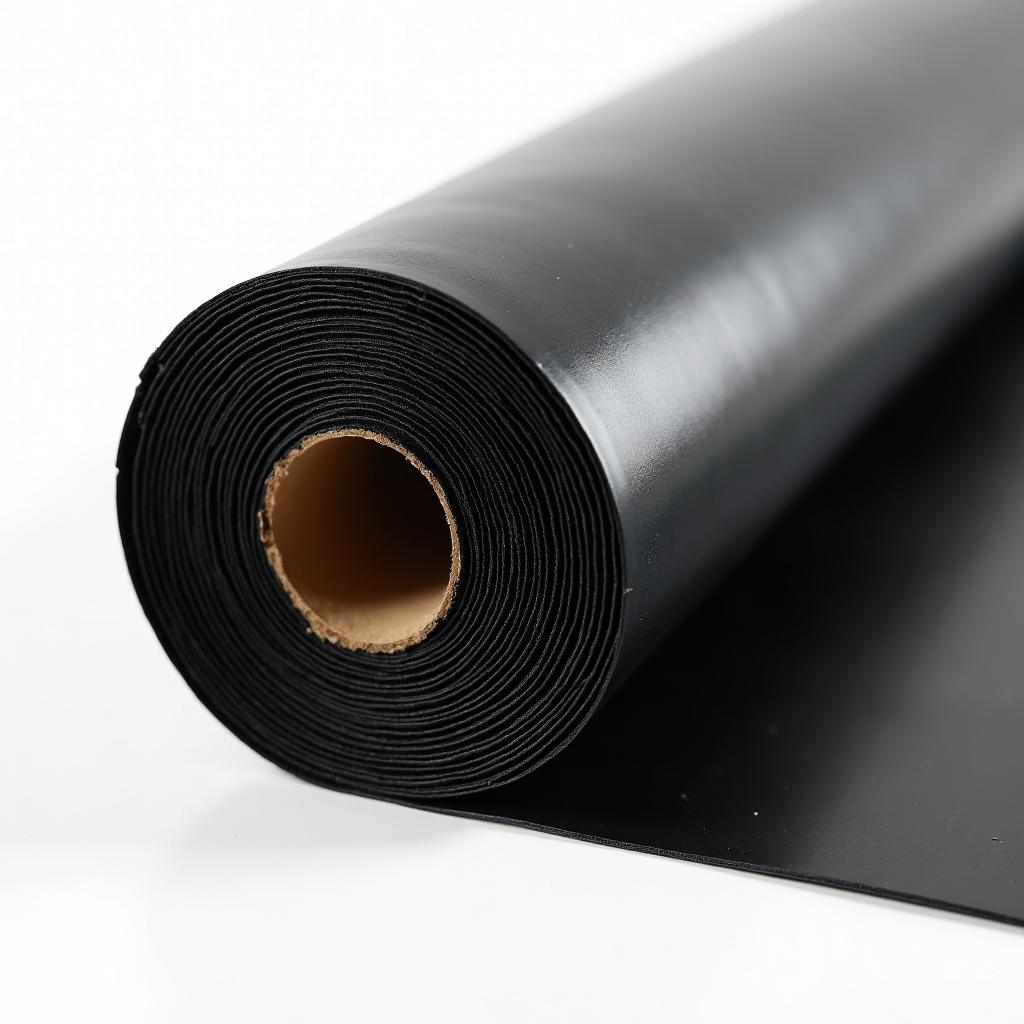
• MLV Regular (1 lb/sq ft): Standard specification for residential and light commercial walls. Adds 5-7 STC points to drywall assemblies
• MLV Pro (1.1 lb/sq ft): Premium blocking for demanding applications—home theaters, studios, mechanical rooms. Adds 8-12 STC points
MLV in Combined Soundproofing + Absorption Projects
• Step 2: Seal all gaps with acoustic sealant (sound finds the weakest path)
• Step 3: Apply absorption panels to the finished interior surfaces for echo control
• Critical rule: Never use MLV as a substitute for absorption, and never use absorption as a substitute for MLV. They solve different problems
Floor Soundproofing
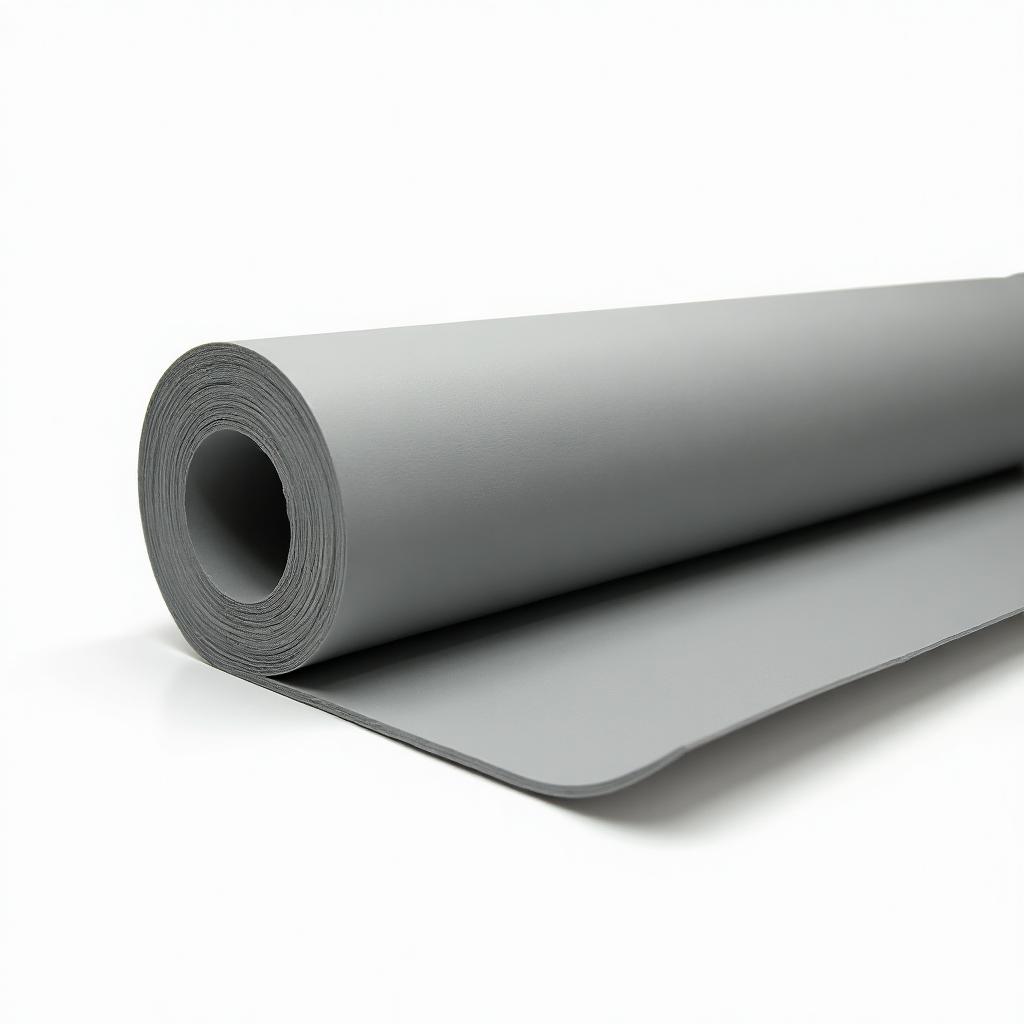
• 3mm underlayment: Standard specification for multifamily buildings
• 5mm underlayment: Premium impact isolation for condos and upper-floor applications
• 10mm underlayment: Maximum impact isolation for demanding environments
15Conclusion
FAQs: Soundproofing vs Sound Absorbing
Related Guides in Comparisons
Continue exploring with these hand-picked articles
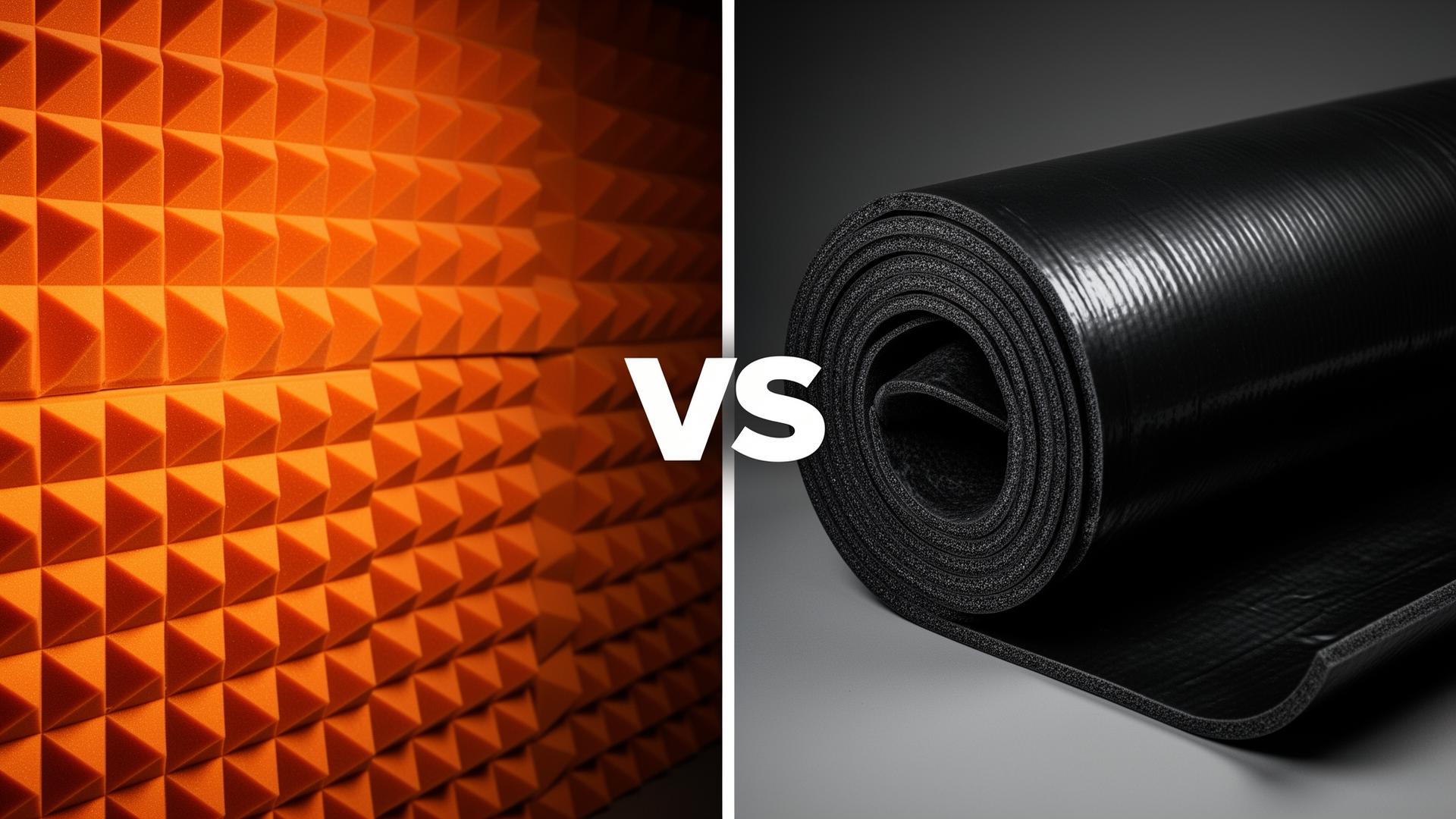
Acoustic Foam vs MLV: Which One Actually Stops Noise?
Acoustic foam absorbs echo while MLV blocks sound transmission—they're not the same thing. Discover which material you actually need, why foam won't stop neighbor noise, and when to use both for optimal acoustic control.
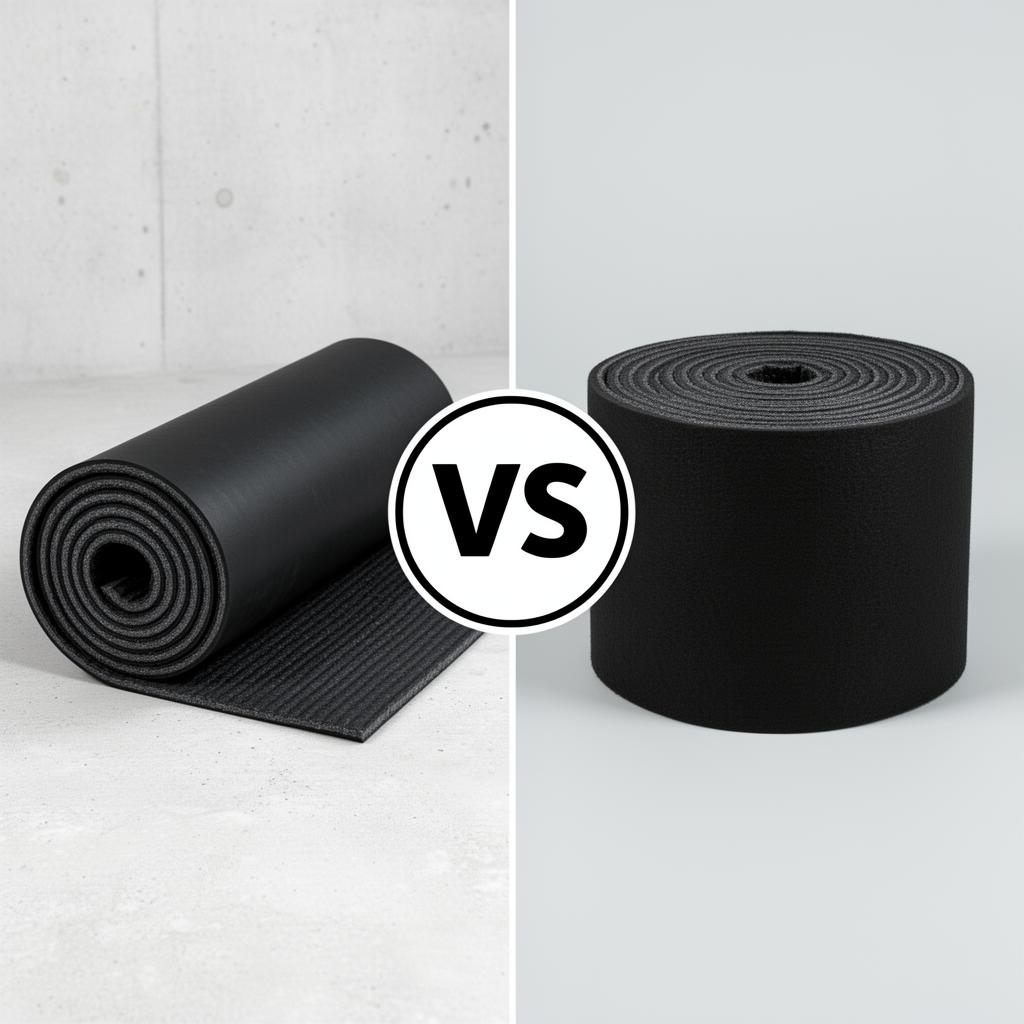
1 lb vs. 2 lb Mass Loaded Vinyl: Which Thickness Should You Buy?
Compare 1 lb/ft² MLV (STC 26) vs 2 lb/ft² MLV (STC 32). Practical buyer's guide covering use cases, cost math, wall assemblies, and when upgrading to 2 lb MLV is worth the investment.
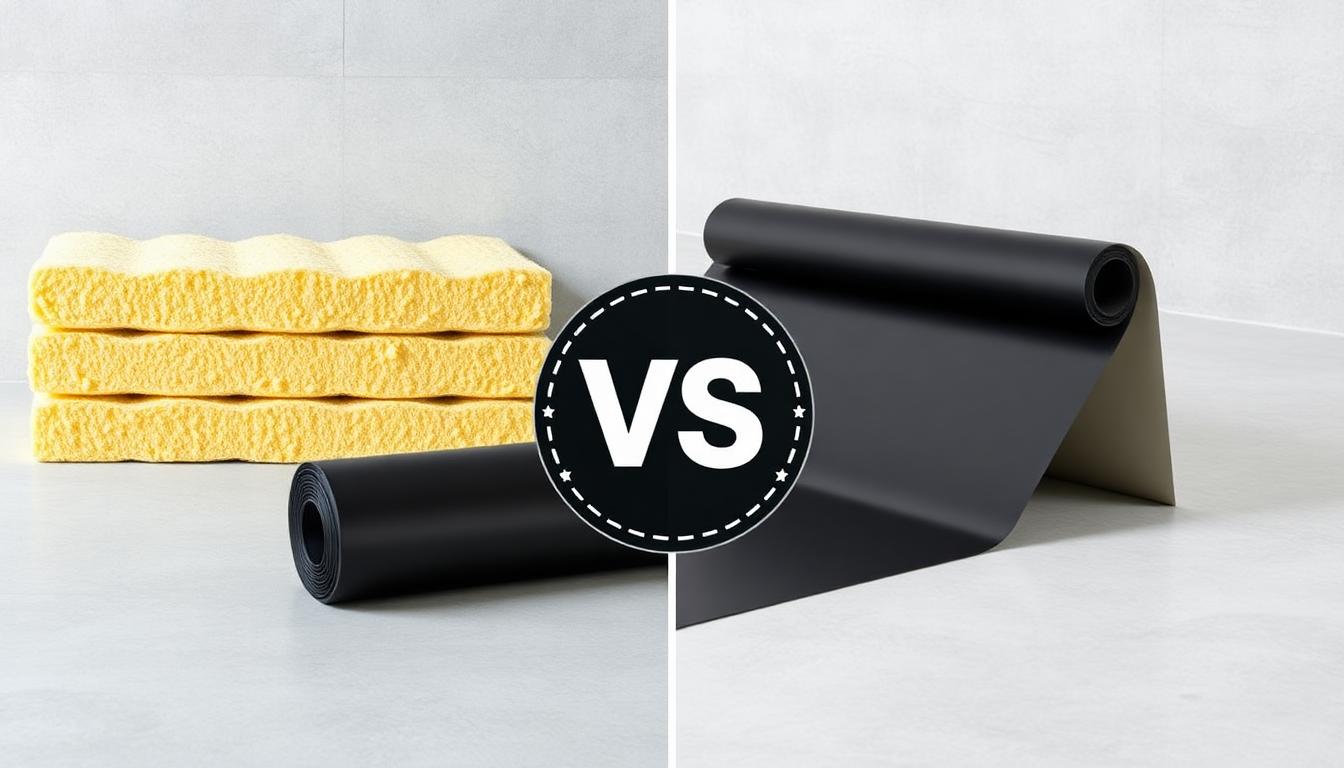
Mineral Wool vs. Mass Loaded Vinyl: Do You Need Both?
Mineral wool absorbs sound while MLV blocks it. Learn why these two materials solve different acoustic problems and why combining them delivers the best soundproofing results.
Our Complete Product Line
Professional-grade soundproofing materials for any application
Need Expert Soundproofing Advice?
Our team of soundproofing specialists is here to help you choose the right products and installation methods for your museum or gallery project.