Acoustic Foam vs MLV: Which One Actually Stops Noise?
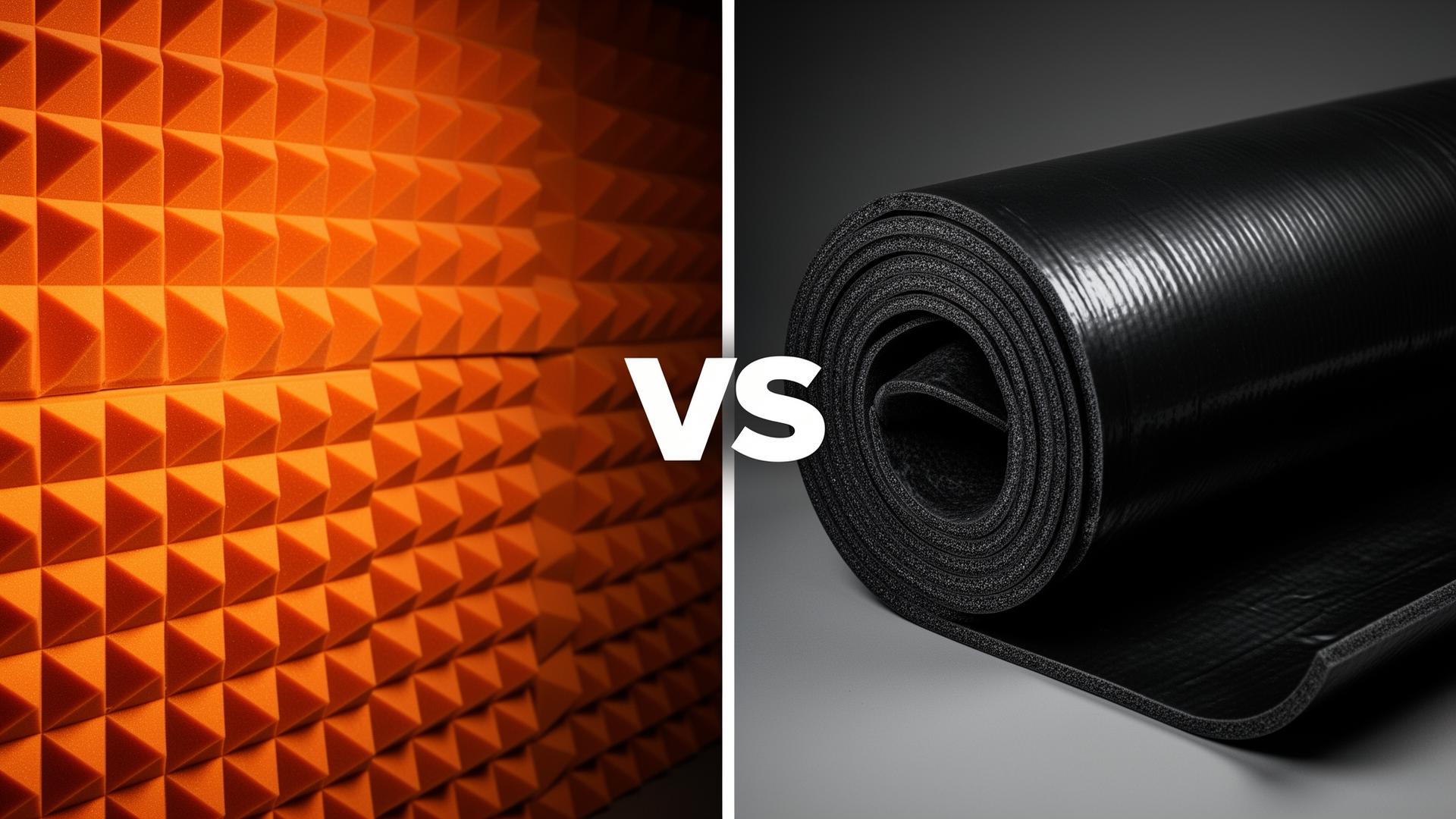
1The Fundamental Difference: Soundproofing vs. Acoustic Treatment
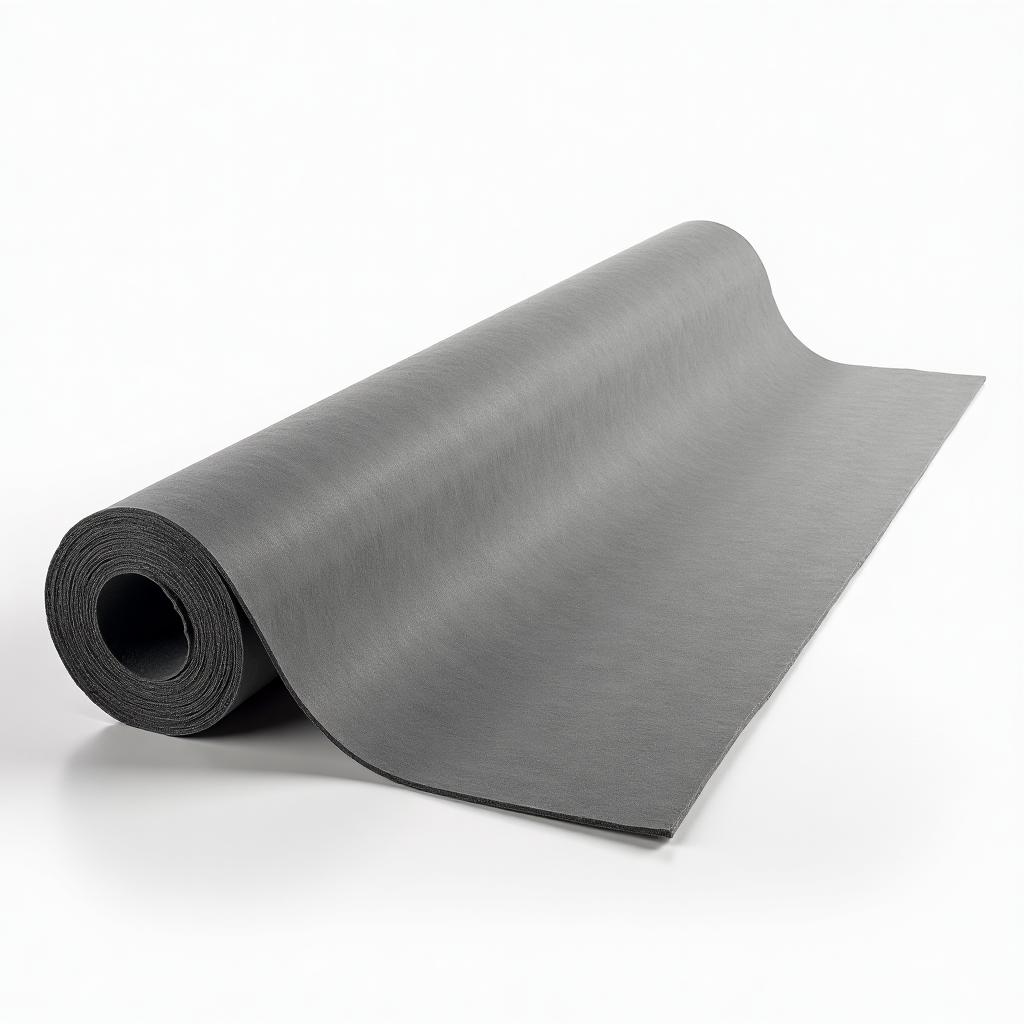
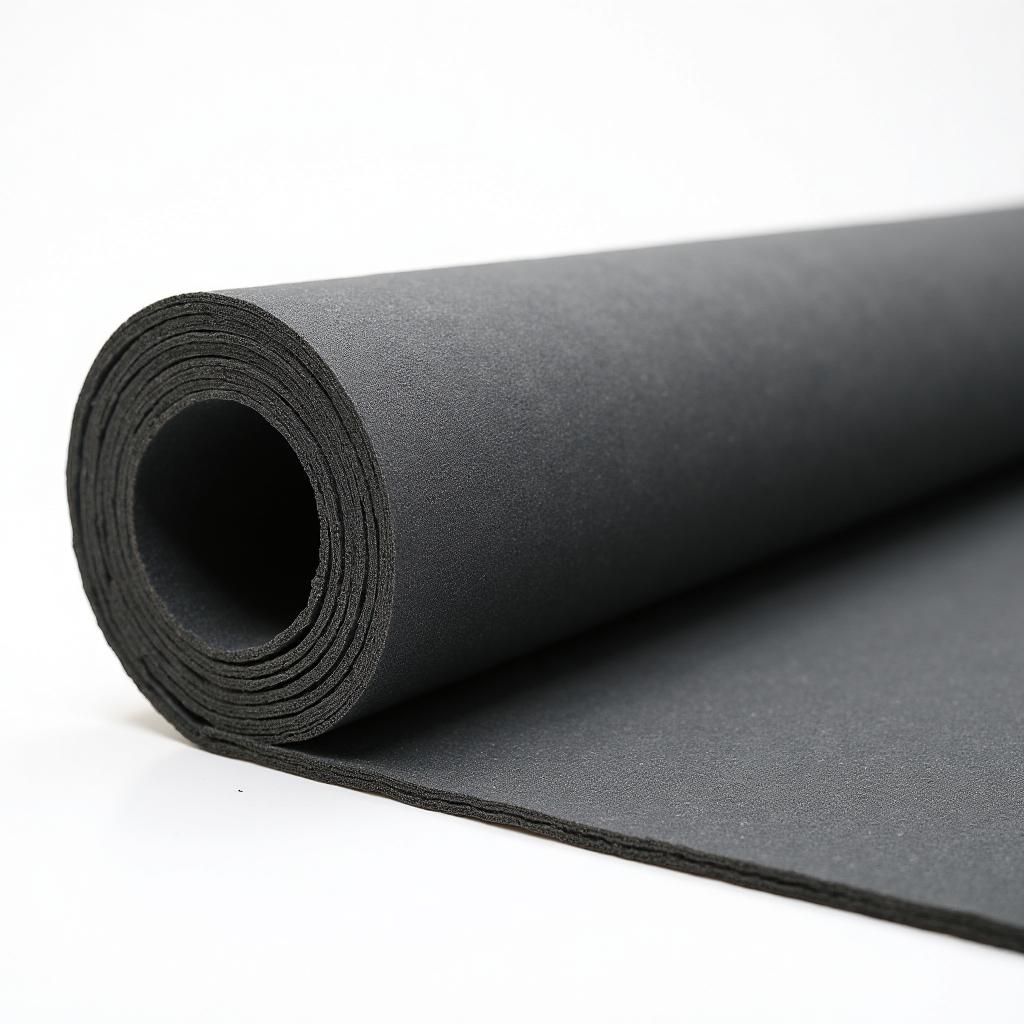
2What Mass Loaded Vinyl Does (Soundproofing)
3What Acoustic Foam Does (Acoustic Treatment)
4Why MLV and Acoustic Foam Are Often Confused
5Performance Comparison: MLV vs Acoustic Foam
| Property | Mass Loaded Vinyl | Acoustic Foam |
|---|---|---|
| Primary Function | Block sound transmission (soundproofing) | Absorb echo/reverb (acoustic treatment) |
| Weight | 1-2 lbs/sq ft (very heavy) | 0.02-0.05 lbs/sq ft (very light) |
| Installation Location | Inside walls/floors (hidden) | On visible wall/ceiling surfaces |
| STC Improvement | +5 to +15 points (significant) | +1 to +3 points (negligible) |
| NRC Rating | 0.05-0.15 (poor absorber) | 0.70-0.95 (excellent absorber) |
| Thickness | 1/8" (1lb) to 1/4" (2lb) | 1" to 4" (thicker = better bass absorption) |
| Cost (approx) | $1.50-$3.00 per sq ft | $1.00-$2.50 per sq ft |
| Stops Neighbors Hearing You | ✅ Yes (when properly installed) | ❌ No (negligible effect) |
| Reduces Echo in Room | ❌ No (not designed for this) | ✅ Yes (primary function) |
| Fire Rating | Class A available | Varies (check product specs) |
6When to Use MLV (Soundproofing Scenarios)
7When to Use Acoustic Foam (Acoustic Treatment Scenarios)
8Using MLV and Acoustic Foam Together: The Complete Solution
9Cost Analysis: MLV vs Acoustic Foam
10Common Mistakes to Avoid
12Conclusion
Mass Loaded Vinyl and acoustic foam are both essential acoustic materials—but they serve completely different purposes and are not interchangeable. MLV is a heavy, dense soundproofing barrier that blocks sound transmission between rooms, achieving STC improvements of 5-15 points when properly installed in wall, floor, and ceiling assemblies. Acoustic foam is a lightweight absorption material that reduces echo and reverb within rooms, improving sound quality for recording, listening, and communication.
The confusion between these materials stems from misleading marketing, misunderstanding of acoustic goals, and the visual presence of foam in professional studios (where heavy soundproofing is hidden in the construction). Understanding the distinction between soundproofing (blocking sound transmission with MLV) and acoustic treatment (absorbing reflections with foam) is essential for making informed decisions and achieving your acoustic goals.
For many applications—home studios, music rooms, home theaters, professional recording facilities—optimal results require both materials working together: MLV provides sound isolation from the outside world, while acoustic foam creates controlled, professional-quality acoustics inside the space. By choosing the right material for your specific needs and combining them intelligently when necessary, you'll achieve superior acoustic performance while avoiding costly mistakes.
FAQs: Acoustic Foam vs MLV
Related Guides in Comparisons
Continue exploring with these hand-picked articles
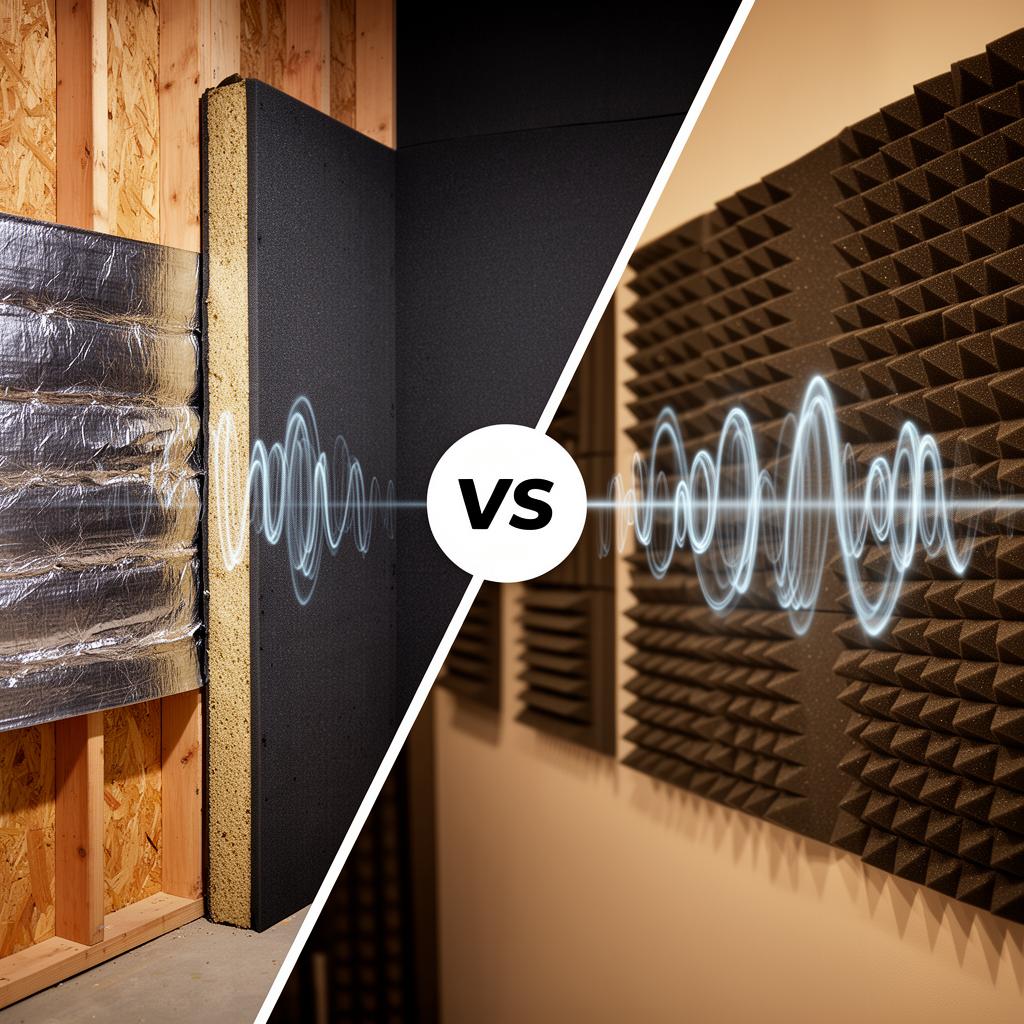
Soundproofing vs Sound Absorbing: The Critical Difference That Costs Thousands
Soundproofing blocks noise between spaces using dense materials like MLV. Sound absorption reduces echo within a room using porous materials like foam. Learn exactly when to use each, how they work differently, and why confusing them wastes thousands of dollars.
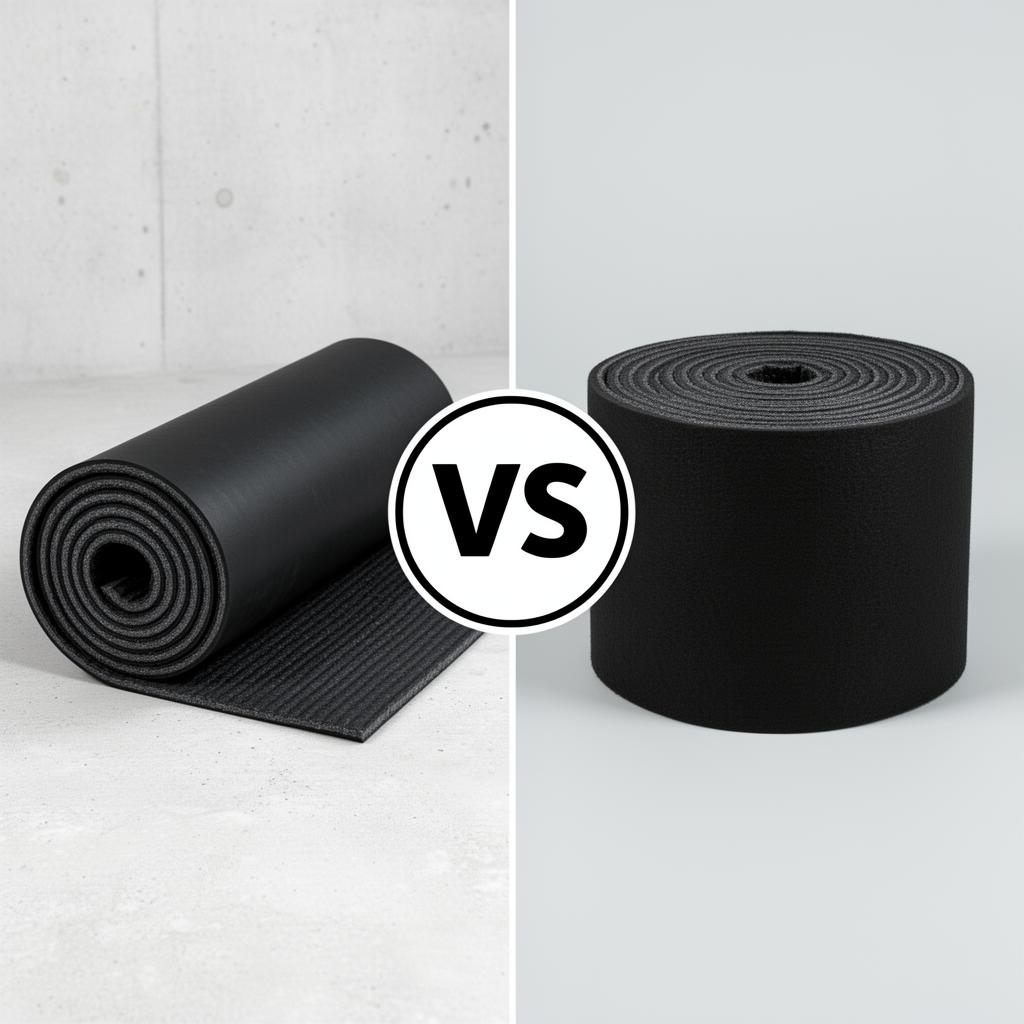
1 lb vs. 2 lb Mass Loaded Vinyl: Which Thickness Should You Buy?
Compare 1 lb/ft² MLV (STC 26) vs 2 lb/ft² MLV (STC 32). Practical buyer's guide covering use cases, cost math, wall assemblies, and when upgrading to 2 lb MLV is worth the investment.
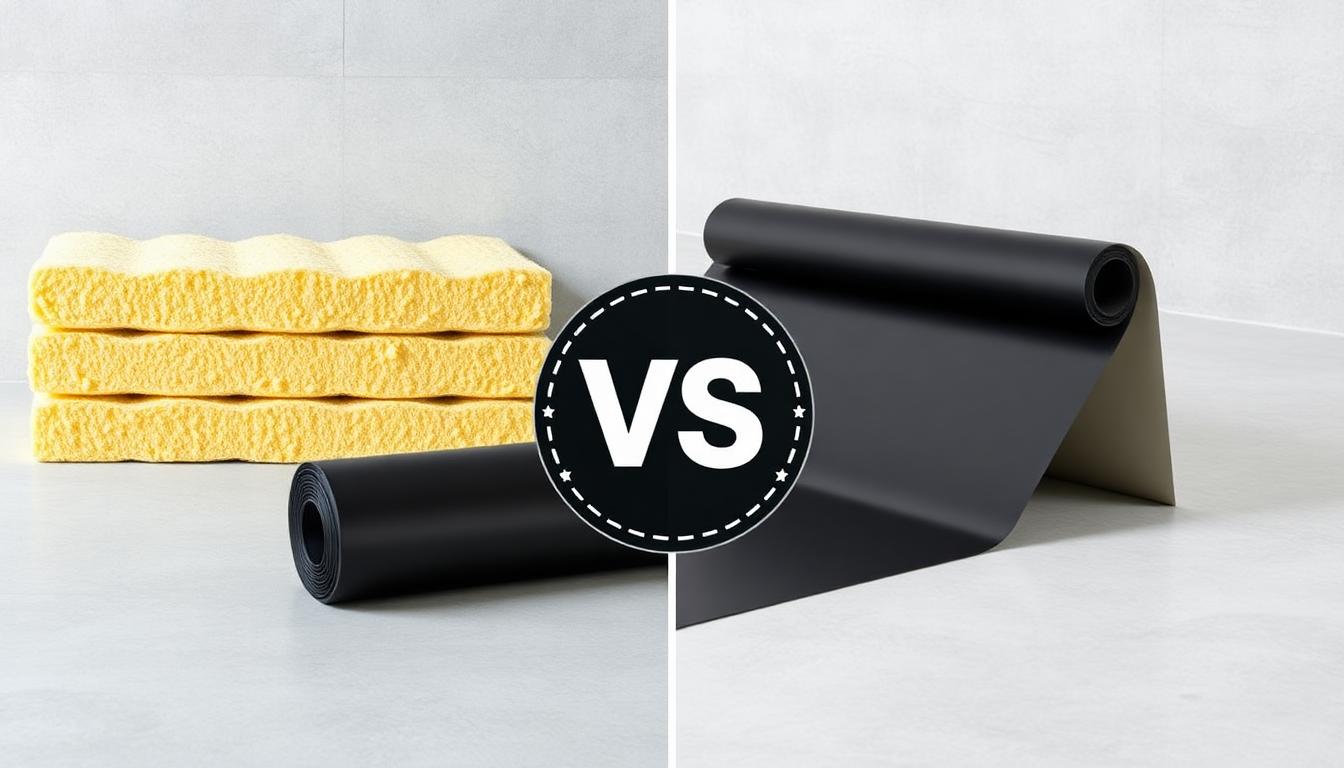
Mineral Wool vs. Mass Loaded Vinyl: Do You Need Both?
Mineral wool absorbs sound while MLV blocks it. Learn why these two materials solve different acoustic problems and why combining them delivers the best soundproofing results.
Our Complete Product Line
Professional-grade soundproofing materials for any application
Need Expert Soundproofing Advice?
Our team of soundproofing specialists is here to help you choose the right products and installation methods for your museum or gallery project.