Comparisons7 min readAuthorMass Loaded Vinyl DirectPublishedUpdated

    1 lb vs. 2 lb Mass Loaded Vinyl: Which Thickness Should You Buy?
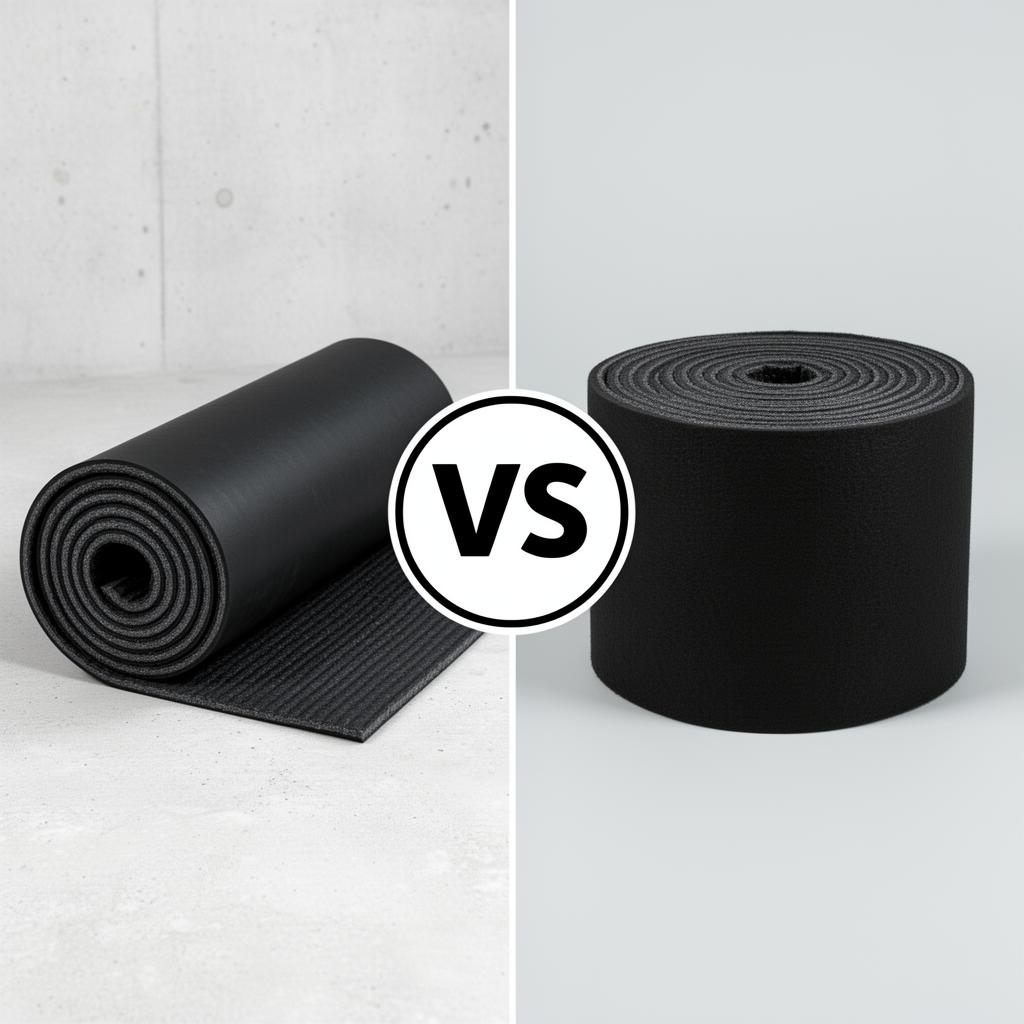
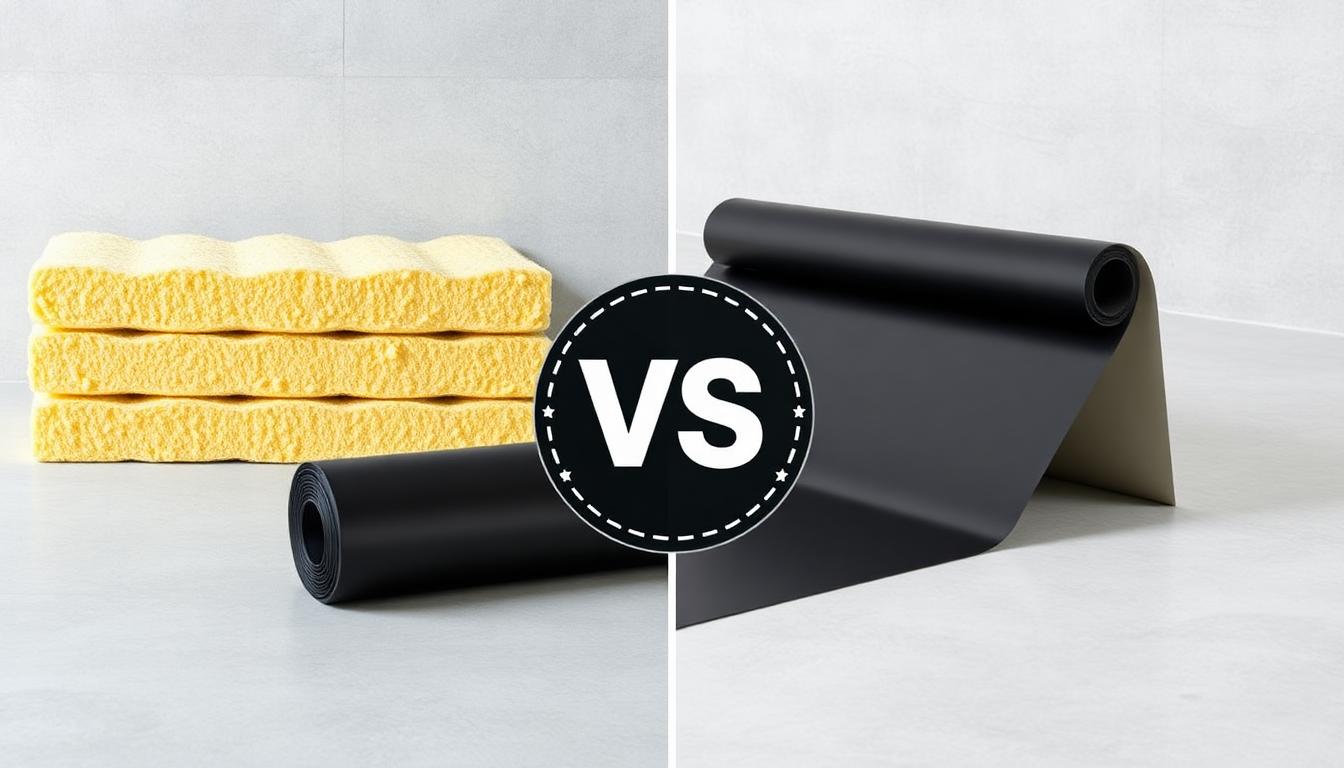
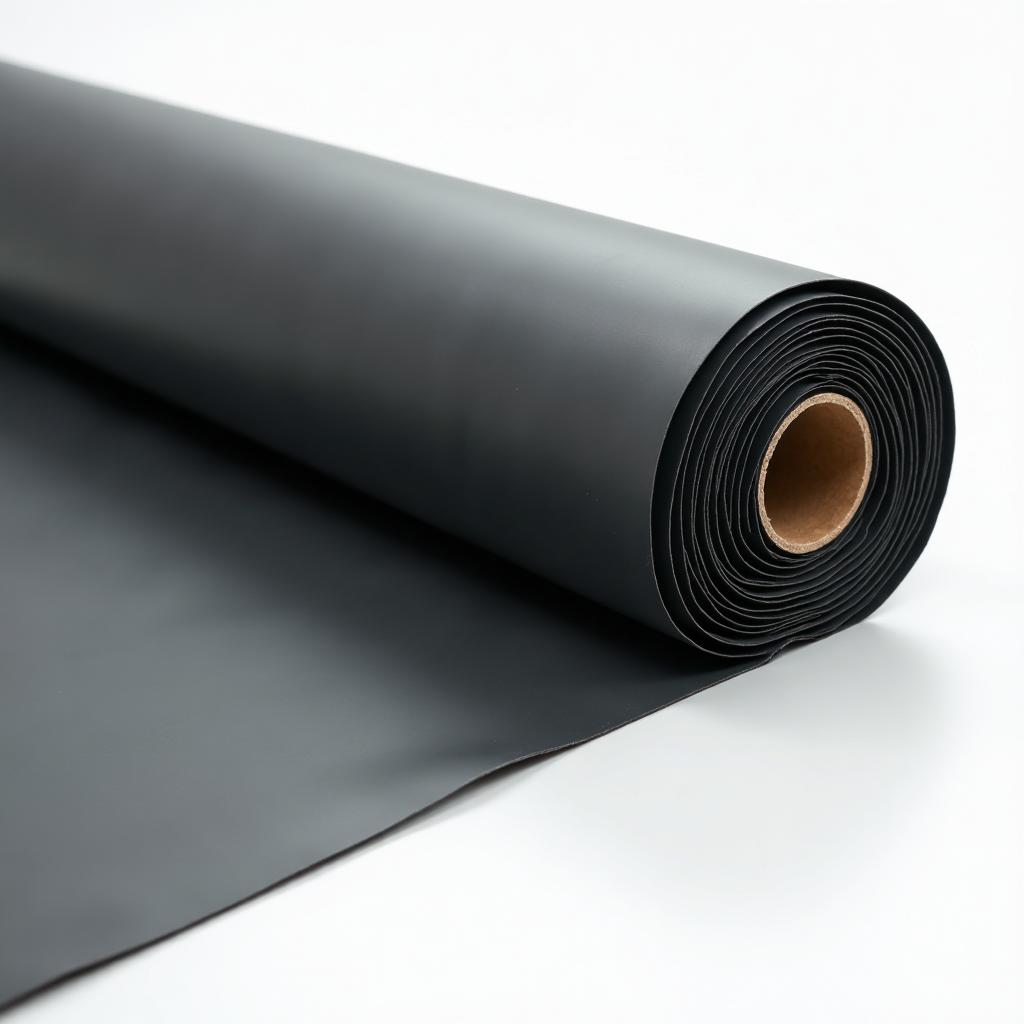
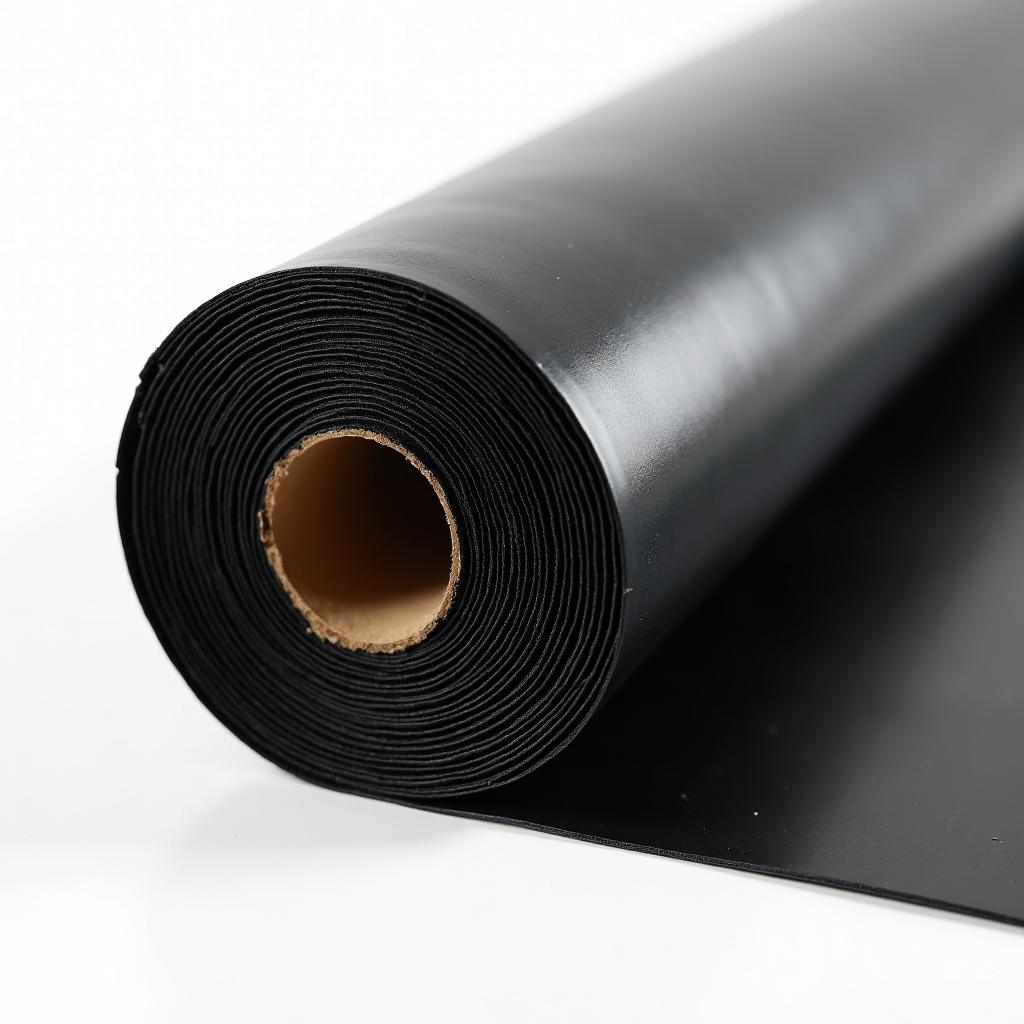
    Side-by-side comparison of 1 lb and 2 lb mass loaded vinyl rolls showing thickness difference for soundproofing projects
    Side-by-side comparison of 1 lb and 2 lb mass loaded vinyl rolls showing thickness difference for soundproofing projects

    1The Core Difference: Weight, Thickness, and STC

    Mass loaded vinyl follows the Mass Law of acoustics: doubling the mass per unit area adds approximately 6 dB of transmission loss. Here is how the two weights compare side by side:
    Specification1 lb/ft² MLV2 lb/ft² MLV
    Weight1 lb per square foot2 lb per square foot
    Thickness⅛" (3.2 mm)¼" (6.4 mm)
    Standalone STCSTC 26STC 32
    FlexibilityVery flexible, easy to handleStiffer, heavier to work with
    Best ForMost residential & light commercialHigh-noise & code-critical projects
    The standalone STC rating is what the MLV achieves by itself as a single layer hung in a test frame. In a real wall assembly with studs, insulation, and drywall, both products perform significantly better—but the 2 lb version maintains its advantage throughout.

    2When 1 lb MLV Is the Right Choice

    For the majority of residential and light commercial projects, 1 lb/ft² MLV is the sweet spot. It delivers excellent noise reduction at a lower cost and is far easier to handle during installation.
    Choose our MLV Regular (1 lb/ft²) when:
    Standard party walls: Shared walls between apartments, condos, or townhomes where you need to meet IBC/IRC STC 50 requirements—1 lb MLV added to a standard 2×4 wall with insulation and drywall achieves STC 50-55
    Home studios and offices: Blocking conversational noise, music practice, and typical household sounds
    Bedroom and nursery soundproofing: Reducing traffic noise, neighbor activity, and HVAC rumble to comfortable sleeping levels
    DIY projects: 1 lb MLV weighs 100 lbs per 4×25 ft roll—manageable for one or two people. The 2 lb equivalent weighs 200 lbs per roll and requires multiple installers
    Budget-conscious builds: When maximum STC per dollar matters more than maximum STC per square foot
    In practical terms, most homeowners and renters will never need more than 1 lb MLV. A properly sealed 1 lb installation eliminates the vast majority of airborne noise complaints.

    3When You Need 2 lb MLV

    The 2 lb option exists for projects where standard mass isn't enough—where the noise source is extreme, the code requirement is demanding, or the available wall depth is limited.
    Choose our MLV Pro (1.1 lb/ft²) when:
    Commercial code compliance: Hotels, hospitals, and multifamily projects requiring STC 55-60+ in the finished assembly
    Extreme noise sources: Mechanical rooms, generator enclosures, music venues, and industrial applications where the source exceeds 90 dB
    Home theaters: Dedicated theater rooms with high-output subwoofers benefit from the extra low-frequency blocking that 2 lb MLV provides
    Thin wall assemblies: When you cannot build a deep wall with double studs or staggered framing, 2 lb MLV packs more mass into less depth
    Ceiling applications over loud spaces: Floors above bars, restaurants, gyms, or mechanical equipment often require 2 lb MLV to achieve adequate isolation
    The key insight: 2 lb MLV is not "better"—it is heavier. If your project does not demand that extra mass, you are paying for performance you will never use.

    4The Cost Math: Price Per STC Point

    Smart buyers think in terms of cost per STC point gained, not just cost per square foot. Here is how the math works:
    1 lb MLV delivers STC 26 standalone. 2 lb MLV delivers STC 32 standalone. That is 6 additional STC points. If the 2 lb product costs roughly twice the price per square foot, you are paying double your material cost for a 23% improvement in standalone STC rating.
    However, in a complete wall assembly, the gap narrows. A standard 2×4 wall with R-13 insulation, 1 lb MLV, and 5/8" drywall typically achieves STC 50-55. The same assembly with 2 lb MLV achieves approximately STC 54-58. That is a 3-4 point improvement in the finished wall—meaningful but not dramatic.
    The takeaway: 1 lb MLV gives you the biggest bang for your buck in most assemblies. The 2 lb upgrade is most cost-effective when you are chasing specific STC targets and every point matters for code compliance or client satisfaction.

    5Real-World Wall Assembly Performance

    Standalone STC ratings matter for specification purposes, but here is what each weight delivers in common wall assemblies:
    Wall AssemblyWith 1 lb MLVWith 2 lb MLV
    2×4 wood studs + R-13 + 1 layer 5/8" drywallSTC 50-52STC 54-56
    2×4 wood studs + R-13 + 2 layers 5/8" drywallSTC 55-57STC 58-60
    Metal studs + R-13 + 1 layer 5/8" drywallSTC 52-54STC 56-58
    Double stud wall + R-19 + 2 layers drywallSTC 60-63STC 63-66
    Notice the pattern: the assembly components (studs, insulation, drywall, air gaps) contribute significantly to the total STC. The MLV provides a critical mass layer that pushes performance past code minimums, and the 2 lb version adds 3-4 additional points across all assembly types.

    6Can You Double Up 1 lb Instead of Buying 2 lb?

    This is the most common question from budget-minded buyers, and the answer is: technically yes, but it is rarely worth it.
    Two layers of 1 lb MLV with a small air gap between them can approach the STC performance of a single 2 lb layer. However, there are significant practical downsides:
    Installation time doubles: You are hanging, cutting, sealing, and taping twice as many sheets
    Wall depth increases: Two ⅛" layers plus overlap and tape add more thickness than a single ¼" layer
    More seams to seal: Every seam is a potential sound leak—doubling layers means doubling the number of seams
    Material cost is similar: Two rolls of 1 lb MLV costs approximately the same as one roll of 2 lb MLV, so the savings are minimal
    The one scenario where doubling makes sense: if you already have 1 lb MLV installed and want to upgrade performance without tearing out the existing layer. Adding a second 1 lb layer over the first is faster and cheaper than removing and replacing with 2 lb.
    For new construction, buy the weight you need from the start. It saves labor, reduces seams, and delivers cleaner results.

    8Conclusion

    The choice between 1 lb and 2 lb mass loaded vinyl comes down to your specific noise problem, target STC rating, and budget. For most residential projects—apartments, home offices, bedrooms, and standard party walls—1 lb MLV delivers outstanding performance at the best value. For commercial code compliance, extreme noise environments, home theaters, and space-constrained assemblies, 2 lb MLV provides the extra mass needed to hit higher STC targets. Either way, proper installation with sealed seams and acoustic sealant at every edge matters more than which weight you choose. A perfectly sealed 1 lb installation will always outperform a poorly sealed 2 lb installation.

    FAQs: 1 lb vs 2 lb MLV

    Need Expert Soundproofing Advice?

    Our team of soundproofing specialists is here to help you choose the right products and installation methods for your museum or gallery project.