Mineral Wool vs. Mass Loaded Vinyl: Do You Need Both?
1What Each Material Actually Does
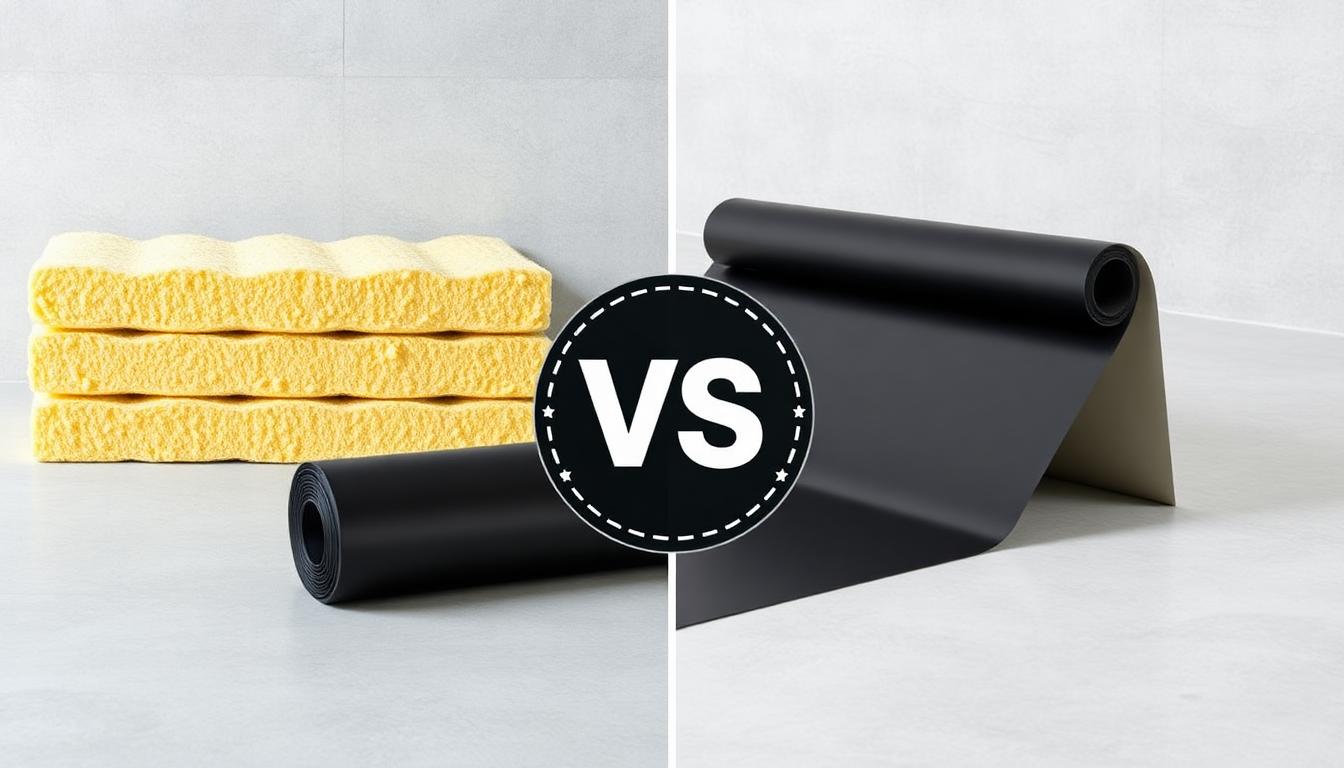
Mineral Wool (Rockwool / Stone Wool)
• NRC (Noise Reduction Coefficient): 0.95–1.05 for standard acoustic batts—meaning it absorbs 95–105% of mid- and high-frequency sound that strikes it
• Density: 3–8 lb/ft³ depending on product
• Fire rating: Non-combustible, rated to 2,150°F
• Does NOT block sound transmission on its own—it reduces cavity resonance
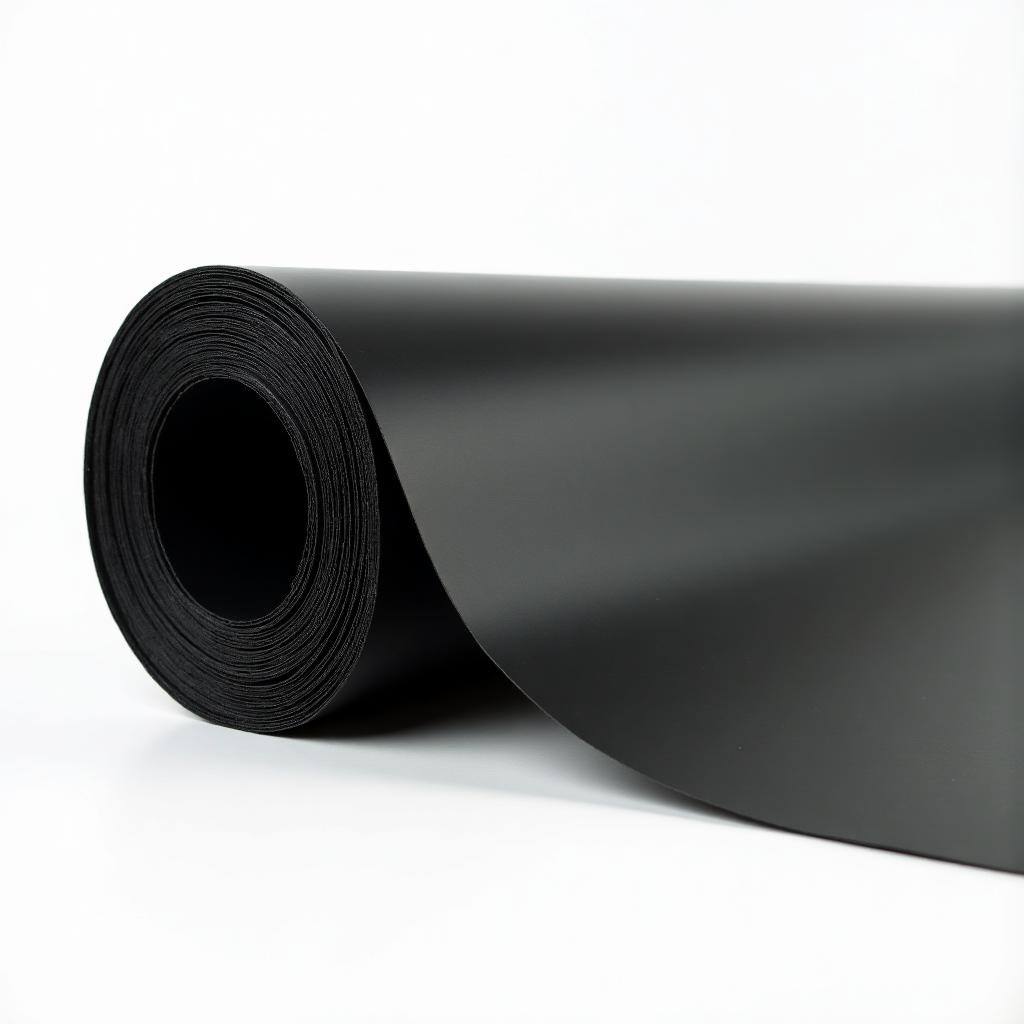
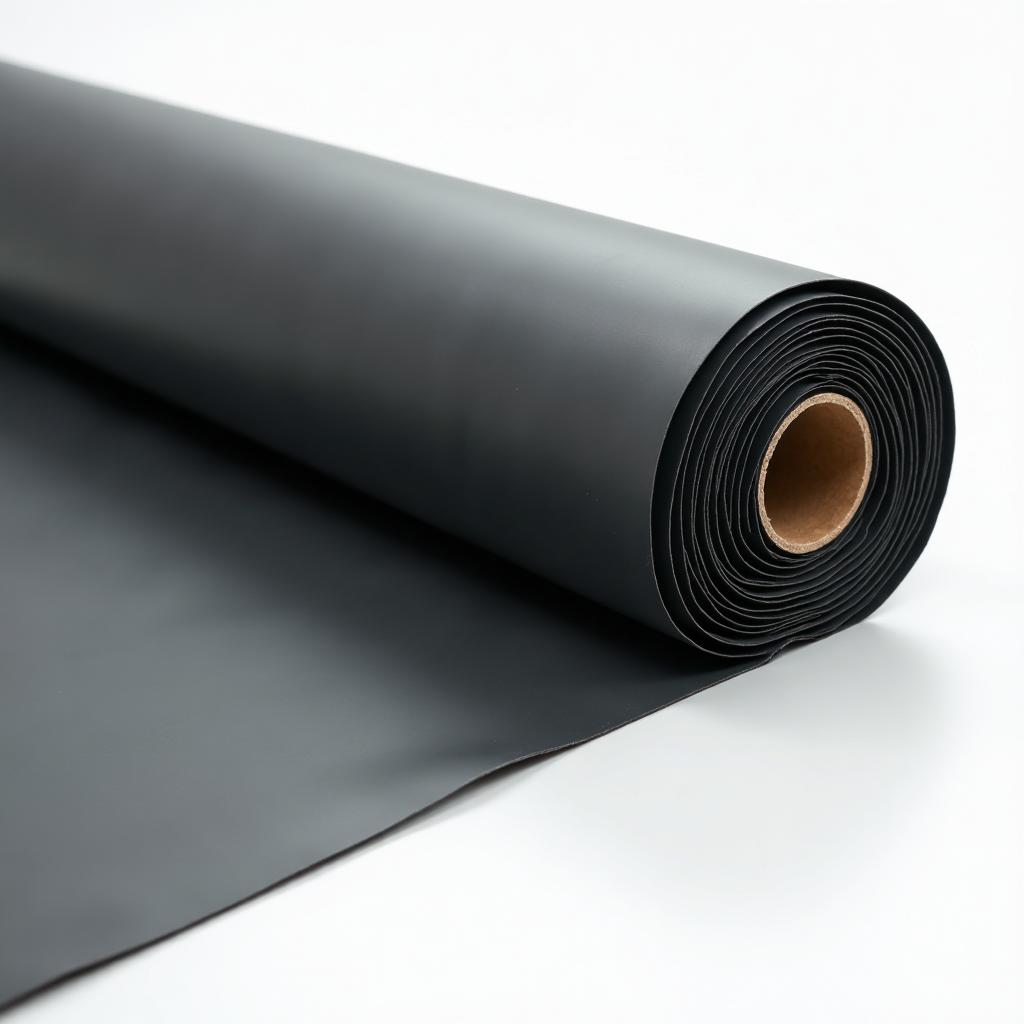
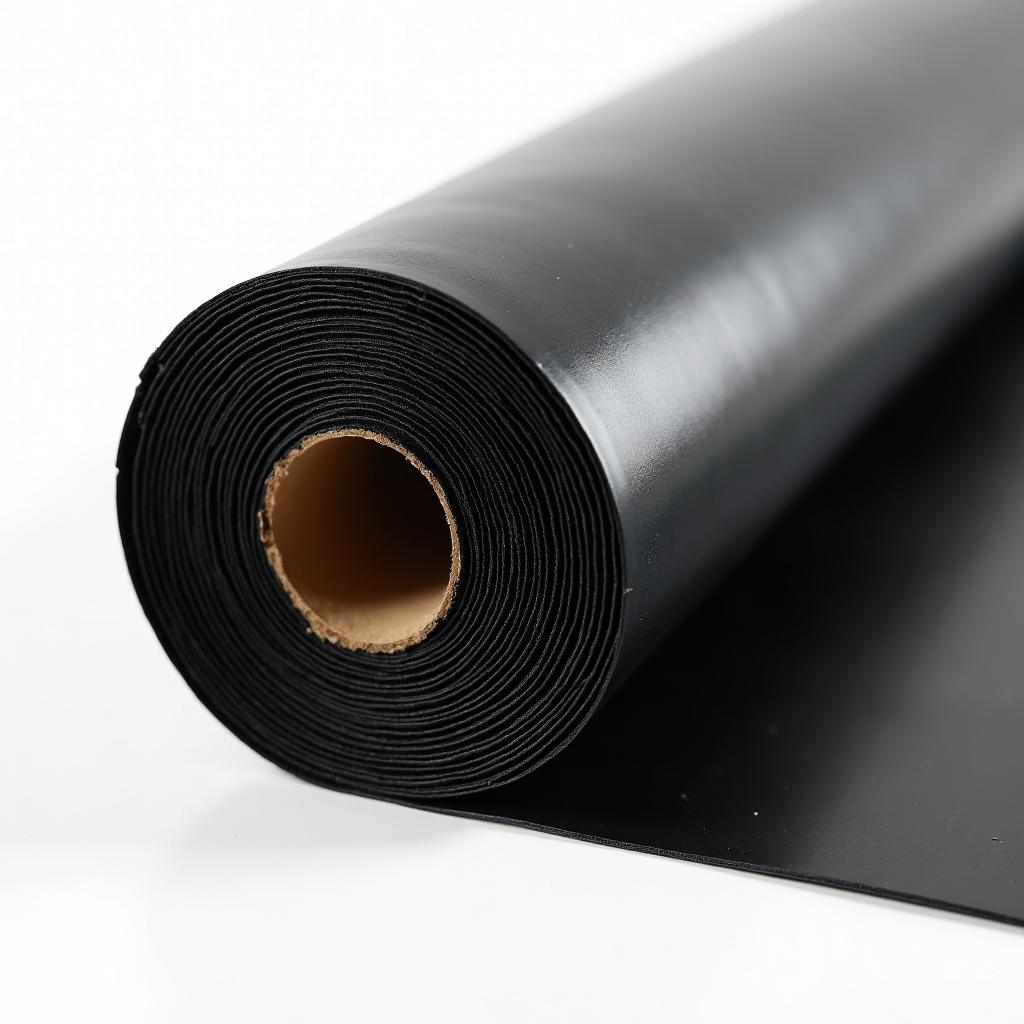
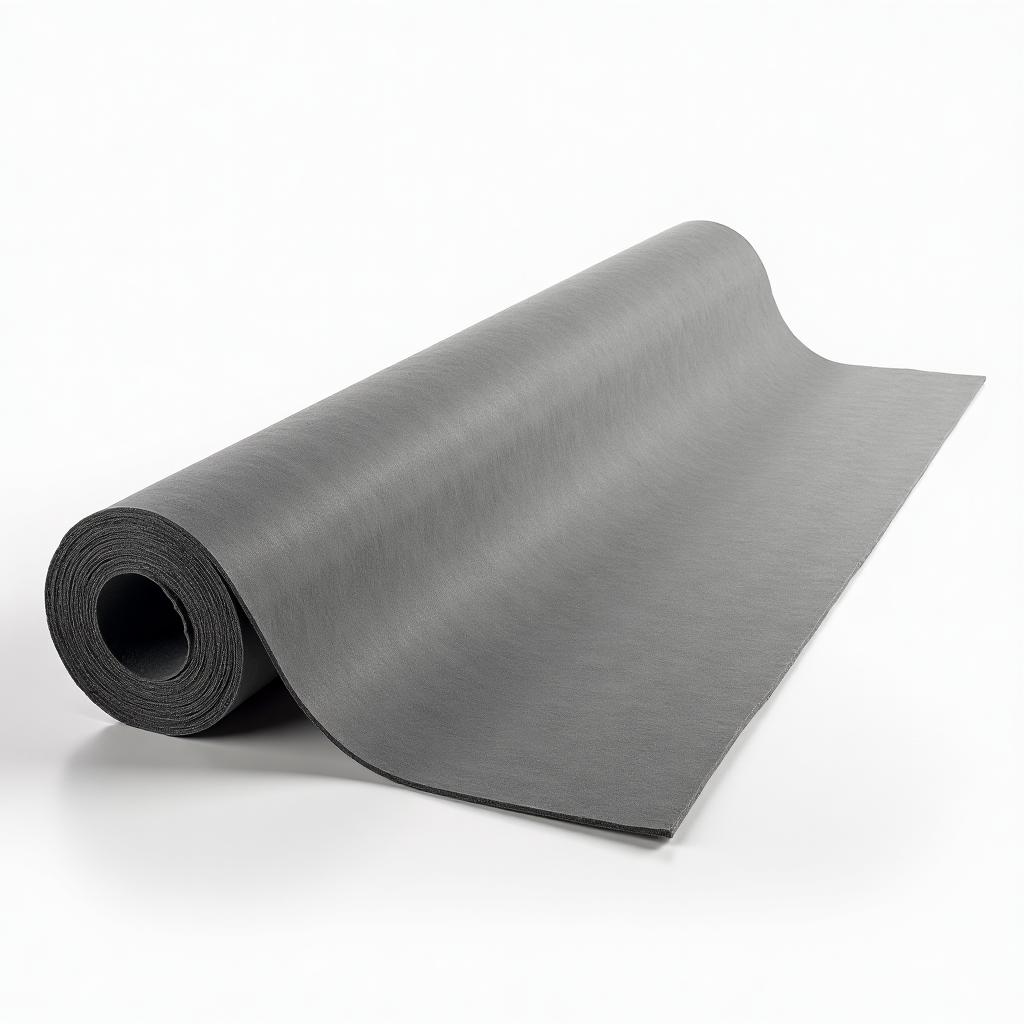
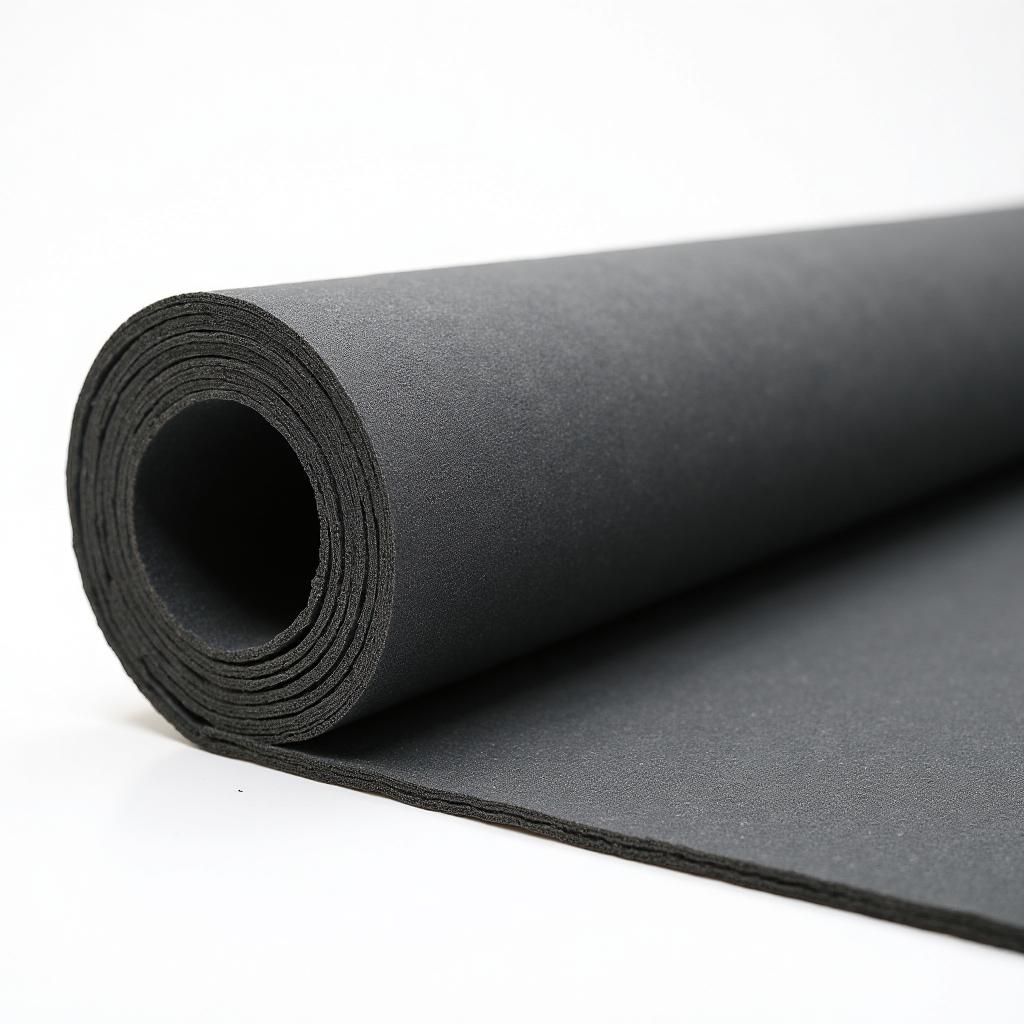
Mass Loaded Vinyl (MLV)
• STC (Sound Transmission Class): 26–32 standalone depending on weight (1 lb or 2 lb/ft²)
• Weight: 1–2 lb per square foot
• Flexibility: Limp mass conforms to surfaces and decouples from the structure
• Does NOT absorb sound—it reflects and blocks transmission
2Absorption vs. Blocking: The Physics
3Head-to-Head Performance Comparison
| Wall Configuration | STC Rating | Improvement |
|---|---|---|
| Drywall + empty cavity + drywall (baseline) | STC 33–35 | — |
| + Mineral wool only (R-15 Rockwool) | STC 40–43 | +7 to +8 |
| + 1 lb MLV only (no cavity fill) | STC 42–44 | +9 |
| + Mineral wool AND 1 lb MLV | STC 50–55 | +17 to +20 |
| + Mineral wool AND 2 lb MLV | STC 54–58 | +21 to +23 |
4Why Combining Them Outperforms Either Alone
5Where to Place Each Material in Your Assembly
• Step 2 — Mineral wool: Press-fit acoustic mineral wool batts (like Rockwool Safe'n'Sound or equivalent) between studs. Fill the cavity completely with no gaps or compression
• Step 3 — MLV: Staple or screw MLV directly over the stud faces, covering the entire wall. Overlap seams by 2" and seal every joint with acoustic caulk or MLV tape
• Step 4 — Drywall: Screw 5/8" drywall over the MLV. The drywall sandwiches the MLV against the studs
• Step 5 — Seal: Acoustic sealant around the entire perimeter—top plate, bottom plate, electrical boxes, and any penetrations
6Common Mistakes DIYers Make
• Using only MLV with an empty cavity: MLV adds mass, but the empty cavity behind it resonates and undermines performance. Always fill the cavity
• Compressing mineral wool to fit: Cramming R-19 batts into a 3.5" cavity reduces both thermal and acoustic performance. Use the correct thickness for your stud depth
• Leaving unsealed seams in the MLV: Every gap, tear, or unsealed penetration is a direct sound path. Treat MLV installation like air-sealing a building envelope
• Substituting fiberglass for mineral wool: Standard fiberglass batts (R-13, ~0.5 lb/ft³) are far less dense than acoustic mineral wool (3–8 lb/ft³). Fiberglass works but delivers 2–3 fewer STC points than mineral wool in the same cavity
8Conclusion
FAQs: Mineral Wool vs MLV
Related Guides in Comparisons
Continue exploring with these hand-picked articles
Acoustic Foam vs MLV: Which One Actually Stops Noise?
Acoustic foam absorbs echo while MLV blocks sound transmission—they're not the same thing. Discover which material you actually need, why foam won't stop neighbor noise, and when to use both for optimal acoustic control.
Soundproofing vs Sound Absorbing: The Critical Difference That Costs Thousands
Soundproofing blocks noise between spaces using dense materials like MLV. Sound absorption reduces echo within a room using porous materials like foam. Learn exactly when to use each, how they work differently, and why confusing them wastes thousands of dollars.
1 lb vs. 2 lb Mass Loaded Vinyl: Which Thickness Should You Buy?
Compare 1 lb/ft² MLV (STC 26) vs 2 lb/ft² MLV (STC 32). Practical buyer's guide covering use cases, cost math, wall assemblies, and when upgrading to 2 lb MLV is worth the investment.
Our Complete Product Line
Professional-grade soundproofing materials for any application
Need Expert Soundproofing Advice?
Our team of soundproofing specialists is here to help you choose the right products and installation methods for your museum or gallery project.