Soundproof Paint vs MLV: The Coat of Silence Myth
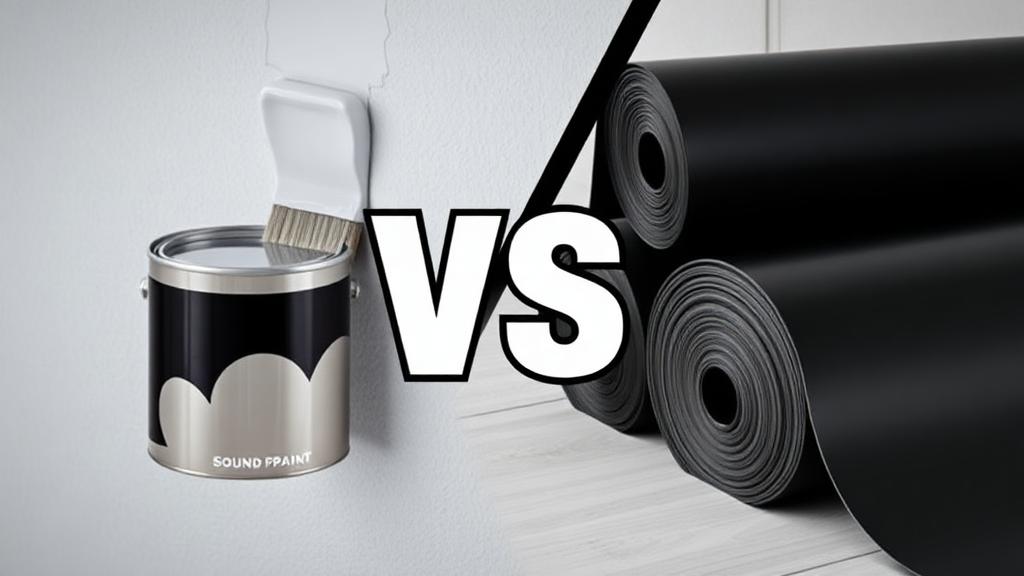
1The Marketing Myth Exposed
What Soundproof Paint Actually Is
• Thickness: 30-50 mils when applied according to directions (vs. 3-5 mils for standard paint)
• Weight: 0.5-1.0 lb per gallon heavier than standard paint
• Application: Requires 2-3 coats for "soundproofing" benefit
• Dry film: Creates a slightly thicker, denser film than regular paint
The Problem: Physics Doesn't Cooperate
• Wall with drywall: ~4.5 lb/sf → STC 28-33
• Wall with drywall + soundproof paint: ~4.6 lb/sf → STC 28-34
• Added mass represents ~2% increase
• Expected improvement: 0.2-0.5 dB—not perceptible to human hearing
2How Each Product Works
Soundproof Paint Mechanism
2. Viscoelastic damping: Some formulas claim to dampen wall vibration through flexible polymer layers
3. Ceramic microspheres: Hollow beads create microscopic air gaps (similar to thermal insulation, not sound blocking)
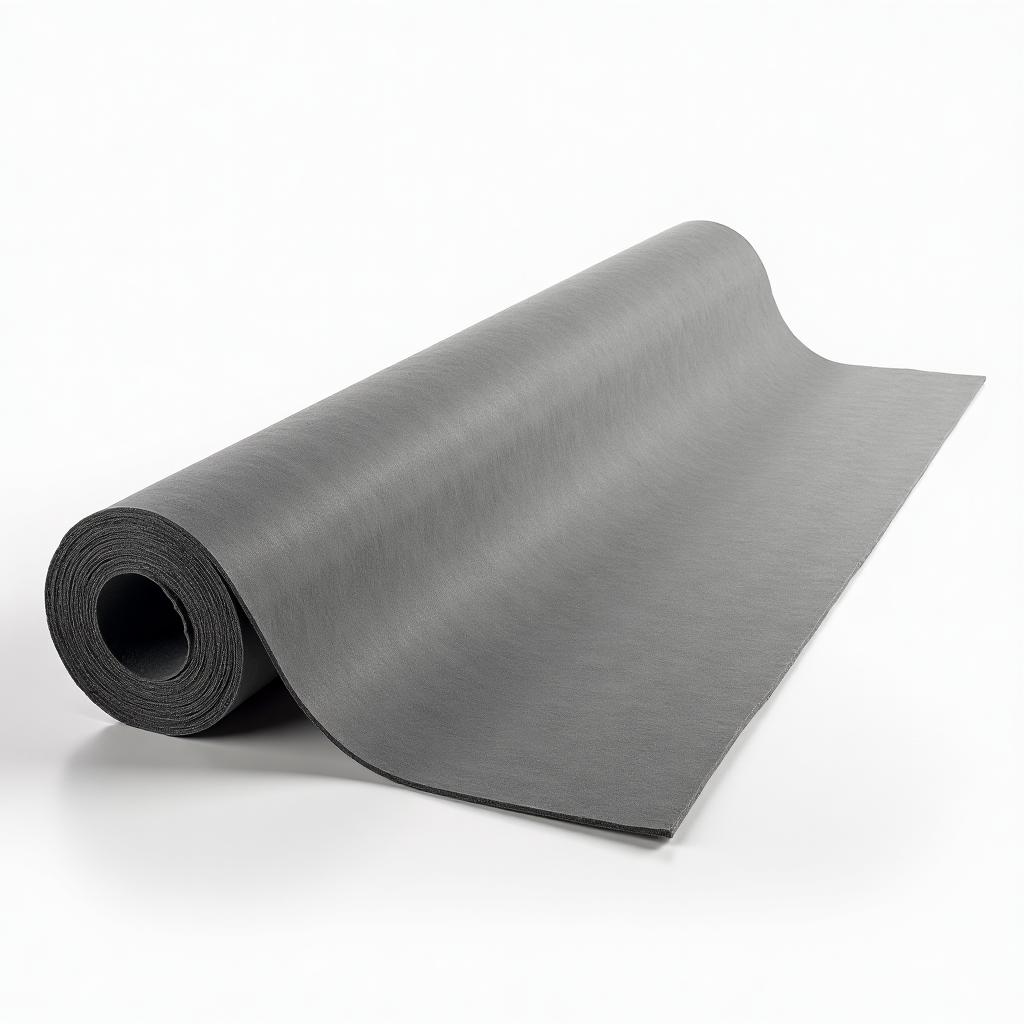
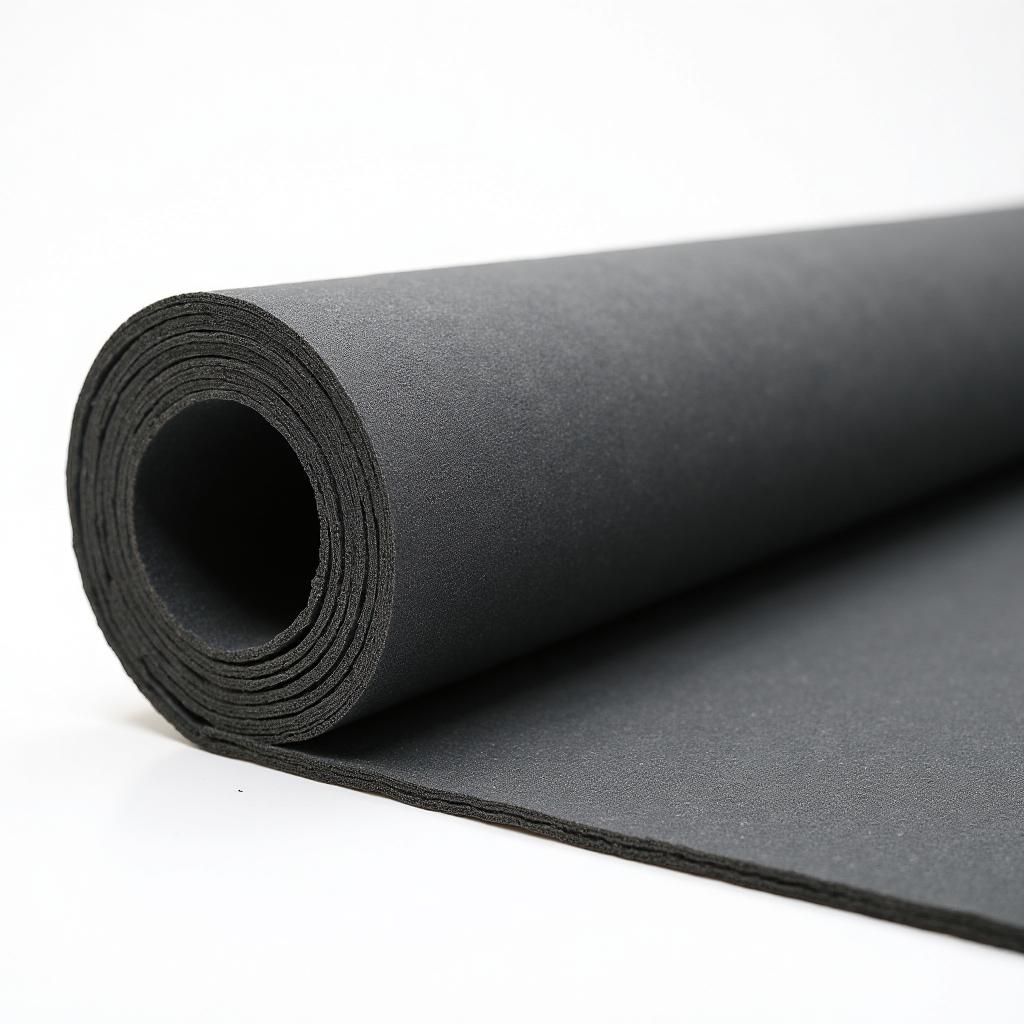
Mass Loaded Vinyl Mechanism
2. Mass loading: 1 lb/sf at 1/8" thickness = massive density
3. Limp mass behavior: Flexible material doesn't resonate like rigid barriers
4. Full coverage: Sheets seal entire wall surface with no gaps
3Performance Comparison
| Product | Mass Added | Thickness | STC Improvement |
|---|---|---|---|
| Soundproof Paint (3 coats) | 0.05-0.1 lb/sf | 30-50 mils | STC +0 to +1 |
| Premium Acoustic Paint (3 coats) | 0.1-0.15 lb/sf | 40-60 mils | STC +1 to +2 |
| MLV Lite (0.6 lb/sf) | 0.6 lb/sf | 1/10" | STC +8 to +10 |
| MLV Regular (1 lb/sf) | 1.0 lb/sf | 1/8" | STC +15 to +17 |
| MLV Pro (1.1 lb/sf) | 1.1 lb/sf | 3/16" | STC +20 to +24 |
Real-World Translation
• +10 STC (MLV Lite): Loud sounds reduced to moderate; moderate sounds reduced to faint
• +15 STC (MLV Regular): Normal speech becomes inaudible; loud sounds become muffled
• +20 STC (MLV Pro): Only the loudest sounds faintly audible; effective privacy
4Cost Analysis
Soundproof Paint Costs
• Coverage: 100-150 sq ft per gallon (thick application)
• Coats required: 3 coats minimum for claimed benefit
• Total material: 8-12 gallons = $400-960
• Labor: Standard painting, ~$200-400
• Total cost: $600-1,360
• STC improvement: 1-2 points
• Cost per STC point: $300-1,360
MLV Costs
• MLV tape + caulk: $50-75
• Labor: $200-300 (straightforward installation)
• Total cost: $650-975
• STC improvement: 15-17 points
• Cost per STC point: $38-65
Value Comparison
| Metric | Soundproof Paint | MLV |
|---|---|---|
| Total installed cost | $600-1,360 | $650-975 |
| STC improvement | 1-2 points | 15-17 points |
| Cost per STC point | $300-1,360 | $38-65 |
| Noticeable difference? | No | Yes |
| Value rating | Very Poor | Excellent |
5When Paint Makes Sense
Surface Damping for Thin Panels
Finishing Touch Over Real Soundproofing
Psychological Comfort
When Paint Never Makes Sense
• Traffic noise: Paint cannot block low-frequency rumble
• Home studios: Musicians need real isolation, not marketing
• Home theaters: Subwoofer bass will pass right through
• Code compliance: Building codes require specific STC ratings paint can't achieve
6When MLV is Required
Multi-Family Housing
Home Studios and Recording Spaces
Home Theaters
Bedroom Walls Shared with Noisy Neighbors
Any Code-Compliance Application
7The Physics Can't Be Painted Over
The Mass Law Reality
1. Mass: Heavier barriers block more sound
2. Decoupling: Breaking rigid connections prevents vibration transfer
3. Air sealing: Gaps and holes bypass any barrier
• Mass added by paint: ~0.1 lb/sf (2% of wall mass)
• Decoupling: Zero—paint is rigidly bonded to surface
• Air sealing: Standard paint seals air just as well
What Manufacturers Won't Tell You
• "Reduces sound transmission" — technically true at 0.5 dB, but not noticeable
• "30% noise reduction" — often measured in specific narrow frequency bands, not full spectrum
• "Laboratory tested" — tested yes, but results rarely published
• "Acoustic formula" — acoustically different from regular paint, but not effective
Independent Testing Reality
9Conclusion
The Verdict on Soundproof Paint vs MLV: Soundproof paint is a marketing product, not a soundproofing product. Despite premium pricing, it delivers imperceptible 1-2 STC point improvements that no human ear can detect. The physics simply doesn't support paint as a sound barrier.
Mass Loaded Vinyl delivers 15-24 STC points of real, measurable improvement—the difference between hearing every word and complete privacy. At similar total costs, MLV provides 10-20x the performance per dollar.
For anyone serious about noise reduction—whether for code compliance, studio isolation, home theaters, or peaceful sleep—skip the paint and invest in real soundproofing. MLV has decades of proven performance in professional and residential applications. Soundproof paint has decades of disappointed customers.
FAQs: Soundproof Paint vs MLV
Related Guides in Comparison
Continue exploring with these hand-picked articles
Drywall vs MLV: The Heavyweight Battle for Silence
Drywall is everywhere, but can stacking more of it compete with Mass Loaded Vinyl for soundproofing? Compare STC ratings, installation, and costs to find the best noise-blocking solution.
Green Glue vs MLV: The Damping Compound Showdown
Green Glue damping compound vs Mass Loaded Vinyl - which soundproofing material wins? Compare cost, STC performance, installation, and ideal use cases for each solution.
QuietRock vs MLV: The Engineered Drywall Duel
QuietRock engineered drywall vs Mass Loaded Vinyl - which soundproofing solution wins? Compare STC ratings, installation, cost, and when to use each for your project.
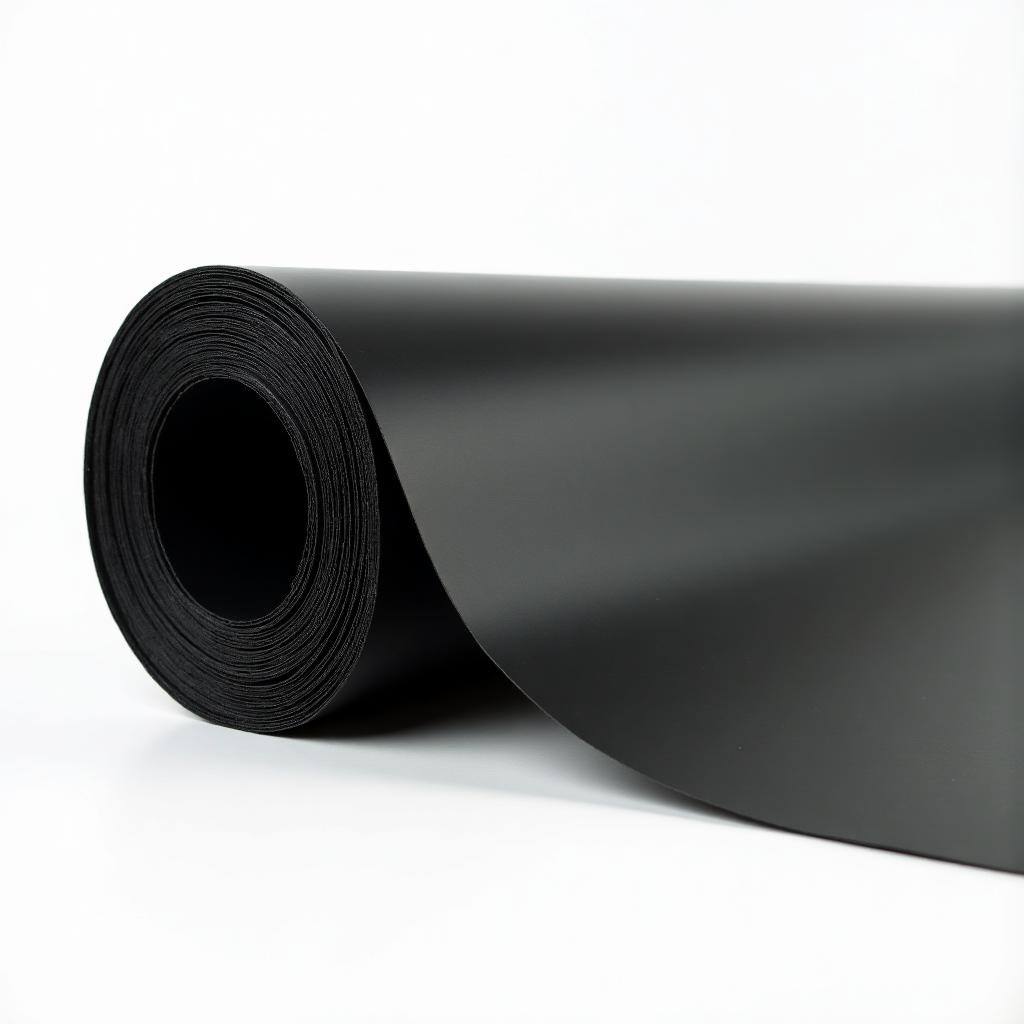
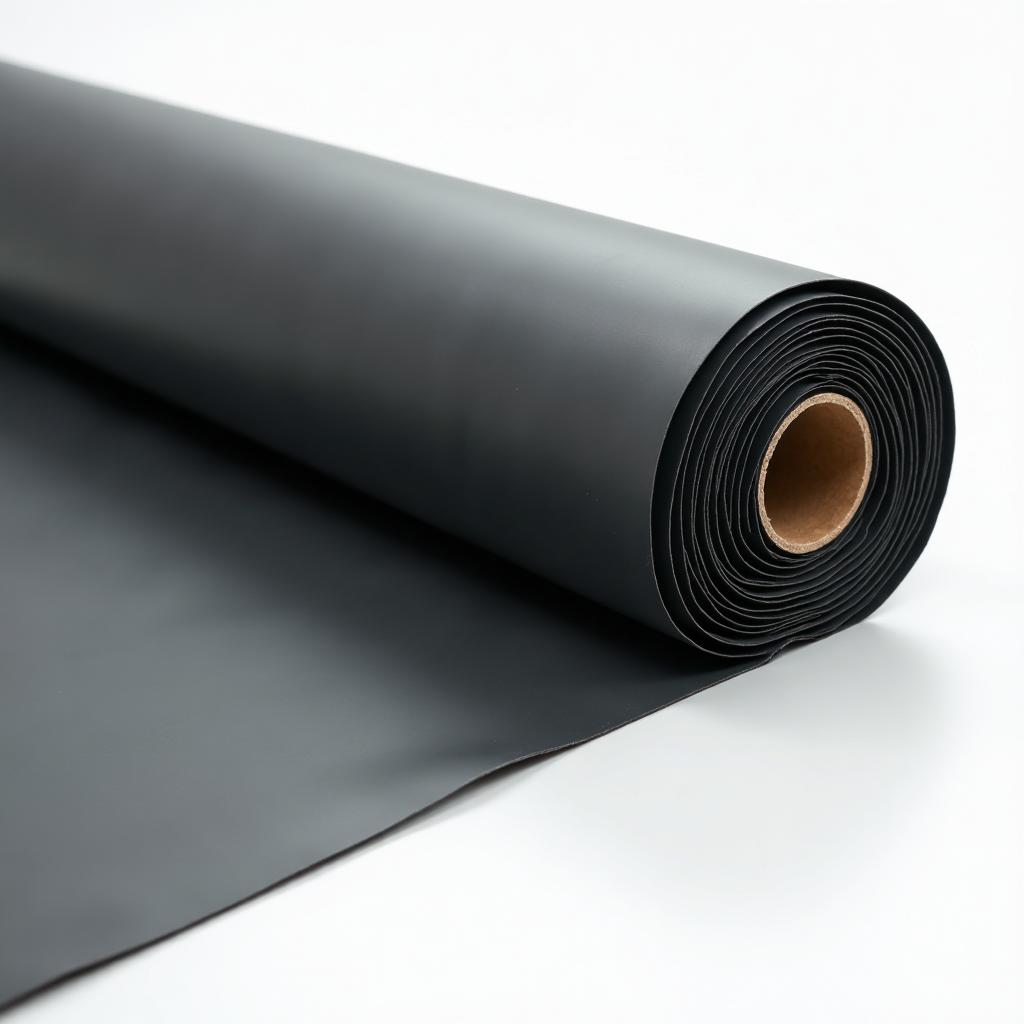
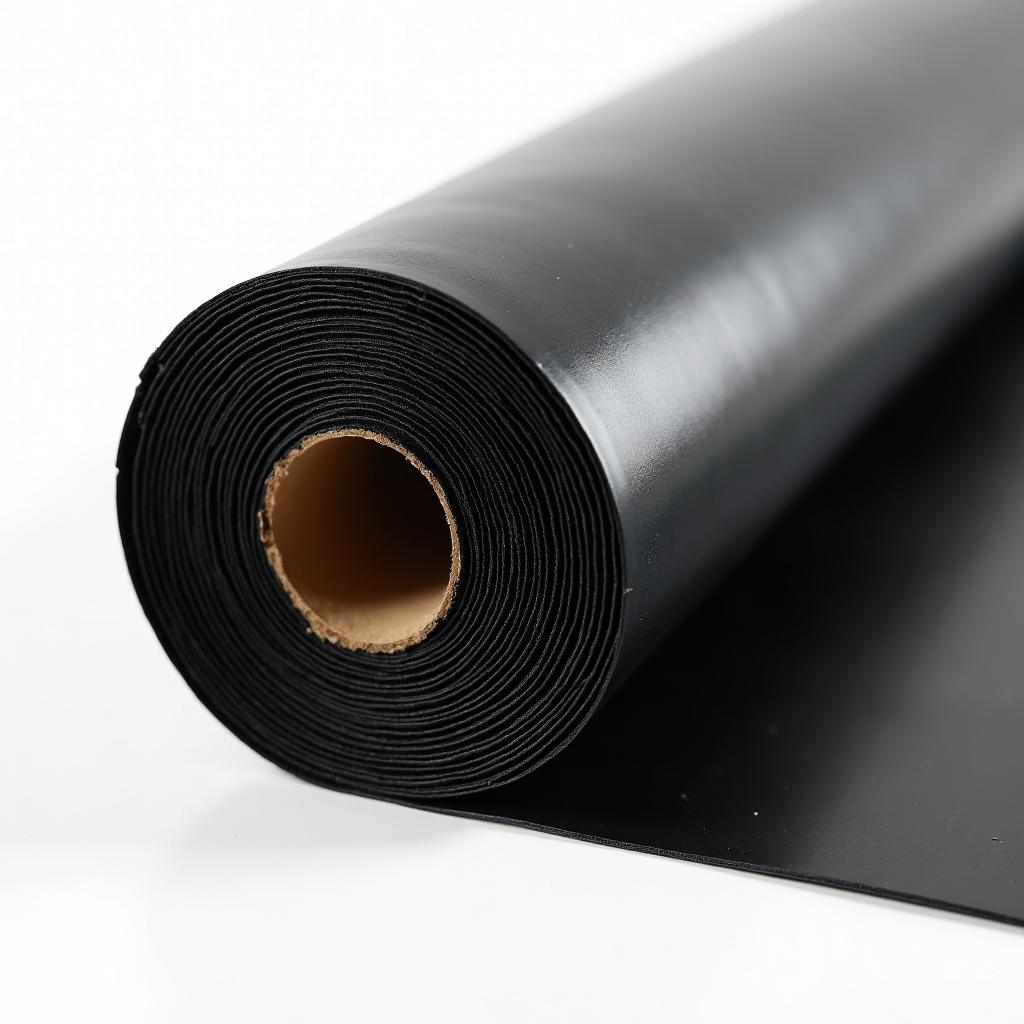
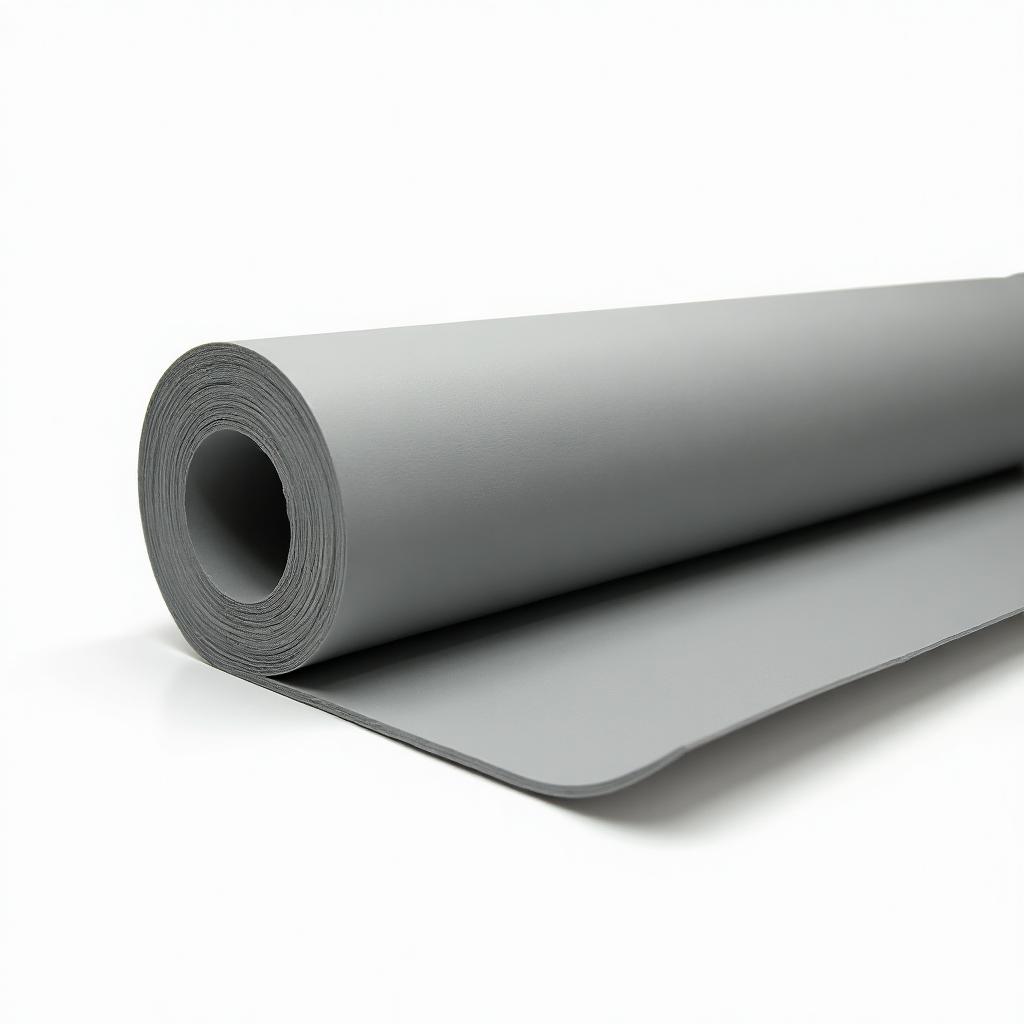
Our Complete Product Line
Professional-grade soundproofing materials for any application
Need Expert Soundproofing Advice?
Our team of soundproofing specialists is here to help you choose the right products and installation methods for your museum or gallery project.