Comparison12 min readAuthorMass Loaded Vinyl DirectPublishedUpdated

    Drywall vs MLV: The Heavyweight Battle for Silence
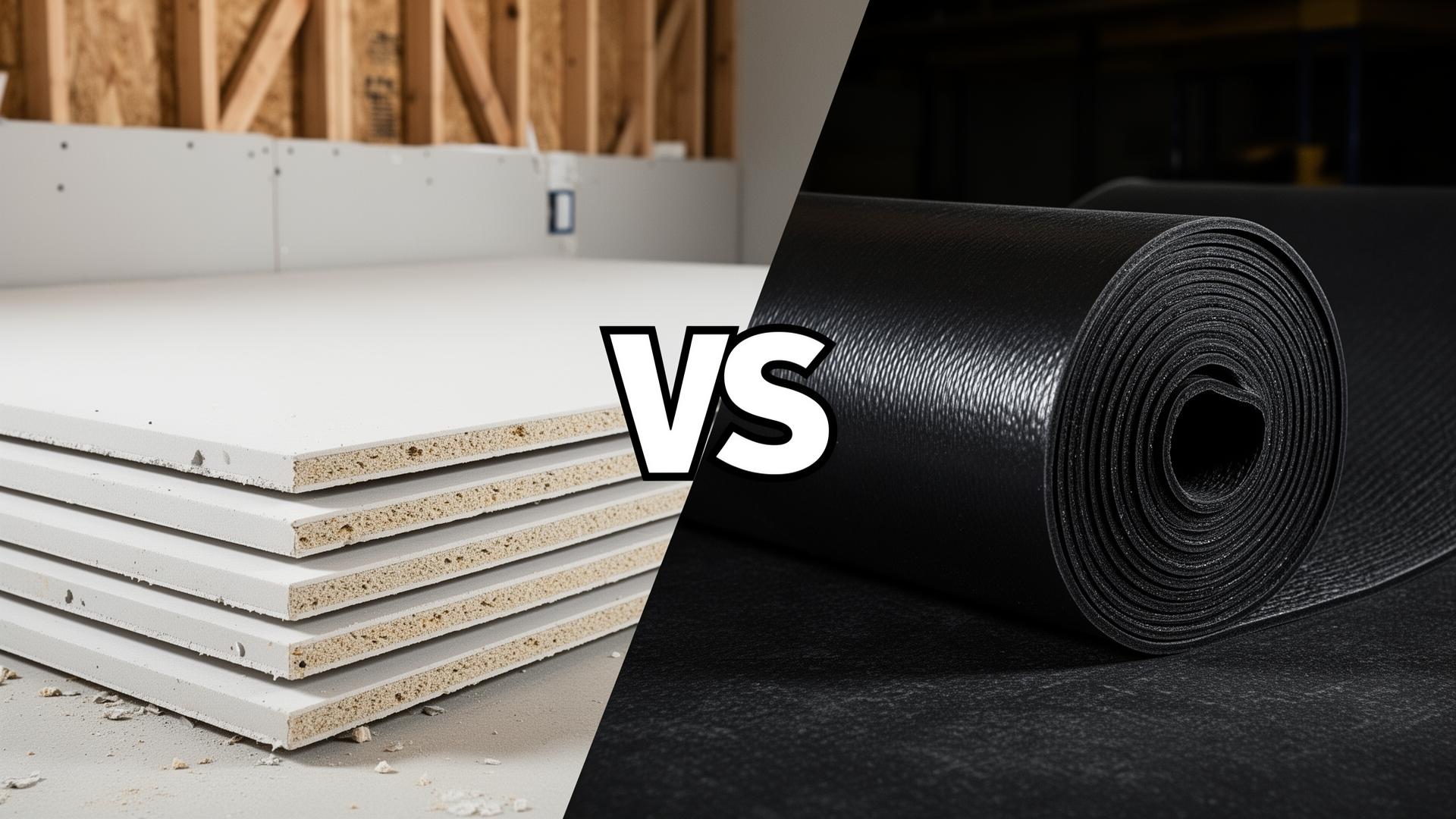
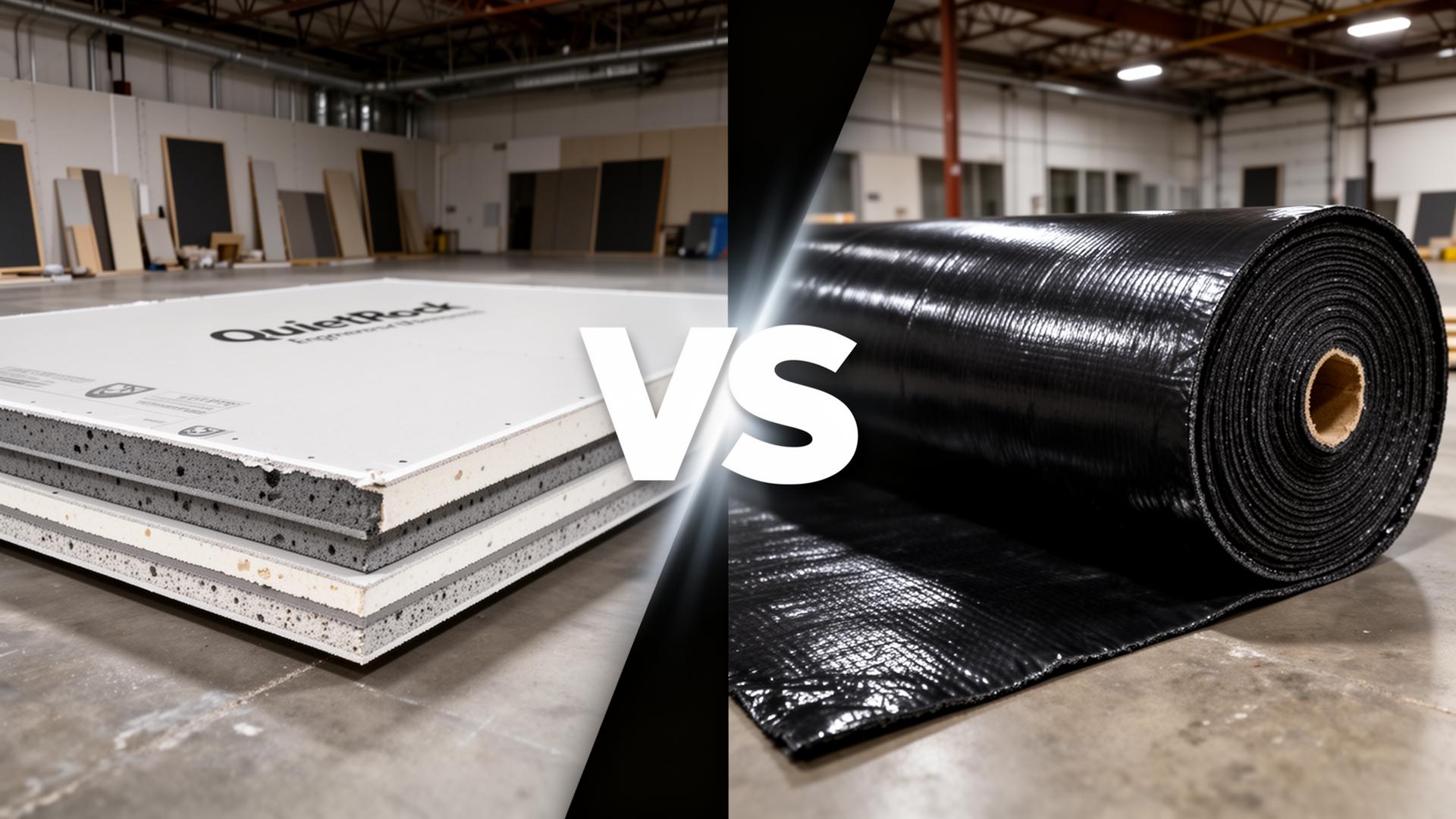
    VS comparison showing stacked white drywall sheets on left versus black Mass Loaded Vinyl roll on right for soundproofing
    VS comparison showing stacked white drywall sheets on left versus black Mass Loaded Vinyl roll on right for soundproofing

    1How Each Material Works

    Drywall (also known as gypsum board or sheetrock) is a rigid, dense material that adds mass to a wall or ceiling assembly. A standard 1/2" sheet of drywall weighs approximately 2 lb/ft², while 5/8" Type X fire-rated drywall weighs about 2.5 lb/ft². According to the Mass Law principle in acoustics, adding a second or third layer of drywall increases total mass, which improves sound blocking performance. Each doubling of mass theoretically provides a 6 dB reduction in sound transmission.
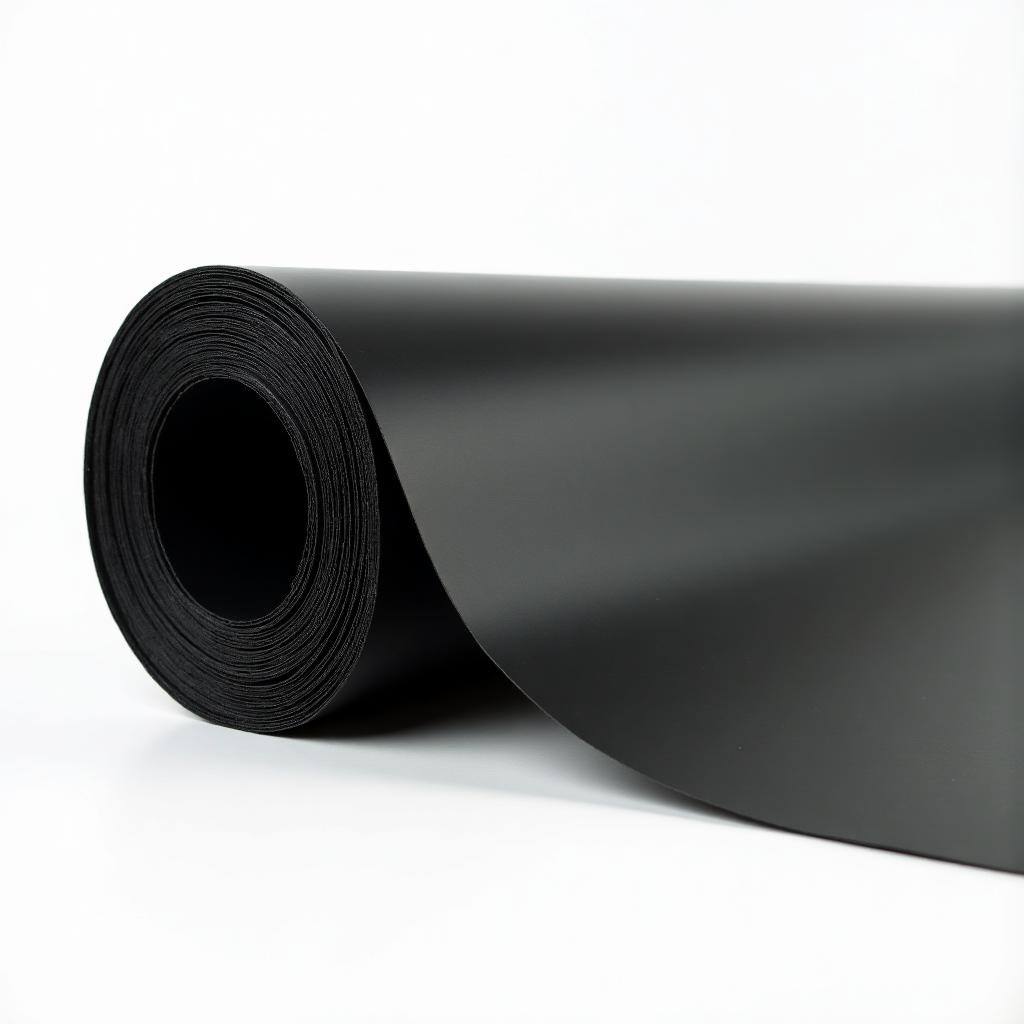
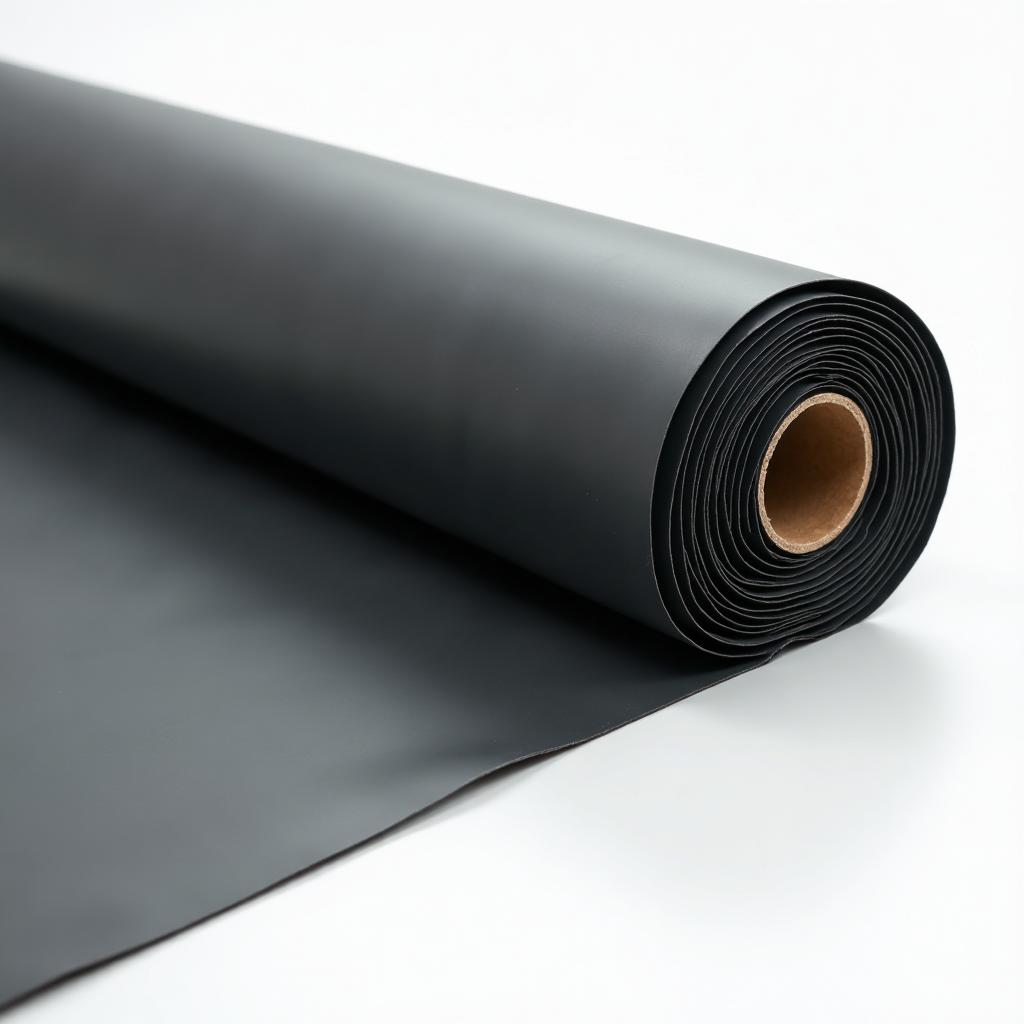
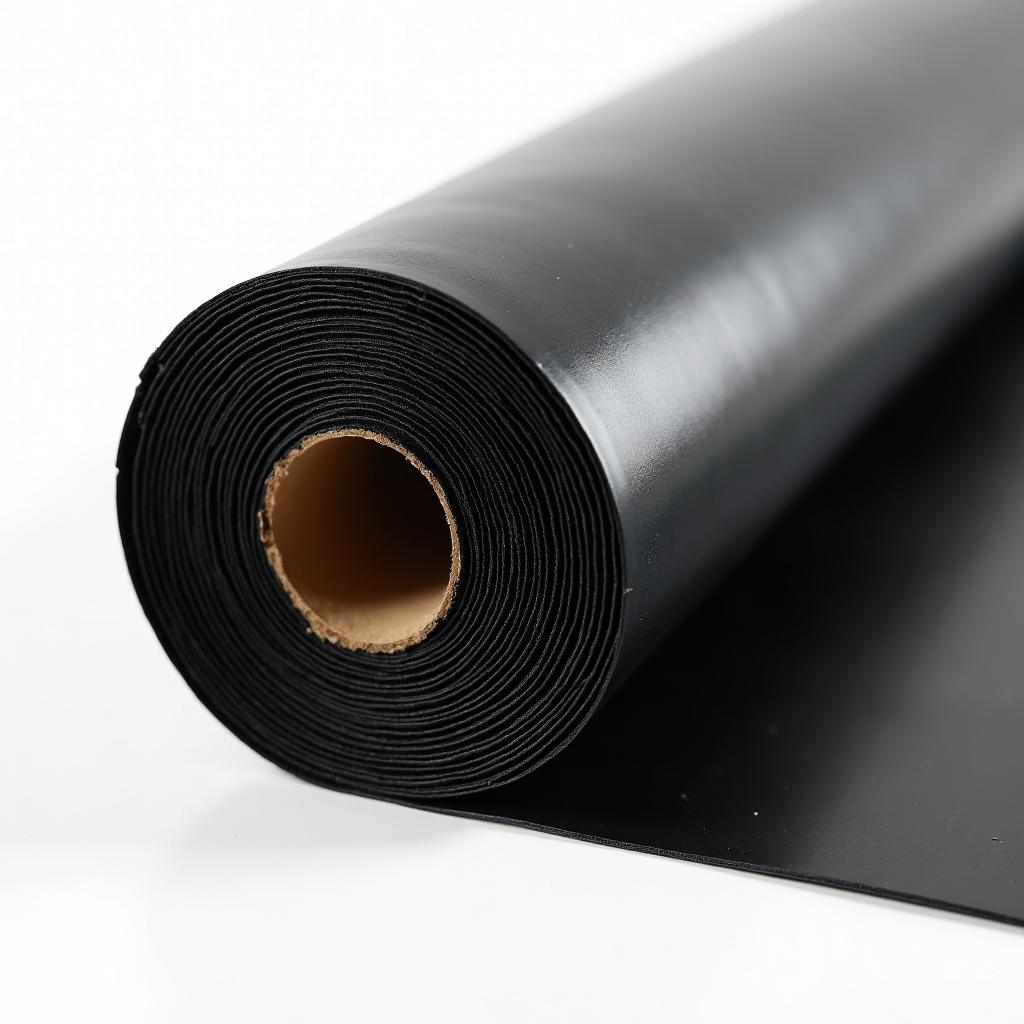
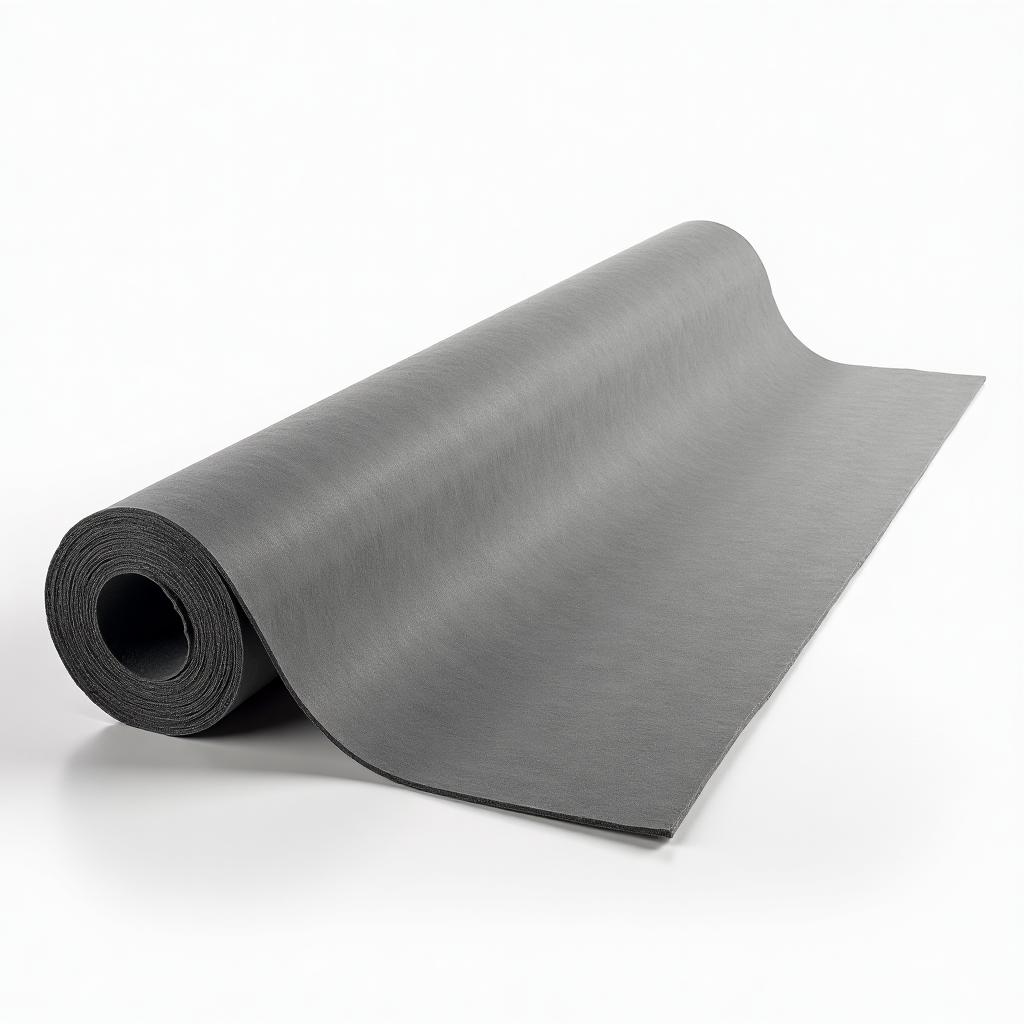
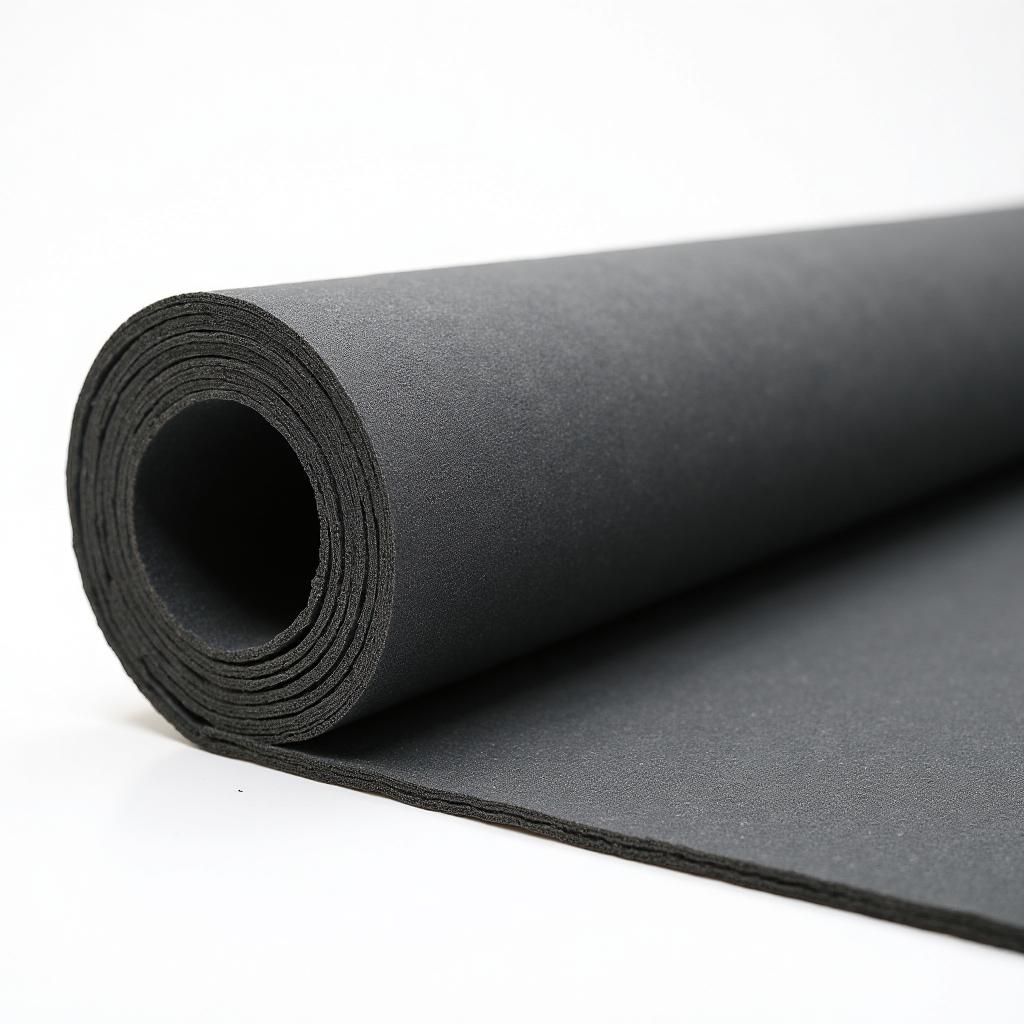
    Mass Loaded Vinyl (MLV) is a thin, flexible, high-density acoustic membrane engineered specifically for noise control applications. In the MLV vs drywall comparison, MLV typically weighs between 0.6 to 2 lb/ft² while maintaining a thickness of only 1/16" to 1/4". Unlike rigid materials, MLV is a limp mass barrier—meaning it's dense but non-resonant. This unique property makes MLV exceptionally effective at blocking low-frequency sounds and preventing acoustic resonance that can occur with rigid panels. You can explore our MLV Lite, MLV Regular, and MLV Pro options for different project requirements.
    The fundamental difference in the MLV vs drywall debate: drywall is thick and rigid, making it effective through sheer mass but susceptible to resonance frequencies. MLV is thin and flexible, engineered to provide non-resonant mass that blocks sound without the thickness penalty. This distinction has profound implications for installation method, space requirements, and acoustic performance across different frequency ranges.
    Physics of Sound Blocking: Both materials work by converting acoustic energy into minimal heat through resistance to vibration. However, MLV's flexibility allows it to absorb and dissipate vibration energy more effectively than rigid drywall, especially at low frequencies where most noise complaints originate (traffic, HVAC, bass music, machinery).

    2Performance Comparison

    Sound Transmission Class (STC) Ratings: A standard wood stud wall with single-layer 1/2" drywall on both sides typically achieves STC 33-35. Adding a second layer of 1/2" drywall on one or both sides can increase this to STC 40-45. By comparison, adding 1 lb/ft² MLV between the studs and finish drywall can achieve STC 50-52, and using 2 lb/ft² MLV can reach STC 55-58+. This represents a 10-15 point STC improvement over double drywall alone—a significant advantage when considering MLV vs drywall for your project.
    Low-Frequency Performance: This is where MLV significantly outperforms drywall. Rigid drywall panels can resonate at low frequencies (50-250 Hz), creating a coincidence effect that actually amplifies certain bass tones. MLV's limp mass design prevents resonance, making it highly effective at blocking bass frequencies, traffic noise, HVAC rumble, music bass, and deep male voices—the sounds that generate the most noise complaints in multifamily buildings and commercial spaces.
    Impact Noise Reduction (IIC): For floor/ceiling assemblies, MLV dramatically outperforms drywall for impact noise (footsteps, dropped objects, furniture movement). While drywall is rigid and transmits structure-borne vibrations efficiently, MLV's flexible nature absorbs vibration energy before it can propagate through the structure. Multiple layers of drywall do little to reduce impact noise without additional resilient channels or decoupling systems.
    Frequency Response Curve: Laboratory testing shows that MLV maintains more consistent performance from 125 Hz to 4000 Hz and beyond. Drywall performance varies significantly depending on stud spacing, assembly details, and the mass-air-mass resonance frequency of the wall cavity. MLV-enhanced assemblies exhibit flatter transmission loss curves, meaning more predictable performance across the entire audio spectrum.
    Real-World Performance: In field testing of multifamily construction, walls with MLV consistently receive fewer noise complaints compared to double-drywall assemblies of equal or greater cost. This is primarily due to MLV's superior low-frequency blocking, which addresses the frequencies that travel furthest and cause the most disturbance.

    3Installation Considerations

    Space Requirements: Space efficiency is critical in renovations, urban apartments, and rooms where every inch matters. A 1/8" layer of 1 lb MLV provides equivalent acoustic mass to 1/2" drywall but uses 75% less thickness. In a typical room with four walls, using MLV instead of double drywall can save 2-3 square feet of floor space—significant in tight spaces or when maintaining room dimensions is important. This space efficiency makes MLV a clear winner in the MLV vs drywall debate for renovation projects.
    Labor and Skill Requirements: Installing drywall is a multi-day, multi-step process requiring specialized skills: precise cutting, mechanical fastening, corner bead installation, taping joints, applying multiple coats of joint compound, sanding between coats, priming, and painting. Each additional drywall layer multiplies this labor. MLV installation requires only basic carpentry skills: roll out the material, cut with a utility knife, and secure with staples, nails, or construction adhesive. Installation time is reduced by 40-60%, and no finishing trades are required for the MLV itself.
    Weight and Structural Load: Multiple layers of drywall add substantial weight to wall and ceiling assemblies. A double-layer drywall ceiling (two layers of 5/8" Type X) adds approximately 5 lb/ft² of dead load. In some cases, this requires additional structural support, closer joist spacing, or stronger ceiling grid systems. MLV provides similar or better acoustic performance while adding 60-80% less weight, reducing structural concerns and allowing installation in situations where heavy materials would be problematic.
    Finishing and Aesthetics: Drywall requires extensive finishing: joint compound, sanding, priming, and painting. Quality finishing is critical—poor taping or visible seams undermine the professional appearance. MLV is installed behind the finish layer, so it adds no finishing steps. The standard workflow is: install MLV directly to studs, then install finish drywall over the MLV. This means you get superior acoustic performance without changing the final appearance or adding finish work.
    Retrofit Applications: In existing spaces, removing drywall to add additional layers is messy, disruptive, and expensive. MLV can be applied to existing surfaces using adhesive or mechanical fasteners, then covered with a thin finish layer. This makes MLV the preferred solution in the MLV vs drywall comparison for renovations, tenant improvements, and spaces that must remain operational during construction.

    4Cost Analysis

    Cost ComponentDouble-Layer DrywallSingle Drywall + MLV
    Material Cost$0.30-0.60/sq ft × 2 layers = $0.60-1.20/sq ft$0.50/sq ft (drywall) + $1.75/sq ft (MLV) = $2.25/sq ft
    Labor Cost$1.50-3.00/sq ft
    (double hanging, extensive finishing)
    $0.75-1.50/sq ft
    (50% reduction)
    Fasteners & Supplies$0.20-0.40/sq ft
    (screws, tape, mud, corner bead)
    $0.15/sq ft
    (staples, caulk)
    Total Installed Cost$3.30-6.60/sq ft$3.15-3.90/sq ft
    Installation Time3-5 days (hang, tape, mud, sand, paint)1-2 days (40-60% faster)
    Space Lost+5/8" per layer = 1.25" total+5/8" total (75% less)
    STC PerformanceSTC 40-45STC 50-55 (superior)
    Total Cost of Ownership: When evaluating costs in the MLV vs drywall decision, consider not just material prices but the complete project economics. MLV's faster installation reduces labor costs by 40-60%, which often results in lower total project costs despite higher material costs. Additionally, the reduced installation time means less downtime for commercial spaces, fewer days of contractor presence in occupied spaces, and faster project completion.
    Value Proposition: MLV delivers 10-15 points higher STC ratings than double drywall while using less space and installation time. In commercial construction, this performance difference can mean the difference between code compliance and costly remediation. In residential projects, superior low-frequency blocking leads to higher client satisfaction and fewer callbacks.
    Hidden Costs of Drywall: Don't overlook the indirect costs of multi-layer drywall: dust generation (requiring extensive cleanup), disposal costs (drywall waste is heavy and bulky), potential need for structural reinforcement to support additional weight, and HVAC adjustments if room dimensions change significantly.

    5When to Use Each Solution

    Use MLV When: Space is limited (renovations, apartments, small rooms where maintaining dimensions is critical). Low-frequency control is paramount (home theaters, music studios, multifamily buildings near highways). Installation speed matters (commercial tenant improvements with tight deadlines, hotels that must minimize guest disruption). Structural weight is a concern (ceiling applications, older buildings, lightweight wall assemblies). You need maximum performance per inch of thickness. Retrofit applications where removing existing finishes isn't practical. Consider our MLV Lite, MLV Regular, or MLV Pro depending on your performance requirements.
    Use Additional Drywall When: Budget is extremely constrained and labor costs are low (rural areas, new construction with volume pricing). Working on new construction with ample space and no dimensional constraints. You need fire rating improvements (multiple layers of Type X drywall significantly improve fire resistance). Mid-frequency sound blocking is the primary concern and low-frequency control isn't critical. Building codes specifically require drywall-based assemblies for fire protection.
    Use Both (MLV + Multiple Drywall Layers) When: Ultimate soundproofing performance is required (recording studios, mixing rooms, high-end home theaters, concert halls). Building codes require specific fire-rated assemblies and acoustic performance. Client expectations demand STC 60+ performance (luxury apartments, hospitals, audio production facilities). Budget allows for maximum performance approach. Combining 1-2 lb MLV with multiple drywall layers, resilient channels, and acoustic insulation creates assemblies achieving STC 60-70+.
    Professional Recommendation: For most commercial soundproofing projects, MLV provides the best balance of performance, cost, and installation efficiency in the MLV vs drywall comparison. For residential applications where noise control is important (multifamily, townhomes, home theaters), MLV is typically the superior choice. Reserve double drywall for budget-constrained new construction or situations where fire rating takes precedence over acoustic performance.

    6Real-World Applications

    Multifamily Residential: Apartment buildings and condominiums are prime applications for MLV. Party walls and floor/ceiling assemblies benefit enormously from MLV's low-frequency blocking. A typical specification: 1 lb MLV between studs, standard insulation in cavity, resilient channels, and finish drywall achieves STC 52-55—enough to meet or exceed most building codes while reducing noise complaints by 60-80% compared to standard construction.
    Modern apartment interior with soundproofed party wall between units showing clean finished professional installation quality
    Modern apartment with professionally soundproofed party walls using MLV technology
    Commercial Offices: Conference rooms, private offices, and open-plan workspaces require speech privacy. MLV in demising walls prevents confidential conversations from being overheard. For drop ceiling applications, MLV barriers extend from the suspended ceiling to the deck above, preventing sound flanking through the plenum space.
    Home Theaters and Music Rooms: These applications demand low-frequency control—exactly where MLV wins in the MLV vs drywall debate. A complete home theater assembly might include: 2 lb MLV on all walls and ceiling, double drywall on resilient clips, and thick insulation in cavities. This achieves STC 60+ and prevents bass from disturbing other rooms.
    Hotels and Hospitality: Guest room walls require high STC ratings for customer satisfaction. MLV installations are 40-60% faster than multi-layer drywall, minimizing construction time and allowing hotels to open revenue-generating rooms sooner. Floor/ceiling assemblies benefit from MLV's impact noise reduction, addressing the most common guest complaint.
    Medical Facilities: HIPAA privacy requirements often demand STC 50+ in exam rooms and consultation spaces. MLV assemblies meet these requirements while maintaining medical facility cleanliness standards during installation (minimal dust compared to drywall finishing).

    7Conclusion

    The Verdict on MLV vs Drywall: While both MLV and drywall can improve soundproofing, they are not equal alternatives for most applications. Mass Loaded Vinyl delivers superior acoustic performance—particularly at low frequencies where noise is most problematic—while using significantly less space and requiring 40-60% less installation time. The combination of better sound blocking, faster installation, and space efficiency makes MLV the preferred choice for professional soundproofing projects.

    For projects where space efficiency, low-frequency control, installation speed, and overall performance matter, MLV is the clear winner in the MLV vs drywall comparison. Double drywall remains viable for budget-constrained new construction with ample space, or when fire rating improvements are the primary goal. However, for the vast majority of commercial and residential soundproofing projects, MLV provides better results at comparable or lower total installed cost.

    The best-performing assemblies combine both approaches: MLV for superior acoustic performance plus properly detailed drywall for fire protection and finishability—delivering STC 55-65+ performance that exceeds building codes and ensures satisfied occupants. When evaluating MLV vs drywall for soundproofing, consider not just material costs but total project economics, installation time, space requirements, and long-term performance. For most professional applications, the choice is clear.

    FAQs: Drywall vs MLV

    Need Expert Soundproofing Advice?

    Our team of soundproofing specialists is here to help you choose the right products and installation methods for your museum or gallery project.