Green Glue vs MLV: The Damping Compound Showdown
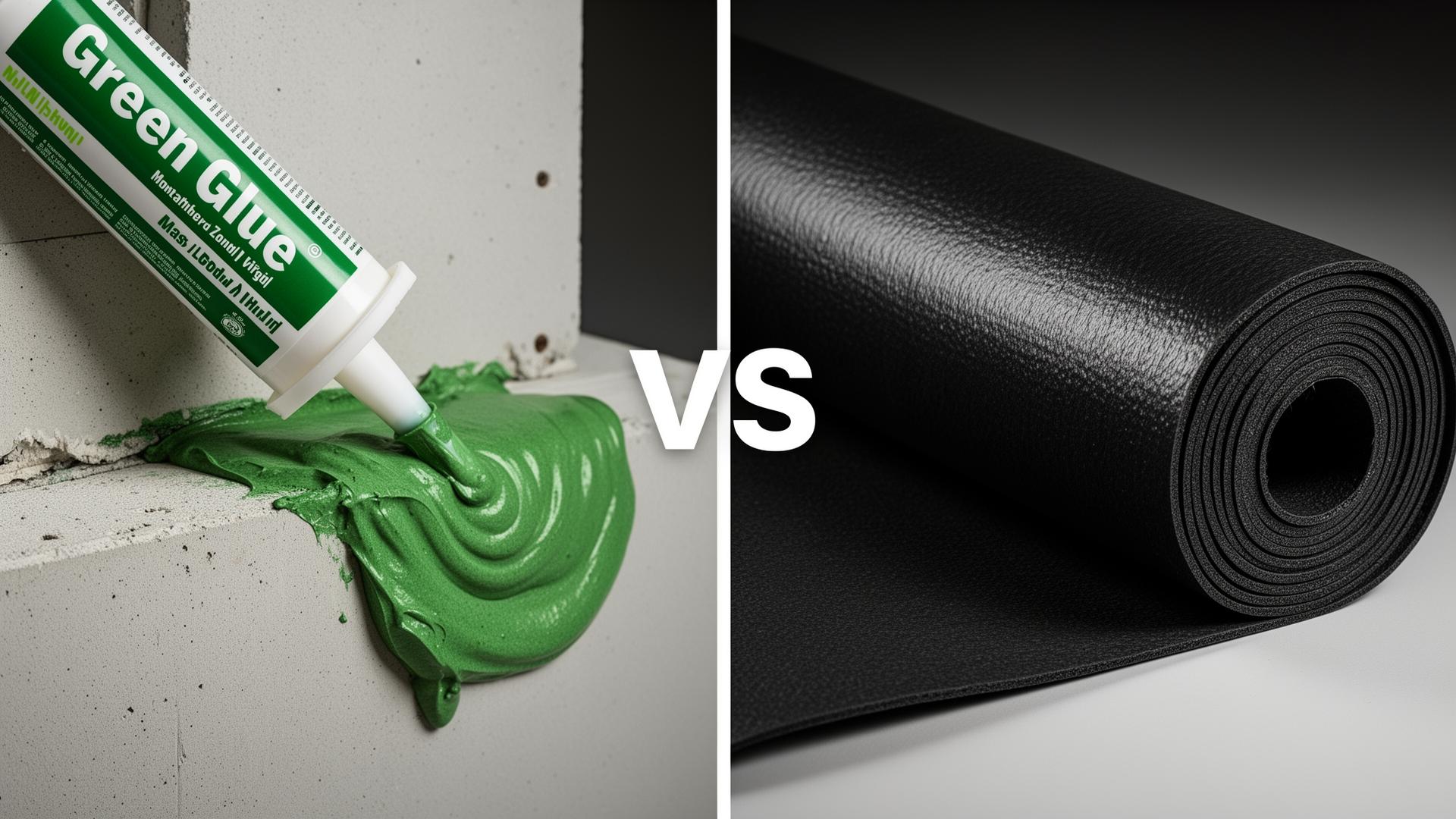
1How Each Material Works
Green Glue: Viscoelastic Damping
• Applied as a thick bead or spread pattern between drywall layers
• Remains permanently flexible—never fully cures or hardens
• Most effective at mid and high frequencies (250 Hz - 5000 Hz)
• Requires two rigid layers to create the damping effect
• Performance improves over 30 days as compound settles
• Reduces resonance and 'ringing' in wall assemblies
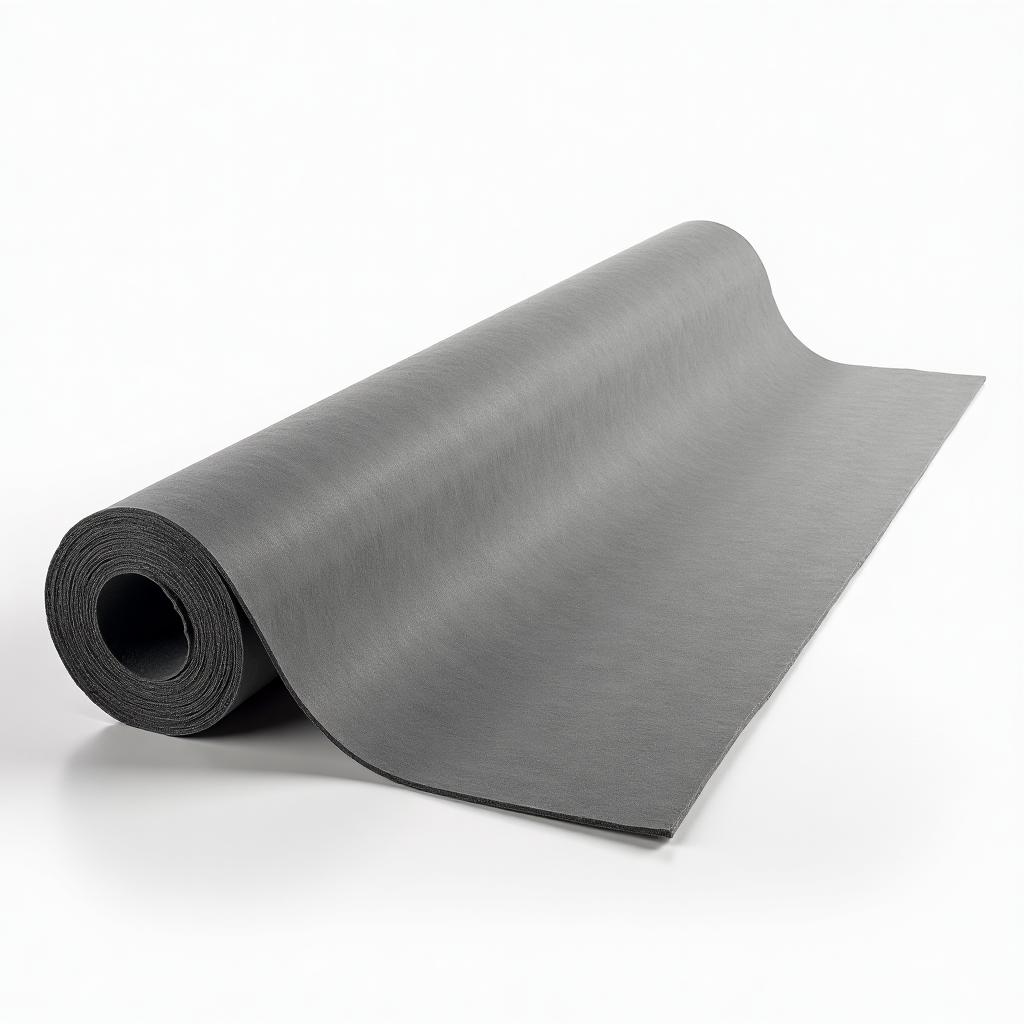
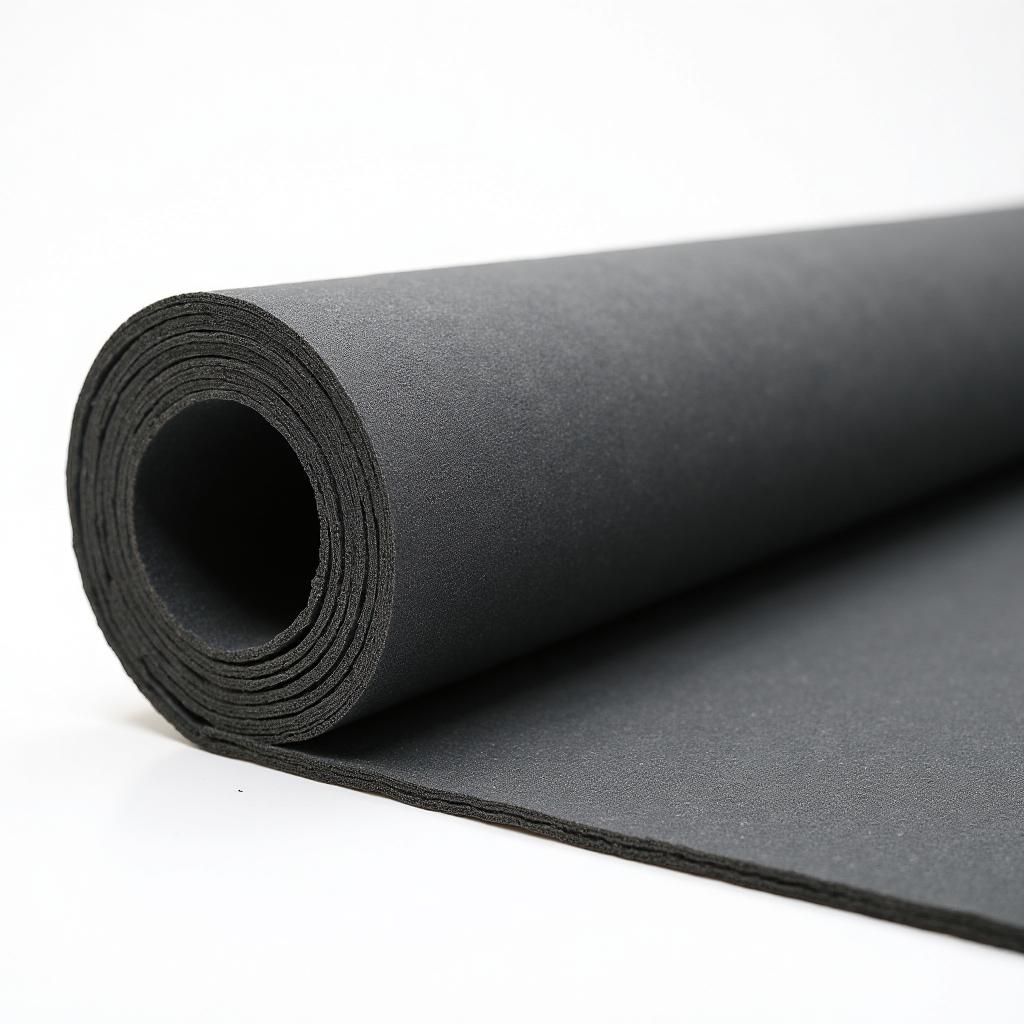
Mass Loaded Vinyl: Limp Mass Barrier
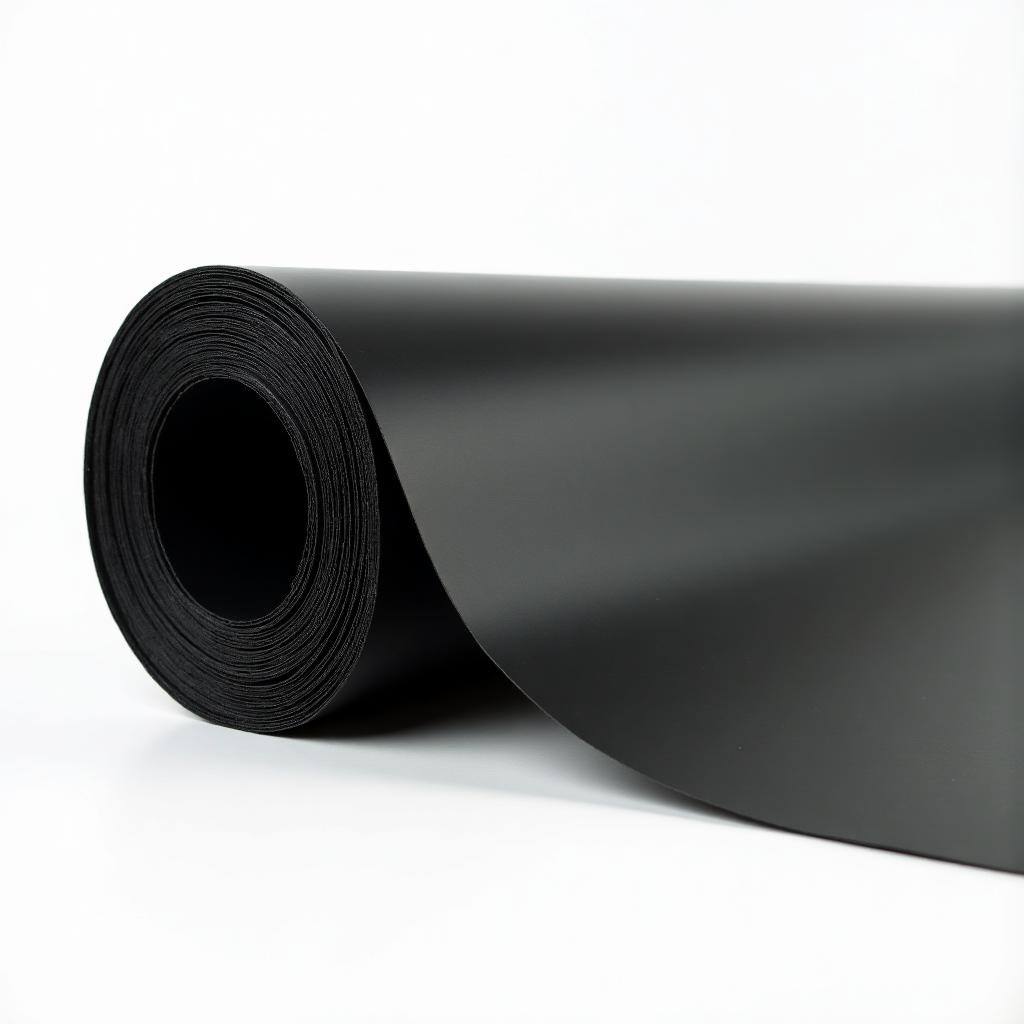
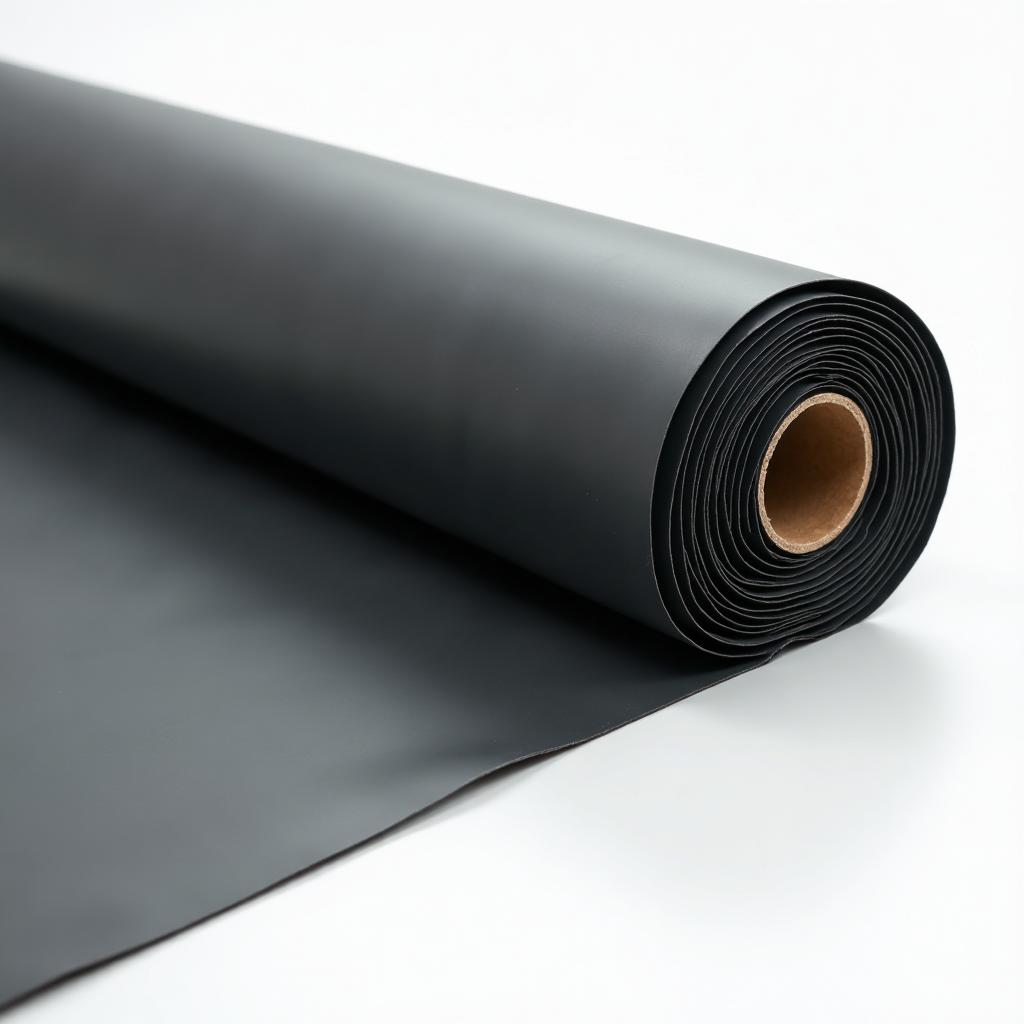
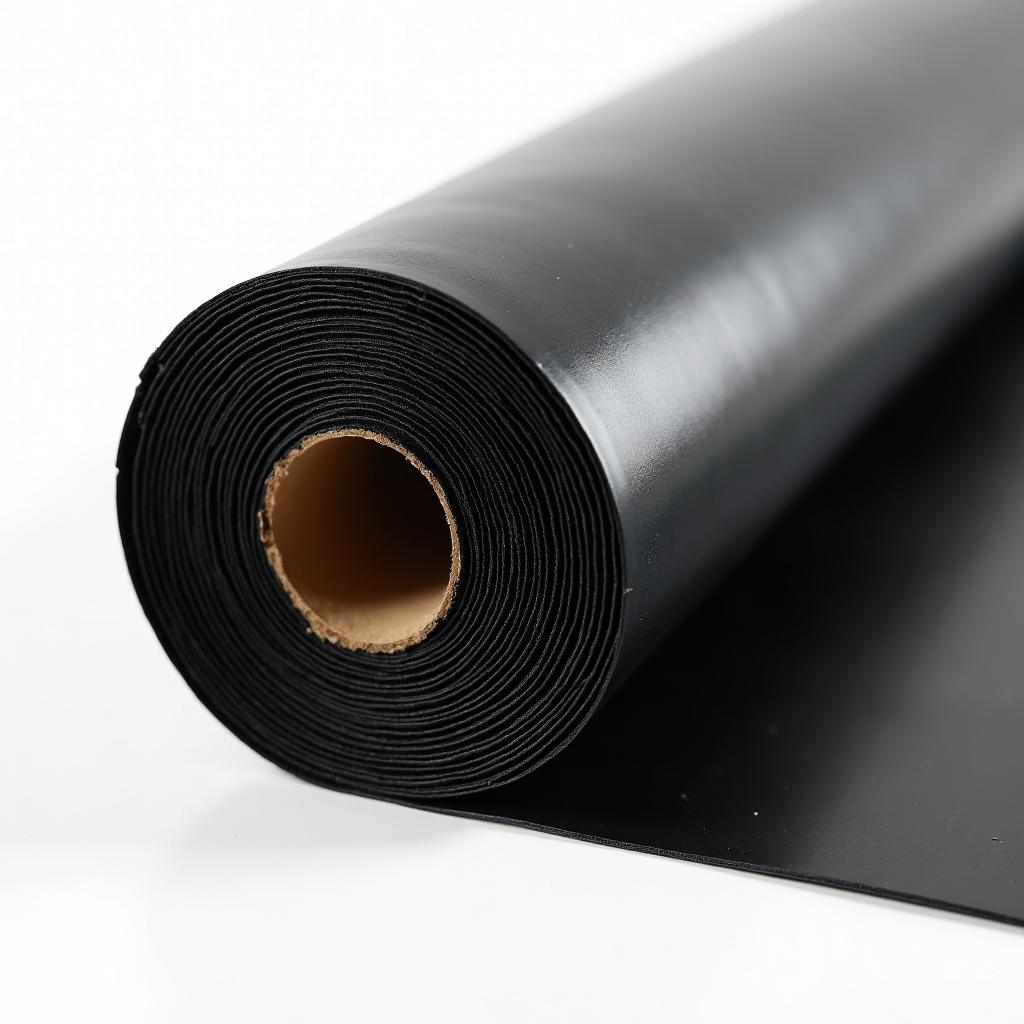
• Thin, heavy, flexible membrane (1/16" to 1/4" thick, 0.6-2 lb/ft²)
• Installed directly to studs or over existing surfaces before finish layer
• Effective across all frequencies, especially strong at low frequencies (50-250 Hz)
• Works independently—doesn't require specific layer combinations
• Performance is immediate upon installation
• Blocks sound through sheer mass and non-resonant flexibility
The Fundamental Difference
2Performance Comparison
| Wall Assembly | Baseline STC | With Green Glue | With 1 lb MLV |
|---|---|---|---|
| Single stud, 1 layer drywall each side | STC 33-35 | STC 40-43 (+7-8) | STC 50-52 (+15-17) |
| Single stud, 2 layers drywall one side | STC 38-40 | STC 46-49 (+8-9) | STC 52-55 (+14-15) |
| Single stud with insulation | STC 38-40 | STC 47-50 (+9-10) | STC 53-56 (+15-16) |
3Installation Differences
Green Glue Installation
• Pattern: Random 'S' patterns or grid patterns covering 50-70% of surface
• Cure time: Performance continues improving for 30 days (usable immediately, but optimal later)
• Cleanup: Water-soluble when wet, but messy; requires immediate cleanup of squeeze-out
• Storage: Must be stored above 40°F; frozen product is ruined
• Labor: Adds 10-15 minutes per sheet for application
• Skill level: Low—application is straightforward but slower than standard drywall
MLV Installation
• Seaming: Overlap seams 2-3 inches, seal with acoustic caulk
• Performance: Immediate—no cure time required
• Weight: Heavy (1-2 lb/ft²)—may require two people for ceiling installation
• Storage: No special requirements—stable in any conditions
• Labor: Similar to hanging drywall—experienced crews work quickly
• Skill level: Moderate—seaming and sealing techniques affect performance
Installation Speed Comparison
• Green Glue: Add 2-3 hours for compound application, plus cure time considerations
• MLV: Add 1-2 hours for membrane installation, immediately ready for finish work
• Winner: MLV provides faster project completion with no cure time dependencies
4Cost Analysis
| Cost Component | Green Glue | MLV (1 lb/ft²) |
|---|---|---|
| Material per sq ft | $0.50-0.75/sq ft | $1.50-2.00/sq ft |
| Additional drywall layer required? | Yes (+$0.40-0.60/sq ft) | No |
| Labor cost increase | +$0.30-0.50/sq ft | +$0.25-0.40/sq ft |
| Total added cost per sq ft | $1.20-1.85/sq ft | $1.75-2.40/sq ft |
| STC improvement | +7-10 points | +15-17 points |
| Cost per STC point | $0.12-0.26/sq ft per STC point | $0.10-0.16/sq ft per STC point |
5When to Use Green Glue
6When to Use MLV
7Using Both Together
Why Combination Works
• Green Glue reduces resonance and energy transfer between rigid layers
• Together, they address both the mass law and damping requirements for premium performance
• The combination is greater than either alone—assemblies achieve STC 60-70+
High-Performance Assembly Example
• 3-1/2" mineral wool insulation in cavity
• 1 lb MLV applied directly to stud face
• First layer 5/8" Type X drywall
• Green Glue damping compound
• Second layer 5/8" drywall
• Tested STC: 60-63
Cost-Benefit of Combination
9Conclusion
The Verdict on Green Glue vs MLV: These are not competing products—they're complementary tools that excel in different situations. Green Glue is excellent for retrofit projects, speech privacy applications, and moderate improvement goals. MLV is superior for low-frequency control, maximum STC requirements, and time-sensitive commercial projects.
For the best overall value in terms of STC improvement per dollar, MLV typically wins—delivering 50-70% more sound blocking per dollar spent. For maximum performance in critical applications, combining both materials creates synergistic assemblies that outperform either material alone.
The right choice depends on your specific project: frequency range concerns, required STC rating, timeline constraints, and budget. For most professional soundproofing projects requiring STC 50+, MLV provides the most reliable path to code compliance and client satisfaction. For moderate improvements in office privacy or residential retrofits, Green Glue offers an accessible solution.
FAQs: Green Glue vs MLV
Related Guides in Comparison
Continue exploring with these hand-picked articles
Drywall vs MLV: The Heavyweight Battle for Silence
Drywall is everywhere, but can stacking more of it compete with Mass Loaded Vinyl for soundproofing? Compare STC ratings, installation, and costs to find the best noise-blocking solution.
QuietRock vs MLV: The Engineered Drywall Duel
QuietRock engineered drywall vs Mass Loaded Vinyl - which soundproofing solution wins? Compare STC ratings, installation, cost, and when to use each for your project.
Spray Foam Insulation vs MLV: The Insulation Illusion
Spray foam insulation vs Mass Loaded Vinyl for soundproofing - does thermal insulation equal sound insulation? Compare STC performance, costs, and discover why this common misconception costs homeowners thousands.
Our Complete Product Line
Professional-grade soundproofing materials for any application
Need Expert Soundproofing Advice?
Our team of soundproofing specialists is here to help you choose the right products and installation methods for your museum or gallery project.