Soundproof Curtains vs MLV: The Renter's Reality Check
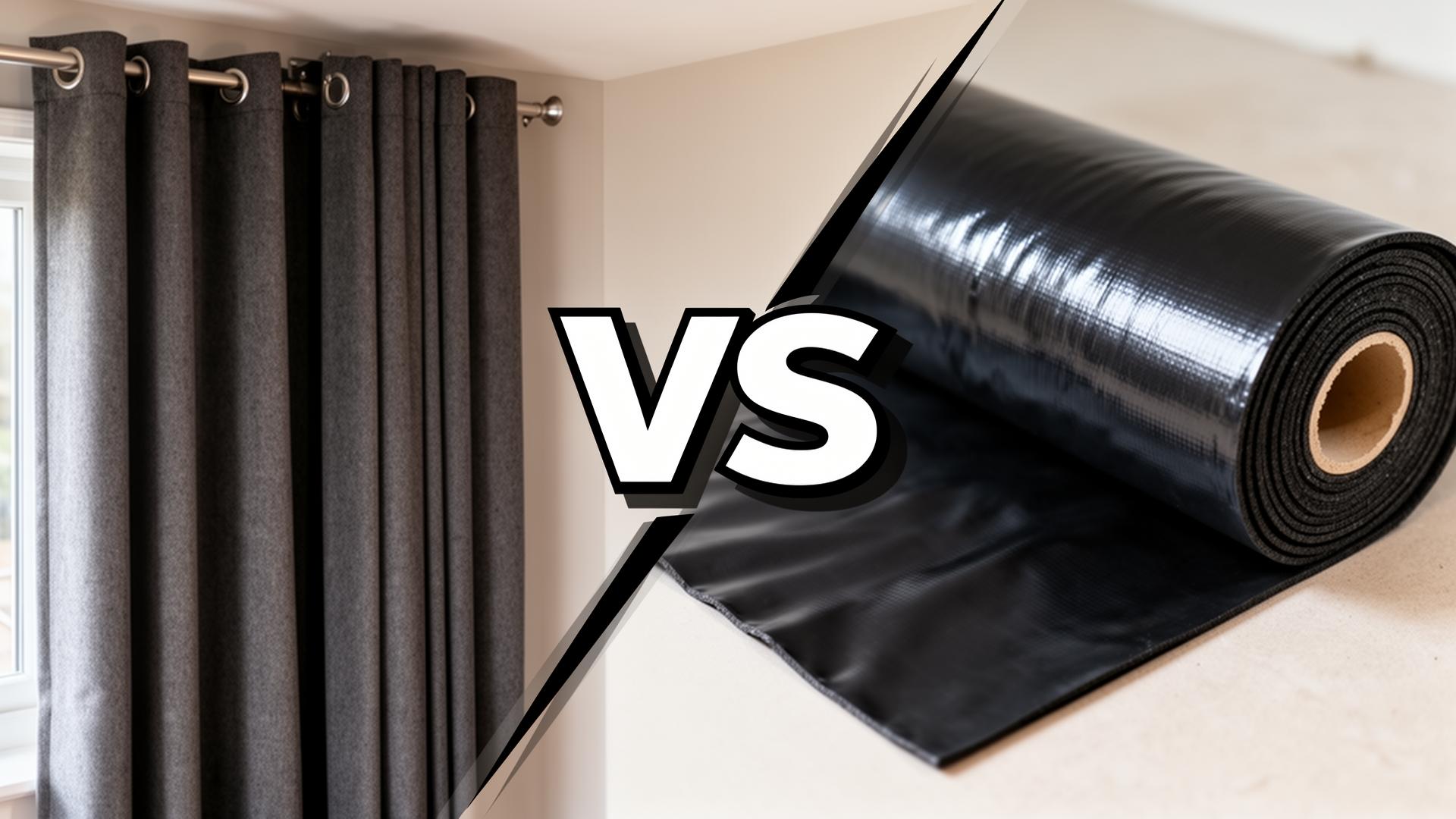
1The 'Soundproof' Curtain Marketing Myth
Why Fabric Cannot Block Sound
• Heavy curtain fabric: 0.1-0.3 lb/ft²
• Standard window glass: 1.5-3 lb/ft²
• Mass Loaded Vinyl: 1-2 lb/ft²
• 5/8" drywall: 2.5 lb/ft²
What 'Soundproof' Curtains Actually Do
• Light blocking: The primary function; blackout performance is real
• Thermal insulation: Dead air space between curtain and window reduces heat transfer
• Echo reduction: Fabric absorbs sound within the room, reducing reverberation
The Review Problem
• Reduced echo (real, but not soundproofing)
• Darker room (real, unrelated to sound)
• Placebo effect (expectation bias after spending $100+)
• Comparison to thin drapes (anything is better than nothing)
Reviewers rarely have STC meters. They feel quieter but haven't measured actual transmission loss.
2How Each Solution Works
Heavy Curtains: Absorption Only
• Sound bouncing within the room (echo/reverb)
• High-frequency "brightness" of room acoustics
• Speech clarity inside the space
• Surface density: 0.1-0.3 lb/ft² (very light)
• NRC rating: 0.4-0.7 (moderate absorption)
• STC contribution: 2-5 points (minimal blocking)
• Low-frequency performance: Almost none—bass passes freely
• Air gaps: Curtains don't seal to walls, creating bypass paths
Mass Loaded Vinyl: Transmission Blocking
• Sound traveling between spaces (actual soundproofing)
• All frequencies, especially low-frequency noise
• Code compliance and measurable STC improvement
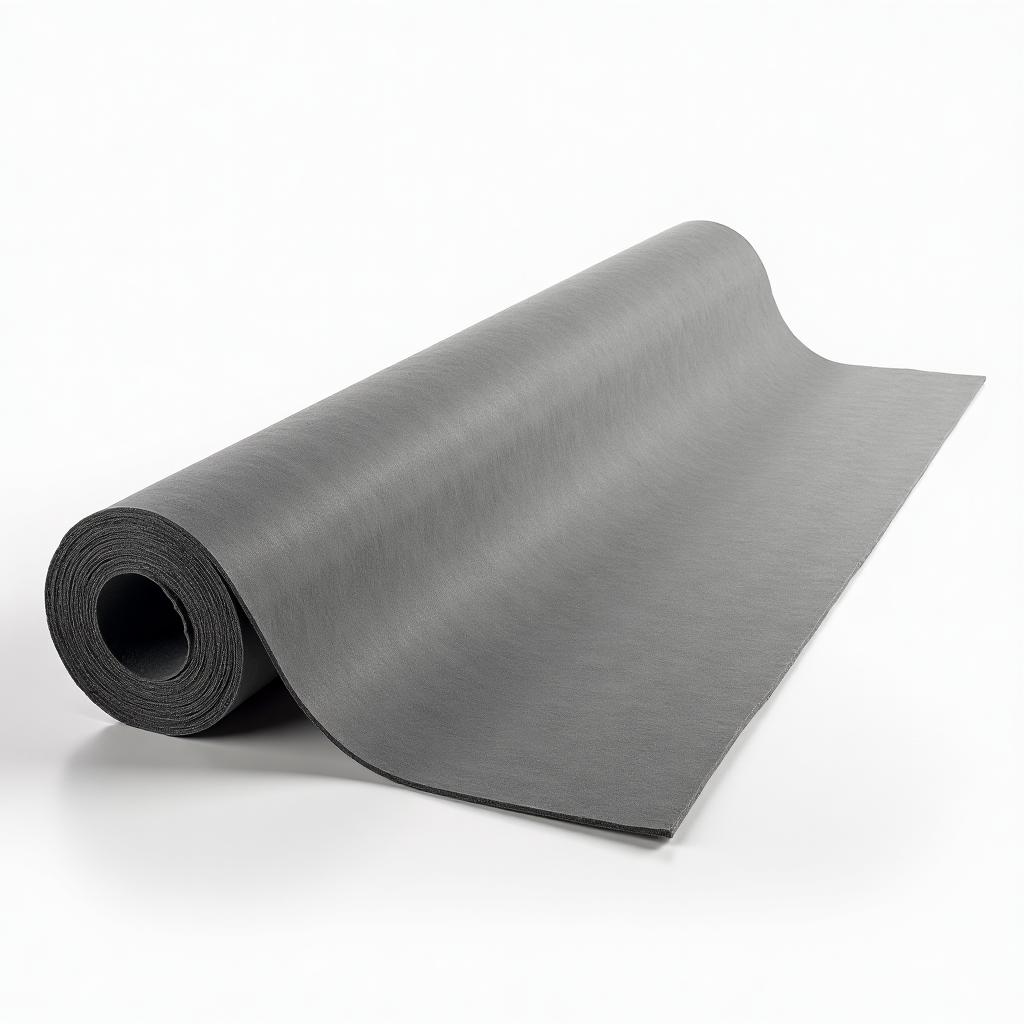
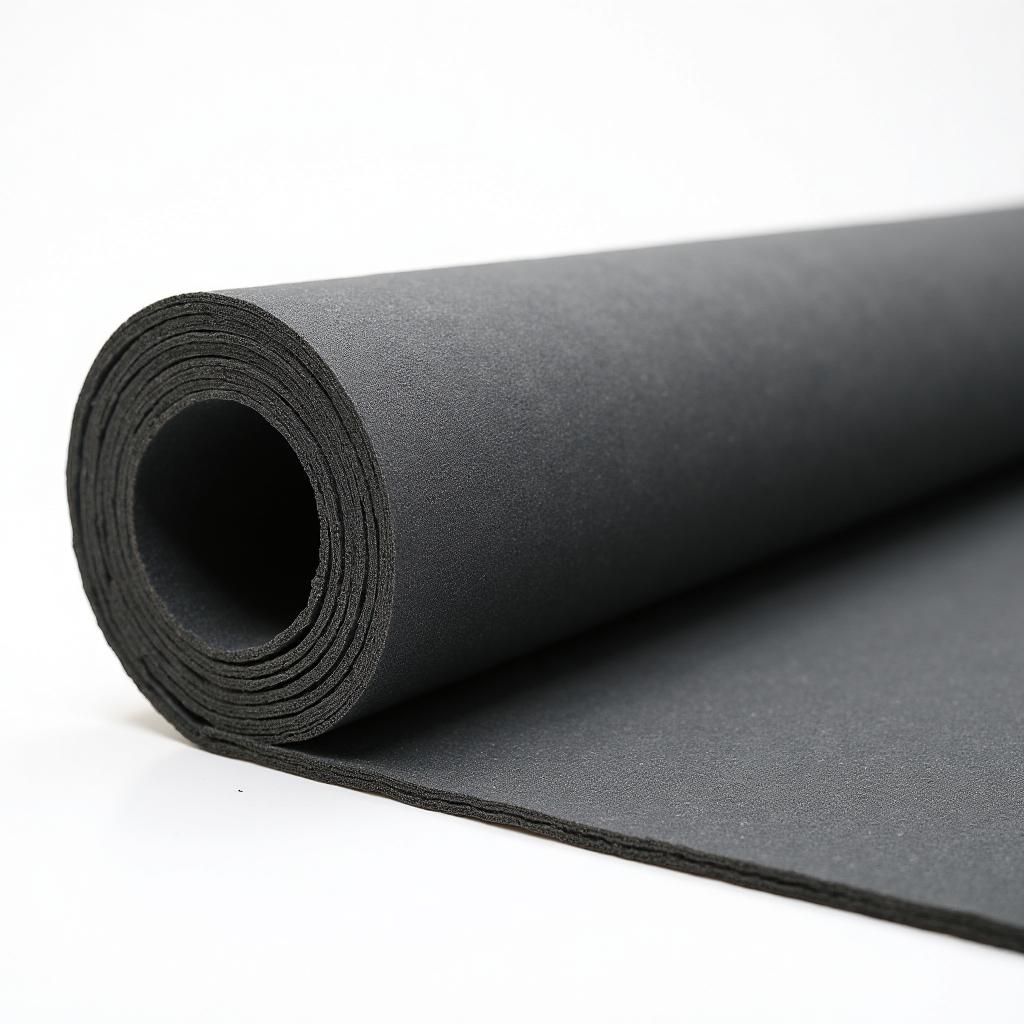
• Surface density: 1-2 lb/ft² (10x heavier than curtains)
• STC rating: 25-32 as standalone barrier
• STC contribution: 15-17 points when added to assemblies
• Low-frequency performance: Excellent—mass blocks bass
• Seal capability: Can be installed with complete perimeter sealing
The Core Difference
3Performance Comparison
| Metric | Heavy Curtains | 1 lb MLV |
|---|---|---|
| Surface density | 0.1-0.3 lb/ft² | 1.0 lb/ft² |
| STC improvement over window | 2-5 points | 10-15 points |
| Low-frequency (bass) blocking | Almost none | Excellent |
| Creates complete seal | No (gaps at edges) | Yes (when properly installed) |
| Blocks traffic rumble | No | Yes |
| Blocks neighbor voices | Slightly muffles | Significantly reduces |
Real-World Noise Scenarios
• Curtains: No meaningful reduction—low frequencies pass through freely
• MLV: Noticeable reduction in rumble and drone
• Curtains: Slightly softer, still intelligible
• MLV: Significantly reduced, often unintelligible
• Curtains: Minor improvement in clarity (less echo), transmission unchanged
• MLV: Actual transmission reduction, privacy improvement
• Curtains: No meaningful reduction
• MLV: Moderate reduction (still audible but less intrusive)
4Cost Analysis
Heavy Curtain Cost Breakdown
• Premium "soundproof" curtains: $50-150 per panel × 4 panels = $200-600
• Heavy-duty rods: $30-60 × 2 = $60-120
• Total cost: $260-720
• Actual STC improvement: 2-5 points
• Cost per STC point: $52-360 per point
MLV Window Treatment Cost
• 1 lb MLV material: $1.00-1.50/sq ft = $48-72
• Frame materials: $30-50 (if building removable panels)
• Total cost: $78-122 for DIY panels
• Actual STC improvement: 10-15 points
• Cost per STC point: $5-12 per point
Value Comparison
| Metric | Heavy Curtains | MLV Panels |
|---|---|---|
| Typical total cost | $260-720 | $78-122 |
| Cost per STC point | $52-360 | $5-12 |
| STC improvement per $100 | 0.3-2 points | 8-20 points |
| Noticeable difference? | Rarely | Yes |
5When Curtains Make Sense
Light Blocking Is Primary
Thermal Insulation
Room Aesthetics and Echo
Decorative Value
Combination with MLV
6MLV Solutions for Renters
Removable Window Panels
• Frame: 1×2 lumber or foam board sized to fit window opening
• Core: 1 lb MLV attached to frame with staples or adhesive
• Finish: Fabric wrap for appearance (optional)
• Installation: Friction fit or Velcro attachment to window frame
• Removal: Lifts out completely for move-out or cleaning
Acoustic Door Panels
• Attach method: Command strips, magnetic strips, or hook-and-loop
• Coverage: Full door surface with overlapping edges
• Door sweep: Add acoustic door sweep at bottom for complete seal
• Removal: No damage, no holes, no paint touch-up needed
Freestanding Room Dividers
• Frame: Wood or metal frame with hinged sections
• Core: MLV sandwiched between fabric-wrapped panels
• Base: Weighted feet for stability
• Height: Floor to ceiling for maximum effect, partial height for privacy
Closet and Mechanical Treatments
• Attachment: Adhesive mounting, removable hooks, or Command strips
• Focus areas: Shared walls with neighbors, HVAC closets, water heater areas
• Removal: Peel off for move-out; minor touch-up paint may be needed
7The Layered Approach
Recommended Layered Strategy
2. Add mass to weak points: MLV panels on windows, doors, and shared walls
3. Add absorption for echo: Heavy curtains, rugs, upholstered furniture
4. Address floors: Area rugs with dense padding reduce impact noise to neighbors below
5. White noise: Sound machines mask remaining noise psychologically
Why This Works
Budget Priorities
1. Air sealing: Cheapest improvement with immediate benefit ($20-50)
2. MLV window panels: Biggest single improvement for street noise ($50-100)
3. Door treatment: Critical if noise comes from hallways ($50-100)
4. Curtains last: For aesthetics and light blocking only—not soundproofing
Performance Expectations
• Street/traffic noise: 40-60% subjective reduction
• Neighbor TV/music: 30-50% subjective reduction
• Hallway noise: 50-70% subjective reduction
• Bass/subwoofer: Limited improvement (requires building structure changes)
These results far exceed what "soundproof" curtains alone can achieve.
9Conclusion
The Verdict on Soundproof Curtains vs MLV: "Soundproof curtains" are marketing fiction. No curtain can block sound—fabric is too light to resist vibration, and curtains don't seal to walls. At best, heavy curtains reduce echo within a room and block light. They add 2-5 STC points; MLV adds 10-15 to window assemblies and 15-17 to walls.
For renters seeking real noise reduction, removable MLV solutions—window panels, door panels, and temporary wall treatments—deliver actual soundproofing without permanent modifications. Combine with proper air sealing and you'll achieve results that "soundproof" curtains never will.
Buy curtains for light blocking and aesthetics. Buy MLV for soundproofing. These are different products solving different problems—don't let marketing convince you otherwise.
FAQs: Soundproof Curtains vs MLV
Related Guides in Comparison
Continue exploring with these hand-picked articles
Drywall vs MLV: The Heavyweight Battle for Silence
Drywall is everywhere, but can stacking more of it compete with Mass Loaded Vinyl for soundproofing? Compare STC ratings, installation, and costs to find the best noise-blocking solution.
Green Glue vs MLV: The Damping Compound Showdown
Green Glue damping compound vs Mass Loaded Vinyl - which soundproofing material wins? Compare cost, STC performance, installation, and ideal use cases for each solution.
QuietRock vs MLV: The Engineered Drywall Duel
QuietRock engineered drywall vs Mass Loaded Vinyl - which soundproofing solution wins? Compare STC ratings, installation, cost, and when to use each for your project.
Our Complete Product Line
Professional-grade soundproofing materials for any application
Need Expert Soundproofing Advice?
Our team of soundproofing specialists is here to help you choose the right products and installation methods for your museum or gallery project.