Rockwool Insulation vs MLV: The Absorption Deception
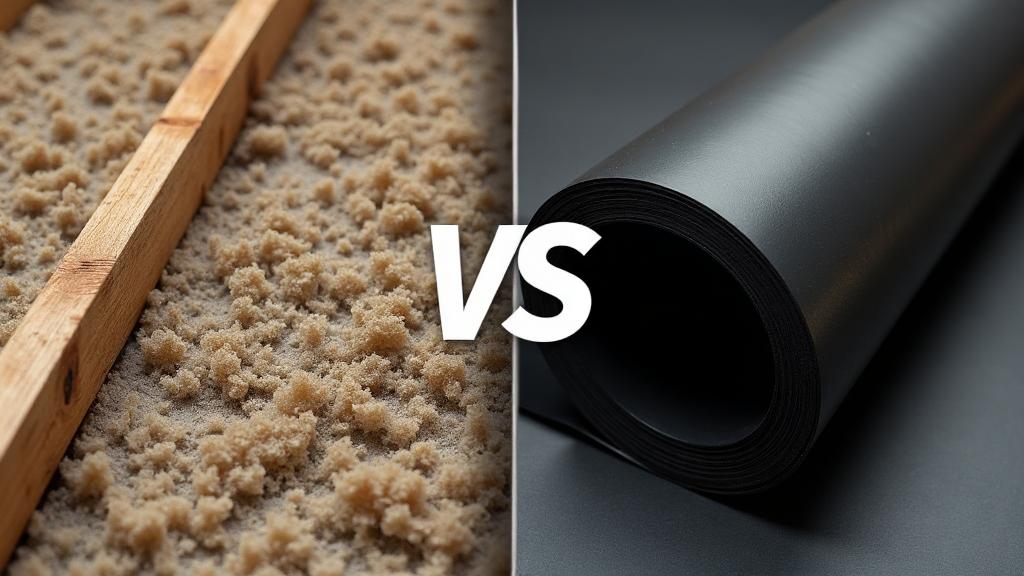
1Absorption vs Blocking: The Critical Difference
Sound Absorption (What Rockwool Does)
• Echo and reverberation WITHIN a room
• Sound bouncing off walls inside a space
• Room acoustics and clarity
• Recording studio treatment
Sound Blocking (What MLV Does)
• Sound traveling between rooms
• Noise from neighbors, traffic, HVAC
• Privacy and confidentiality
• Code compliance (STC ratings)
The Numbers Don't Lie
• Adding 1 lb MLV to a wall: +15-17 STC points
• The difference: MLV provides 3-4x more transmission loss improvement
2How Each Material Works
Rockwool (Mineral Wool) Mechanics
• Air molecules vibrate within the fiber matrix
• Friction between air and fibers converts sound energy to heat
• Higher frequencies are absorbed more effectively than low frequencies
• The material itself has minimal mass (typically 2-4 lb/ft³)
• Density: 2-8 lb/ft³ (lightweight)
• NRC rating: 0.95-1.05 (excellent absorption)
• Transmission loss: Minimal without additional mass
• Fire resistance: Excellent (stone-based, non-combustible)
• Thermal R-value: R-3.7 to R-4.2 per inch
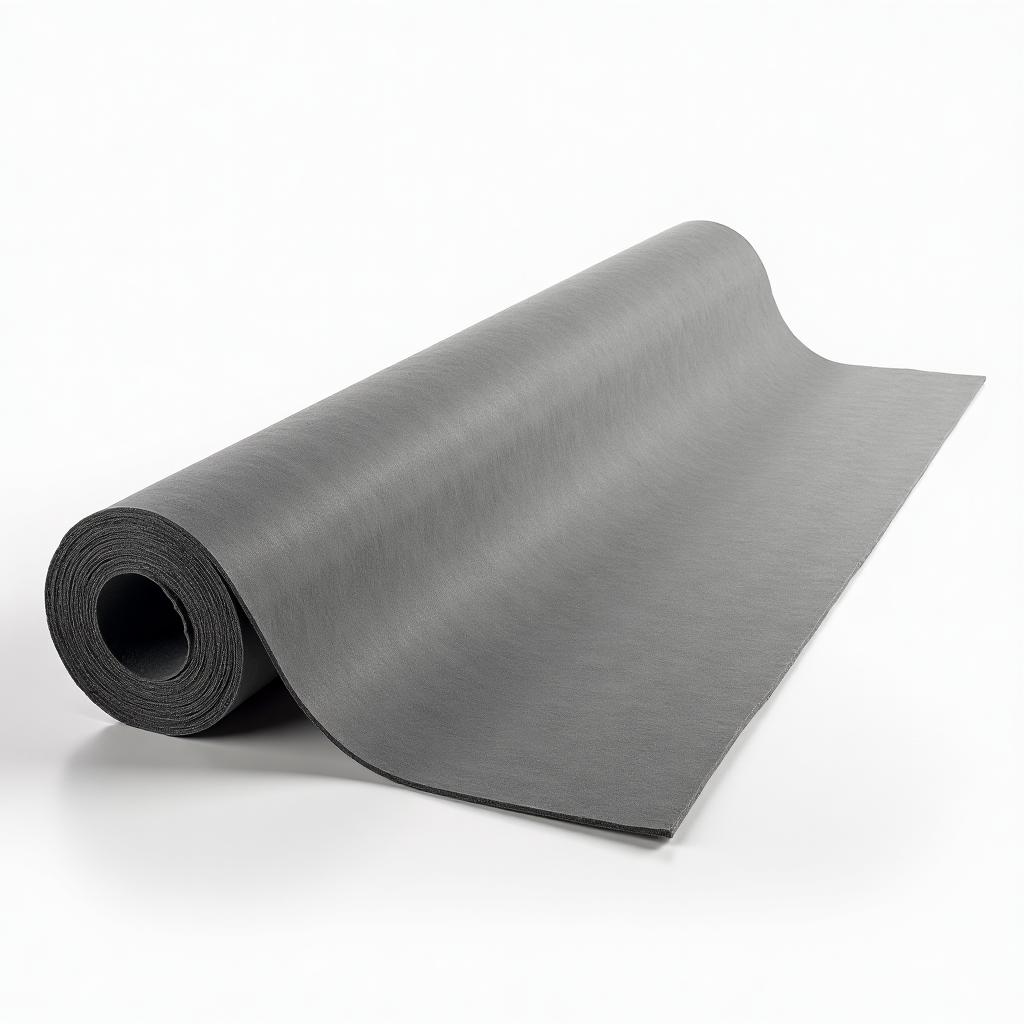
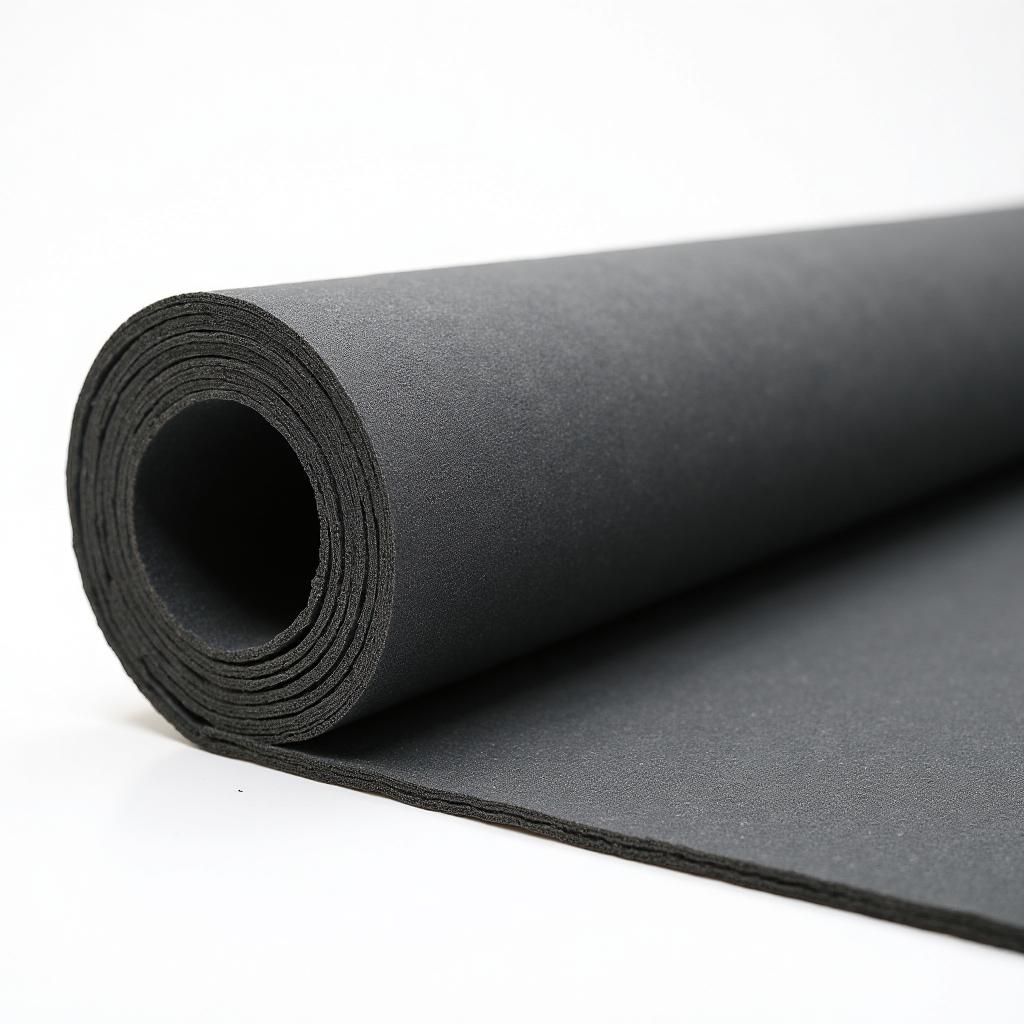
Mass Loaded Vinyl (MLV) Mechanics
• The mass resists vibration—heavy objects are hard to move
• Being 'limp' (non-rigid), it doesn't resonate or re-radiate sound
• Low frequencies that pass through lightweight materials are blocked
• The barrier effect works regardless of what's in the cavity behind it
• Density: 60-120 lb/ft³ (extremely dense)
• Surface weight: 0.5-2 lb/ft² in thin sheets
• Transmission loss: 25-32 STC as standalone barrier
• Flexibility: Wraps around obstacles, no rigid bridging
• Thickness: 1/16" to 1/4" (space-efficient)
3Performance Comparison
| Wall Assembly | Baseline STC | With Rockwool | With 1 lb MLV | Both Combined |
|---|---|---|---|---|
| Single wood stud, empty | STC 33 | STC 37-39 | STC 48-50 | STC 52-55 |
| Single wood stud, 5/8" drywall | STC 35 | STC 39-41 | STC 50-52 | STC 54-57 |
| Metal stud, 5/8" drywall | STC 40 | STC 44-46 | STC 55-57 | STC 58-61 |
| Double drywall each side | STC 43 | STC 47-49 | STC 55-58 | STC 60-63 |
• Rockwool adds 4-6 STC points—helpful but not transformative
• MLV adds 15-17 STC points—dramatic, immediately noticeable improvement
• Combining both adds 19-23 STC points—benefits stack rather than overlap
• For code-required STC 50, Rockwool alone is insufficient; MLV is essential
Low-Frequency Performance
• Rockwool: Minimal low-frequency absorption—bass passes through freely
• MLV: Excellent low-frequency blocking—mass stops bass vibration
If your noise problem includes rumble, bass, or low-frequency drone, MLV is non-negotiable. Rockwool simply cannot address these frequencies.
4Cost Analysis
Rockwool Cost Breakdown
• Rockwool Safe'n'Sound: $1.00-1.50/sq ft = $400-600
• Installation labor: Similar to fiberglass (included in drywall scope)
• Typical STC improvement: 4-6 points
• Cost per STC point: $67-150 per STC point
MLV Cost Breakdown
• 1 lb MLV material: $1.00-1.50/sq ft = $400-600
• Installation labor: $0.50-0.75/sq ft = $200-300
• Total cost: $600-900
• Typical STC improvement: 15-17 points
• Cost per STC point: $35-60 per STC point
Value Comparison
| Metric | Rockwool | MLV |
|---|---|---|
| Cost per STC point | $67-150 | $35-60 |
| STC improvement per $500 | 3-7 points | 8-14 points |
| Can achieve STC 50 alone? | No | Yes |
5When Rockwool Shines
Room Acoustics (Not Soundproofing)
Fire Resistance Requirements
Thermal Insulation Priority
Budget Constraints (Partial Solution)
Combination with MLV
6When MLV Is Essential
Code Compliance (STC 50+)
Neighbor Noise and Privacy
Traffic and Transportation Noise
Home Theaters and Music Rooms
HVAC and Mechanical Noise
Retrofit Applications
7The Winning Combination
Recommended High-Performance Assembly
2. Cavity insulation: Rockwool Safe'n'Sound or ComfortBatt (R-15 to R-23)
3. Mass barrier: 1 lb MLV applied to stud face before drywall
4. Air sealing: Acoustic caulk at all perimeters and penetrations
5. Finish layer: 5/8" Type X drywall (or double layer for STC 60+)
Why This Works
• MLV adds mass that blocks transmission, especially at low frequencies
• Metal studs reduce rigid connections that conduct vibration
• Sealed perimeters eliminate air gaps that bypass the barrier
• Result: STC 55-63 depending on configuration
Performance Data: Combined Assembly
• Tested STC: 58-61
• Low-frequency performance: Excellent (MLV contribution)
• Mid-frequency performance: Excellent (Rockwool + MLV contribution)
• Compared to Rockwool only: +14-17 STC points
• Compared to MLV only: +3-5 STC points
9Conclusion
The Verdict on Rockwool vs MLV: These materials serve fundamentally different functions. Rockwool absorbs sound within a cavity—useful for room acoustics and modest transmission improvement. MLV blocks sound transmission through mass—essential for actual soundproofing between spaces.
The Absorption Deception costs homeowners thousands: believing that premium cavity insulation will soundproof their walls. It won't. Rockwool adds 4-6 STC points; MLV adds 15-17. For code-required STC 50 or meaningful noise reduction, mass is mandatory.
The smart approach? Use both. Rockwool in the cavity provides thermal value, fire resistance, and mid-frequency absorption. MLV on the stud face provides the mass necessary for actual transmission loss. Together, they create high-performance assemblies that exceed code requirements and deliver real acoustic comfort.
FAQs: Rockwool vs MLV
Related Guides in Comparison
Continue exploring with these hand-picked articles
Drywall vs MLV: The Heavyweight Battle for Silence
Drywall is everywhere, but can stacking more of it compete with Mass Loaded Vinyl for soundproofing? Compare STC ratings, installation, and costs to find the best noise-blocking solution.
Green Glue vs MLV: The Damping Compound Showdown
Green Glue damping compound vs Mass Loaded Vinyl - which soundproofing material wins? Compare cost, STC performance, installation, and ideal use cases for each solution.
QuietRock vs MLV: The Engineered Drywall Duel
QuietRock engineered drywall vs Mass Loaded Vinyl - which soundproofing solution wins? Compare STC ratings, installation, cost, and when to use each for your project.
Our Complete Product Line
Professional-grade soundproofing materials for any application
Need Expert Soundproofing Advice?
Our team of soundproofing specialists is here to help you choose the right products and installation methods for your museum or gallery project.