Restaurant Construction: MLV Requirements and Building Codes
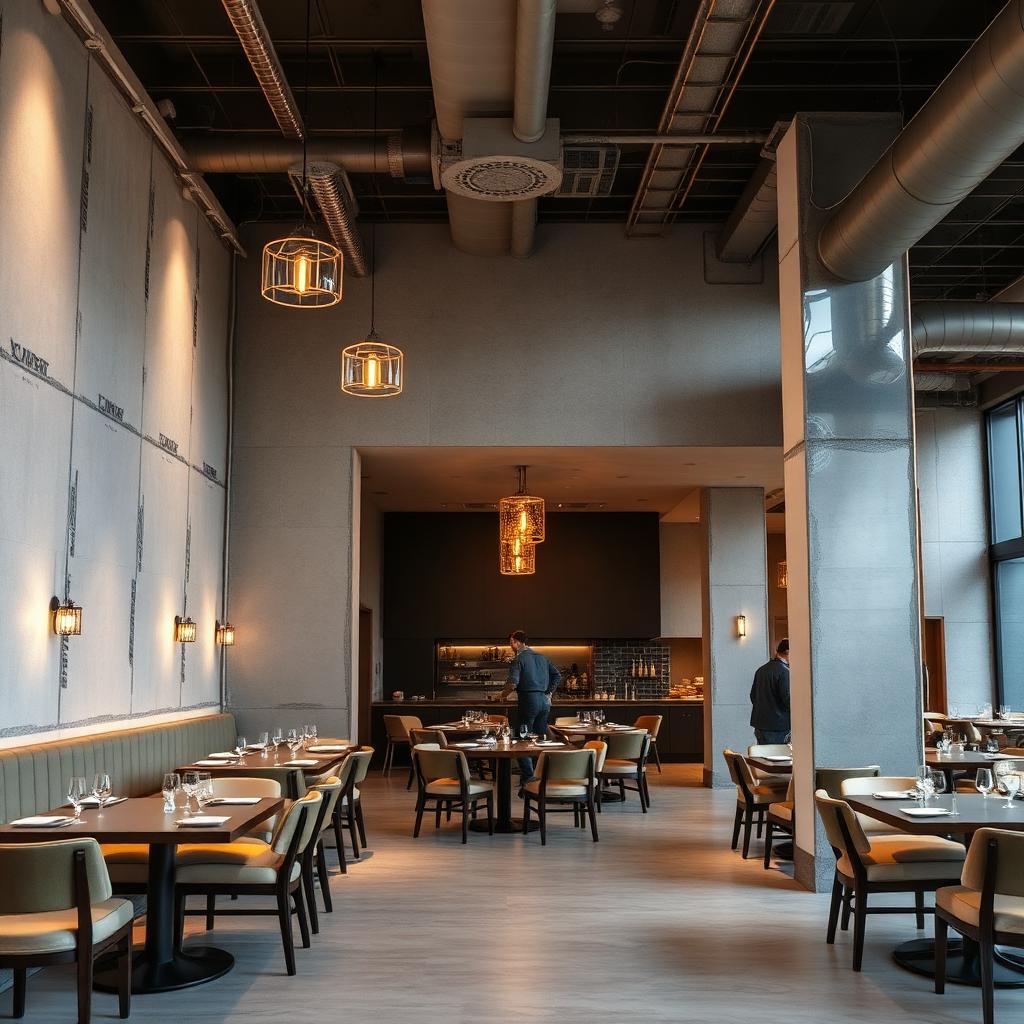
1Why Restaurants Present Unique Acoustic Challenges
The Business Impact of Restaurant Acoustics
• Table turnover: Excessively loud restaurants drive guests to eat quickly and leave—reducing per-table revenue for fine dining concepts
• Staff retention: Kitchen and service staff exposed to high noise levels experience greater fatigue and higher turnover rates
• Repeat business: 30% of diners say they won't return to restaurants where they couldn't hold conversations
• Online reviews: Noise is consistently mentioned in negative restaurant reviews, affecting overall ratings and discovery
Competing Noise Sources
• Bar service: Blenders, ice machines, glass handling, and music create concentrated noise zones
• Dining room activity: Conversation, chair movement, and table service create cumulative ambient noise
• Background music: Intentional sound that must be balanced against speech intelligibility
• Entertainment: Live music, sports broadcasts, and special events create temporary high-noise conditions
Guest Experience Requirements
• Casual dining: Moderate noise levels (65-75 dB) create energetic atmosphere while allowing conversation
• Fast casual: Higher ambient noise (70-80 dB) is acceptable for quick-service environments
• Bars and clubs: Intentionally louder environments (80+ dB) for entertainment venues
• Private dining: Speech privacy requirements similar to conference rooms for business entertaining
2Building Code Requirements for Food Service
International Building Code (IBC) Requirements
• Kitchen separations: Commercial kitchen areas may require fire-rated walls to dining areas depending on equipment and cooking methods
• Tenant separations: Multi-tenant buildings require demising walls meeting STC 45-50 minimum between different businesses
• Mechanical room isolation: Walk-in coolers, compressors, and grease trap areas require specific fire and acoustic treatments
Health Department and NSF Requirements
• Makeup air systems: Kitchen exhaust requires equivalent makeup air, typically through roof-mounted units generating additional noise
• Grease duct specifications: Fire-rated grease ducts have specific clearance and enclosure requirements affecting wall construction
• Dishwasher ventilation: High-temperature dishwashers require dedicated exhaust creating localized noise sources
Local Noise Ordinances
• Entertainment permits: Live music and DJ entertainment may require special permits with specific noise mitigation requirements
• Late-night operations: Restaurants operating past 10 PM face stricter noise requirements in many jurisdictions
• Outdoor dining: Patios and rooftops have specific noise requirements that affect overall site design
• HVAC equipment: Rooftop and exterior mechanical equipment must meet property-line noise limits
ADA Accessibility Requirements
• Background noise: Excessive noise can prevent effective use of hearing aids, affecting accessibility
• Speech intelligibility: Service counters and host stands require adequate speech clarity for communication
3Kitchen-to-Dining Room Isolation
Open Kitchen Considerations
• Partial barriers: Pass-through windows, chef's counters, and partial walls provide visual connection while offering some acoustic separation
• Selective isolation: Dishwashing, prep areas, and equipment rooms can be fully enclosed while cooking stations remain visible
• Hood design: Low-velocity hoods reduce noise at the source while maintaining required capture performance
• Equipment selection: Quieter equipment options (induction vs. gas, convection vs. conventional) reduce overall kitchen noise
Fully Enclosed Kitchen Requirements
• Fire rating coordination: Many jurisdictions require 1-hour fire rating for kitchen separations—coordinate acoustic and fire performance
• Service door acoustics: Swinging service doors are weak points—consider vestibule designs or sound-lock entries for fine dining
• Pass-through windows: Food pickup windows require acoustic treatment—consider insulated sliding panels that close when not in use
• Ceiling continuity: Kitchen and dining ceilings often differ—prevent flanking through ceiling plenum
MLV Applications for Kitchen Walls
• Fire-rated assembly: Type X drywall with MLV maintains fire rating while adding acoustic mass
• Pass-through treatment: MLV-lined enclosures around service windows reduce flanking transmission
• Duct penetrations: Kitchen exhaust ducts passing through walls need MLV wrapping and proper fire dampers
4Bar and Entertainment Area Acoustics
Bar Equipment Noise Sources
• Blenders: Bar blenders generate 85-90 dB peaks—acoustic enclosures or remote blender stations help
• Glass handling: Ice scooping, glass stacking, and bar service create impact noise transmitted through counters
• Draft systems: Glycol chillers and compressors for draft beer create continuous background noise
• POS systems: Receipt printers and cash drawers add to cumulative noise levels
Entertainment and Music Systems
• Subwoofer isolation: Bass frequencies travel through structure—isolate subwoofers on vibration mounts
• Volume limiting: Install SPL limiters to prevent music levels from exceeding designed acoustic capacity
• Live music zones: Stages and performance areas need specific isolation from dining and residential spaces
• Sports viewing: Multiple TVs in bar areas require careful audio zone design to prevent cacophony
Separating Bar from Dining
• Ceiling treatment: Acoustic clouds and baffles over bar areas reduce sound spillover to dining
• Flooring transitions: Hard floors in bar areas can be isolated from dining with appropriate transitions
• Vestibule entries: Sound locks between bar and quiet dining areas provide effective separation
5Private Dining and Event Spaces
Speech Privacy Requirements
• Background noise: Lower background noise in private rooms means sound isolation must be higher—target NC 35-40
• Adjacent space noise: Consider noise from main dining, kitchen, bar, and other private rooms
• Audio systems: In-room sound systems should include zone isolation for presentations and speeches
Flexible Space Challenges
• Floor and ceiling seals: Operable partitions require continuous seals at top and bottom to achieve rated performance
• Track coordination: Ceiling tracks for operable walls must not create flanking paths through the ceiling plenum
• Maintenance requirements: Operable wall seals degrade over time—include maintenance protocols in building operations
Event Space Considerations
• Speech intelligibility: Event rooms with speeches and presentations need RT60 under 1.0 second
• Music and dancing: Higher sound levels during entertainment events require enhanced isolation from neighbors
• AV systems: Microphones and speakers must work effectively in the room's acoustic environment
6HVAC and Kitchen Exhaust Noise Control
Kitchen Exhaust System Noise
• Makeup air units: Rooftop makeup air handlers must be sized for full exhaust volume—specify low-noise units
• Ductwork noise: High-velocity exhaust ducts create breakout noise—MLV wrapping reduces transmission
• Grease duct enclosures: Fire-rated grease duct enclosures can incorporate acoustic treatment
• Rooftop equipment: Exhaust fans on rooftops affect neighbors and outdoor dining areas
HVAC System Design
• Variable air volume: VAV systems can create hunting noise—specify quality terminal units
• Diffuser selection: High-velocity diffusers create noise—properly size for required air volumes
• Return air paths: Open plenum returns over private dining rooms create flanking paths—use ducted returns
MLV Applications for Mechanical Systems
• Duct wrapping: MLV wrapped around ductwork near air handlers and in dining areas reduces transmitted noise
• Rooftop enclosures: MLV barriers around rooftop equipment reduce noise transmission to outdoor dining and neighbors
• Equipment platforms: Floating floor assemblies under kitchen equipment reduce structure-borne vibration
7Multi-Tenant Building Considerations
Residential Above Restaurant
• Operating hours: Restaurant noise during evening and late-night hours conflicts with residential quiet hours
• Kitchen equipment: Walk-in compressors, exhaust fans, and dishwashers create both airborne and structure-borne noise
• Bar and entertainment: Music and crowd noise from bar areas is particularly problematic for residents
• Delivery and trash: Early morning deliveries and late-night trash removal create exterior noise issues
Office and Retail Adjacencies
• Operating schedule alignment: Restaurant hours often extend beyond adjacent business hours
• Odor and noise: Kitchen exhaust must be separated from neighboring HVAC intakes—acoustic treatment can help
• Shared corridors: Common hallways transmit restaurant noise to other tenants—consider entrance vestibules
Lease and Landlord Requirements
• Performance testing: Post-construction acoustic testing may be required to verify STC/IIC ratings
• Operating restrictions: Leases may limit music volume, operating hours, or entertainment types
• Remediation responsibility: Restaurant tenants typically bear responsibility for acoustic complaints and remediation costs
8MLV Assemblies for Restaurant Construction
Kitchen Separation Walls
• Enhanced assembly (STC 58-62): 6" metal studs, R-19 insulation, 1 lb MLV both sides, resilient channels one side, double 5/8" Type X drywall
• Maximum performance (STC 62-68): Double stud wall with 1" gap, R-19 insulation in each cavity, 2 lb MLV in gap, triple drywall each side
Floor/Ceiling Assemblies
• With floating floor: Adding cork or rubber underlayment under finished flooring improves IIC ratings by 10-15 points
• Kitchen areas: Quarry tile on reinforced slab with MLV ceiling treatment below provides durable kitchen floor with acoustic separation
Bar and Entertainment Zones
• Stage areas: Floating stage platforms with MLV barriers reduce structure-borne bass transmission
• Subwoofer isolation: Dedicated vibration-isolated platforms for subwoofers prevent bass transmission to neighbors
Private Dining Rooms
• Enhanced privacy (STC 55-58): Staggered stud or double stud construction with MLV, acoustic door assemblies
• Glass walls: Acoustic laminated glass (STC 38-42) with MLV-backed solid portions to achieve overall STC 45-50
10Conclusion
FAQs: Restaurant Construction Soundproofing
Related Guides in Building Codes
Continue exploring with these hand-picked articles
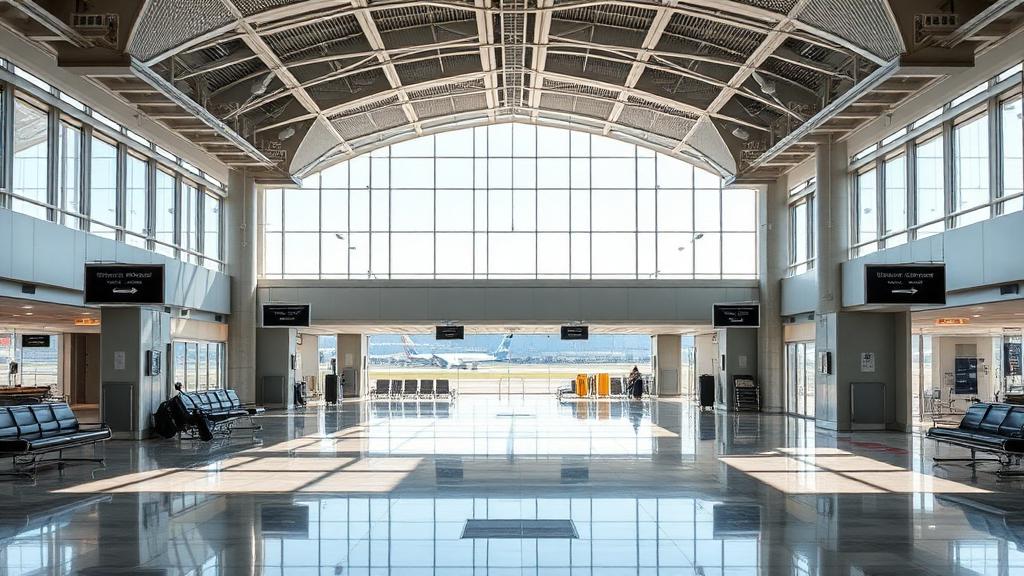
Airport Construction: MLV Requirements and Building Codes
Building code requirements for soundproofing in airports and aviation facilities. How MLV helps developers meet FAA acoustic standards, TSA security requirements, and create comfortable passenger environments.
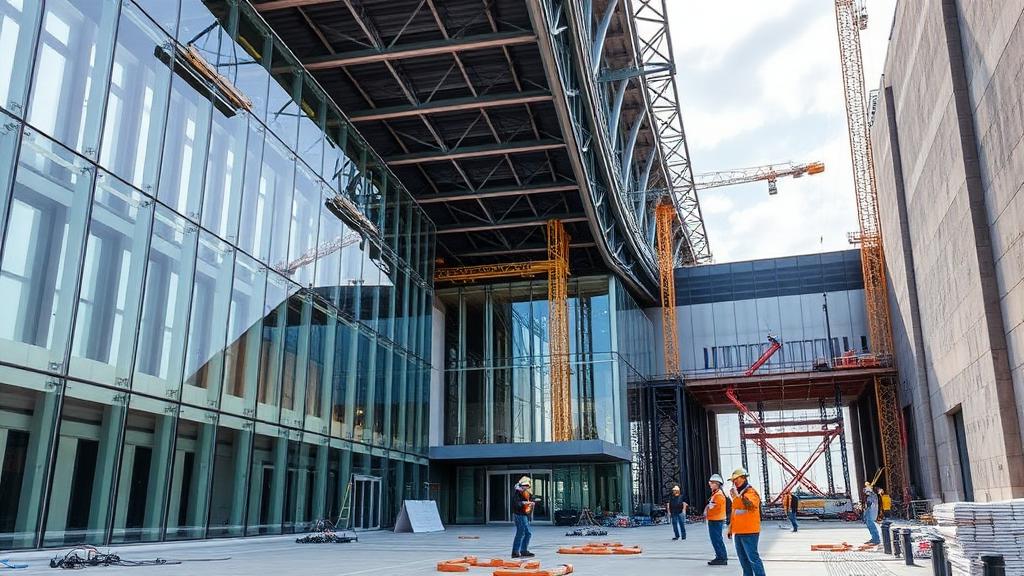
Museum Construction: MLV Requirements and Building Codes
Building code requirements for soundproofing in museums and cultural institutions. How MLV helps developers achieve gallery-to-gallery isolation, protect collections from vibration damage, meet conservation standards, and create contemplative visitor experiences.
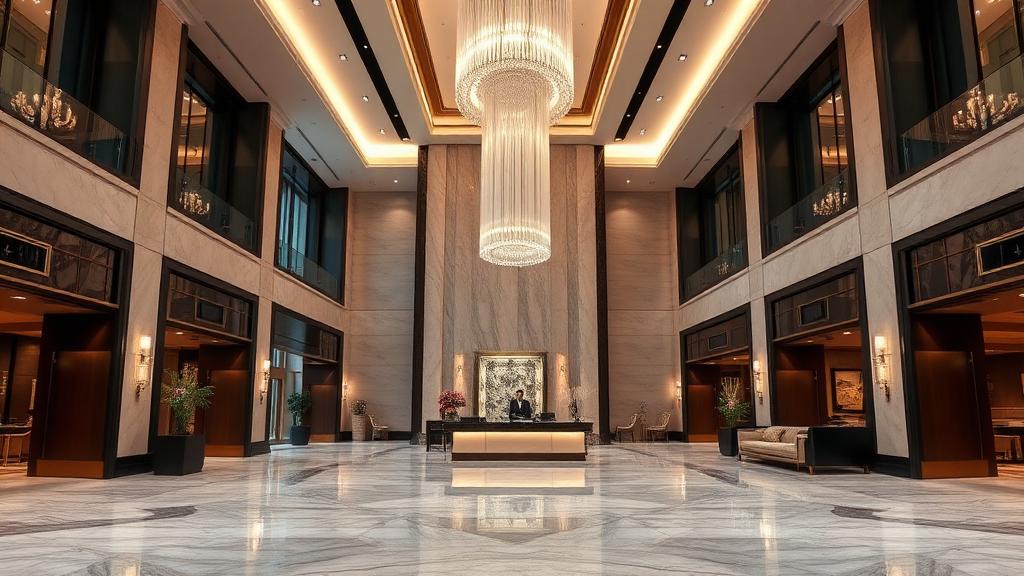
Hotel Construction: MLV Requirements & Building Codes
Building code requirements for soundproofing in hotels and hospitality construction. How MLV helps developers meet STC requirements, brand acoustic standards, and cost-effective wall/floor assemblies for hotel projects.
Our Complete Product Line
Professional-grade soundproofing materials for any application
Need Expert Soundproofing Advice?
Our team of soundproofing specialists is here to help you choose the right products and installation methods for your museum or gallery project.