Hotel Construction: MLV Requirements & Building Codes
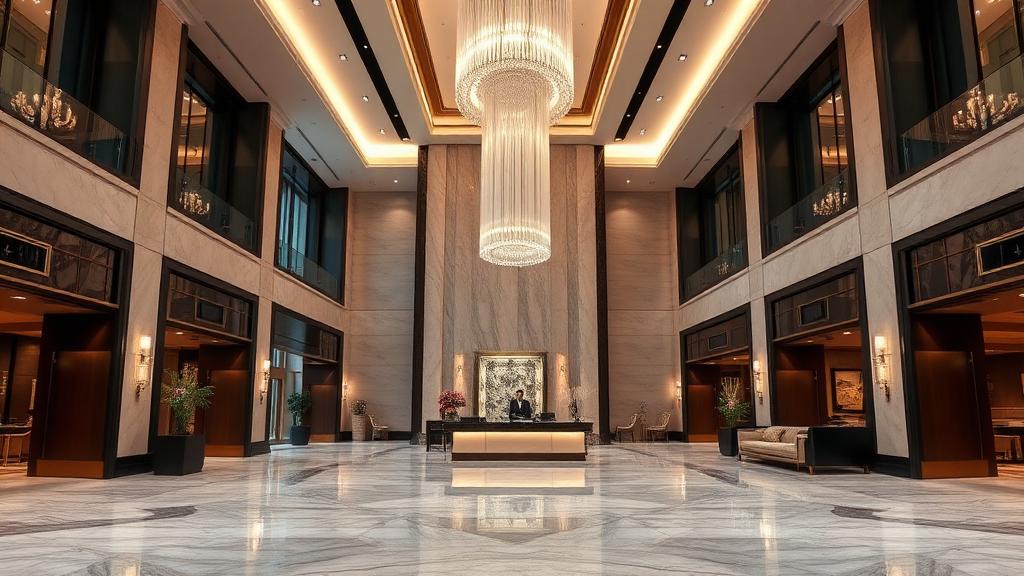
1Why Hotel Projects Fail Acoustic Standards
• Flanking paths ignored: Sound bypassing walls through above-ceiling spaces, shared ductwork, or continuous floor slabs
• Field vs. lab ratings: Lab-tested assemblies lose 5-10 STC points when installed in real buildings with imperfect workmanship
• Cost-cutting on partitions: Value engineering removes acoustic upgrades that seemed optional on paper
• Corridor and elevator adjacencies: High-traffic noise paths receive standard wall treatment instead of enhanced assemblies
The Real Cost of Acoustic Failures
• Retrofit costs: Post-construction acoustic upgrades cost 3-5x more than doing it right initially
• Guest complaints: Noise is consistently among the top factors in negative hotel reviews
• Lost revenue: Poor reviews reduce occupancy rates and average daily rates (ADR)
• Legal liability: Guests have successfully sued hotels for noise-related issues affecting health and safety
2What Building Codes Actually Require for Hotels
International Building Code (IBC) Requirements
• STC 50 (lab) / STC 45 (field) between guestrooms and service areas, mechanical rooms, and corridors
• IIC 50 (lab) / IIC 45 (field) for floor-ceiling assemblies between guestrooms
State and Local Amendments
• New York City: Additional noise control requirements for hotels near transit and entertainment districts
• Resort communities: Many vacation destinations have enhanced quiet-hours ordinances affecting hotel design
| Separation Type | IBC Minimum (Lab) | Typical Brand Standard | Luxury Brand Target |
|---|---|---|---|
| Guestroom to Guestroom (Wall) | STC 50 | STC 55 | STC 60+ |
| Guestroom to Corridor | STC 50 | STC 52 | STC 55 |
| Guestroom to Mechanical | STC 50 | STC 55 | STC 60 |
| Floor-Ceiling (Airborne) | STC 50 | STC 55 | STC 58 |
| Floor-Ceiling (Impact) | IIC 50 | IIC 55 | IIC 60 |
3Brand Standards vs. Code Minimums
Why Brands Require Higher Performance
• Online reviews: Noise complaints directly impact RevPAR and brand reputation
• Liability protection: Higher standards reduce guest complaints and potential legal issues
• Competitive advantage: Quiet rooms command premium rates and better loyalty program ratings
Common Brand Acoustic Requirements
• Upscale brands: STC 55-58 between guestrooms, solid-core doors with perimeter seals, ceiling-to-deck walls
• Luxury brands: STC 60+ between guestrooms, premium door assemblies, enhanced floor-ceiling systems, specific HVAC noise criteria
Pre-Opening Inspections
• Corridor noise measurements at guestroom doors
• HVAC noise level verification in guestrooms
• Impact noise testing where applicable
• If properties fail, they must retrofit before opening — or lose the franchise agreement
4Is MLV Required by Code for Hotels?
Why MLV Appears in Hotel Specifications
• Margin of safety: Adding MLV to standard assemblies provides buffer against field performance losses
• Retrofit capability: When assemblies test low, MLV can be added to one side without demolishing both
• Consistent performance: Unlike drywall installation quality, MLV delivers predictable mass regardless of installer skill
• Value engineering protection: Specifying MLV prevents cost-cutting that removes acoustic performance
When MLV Becomes Essential
• Luxury brand standards: STC 60+ is extremely difficult without MLV in practical wall thicknesses
• Mechanical room adjacencies: The mass of 2 lb MLV is often necessary for low-frequency machinery noise
• Renovation projects: Adding MLV to existing walls is more practical than full reconstruction
5Where MLV Fits in Hotel Assemblies
Demising Walls Between Guestrooms
• On both sides: For luxury standards requiring STC 60+
• Combined with resilient channels: Decoupling plus mass yields highest performance
Corridor Walls
• Voice transmission: Late-night conversations in hallways
• Door slams: Impact noise from closing doors (requires door seals too)
Floor-Ceiling Assemblies
• Combined with resilient ceiling: Clips/channels plus MLV plus double drywall
• Under-floor applications: MLV as part of floor assembly for airborne sound (pair with impact underlayment)
Mechanical Room Walls
• Full-height construction: Wall must extend to structure, not just to ceiling grid
• Vibration isolation: MLV blocks airborne noise but equipment must also be isolated from structure
6MLV & Fire Code Considerations
Fire Rating Requirements
• Corridor walls: 1-hour fire rating in most jurisdictions
• Mechanical rooms: Often 2-hour fire rating
• Assembly occupancy adjacencies: May require 2-hour separation from ballrooms, restaurants
MLV Fire Performance
• Low smoke development: Smoke development index typically <450
• UL tested assemblies: Many fire-rated wall assemblies include MLV in their tested configuration
• Intumescent options: Some MLV products expand when exposed to heat, adding fire protection
Installation Requirements
• Firestopping at penetrations: Outlets, pipes, and conduit require proper firestop treatment
• Ceiling-to-deck: Fire-rated assemblies typically require full-height construction
• Documentation: Retain fire test reports and UL listings for inspections
7Example Hotel Assemblies Using MLV
Standard Guestroom Demising Wall (STC 55)
• 3" mineral wool insulation in cavity
• 1 lb/sf MLV attached to studs (one side)
• 5/8" Type X drywall both sides
• Acoustic sealant at all perimeters
• Result: STC 54-56 lab, STC 50-52 field
Enhanced Guestroom Wall (STC 60)
• 3" mineral wool insulation
• 1 lb/sf MLV both sides of stud frame
• Resilient channels on one side
• Double 5/8" drywall on resilient side, single 5/8" opposite
• Acoustic sealant at all perimeters
• Result: STC 58-62 lab, STC 54-58 field
Mechanical Room Wall (STC 60+)
• Full cavity mineral wool insulation
• 2 lb/sf MLV on mechanical room side
• Resilient channels on guestroom side
• Double 5/8" Type X drywall both sides
• Full-height construction to structure
• Result: STC 62-65 lab, STC 58-62 field
Corridor Wall Assembly (STC 52-55)
• 3" mineral wool insulation
• 1 lb/sf MLV on corridor side
• 5/8" drywall both sides
• Solid-core door with perimeter seals and automatic bottom
• Result: Wall STC 54-56, door typically STC 35-40 (door is weak link)
9Conclusion
FAQs: Hotel MLV Building Codes
Related Guides in Building Codes
Continue exploring with these hand-picked articles
Airport Construction: MLV Requirements and Building Codes
Building code requirements for soundproofing in airports and aviation facilities. How MLV helps developers meet FAA acoustic standards, TSA security requirements, and create comfortable passenger environments.
Museum Construction: MLV Requirements and Building Codes
Building code requirements for soundproofing in museums and cultural institutions. How MLV helps developers achieve gallery-to-gallery isolation, protect collections from vibration damage, meet conservation standards, and create contemplative visitor experiences.
Hospital Construction: MLV Requirements & Building Codes
Building code requirements for soundproofing in hospitals and healthcare facilities. How MLV helps developers meet STC requirements for patient rooms, operating theaters, diagnostic imaging, and HIPAA-compliant speech privacy.
Our Complete Product Line
Professional-grade soundproofing materials for any application
Need Expert Soundproofing Advice?
Our team of soundproofing specialists is here to help you choose the right products and installation methods for your museum or gallery project.