Airport Construction: MLV Requirements and Building Codes
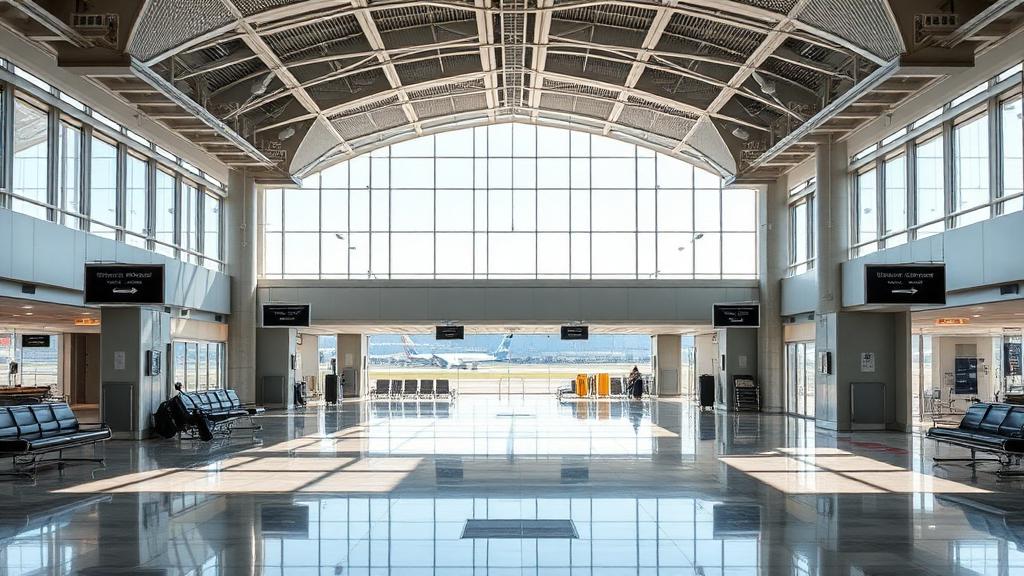
1Why Airports Present Unique Acoustic Challenges
Extreme Sound Pressure Levels
• Auxiliary power units (APUs): 100-115 dB continuous operation at gates during aircraft servicing
• Ground support equipment: Baggage tugs, fuel trucks, and pushback tractors generate 85-95 dB
• Reverse thrust on landing: 110-130 dB affecting terminals near runway ends
• Helicopter operations: 95-105 dB at helipad locations increasingly common at major airports
Passenger Experience Requirements
• Announcement intelligibility: Gate changes, security alerts, and boarding calls must be clearly understood
• Rest areas: Sleeping pods, quiet lounges, and meditation rooms require significant isolation
• Business facilities: Conference rooms and work areas need speech privacy for sensitive calls
• Stress reduction: Research shows lower noise levels reduce passenger anxiety and improve satisfaction scores
Operational Communication Needs
• Operations centers: Ground control, ramp operations, and airline dispatch need speech clarity
• Security checkpoints: TSA agents must communicate clearly with passengers in noisy environments
• Emergency coordination: Crisis communication systems must be audible above ambient noise
• Maintenance facilities: Hangar and shop areas balance productivity with hearing protection requirements
2FAA and International Acoustic Standards
FAA Advisory Circulars
• AC 150/5200-33C: Addresses hazardous wildlife attractants near airports—acoustic barriers can affect wildlife movement
• Part 150 noise compatibility: Airport noise compatibility programs affect land use around airports but also influence terminal design
• Control tower standards: FAA Order 6480.4 specifies acoustic requirements for air traffic control facilities
• Airport improvement program: AIP funding eligibility may require meeting specific acoustic standards
International Civil Aviation Organization (ICAO)
• Annex 16: Environmental protection standards address aircraft noise but influence terminal design
• Doc 9137: Airport services manual includes guidance on terminal building design
• European standards: EASA regulations may apply to terminals serving European carriers
• Bilateral agreements: International terminals must meet standards of all operating countries
Building Code Requirements
• Fire-rated assemblies: Tenant separations, concourse walls, and mechanical rooms require fire ratings that affect acoustic design
• ADA accessibility: Assistive listening systems must function despite high ambient noise levels
• Energy codes: ASHRAE 90.1 affects mechanical system design which impacts acoustic performance
• Local amendments: Many airport jurisdictions adopt enhanced acoustic requirements above base codes
3Terminal Building Acoustic Requirements
Exterior Wall Performance
• OITC ratings: Outdoor-Indoor Transmission Class better predicts low-frequency aircraft noise—specify OITC 45-55
• Glazing systems: Curtain wall systems need laminated acoustic glass with PVB interlayers
• Metal panel systems: Insulated metal panels with MLV liners achieve required ratings cost-effectively
• Entry vestibules: Revolving doors and air curtain vestibules reduce noise infiltration at entrances
Roof and Ceiling Assemblies
• Metal deck roofs: Standing seam and metal deck roofs require mass-loaded barriers above suspended ceilings
• Skylight considerations: Daylighting elements must use acoustic glazing—standard skylights transmit significant noise
• Mechanical equipment: Rooftop HVAC units, exhaust fans, and generators require vibration isolation
• Green roofs: Vegetated roofs provide modest acoustic benefit and are increasingly common at airports
Interior Partition Requirements
• TSA facilities: Security operations centers, interview rooms, and break areas require STC 55-60
• Customs and border: CBP interview rooms and holding areas require speech privacy ratings of AI-45+
• Mechanical rooms: STC 60-65 for spaces housing chillers, emergency generators, and baggage systems
• Restrooms: High-traffic airport restrooms need STC 50 walls to maintain privacy despite volume
4Concourse and Gate Area Design
Concourse Reverberation Control
• Announcement intelligibility: PA systems must be designed for speech intelligibility in reverberant spaces
• Target RT60: Concourse areas should achieve 1.0-1.5 second reverberation time
• Ceiling treatment: Suspended acoustic clouds and baffles reduce reverberation without lowering ceilings
• Flooring choices: Terrazzo and tile are durable but reflective—area rugs and acoustic flooring help in seating areas
Gate Seating Areas
• Jet bridge connections: Boarding bridges transmit significant noise during aircraft servicing—acoustic doors help
• Window wall performance: Gate-facing glazing needs STC 40-45 to manage apron noise
• Adjacent gate isolation: When gates serve different airlines, consider acoustic separation for announcements
• Charging station areas: Work pods with enhanced acoustic privacy are increasingly expected by business travelers
Moving Walkways and Transit Connections
• People mover stations: Automated train systems need acoustic enclosures at platform areas
• Tunnel connections: Underground connectors between terminals benefit from absorption treatment
• Elevator lobbies: Mechanical noise from high-capacity elevator banks requires isolation from waiting areas
• Escalator wells: Multi-story escalator installations create reverberant vertical spaces needing treatment
5VIP Lounges and Business Centers
Airline Lounges
• Quiet zones: Designated quiet areas require STC 55-60 from active dining and bar spaces
• Shower suites: Private shower rooms need STC 50 for guest privacy
• Sleeping rooms: Day rooms and sleep pods require STC 55-60 and background noise below 35 dBA
• Apron-facing views: Floor-to-ceiling windows with runway views need exceptional glazing—STC 45-50 glass
Business Centers and Conference Facilities
• Conference rooms: Meeting spaces for 6-12 people require STC 50-55 and video conferencing acoustic treatment
• Coworking areas: Open work tables benefit from overhead acoustic clouds and sound masking
• Presentation spaces: Larger meeting rooms with AV systems need RT60 under 0.6 seconds
• Interview rooms: Some lounges offer private interview spaces requiring enhanced confidentiality
Spa and Wellness Facilities
• Meditation spaces: Quiet rooms need STC 55-60 to achieve truly peaceful environments
• Yoga studios: Group exercise areas need absorption treatment but typically less isolation
• Wellness lounges: Relaxation areas benefit from nature sounds to mask airport noise
• Aromatherapy considerations: HVAC design for scent management must maintain acoustic isolation
6Operations and Control Tower Spaces
Air Traffic Control Towers
• Radio interference: Acoustic treatments must not create electromagnetic interference with radio equipment
• 360-degree glazing: Full-vision cab windows require exceptional acoustic performance while maintaining visibility
• Console isolation: Controller workstations need local acoustic treatment to separate adjacent positions
• Equipment room separation: Radar, radio, and computer rooms below the cab need STC 60+ isolation
Airport Operations Centers
• Dispatch positions: Airline and ground operations dispatch need local acoustic treatment
• Video wall areas: Situation awareness displays require acoustic treatment to reduce speaker interference
• Break rooms: Adjacent rest areas need STC 50 isolation from 24/7 operations floors
• Training rooms: Simulation and training spaces require STC 55 from operational areas
Security Operations
• Private screening: Secondary screening areas require speech privacy for passenger interviews
• Monitoring rooms: CCTV and alarm monitoring need quiet environments for extended concentration
• Credential verification: Badge offices handle sensitive conversations requiring STC 50 walls
• K-9 facilities: Working dog areas need acoustic separation from public and administrative spaces
7Retail and Food Service Acoustics
Retail Store Requirements
• Music systems: Retail audio must be contained within tenant spaces—STC 45-50 demising walls
• Transaction privacy: Point-of-sale areas handling payments benefit from local acoustic treatment
• High ceilings: Airport retail often has exposed ceilings requiring suspended acoustic elements
• Flexible layouts: Demountable walls for tenant changes must maintain acoustic ratings
Food Court Design
• Kitchen extraction: Commercial exhaust hoods generate 70-80 dBA requiring duct silencing
• Dishwashing areas: Warewashing operations need STC 50 enclosures to contain noise
• Absorption requirements: Ceiling coverage of 60-80% with NRC 0.85+ materials reduces reverberation
• Furniture selection: Upholstered seating absorbs sound—hard plastic chairs worsen acoustics
Restaurant and Bar Spaces
• Bar areas: Sports bars with multiple TVs need local speaker systems and absorption to control bleed
• Private dining: Airport restaurants increasingly offer private rooms requiring STC 50 walls
• Outdoor terraces: Apron-side patios need acoustic barriers and may face noise restrictions
• Kitchen visibility: Open kitchen concepts need acoustic separation without visual barriers
8MLV Installation Strategies for Airports
Exterior Envelope Applications
• Metal panel systems: MLV layers within insulated metal panel assemblies achieve STC 55-60
• Roof deck barriers: Continuous MLV membranes above suspended ceilings block overhead aircraft noise
• Skylight perimeters: MLV wraps at skylight curbs prevent sound flanking around glazing
• Louver backs: Fresh air louvers with MLV-lined plenums reduce OITC degradation at openings
Interior Partition Systems
• Demising walls: Tenant separations with MLV provide flexibility for changing airline and retail tenants
• Plenum barriers: Continuous MLV barriers above ceilings prevent sound travel between spaces
• Door assemblies: MLV-cored doors and perimeter seals upgrade standard doors to STC 40-45
• Moveable walls: MLV can enhance operable partition performance for multi-purpose spaces
Mechanical System Treatment
• Ductwork wrapping: MLV on supply and return ducts near occupied spaces prevents duct breakout noise
• Silencer connections: MLV-wrapped transitions at duct silencers ensure performance isn't bypassed
• Equipment rails: Vibration-isolated equipment on MLV-damped supports reduces structure-borne noise
• Access panels: MLV-backed access doors maintain acoustic integrity at maintenance openings
Specialty Applications
• Baggage system enclosures: MLV-lined conveyor enclosures contain mechanical and impact noise
• Control tower glazing: MLV at mullion connections prevents sound flanking around expensive acoustic glass
• Generator rooms: Emergency generator enclosures with MLV achieve required outdoor noise limits
• Data centers: Airport IT infrastructure with cooling systems needs MLV isolation from adjacent spaces
10Conclusion
FAQs: Airport Construction Soundproofing
Related Guides in Building Codes
Continue exploring with these hand-picked articles
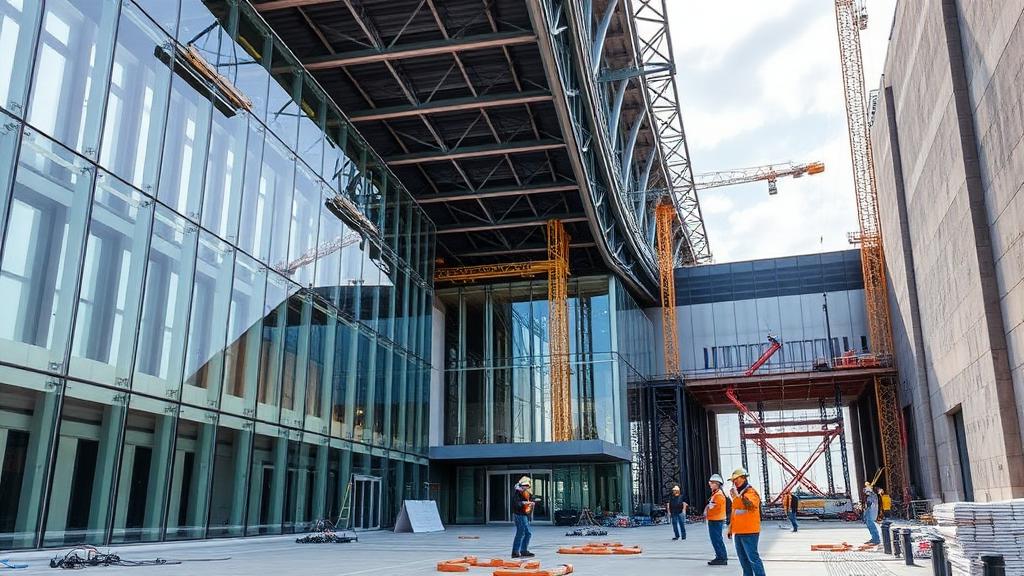
Museum Construction: MLV Requirements and Building Codes
Building code requirements for soundproofing in museums and cultural institutions. How MLV helps developers achieve gallery-to-gallery isolation, protect collections from vibration damage, meet conservation standards, and create contemplative visitor experiences.
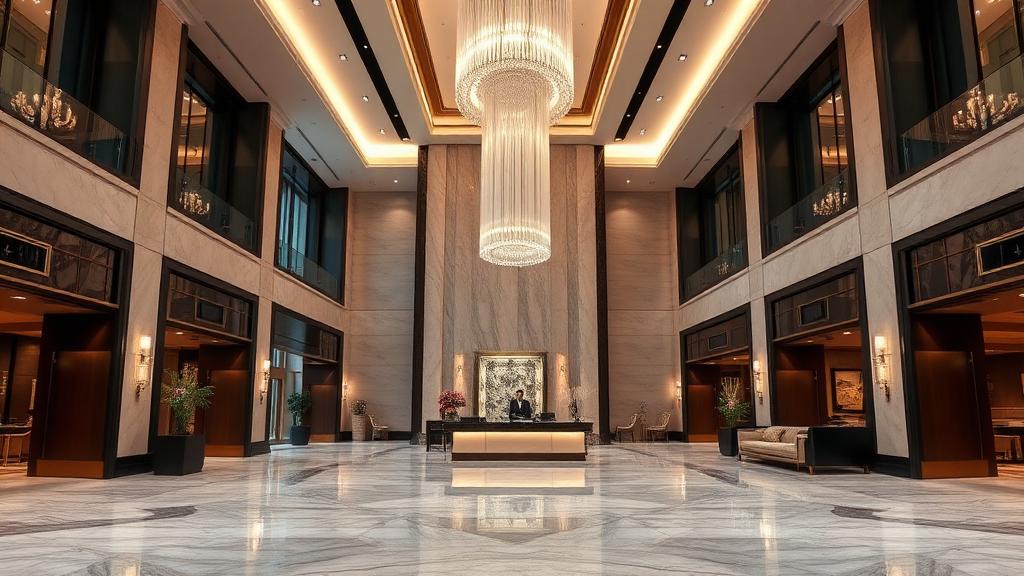
Hotel Construction: MLV Requirements & Building Codes
Building code requirements for soundproofing in hotels and hospitality construction. How MLV helps developers meet STC requirements, brand acoustic standards, and cost-effective wall/floor assemblies for hotel projects.
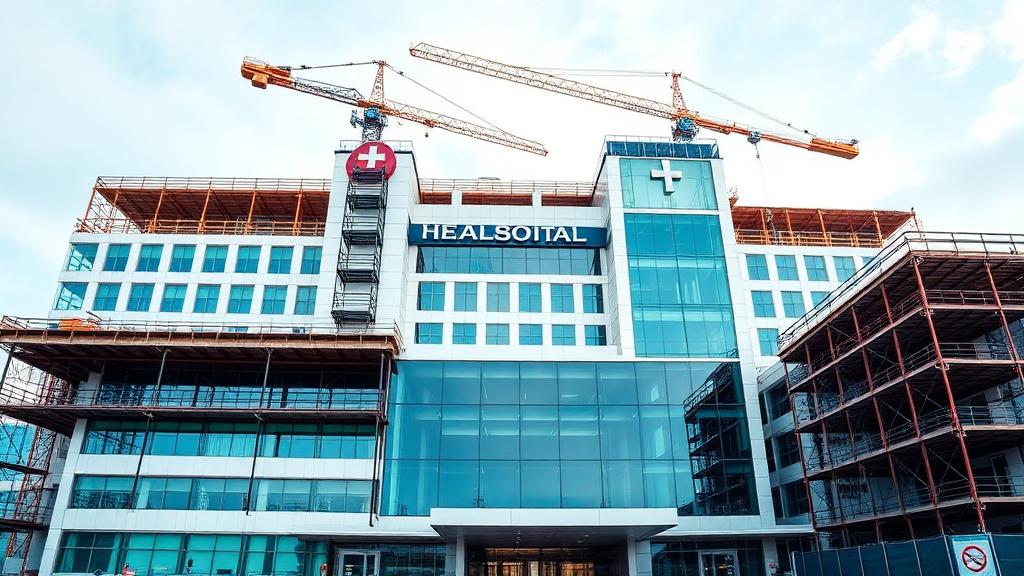
Hospital Construction: MLV Requirements & Building Codes
Building code requirements for soundproofing in hospitals and healthcare facilities. How MLV helps developers meet STC requirements for patient rooms, operating theaters, diagnostic imaging, and HIPAA-compliant speech privacy.
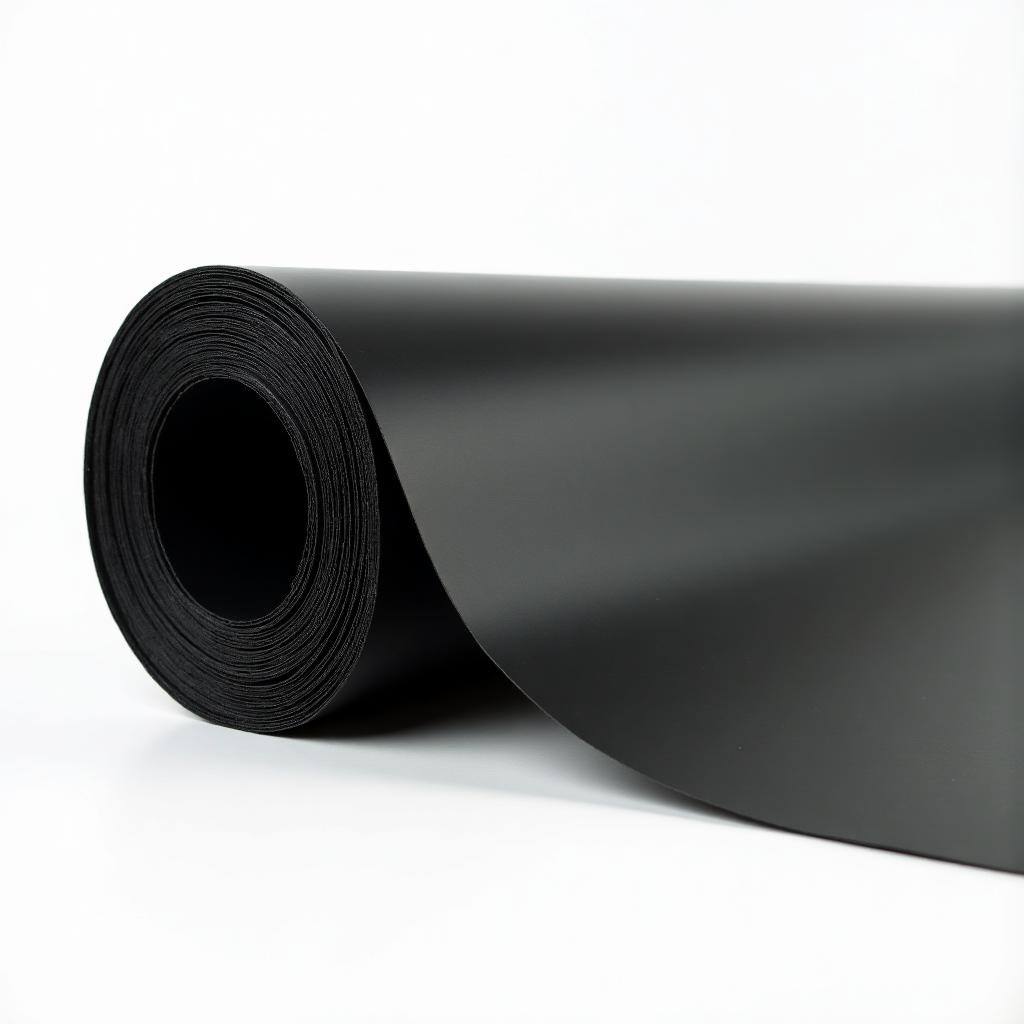
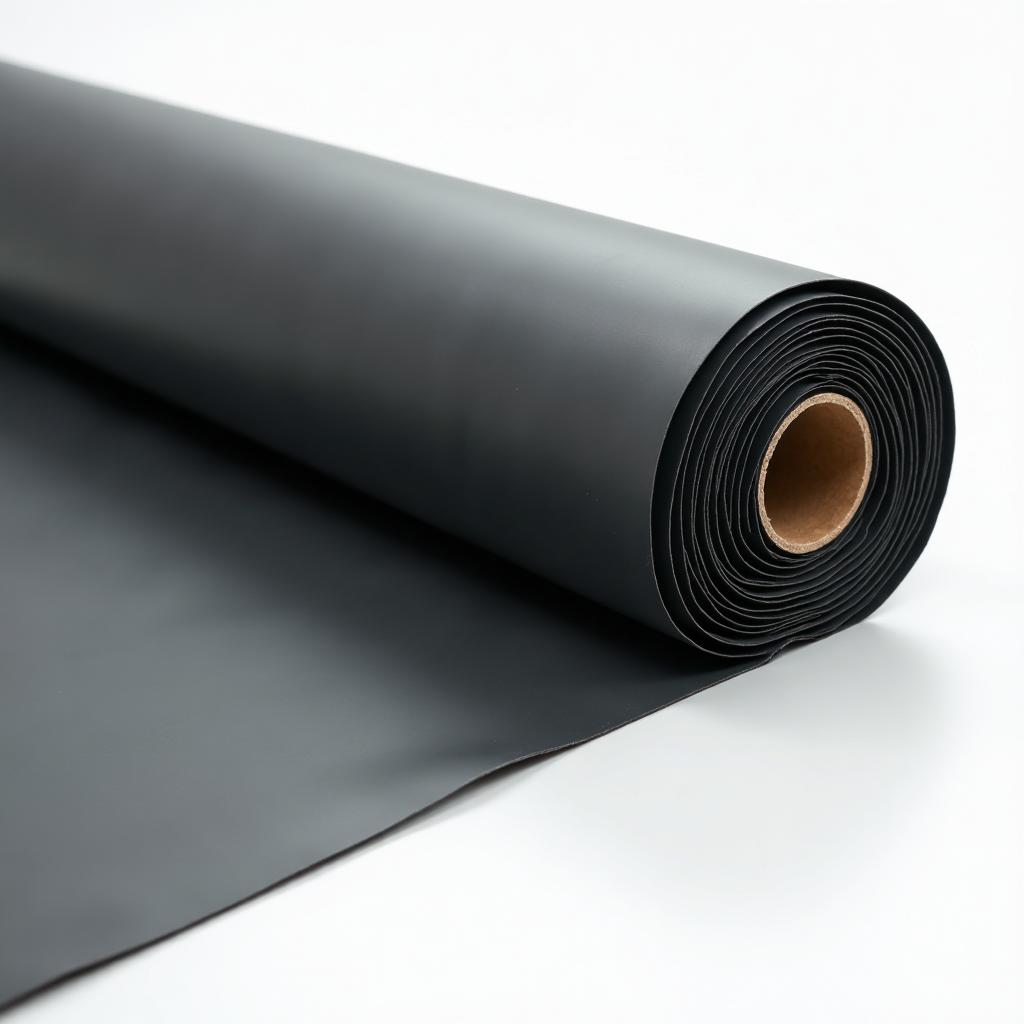
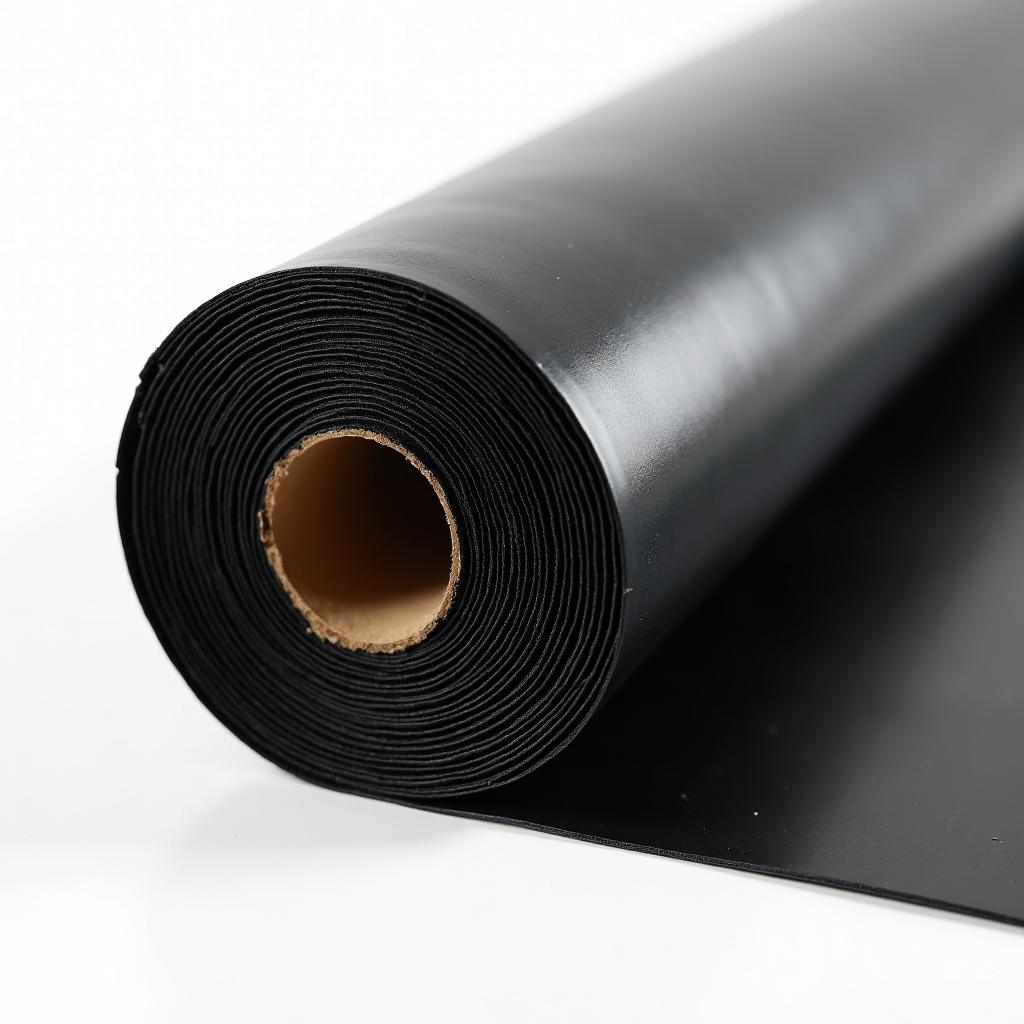
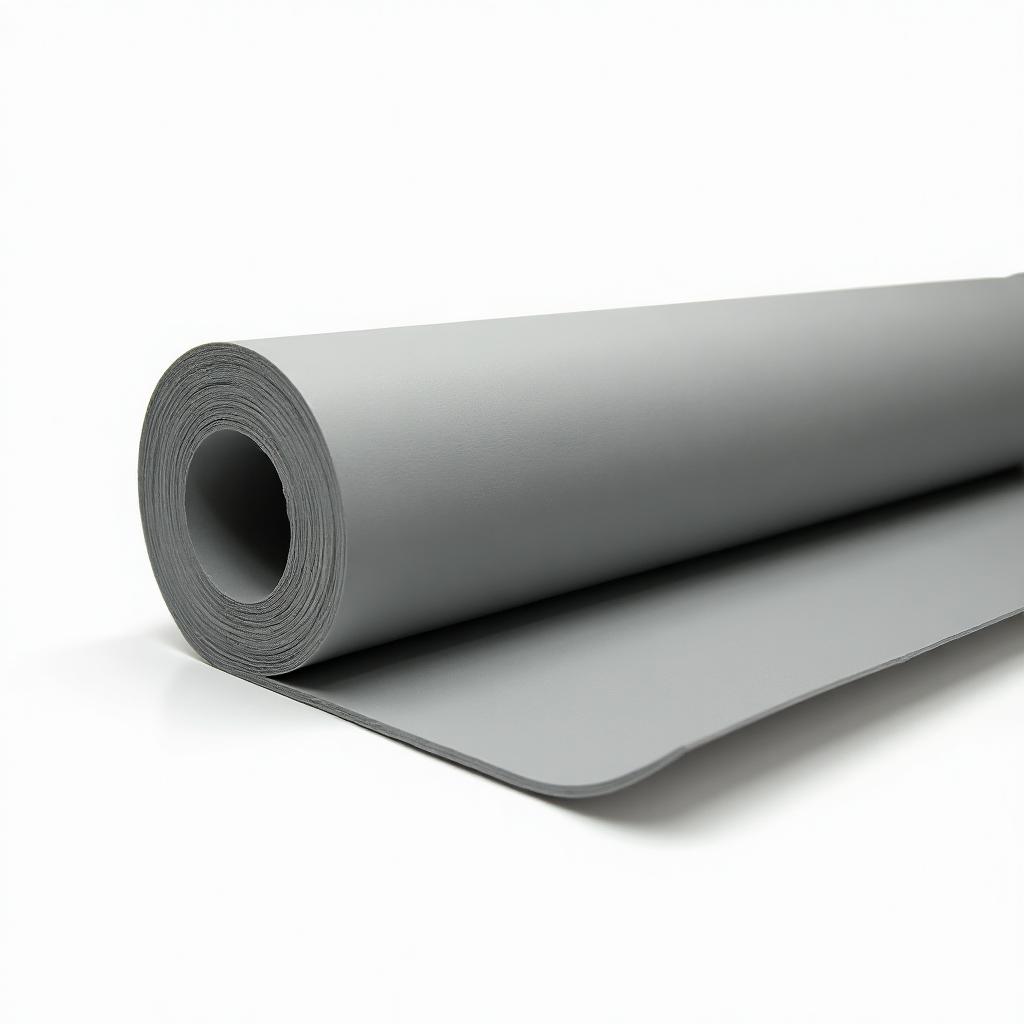
Our Complete Product Line
Professional-grade soundproofing materials for any application
Need Expert Soundproofing Advice?
Our team of soundproofing specialists is here to help you choose the right products and installation methods for your museum or gallery project.