Resilient Channel vs MLV: The Decoupling Debate
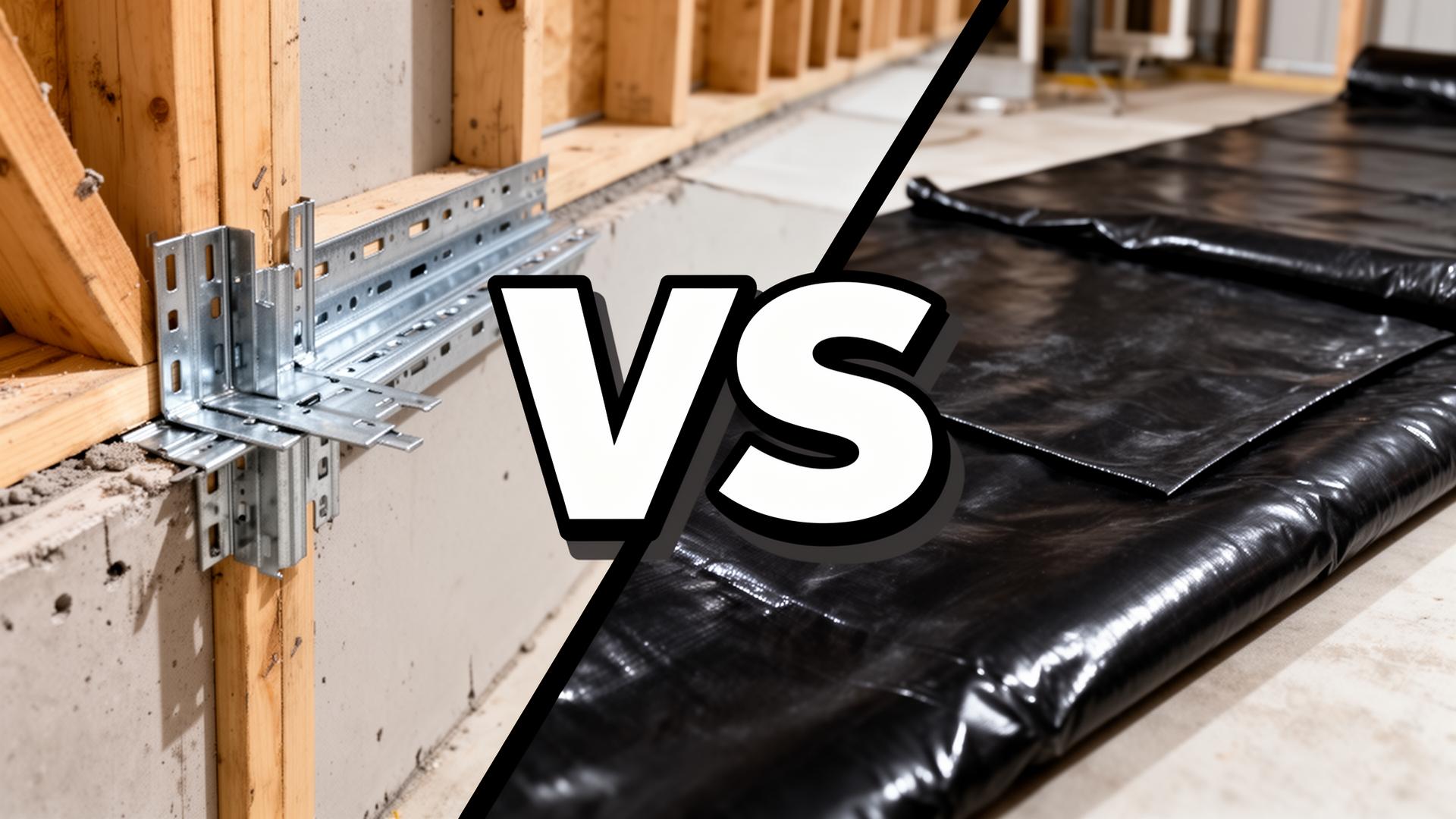
1Decoupling vs Mass: Two Different Physics
The Decoupling Principle (Resilient Channels)
The Mass Law Principle (MLV)
The Key Difference
• MLV: Doesn't decouple—it adds mass to resist vibration
• Combined: Break the path AND add mass for maximum performance
2How Each Material Works
Resilient Channel Mechanics
• Drywall attaches to channels only—never through to studs
• The channel's spring action absorbs vibration before it reaches drywall
• Air gap between channel legs further reduces solid transmission
• Material: 25-gauge galvanized steel
• Profile: Hat-shaped with offset mounting leg
• STC improvement: +5 to +12 points when properly installed
• Critical requirement: No "short circuits" (screws touching studs through drywall)
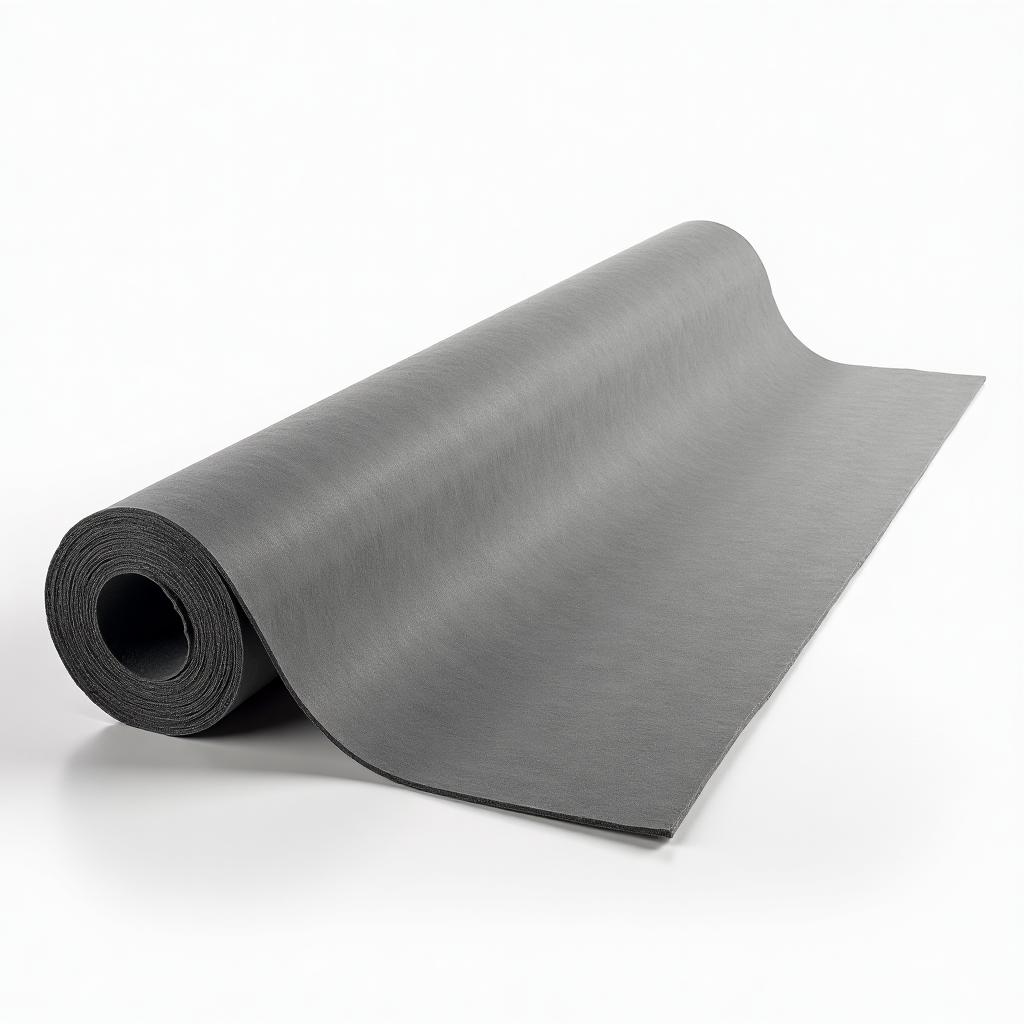
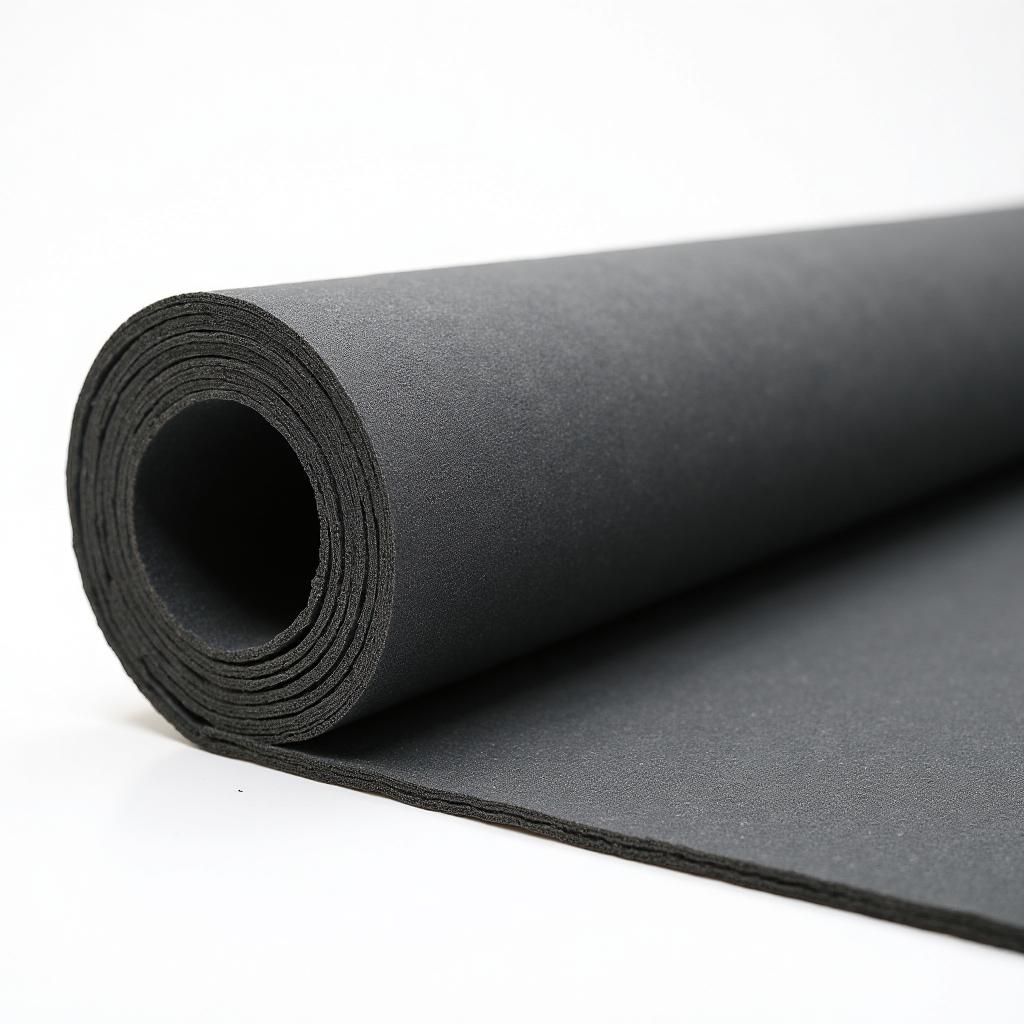
MLV Mechanics
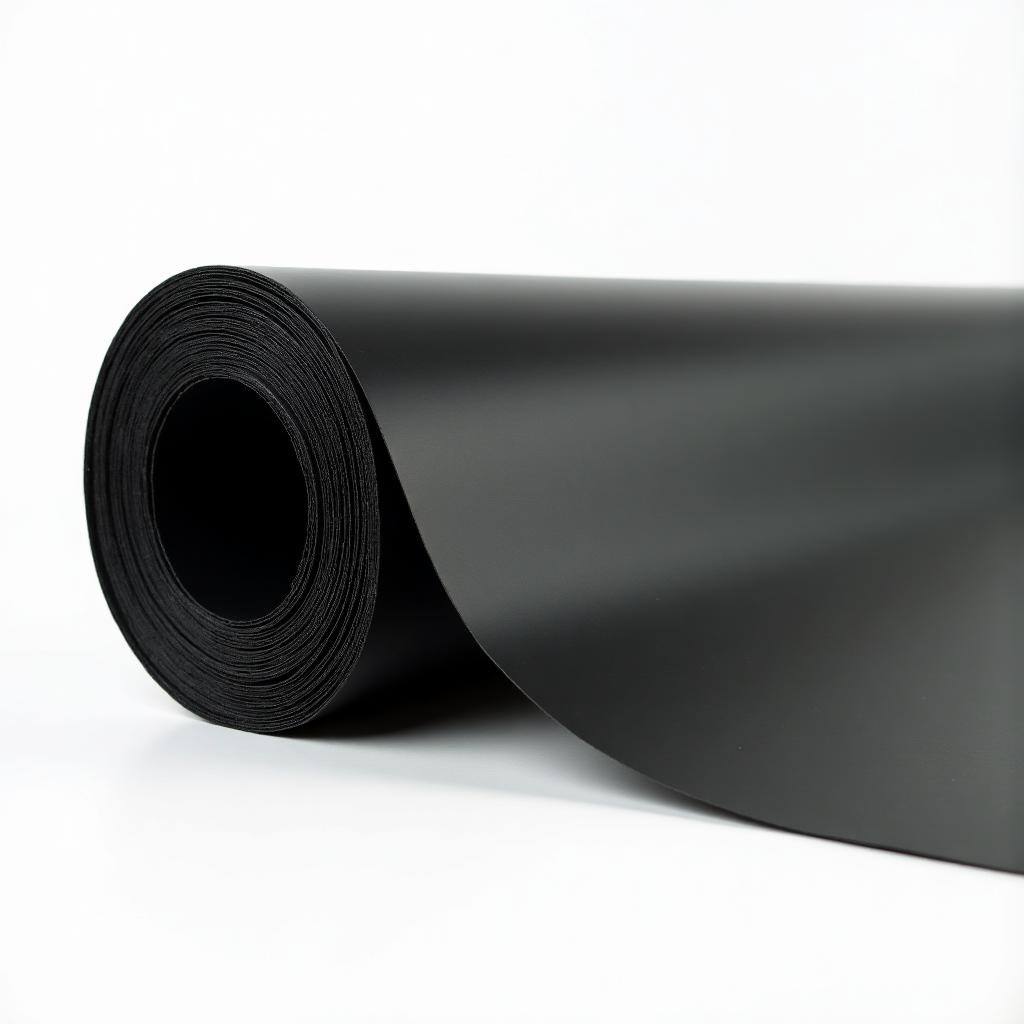
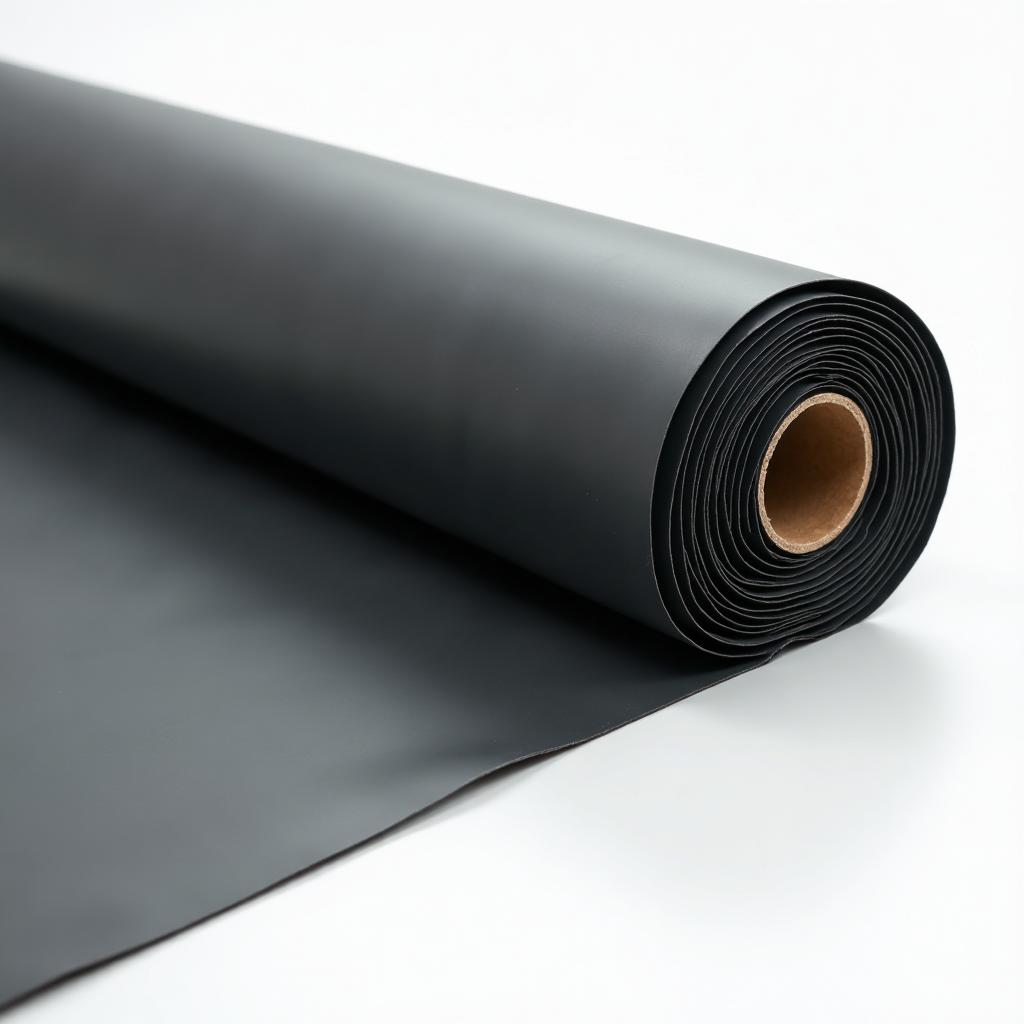
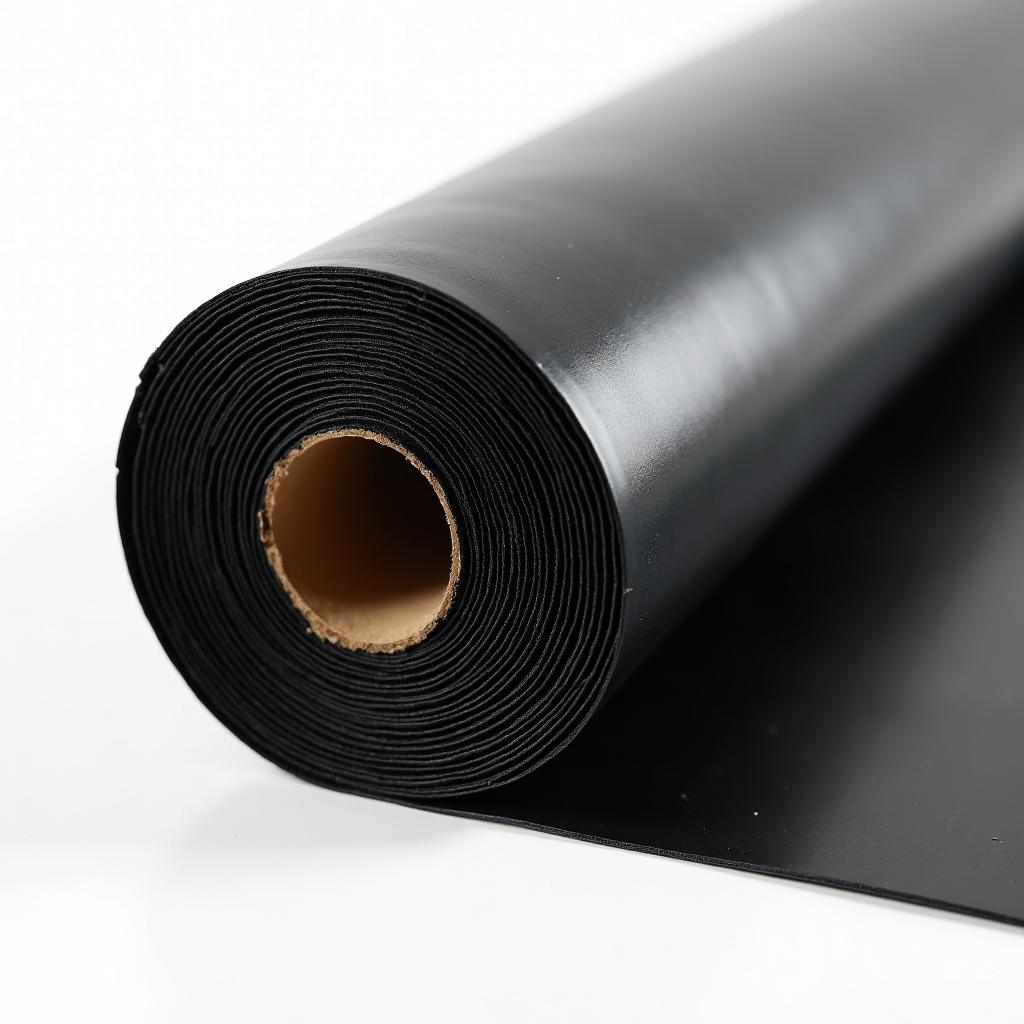
• Flexible "limp mass" doesn't resonate like rigid materials
• Works by making the wall harder to vibrate—less energy transfers through
• Blocks low frequencies that lightweight materials can't stop
• Density: 1 lb/ft² (standard) to 2 lb/ft² (heavy duty)
• Thickness: 1/8" (1 lb) to 1/4" (2 lb)
• STC improvement: +5 to +10 points depending on weight
• Installation: Between studs and drywall, or over existing drywall with new drywall layer
3Performance Comparison
| Property | Resilient Channels | Mass Loaded Vinyl (1 lb) |
|---|---|---|
| Primary Mechanism | Decoupling (breaks vibration path) | Mass loading (resists vibration) |
| STC Improvement | +5 to +12 points | +5 to +10 points |
| Low Frequency Performance | Good (reduces transmission) | Excellent (mass blocks bass) |
| Installation Sensitivity | Very high (short circuits ruin performance) | Moderate (seams must be sealed) |
| DIY Difficulty | Challenging (easy to make mistakes) | Moderate (heavy but straightforward) |
| Retrofit Capability | Requires drywall removal | Can add over existing drywall |
| Added Wall Thickness | ~7/8" (channel depth) | ~1/8" to 1/4" |
| Fire Rating Impact | Maintains ratings (tested assemblies) | Maintains ratings (Class A rated) |
| Risk of Failure | High if short-circuited | Low (mass always helps) |
4Installation Complexity
Resilient Channel Installation
• Mount channels horizontally, perpendicular to studs
• Space 16" or 24" on center (verify with manufacturer)
• Use short screws to attach channels to studs (1" max)
• Apply drywall to channels only—screws must not touch studs
• Wrong screw placement: Screws must go through drywall into channel flange only—never into the channel web or directly into studs.
• Inadequate blocking: Heavy items (cabinets, TVs) require solid blocking. This blocking creates a short circuit unless properly isolated.
• Perimeter sealing: Channels at top/bottom plates need proper isolation—caulk or foam between channel and structure.
MLV Installation
• Staple or nail at 16-24" intervals—just enough to hold until drywall is applied
• Seal all seams with acoustic caulk or MLV tape
• Seal perimeter with acoustic caulk at floor, ceiling, and corners
• Missing perimeter seal: Sound leaks at edges where MLV meets floor, ceiling, or intersecting walls. Caulk all perimeters.
• Penetrations: Electrical boxes, pipes, and HVAC create gaps. Use acoustic putty pads behind boxes and seal around penetrations.
5Cost Analysis
Resilient Channel Costs
• Screws and fasteners: $0.05-$0.10 per sq ft
• Labor premium: +15-25% over standard drywall (requires more care)
• Total installed cost: $0.50-$1.00 per sq ft (material + labor premium)
MLV Costs
• Tape/caulk: $0.10-$0.20 per sq ft
• Labor: Standard installation rates (no special skills required)
• Total installed cost: $2.00-$3.50 per sq ft
Cost Comparison Summary
| Approach | Cost/sq ft | STC Gain | Cost per STC Point |
|---|---|---|---|
| Resilient Channels | $0.50-$1.00 | +5 to +12 | $0.06-$0.13 |
| MLV (1 lb) | $2.00-$3.50 | +5 to +10 | $0.29-$0.50 |
| Both Combined | $2.50-$4.50 | +12 to +18 | $0.17-$0.28 |
6When Resilient Channels Win
7When MLV Is Superior
8The Ultimate Combination
Combined Assembly Design
• Resilient channels or sound isolation clips
• 1 lb/ft² MLV (stapled to studs)
• 3.5" or 5.5" mineral wool insulation in cavity
• 1 lb/ft² MLV (stapled to opposite side studs)
• 5/8" Type X drywall
Why Combining Works
• MLV: Add mass that requires more energy to vibrate
• Insulation: Absorb sound energy within the cavity
• Result: Multiple barriers that each reduce transmission
When to Invest in Both
• Home theaters with reference-level subwoofers
• Multi-family projects exceeding code minimums
• Mechanical room isolation (HVAC, generators)
• Any application where acoustic failure is unacceptable
10Conclusion
FAQs: Resilient Channel vs MLV
Related Guides in Comparison
Continue exploring with these hand-picked articles
Drywall vs MLV: The Heavyweight Battle for Silence
Drywall is everywhere, but can stacking more of it compete with Mass Loaded Vinyl for soundproofing? Compare STC ratings, installation, and costs to find the best noise-blocking solution.
Green Glue vs MLV: The Damping Compound Showdown
Green Glue damping compound vs Mass Loaded Vinyl - which soundproofing material wins? Compare cost, STC performance, installation, and ideal use cases for each solution.
QuietRock vs MLV: The Engineered Drywall Duel
QuietRock engineered drywall vs Mass Loaded Vinyl - which soundproofing solution wins? Compare STC ratings, installation, cost, and when to use each for your project.
Our Complete Product Line
Professional-grade soundproofing materials for any application
Need Expert Soundproofing Advice?
Our team of soundproofing specialists is here to help you choose the right products and installation methods for your museum or gallery project.