Natural vs. Synthetic Acoustic Treatment: Pros, Cons, & What Performs Better
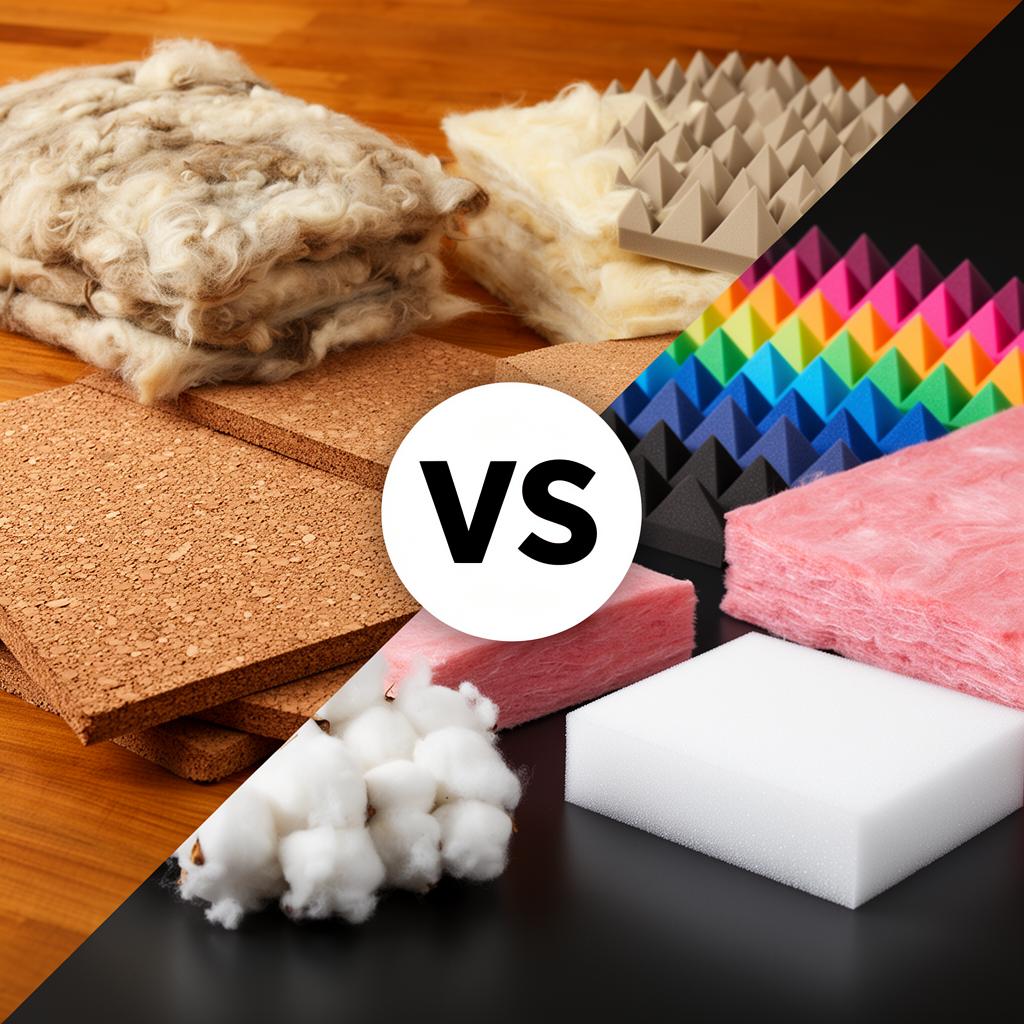
1Why This Comparison Matters Now
• Indoor air quality awareness: Fiberglass releases airborne particles during installation and can off-gas formaldehyde from binders. Polyurethane foam emits VOCs for months after installation. Clients and occupants now ask pointed questions about material toxicity.
• Performance parity: Early natural acoustic products performed poorly compared to engineered synthetics. Modern wool, cotton, and cork products have closed the gap dramatically — some now match or exceed their synthetic counterparts in lab-tested NRC ratings.
2Natural Acoustic Materials: The Contenders
Sheep Wool Acoustic Panels
• Strengths: Naturally flame-resistant (self-extinguishing), regulates humidity by absorbing and releasing moisture, contains no formaldehyde or VOCs, biodegradable at end of life
• Weaknesses: Higher cost than fiberglass, limited availability in some markets, requires moth treatment for longevity
Recycled Cotton (Denim) Insulation
• Strengths: Made from 80%+ recycled content, no skin irritation during installation (unlike fiberglass), excellent mid-frequency absorption, Class A fire rated with borate treatment
• Weaknesses: Heavier than fiberglass equivalents, absorbs moisture if exposed to bulk water, slightly lower high-frequency absorption than mineral wool
Cork Panels and Tiles
• Strengths: Naturally antimicrobial and hypoallergenic, excellent vibration damping, visually distinctive warm aesthetic, 100% renewable and recyclable
• Weaknesses: Lower NRC than fibrous alternatives, best suited as a complement to other treatments rather than a primary absorber, premium pricing
3Synthetic Acoustic Materials: The Contenders
Fiberglass Panels (OC 703 / 705)
• Strengths: Highest NRC per dollar, extremely consistent performance, fire-rated, available everywhere, decades of proven field performance
• Weaknesses: Skin and respiratory irritant during installation, contains formaldehyde-based binders (low-formaldehyde options available at premium), not biodegradable, requires fabric wrapping for finished appearance
Polyurethane Acoustic Foam
• Strengths: Lightweight, easy to cut and install, inexpensive, available in colors and decorative patterns, no fabric wrapping needed
• Weaknesses: Poor low-frequency absorption, degrades and crumbles within 5-10 years, flammable without treatment (fire risk in studios), off-gasses VOCs, not recyclable
Melamine Foam Panels
• Strengths: Class A fire rated without additional treatment, lightweight, good broadband absorption, does not support mold growth
• Weaknesses: Brittle and fragile, expensive compared to other foams, limited color options, not recyclable or biodegradable
4Head-to-Head Performance Comparison
| Material (2") | 250 Hz | 500 Hz | 1000 Hz | NRC |
|---|---|---|---|---|
| Fiberglass (OC 703) | 0.76 | 0.99 | 1.09 | 0.95 |
| Sheep Wool | 0.62 | 0.90 | 0.98 | 0.85 |
| Melamine Foam | 0.55 | 0.85 | 0.95 | 0.80 |
| Recycled Cotton | 0.50 | 0.82 | 0.90 | 0.75 |
| Polyurethane Foam | 0.30 | 0.55 | 0.75 | 0.55 |
| Cork (expanded) | 0.25 | 0.45 | 0.60 | 0.45 |
5Sustainability & Environmental Impact
• End of life: Wool and cotton biodegrade naturally. Cork is infinitely recyclable. Fiberglass sits in landfills indefinitely. Polyurethane foam cannot be recycled and releases toxic compounds when incinerated.
• VOC emissions: Natural materials emit zero or near-zero VOCs. Fiberglass binders release formaldehyde (0.05-0.1 ppm in standard products). Polyurethane foam off-gasses isocyanates and other chemicals for months after installation.
• Renewable sourcing: Sheep wool is shorn annually without harming the animal. Cork bark regenerates every 9 years. Cotton uses recycled post-consumer waste. Glass and petroleum are finite resources.
6Cost Comparison: What You Actually Pay
• Polyurethane foam: $0.50-2.00 per square foot depending on thickness and quality
• Recycled cotton batts: $1.00-1.80 per square foot — competitive with fiberglass
• Sheep wool panels: $2.50-5.00 per square foot — 2-3x the cost of fiberglass
• Melamine foam: $2.00-4.00 per square foot
• Cork panels: $3.00-8.00 per square foot — the premium option
7Which Should You Choose?
9Conclusion
FAQs: Natural vs Synthetic Acoustic Treatment
Related Guides in Comparisons
Continue exploring with these hand-picked articles
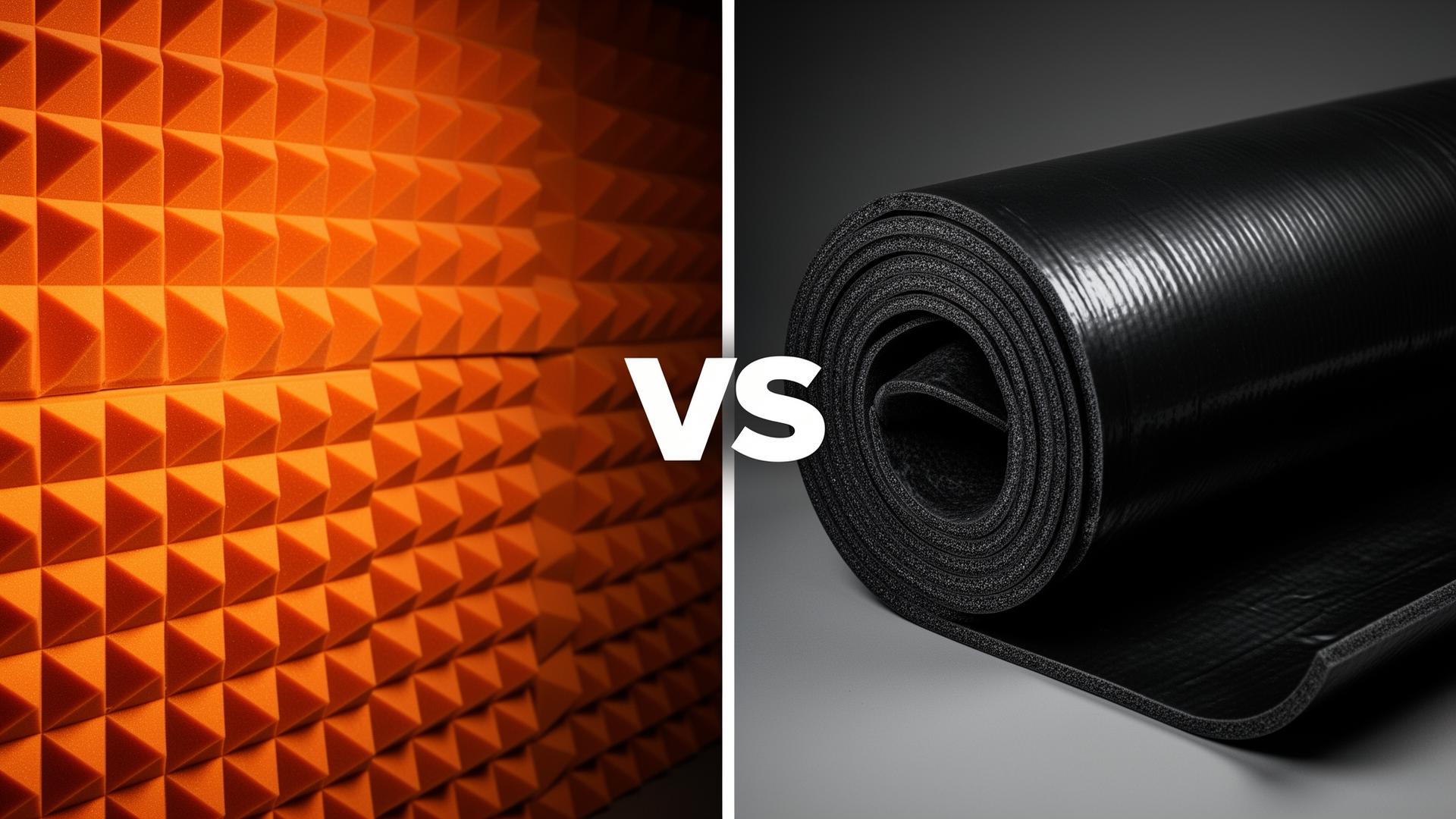
Acoustic Foam vs MLV: Which One Actually Stops Noise?
Acoustic foam absorbs echo while MLV blocks sound transmission—they're not the same thing. Discover which material you actually need, why foam won't stop neighbor noise, and when to use both for optimal acoustic control.
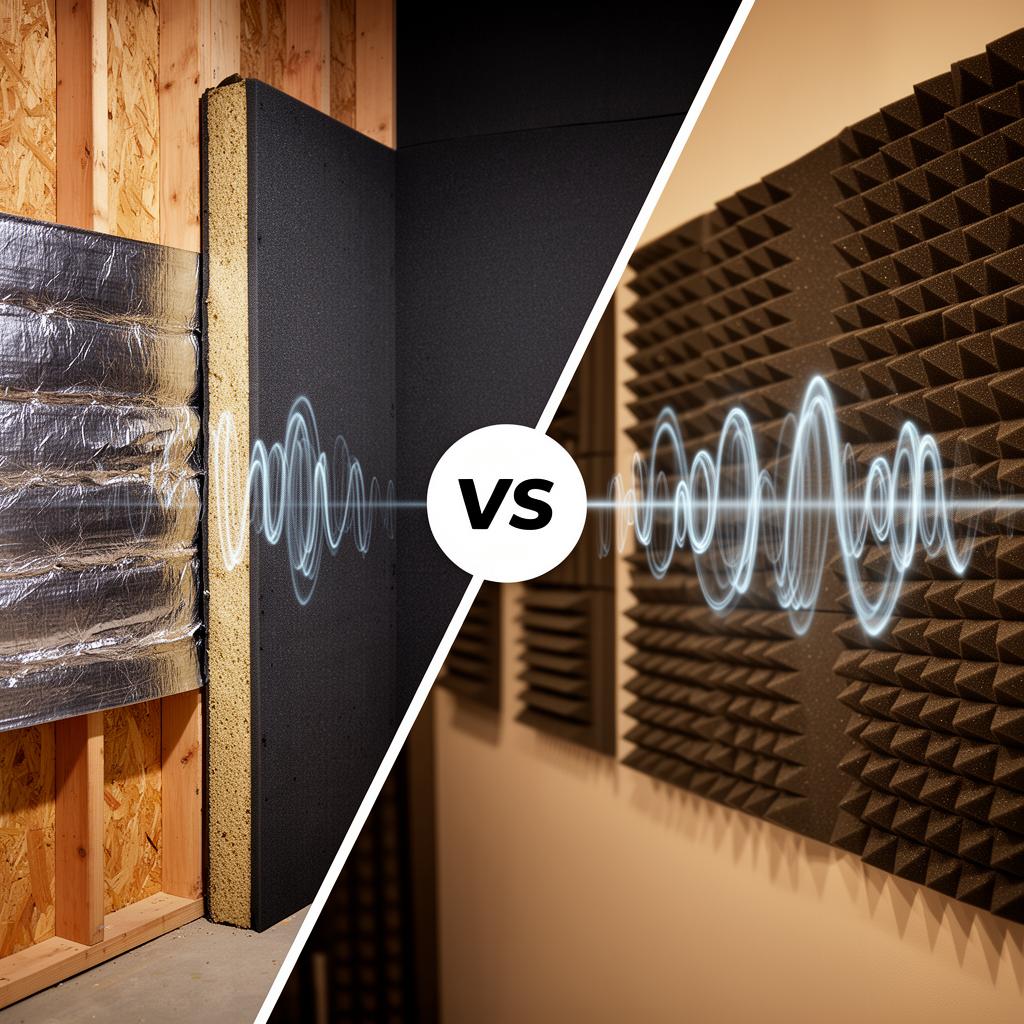
Soundproofing vs Sound Absorbing: The Critical Difference That Costs Thousands
Soundproofing blocks noise between spaces using dense materials like MLV. Sound absorption reduces echo within a room using porous materials like foam. Learn exactly when to use each, how they work differently, and why confusing them wastes thousands of dollars.
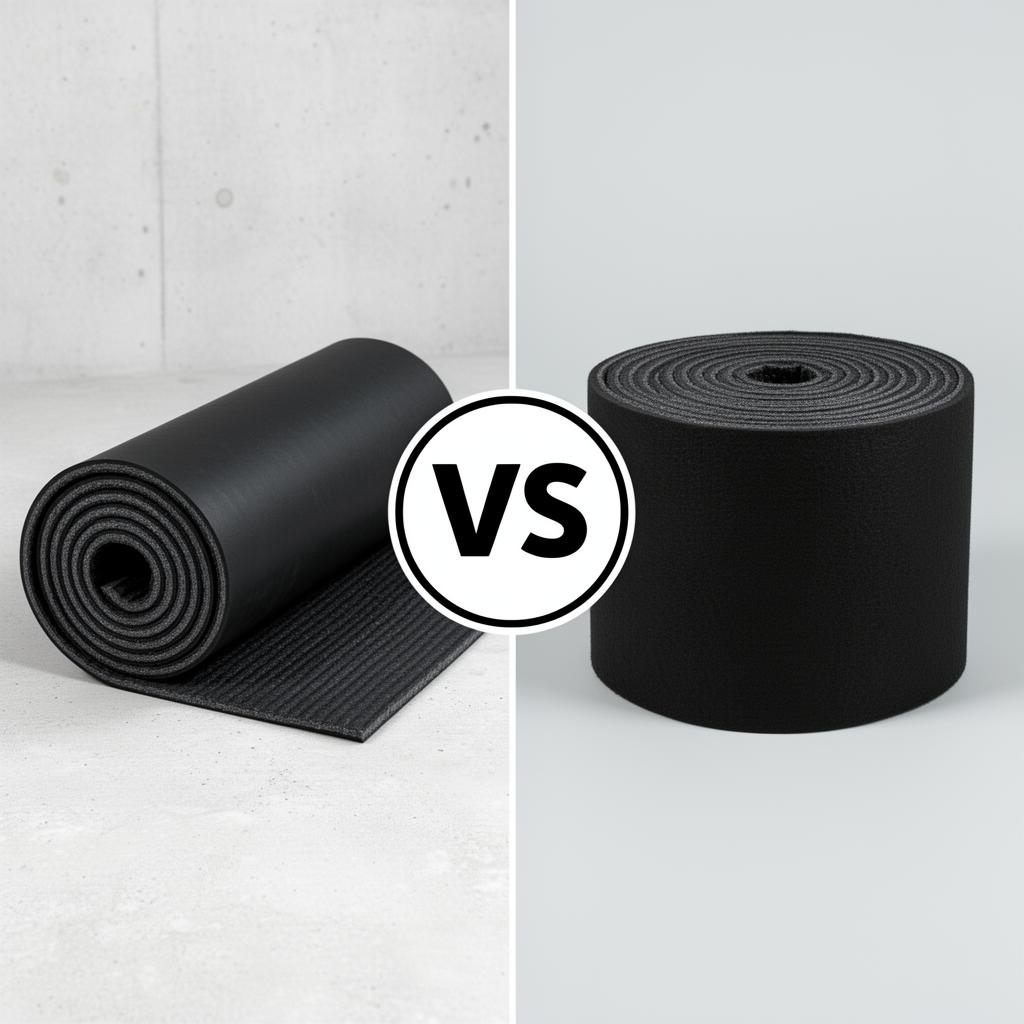
1 lb vs. 2 lb Mass Loaded Vinyl: Which Thickness Should You Buy?
Compare 1 lb/ft² MLV (STC 26) vs 2 lb/ft² MLV (STC 32). Practical buyer's guide covering use cases, cost math, wall assemblies, and when upgrading to 2 lb MLV is worth the investment.
Our Complete Product Line
Professional-grade soundproofing materials for any application
Need Expert Soundproofing Advice?
Our team of soundproofing specialists is here to help you choose the right products and installation methods for your museum or gallery project.