Museum Soundproofing with Mass Loaded Vinyl (MLV)
Key Takeaway
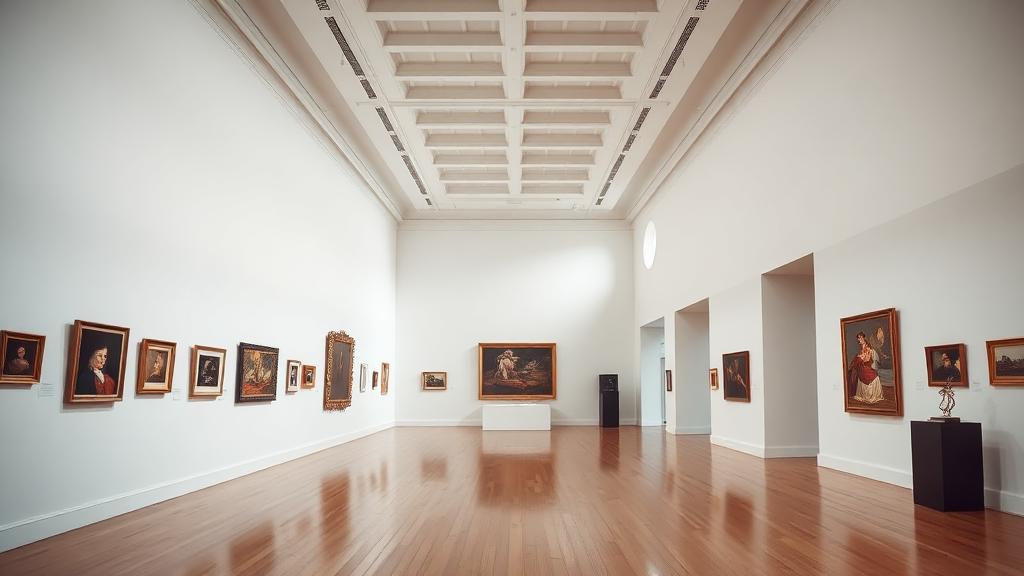
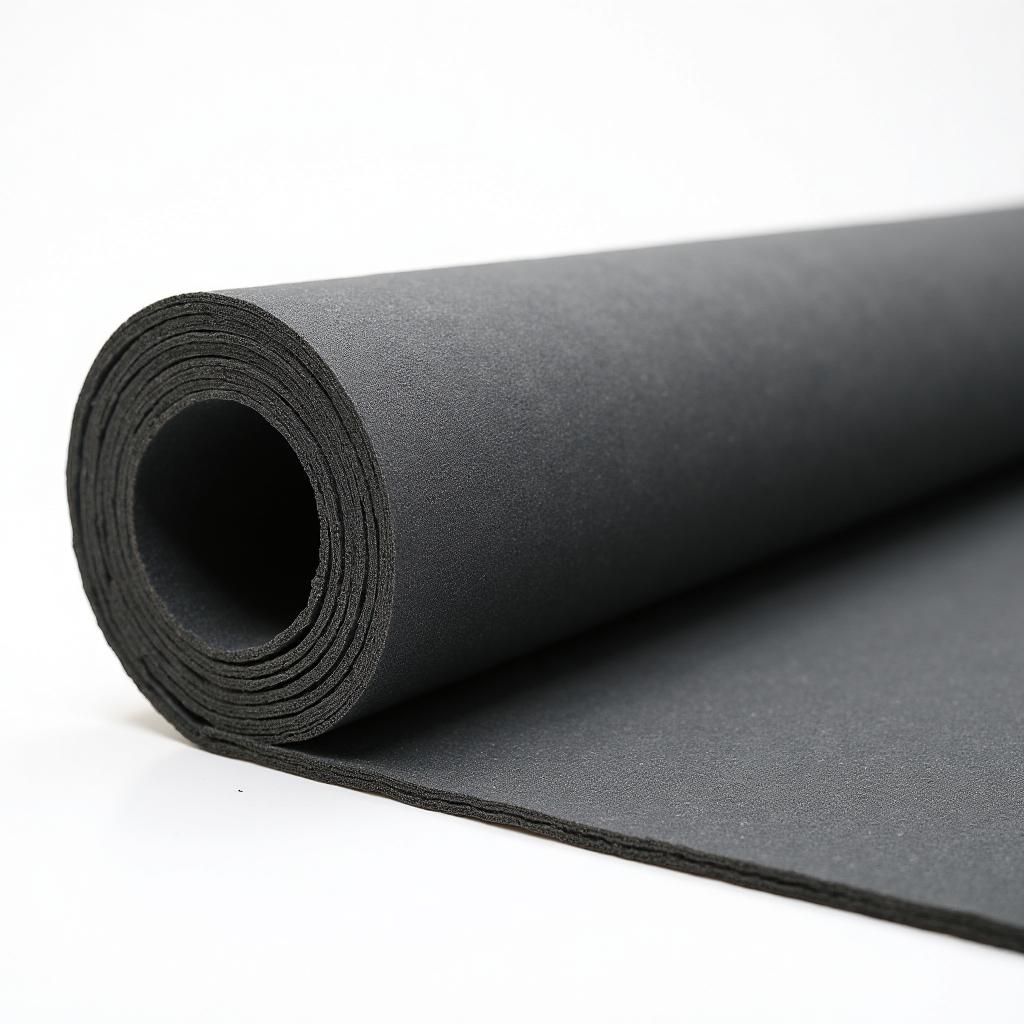
Museums require NC 25-30 ambient levels—significantly quieter than offices or homes. Mass loaded vinyl provides the dense, flexible barrier needed to create isolated acoustic zones while protecting sensitive collections from damaging vibrations.
1Why Museums Require Specialized Acoustic Design
The Unique Acoustic Demands of Cultural Institutions
• Collection preservation: Sound isn't just audible—it's physical vibration. Low-frequency sound from HVAC systems, traffic, and construction can cause micro-vibrations that gradually damage paintings, loosen joints in furniture, and affect delicate paper and textile artifacts
• Accessibility compliance: Hearing-impaired visitors rely on reduced ambient noise to use hearing aids and assistive listening devices effectively. ADA guidelines recommend background noise levels below 35 dB in exhibit areas
• Educational programming: Museums increasingly host lectures, performances, and interactive workshops that require isolated spaces to avoid disturbing galleries
• Revenue generation: After-hours events, corporate rentals, and weddings in museum spaces require sound isolation to protect both the event experience and overnight security
The Cost of Poor Museum Acoustics
• Reduced visitor dwell time and lower satisfaction scores
• Complaints from neighbors in urban locations
• Conservation concerns when vibration affects collection stability
• Limited ability to host revenue-generating events
• Staff fatigue and reduced productivity in noisy work areas
• Failed multimedia installations when sound bleeds between exhibits
2Understanding Museum Acoustic Challenges
External Noise Sources
• Aircraft: Institutions near flight paths face intermittent but intense noise events reaching 80+ dB
• Construction: Urban museums frequently deal with nearby construction creating both airborne noise and ground-borne vibration
• Subway and rail: Underground transit systems generate low-frequency vibration that travels through building foundations
Internal Noise Sources
• Multimedia exhibits: Video installations, interactive displays, and soundscapes create intentional sound that must be contained
• Visitor movement: Footfall on hard floors, stroller wheels, conversation, and guided tours create variable but persistent noise
• Cafés and gift shops: Point-of-sale systems, refrigeration, espresso machines, and customer activity generate commercial-level noise
• Events: Lectures, receptions, and performances can reach 85+ dB in event spaces
Acoustic Transmission Pathways
• Direct airborne transmission through walls and partitions
• Structure-borne transmission through floor slabs and columns
• Flanking paths around partitions via ceilings and raised floors
• Duct crosstalk through HVAC systems
• Gaps at doors, windows, and service penetrations
3How Mass Loaded Vinyl Protects Collections and Visitors
The Physics of MLV in Museum Applications
• Weight matters: Historic buildings may have load limitations. MLV at 1-2 pounds per square foot adds minimal structural load compared to concrete or multiple drywall layers
• Flexibility is essential: MLV conforms to complex surfaces, wraps around ductwork, and integrates with irregular historic construction where rigid materials cannot
Performance Specifications for Museums
• 1 lb/sf MLV: Standard specification for gallery-to-gallery isolation and HVAC wrapping. Adds STC 5-8 points to wall assemblies
• 2 lb/sf MLV: Premium specification for isolation between galleries and high-noise areas (cafés, mechanical rooms, event spaces). Adds STC 8-12 points
• Reinforced MLV: For applications requiring additional tensile strength during installation in difficult access areas
Vibration Damping Properties
• Reduces transmission of mechanical vibration from HVAC equipment
• Dampens structure-borne noise from elevators and escalators
• Attenuates footfall vibration in floors above collection storage
• Provides a resilient layer that interrupts vibration transmission through building structure
4Gallery Wall Assemblies for Optimal Sound Isolation
Permanent Gallery Partitions (STC 55-60)
• Cavity treatment: Full-depth mineral wool insulation (minimum 3.5", preferably 6")
• Mass layer: 1 lb/sf MLV applied continuously over studs with seams overlapped 2" and sealed with MLV tape
• Decoupling: Resilient channels at 24" on center on gallery side
• Finish layer: Double 5/8" Type X drywall with staggered joints
• Perimeter sealing: Acoustic caulk at all edges, penetrations, and outlets
Ultra-High Performance Assembly (STC 65+)
• Full insulation: Mineral wool in both cavities
• Dual MLV layers: 1 lb/sf MLV on each stud wall
• Triple-layer drywall: With damping compound between layers
• Acoustical door assemblies: STC 45+ rated doors with full perimeter seals
• Expected performance: STC 65-70, providing 99%+ perceived sound reduction
Movable Exhibition Walls
• MLV core layer sandwiched between panel faces
• Continuous gaskets at floor and ceiling connections
• Modular acoustic seals between panel units
• Typical performance: STC 35-45 depending on configuration
5Ceiling and HVAC System Treatments
Gallery Ceiling Assemblies
• Lighting integration: Track lighting requires careful sealing where tracks penetrate acoustic barriers
• Sprinkler heads: Fire suppression penetrations sealed with acoustic caulk or fire-rated acoustic putty pads
• Return air plenums: When ceiling spaces serve as return air paths, lined ductwork must extend to maintain acoustic separation
HVAC Duct Silencing
• Silencers: Inline silencers at air handler discharge and before gallery diffusers
• Diffuser selection: Low-velocity diffusers (300-400 FPM) with NC 15-20 ratings
• Flexible connections: Canvas or rubber flexible connectors at equipment to interrupt structure-borne noise
Mechanical Room Isolation
• Mechanical room walls: STC 60+ assemblies with MLV and double drywall
• Vibration isolation: Spring mounts for rotating equipment
• Floating floors: Concrete slabs on resilient pads in severe cases
• Duct penetrations: Flexible connections with acoustic duct wrap extending 10' from equipment
6Floor Isolation for Footfall and Vibration Control
Gallery Floor Requirements
• Vibration isolation: Reducing transmission of building vibration to display cases and pedestals
• Structure-borne noise: Preventing mechanical noise from traveling through floor slabs
• Heavy load capacity: Supporting sculptures, display cases, and temporary exhibition structures
Floor Underlayment Systems
• Resilient layer: Closed-cell foam or rubber underlayment for impact noise reduction
• Subfloor: Two layers of 3/4" plywood with staggered joints
• Finish floor: Hardwood, tile, or specialty flooring appropriate to gallery design
• Performance: IIC 55-65 for impact sound, STC 50-55 for airborne sound
Floating Floor Systems
• Isolation break: Perimeter gap filled with resilient material to prevent bridging
• Performance: IIC 65+, STC 60+
• Applications: Above conservation labs, below event spaces, in proximity to subway/rail lines
7Interactive Exhibit and Multimedia Space Isolation
The Challenge of Intentional Sound
• Interactive exhibits: Touch-activated displays, games, and responsive environments generate variable sound levels
• Immersive galleries: Multi-channel audio environments require careful tuning that is disrupted by external noise intrusion
• Film screenings: Museum theaters showing documentary content at cinema levels (75-85 dB)
Acoustic Enclosure Design
• MLV integration: 2 lb/sf MLV in walls and ceiling, with 1 lb/sf in floor assembly
• Sound lock entries: Double-door vestibules with absorptive treatment to prevent sound escape during access
• Target isolation: STC 60+ to contain 80 dB internal levels while maintaining NC 25-30 in adjacent galleries
Directional Audio Solutions
• Ultrasonic directional speakers that focus sound on specific listening positions
• Acoustic hoods and canopies that contain sound above visitor head height
• Absorptive surrounds that capture reflected sound energy
• Time-based controls that limit high-volume content to specific hours or zones
8Conservation Laboratory and Storage Area Soundproofing
Conservation Lab Requirements
• Speech privacy: STC 50+ walls to prevent confidential discussions about collection conditions from being overheard
• Vibration control: Sensitive to vibration that affects microscope work and delicate treatments
• Equipment noise: Fume hoods, vacuum systems, and imaging equipment generate internal noise requiring attenuation
Lab Wall and Ceiling Assemblies
• Above-ceiling barrier: MLV extended above lab ceiling to prevent flanking
• Observation windows: Double-glazed acoustic units (STC 40+) for viewing into work areas
• Doors: Solid core with acoustic seals; vestibule entry if adjacent to noisy spaces
Collection Storage Considerations
• HVAC silencing: Climate control systems in storage areas treated to NC 25-30
• Perimeter security: Acoustic walls also provide enhanced security against intrusion
• Fire separation: MLV compatible with fire-rated assemblies required for collection storage
9Special Collections and Archive Room Protection
Reading Room and Research Center Design
• Speech privacy: Researcher conversations must not disturb adjacent carrels
• HVAC priority: Ultra-quiet air delivery systems essential for paper preservation and researcher comfort
• Isolation from public: Reading rooms separated from general museum circulation by STC 55+ walls
Vault and Secure Storage Acoustic Design
• Door assemblies: Vault doors inherently heavy; acoustic seals address perimeter gaps
• Monitoring rooms: Security stations isolated acoustically to allow focused observation
• Alarm systems: Acoustic sensors calibrated to distinguish intrusion from HVAC noise
Digitization and Imaging Suites
• Vibration isolation from building systems and visitor movement
• Quiet environments for extended focus during imaging sessions
• HVAC designed for temperature/humidity control without excessive noise
• STC 50+ walls to prevent interruption from adjacent activities
10Museum Café, Gift Shop, and Event Space Separation
Café and Restaurant Acoustics
• Customer activity: Conversation, chair movement, and ordering creates 60-70 dB ambient levels
• POS systems: Cash registers and printers add transient noise
• HVAC load: Kitchen exhaust systems require high air volumes with associated noise
Café-to-Gallery Isolation
• Kitchen wall: STC 65+ with concrete block backup where possible
• Ceiling: Full acoustic barrier above café preventing sound travel through plenum
• Doors: Sound lock entry with vestibule; no direct connections between café and galleries
Event Space Considerations
• Different hours: Events occur when galleries are unstaffed and cannot be monitored
• Rental flexibility: Various event types from quiet lectures to dancing
• Collection protection: Event spaces ideally separated from galleries by multiple buffer zones
11Historic Building Considerations and Preservation
Working Within Preservation Guidelines
• Reversibility: Preservation standards may require that interventions be reversible
• Load limitations: Historic structures may not support substantial added weight
• Documentation: All alterations must be documented for future conservators
MLV Advantages in Historic Buildings
• Flexibility: Conforms to irregular historic surfaces without modification
• Non-destructive installation: Can be mechanically fastened without permanently altering structure
• Concealed application: Installed behind new finish layers without visible change
• Reversibility: Can be removed in future if preservation requirements change
Intervention Strategies
• Independent interior partitions: New acoustic walls built inside historic rooms, maintaining air gap to original walls
• Above-ceiling treatment: MLV barriers installed in ceiling cavities without affecting visible surfaces
• Window treatments: Interior storm windows or secondary glazing adding mass without altering historic windows
• HVAC modernization: New climate control systems designed to meet both environmental and acoustic standards
12Case Studies: Real Museum Soundproofing Projects
Case Study 1: Metropolitan Art Museum Gallery Renovation
Solution:
• Constructed STC 60 demising walls with 1 lb/sf MLV, mineral wool, and double drywall
• Installed complete ceiling barrier with MLV extending above partition walls
• Created sound lock vestibules at gallery transitions
• Specified NC 25 HVAC design for all gallery spaces
Result: Video installations operate at intended levels (70 dB) with no audible transmission to adjacent galleries maintaining NC 30 ambient levels.
Case Study 2: Natural History Museum Event Space
Solution:
• Upgraded demising wall to STC 65 with double stud construction and 2 lb/sf MLV
• Installed isolated ceiling structure in event space
• Created double-door vestibule entry with full acoustic seals
• Added vibration isolation under dance floor area
Result: Events with amplified music (95 dB) produce no measurable increase in gallery noise levels. Revenue from event rentals increased 40% due to reduced restrictions.
Case Study 3: Historic House Museum HVAC Upgrade
Solution:
• Installed variable-refrigerant-flow system with quiet indoor units
• Wrapped all ductwork in attic with 1 lb/sf MLV
• Added inline silencers before each room supply diffuser
• Used historically appropriate diffuser locations (existing register locations)
Result: Achieved required temperature and humidity control with NC 25 in all rooms—quieter than original mechanical systems while preserving historic character.
FAQs: Museum Soundproofing
Related Guides in Industry Solutions
Continue exploring with these hand-picked articles

School Soundproofing with Mass Loaded Vinyl (MLV)
Complete guide to soundproofing schools, classrooms, and educational facilities with mass loaded vinyl. Meet ANSI S12.60 standards, improve speech intelligibility, and create optimal learning environments for students.
Courthouse Soundproofing with Mass Loaded Vinyl (MLV)
Complete guide to soundproofing courthouses, courtrooms, and legal facilities with mass loaded vinyl. Ensure speech privacy for attorney-client communications, protect witness identities, and create optimal acoustics for judicial proceedings.
Industrial Factory Soundproofing with Mass Loaded Vinyl (MLV)
Complete guide to soundproofing manufacturing plants, production facilities, and industrial factories with mass loaded vinyl. Control machinery noise, meet OSHA regulations, and protect workers from hearing damage.
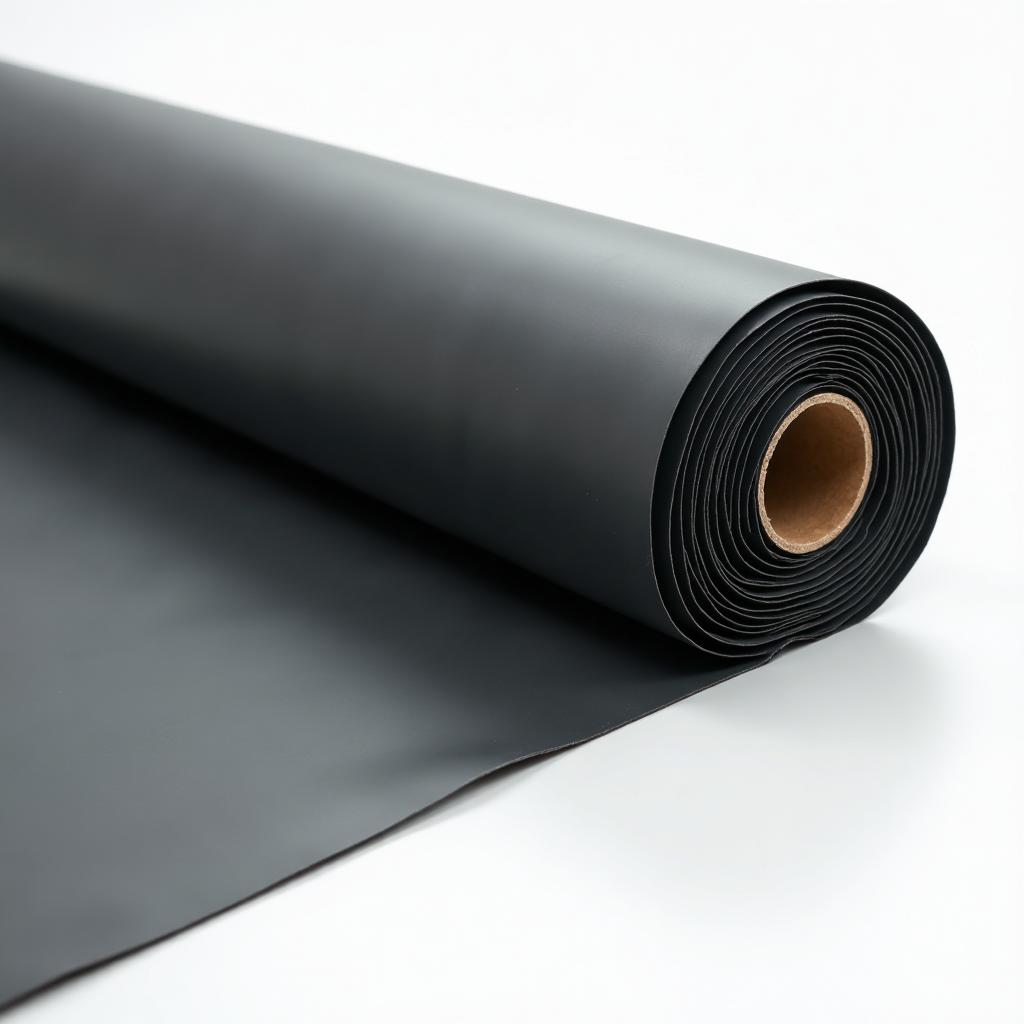
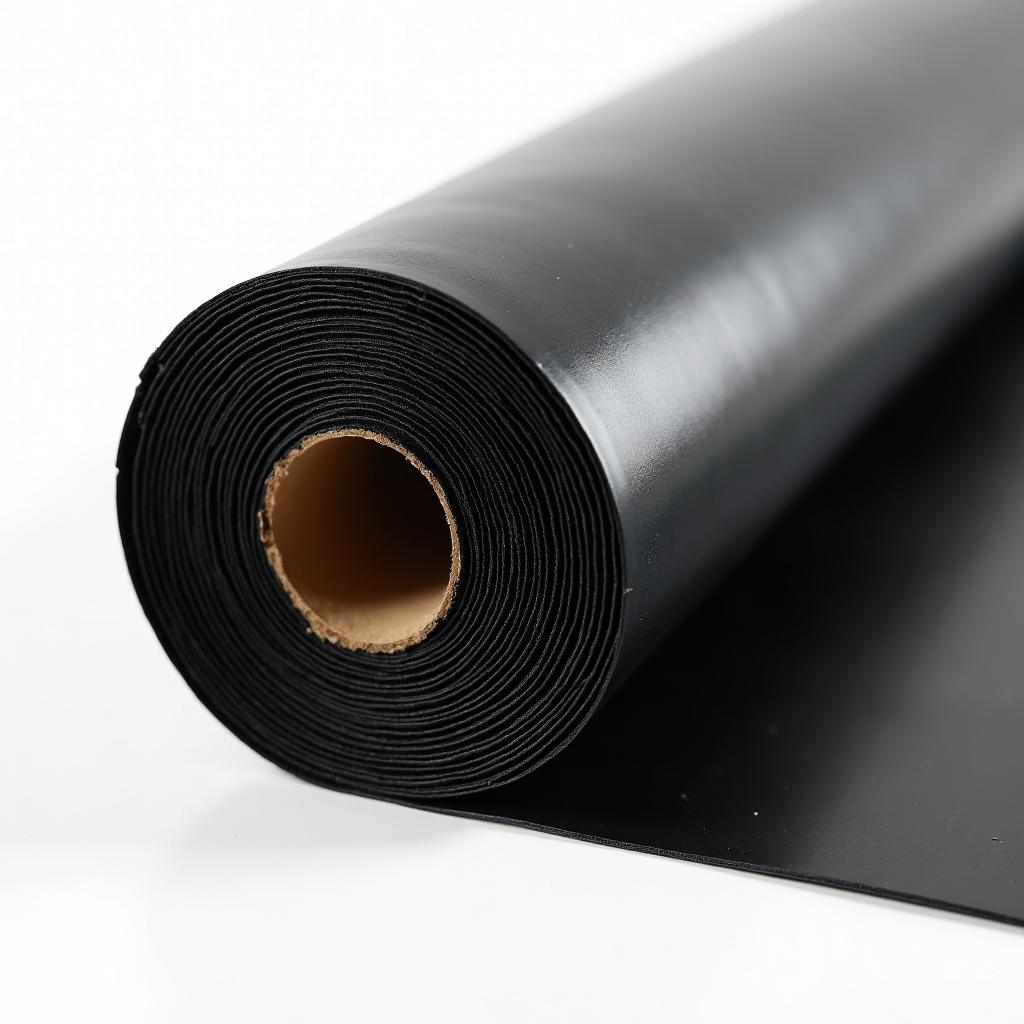
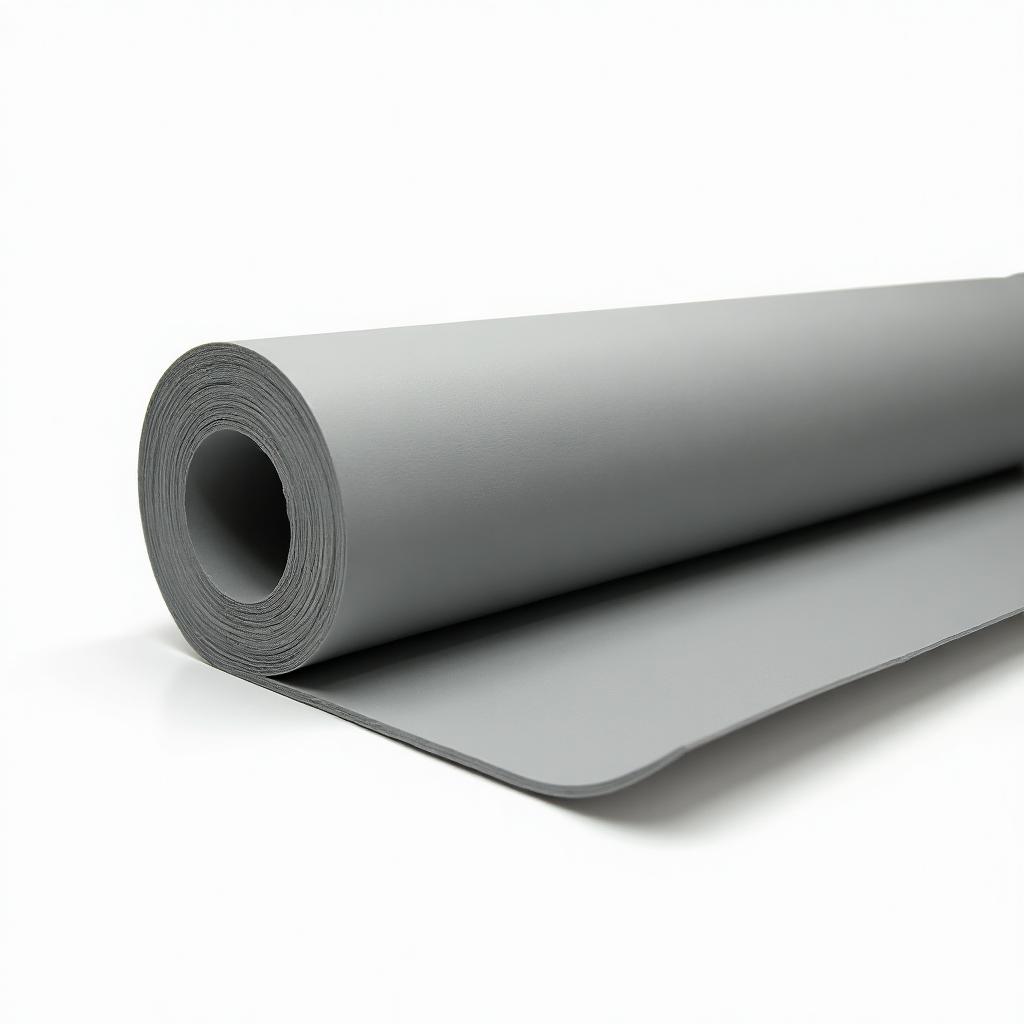
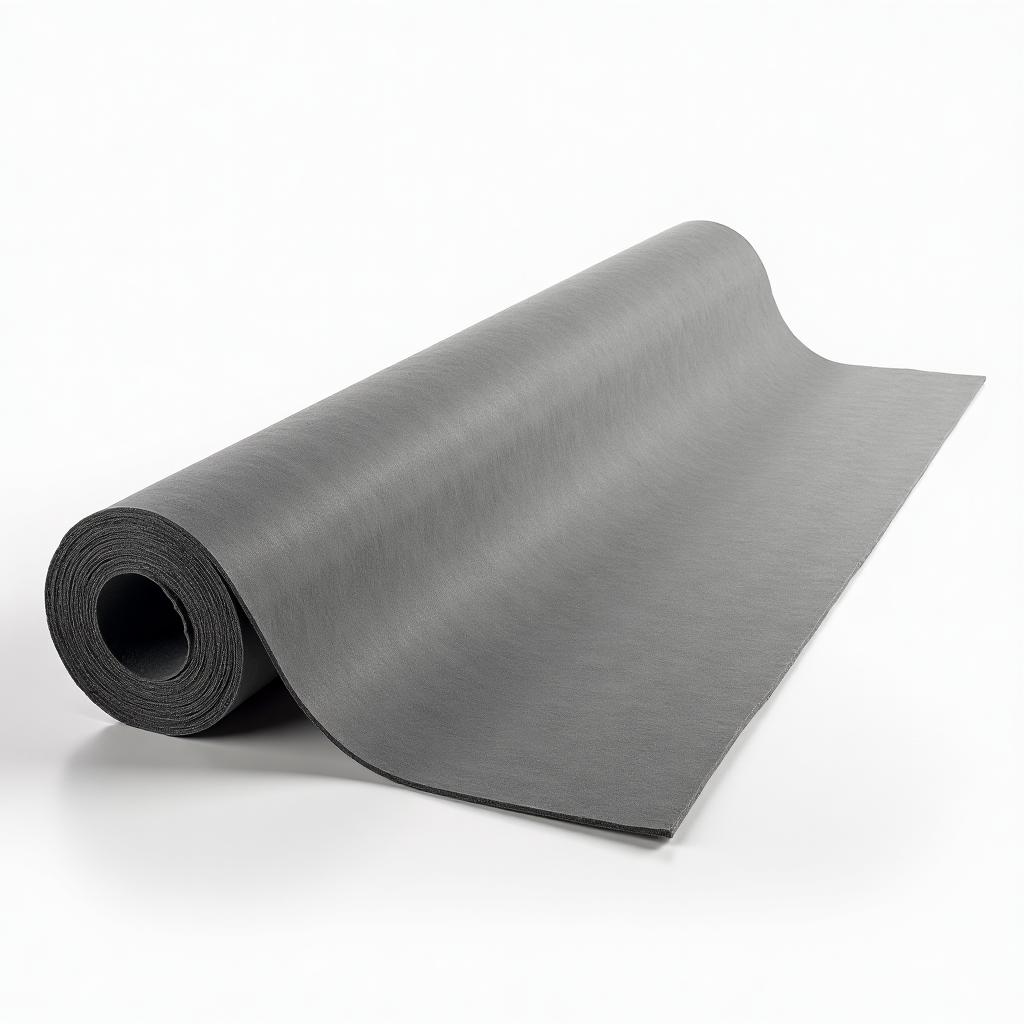
Our Complete Product Line
Professional-grade soundproofing materials for any application
Need Expert Soundproofing Advice?
Our team of soundproofing specialists is here to help you choose the right products and installation methods for your museum or gallery project.