Courthouse Soundproofing with Mass Loaded Vinyl (MLV)
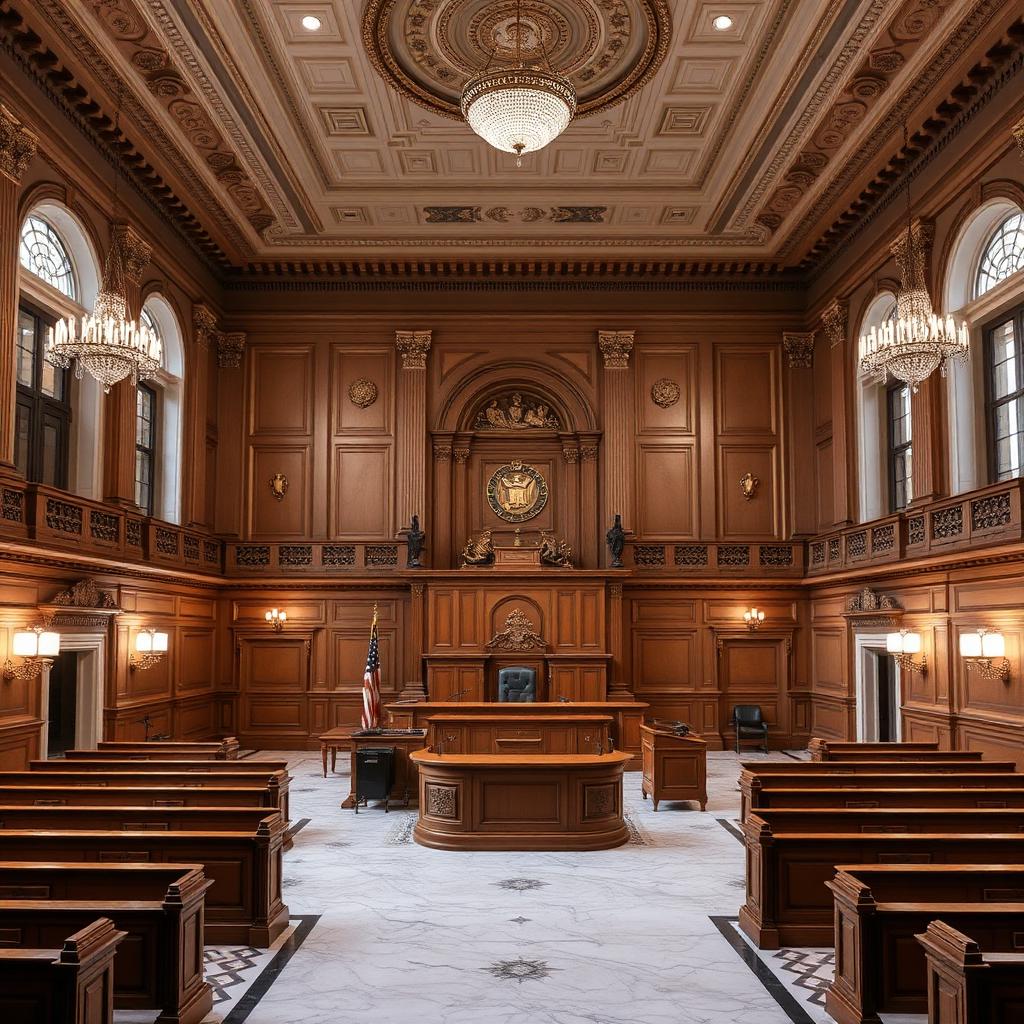
1Why Courthouses Need Superior Soundproofing
Constitutional and Legal Imperatives
• Attorney-client privilege: Confidential communications at counsel table, in holding areas, and in conference rooms must be completely private
• Witness protection: Grand jury rooms and witness preparation areas require complete sound isolation to protect identities and testimony
• Jury deliberation secrecy: Deliberation room conversations must be absolutely private from all parties, including judges and attorneys
• Appellate record integrity: Court reporters must capture clear audio; background noise creates incomplete records that can trigger appeals
Security and Safety Requirements
• Jury tampering prevention: Audible deliberations create opportunities for improper influence on verdicts
• Judicial security: Judge's chambers conversations overheard in public areas can compromise safety
• Holding area privacy: Attorney consultations with incarcerated clients require confidential privacy
Operational Efficiency
• Proceeding interruptions: Judges frequently halt proceedings due to HVAC noise or adjacent courtroom activity
• Expensive amplification: Poor room acoustics require costly sound reinforcement systems
• Taxpayer-funded remediation: Post-construction acoustic failures in government buildings require lengthy procurement processes and expensive corrections
2Understanding Courthouse Acoustic Challenges
Multiple High-Sensitivity Spaces
• Jury rooms: Every courtroom has associated deliberation space requiring complete isolation
• Judge's chambers: Private offices requiring confidential conversations about cases and security matters
• Attorney conference rooms: Spaces for privileged legal discussions that cannot be overheard
• Grand jury facilities: The most sensitive spaces requiring secure privacy classification
• Witness waiting areas: Separation between prosecution and defense witnesses, and from public areas
Architectural Challenges
• Hard surfaces: Marble floors, wood paneling, and plaster walls reflect sound rather than absorbing it
• Large public galleries: Open spectator seating transmits sound to adjacent spaces
• Security infrastructure: Metal detectors, holding cells, and secure circulation paths add complexity
• Historic preservation: Many courthouses are historic structures where extensive demolition is prohibited
Operational Noise Sources
• Public circulation: Busy corridors with hundreds of daily visitors generate substantial noise
• Security equipment: Metal detectors, intercoms, and door hardware create noise near sensitive spaces
• Multiple simultaneous proceedings: Several courtrooms operating simultaneously creates cumulative noise challenges
3Critical Areas Requiring MLV Treatment
Courtrooms
• Courtroom to lobby: STC 50-55 with acoustic vestibule doors controls public area noise intrusion
• Courtroom to chambers: STC 50-55 maintains judge privacy during recesses and deliberations
• Internal acoustics: Courtrooms require both sound isolation and proper speech intelligibility for all participants
• MLV recommendation: 2 lb/sf MLV in demising walls, 1 lb/sf for corridor walls, ceiling barriers over suspended ceilings
Jury Deliberation Rooms
• Door assemblies: STC 45-50 acoustic doors with automatic bottom seals and full perimeter gaskets
• Ceiling treatment: Extend walls to structure above or install ceiling barriers with MLV
• Sound masking: Often combined with wall treatment to ensure confidential privacy
• MLV recommendation: 2 lb/sf MLV, resilient mounting, double drywall layers
Attorney-Client Conference Rooms
• Adjacent to holding: Consultation rooms for incarcerated clients with enhanced security and privacy
• Opposing counsel separation: Prosecution and defense conference rooms must be acoustically isolated from each other
• MLV recommendation: 1-2 lb/sf MLV depending on adjacencies, focus on door assemblies and plenum barriers
Grand Jury and Witness Protection Spaces
• Witness waiting areas: Protected witnesses must not be visible or audible to defendants or their associates
• Video testimony rooms: Remote testimony facilities require acoustic isolation for proceedings
• MLV recommendation: 2 lb/sf MLV on both sides of studs, full-height construction, acoustic vestibules with double doors
4Speech Privacy Requirements for Legal Facilities
Understanding Speech Privacy Classifications
• Confidential privacy: Speech inaudible at normal voice levels; required for attorney-client areas, jury rooms, and chambers
• Secure privacy: No sound transmission detectable even with amplification; required for grand jury and SCIF spaces
Privacy Index and Articulation Index
• Privacy Index (PI): PI = 100 - AI; confidential spaces require PI >90
• Testing requirements: Many federal courthouse projects require post-construction speech privacy verification testing
Why High STC Alone Isn't Enough
• Ductwork crosstalk: HVAC systems connecting private spaces allow voice transmission
• Door assemblies: Entry doors are typically the weakest acoustic link in any room
• Electrical and data penetrations: Unsealed conduits and cable paths create direct sound transmission
• Background noise levels: Very quiet receiving rooms make even slight sound transmission audible and intelligible
Comprehensive Privacy Design
• Sound masking: Electronic masking in corridors and adjacent spaces raises background noise to cover transmission
• Complete enclosure: Walls extending slab-to-slab, not just to ceiling grid
• Acoustic doors: STC 45-50 rated door assemblies with full perimeter seals
• Sealed penetrations: Every conduit, pipe, and cable entry acoustically sealed
5Courtroom Soundproofing Strategies
Wall Assembly Design
• MLV integration: 2 lb/sf MLV on interior face of each stud row adds critical mass
• Cavity insulation: Mineral wool insulation in both cavities for absorption and damping
• Multiple drywall layers: Double 5/8" Type X drywall on each face for mass and fire rating
• Full-height construction: Walls must extend from slab to structure above—no stopping at ceiling
Ceiling Treatment
• Ceiling barriers: MLV layer above ceiling tiles prevents sound flanking through plenum
• Structural isolation: Resilient hangers reduce impact sound from floors above
• Integration with lighting: Acoustic treatment must accommodate courtroom lighting requirements
Floor and Structure-Borne Sound
• Equipment isolation: HVAC equipment, elevators, and generators on vibration isolators
• Structural breaks: Control joints and isolation details prevent vibration transfer between building sections
Internal Acoustic Control
• Surface treatment: Acoustic panels integrated into judge's bench, jury box, and gallery areas
• Sound reinforcement: Properly designed audio systems to ensure all participants hear clearly
6Jury Deliberation Room Isolation
Wall Construction Requirements
• 2 lb/sf MLV: Applied to interior stud face before drywall on both stud rows
• Mineral wool insulation: Full cavity fill in both stud spaces
• Double drywall: Two layers 5/8" Type X each side with staggered joints
• Acoustic sealant: Continuous bead at all perimeters, penetrations, and joints
Door Assembly Performance
• Full perimeter seals: Adjustable gaskets on all four sides of door frame
• Automatic bottom seal: Surface-mounted or mortised automatic door bottom that seals when door closes
• No glazing: Avoid vision panels that reduce door STC rating
• Vestibule consideration: Double-door vestibule with sound lock provides additional isolation for highest-security applications
Ceiling and Plenum Treatment
• If not practical: Install continuous MLV barrier above ceiling level across entire room perimeter
• Ductwork isolation: Lined duct silencers on all HVAC connections to jury room
• Electrical isolation: No shared conduit runs with adjacent spaces
Sound Masking Integration
• Target level: 40-45 dBA masking in corridor to cover any residual transmission
• Not a substitute: Masking enhances good construction but cannot compensate for poor wall performance
7Judge's Chambers and Judicial Offices
Wall Performance Requirements
• To courtroom: May require higher STC if directly adjacent to proceeding activity
• To corridors: Careful attention to corridor-facing walls where public traffic occurs
• Conference areas: Larger judicial conference rooms may require jury-room-level construction
Door and Entry Considerations
• Courtroom connection: Direct access doors require careful treatment to maintain courtroom isolation
• Judicial corridor: Private judicial circulation may allow reduced door rating
• Vestibule option: Sound lock vestibule between chambers and courtroom for highest security
Security Considerations
• Intercom systems: Judge-to-bailiff communication with proper acoustic isolation
• Secure filing: Confidential case files and judicial notes storage
8Historic Courthouse Renovation
Historic Preservation Constraints
• Minimal intervention: Prefer reversible treatments that don't damage historic fabric
• Visual compatibility: Any visible acoustic treatment must be architecturally appropriate
• Hidden systems: MLV works well because it's concealed within wall assemblies
MLV Overlay Strategies
• New drywall layer: Cover MLV with new 5/8" drywall for finished appearance
• Furring strips: Create minimal air gap for improved performance if space allows
• Resilient channels: Add resilient mounting for additional decoupling in critical spaces
• Expected improvement: Adding MLV overlay typically improves existing wall by 8-12 STC points
Addressing Historic Doors
• Vestibule addition: Create acoustic vestibule with new interior door while preserving historic exterior door
• Door modifications: Where allowed, add perimeter seals and automatic bottoms to historic doors
• Reproduction doors: For high-security spaces, create historically accurate reproduction with acoustic core
Ceiling Treatment in Historic Spaces
• Perimeter treatment: Focus on wall-to-ceiling joints and cove details
• Supplemental panels: Acoustic panels at strategic locations that don't compromise historic character
• Reversibility: All treatments should be removable without damage to historic materials
9MLV Installation Best Practices for Courthouses
Material Selection
• Fire rating: Class A flame spread (≤25) required for government buildings
• GSA compliance: Federal projects require materials meeting GSA P100 specifications
• VOC limits: Low-VOC products required for LEED-certified government buildings
Installation Procedures
• Seam treatment: All MLV seams overlapped 2" minimum and sealed with acoustic caulk
• Perimeter sealing: Continuous acoustic sealant at floor, ceiling, and wall intersections
• Penetration treatment: Cut MLV tight to penetrations and seal with acoustic caulk
• No fastener bridging: Avoid through-fastening that creates sound bridges—use adhesive or frame attachment
Coordination with Other Trades
• Security: Coordinate with access control, cameras, and panic systems for proper penetration treatment
• Fire alarm: Maintain fire ratings at all penetrations with proper firestopping
• HVAC: Ensure ductwork doesn't create flanking paths; specify lined silencers where needed
Quality Assurance
• Mockup construction: Large projects may require acoustic mockup for verification before full installation
• Field testing: Some federal projects require post-construction STC or speech privacy testing
• Documentation: Maintain records of materials, installation procedures, and any field modifications
11Conclusion
FAQs: Courthouse Soundproofing
Related Guides in Industry Solutions
Continue exploring with these hand-picked articles

School Soundproofing with Mass Loaded Vinyl (MLV)
Complete guide to soundproofing schools, classrooms, and educational facilities with mass loaded vinyl. Meet ANSI S12.60 standards, improve speech intelligibility, and create optimal learning environments for students.

Industrial Factory Soundproofing with Mass Loaded Vinyl (MLV)
Complete guide to soundproofing manufacturing plants, production facilities, and industrial factories with mass loaded vinyl. Control machinery noise, meet OSHA regulations, and protect workers from hearing damage.
Museum Soundproofing with Mass Loaded Vinyl (MLV)
Complete guide to soundproofing museums, galleries, and cultural institutions with mass loaded vinyl. Protect priceless collections from vibration damage, create contemplative viewing environments, and isolate interactive exhibits from quiet galleries.
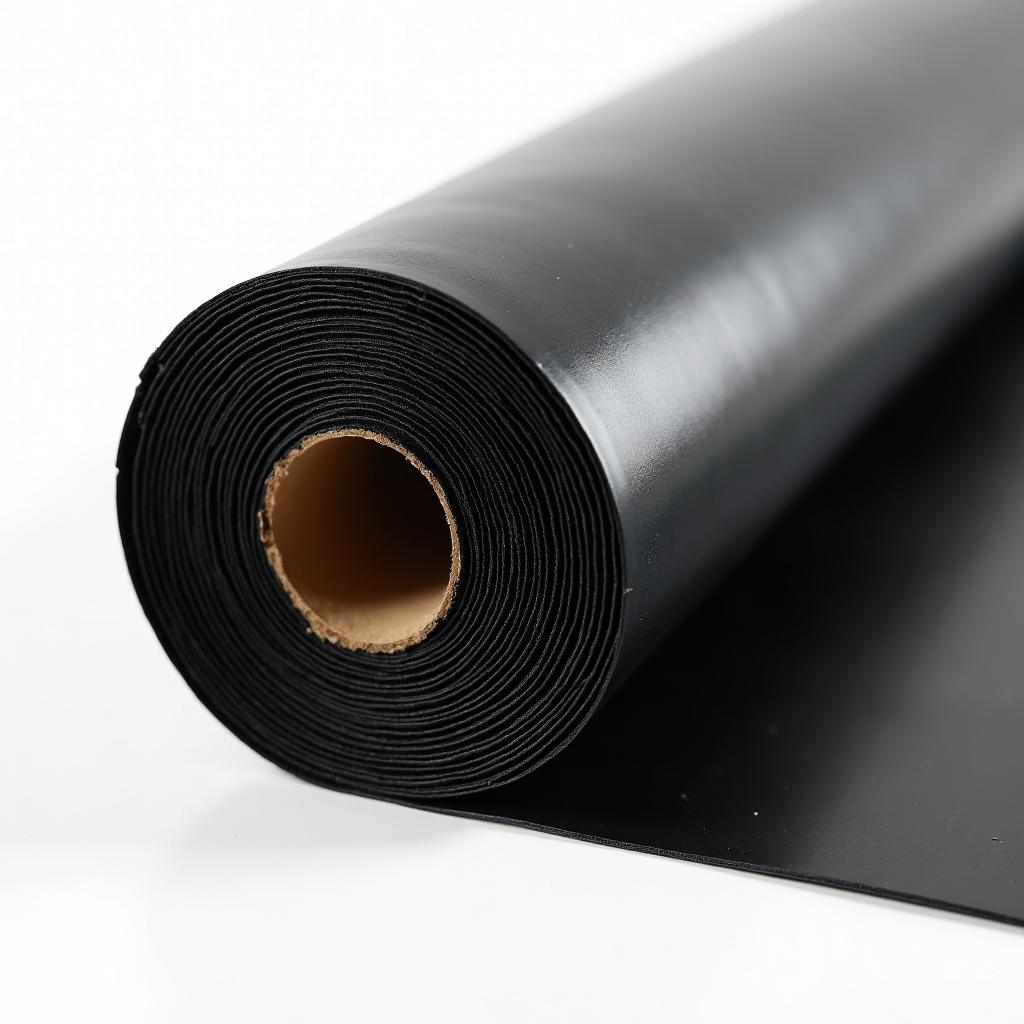
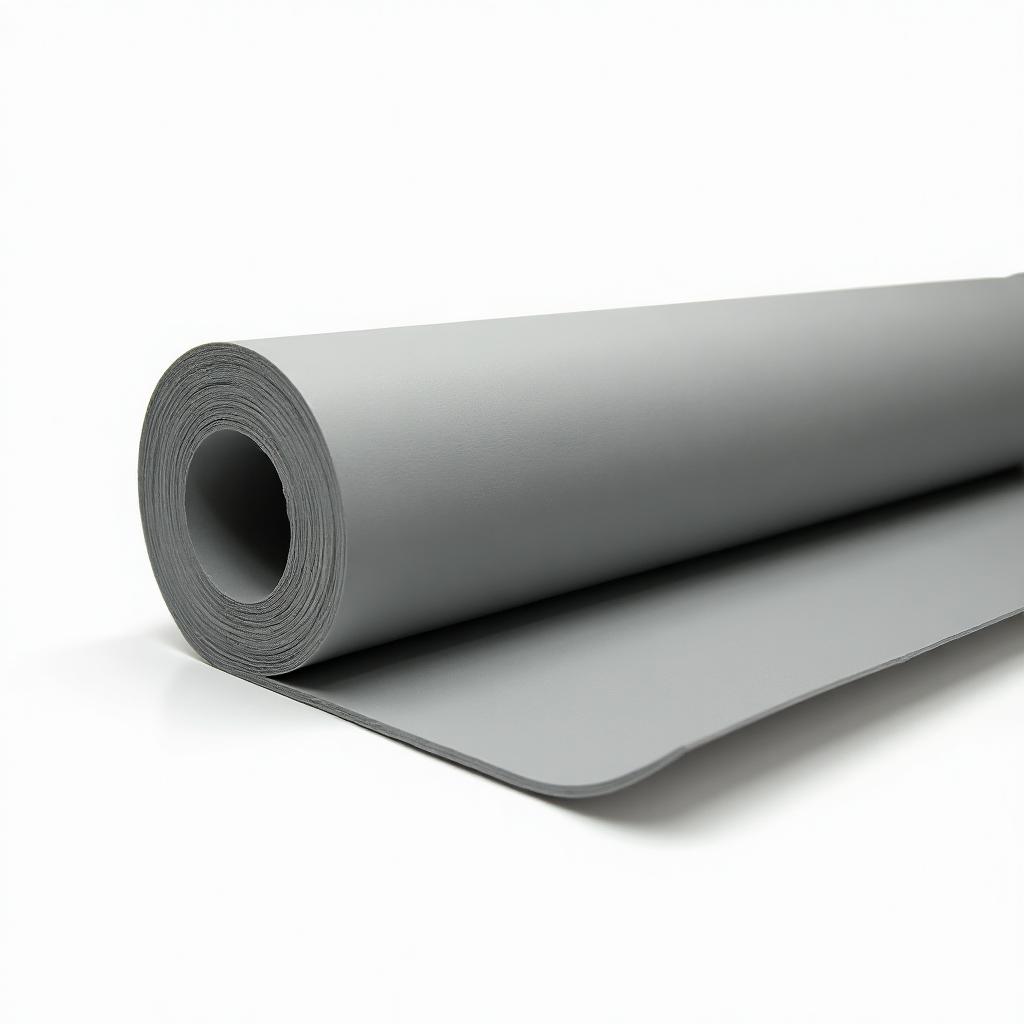
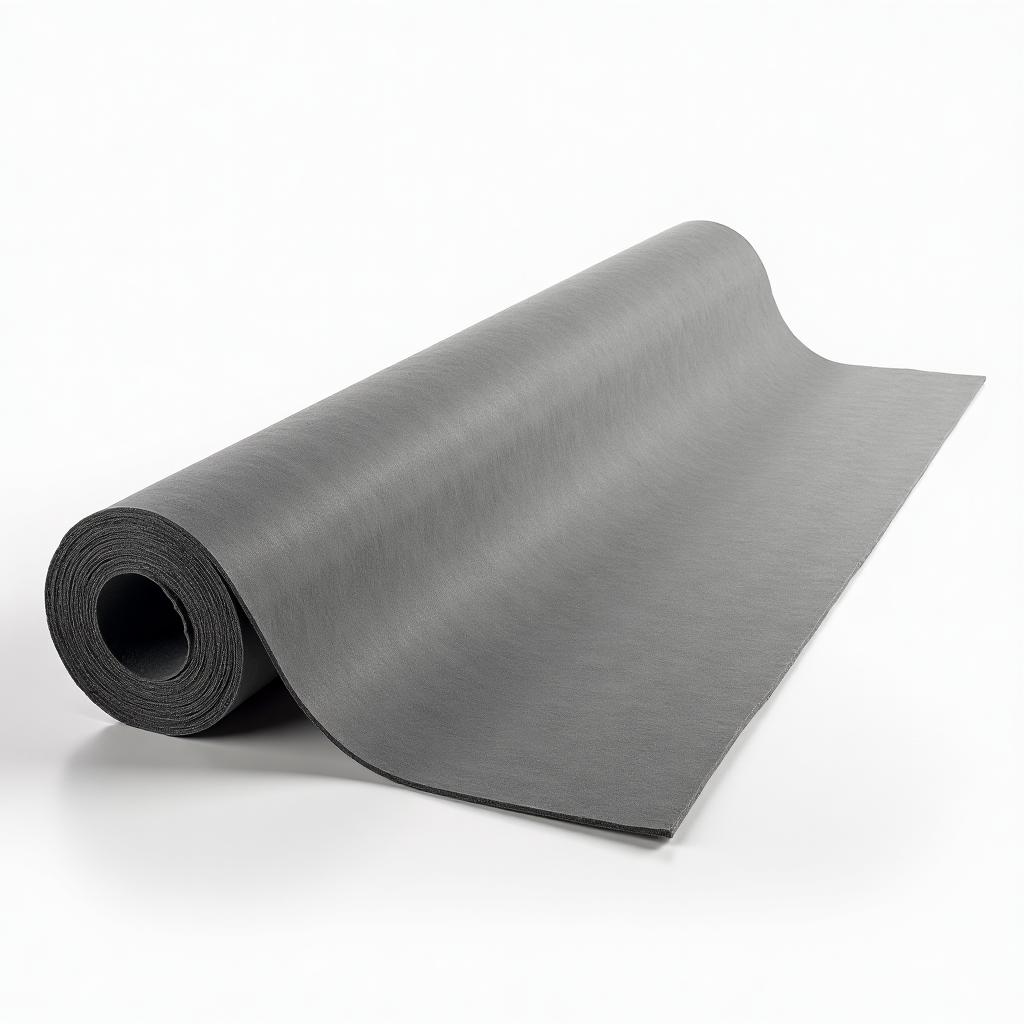
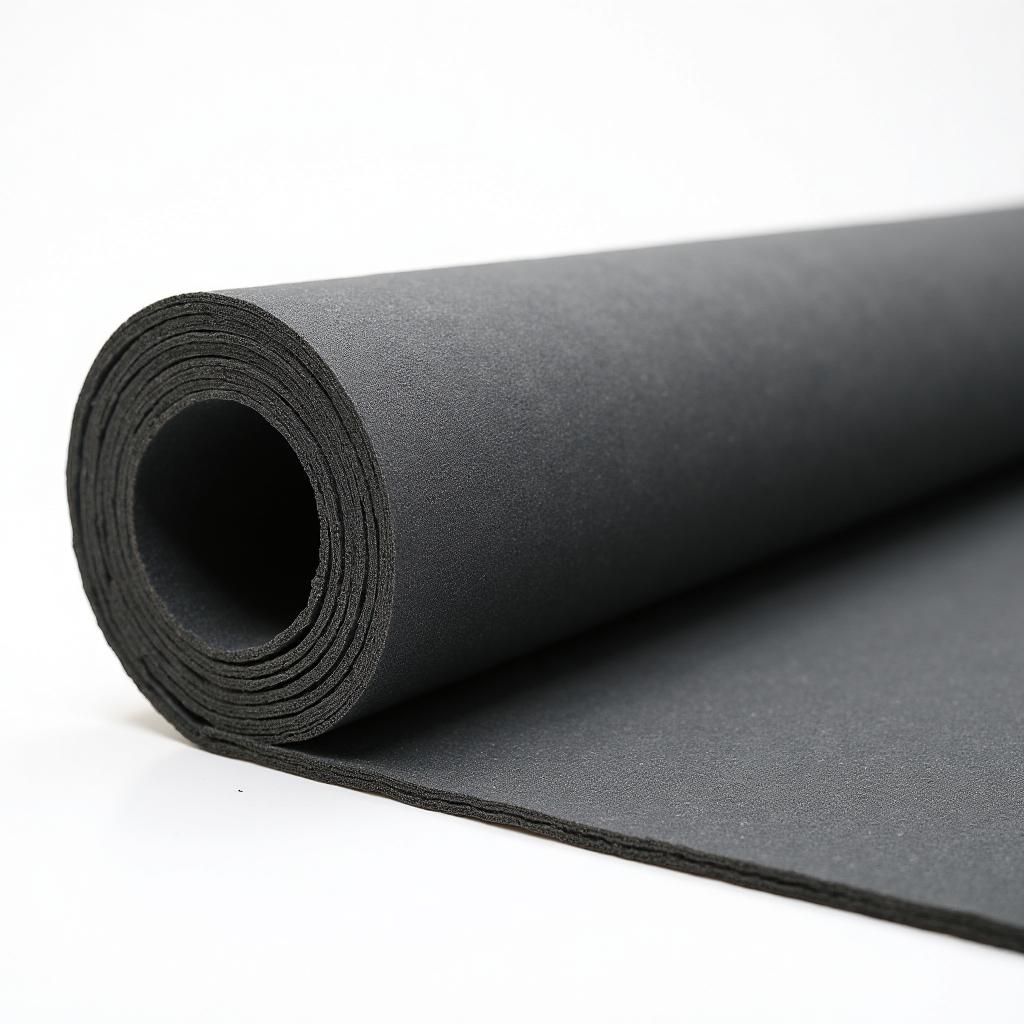
Our Complete Product Line
Professional-grade soundproofing materials for any application
Need Expert Soundproofing Advice?
Our team of soundproofing specialists is here to help you choose the right products and installation methods for your museum or gallery project.