Industrial Factory Soundproofing with Mass Loaded Vinyl (MLV)
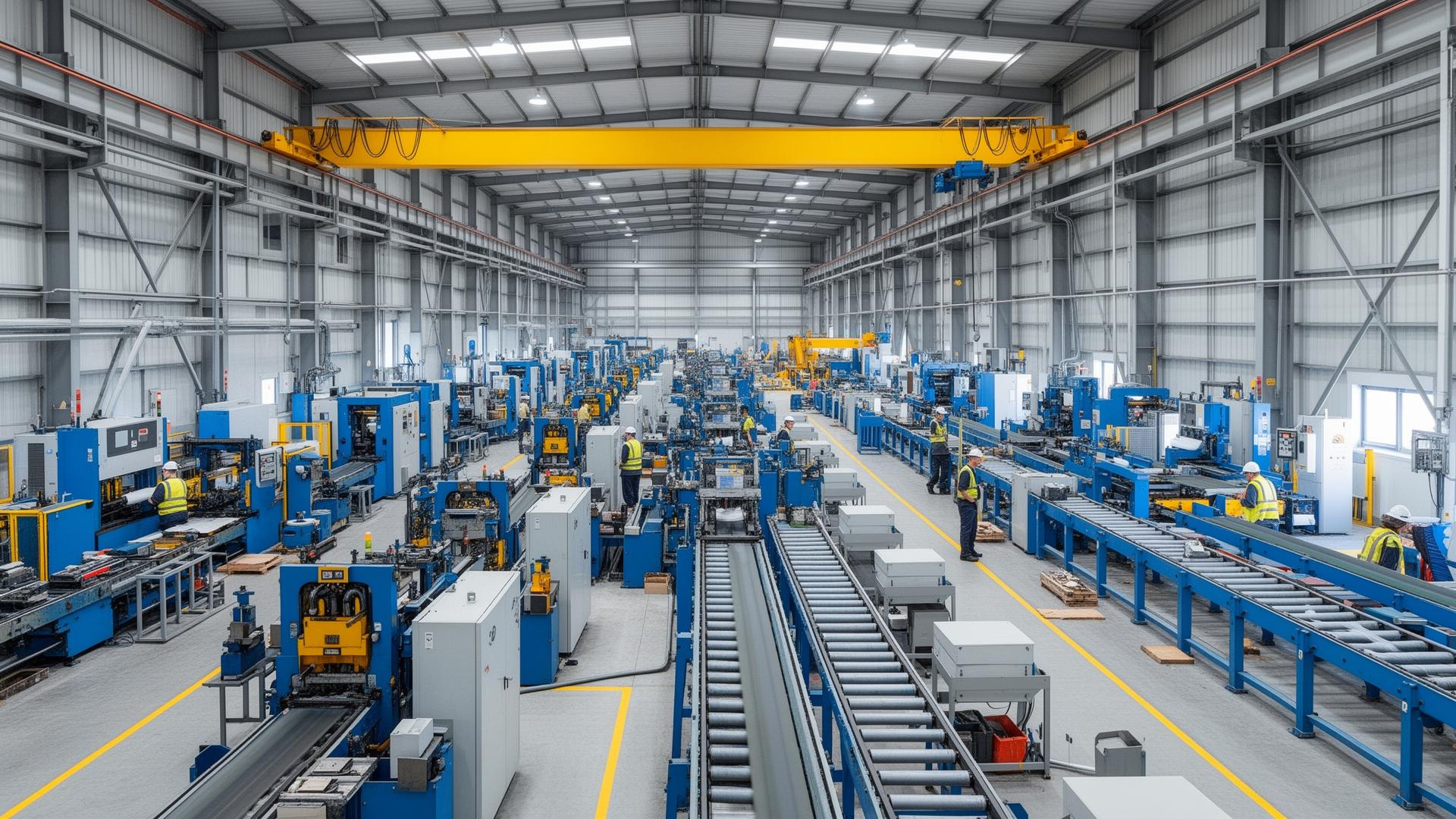
1Why Industrial Factories Require Specialized Soundproofing
The Real Cost of Factory Noise
• Workers' compensation claims: Occupational hearing loss is the most common workplace injury claim, with average lifetime costs of $240,000-$480,000 per affected worker
• Productivity losses: Studies show worker productivity decreases 66% when ambient noise exceeds 85 dB, as communication becomes difficult and cognitive function declines
• Employee turnover: High-noise environments experience 40% higher turnover rates, increasing recruitment and training costs
• Community complaints: Factories near residential areas face noise ordinance violations, permit challenges, and potential operating restrictions
Factory vs. Warehouse Soundproofing: Key Differences
• Higher noise intensity: Manufacturing machinery generates 95-115 dB compared to 80-90 dB in typical warehouses
• Multiple frequency ranges: Factories produce complex noise spectra from grinding (high-frequency), stamping (impact), and motors (low-frequency)
• Heat and chemical exposure: Factory environments require soundproofing materials rated for elevated temperatures and chemical resistance
• Precision work areas: Quality control, testing, and assembly zones require dramatically lower noise levels than production areas
2Understanding Factory Acoustic Challenges
Primary Noise Sources in Manufacturing
• Material processing: Crushers and mills (100-115 dB), conveyors (80-90 dB), mixers and blenders (85-100 dB)
• Power equipment: Compressors (90-100 dB), generators (95-105 dB), pumps (85-95 dB), and pneumatic tools (95-115 dB)
• Assembly operations: Impact wrenches (100-115 dB), riveters (105-120 dB), and testing equipment (varies widely)
• HVAC systems: Industrial ventilation, dust collection, and air handling equipment generating continuous 75-85 dB background noise
Noise Transmission Pathways
• Structure-borne vibration: Machine vibration traveling through floors, walls, and structural steel to radiate as sound elsewhere
• Flanking paths: Sound bypassing barriers through gaps, openings, ductwork, and cable trays
• Reflection and reverberation: Hard surfaces (concrete, metal) reflecting sound and creating echo that extends exposure duration
Typical Factory Building Characteristics
• Large open volumes with minimal absorption create reverberant fields
• Metal siding and roofing reflect rather than absorb sound
• Concrete floors transmit vibration efficiently
• High ceilings allow sound to travel long distances
• Overhead cranes and utilities prevent full-height partitions
• Production flow requirements limit barrier placement options
3OSHA Noise Regulations and Compliance Requirements
Permissible Exposure Limits (PEL)
| Sound Level (dBA) | Maximum Exposure Time |
|---|---|
| 85 dB | 8 hours (action level) |
| 90 dB | 8 hours (PEL) |
| 95 dB | 4 hours |
| 100 dB | 2 hours |
| 105 dB | 1 hour |
| 110 dB | 30 minutes |
| 115 dB | 15 minutes |
Hearing Conservation Program Requirements
• Audiometric testing: Annual hearing tests for all exposed employees
• Hearing protection: Provision and mandatory use of appropriate hearing protective devices
• Training: Annual education on noise hazards, hearing protection, and audiometric testing
• Recordkeeping: Documentation of monitoring results, audiograms, and program administration
Engineering Controls: The Preferred Approach
• Elimination/substitution: Replacing noisy processes with quieter alternatives
• Engineering controls: Machine enclosures, barriers, and acoustic treatment—where MLV excels
• Administrative controls: Reducing exposure time through job rotation and scheduling
• PPE: Hearing protection as a last resort or supplement to engineering controls
Engineering controls are preferred because they protect all workers automatically without requiring individual compliance.
4How Mass Loaded Vinyl Works in Factory Environments
The Physics of MLV Sound Blocking
• Limp mass behavior: Unlike rigid panels, MLV's flexibility prevents resonance that would reduce performance at specific frequencies
• Broadband attenuation: Effective across the frequency spectrum from 125 Hz to 4000 Hz
• STC ratings: Single layer of 1 lb MLV achieves STC 26-28; combined with proper assemblies, systems reach STC 50-60+
Why MLV Outperforms Alternatives in Factories
• Space efficiency: 1/8"-1/4" thickness vs. 4"-8" for equivalent mass in concrete or multiple drywall layers
• Chemical resistance: Quality MLV withstands oils, solvents, and industrial chemicals
• Temperature stability: Performs from -20°F to 180°F, covering most factory applications
• Fire rating: Class A fire-rated options available for code compliance
• Durability: 25+ year lifespan in industrial conditions with no degradation
• Washability: Can be cleaned during maintenance without damage
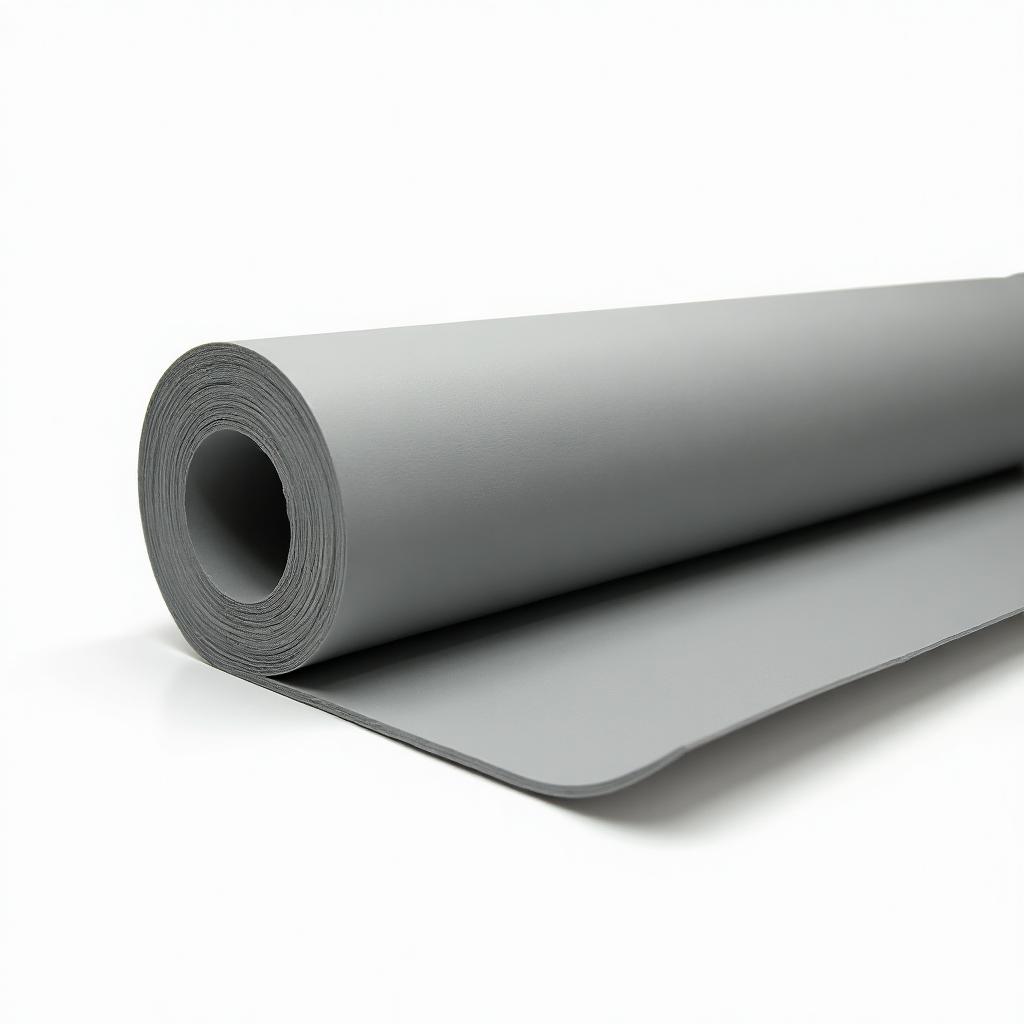
MLV Performance Specifications
| MLV Type | Weight | Thickness | STC Rating | Typical Factory Applications |
|---|---|---|---|---|
| MLV Lite | 0.6 lb/sf | 1/10" | STC 21 | Duct wrapping, light barriers |
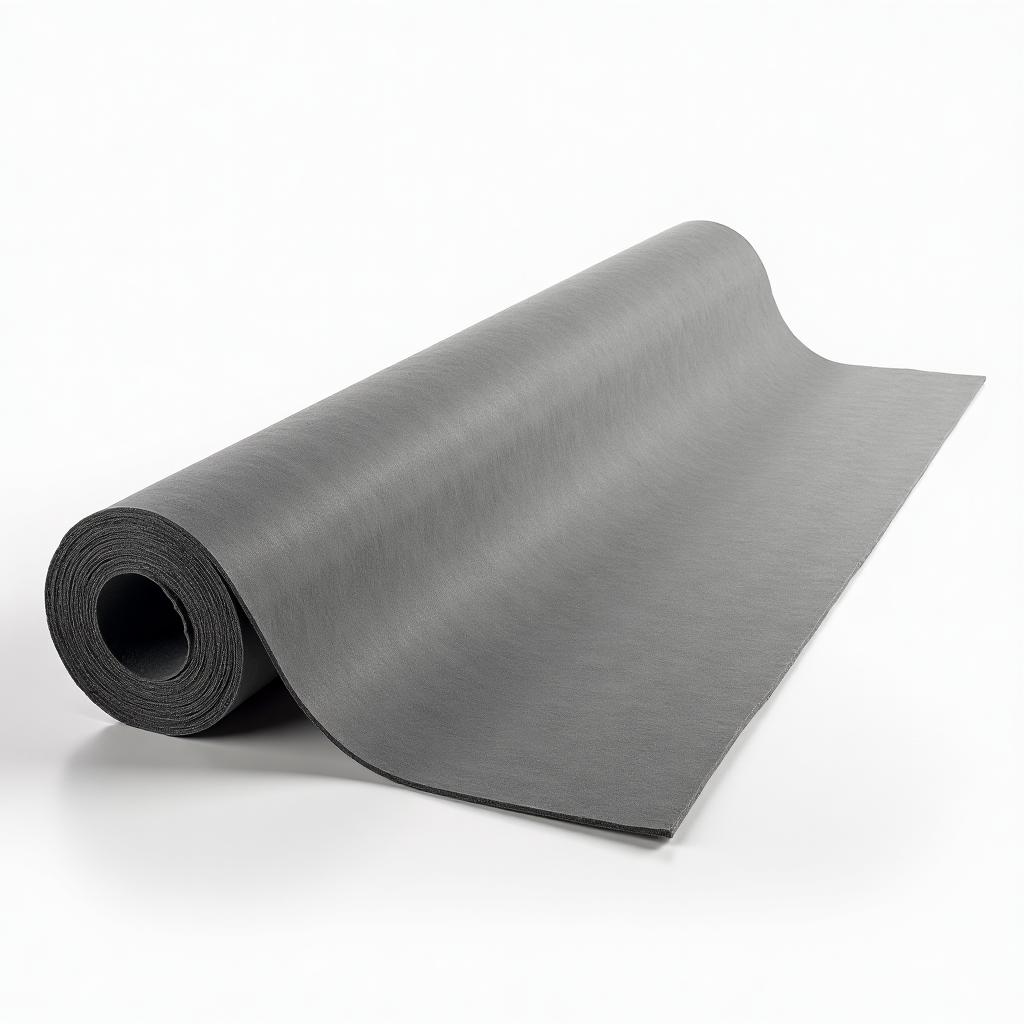
| MLV Regular | 1 lb/sf | 1/8" | STC 26 | Machine enclosures, partitions |
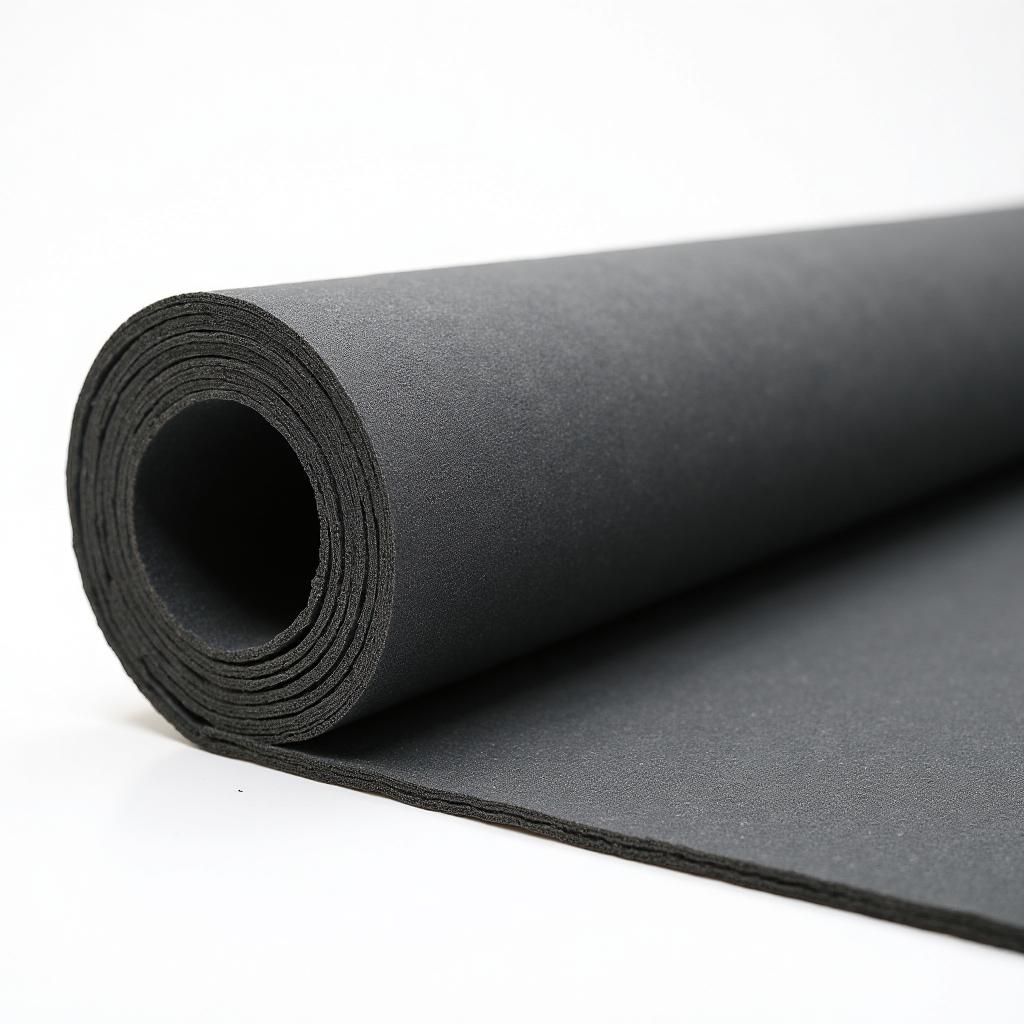
| MLV Pro | 1.1 lb/sf | 3/16" | STC 29 | High-intensity equipment, control rooms |
5Machine Enclosure and Equipment Wrapping
Full Machine Enclosures
• Multi-layer walls: Exterior sheet metal + 2" acoustic foam + 2 lb/sf MLV + interior perforated metal for 30-40 dB reduction
• Access provisions: Acoustic doors, viewing windows, and removable panels for maintenance
• Ventilation: Silenced air intakes and exhausts to prevent overheating
• Performance target: STC 40-50, reducing 100 dB source to 50-60 dB at enclosure exterior
Partial Barriers and Curtains
• Acoustic curtain walls: Flexible MLV curtains on track systems for reconfigurable barriers
• Typical construction: 2 lb/sf loaded vinyl barrier with quilted fiberglass facing for 15-25 dB reduction
• Advantages: Lower cost, easier access, adaptable to production changes
Direct Equipment Wrapping
• Compressor cabinets and housings
• Motor enclosures and generator sets
• Pneumatic system components
• Pipes and ducts carrying noisy media
Wrapping directly over equipment surfaces provides 5-10 dB reduction with minimal space requirements.
6Production Floor Partition Systems
Floor-to-Ceiling Partitions
• High-performance assembly: Double stud wall + 2 lb/sf MLV on each frame + damped drywall = STC 60-65
• Perimeter sealing: Acoustic caulk at floor, ceiling, and wall connections is critical—a 1% gap area reduces STC by 10+ points
• Penetrations: Pipes, conduit, and cable trays must be sealed with acoustic putty or specialized boots
Partial Height Barriers
• Performance: Partial barriers typically achieve 10-15 dB reduction depending on height and room acoustics
• Extension options: Transparent acoustic panels above opaque barriers maintain sight lines while providing additional isolation
• Absorption addition: Acoustic absorbers on both barrier faces reduce reverberant build-up
Modular Wall Systems
• Pre-engineered STC ratings for predictable performance
• Rapid installation without wet trades
• Relocatable as production layouts change
• Integrated doors, windows, and cable management
• Available in industrial-grade finishes for durability
7Control Room and Office Isolation
Control Room Requirements
• Speech intelligibility: Workers must hear alarms, radio communication, and telephone conversations clearly
• Equipment protection: Sensitive electronics, computers, and monitoring systems require reduced vibration exposure
• Extended occupation: Control room operators may spend entire shifts in these spaces
High-Performance Wall Assemblies
• Mass layer: 2 lb/sf MLV applied continuously with overlapped and sealed seams
• Cavity: Full-depth mineral wool insulation (6")
• Finish layers: Triple 5/8" drywall with damping compound between layers
• Perimeter isolation: Acoustic isolation gaskets at floor and ceiling tracks
Ceiling and Floor Considerations
• Ceiling: Suspended acoustic ceiling with MLV barrier above, preventing sound flanking through ceiling plenum
• Floor: Floating floor system if located above high-vibration equipment
• HVAC: Dedicated air handling or heavily silenced ductwork connections
• Windows: Double or triple-pane acoustic windows with laminated glass (STC 40-50)
8Pipe and Duct Lagging Applications
Noise Sources in Piping Systems
• Equipment-transmitted noise: Pump and compressor noise traveling through connected piping
• Pressure pulsations: Reciprocating equipment creating cyclic pressure waves
• Steam systems: Flash steam, pressure reducing valves, and steam traps generating intense noise
MLV Pipe Lagging Systems
• Barrier layer: 1 lb/sf MLV wrapped over insulation with seams overlapped and sealed
• Protective jacket: Aluminum or stainless steel for mechanical protection and weather resistance
• Expected performance: 15-25 dB reduction in radiated pipe noise
Ductwork Treatment
• External wrap: MLV over duct exterior prevents breakout of noise through duct walls
• Application priority: First 10-20' from noise sources (fans, dampers) and where ducts pass through quiet areas
• Flexible connections: Canvas or rubber sections at equipment to prevent structure-borne transmission
Typical specification: 1 lb/sf MLV with foil facing, wrapped spiral-fashion with 2" overlap at seams, secured with stainless steel banding.
9Ceiling and Overhead Barrier Systems
The Overhead Noise Problem
• Overhead cranes and monorails require unobstructed travel paths
• Sprinkler systems, lighting, and utilities create penetrations
• Open web joists and purlins provide no inherent sound blocking
Suspended Barrier Systems
• Support systems: Aircraft cable, threaded rod, or dedicated framing systems
• Typical coverage: 80%+ of area overhead for meaningful noise reduction
• Performance: 8-15 dB reduction in reverberant noise levels depending on installation completeness
Hanging Baffles and Banners
• Spacing: Typically 4-6' on center for effective absorption
• Benefit: Reduces reflected sound, lowering overall noise levels by 5-10 dB
• Limitation: Absorbers reduce reverberation but don't block direct sound paths—combine with barriers for maximum effect
Integrated Ceiling Systems
• Suspended ceiling grid with acoustic tiles for absorption
• MLV barrier layer above tiles for blocking
• Perimeter sealing at walls to prevent flanking
• Provisions for sprinklers, lighting, and utilities
This approach can achieve 15-25 dB reduction in noise reaching work areas below.
10Outdoor Noise Containment for Neighbors
Community Noise Standards
• Industrial zone limits: 70-80 dB at property lines, but reduced requirements apply where zones meet
• Nuisance claims: Even within numerical limits, persistent tonal or impulsive noise may constitute actionable nuisance
• Operating restrictions: Repeat violations can result in curtailed operating hours or permit revocation
Building Envelope Improvements
• Roof treatment: MLV barrier under metal roofing to reduce skyward radiation
• Door sealing: Acoustic seals on roll-up and personnel doors
• Ventilation louvers: Acoustic louvers with sound-attenuating blades to replace standard units
Outdoor Equipment Enclosures
• Barrier walls: Solid barriers between equipment and property lines (minimum 15' tall for meaningful ground-level reduction)
• MLV applications: Line exterior of generator enclosures and equipment housings for additional mass
• Silencer upgrades: Hospital-grade silencers on engine exhausts and ventilation systems
Berms and Natural Barriers
• Earth berms: 10-15 dB reduction when blocking line-of-sight to receivers
• Dense vegetation: Minimal acoustic benefit but psychological impact and visual screening
• Barrier walls: Concrete or masonry provide 10-15 dB reduction for ground-level receivers
11Installation Best Practices for Industrial Settings
Surface Preparation
• Rust treatment: Address corrosion before applying MLV to prevent continued deterioration
• Temperature requirements: Surfaces and adhesives should be 50°F+ for proper bonding
• Moisture control: Dry surfaces completely before application
Fastening Methods
• Industrial adhesives: Contact cement, construction adhesive, or specialized acoustic adhesives for smooth surfaces
• Combination systems: Adhesive for positioning, mechanical fasteners for permanent hold
• Hook-and-loop: For removable panels and maintenance access areas
Seam Treatment
• Tape sealing: MLV seam tape with pressure-sensitive adhesive along all seams
• Caulking: Acoustic caulk at perimeter edges, penetrations, and irregular surfaces
• Quality control: Inspect all seams before covering with finish materials
Maintenance Access
• Removable panel systems for routine equipment access
• Zippered or velcro-closure openings in barrier curtains
• Acoustic door assemblies in machine enclosures
• Documentation of acoustic design for future modifications
12Case Studies: Real Factory Soundproofing Projects
Case Study 1: Automotive Stamping Plant
• Solution: Full enclosure around each press using steel frame with 2 lb/sf MLV-lined panels, acoustic doors for material flow, and silenced ventilation
• Results: Noise at inspection stations reduced from 98 dB to 72 dB, eliminating mandatory hearing protection in inspection areas
• Investment: $85,000 per press enclosure, ROI achieved in 18 months through reduced PPE costs and workers' compensation exposure
Case Study 2: Plastics Injection Molding Facility
• Solution: MLV treatment of exterior walls facing residential area, acoustic enclosure around outdoor compressors, and silenced ventilation louvers
• Results: Property line measurements reduced to 48 dB, achieving compliance with 7 dB margin
• Investment: $120,000 total project cost, avoiding potential operating restrictions and legal liability
Case Study 3: Food Processing Plant Control Room
• Solution: Modular control room with 6" stud walls, 2 lb/sf MLV, triple drywall, STC 45 windows, and silenced HVAC
• Results: Control room interior measured 48 dB, achieving NC 45 rating suitable for extended occupancy
• Investment: $65,000 for 200 SF modular room, reducing operator errors and improving shift performance metrics
14Conclusion
Industrial factory soundproofing represents one of the most demanding applications for acoustic materials, requiring solutions that perform under extreme noise levels, harsh environmental conditions, and strict regulatory requirements. Mass loaded vinyl has emerged as the preferred material for factory applications because it provides exceptional sound blocking in a thin, flexible format that adapts to the complex geometries of industrial equipment and facilities.
Successful factory soundproofing projects share common elements: thorough noise assessment to identify dominant sources and transmission paths, strategic prioritization of treatments based on cost-effectiveness, and meticulous installation with attention to seam sealing and penetrations. Whether the goal is OSHA compliance, community noise reduction, or creating functional work areas within noisy production environments, MLV-based solutions deliver measurable results with long-term durability that justifies the investment.
The most cost-effective approach typically combines source treatment (machine enclosures) with path treatment (barriers and partitions) and receiver protection (isolated control rooms and offices). This layered strategy provides redundancy that maintains performance even as individual components age or production configurations change. For factories serious about noise control, mass loaded vinyl offers the flexibility, performance, and durability that industrial environments demand.
FAQs: Industrial Factory Soundproofing
Related Guides in Industry Solutions
Continue exploring with these hand-picked articles

School Soundproofing with Mass Loaded Vinyl (MLV)
Complete guide to soundproofing schools, classrooms, and educational facilities with mass loaded vinyl. Meet ANSI S12.60 standards, improve speech intelligibility, and create optimal learning environments for students.

Courthouse Soundproofing with Mass Loaded Vinyl (MLV)
Complete guide to soundproofing courthouses, courtrooms, and legal facilities with mass loaded vinyl. Ensure speech privacy for attorney-client communications, protect witness identities, and create optimal acoustics for judicial proceedings.

Museum Soundproofing with Mass Loaded Vinyl (MLV)
Complete guide to soundproofing museums, galleries, and cultural institutions with mass loaded vinyl. Protect priceless collections from vibration damage, create contemplative viewing environments, and isolate interactive exhibits from quiet galleries.
Our Complete Product Line
Professional-grade soundproofing materials for any application
Need Expert Soundproofing Advice?
Our team of soundproofing specialists is here to help you choose the right products and installation methods for your museum or gallery project.