Multifamily Construction: MLV Requirements & Building Codes
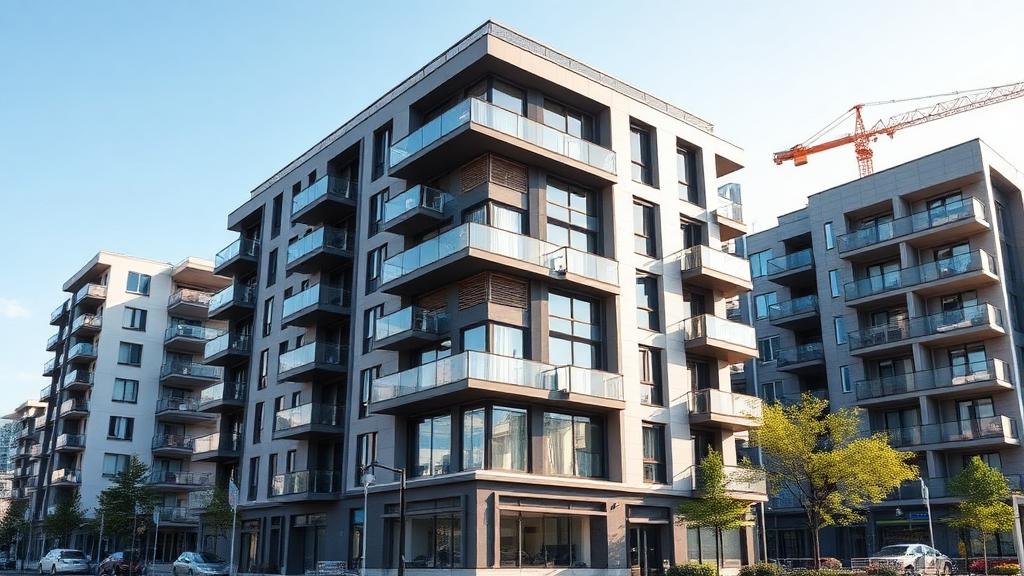
1Why Multifamily Projects Fail Acoustic Inspections
• Flanking paths through ceilings, corridors, shafts, and plumbing walls
• Value-engineering mistakes that remove critical acoustic components
2What the Building Code Actually Requires (STC & IIC Basics)
• IIC 50 lab / 45 field required for floor–ceiling systems
• Higher comfort targets (STC/IIC 55–60) recommended for reduced complaints
| Assembly Type | Code Minimum Requirement | Typical Field Performance (No MLV) | With MLV (Typical Results) | When This Matters Most |
|---|---|---|---|---|
| Party Wall (Wood Frame) | STC 50 lab / 45 field | STC 40–44 | STC 52–55 | When single-stud walls can't meet field performance |
| Party Wall (Staggered Stud) | STC 50 lab / 45 field | STC 45–48 | STC 53–58 | When design calls for improved comfort (55+) |
| Floor–Ceiling System | IIC 50 lab / 45 field | IIC 42–47 (with LVT) | IIC improves slightly; airborne improves more | When airborne sound is borderline or flanking is severe |
| Corridor / Unit Separation | STC 50 lab / 45 field | STC 43–47 | STC 50–54 | When corridor pressure or HVAC noise leaks into units |
| Plumbing Wall / Shaft | No specific STC/IIC target* | High flanking transfer | Significant airborne reduction | When stack noise transfers into bedrooms or living rooms |
| Mechanical Room Wall | STC 50 lab / 45 field | STC mid-40s | STC 50–55 | When equipment noise leaks into adjacent units or corridors |
3So… Is MLV Required by Code?
• Code is performance-based, allowing any material that meets STC/IIC
• MLV boosts borderline assemblies quickly, making it a popular spec item
4Where MLV Fits in Multifamily Assemblies
• Floor–ceiling systems where airborne transmission is borderline
• Plumbing walls & shafts that act as major flanking paths
5MLV & Fire Code Considerations
• Class A ratings often necessary in multifamily applications
• Best practice: place MLV between gypsum layers
6How to Verify Code Compliance Before You Build
• Use STC/IIC calculators to predict performance
• Add MLV where mass shortfall risks a failed field test
7Example Multifamily Assemblies Using MLV
Wood-Framed Party Wall
• Insulation + two layers of ⅝" gypsum
• MLV between gypsum layers on the problem side
This configuration typically reaches STC 52–55 in the field, making it a strong upgrade for walls that otherwise land in the mid-40s.
Floor-Ceiling System
• Subfloor with MLV layer under underlayment
• Resilient channel or clips on the underside
This setup strengthens airborne performance while working alongside impact-rated flooring underlayments to help bring assemblies over code thresholds.
Plumbing Wall / Shaft
• Insulated stud enclosure
This dramatically reduces bathroom, drainage, and mechanical noise from bleeding into adjacent rooms, and solves one of the most common tenant complaints in multifamily buildings.
9Conclusion
FAQs: Multifamily MLV Building Codes
Related Guides in Industry Solutions
Continue exploring with these hand-picked articles

School Soundproofing with Mass Loaded Vinyl (MLV)
Complete guide to soundproofing schools, classrooms, and educational facilities with mass loaded vinyl. Meet ANSI S12.60 standards, improve speech intelligibility, and create optimal learning environments for students.
Courthouse Soundproofing with Mass Loaded Vinyl (MLV)
Complete guide to soundproofing courthouses, courtrooms, and legal facilities with mass loaded vinyl. Ensure speech privacy for attorney-client communications, protect witness identities, and create optimal acoustics for judicial proceedings.
Industrial Factory Soundproofing with Mass Loaded Vinyl (MLV)
Complete guide to soundproofing manufacturing plants, production facilities, and industrial factories with mass loaded vinyl. Control machinery noise, meet OSHA regulations, and protect workers from hearing damage.
Our Complete Product Line
Professional-grade soundproofing materials for any application
Need Expert Soundproofing Advice?
Our team of soundproofing specialists is here to help you choose the right products and installation methods for your museum or gallery project.