Movie Theater Construction: MLV Requirements and Building Codes
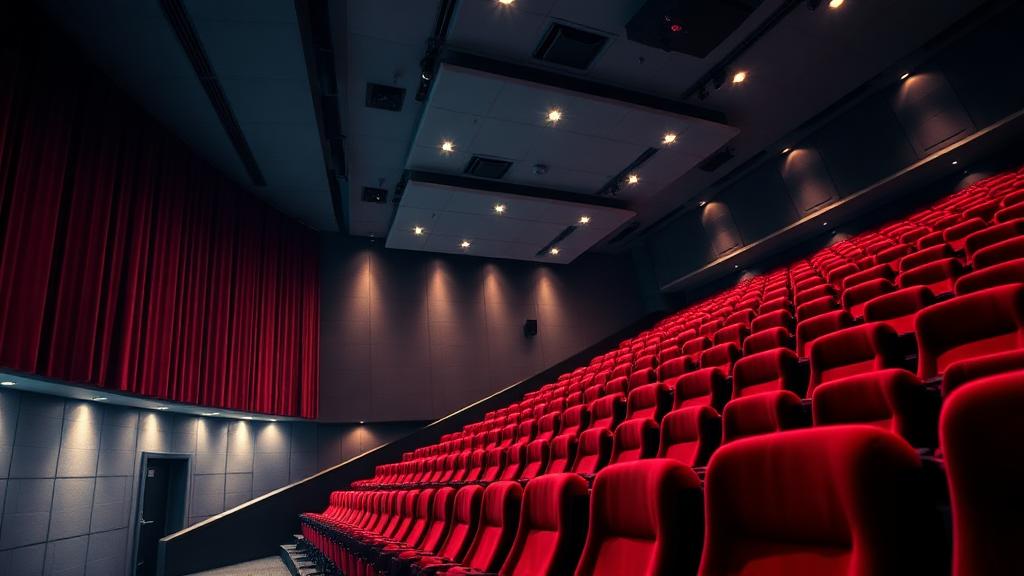
1Why Movie Theaters Demand Extreme Sound Isolation
Modern Cinema Sound Levels
• LFE channel (subwoofer): The dedicated low-frequency effects channel can produce additional 10 dB of bass energy, with fundamentals extending below 20 Hz
• Dynamic range: Modern films utilize 20+ dB dynamic range, meaning quiet dialogue scenes at 65 dB are followed by explosions at 105+ dB
• Sustained levels: Unlike brief industrial noise, action sequences can maintain 100+ dB for 20-30 minutes continuously
• Multiple formats: Dolby Atmos, DTS:X, and IMAX systems add overhead speakers that fill the entire room with high-intensity sound
Low-Frequency Transmission Challenge
• Mass requirement: Reducing bass transmission requires adding mass—doubling wall weight only reduces transmission by 6 dB at low frequencies
• Resonance effects: Standard wall constructions have resonant frequencies in the 40-80 Hz range where movie bass is concentrated, actually amplifying transmission
• Structure-borne transmission: Bass energy couples into building structure and transmits through concrete and steel framing even when airborne paths are blocked
• Customer sensitivity: Bass bleed is the most common complaint in multiplex theaters, with 75% of noise complaints involving low-frequency rumble from adjacent screens
Business Impact of Poor Isolation
• Scheduling limitations: Theaters with poor isolation cannot schedule loud action films adjacent to quiet dramas, reducing scheduling flexibility by 30-40%
• Premium format restrictions: IMAX, Dolby Cinema, and other premium formats cannot be installed adjacent to standard auditoriums without superior isolation
• Legal exposure: Neighboring businesses and residences can pursue noise complaints, potentially limiting operating hours
• Property value: Theaters with known noise issues sell at significant discounts compared to properly isolated facilities
2Building Codes and Industry Standards
International Building Code Requirements
• Means of egress: Exit corridor walls must meet specific construction standards that affect acoustic design
• Structural requirements: Heavy isolated wall constructions must be supported by adequate structure, often requiring coordination with structural engineers
• Fire stopping: All penetrations through rated assemblies require fire stopping that must also maintain acoustic integrity
• Accessibility: ADA requirements for hearing assistance systems influence overall room acoustic design
THX Certification Requirements
• NC-25 during film: With projection and ventilation running, background noise must not exceed NC-25
• Isolation requirement: Adjacent auditoriums playing simultaneously must not produce audible sound in either direction
• Low-frequency specification: Background noise below 250 Hz receives specific attention and measurement
• Room acoustics: Reverberation time, early reflections, and frequency response must meet specific criteria for the room volume
Dolby Cinema Specifications
• NC-25 maximum: Background noise cannot exceed NC-25 under any operating condition
• Low-frequency isolation: Specific isolation requirements for frequencies below 63 Hz where conventional STC ratings don't apply
• Dual projection: Dolby Cinema uses dual projectors requiring noise control measures for cooling systems
• Dolby Atmos: Ceiling speaker systems require structure-borne noise control to prevent transmission to floors above
SMPTE Standards
• SMPTE RP 200: Recommends NC-30 for regular auditoriums, NC-25 for premium venues
• Measurement standards: SMPTE standards define how acoustic measurements must be performed for compliance verification
• Calibration requirements: Sound system calibration standards assume baseline room acoustic conditions
3Auditorium-to-Auditorium Isolation
Target Isolation Ratings
• Premium formats: IMAX, Dolby Cinema, and similar formats require STC 70-75 to adjacent standard auditoriums
• Back-to-back screens: Auditoriums sharing a common rear wall require the highest isolation—STC 75-80—because both screen speakers face the same wall
• Side-by-side: Adjacent auditoriums with parallel screen orientations can achieve acceptable isolation with STC 65-70
• Low-frequency supplement: STC ratings are inadequate for bass frequencies—specific isolation requirements below 125 Hz must be verified separately
Wall Assembly Design
• Multiple drywall layers: Triple 5/8" drywall on each side of double-stud walls provides necessary mass for low-frequency isolation
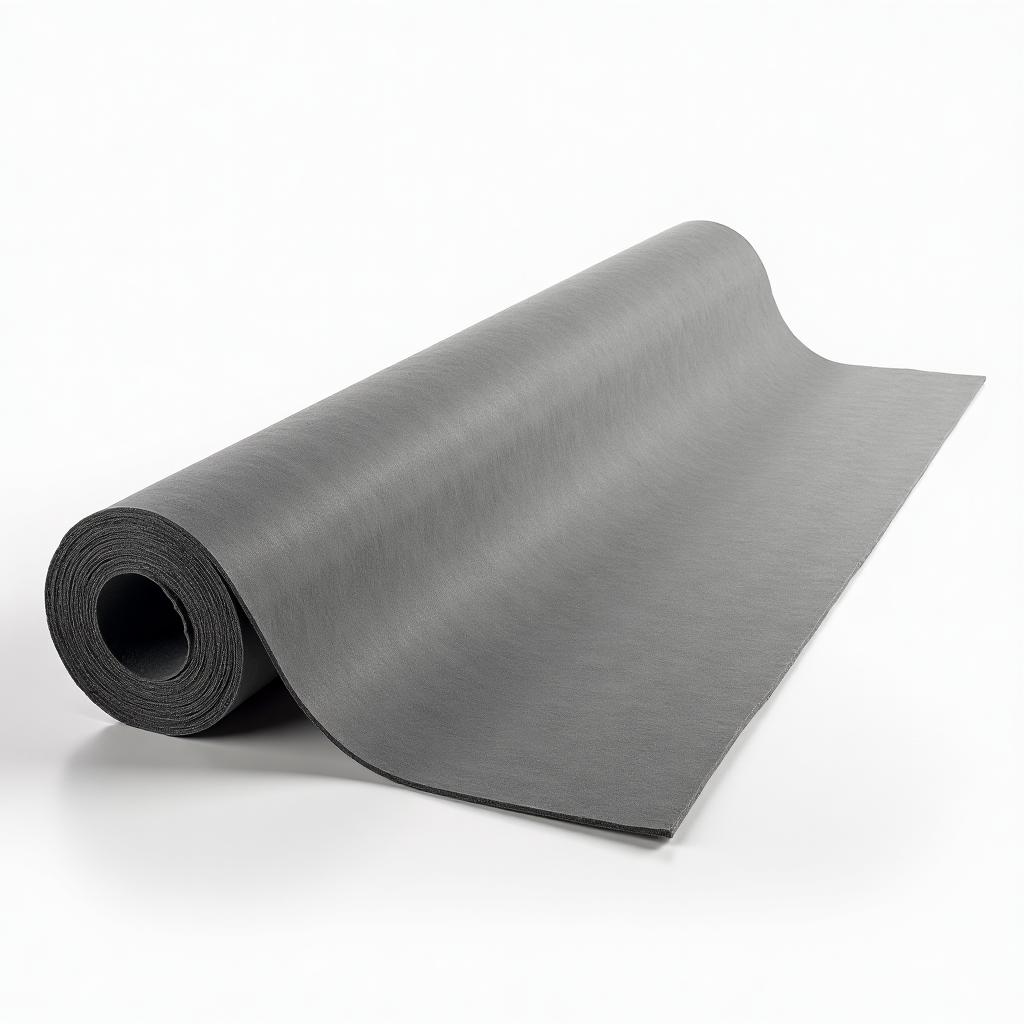
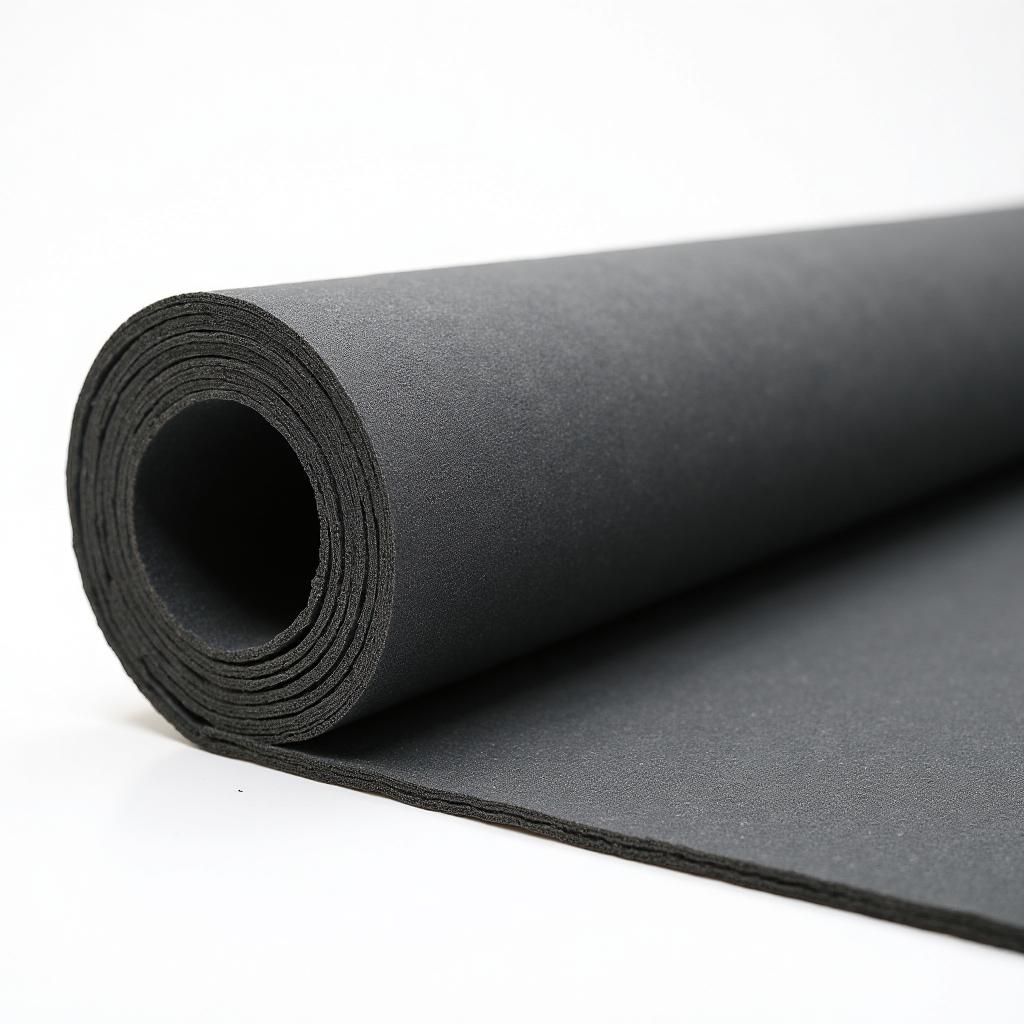
• MLV integration: 2 lb/sf MLV installed on each stud row adds critical mass in the frequency range where drywall resonance is weakest
• Insulation: Dense mineral wool (3-4 pcf) completely fills both stud cavities to eliminate cavity resonance
• Decoupling: Resilient channel or sound isolation clips on at least one side further reduces structure-borne transmission
Common Wall Failures
• Incomplete cavity fill: Air gaps or voids in insulation create cavity resonance that amplifies specific frequencies
• Floor and ceiling flanking: Sound travels around walls through continuous floor slabs and ceiling plenums if these paths aren't treated
• Penetrations: Every electrical, plumbing, or HVAC penetration must be acoustically sealed—a single untreated penetration can reduce effective STC by 10 points
• Construction defects: Gaps in drywall, torn MLV, or missing sealant are invisible but devastating to acoustic performance
4Low-Frequency Bass Control
Understanding LFE Transmission
• SPL levels: LFE channels can produce 115+ dB at the subwoofer location, with 95-105 dB throughout the auditorium
• Duration: Unlike music, movie bass effects can sustain for extended periods during action sequences
• Wavelength problem: A 40 Hz wave is 28 feet long—it diffracts around barriers and couples into large surfaces that act as secondary radiators
• Mass law limitation: Doubling wall mass only reduces low-frequency transmission by 6 dB, meaning practical walls cannot achieve needed isolation through mass alone
Strategies for Bass Isolation
• MLV contribution: Dense MLV (2 lb/sf) provides mass in a limp format that doesn't resonate like rigid panels—critical for the 40-100 Hz range
• Deep air gaps: Wider air gaps (4-6 inches) between wall elements lower the system resonance frequency, improving isolation at the lowest frequencies
• Constrained layer damping: MLV between drywall layers damps panel resonances that otherwise amplify transmission at specific frequencies
• Isolation from structure: Floating floor systems and ceiling isolation prevent bass from coupling into building structure and radiating into adjacent spaces
Subwoofer Placement and Mounting
• Baffle wall mounting: Screen walls containing subwoofers behind the perforated screen must be isolated from adjacent auditorium walls
• Vibration isolation: All subwoofers must be mechanically isolated from the building structure using specialized mounts or platforms
• Multiple subwoofer arrays: Distributed subwoofer systems can achieve more even bass coverage with lower peak output requirements
• Bass management: Electronic processing can reduce extreme low-frequency content (below 25 Hz) that is difficult to reproduce and difficult to isolate
5Projection Booth and Equipment Room Isolation
Digital Projector Noise Sources
• Lamp/laser cooling: Xenon lamp and laser light source cooling systems add additional fan noise
• Media servers: Digital cinema servers contain hard drives and cooling fans producing 45-55 dB
• UPS systems: Uninterruptible power supplies with cooling fans add background noise
• HVAC: Projection booth HVAC systems must remove substantial heat while meeting NC-25-30 requirements
Booth-to-Auditorium Isolation
• Laminated glass: Acoustic laminated glass (0.5" or thicker) improves port isolation to STC 35-40
• Double glazing: Properly designed double-glazed ports with angled glass and absorptive reveals achieve STC 45-50
• Port size minimization: Modern digital projection requires smaller ports than film—minimizing port area reduces transmission
• Port sealing: Perimeter sealing with acoustic gaskets prevents flanking around glazing frames
Equipment Room Design
• Wall construction: STC 55-60 minimum for walls adjacent to occupied spaces
• Vibration isolation: Equipment racks on vibration isolation pads prevent structure-borne noise transmission
• Cooling: Dedicated cooling systems with duct silencers prevent noise transmission through ventilation paths
• Cable paths: All cable penetrations through acoustic walls must be sealed to maintain isolation ratings
6Lobby and Concession Area Acoustics
Lobby Acoustic Challenges
• High ceilings: Grand lobby designs with multi-story volumes amplify reverberation and noise buildup
• Crowd noise: Peak attendance periods generate 75-85 dB of crowd noise that can transmit to auditoriums
• Background music: Lobby music systems compete with crowd noise, often playing at 70-75 dB
• Gaming areas: Many theaters include arcade gaming that generates additional noise and electronic sounds
Concession Equipment Noise
• Refrigeration: Display cases and ice machines generate constant 55-65 dB background noise
• Ventilation: Concession hood exhaust systems create noise at the source and at exterior exhaust locations
• Beverage systems: Ice dispensers, soda fountains, and frozen drink machines add intermittent noise
• Dishwashing: Commercial dishwashers in prep areas can exceed 80 dB during cycles
Lobby-to-Auditorium Isolation
• Door specifications: STC 40-45 rated doors with automatic bottom seals and full perimeter gaskets
• Corridor absorption: Absorptive ceiling and wall treatment in corridors leading to auditoriums reduces noise transmission
• Distance: Maximizing distance between lobby activities and auditorium doors provides additional attenuation
• Staff training: Operational protocols minimize door openings and noise during presentations
7HVAC Noise Control for Theaters
Background Noise Criteria
• NC-30 standard: Standard auditoriums should not exceed NC-30 for acceptable presentation quality
• Low-frequency emphasis: Movie soundtracks have limited low-frequency content during quiet scenes—HVAC rumble becomes audible
• Measurement conditions: Noise criteria apply with projection and sound systems in standby—no masking from program content
• Variable loads: HVAC systems must maintain noise levels across the full range of cooling loads from empty to sold-out houses
Air Distribution Design
• Large diffusers: Oversized supply diffusers reduce air velocity and turbulence noise at the point of delivery
• Under-floor/under-seat: Displacement ventilation systems delivering air at floor level can achieve lower noise than overhead systems
• Return air paths: Return air through stadium seating risers requires careful acoustic treatment of the plenum
• Dedicated systems: Each auditorium should have independently controllable HVAC for both comfort and acoustic optimization
Equipment and Duct Treatment
• Duct silencers: Sound attenuators rated for 15-25 dB insertion loss installed in supply and return ducts
• Lined ductwork: Internal acoustic lining (2" minimum) in all ductwork near auditoriums
• MLV duct wrap: External 1 lb/sf MLV wrapping on ductwork passing through or near auditoriums provides additional breakout noise control
• Flexible connections: Vibration-isolating flexible connections between equipment and ductwork prevent structure-borne noise transmission
8MLV Installation Strategies for Cinemas
Demising Wall Applications
• Double layer installation: Installing MLV on both stud rows of double-stud walls—not just one side—is essential for achieving STC 70+
• Seam treatment: All MLV seams must overlap 2 inches minimum and be sealed with acoustic caulk or tape
• Full coverage: MLV must extend from slab to structure with no gaps at top, bottom, or perimeter
• Penetration sealing: Every penetration through MLV must be sealed with acoustic caulk or specialized boots
Ceiling and Floor Isolation
• Plenum walls: When full ceiling barriers aren't possible, vertical MLV curtain walls in the plenum at demising wall locations block flanking paths
• Floor underlayment: MLV-based floor systems reduce impact noise from footsteps and rolling equipment in corridors above auditoriums
• Structure wrapping: Steel columns and beams that penetrate between auditoriums can be wrapped with MLV to reduce structure-borne transmission
• Expansion joints: Building expansion joints between auditoriums should be filled with MLV-faced isolation materials
Specialized Cinema Applications
• Subwoofer enclosures: Bass cabinets can incorporate MLV in their construction to reduce cabinet wall transmission
• Projection booth walls: 1 lb/sf MLV on projection booth walls facing auditoriums supplements glazing isolation
• Duct systems: HVAC ducts wrapped with 1 lb/sf MLV where they pass through auditoriums reduce supply air noise and prevent crosstalk
• Equipment rooms: MLV enclosures around server racks and amplifier rooms reduce noise radiation to adjacent spaces
Quality Control and Verification
• Seam inspection: All seams must be inspected before covering with drywall to ensure proper overlap and sealing
• Penetration documentation: Every penetration through MLV barriers must be documented and verified sealed
• Field testing: Post-construction STC and NC testing verifies actual performance matches design specifications
• Remediation planning: Identify remediation options before construction is complete—adding MLV after drywall installation is extremely costly
10Conclusion
Movie theater construction demands the highest acoustic isolation standards of any commercial building type. Modern cinema sound systems producing 105+ dB with powerful subwoofer bass require wall assemblies achieving STC 65-75 between auditoriums—ratings that cannot be achieved with conventional construction methods.
Mass loaded vinyl has become essential in cinema construction because it addresses the critical low-frequency isolation challenge. Its dense, limp mass characteristics complement rigid drywall layers to control transmission across the full frequency spectrum, from 20 Hz subwoofer rumble to high-frequency dialogue. The thin profile of 2 lb/sf MLV allows integration into practical wall depths while adding the mass necessary for bass isolation.
Success in theater construction requires coordinated acoustic design addressing all transmission paths—walls, floors, ceilings, HVAC systems, and doors. Working with acoustic consultants experienced in cinema design and specifying proven MLV assemblies ensures theaters that can simultaneously show blockbuster action films and intimate dramas without compromising either experience.
FAQs: Movie Theater MLV Building Codes
Related Guides in Building Codes
Continue exploring with these hand-picked articles
Airport Construction: MLV Requirements and Building Codes
Building code requirements for soundproofing in airports and aviation facilities. How MLV helps developers meet FAA acoustic standards, TSA security requirements, and create comfortable passenger environments.
Museum Construction: MLV Requirements and Building Codes
Building code requirements for soundproofing in museums and cultural institutions. How MLV helps developers achieve gallery-to-gallery isolation, protect collections from vibration damage, meet conservation standards, and create contemplative visitor experiences.
Hotel Construction: MLV Requirements & Building Codes
Building code requirements for soundproofing in hotels and hospitality construction. How MLV helps developers meet STC requirements, brand acoustic standards, and cost-effective wall/floor assemblies for hotel projects.
Our Complete Product Line
Professional-grade soundproofing materials for any application
Need Expert Soundproofing Advice?
Our team of soundproofing specialists is here to help you choose the right products and installation methods for your museum or gallery project.