Medical/Dental Office Construction: MLV Requirements & Building Codes
1Why Medical Offices Present Unique Acoustic Challenges
Patient Privacy as a Legal Requirement
• Patient trust: 78% of patients report concern about being overheard during medical consultations
• Diagnostic accuracy: Patients withhold sensitive information when they believe others can hear
• Mental health settings: Therapy and psychiatric offices require the highest speech privacy ratings
• Insurance implications: HIPAA violations increase malpractice exposure and insurance premiums
Diverse Noise Sources
• Suction equipment: Dental vacuum systems produce continuous 60-75 dB background noise
• Imaging equipment: MRI machines generate 85-120 dB, X-ray units produce mechanical noise and vibration
• Autoclave and sterilization: Steam sterilizers cycle between 65-80 dB during operation
• Patient reactions: Pediatric dental patients and patients in pain can generate 80-100+ dB
Multi-Tenant Considerations
• Mixed-use buildings: Medical suites above or below retail, restaurants, or residential units
• Adjacent pharmacies: Patient consultations at pharmacy counters require acoustic separation
• Shared corridors: Hallway walls must prevent sound transmission from exam rooms
• After-hours operations: Urgent care and dental emergency facilities operate when neighbors don't
2HIPAA Speech Privacy Requirements
What HIPAA Actually Requires
• Minimum necessary standard: Access to PHI must be limited to the minimum necessary for the intended purpose
• Administrative safeguards: Policies and procedures for managing PHI access—including acoustic measures
• Physical safeguards: Physical access controls include preventing sound transmission of conversations
• Risk assessment: Facilities must conduct risk assessments that include acoustic privacy evaluation
Speech Privacy Classifications
| Privacy Level | STC Rating | Speech Privacy Class | Application |
|---|---|---|---|
| Normal Privacy | STC 40-45 | SPC-A | Administrative offices, billing areas |
| Confidential Privacy | STC 45-50 | SPC-B | General exam rooms, consultation areas |
| Enhanced Privacy | STC 50-55 | SPC-C | Mental health, OB/GYN, specialist offices |
| Maximum Privacy | STC 55-60+ | SPC-D | Psychiatric treatment, addiction counseling |
Articulation Index (AI) and Privacy Index (PI)
• AI 0.05-0.15 (PI 85-95%): Normal privacy—speech is audible but not intelligible. Acceptable for most exam rooms
• AI 0.15-0.30 (PI 70-85%): Marginal privacy—some words intelligible. Inadequate for medical settings
• AI > 0.30 (PI < 70%): No privacy—conversations clearly understood. HIPAA violation risk
• Background sound masking: Adding 40-45 dBA of sound masking improves PI by 10-20% without wall modifications
3IBC Occupancy Classifications for Healthcare
IBC Group B (Business) vs. Group I (Institutional)
• Group I-2 (inpatient): Hospitals and facilities with patients incapable of self-preservation—much stricter requirements
• Group I-2.1 (ambulatory care): Outpatient surgery centers and facilities providing sedation—intermediate requirements
• Impact on assemblies: Group I occupancies require higher fire ratings that often improve acoustic performance
• Mixed-use considerations: MOBs with both Group B and I occupancies must meet the stricter standard at separations
Fire-Rated Assembly Requirements
• Tenant separations: 2-hour fire-rated assemblies between medical suites typically achieve STC 50-55
• Procedure room separation: Rooms with sedation or anesthesia require fire separations that benefit acoustics
• Medical gas rooms: Oxygen storage and manifold rooms require fire separation—also useful for noise control
• MLV integration: Adding 1 lb/sq ft MLV to fire-rated assemblies can increase STC by 5-8 points without affecting fire rating
ADA and Accessibility Considerations
• Visual alert systems: Alarm systems for hearing-impaired patients add acoustic considerations
• Door hardware: ADA-compliant door closers and thresholds must maintain acoustic seals
• Reception windows: Sliding glass at reception must balance speech communication with privacy
• Treatment room doors: Wide doorways for wheelchair access require larger acoustic door assemblies
4Exam Room and Procedure Room Standards
Standard Exam Room Requirements
• Background noise: NC 35-40 recommended—quiet enough for stethoscope use and whispered consultations
• Door performance: Solid-core doors with acoustic seals achieving STC 30-35
• Ceiling penetrations: Shared plenums above exam rooms are a major privacy failure—extend walls to deck
• MEP penetrations: Back-to-back outlets, plumbing, and HVAC penetrations must be sealed and offset
Procedure Room Enhanced Requirements
• Dental procedure rooms: STC 50-55 to contain drill noise and patient reactions
• Imaging rooms: MRI suites require STC 60+ and significant vibration isolation
• Ultrasound rooms: Moderate STC 45-50 but must control HVAC noise to NC 30 for clear imaging
• Recovery areas: STC 45-50 with attention to patient comfort during post-procedure recovery
Wall Assembly Specifications
| Application | Assembly | STC Rating | Cost per SF |
|---|---|---|---|
| Standard exam room | 2x4 stud + 1 layer 5/8" gypsum + R-11 insulation | STC 40-42 | $3-4 |
| Enhanced exam room | 2x4 stud + 1 lb MLV + 5/8" gypsum each side + R-11 | STC 50-52 | $5-7 |
| Procedure room | Staggered stud + 1 lb MLV + 2 layers 5/8" gypsum + R-19 | STC 55-58 | $8-11 |
| MRI/imaging suite | Double stud + 2 lb MLV + 2 layers 5/8" gypsum + R-19 | STC 60-65 | $12-18 |
5Dental Operatory Acoustic Design
Dental Drill Noise Characteristics
• Low-speed handpieces: 60-75 dB at lower frequencies (500-2,000 Hz)—less penetrating but persistent
• Ultrasonic scalers: 65-80 dB with ultrasonic components that are particularly annoying
• Air-water syringes: 70-85 dB of broadband noise during use
• Dental vacuum: Continuous 55-70 dB that raises background levels throughout the practice
Open Operatory vs. Closed Room Design
• Semi-open (partial walls): 42-48" walls with glass above provide visual connection but poor acoustics (STC 15-25)
• Closed operatories: Full floor-to-ceiling walls achieve STC 45-55 and meet HIPAA requirements
• Hybrid approach: Closed walls with borrowed light (sealed glazing) balance privacy and aesthetics
• Trend direction: New dental construction increasingly favors closed operatories due to HIPAA enforcement
Dental-Specific MLV Applications
• Compressor room isolation: Dental air compressors generate 70-85 dB—MLV wrap on walls and ceiling
• Vacuum pump rooms: Central vacuum systems require STC 55+ enclosures to prevent transmission
• Lab areas: Dental labs with grinding and polishing equipment need isolation from patient areas
• Sterilization rooms: Autoclave noise (65-80 dB) contained with MLV-enhanced walls
Recommended for Medical & Dental Offices
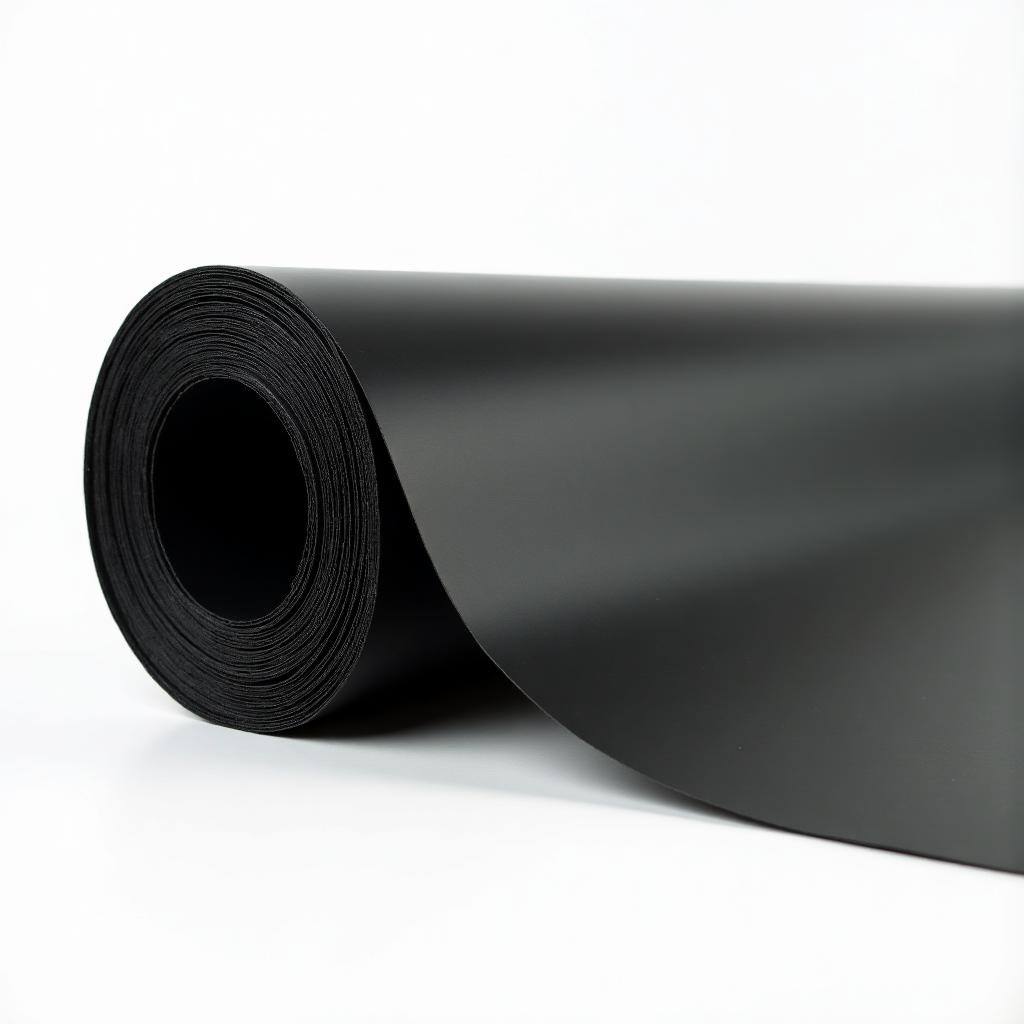
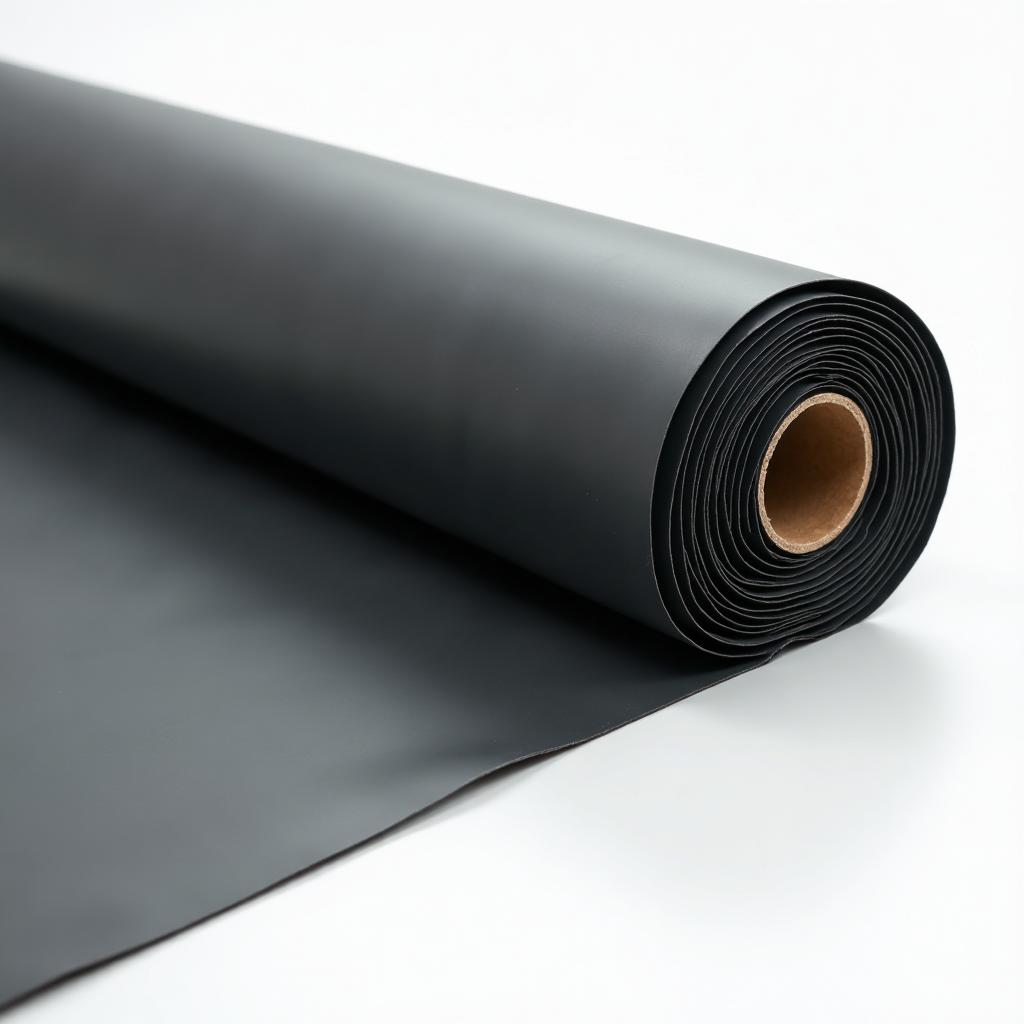
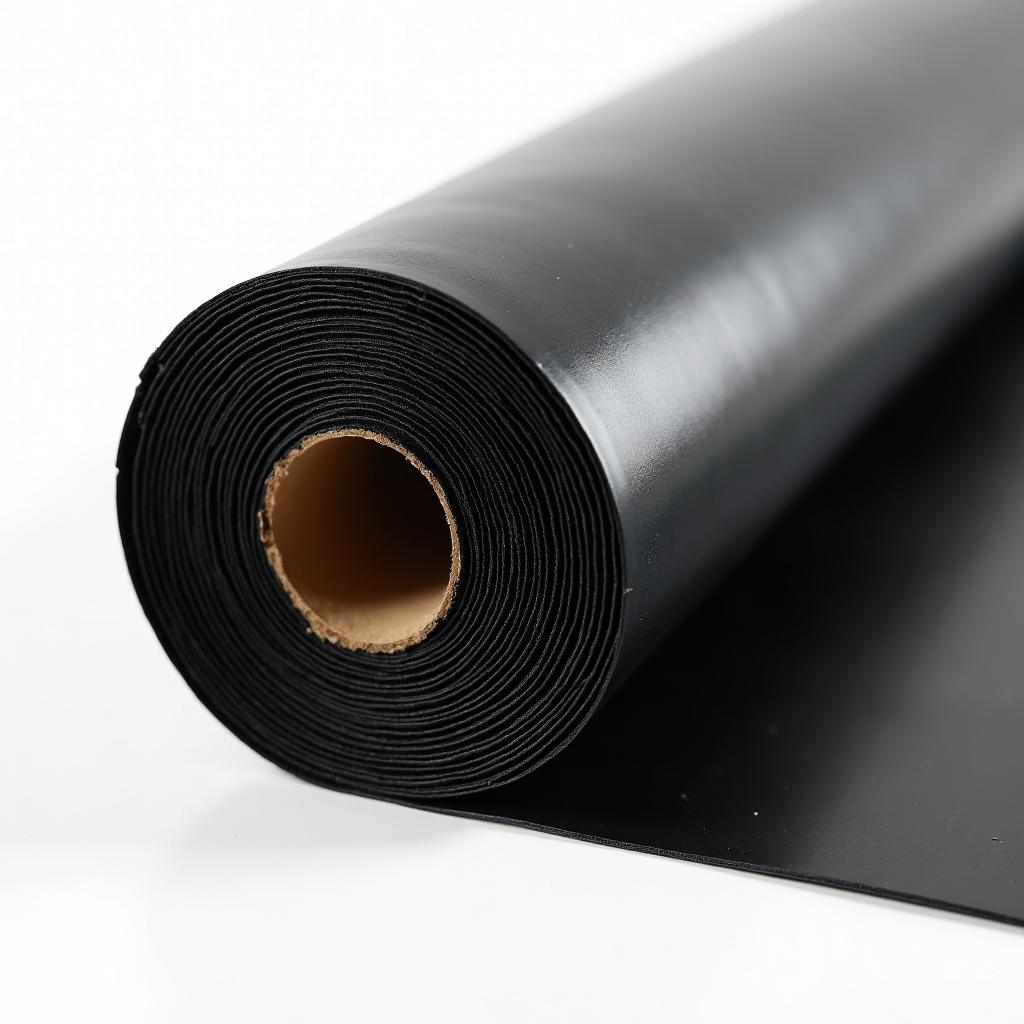
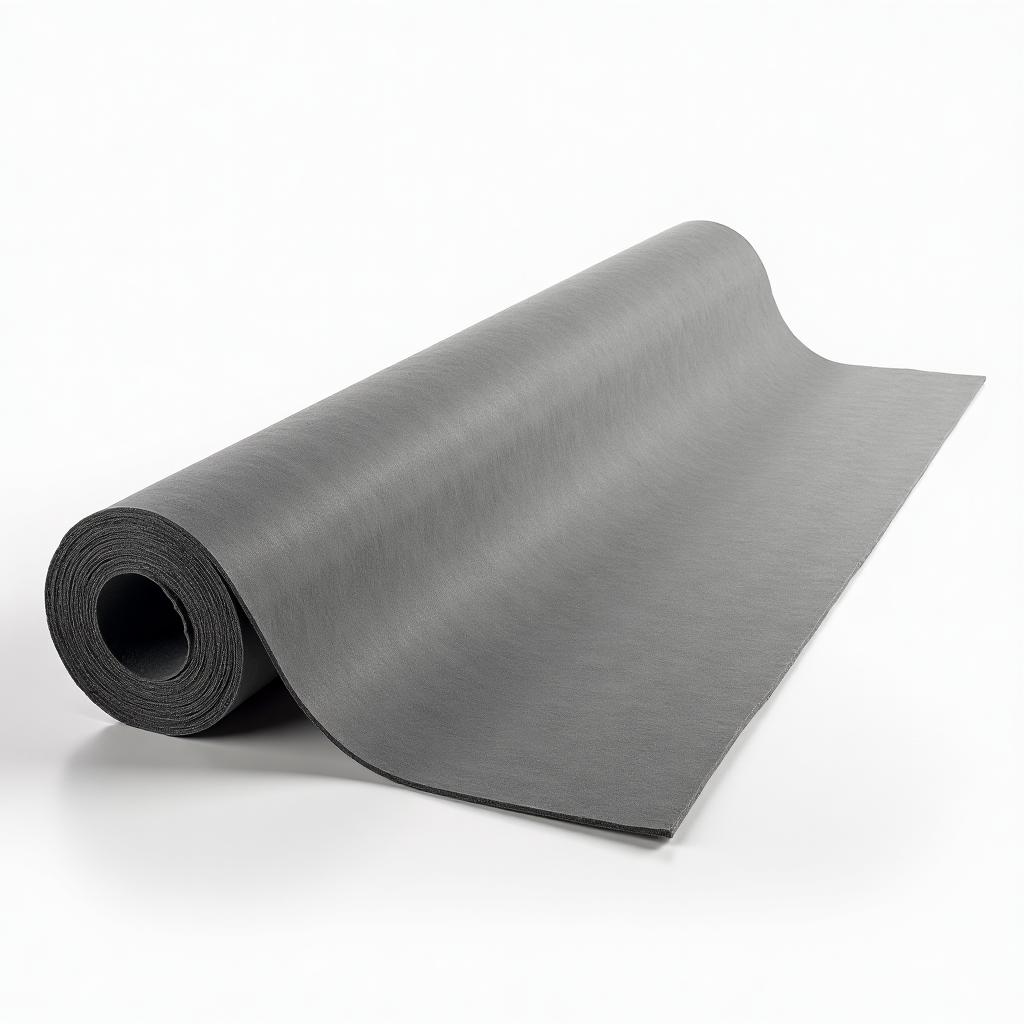
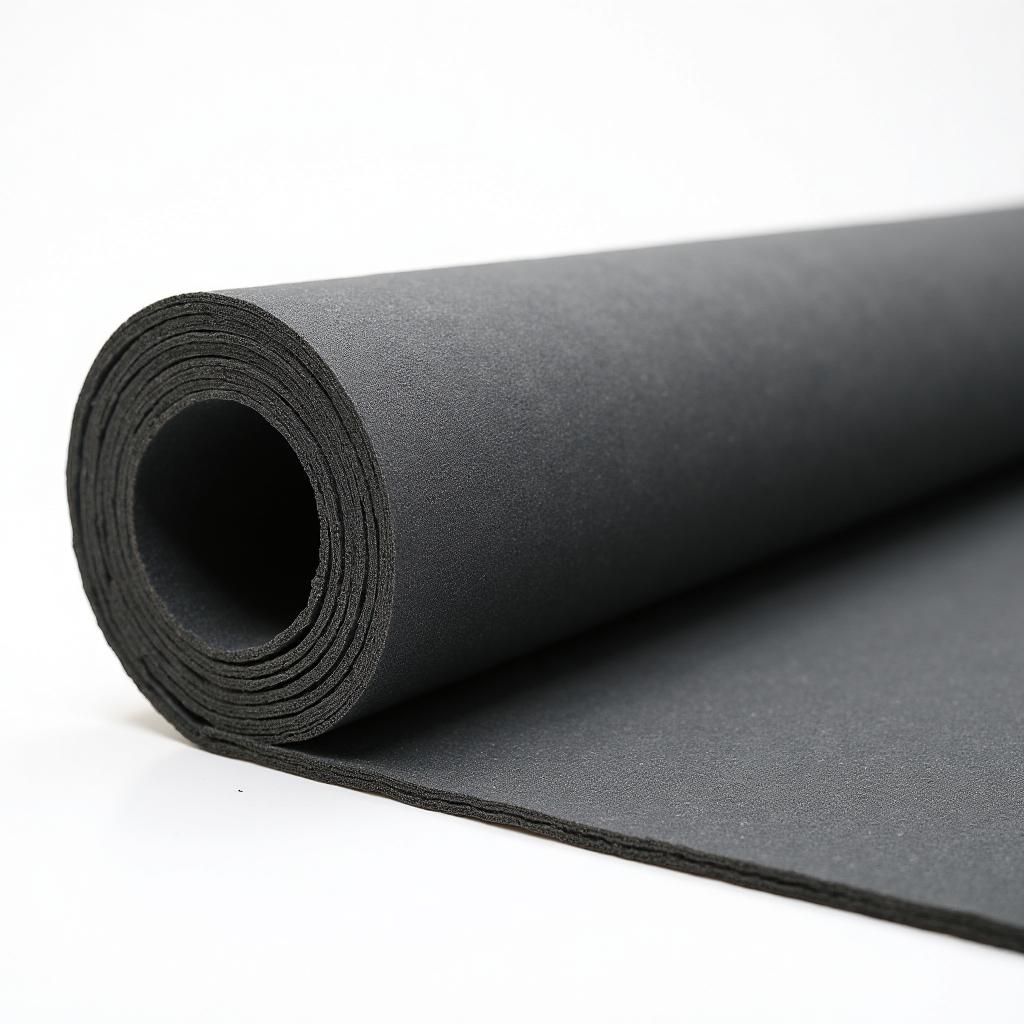
Our 1 lb/sq ft MLV Regular delivers the STC improvements needed for HIPAA-compliant exam rooms and operatories. Upgrade to MLV Pro for procedure rooms and mental health offices.
6Waiting Room and Reception Acoustics
Reception Desk Privacy Challenges
• Phone calls: Staff discuss appointments, test results, and billing within earshot of waiting patients
• Open floor plans: Many reception areas lack acoustic barriers between staff and waiting patients
• Glass partitions: Sliding glass windows provide visual separation but often poor acoustic performance
• Speak-through systems: Talk-through windows with sound masking provide privacy without isolation
Waiting Room Design Standards
• Sound masking systems: Electronic sound masking at 42-45 dBA significantly improves privacy at lower cost
• Corridor isolation: Walls between waiting areas and treatment corridors should achieve STC 45-50
• Ceiling design: High-NRC ceiling tiles (0.90+) reduce reverberation and improve speech privacy
• Furniture layout: Seating arrangements that maximize distance between patients improve perceived privacy
Specialty Waiting Area Requirements
• Mental health clinics: Patients must not be identifiable by others in the waiting room
• OB/GYN offices: Enhanced privacy expectations require isolated check-in and separate waiting areas
• Oncology offices: Emotional conversations in consultation rooms must not reach waiting areas
• Multi-specialty MOBs: Shared waiting areas serving multiple specialties need higher baseline privacy
7Mechanical and Equipment Noise Control
HVAC Requirements for Healthcare
• Filtration requirements: HEPA filtration in procedure rooms increases fan pressure and noise
• Exhaust systems: Dental offices require dedicated exhaust for nitrous oxide—additional noise sources
• Temperature control: Precise temperature requirements in procedure rooms demand variable speed drives
• Noise criteria: NC 30-35 for exam rooms and NC 25-30 for audiology suites—stricter than standard offices
Imaging Equipment Isolation
• CT scanners: Rotation noise and cooling fans generate 65-75 dB requiring room isolation
• X-ray equipment: Mechanical noise during exposure is brief but startling—patient comfort matters
• Dental CBCT: Cone beam CT units are quieter but still require STC 45+ enclosure walls
• Vibration isolation: All imaging equipment requires spring or neoprene isolation to prevent structure-borne transmission
Plumbing and Medical Gas Systems
• Vacuum systems: Central dental vacuum creates continuous noise requiring isolated mechanical rooms
• Compressed air: Oil-free medical compressors generate 65-80 dB requiring STC 55+ enclosures
• Water treatment: Reverse osmosis and water purification systems for dialysis add mechanical noise
• Waste systems: Medical waste processing and autoclave drainage require acoustic isolation
8MLV Installation Strategies for Medical Offices
Priority Installation Zones
• Priority 2 — Procedure rooms: Equipment noise generation zones need containment—STC 50-55
• Priority 3 — Mental health offices: Maximum speech privacy—STC 55-60 with sound masking
• Priority 4 — Reception areas: Check-in privacy improvements—targeted MLV plus sound masking
• Priority 5 — Mechanical rooms: Equipment noise containment—STC 55-60
Cost-Effective Assembly Upgrades
| Base Assembly | MLV Addition | STC Improvement | Added Cost/SF |
|---|---|---|---|
| Standard 2x4 + gypsum (STC 40) | 1 lb/sf MLV Regular | +8-10 STC points | $1.50-2.50 |
| Fire-rated 1-hour (STC 45) | 1 lb/sf MLV Regular | +5-8 STC points | $1.50-2.50 |
| Staggered stud (STC 48) | 1 lb/sf MLV Regular | +7-10 STC points | $1.50-2.50 |
| Double stud (STC 55) | 2 lb/sf MLV Pro | +5-8 STC points | $3.00-4.50 |
Critical Detail Management
• Seal electrical penetrations: Back-to-back outlets between exam rooms are a common privacy failure
• Offset MEP penetrations: Plumbing, electrical, and HVAC penetrations should never align between rooms
• Door undercuts: Maximum 1/4" with automatic door bottoms—standard 3/4" undercuts destroy privacy
• Window-to-wall transitions: Borrowed light windows between rooms must use acoustic glazing with proper seals
Sound Masking Integration
• Plenum speakers: Install above ceiling tiles to create uniform background sound
• Target spectrum: 42-45 dBA with healthcare-specific spectral curve for speech masking
• Zone control: Different masking levels for waiting rooms, corridors, and office areas
• Combined approach: MLV-enhanced walls (STC 50) + sound masking achieves equivalent privacy to STC 58-62 walls
11Conclusion
Medical and dental office construction requires acoustic performance that standard commercial building practices simply cannot deliver. HIPAA compliance transforms speech privacy from a comfort feature into a legal requirement, and the combination of high-frequency dental equipment, sensitive patient conversations, and multi-tenant building configurations creates challenges that demand specialized solutions.
Mass loaded vinyl provides the most cost-effective path to meeting healthcare acoustic standards. Adding 1 lb/sq ft MLV Regular to standard wall assemblies typically increases STC ratings by 5-10 points—often the difference between a privacy failure and HIPAA compliance. For procedure rooms and mental health offices requiring maximum privacy, double-layer MLV Pro with staggered-stud construction achieves STC 55-60+ ratings that ensure complete speech confidentiality.
The key is treating acoustics as a core building system rather than an afterthought. Specify MLV in partition assemblies, extend walls to structure above, seal every penetration, and integrate electronic sound masking to create healthcare environments where patients feel confident sharing sensitive information and practitioners can focus on delivering excellent care.
FAQs: Medical Dental Office Construction Soundproofing
Related Guides in Building Codes
Continue exploring with these hand-picked articles
Airport Construction: MLV Requirements and Building Codes
Building code requirements for soundproofing in airports and aviation facilities. How MLV helps developers meet FAA acoustic standards, TSA security requirements, and create comfortable passenger environments.
Museum Construction: MLV Requirements and Building Codes
Building code requirements for soundproofing in museums and cultural institutions. How MLV helps developers achieve gallery-to-gallery isolation, protect collections from vibration damage, meet conservation standards, and create contemplative visitor experiences.
Hotel Construction: MLV Requirements & Building Codes
Building code requirements for soundproofing in hotels and hospitality construction. How MLV helps developers meet STC requirements, brand acoustic standards, and cost-effective wall/floor assemblies for hotel projects.
Our Complete Product Line
Professional-grade soundproofing materials for any application
Need Expert Soundproofing Advice?
Our team of soundproofing specialists is here to help you choose the right products and installation methods for your museum or gallery project.