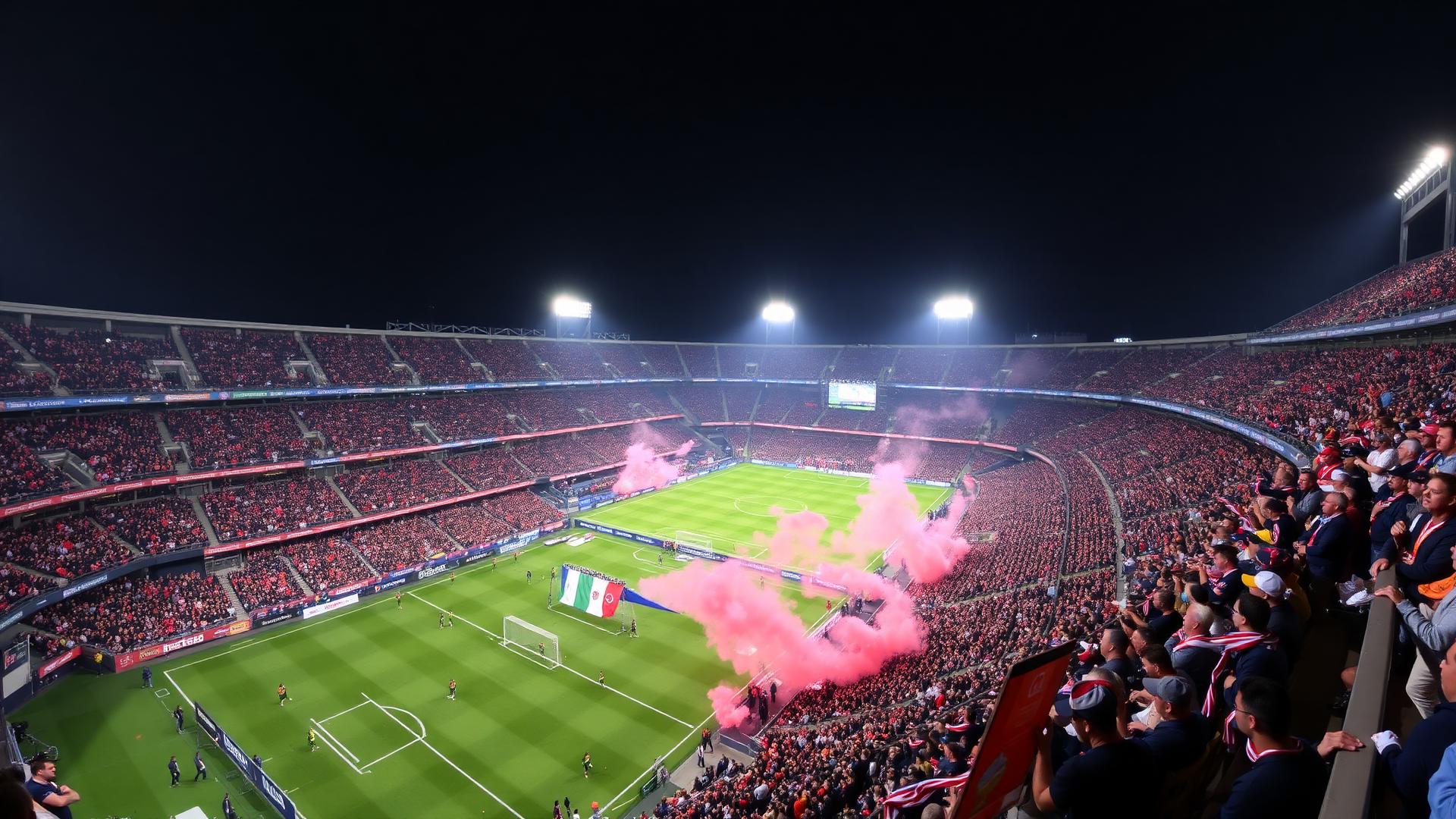
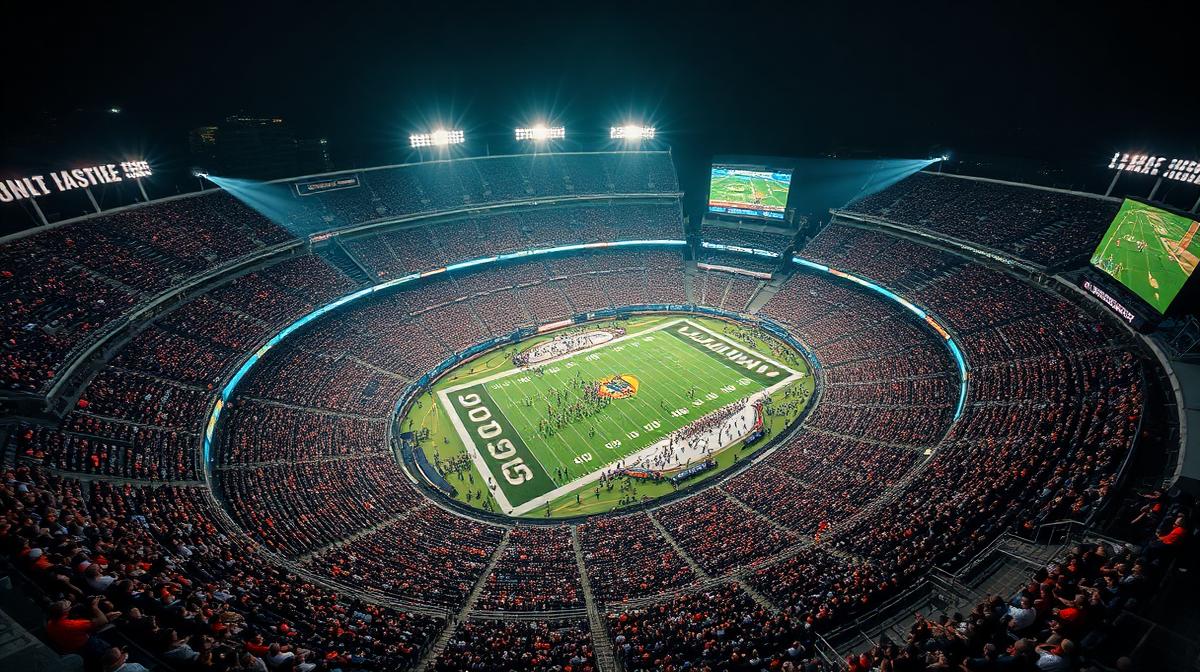
3Loudest MLS Stadiums Ranked
This comprehensive ranking covers all 30 current MLS home stadiums. Each entry includes team, location, capacity, and what makes the venue uniquely loud or limiting.
1. Providence Park
Team: Portland Timbers | Location: Portland, Oregon | Capacity: 25,218 | Opened: 1926 (renovated 2011, expanded 2019)
Providence Park is the gold standard for MLS atmosphere, and it is not particularly close. The Timbers Army occupies the entire north end and produces a continuous, coordinated wall of noise that rarely drops below 100 dB during matches. The stadium's sunken bowl design — the pitch sits below street level — creates a natural acoustic trap that keeps sound concentrated inside the venue. The steep, close seating means fans are practically on top of the pitch. Add a century of architectural character, a roof that reflects sound downward, and a supporter culture that treats every home match like a playoff game, and you have the loudest stadium in MLS.
2. BMO Stadium
Team: LAFC | Location: Los Angeles, California | Capacity: 22,000 | Opened: 2018
BMO Stadium was purpose-built to be hostile. The 3,252 Club occupies the entire north end with standing-room capacity, creating a dense, vocal mass that produces sustained noise levels rivaling anything in MLS. The stadium's canopy roof traps and reflects sound back onto the pitch. LAFC built a supporter culture from scratch in 2018 and it immediately became one of the most intense in the league. The building's compact, steep design ensures every seat feels close, and the Los Angeles market has embraced the club with a passion that fills every match.
3. Geodis Park
Team: Nashville SC | Location: Nashville, Tennessee | Capacity: 30,000 | Opened: 2022
Geodis Park is the largest soccer-specific stadium in the United States and Canada, and Nashville has proven that scale does not have to sacrifice atmosphere. The Backline — Nashville's supporter section — fills an enormous standing-room area behind one goal and produces a volume that takes advantage of the building's sheer capacity. When 30,000 fans are chanting simultaneously in a purpose-built soccer venue, the acoustic mass is staggering. The stadium's modern design includes a partial roof that helps contain sound, and Nashville's rapid adoption of MLS culture has been one of the league's great success stories.
4. TQL Stadium
Team: FC Cincinnati | Location: Cincinnati, Ohio | Capacity: 26,000 | Opened: 2021
TQL Stadium earned its reputation as one of the loudest in MLS almost immediately. The Bailey — Cincinnati's supporter section — is one of the most passionate and organized groups in the league, and the stadium was designed specifically to amplify their output. The steep, enclosed bowl creates a cauldron effect, and Cincinnati's fan base has consistently sold out the venue since opening. The acoustics of TQL Stadium are genuinely impressive for an open-air venue, with the steep upper deck acting as a reflective wall that pushes sound back down to pitch level.
5. Lumen Field
Team: Seattle Sounders | Location: Seattle, Washington | Capacity: 37,722 (MLS config) | Opened: 2002
Lumen Field was already famous as the loudest stadium in the NFL before the Sounders moved in, and the Emerald City Supporters have added a distinctly soccer flavor to the building's acoustic reputation. The partially enclosed roof design that creates the famous "12th Man" effect for the Seahawks works equally well for soccer, trapping sound and directing it onto the pitch. The Sounders regularly draw over 30,000 fans, and the combination of a world-class supporter group, a building designed to amplify noise, and a Pacific Northwest fan base that shows up in any weather makes Lumen Field one of the most intimidating venues in MLS.
6. Mercedes-Benz Stadium
Team: Atlanta United | Location: Atlanta, Georgia | Capacity: 42,500 (MLS config) | Opened: 2017
Mercedes-Benz Stadium is the largest venue in MLS by capacity, and when Atlanta United fills it for a marquee match, the atmosphere is unlike anything else in North American soccer. The retractable roof — when closed — transforms the building into an enclosed echo chamber that amplifies 42,000 voices into a deafening roar. The Resurgence and Terminus Legion supporter groups anchor the south end with drums, flags, and coordinated chants. Atlanta's rapid ascent to MLS relevance created a fan culture that still delivers electric atmospheres, though consistency drops during midweek fixtures against lesser opponents.
7. Lower.com Field
Team: Columbus Crew | Location: Columbus, Ohio | Capacity: 20,011 | Opened: 2021
Lower.com Field replaced historic Crew Stadium — the first soccer-specific stadium in MLS — and delivered a massive atmospheric upgrade. The Nordecke supporter section was given a purpose-built safe-standing area that concentrates the most passionate fans into a dense, vocal wall. The stadium's steep bowl and partial canopy create excellent natural acoustics for an open-air venue. Columbus invented the soccer-specific stadium concept, and Lower.com Field proves they have not stopped innovating.
8. Q2 Stadium
Team: Austin FC | Location: Austin, Texas | Capacity: 20,738 | Opened: 2021
Q2 Stadium became an instant fortress when Austin FC entered MLS. Verde Wall — the supporter section — brings a Texas-sized energy that fills the entire south end with flags, drums, and bilingual chants that reflect Austin's cultural identity. The stadium was designed with a steep, compact bowl that keeps fans close to the pitch, and the partial roof over the main stands helps contain noise. Austin's sellout streak from match one demonstrated that the market was ready for top-flight soccer, and the atmosphere has only intensified as the club has matured.
9. Subaru Park
Team: Philadelphia Union | Location: Chester, Pennsylvania | Capacity: 18,500 | Opened: 2010
Subaru Park is one of the smaller venues in MLS, and that works to its advantage acoustically. The Sons of Ben supporter group is one of the oldest and most established in the league — they existed before the team did — and their sustained vocal output in a compact, 18,500-seat stadium creates a noise density that larger venues struggle to match. The stadium's location on the Delaware River waterfront adds a unique atmospheric element, and Philadelphia's notoriously passionate sports culture translates directly to the soccer pitch.
10. Children's Mercy Park
Team: Sporting Kansas City | Location: Kansas City, Kansas | Capacity: 18,467 | Opened: 2011
Children's Mercy Park set the standard for the modern MLS stadium when it opened in 2011, and it remains one of the best. The Cauldron supporter section is perfectly positioned behind the south goal, and the stadium's design channels their noise across the pitch with impressive efficiency. The venue's intimate scale — one of the smallest in MLS — ensures every seat feels close, and Sporting KC's fan base has been one of the most consistently engaged in the league for over a decade. The partial roof canopy helps push noise downward.
11. Inter&Co Stadium
Team: Orlando City | Location: Orlando, Florida | Capacity: 25,500 | Opened: 2017
Inter&Co Stadium benefits from Orlando's deeply passionate fan base and a supporter section — The Wall — that fills the entire north end with purple-clad, drum-beating, flag-waving energy. Orlando City's supporters embraced MLS culture with an intensity that surprised the league. The stadium's open-air design in Florida's heat does allow some sound to dissipate, but the sheer vocal commitment of the fan base compensates. Rivalry matches against Miami are among the loudest events in MLS.
12. Energizer Park
Team: St. Louis City SC | Location: St. Louis, Missouri | Capacity: 22,423 | Opened: 2023
Energizer Park is one of the newest stadiums in MLS, and St. Louis immediately established itself as a top-tier atmosphere. The city's deep soccer history — dating back decades in the amateur and lower-division ranks — meant the fan base arrived fully formed. The stadium's steep, modern bowl design creates excellent acoustics, and the supporter section behind the north goal has quickly developed a sophisticated chant culture. St. Louis sold out every match in their inaugural season.
13. Allianz Field
Team: Minnesota United | Location: St. Paul, Minnesota | Capacity: 19,400 | Opened: 2019
Allianz Field's design is one of the most visually striking in MLS, and the Dark Clouds supporter group fills the Wonderwall section with organized noise that belies Minnesota's reputation as a quiet, polite market. The stadium's PTFE fabric exterior creates unique acoustic properties — the translucent walls reflect some sound internally while allowing the building to glow at night. Minnesota's fan base has embraced the club with genuine passion, and the intimate 19,400-seat capacity keeps the atmosphere dense.
14. BMO Field
Team: Toronto FC | Location: Toronto, Ontario | Capacity: 28,351 | Opened: 2007 (expanded 2014-2016)
BMO Field's atmosphere peaked during Toronto FC's legendary 2017 treble-winning season, when the south end supporter section produced noise levels that rivaled anything in the Western Hemisphere. The expansion that added a roof over the east stand dramatically improved acoustics by giving sound a reflective surface. Toronto's multicultural fan base brings a global soccer sensibility — you hear chants influenced by English, Italian, South American, and Caribbean traditions. When TFC is competitive, BMO Field is genuinely hostile.
15. Shell Energy Stadium
Team: Houston Dynamo | Location: Houston, Texas | Capacity: 22,039 | Opened: 2012
Shell Energy Stadium is a well-designed soccer-specific venue that benefits from Houston's diverse, soccer-passionate community. El Batallón and the Texian Army bring Latin American-influenced chant culture that adds rhythmic complexity and sustained volume. The stadium's compact design keeps fans close, and the partial roof reflects sound back onto the pitch. Houston's atmosphere is consistently solid if rarely spectacular, but the fan base shows up with genuine energy for rivalry matches and playoff games.
16. Dignity Health Sports Park
Team: LA Galaxy | Location: Carson, California | Capacity: 27,000 | Opened: 2003
Dignity Health Sports Park was a pioneer — the first major soccer-specific stadium in MLS — and it showed the league what a purpose-built venue could do for atmosphere. The Angel City Brigade and LA Galaxy Alliance supporter groups have sustained a strong chant culture for two decades. The stadium's age is showing, and the open-air California design allows sound to escape, but when the Galaxy are in a rivalry match against LAFC, this building still delivers one of the most electric atmospheres in the league.
17. Dick's Sporting Goods Park
Team: Colorado Rapids | Location: Commerce City, Colorado | Capacity: 18,061 | Opened: 2007
Dick's Sporting Goods Park is a solid soccer-specific venue that suffers from an unfortunate location in suburban Commerce City, well outside downtown Denver. When the Rapids are competitive, the C38 supporter group generates respectable noise in a stadium that is acoustically decent but rarely full. The altitude does create a unique home-field advantage — visiting teams struggle with the thin air — even if the crowd noise itself is inconsistent.
18. Sports Illustrated Stadium
Team: New York Red Bulls | Location: Harrison, New Jersey | Capacity: 25,000 | Opened: 2010
Sports Illustrated Stadium is an excellent soccer-specific venue with steep seating, good sightlines, and a design that should produce great atmospheres. The South Ward supporter section is committed and vocal. The challenge is filling it consistently — the Red Bulls compete for attention in the New York metro market against NYCFC, the Premier League, and dozens of other entertainment options. When the building is full for a rivalry match, it sounds like a top-10 venue. On an average Saturday, it can feel quiet.
19. Saputo Stadium
Team: CF Montréal | Location: Montreal, Quebec | Capacity: 19,619 | Opened: 2008 (expanded 2012)
Saputo Stadium has a passionate core of supporters in the Ultras Montréal who bring European-influenced chant culture and tifo displays. The stadium is a functional soccer-specific venue that sits in the shadow of Olympic Stadium. Montreal's atmosphere is heavily dependent on the team's performance — when CF Montréal is competitive, the building fills and the noise is impressive. During rebuilding years, attendance drops significantly and the atmosphere suffers.
20. America First Field
Team: Real Salt Lake | Location: Sandy, Utah | Capacity: 20,213 | Opened: 2008
America First Field benefits from a devoted fan base in a market with limited professional sports competition. The supporter section brings consistent energy, and the stadium's location against the Wasatch Mountain backdrop creates a visually stunning setting. The atmosphere is solid and reliable without being spectacular — RSL fans show up and make noise regardless of the team's record, which gives the venue a consistency that some flashier stadiums lack.
21. Audi Field
Team: DC United | Location: Washington, D.C. | Capacity: 20,000 | Opened: 2018
Audi Field was supposed to revitalize DC United's atmosphere by moving the club from the cavernous RFK Stadium into an intimate, purpose-built venue in the Buzzard Point neighborhood. The stadium is well-designed and compact, but DC United's recent struggles on the pitch have dampened attendance and energy. The Screaming Eagles and Barra Brava supporter groups have deep histories, and when the team is competitive, Audi Field has the potential to be a top-15 atmosphere. Right now, it is underperforming its design.
22. Toyota Stadium
Team: FC Dallas | Location: Frisco, Texas | Capacity: 20,500 | Opened: 2005
Toyota Stadium is a well-maintained soccer-specific venue that has never quite captured the atmospheric potential of the Dallas-Fort Worth market. The suburban Frisco location makes it difficult for fans to get to weeknight matches, and FC Dallas has struggled with attendance despite fielding competitive teams. The Dallas Beer Guardians and other supporter groups bring energy, but filling 20,500 seats consistently has been a challenge. The stadium's canopy roof helps acoustically, but you need bodies in seats for that to matter.
23. BC Place
Team: Vancouver Whitecaps | Location: Vancouver, British Columbia | Capacity: 22,120 (MLS config) | Opened: 1983 (renovated 2011)
BC Place is a retractable-roof multi-purpose stadium that seats over 54,000 for football but is configured to roughly 22,000 for Whitecaps matches. When the roof is closed, the enclosed space amplifies crowd noise significantly. The Southsiders supporter group is committed and vocal. The challenge is that BC Place's football-first design creates a sense of distance between fans and the pitch that pure soccer venues avoid. The atmosphere is solid for Canadian derbies against Toronto and Montreal but inconsistent otherwise.
24. Soldier Field
Team: Chicago Fire | Location: Chicago, Illinois | Capacity: 24,955 (MLS config) | Opened: 1924 (renovated 2003)
Soldier Field's return as the Chicago Fire's home after years in suburban Bridgeview has been a mixed blessing. The iconic lakefront location and NFL-sized stadium create a grand setting, but the Fire have struggled to fill even their reduced MLS configuration consistently. Section 8 Chicago is one of the original MLS supporter groups, and when they are in full voice, the noise is impressive. The building's massive concrete bowl can feel empty at 15,000 fans, but rivalry matches and big events show what the venue is capable of.
25. Miami Freedom Park
Team: Inter Miami | Location: Miami, Florida | Capacity: 25,000 | Opened: 2025
Miami Freedom Park is Inter Miami's new purpose-built stadium, and the early returns are promising. The venue was designed with a steep, compact bowl and a significant supporter section behind one goal. The Southern Legion and Vice City 1896 groups are developing a chant culture that reflects Miami's diverse, Latin-influenced identity. The Messi effect has filled every seat, but the true test of this stadium's atmosphere will come when the roster normalizes. The design is excellent — the question is whether Miami's notoriously fickle sports market sustains the energy.
26. Snapdragon Stadium
Team: San Diego FC | Location: San Diego, California | Capacity: 35,000 | Opened: 2022
Snapdragon Stadium is a multi-purpose venue that San Diego FC shares with the San Diego State Aztecs. The 35,000-seat capacity is challenging for a first-year MLS expansion club to fill consistently, and the football-first design creates more distance between fans and the pitch than a purpose-built soccer venue would. The early supporter culture is enthusiastic but still developing. San Diego's proximity to the Mexican border means the fan base brings deep soccer knowledge and Latin American-influenced passion.
27. PayPal Park
Team: San Jose Earthquakes | Location: San Jose, California | Capacity: 18,000 | Opened: 2015
PayPal Park is a compact, modern soccer-specific stadium that should produce better atmospheres than it does. The Earthquakes' struggles on the pitch and competition from Bay Area entertainment options have made consistent sellouts elusive. The 1906 Ultras supporter group is passionate and vocal, but the empty seats in the upper sections absorb both sound and energy. When the Earthquakes are competitive and the building fills, PayPal Park's intimate design delivers solid noise levels.
28. Gillette Stadium
Team: New England Revolution | Location: Foxborough, Massachusetts | Capacity: 20,000 (MLS config) | Opened: 2002
Gillette Stadium is an NFL stadium that the Revolution have never been able to make feel like home. Even with a reduced MLS configuration of 20,000 seats, the massive concrete bowl designed for 65,000 Patriots fans creates an acoustic void that swallows crowd noise. The Midnight Riders supporter group is dedicated, but they are fighting the building itself. The suburban Foxborough location — 25 miles from Boston — adds a logistical barrier. A purpose-built stadium in the city would transform this ranking.
29. Yankee Stadium
Team: NYCFC | Location: Bronx, New York | Capacity: 28,743 | Opened: 2009 (as baseball stadium)
NYCFC plays in a baseball stadium, and no amount of supporter passion can fully overcome the acoustic and sightline limitations that come with that. The Third Rail and other supporter groups are vocal and committed, but the asymmetric seating layout, the baseball-diamond pitch orientation, and the vast foul territory gaps create dead zones where sound dissipates. NYCFC's long-promised soccer-specific stadium would be transformative. Until then, Yankee Stadium remains one of the most acoustically compromised venues in MLS.
30. Citi Field
Team: NYCFC (alternate) | Location: Queens, New York | Capacity: 41,992 | Opened: 2009 (as baseball stadium)
Citi Field is NYCFC's overflow venue, used for select high-profile matches when Yankee Stadium is unavailable. As a baseball stadium, it shares all of Yankee Stadium's fundamental acoustic challenges — poor sightlines for soccer, massive dead zones, and a layout never designed for sustained crowd noise. The saving grace is that NYCFC typically only uses Citi Field for big events that draw larger crowds, so when they do play here, the atmosphere can be surprisingly decent purely from the volume of bodies. But as a regular home, it would rank dead last.