Acoustics7 min readAuthorMass Loaded Vinyl DirectPublishedUpdated

    The Loudest Concert Ever Recorded: A History of Music's Most Extreme Performances
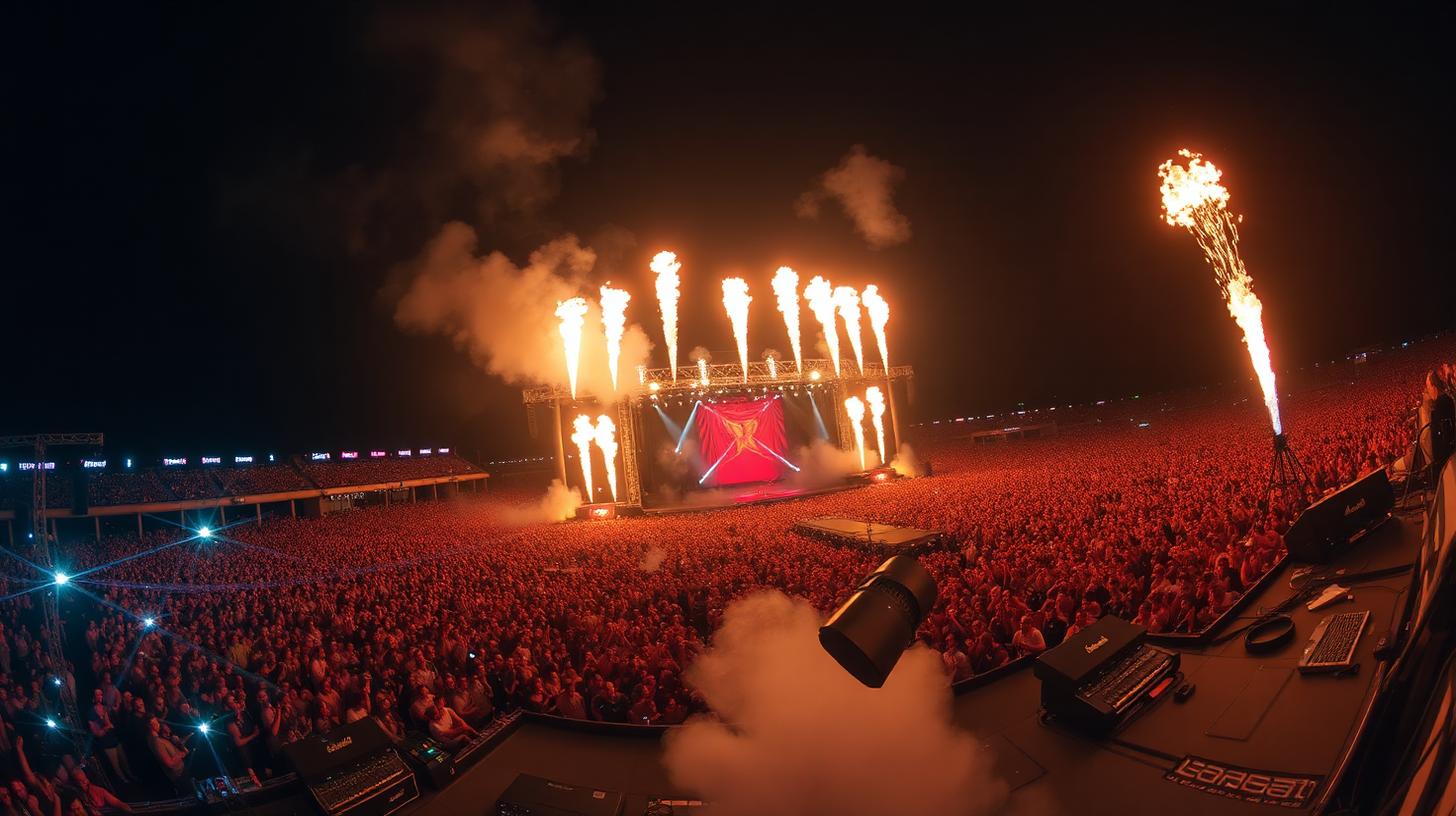
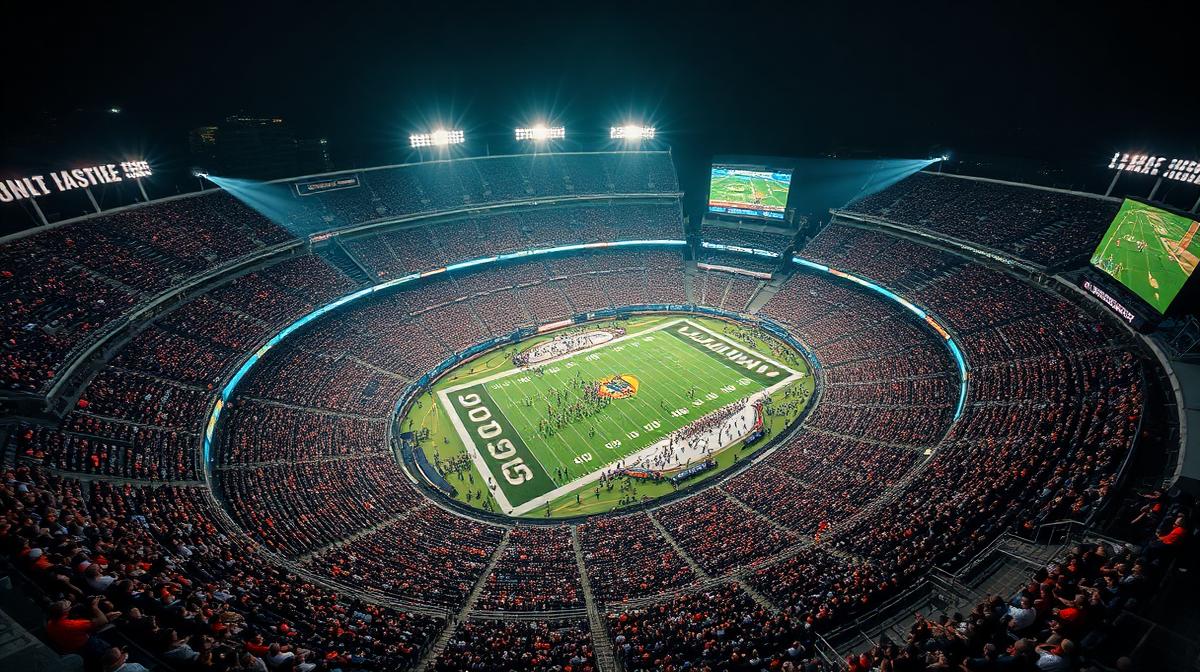
    Massive outdoor rock concert at night with pyrotechnics, enormous speaker arrays, and thousands of fans — representing the loudest concerts ever recorded
    Massive outdoor rock concert at night with pyrotechnics, enormous speaker arrays, and thousands of fans — representing the loudest concerts ever recorded

    1The Who at The Valley, 1976 — 126 dB

    The Who held the Guinness World Record for the loudest concert from 1976 until the mid-1980s. Their May 31, 1976 performance at The Valley (Charlton Athletic's football ground) in London registered 126 dB at a distance of 32 meters from the stage — roughly equivalent to standing near a military jet during takeoff.
    The band's setup was staggering for the era: a custom PA system delivering over 76,000 watts of power through massive speaker stacks flanking the stage. Pete Townshend's guitar rig alone used multiple Marshall stacks cranked to full volume, and Keith Moon's drum kit was heavily amplified through its own dedicated monitor system.
    The 126 dB measurement was taken at a standardized distance, meaning audience members in the front rows likely experienced levels above 130 dB — well into the range where sound is felt as physical pressure against the chest and eardrums. Multiple attendees reported temporary hearing loss lasting several days, and Townshend himself has attributed his severe tinnitus and hearing damage to decades of performing at extreme volumes.

    2Manowar — 1994 and 2008 — 129.5 dB and 139 dB

    Heavy metal band Manowar didn't just want to be loud — they made it a core part of their identity. In 1994, they entered the Guinness Book of World Records with a 129.5 dB reading during a soundcheck in Hanover, Germany. But they weren't satisfied.
    On June 6, 2008, at the Magic Circle Festival in Bad Arolsen, Germany, Manowar's PA system registered 139 dB — the highest decibel level ever officially documented at a live music event. To put that in perspective, 139 dB is louder than a jet engine at 100 feet (approximately 130 dB) and approaching the volume of a 12-gauge shotgun blast (around 140 dB).
    The measurement was taken from the front-of-house mixing position, not directly in front of the speakers. Audience members nearest the stage arrays would have experienced even higher levels. At 139 dB, sound exposure causes pain within seconds and can produce permanent hearing damage in under one minute.

    Loudest Concerts Ever Recorded

    Artist/BandYearVenue/LocationMeasured dBComparable Sound
    Manowar2008Magic Circle Festival, Germany139 dBShotgun blast at ear level
    Manowar1994Hanover, Germany129.5 dBMilitary jet on carrier deck
    KISS2009Ottawa Bluesfest, Canada136 dBThreshold of pain
    The Who1976The Valley, London126 dBJet takeoff at 200 ft
    Deep Purple1972Rainbow Theatre, London117 dBChainsaw at 3 ft
    Leftfield1996Brixton Academy, London137 dBJackhammer at contact
    AC/DCVariousStadium tours130+ dBThunder clap overhead

    3KISS — The Wall of Sound Era — 136 dB

    KISS has always been synonymous with spectacle, and their sound system has been central to the experience. During their 2009 performance at Ottawa Bluesfest in Canada, measurements near the stage reached 136 dB — loud enough that the city of Ottawa received noise complaints from residents over two miles from the venue.
    KISS's touring PA systems in the 2000s and 2010s regularly exceeded 100,000 watts, with line arrays stretching 40 feet high on each side of the stage. Combined with pyrotechnics, flame cannons, and concussive low-frequency effects, the physical impact of a KISS concert extended well beyond what the ears could process — audience members in the first 20 rows consistently reported feeling the bass frequencies vibrating their internal organs.
    Gene Simmons has stated in interviews that KISS intentionally pushes volume beyond what most touring acts consider safe, viewing the physical sensation of sound as inseparable from the band's theatrical identity.

    4My Bloody Valentine — Weaponized Feedback

    Irish shoegaze band My Bloody Valentine occupies a unique position in loud concert history. While their measured decibel levels (typically 130–135 dB during their infamous "holocaust" section) don't exceed Manowar's record, the sustained duration of their extreme volume is unmatched.
    During live performances of "You Made Me Realise," the band extends the song's feedback-driven middle section — known among fans as "the holocaust" — for 15 to 30 minutes of continuous white noise, distortion, and feedback at levels exceeding 130 dB. Unlike a brief peak measurement during a single song, MBV maintains these levels without interruption.
    The effect is physiological. Audience members have reported nausea, disorientation, involuntary tears, and a sensation of the room vibrating apart. Frontman Kevin Shields has described the intent as creating a sound so overwhelming that it becomes a physical experience rather than a musical one. Venues have asked the band to reduce volume, and several shows have resulted in audience members leaving due to physical discomfort.
    Free earplugs are distributed at every My Bloody Valentine show — the band acknowledges the danger while refusing to compromise the artistic vision.

    5Deep Purple — The Original Record Holders — 117 dB

    Before The Who took the crown, Deep Purple held the Guinness record for loudest band. Their 1972 concert at London's Rainbow Theatre was measured at 117 dB, which caused three audience members to lose consciousness. While 117 dB seems modest compared to later records, the context matters enormously.
    In 1972, PA technology was primitive by modern standards. Achieving 117 dB required driving amplifiers far past their rated capacity, producing extreme harmonic distortion that made the sound physically aggressive at frequencies the human body absorbs rather than hears. The audience members who fainted were likely responding to a combination of volume, subsonic energy, and the confined acoustics of the Rainbow Theatre, which concentrated sound rather than dispersing it.
    Deep Purple's guitarist Ritchie Blackmore and organist Jon Lord were both notorious for onstage volume wars — each musician pushing their amplifiers louder to be heard over the other, creating an escalating feedback loop that the audience experienced as relentless sonic pressure.

    6AC/DC — Sustained Stadium Volume — 130+ dB

    AC/DC may not hold an official loudest concert record, but they are arguably the most consistently loud touring act in rock history. Multiple measurements across their stadium tours from the 1980s through the 2010s have documented sustained levels above 130 dB in the front sections.
    Their 2015–2016 Rock or Bust World Tour used a PA system exceeding 120,000 watts, with subwoofer arrays specifically tuned to deliver the chest-punching low-end that defines the AC/DC live experience. Unlike bands that hit peak volume during specific moments, AC/DC maintains near-maximum output for the entire show duration — typically 90 to 120 minutes.
    Multiple cities have cited AC/DC concerts for noise ordinance violations, with sound measurable above ambient levels at distances exceeding three miles from outdoor venues.

    7Leftfield at Brixton Academy, 1996 — 137 dB

    Electronic duo Leftfield's 1996 performance at Brixton Academy in London registered 137 dB — making it one of the loudest indoor concerts ever documented. The significance of this measurement lies in the venue: Brixton Academy is an enclosed space with a 4,921 capacity, meaning the sound energy had nowhere to dissipate.
    At 137 dB indoors, the acoustic pressure waves were strong enough to vibrate the building's structure. Attendees reported feeling the floor pulse, and the venue's management received complaints about audible bass frequencies in neighboring residential buildings separated by solid masonry walls.
    Leftfield's bass-heavy electronic music concentrated enormous energy in the 30–80 Hz frequency range — exactly the frequencies that travel most efficiently through building structures. This made their performance not just an auditory event but a structural one, with the building itself acting as a secondary sound transmission medium.

    8The Physics of Extreme Concert Volume

    Understanding why these concerts reached such extreme levels requires a basic understanding of the decibel scale and acoustic power. Decibels are logarithmic: every 10 dB increase represents a tenfold increase in sound energy. This means 130 dB isn't "a little louder" than 120 dB — it contains ten times more acoustic power.
    At 120 dB, sound reaches the threshold of pain for most humans. At 130 dB, unprotected exposure causes pain within seconds. At 140 dB, the acoustic pressure is sufficient to rupture the eardrum. The difference between a normal rock concert (100–110 dB) and Manowar's record (139 dB) represents roughly 1,000 times more sound energy.
    Achieving these levels requires massive amplification, but the venue matters enormously. Indoor venues concentrate and reflect sound energy, making it easier to reach extreme levels in smaller spaces. Leftfield's 137 dB at Brixton Academy was partly a function of the room's inability to absorb or disperse the energy. Outdoor concerts like Manowar's festival performance require exponentially more power because sound dissipates freely in open air.

    9Hearing Damage and Modern Regulations

    The era of unregulated concert volume is largely over. OSHA standards specify that unprotected exposure to 115 dB should not exceed 15 minutes, and exposure to 130 dB should not exceed one second. Most modern concert venues in the US and EU enforce limits between 100 and 105 dB at the mixing position.
    The consequences of the loudest concert era are well documented. Pete Townshend's tinnitus is permanent and debilitating. AC/DC's Brian Johnson was forced to stop touring in 2016 due to severe hearing loss attributed to decades of stage volume exposure. Phil Collins, Eric Clapton, and Chris Martin have all disclosed significant hearing damage from performing.
    Modern touring acts use in-ear monitors instead of stage wedges, reducing the need for extreme stage volume. Line array speaker technology delivers more even coverage at lower peak levels, and digital signal processing allows sound engineers to achieve perceived loudness through compression and equalization rather than raw power.
    However, some acts — particularly in metal, industrial, and electronic genres — continue to push boundaries. My Bloody Valentine's 2013 reunion tour maintained their tradition of 130+ dB sustained sections, and Japanese noise artist Merzbow has measured above 130 dB at small club shows.

    10What Happens to a Building at 130+ dB

    Extreme concert volume doesn't just affect hearing — it affects structures. At levels above 130 dB, acoustic pressure waves exert measurable force on walls, windows, and ceilings. Low-frequency energy (below 100 Hz) is particularly damaging because it causes large building elements to resonate.
    Venues that regularly host loud performances often show signs of acoustic fatigue: cracked plaster, loosened fixtures, and degraded structural sealants. The Brixton Academy has undergone multiple acoustic retrofits specifically to handle the bass energy of electronic music events.
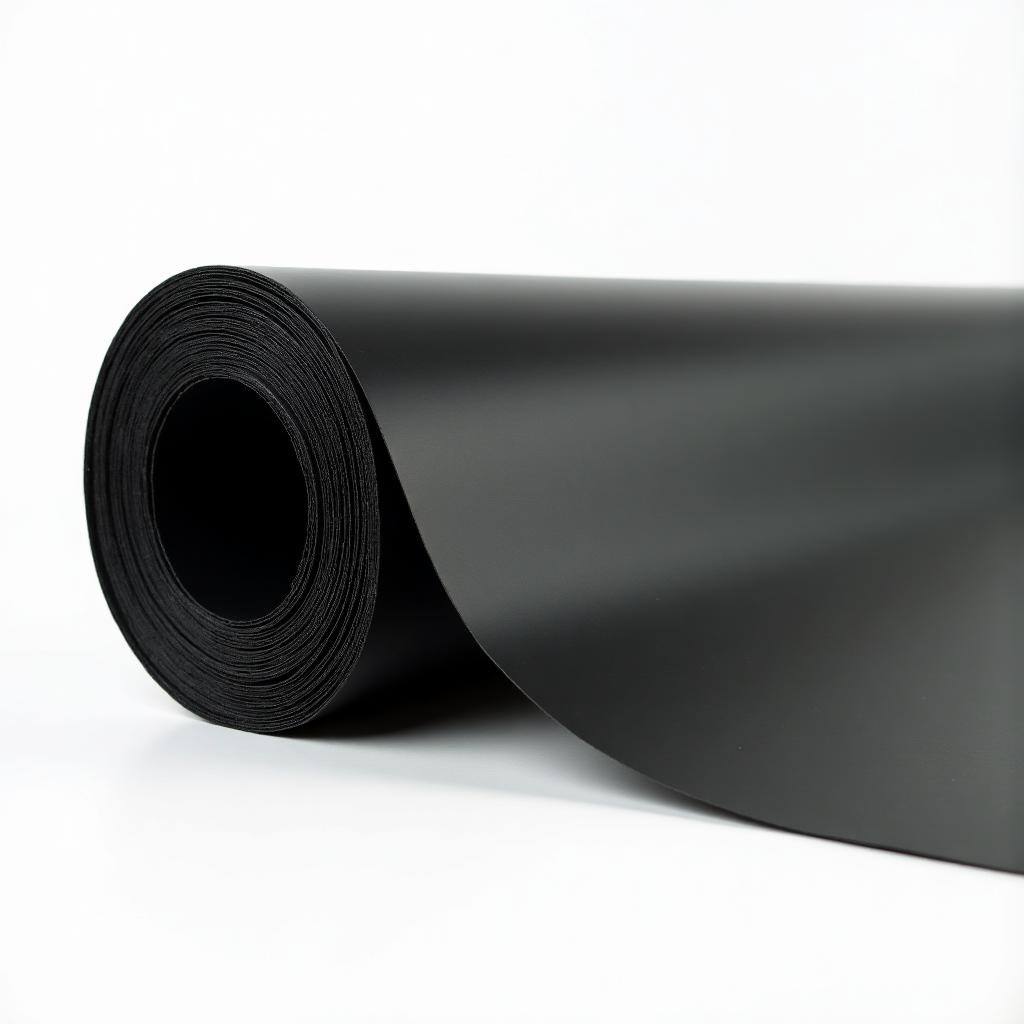
    This is where soundproofing materials become critical. Mass loaded vinyl (MLV) is used in venue construction to add mass to walls and ceilings, reducing transmission of concert-level sound to adjacent spaces. At 130+ dB, standard drywall transmits significant energy to neighboring buildings — adding MLV between drywall layers can reduce transmission by 20–30 dB, bringing neighbor-facing levels from painful to merely audible.
    For anyone living near a concert venue or building a home music space, understanding that extreme sound creates structural stress — not just noise complaints — is essential for choosing the right soundproofing approach.

    13Conclusion

    The loudest concert ever recorded — Manowar's 139 dB at the 2008 Magic Circle Festival — represents the peak of a decades-long competition to push live music to its physical limits. From Deep Purple's 117 dB in 1972 to My Bloody Valentine's sustained 130+ dB walls of feedback, the history of extreme concert volume is a history of musicians treating sound as a physical force rather than simply an auditory experience. Modern regulations have tempered the arms race, but the legacy lives on in the hearing damage suffered by both performers and audiences, and in the structural stress that extreme volume places on buildings. Whether you're soundproofing a home near a venue or building a space designed to contain extreme sound, the lesson from concert history is clear: volume at this level isn't just noise — it's a force that demands serious acoustic engineering to manage.

    FAQs: Loudest Concert Ever Recorded

    Need Expert Soundproofing Advice?

    Our team of soundproofing specialists is here to help you choose the right products and installation methods for your museum or gallery project.