Industrial Warehouse Soundproofing with Mass Loaded Vinyl (MLV)
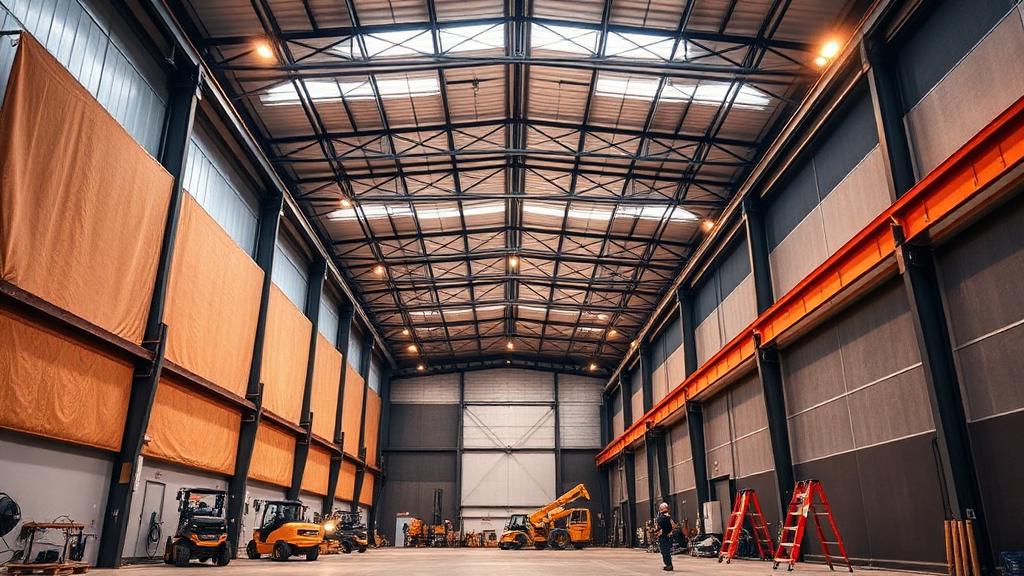
1Why Industrial Facilities Need Soundproofing
• Worker productivity: Studies show that excessive noise reduces concentration, increases errors, and causes fatigue. Quieter work areas improve output quality and reduce accidents
• Neighbor complaints: Industrial facilities near residential or commercial areas face increasing pressure to control external noise. Complaints can result in operating hour restrictions or lawsuits
• Worker retention: Chronic noise exposure is a top complaint among warehouse workers. Facilities that invest in noise control see improved retention and easier recruiting
• Communication safety: In noisy environments, workers can't hear warnings, forklift horns, or verbal instructions—creating serious safety hazards
2Understanding Industrial Noise Sources
• Material handling: Forklifts (85-95 dB), conveyor systems (75-90 dB), and palletizers create continuous operational noise throughout facilities
• HVAC and ventilation: Large air handling units, exhaust fans, and dust collection systems generate 80-100 dB of low-frequency noise that penetrates structures
• Loading dock operations: Truck engines, dock levelers, roll-up doors, and loading/unloading activities create intermittent high-intensity noise (90-105 dB)
• Compressors and pneumatics: Air compressors, pneumatic tools, and blow-off systems produce high-frequency noise that's particularly damaging to hearing
• Generator and backup power: Diesel generators during testing or power outages reach 100+ dB and disturb wide areas
Sound travels through metal deck roofing to exterior, through concrete block or metal panel walls to neighboring properties, through personnel doors and loading dock openings, through ductwork connecting offices to production areas, and through structure-borne vibration in floors and columns.
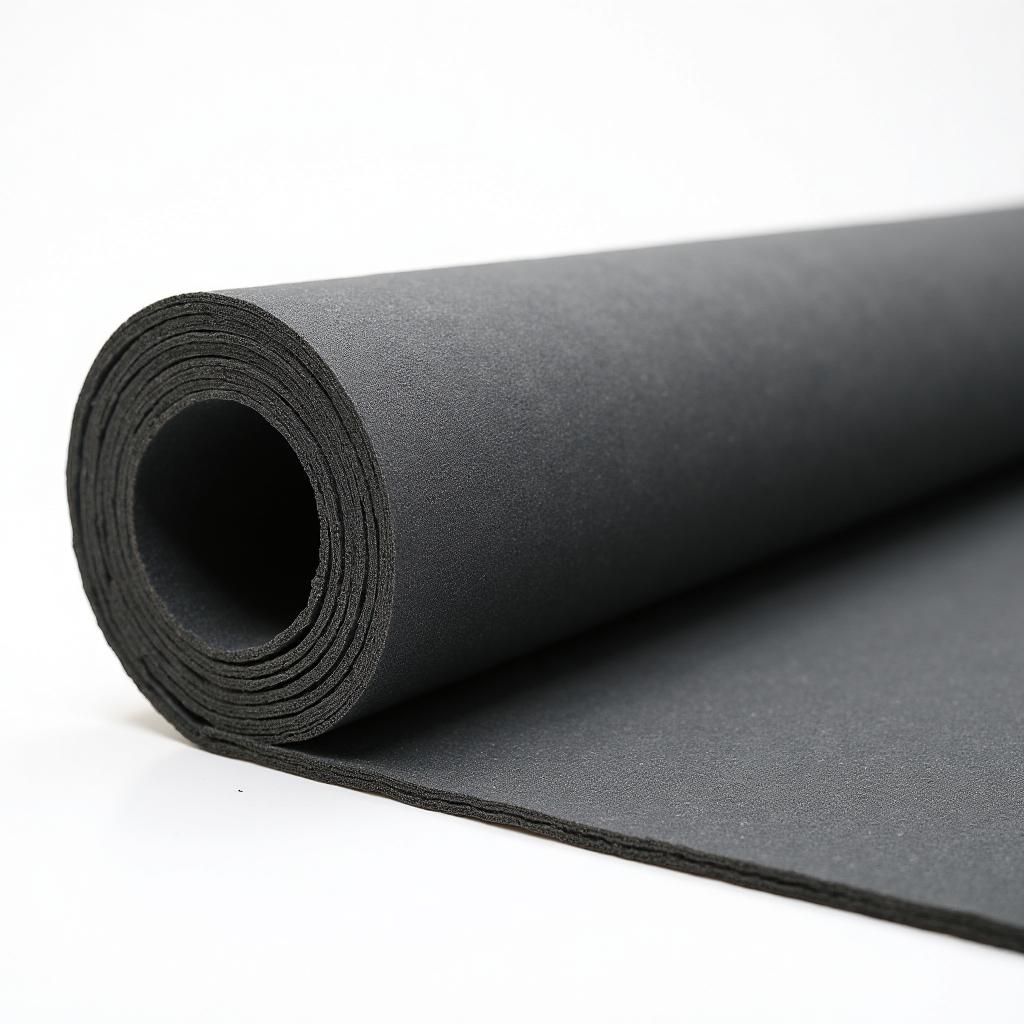
3How Mass Loaded Vinyl Works in Warehouses
• Broad frequency performance: Blocks mid and high frequencies generated by most industrial equipment. Combined with insulation, also addresses low-frequency noise
• Durable construction: Withstands oil, grease, temperature extremes, and industrial cleaning. Won't degrade like foam or fabric treatments
• Fire rated: Quality MLV meets Class A fire ratings required in industrial occupancies
• Cost-effective: Lower installed cost than concrete block or prefabricated acoustic enclosures while achieving comparable results
Single-layer 1 lb/sf MLV provides STC 26-28 as a standalone barrier. When integrated into wall assemblies with insulation and gypsum or plywood, walls achieve STC 45-55. For machinery enclosures, double-layer MLV with absorption can reduce transmitted noise by 20-30 dB.
4Wall Assemblies for Industrial Soundproofing
Pre-engineered metal buildings are common but provide minimal sound isolation. Retrofit approach:
• Install metal stud framing inboard of existing wall
• Fill cavity with mineral wool insulation (R-13 to R-19)
• Apply 1 lb/sf MLV over studs
• Finish with 5/8" plywood or gypsum
• Seal all edges and penetrations with acoustic caulk
Concrete block provides mass but has weak points at mortar joints:
• Apply MLV directly to CMU surface using adhesive
• Install furring strips over MLV
• Add gypsum or FRP panel finish if desired
• Alternatively, fill block cores with grout and add MLV to exterior
Offices within industrial facilities need high-performance assemblies:
• Double stud wall or staggered stud construction
• Full cavity mineral wool insulation
• 2 lb/sf MLV or double layer 1 lb/sf
• Resilient channels and double gypsum
• Solid core doors with perimeter seals
5Ceiling and Roof Deck Treatments
• Spray-apply or mechanically fasten MLV to deck underside
• Add mineral wool batting above or below MLV
• Install acoustic panels or baffles below for absorption
• This combination blocks upward transmission and reduces reverberation
For areas with accessible ceilings (offices, break rooms):
• Install MLV above acoustic ceiling tiles
• Ensure continuous coverage extending beyond tile grid
• Seal all penetrations for lights, diffusers, and sprinklers
• Use CAC (Ceiling Attenuation Class) 40+ tiles for additional performance
Open warehouse ceilings require different approaches:
• Install acoustic baffles or banners to reduce reverberation
• Focus MLV treatment on walls where sound exits
• Create quiet zones with partial MLV ceiling canopies
• Treat roof deck in areas directly above sensitive neighbors
6Machinery Enclosures and Barriers
• Frame enclosure with steel tube or aluminum extrusion
• Panel with MLV-faced composite: plywood + 1-2 lb MLV + acoustic foam
• Include ventilation with acoustic silencers
• Provide access doors with seals and latches
• Consider transparent panels (acrylic + MLV laminate) for visibility
When full enclosures aren't practical:
• MLV curtain walls suspended from overhead structure
• Barrier walls positioned between noise sources and workers/neighbors
• Mobile barriers on casters for flexible positioning
• Minimum barrier height: 2x the height of noise source
These critical noise sources benefit from purpose-built enclosures:
• Weather-resistant exterior (aluminum or coated steel)
• Interior lined with MLV + 2" acoustic foam
• Forced ventilation with silenced intake and exhaust
• Achieve 20-30 dB reduction in operator areas
7OSHA Compliance and Worker Protection
• Action Level: 85 dB TWA (8-hour time-weighted average) - hearing conservation program required
• Permissible Exposure Limit (PEL): 90 dB TWA - feasible engineering and administrative controls required
• For every 5 dB increase, allowable exposure time is halved (95 dB = 4 hours, 100 dB = 2 hours)
• Enclose high-noise machinery to reduce area exposure
• Create quiet zones for break areas and workstations
• Install MLV barriers between noisy and quiet operations
• Treat control rooms and offices for administrative staff
• Document noise reduction achieved by MLV installations
• Conduct before/after noise surveys to demonstrate effectiveness
• Maintain records of engineering control implementation
• MLV installations can reduce or eliminate PPE requirements in treated areas
8Loading Dock and Door Solutions
• Install MLV composite panels on door interiors
• Add perimeter seals to reduce gaps when closed
• Use acoustic curtains behind doors for additional barrier
• Consider high-speed doors that minimize open time
• Build partial enclosures around dock areas
• Use MLV curtain walls to separate dock from warehouse
• Install acoustic vestibules for pedestrian doors
• Treat dock leveler pits with absorption material
• Position MLV barrier walls between docks and property lines
• Install acoustic louvers on dock ventilation openings
• Schedule high-noise operations during less sensitive hours
• Create landscaped berms with barrier walls for neighborhood interface
FAQs: Industrial Warehouse Soundproofing
Related Guides in Industry Solutions
Continue exploring with these hand-picked articles

School Soundproofing with Mass Loaded Vinyl (MLV)
Complete guide to soundproofing schools, classrooms, and educational facilities with mass loaded vinyl. Meet ANSI S12.60 standards, improve speech intelligibility, and create optimal learning environments for students.
Courthouse Soundproofing with Mass Loaded Vinyl (MLV)
Complete guide to soundproofing courthouses, courtrooms, and legal facilities with mass loaded vinyl. Ensure speech privacy for attorney-client communications, protect witness identities, and create optimal acoustics for judicial proceedings.
Industrial Factory Soundproofing with Mass Loaded Vinyl (MLV)
Complete guide to soundproofing manufacturing plants, production facilities, and industrial factories with mass loaded vinyl. Control machinery noise, meet OSHA regulations, and protect workers from hearing damage.
Our Complete Product Line
Professional-grade soundproofing materials for any application
Need Expert Soundproofing Advice?
Our team of soundproofing specialists is here to help you choose the right products and installation methods for your museum or gallery project.