Industrial Warehouse Construction: MLV Requirements & Building Codes
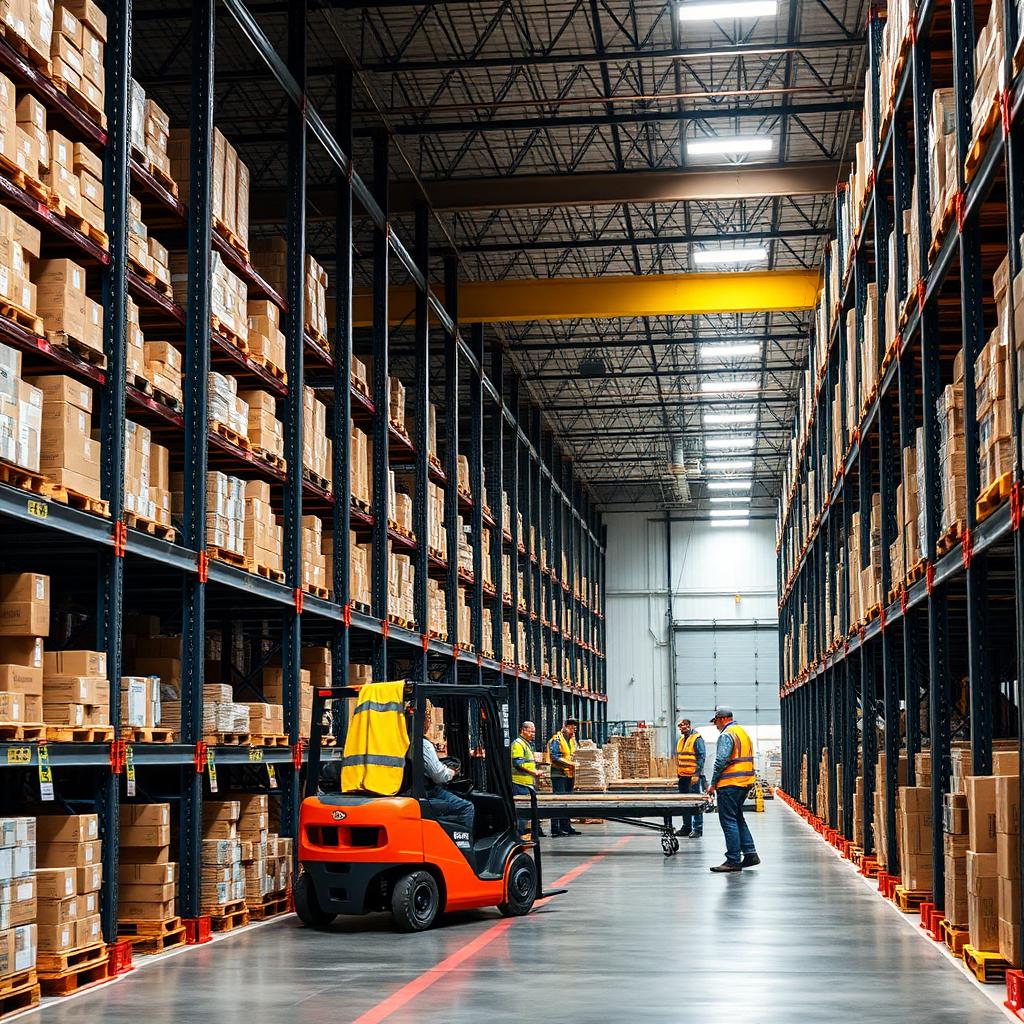
1Why Warehouses Face Growing Acoustic Requirements
The Modern Warehouse Noise Environment
• Conveyor systems: Automated sorting and conveyor equipment runs continuously at 75-90 dBA depending on load and speed
• Loading dock activity: Dock levelers, dock seals, and truck movement create 85-100 dBA during loading operations
• HVAC systems: Large-volume air handling for temperature control and air quality generates significant low-frequency noise
• Material handling: Pallet drops, cart movement, and packaging operations create impulsive noise throughout facilities
E-Commerce Operational Changes
• Increased automation: Robotic systems, automated guided vehicles (AGVs), and sortation equipment add new noise sources
• Higher throughput: Faster processing means more forklift trips, more conveyor movement, and more truck traffic
• Proximity to consumers: Last-mile delivery requirements place distribution centers closer to residential neighborhoods
• Worker density: More workers processing more orders increases exposure risk and protection requirements
Community and Regulatory Pressure
• Conditional use permits: Many jurisdictions require specific noise mitigation measures as permit conditions
• Environmental review: CEQA, NEPA, and state equivalents often include acoustic impact analysis
• Litigation risk: Nuisance lawsuits from affected neighbors can result in operational restrictions or damages
• Zoning changes: Mixed-use development trends reduce buffer zones between industrial and residential uses
2OSHA Noise Exposure Standards for Warehouses
Permissible Exposure Limits
• Action level: 85 dBA TWA triggers hearing conservation program requirements
• Exchange rate: 5 dB halving/doubling rate—95 dBA permitted for 4 hours, 100 dBA for 2 hours
• Peak limits: 140 dB peak sound pressure level never to be exceeded
• Engineering preference: OSHA requires feasible engineering controls before relying on hearing protection
Hierarchy of Controls
• Substitution: Replace noisy equipment with quieter alternatives—increasingly viable with electric equipment
• Engineering controls: Modify equipment, install barriers, treat surfaces—MLV plays a major role here
• Administrative controls: Limit exposure time through rotation—secondary to engineering solutions
• PPE (hearing protection): Last resort when engineering controls aren't feasible or complete
Hearing Conservation Program Requirements
• Audiometric testing: Baseline and annual hearing tests for exposed workers
• Hearing protector provision: Multiple options of adequate NRR provided at no cost
• Training: Annual training on noise hazards, protector use, and program details
• Recordkeeping: Maintain exposure and audiometric records for specified periods
3Building Code Requirements for Warehouse Construction
Occupancy Classifications
• S-2 (Low-hazard storage): Non-combustible goods storage with lower fire protection requirements
• F-1 (Moderate-hazard factory): Facilities with assembly, packaging, or light manufacturing operations
• B (Business): Office areas, management spaces, and customer service functions
• Mixed occupancy: Large facilities often contain multiple occupancy types requiring separation
Fire Separation Requirements
• High-pile storage: Specific separation requirements for racked storage areas
• Hazmat storage: Control areas for flammable and hazardous materials require increased ratings
• Fire walls: Large warehouses may require area separation fire walls within the storage area
• MLV compatibility: Quality MLV products maintain fire ratings when installed within tested assemblies
Ventilation and Air Quality
• Makeup air: Large intake systems needed to replace exhausted air need acoustic treatment
• Temperature control: Climate-controlled facilities require significant HVAC capacity with associated noise
• Loading dock ventilation: Dock seals and air curtains affect both ventilation and noise transmission
• Equipment location: Rooftop equipment placement affects both interior and exterior noise levels
4Distribution Floor Noise Control
Forklift Noise Mitigation
• Backup alarm alternatives: Directional alarms, broadband alarms, and visual systems reduce impulse noise
• Traffic routing: Designating forklift lanes away from worker stations reduces exposure
• Floor surface: Smooth, well-maintained floors reduce rumble and vibration from movement
• Charging areas: Battery charging stations should be enclosed with MLV-treated walls to contain charger noise
Conveyor System Treatment
• Vibration isolation: Proper mounting and isolation prevents structure-borne noise transmission
• Belt and roller maintenance: Well-maintained systems are significantly quieter than neglected equipment
• Control room separation: Conveyor control stations benefit from STC 45-50 walls with MLV
• Ceiling treatment: Acoustic barriers and absorption above conveyor lines reduce reverberant buildup
Reverberation Control
• Wall treatment: Acoustic panels on office-facing walls reduce reflected sound toward work areas
• Partial barriers: Strategic placement of partial-height barriers with absorption interrupts sound paths
• Target RT60: Aim for 1.5-2.5 seconds reverberation time for worker comfort and communication
• Zone separation: Creating distinct acoustic zones around different functions improves conditions in each
5Loading Dock Acoustic Challenges
Dock Door Noise Transmission
• Dock seals: Foam dock seals reduce gaps around trailers but have limited acoustic value
• Dock shelters: Inflatable dock shelters provide better sealing and modest noise reduction
• Interior vestibules: Enclosed dock vestibules with MLV-treated walls contain dock noise from warehouse
• Exterior barriers: Sound walls and berms reduce dock noise transmission to property lines
Dock Leveler and Equipment Noise
• Lip activation: Automatic lip extension reduces impact noise from manual operation
• Edge-of-dock levelers: Smaller units generate less noise but have load limitations
• Vehicle restraints: Hook-style restraints are quieter than wheel-chock alternatives
• Pit area treatment: Lining dock pit walls with MLV reduces noise amplification in the pit cavity
Truck and Trailer Operations
• Truck idling: Diesel engine idling at 75-85 dBA for extended periods affects neighbors
• Backup alarms: Truck backup alarms are audible for hundreds of feet in residential areas
• APU operation: Driver auxiliary power units run overnight generating continuous noise
• Yard operations: Trailer jockeys and yard tractors add to overall site noise levels
6Office and Break Room Separation
Office Area Requirements
• Background noise: Target NC 40-45 for open offices, NC 35-40 for private offices
• Window considerations: Viewing windows into warehouse require acoustic glazing STC 40+
• Door treatment: Solid core doors with perimeter seals and automatic bottoms
• Ceiling isolation: Extend wall construction to deck or install plenum barriers above offices
Break Room and Welfare Spaces
• Reverberation control: Acoustic ceiling tile and wall absorption create comfortable environment
• HVAC sizing: Dedicated HVAC avoids duct crosstalk from warehouse mechanical systems
• Locker rooms: Similar treatment for locker and changing areas
• First aid stations: Emergency treatment areas require quiet conditions for assessment
Training and Conference Rooms
• Audio/video: AV equipment requires low background noise (NC 30-35) for clear audio
• Reverberation: Target RT60 under 0.8 seconds for speech intelligibility
• Wall assemblies: MLV-enhanced walls achieve required ratings in standard stud depths
• Above-ceiling treatment: Extend barriers through ceiling plenum to prevent flanking
7Property Line Noise and Neighbor Relations
Noise Ordinance Requirements
• Adjacent residential: When residential zones abut industrial, residential limits often apply at the boundary
• Nighttime restrictions: 10 PM-7 AM limits are typically 10 dB lower than daytime
• Impulse noise: Some ordinances have separate limits for impulsive sounds like backup alarms
• Measurement standards: Ordinances specify measurement locations, durations, and averaging periods
Building Envelope Treatment
• Insulated panels: Factory-insulated panels perform better but benefit from MLV enhancement
• Roof treatment: Metal roofs transmit noise directly upward—add MLV barrier layer
• Door assemblies: Personnel and service doors need acoustic ratings appropriate to location
• Ventilation openings: Louvers and exhaust openings need silencers for property line compliance
Site Design Strategies
• Setback distances: Maximize distance between noise sources and property lines
• Sound barriers: Perimeter walls and berms can achieve 10-15 dB reduction for ground-level sources
• Landscaping: Dense vegetation provides modest psychological benefit but limited actual reduction
• Operating restrictions: Limit certain operations to daytime hours when ordinance limits are higher
8MLV Installation Strategies for Warehouses
Wall System Applications
• Metal building liners: MLV installed as liner behind finish panels significantly upgrades metal building isolation
• CMU enhancement: MLV on furring over CMU adds mass and damping for improved STC ratings
• Dock vestibules: MLV-treated walls around dock areas contain loading noise from main warehouse
• Equipment rooms: Compressor, generator, and mechanical rooms benefit from MLV-enhanced walls
Ceiling and Barrier Applications
• Plenum barriers: MLV extends wall isolation above suspended ceilings in office areas
• Equipment enclosures: MLV-lined enclosures around drives, motors, and controls reduce source noise
• Hanging curtains: Retractable MLV curtain walls create flexible acoustic zones
• Duct wrapping: MLV wrap on ductwork reduces breakout noise from high-velocity systems
Installation Considerations
• Seam treatment: Overlap and tape all seams—warehouse environments make this critical
• Penetrations: Seal around pipes, conduits, and other penetrations with acoustic caulk
• Protection: Cover exposed MLV with durable finishes to resist damage from forklift contact
• Maintenance access: Design installations to allow access for equipment maintenance
Cost-Effective Approaches
• Source priorities: Treat the loudest sources first for maximum noise reduction per dollar
• Receiver protection: When source treatment is impractical, protect worker stations and offices
• Phased implementation: Address critical areas first, expand treatment based on measured results
• Combined solutions: MLV works best with complementary treatments—absorption, isolation, operational controls
10Conclusion
FAQs: Industrial Warehouse MLV Building Codes
Related Guides in Building Codes
Continue exploring with these hand-picked articles
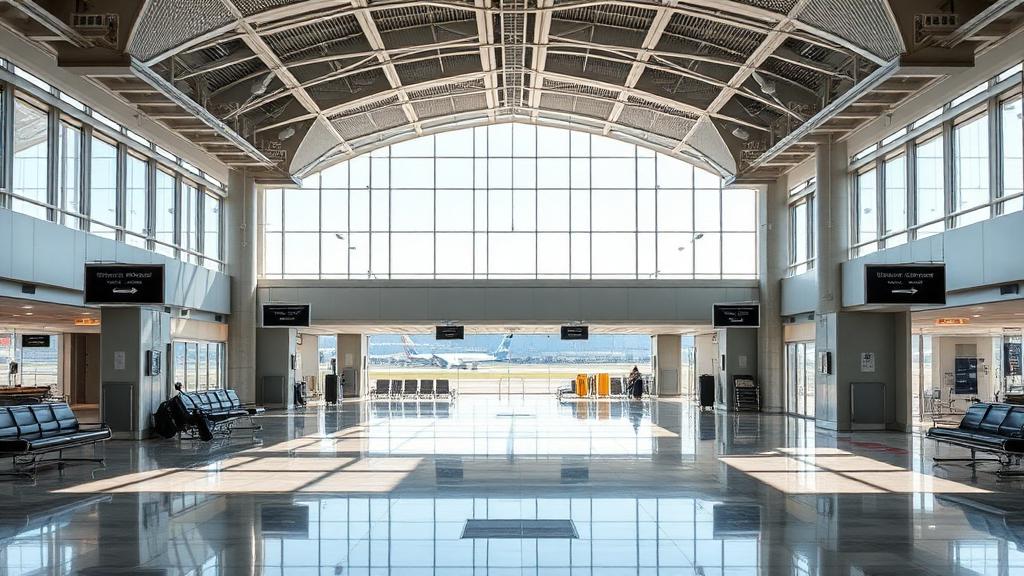
Airport Construction: MLV Requirements and Building Codes
Building code requirements for soundproofing in airports and aviation facilities. How MLV helps developers meet FAA acoustic standards, TSA security requirements, and create comfortable passenger environments.
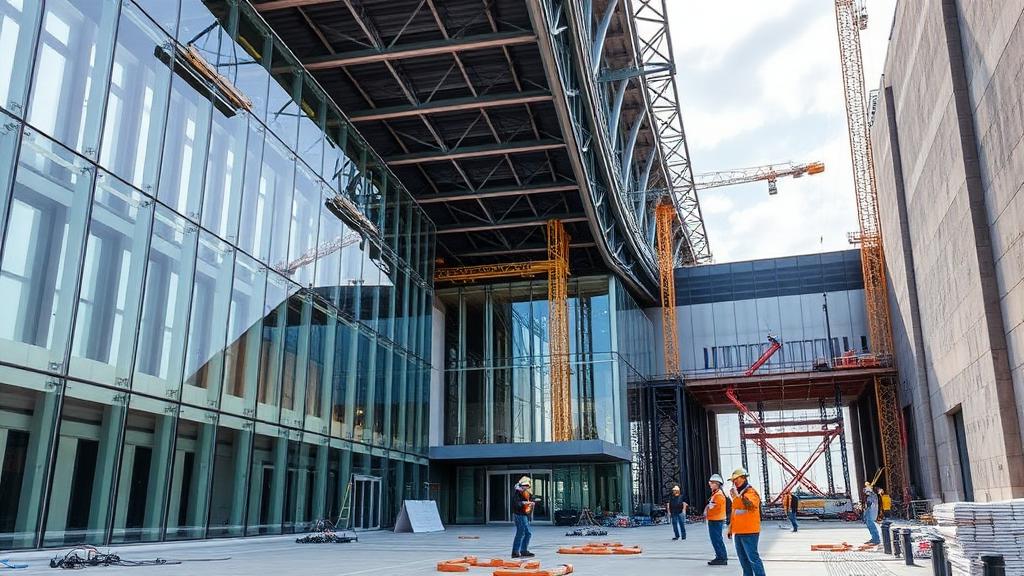
Museum Construction: MLV Requirements and Building Codes
Building code requirements for soundproofing in museums and cultural institutions. How MLV helps developers achieve gallery-to-gallery isolation, protect collections from vibration damage, meet conservation standards, and create contemplative visitor experiences.
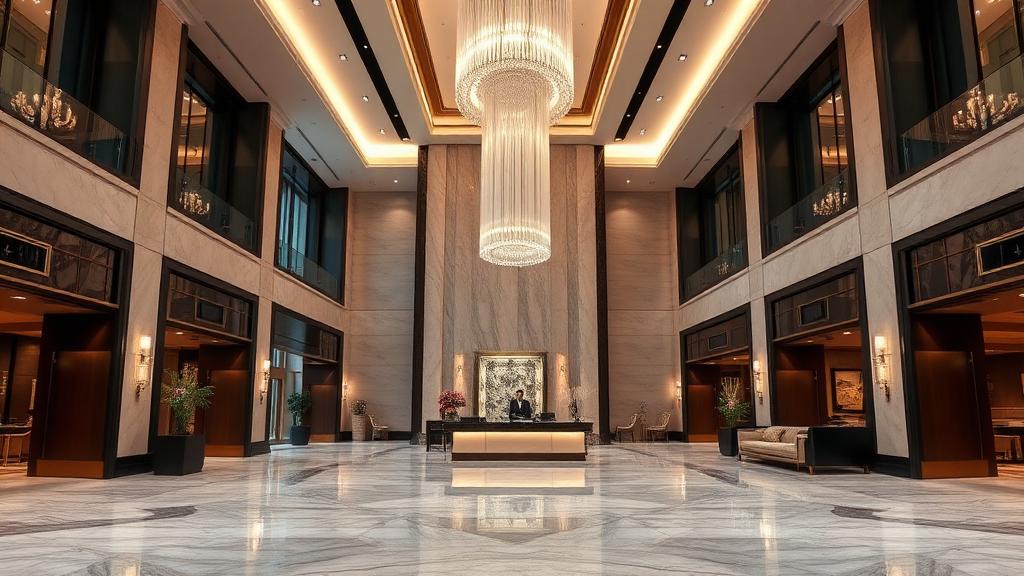
Hotel Construction: MLV Requirements & Building Codes
Building code requirements for soundproofing in hotels and hospitality construction. How MLV helps developers meet STC requirements, brand acoustic standards, and cost-effective wall/floor assemblies for hotel projects.
Our Complete Product Line
Professional-grade soundproofing materials for any application
Need Expert Soundproofing Advice?
Our team of soundproofing specialists is here to help you choose the right products and installation methods for your museum or gallery project.