Industrial Factory Construction: MLV Requirements & Building Codes
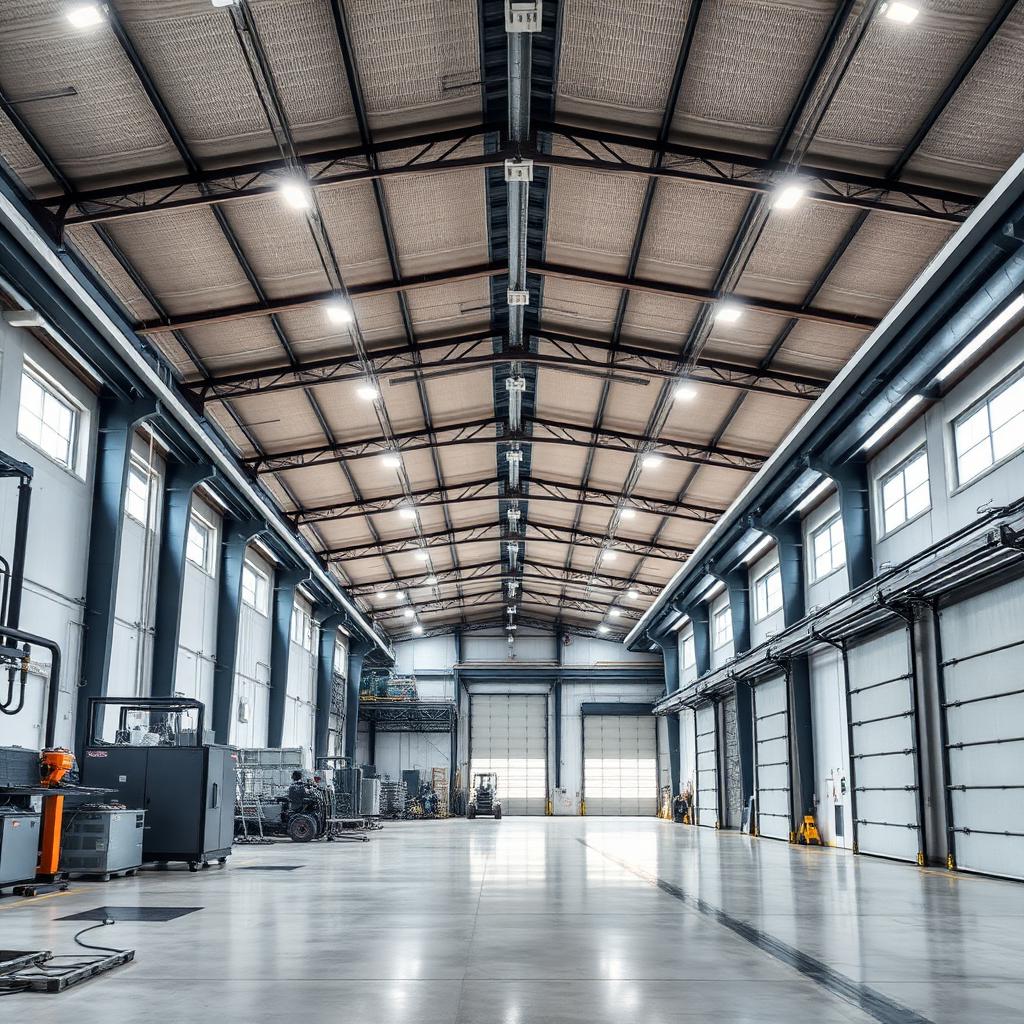
1Why Industrial Facilities Face Complex Acoustic Requirements
The Industrial Noise Environment
• Low-frequency content: Large motors, compressors, and HVAC systems produce significant energy below 250 Hz that penetrates standard construction
• Impact and impulsive noise: Stamping presses, forging operations, and pneumatic tools create peak levels 20-30 dB above average
• Continuous operation: 24/7 production schedules mean noise affects workers and neighbors around the clock
• Multiple sources: Factories contain dozens to hundreds of individual noise sources requiring coordinated treatment
Regulatory Framework
• EPA guidelines: Environmental Protection Agency guidelines for community noise impact
• Local ordinances: Municipal noise ordinances limiting sound levels at property lines
• Zoning conditions: Conditional use permits may include specific noise restrictions
• Building codes: IBC requirements for occupancy separation and fire-rated construction
Business and Legal Implications
• Workers' compensation: Occupational hearing loss claims average $30,000-$50,000 per case
• Productivity losses: High noise levels reduce concentration, increase errors, and contribute to worker fatigue
• Community relations: Noise complaints lead to permit challenges, operating restrictions, and litigation
• Property values: Neighbors may claim property devaluation from chronic industrial noise exposure
2OSHA Noise Exposure Regulations
Permissible Exposure Limits (PEL)
• 5 dB exchange rate: For every 5 dB increase, permissible exposure time halves (95 dBA = 4 hours, 100 dBA = 2 hours)
• 115 dBA ceiling: Maximum instantaneous exposure level regardless of duration
• 140 dB peak: Maximum peak sound pressure level for impulse/impact noise
• Action level: Hearing conservation program required when 8-hour TWA reaches 85 dBA
Hierarchy of Controls
• Administrative controls: Limit exposure time, rotate workers, schedule high-noise operations strategically
• Personal protective equipment: Hearing protection as last resort when engineering controls are infeasible
• Documentation: Employers must demonstrate why engineering controls are not feasible before relying on PPE
• Enforcement focus: OSHA increasingly cites employers for not implementing feasible engineering controls
Hearing Conservation Programs
• Audiometric testing: Baseline and annual hearing tests for all exposed workers
• Hearing protection: Appropriate PPE provided at no cost with proper fit verification
• Training: Annual training on noise hazards, controls, and hearing protection use
• Recordkeeping: Detailed records of monitoring, testing, and training maintained for specified periods
3Building Code Requirements for Industrial Construction
Occupancy Classification
• F-2 Low hazard: Manufacturing involving non-combustible materials with minimal hazard
• S-1 Storage: High-piled storage areas may be classified separately
• Mixed occupancy: Office areas, showrooms, and retail spaces require separation from factory areas
• Special uses: Spray finishing, welding, and hazardous processes may trigger additional requirements
Fire Separation Requirements
• F to A separation: 2-hour separation required between factory and assembly occupancies
• Fire barriers: Fire-rated wall assemblies can incorporate MLV without compromising fire rating
• Opening protection: Fire-rated doors and glazing assemblies with appropriate STC ratings
• Continuity: Fire barriers must extend from floor to underside of roof deck—matching acoustic requirements
Ventilation and Air Quality
• Make-up air: Large exhaust volumes require corresponding outdoor air intake systems
• Heat loads: High internal heat gains from equipment require substantial cooling capacity
• Air changes: Some processes require 15-30 air changes per hour for air quality compliance
• Duct routing: Large duct sizes needed for low-velocity, low-noise air distribution
4Manufacturing Floor Noise Control
Source Treatment Priorities
• Maintenance programs: Worn bearings, loose panels, and improper lubrication increase noise levels 10-20 dB
• Vibration isolation: Properly mounted equipment reduces structure-borne transmission
• Process modifications: Slower speeds, different tooling, or process changes may reduce noise
• Retrofits: Silencers, mufflers, and damping treatments for existing equipment
Path Treatment Strategies
• Barriers: Free-standing barriers between noise sources and workers reduce exposure 5-15 dB
• Ceiling treatment: Absorptive ceiling baffles reduce reverberant buildup 3-6 dB
• Wall absorption: Absorptive wall panels reduce reflected sound and overall sound pressure levels
• Personnel enclosures: Quiet control rooms and operator booths for workers not needing direct machine access
Manufacturing Floor Assemblies
• Vibration breaks: Isolation joints between production areas and office/control room areas
• Equipment foundations: Isolated equipment foundations for large rotating machinery
• Trench covers: Sealed covers over cable and pipe trenches to maintain acoustic separation
• Floor penetrations: Proper sealing of all floor penetrations for pipes, conduits, and cables
5Equipment Enclosures and Machine Isolation
Enclosure Design Principles
• Absorption: Interior absorption prevents sound buildup inside enclosure
• Sealing: All gaps, penetrations, and access openings must be properly sealed
• Access: Personnel doors, material openings, and maintenance access designed for acoustic performance
• Ventilation: Cooling air for enclosed equipment through acoustically-treated openings
MLV in Equipment Enclosures
• Modular panels: Factory-fabricated panels with MLV core for rapid installation
• Retrofit applications: MLV added to existing enclosures to improve performance
• Viewing windows: Laminated glass or clear vinyl maintains visibility while blocking sound
• Door assemblies: MLV-core doors with proper seals maintain enclosure performance
Machine Isolation Systems
• Elastomeric mounts: Rubber or neoprene mounts for medium-frequency isolation
• Inertia bases: Concrete bases on springs provide additional mass for improved isolation
• Floating floors: Isolated floor sections under groups of equipment
• Flexible connections: Flexible pipe and conduit connections prevent vibration short-circuits
6Control Rooms and Office Areas
Control Room Requirements
• Speech communication: Operators must hear alarms, radio communications, and co-workers clearly
• Wall construction: STC 55-60 walls between control rooms and high-noise production areas
• Window assemblies: STC-rated glazing systems for equipment observation while maintaining acoustic isolation
• HVAC isolation: Separate HVAC systems or acoustically-treated connections to factory systems
Office and Administrative Areas
• Wall ratings: STC 50-55 for standard offices adjacent to manufacturing
• Floor isolation: IIC 50-55 for offices above production areas with impact equipment
• Door assemblies: STC 40-45 rated doors with proper seals
• Vestibules: Sound lock vestibules for direct connections to high-noise areas
Break Rooms and Welfare Facilities
• Recovery value: Quiet break areas reduce hearing fatigue and improve afternoon productivity
• Location: Position away from highest-noise areas when site constraints permit
• Acoustic treatment: Absorptive ceiling and wall treatment controls internal noise buildup
7Property Line Noise and Community Impact
Property Line Limits
• Adjacent residential: When industrial property adjoins residential, residential limits often apply at boundary
• Mixed zones: Transitional zones may have intermediate limits
• Time-of-day: Daytime limits typically 10 dB higher than nighttime (10 PM-7 AM)
• Measurement methods: Ordinances specify measurement procedures, averaging times, and frequency weighting
Building Envelope Design
• Roof construction: Metal roofs with MLV barrier layer and insulation for overhead noise control
• Door assemblies: Acoustically-rated overhead doors or sound locks at loading areas
• Ventilation openings: Acoustically-treated louvers and silencers on all air intake and exhaust
• Window limitations: Minimize windows facing noise-sensitive neighbors; use acoustic glazing where required
Exterior Equipment
• Cooling towers: Low-noise fan selection, barriers, and attenuators for water noise
• Emergency generators: Enclosed generators with exhaust silencers for infrequent but high-level operation
• Compressors and pumps: Acoustic enclosures for outdoor compressor stations
• Material handling: Noise control for outdoor conveyors, loaders, and handling equipment
8MLV Installation Strategies for Industrial Facilities
Wall Assembly Integration
• CMU construction: MLV with furring and gypsum board on CMU creates STC 55-60 assemblies
• Insulated metal panels: MLV layer added to standard IMP construction for enhanced performance
• Protection: Interior finishes must protect MLV from mechanical damage, moisture, and chemicals
• Fire rating: UL-listed assemblies maintain fire rating with MLV properly installed
Equipment Enclosure Construction
• Gasket details: Compressed gaskets at all panel joints maintain acoustic integrity
• Door assemblies: MLV-core doors with multi-leaf seals at all edges
• Window frames: Sealed glazing systems with MLV-wrapped frames
• Penetrations: Flexible boots and acoustic caulk at all pipe and conduit penetrations
Ceiling and Roof Applications
• Suspended barriers: MLV curtain barriers for partial-height noise control between areas
• Ceiling plenums: MLV barriers above suspended ceilings prevent flanking transmission
• Duct wrapping: MLV composite wraps on ductwork passing through quiet zones
• Equipment platforms: Isolated mezzanines with MLV floor treatment for elevated equipment
10Conclusion
Industrial factory construction requires comprehensive acoustic design that addresses worker safety, regulatory compliance, and community relations simultaneously. OSHA regulations mandate engineering controls as the preferred method for noise reduction, making proper acoustic treatment a legal requirement rather than an optional amenity.
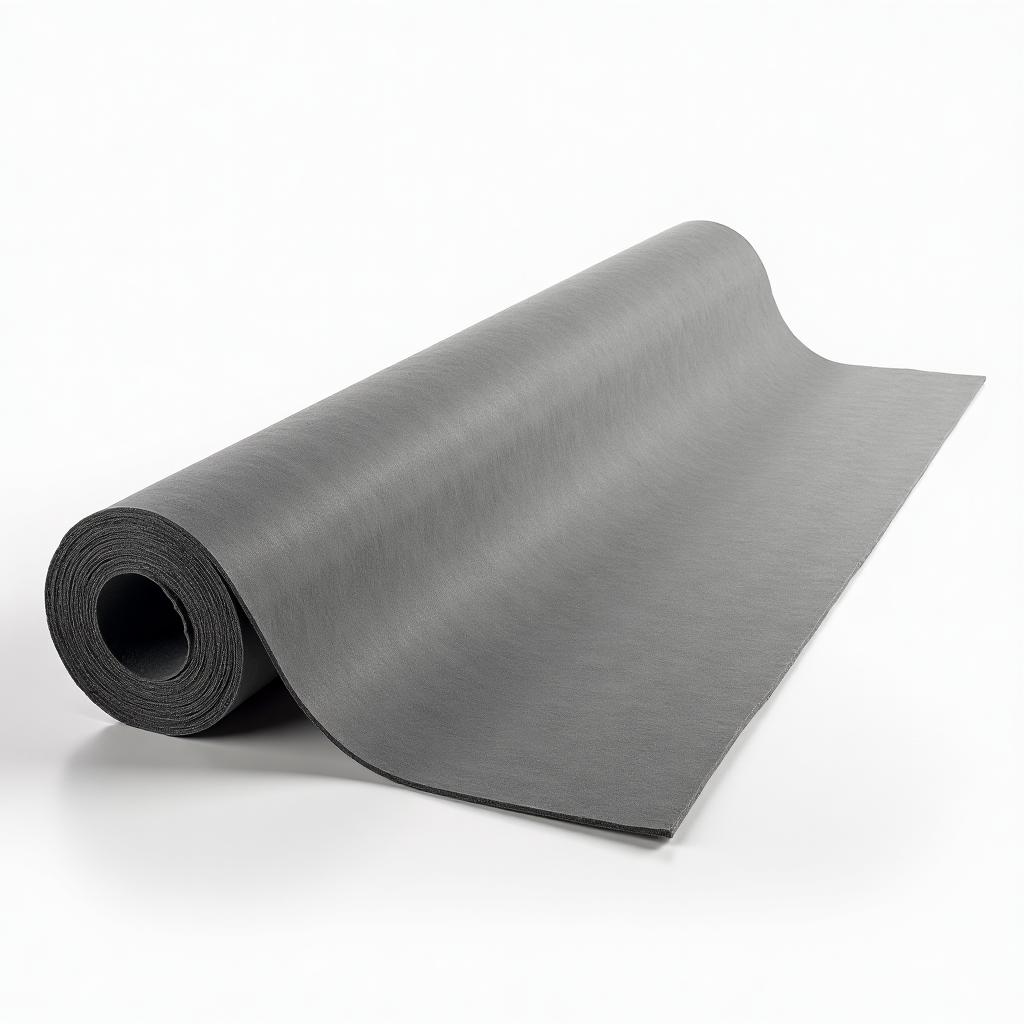
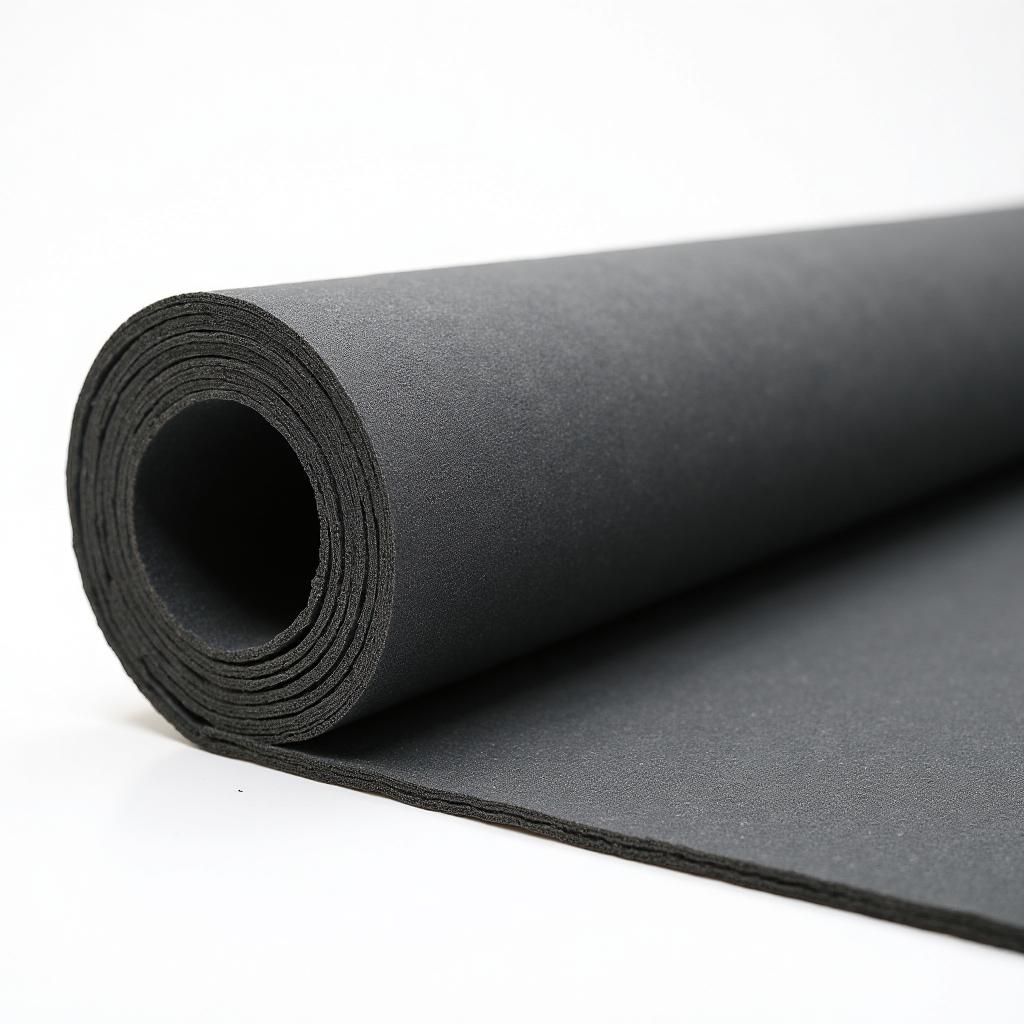
Mass loaded vinyl is essential for industrial applications because it provides the mass needed to block low-frequency machinery noise, integrates into durable assemblies that withstand manufacturing environments, and achieves the STC ratings required for control rooms, offices, and property line compliance. Whether designing new manufacturing facilities or retrofitting existing plants to address OSHA citations or neighbor complaints, comprehensive MLV integration with proper isolation systems ensures sustainable operation within regulatory requirements and community expectations.
FAQs: Industrial Factory MLV Building Codes
Related Guides in Building Codes
Continue exploring with these hand-picked articles
Airport Construction: MLV Requirements and Building Codes
Building code requirements for soundproofing in airports and aviation facilities. How MLV helps developers meet FAA acoustic standards, TSA security requirements, and create comfortable passenger environments.
Museum Construction: MLV Requirements and Building Codes
Building code requirements for soundproofing in museums and cultural institutions. How MLV helps developers achieve gallery-to-gallery isolation, protect collections from vibration damage, meet conservation standards, and create contemplative visitor experiences.
Hotel Construction: MLV Requirements & Building Codes
Building code requirements for soundproofing in hotels and hospitality construction. How MLV helps developers meet STC requirements, brand acoustic standards, and cost-effective wall/floor assemblies for hotel projects.
Our Complete Product Line
Professional-grade soundproofing materials for any application
Need Expert Soundproofing Advice?
Our team of soundproofing specialists is here to help you choose the right products and installation methods for your museum or gallery project.