Materials8 min readAuthorMass Loaded Vinyl DirectPublishedUpdated

    How Long Do Soundproofing Materials Last Before Needing Replacement?
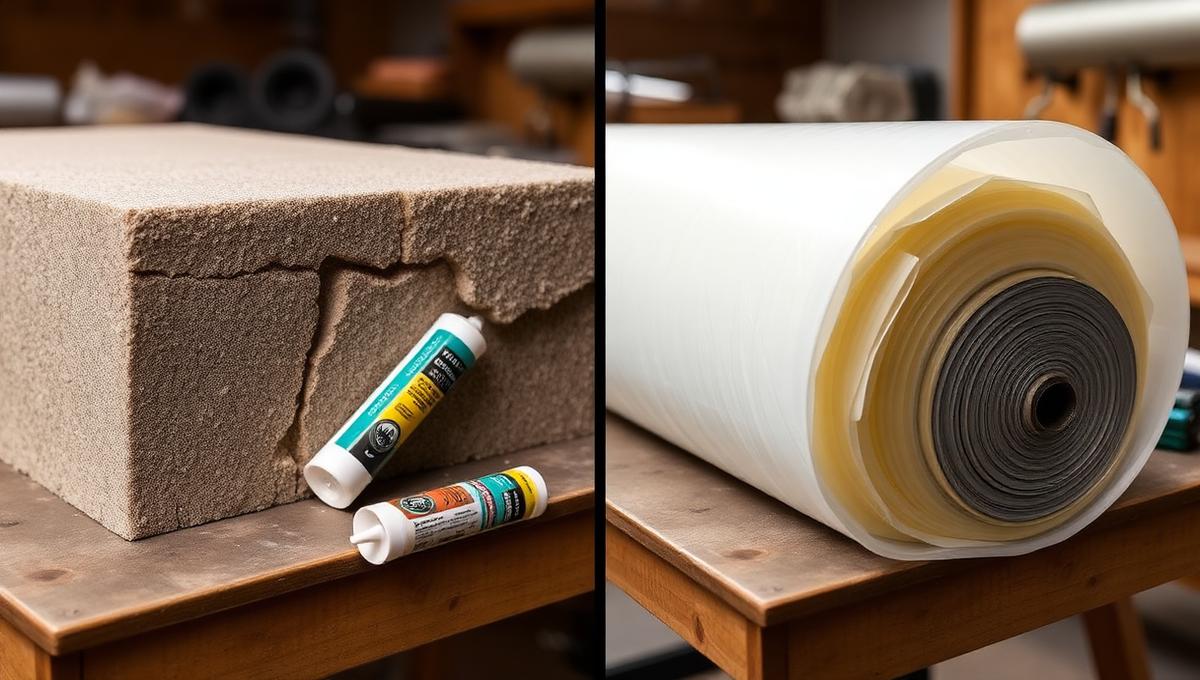
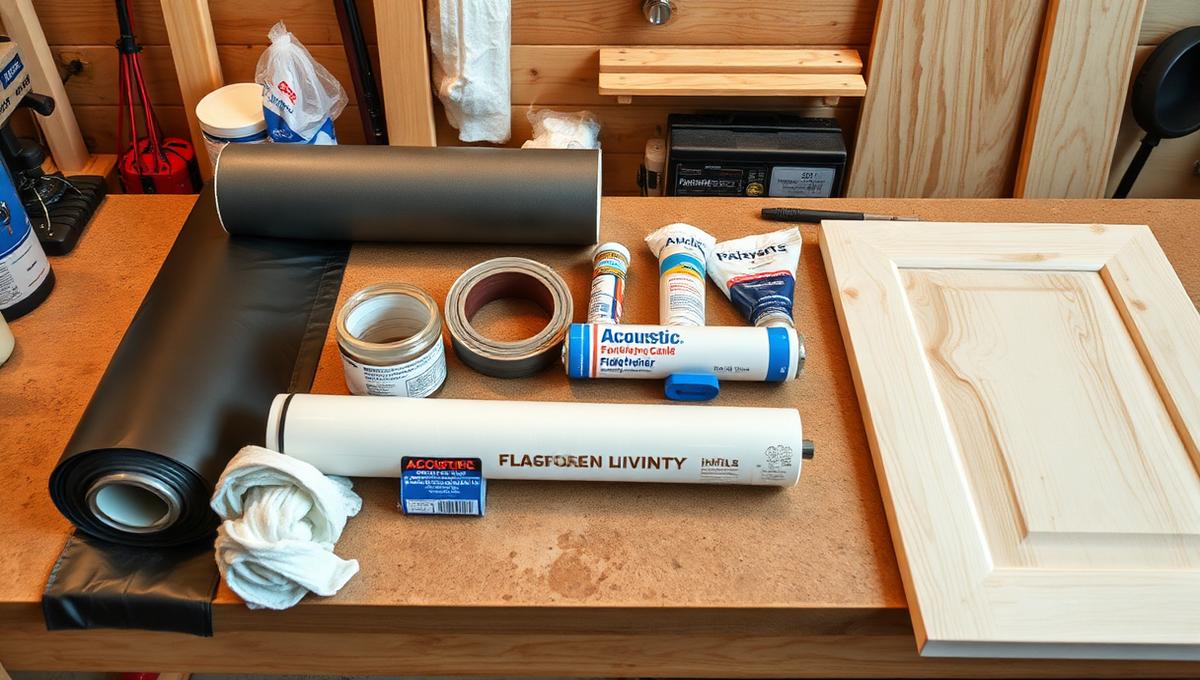
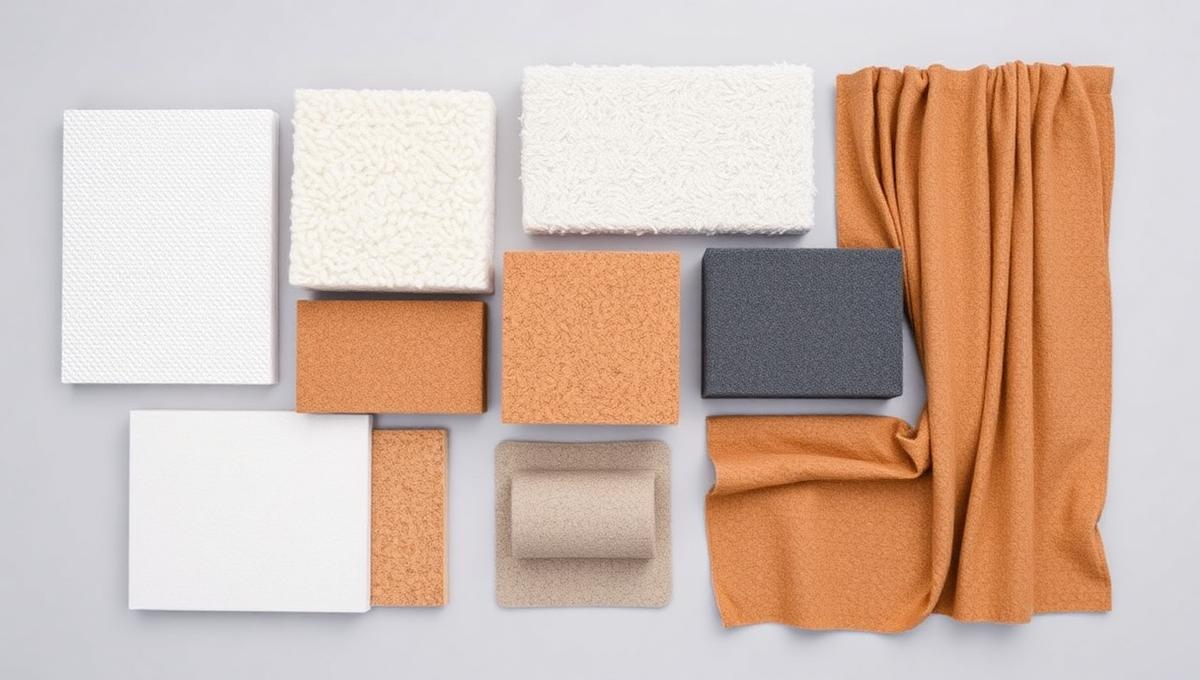
    Split comparison of aged soundproofing materials on the left versus fresh new materials on the right, including acoustic foam, sealant, and mass loaded vinyl on a workshop table
    Split comparison of aged soundproofing materials on the left versus fresh new materials on the right, including acoustic foam, sealant, and mass loaded vinyl on a workshop table

    1Why Durability Matters More Than You Think

    Soundproofing is typically installed inside wall, ceiling, and floor assemblies — places you cannot see or easily access after construction. When a material degrades behind drywall, you do not notice a sudden failure. Instead, noise increases gradually over months or years, and most people blame changing conditions rather than material breakdown.
    The financial impact compounds quickly. Replacing a soundproofing material inside a finished wall means demolition, reinstallation, and refinishing — tripling the original cost. Choosing durable materials from the start is not just about performance; it is about avoiding a $5,000 repair that a $500 upgrade would have prevented.
    Environmental factors accelerate degradation differently for each material: UV exposure, moisture, temperature cycling, vibration fatigue, and chemical off-gassing all attack different products in different ways. Understanding these failure modes lets you match materials to your specific conditions.

    2Lifespan Comparison Table

    Here is every common soundproofing material ranked by expected lifespan under typical indoor conditions:
    MaterialExpected LifespanPrimary Failure ModeReplaceable?
    Mass Loaded Vinyl30-50+ yearsUV degradation (if exposed)Difficult (behind drywall)
    Mineral Wool Batts50+ yearsMoisture / compressionDifficult (in cavity)
    Fiberglass Batts30-50 yearsSagging / moistureDifficult (in cavity)
    Green Glue Compound30-50+ yearsNone knownImpossible (between layers)
    Resilient Channels25-40 yearsMetal fatigue / rustVery difficult
    Drywall30-70 yearsWater damage / impactEasy
    Acoustic Sealant15-25 yearsDrying / crackingModerate (accessible edges)
    Acoustic Foam Panels3-7 yearsUV breakdown / crumblingEasy (surface-mounted)
    Key takeaway: The materials that go inside your walls (MLV, mineral wool, Green Glue) last decades with zero maintenance. The materials you can see and touch (foam, sealant) are the ones that need periodic attention.

    3Mass Loaded Vinyl (MLV)

    Expected lifespan: 30-50+ years
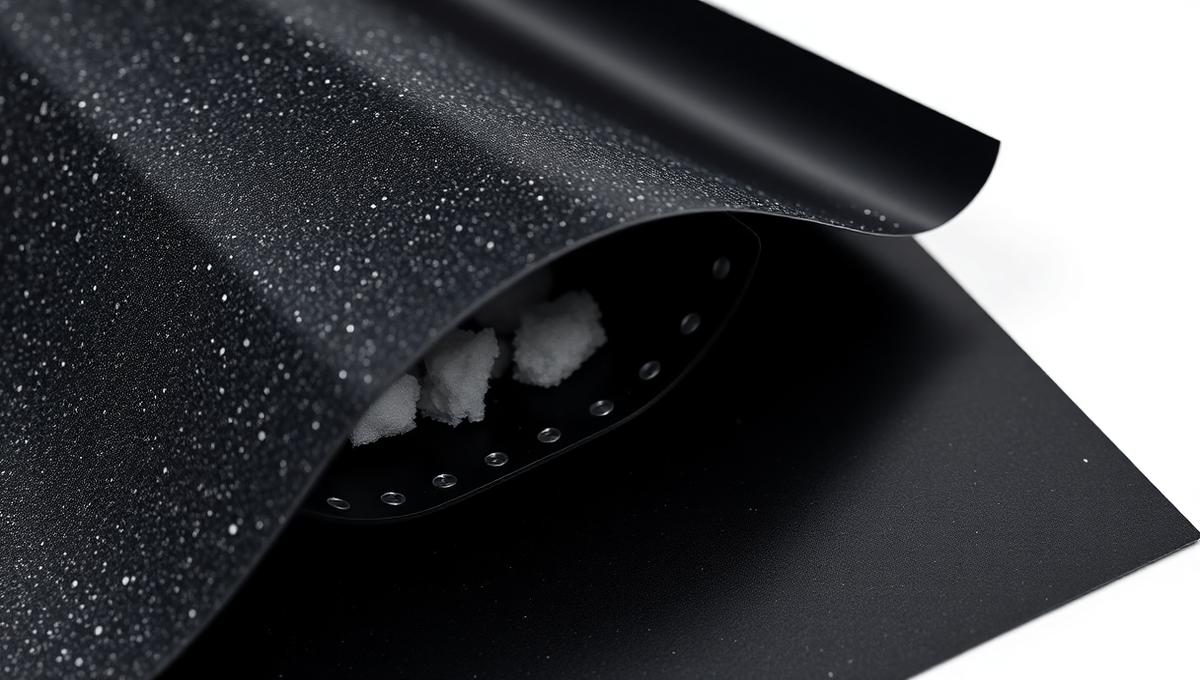
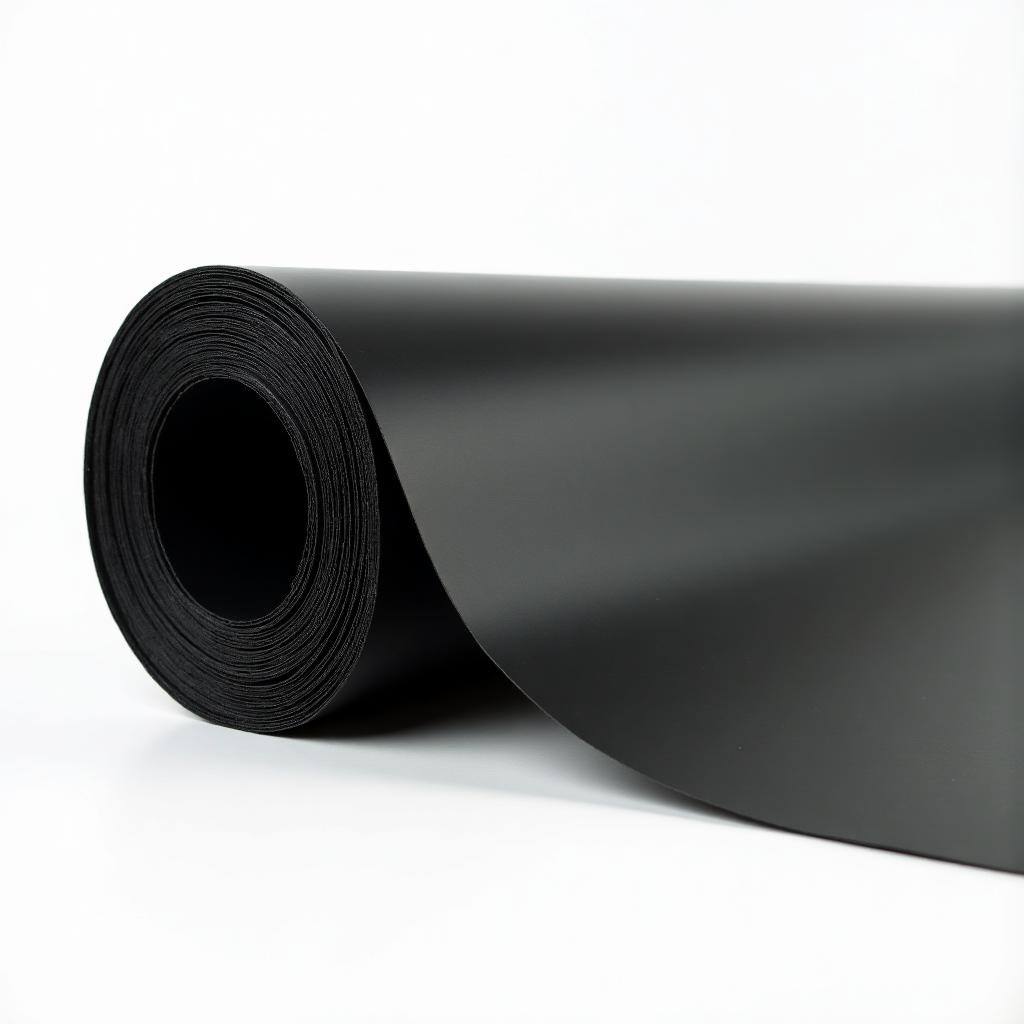
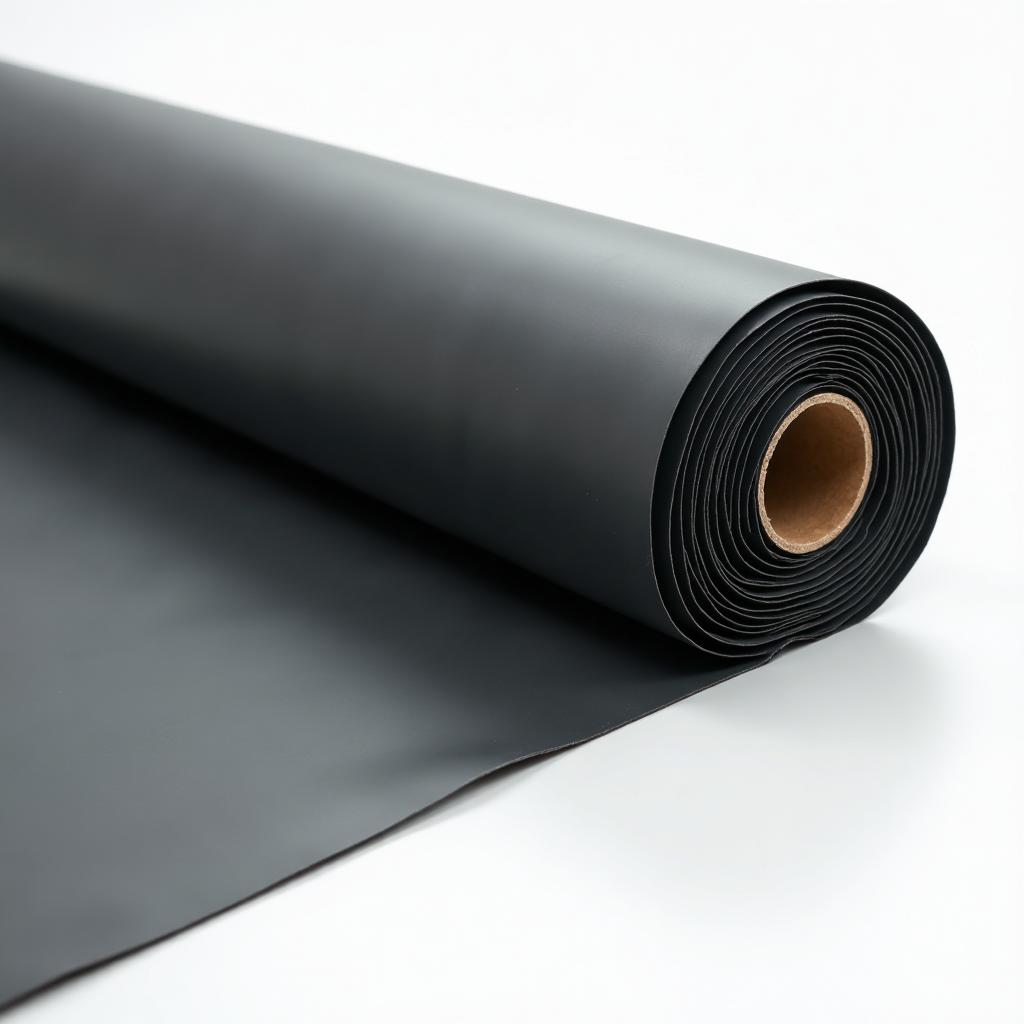
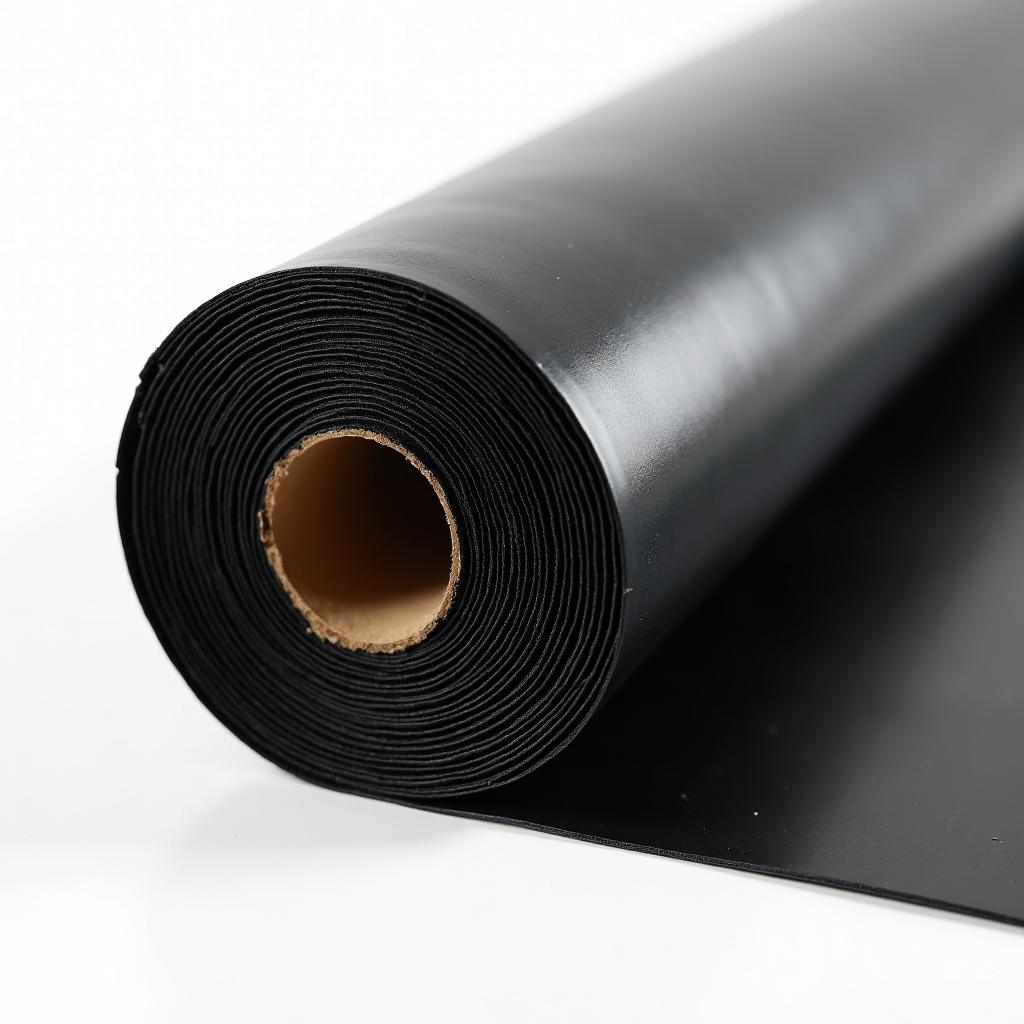
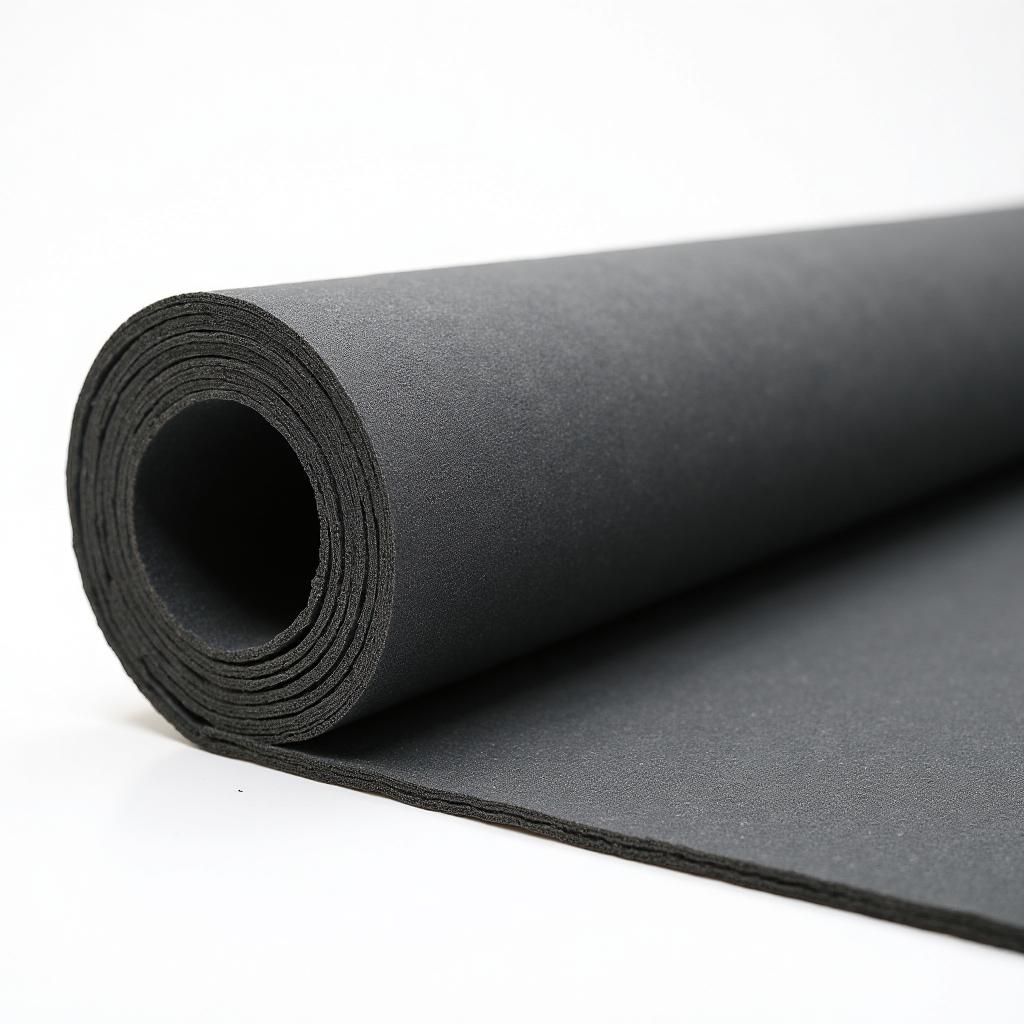
    MLV is one of the most durable soundproofing materials available. It is made from a combination of high-mass minerals (typically barium sulfate or calcium carbonate) bound in a flexible vinyl or polymer matrix. This composition resists moisture, does not support mold growth, does not off-gas after initial curing, and maintains its density and flexibility for decades.
    When installed behind drywall — protected from UV light — MLV has no known degradation pathway under normal indoor conditions. Manufacturers typically do not even publish an expiration date because the material outlasts the buildings it is installed in. Installations from the 1980s and 1990s that have been exposed during renovations show no measurable loss in STC performance.
    What shortens its life: Direct UV exposure is MLV's only real enemy. Sunlight breaks down the polymer matrix over years, causing the material to become brittle. This only matters if MLV is used as an exposed barrier (curtain, temporary partition) — which is uncommon. Keeping MLV behind any opaque layer eliminates this risk entirely.
    Maintenance: None required when installed behind drywall. If used as an exposed curtain or barrier, inspect annually for brittleness or cracking.

    4Mineral Wool & Fiberglass Batts

    Expected lifespan: Mineral wool 50+ years | Fiberglass 30-50 years
    Mineral wool (rock wool / stone wool) is essentially molten rock spun into fibers. It does not rot, does not burn, does not absorb water, and does not provide food for mold or insects. Properly installed mineral wool in a dry wall cavity will maintain its acoustic performance for the life of the building — 50 years or more with zero maintenance.
    Fiberglass batts are slightly less durable because they can sag over time, especially in vertical wall cavities where friction-fit batts rely on compression to stay in place. After 20-30 years, sagging creates gaps at the top of the cavity that allow sound to bypass the insulation. Fiberglass also absorbs moisture more readily than mineral wool, which can compact the fibers and reduce performance.
    What shortens their life: Bulk water intrusion is the primary enemy. A roof leak or plumbing failure that saturates cavity insulation can permanently compress fiberglass batts and reduce mineral wool's effectiveness until it dries completely. Pest infestation (rodents nesting in wall cavities) can also displace or compact insulation.
    Maintenance: None required in dry, sealed cavities. If you experience water damage in a wall, open it and inspect the insulation — wet fiberglass should be replaced; wet mineral wool can typically be dried and reused.

    5Acoustic Sealant & Caulk

    Expected lifespan: 15-25 years
    Acoustic sealant (like OSI SC-175 or Green Glue Noiseproofing Sealant) is formulated to remain permanently flexible — unlike standard silicone or latex caulk that hardens over time. This flexibility is essential because building materials expand and contract with temperature and humidity changes. If the sealant hardens, it cracks, and cracks leak sound.
    Quality acoustic sealants maintain flexibility for 15-25 years under normal indoor conditions. Standard latex or silicone caulk used as a substitute may only last 5-10 years before cracking — a critical distinction that most DIY guides fail to mention.
    What shortens its life: Temperature extremes accelerate hardening. Exterior walls in climates with large daily temperature swings stress sealant joints more than interior partitions. Poor adhesion during installation (applying to dusty or damp surfaces) causes premature delamination. Using non-acoustic caulk that was never designed to stay flexible guarantees early failure.
    Maintenance: Inspect visible sealant lines (around door frames, outlet boxes, baseboards) every 5-7 years. Look for cracking, pulling away from surfaces, or hardened texture. Re-applying sealant at accessible perimeter joints is inexpensive insurance — a $8 tube per room every 15 years.

    6Green Glue Compound

    Expected lifespan: 30-50+ years
    Green Glue is a viscoelastic compound sandwiched between two rigid layers (typically drywall). Once cured (approximately 30 days for full performance), it remains trapped in a sealed, dark, temperature-stable environment with zero exposure to air, UV, or moisture. These conditions are essentially ideal for indefinite preservation.
    The manufacturer states that Green Glue's damping performance does not degrade over time under normal conditions. There is no published failure mechanism for cured compound between intact drywall layers. Field tests on 15-year-old installations show performance consistent with original lab data.
    What shortens its life: Nothing, under normal conditions. The only scenario where Green Glue could fail is if the drywall layers it sits between are destroyed by water damage or physical impact — at which point you are replacing the entire wall assembly anyway.
    Maintenance: None. Ever.

    7Acoustic Foam Panels

    Expected lifespan: 3-7 years
    Acoustic foam is the least durable soundproofing material by a wide margin. Open-cell polyurethane foam degrades through a process called oxidative breakdown — the polymer chains slowly break apart when exposed to oxygen, UV light, and humidity. The visible symptoms are yellowing, surface crumbling, reduced elasticity, and eventually disintegration into dust.
    Budget foam panels (the $20-for-12 variety on Amazon) often begin degrading within 2-3 years. Higher-quality studio foam from brands like Auralex or GIK Acoustics uses denser, UV-stabilized formulations that extend life to 5-7 years, but degradation is inevitable for all polyurethane foam products.
    Melamine foam (like BASF Basotect) is significantly more durable than polyurethane — lasting 10-15 years — but costs 3-4x more per panel.
    What shortens its life: Direct sunlight is the biggest accelerator. A foam panel in a window-facing wall can crumble within 18 months. High humidity promotes bacterial growth inside the open cells. Cigarette smoke and cooking grease coat the cells and reduce absorption while accelerating chemical breakdown.
    Maintenance: Inspect annually for yellowing, crumbling edges, or reduced springiness. Budget for full replacement every 5-7 years. Vacuum panels gently every 6 months to remove dust buildup that reduces absorption.

    8Resilient Channels & Sound Clips

    Expected lifespan: 25-40 years
    Resilient channels are thin-gauge galvanized steel strips that decouple drywall from studs. Their lifespan depends primarily on the quality of the galvanization. Standard 25-gauge galvanized channels last 25-30 years in dry indoor environments. Premium stainless steel sound clips can last 40+ years.
    The failure mode for resilient channels is not dramatic — they do not snap or fall off. Instead, the thin metal gradually loses its spring resilience through metal fatigue from years of vibration cycling. As the channel stiffens, it couples the drywall more rigidly to the stud, slowly reducing the decoupling benefit.
    What shortens their life: Moisture causes rust, which accelerates metal fatigue. In basements or bathrooms with high humidity, standard galvanized channels can begin rusting within 10-15 years. Overloading with heavy drywall (multiple layers without adequate support) increases fatigue stress.
    Maintenance: No practical maintenance is possible after installation since channels are buried behind drywall. The best protection is using quality galvanized or stainless steel products and controlling moisture in the wall cavity.

    9Drywall (as a Soundproofing Layer)

    Expected lifespan: 30-70 years
    Standard gypsum drywall is surprisingly durable when kept dry. A properly installed and painted drywall surface in a climate-controlled interior can last 50-70 years before needing replacement. Its mass contribution to soundproofing (approximately 2.5 lbs/sq ft for 5/8-inch) remains constant throughout its life.
    Engineered soundproofing drywall (QuietRock, CertainTeed SilentFX) contains internal damping layers that the manufacturer warrants for the life of the product — though real-world data on 30+ year performance is limited since these products are relatively new to market.
    What shortens its life: Water is drywall's kryptonite. A single sustained leak can destroy a drywall panel in days, turning the gypsum core to mush. Impact damage (holes, cracks) compromises both structural integrity and acoustic performance by creating sound leak paths.
    Maintenance: Fix any water damage immediately. Repair cracks and holes promptly — even small drywall cracks create sound leak paths that undermine the entire assembly.

    10Signs Your Soundproofing Needs Attention

    Since most soundproofing materials are hidden, you need to rely on indirect indicators that something has degraded:
    Gradual noise increase: If a previously quiet room becomes noticeably louder over 1-2 years without changes in the noise source, material degradation is likely. Common culprits: sealant cracking, insulation settling, foam breakdown.
    Visible sealant cracks: Check around outlets, baseboards, door frames, and window frames. Cracked or separated sealant is the most common and most fixable soundproofing failure.
    Foam discoloration or crumbling: If exposed foam panels have turned yellow, lost their springiness, or shed particles when touched, they have degraded past useful life and need replacement.
    Water stain evidence: Any water stains on walls or ceilings should trigger an investigation of the soundproofing materials behind the surface. Water damage can silently destroy insulation and corrode metal channels.
    Musty smell from walls: Can indicate wet insulation or mold growth inside the cavity — both of which compromise acoustic and structural performance.
    Recommended inspection schedule: Check visible sealant and foam every 3-5 years. After any water event (leak, flood, pipe burst), open affected walls and inspect all materials. For commercial spaces, include soundproofing inspection in your regular building maintenance schedule.

    12Conclusion

    The durability gap between soundproofing materials is enormous. Mass loaded vinyl, mineral wool, and Green Glue last 30-50+ years with zero maintenance — making them the clear choice for permanent installations where wall access is limited. Acoustic sealant needs periodic inspection and reapplication every 15-25 years. And acoustic foam is the disposable option of the group, degrading within 3-7 years regardless of brand. The takeaway: invest in durable materials for inside-the-wall installations where replacement is expensive, and save the budget options for surface-mounted treatments you can easily swap out. Your future self — and your wallet — will thank you.

    FAQs: How Long Do Soundproofing Materials Last

    Need Expert Soundproofing Advice?

    Our team of soundproofing specialists is here to help you choose the right products and installation methods for your museum or gallery project.