Hotel Soundproofing with Mass Loaded Vinyl (MLV)
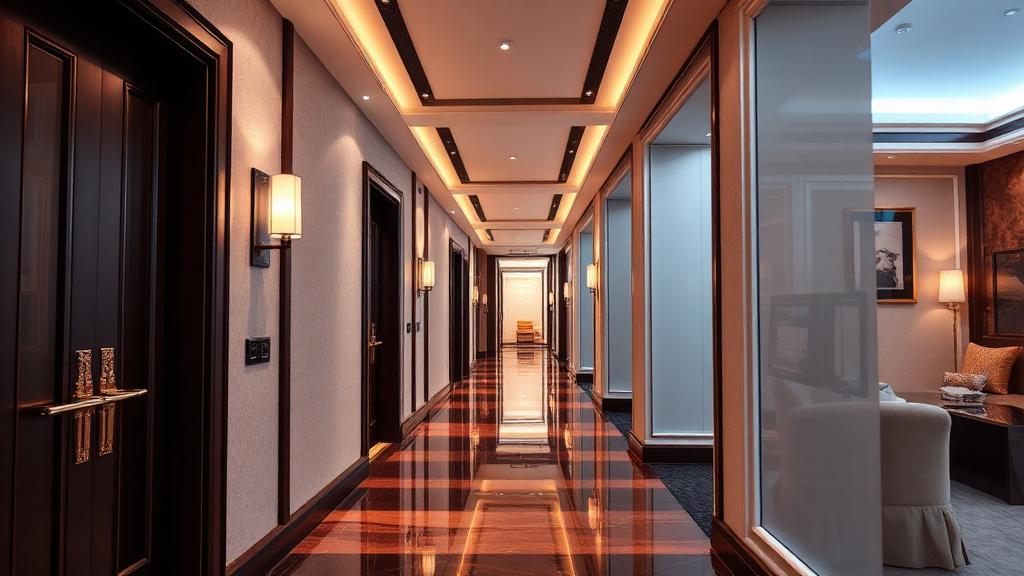
1Why Hotel Soundproofing Matters More Than Ever
Guests today expect quiet as a basic feature. Higher sound isolation ratings translate directly into better sleep, fewer complaints, and stronger reviews.
In hospitality, that matters in a few key ways:
- Guest comfort and reviews: A noisy room turns into a front-desk complaint and a bad online review. Quiet rooms turn into repeat bookings.
- Privacy: Guests expect that conversations and other activities stay inside the room. That means good airborne sound isolation between rooms and corridors.
- Brand standards: Many modern hotel guidelines reference minimum sound isolation targets or maximum noise intrusion levels for walls, floors, and façades.
If you're dealing with complaints about hallway noise, neighboring rooms, or mechanical hum, you're dealing with assemblies that never hit the right performance level in the first place—or that are being undercut by flanking noise.
2What Mass Loaded Vinyl Is (and Why Hotels Use It)
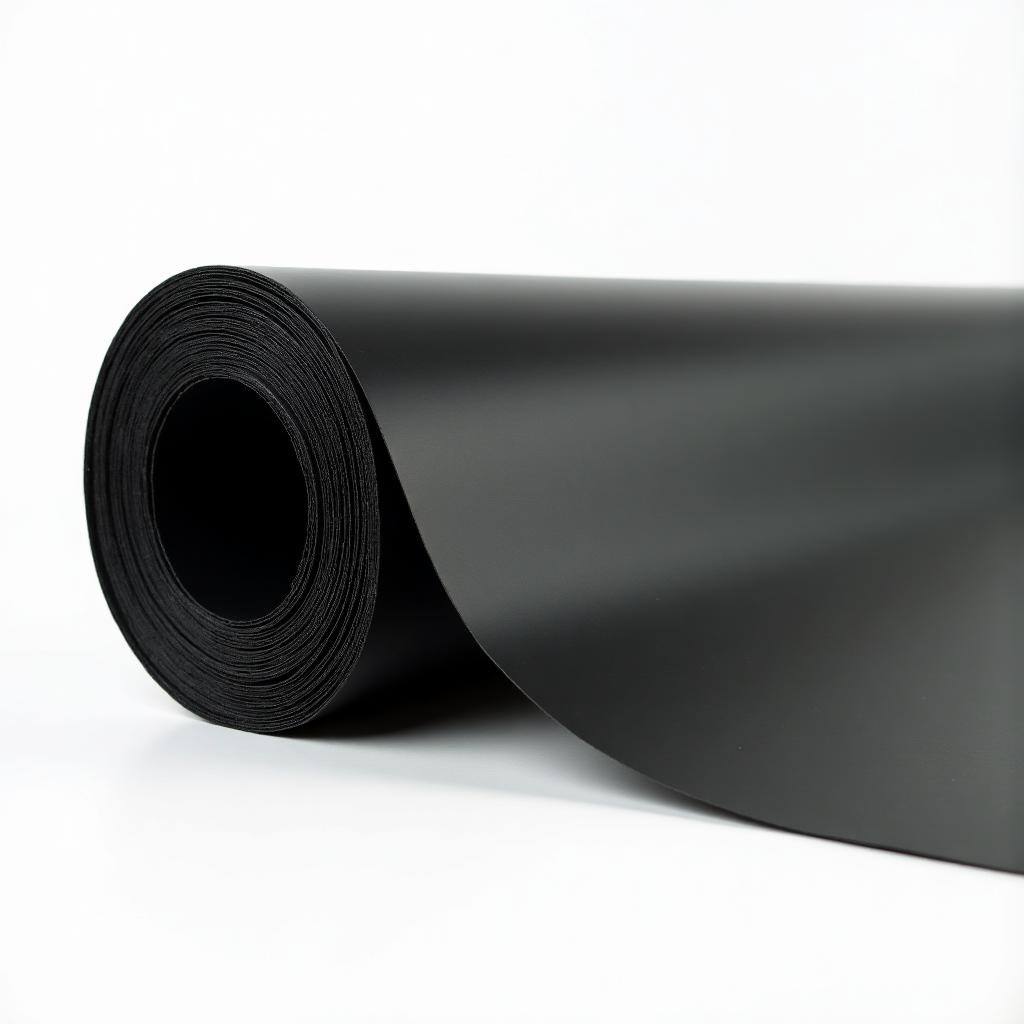
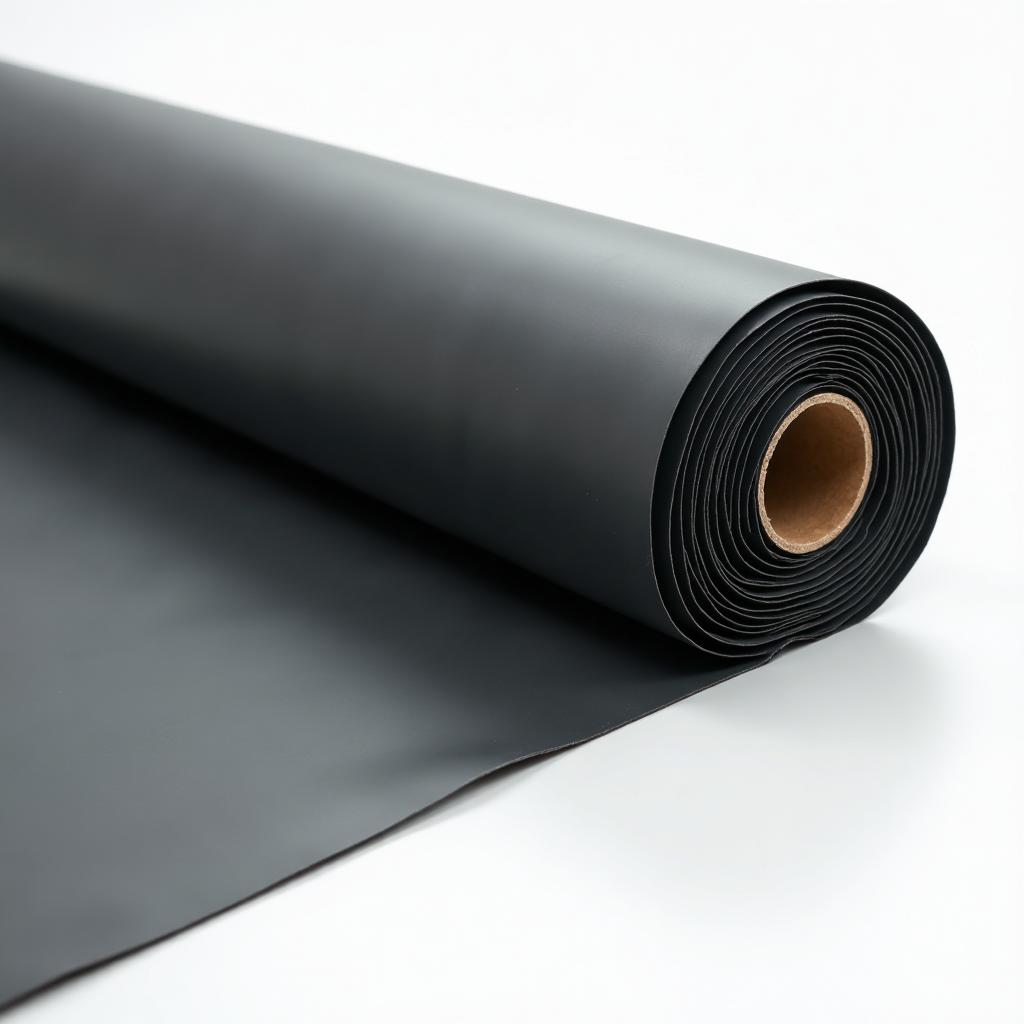
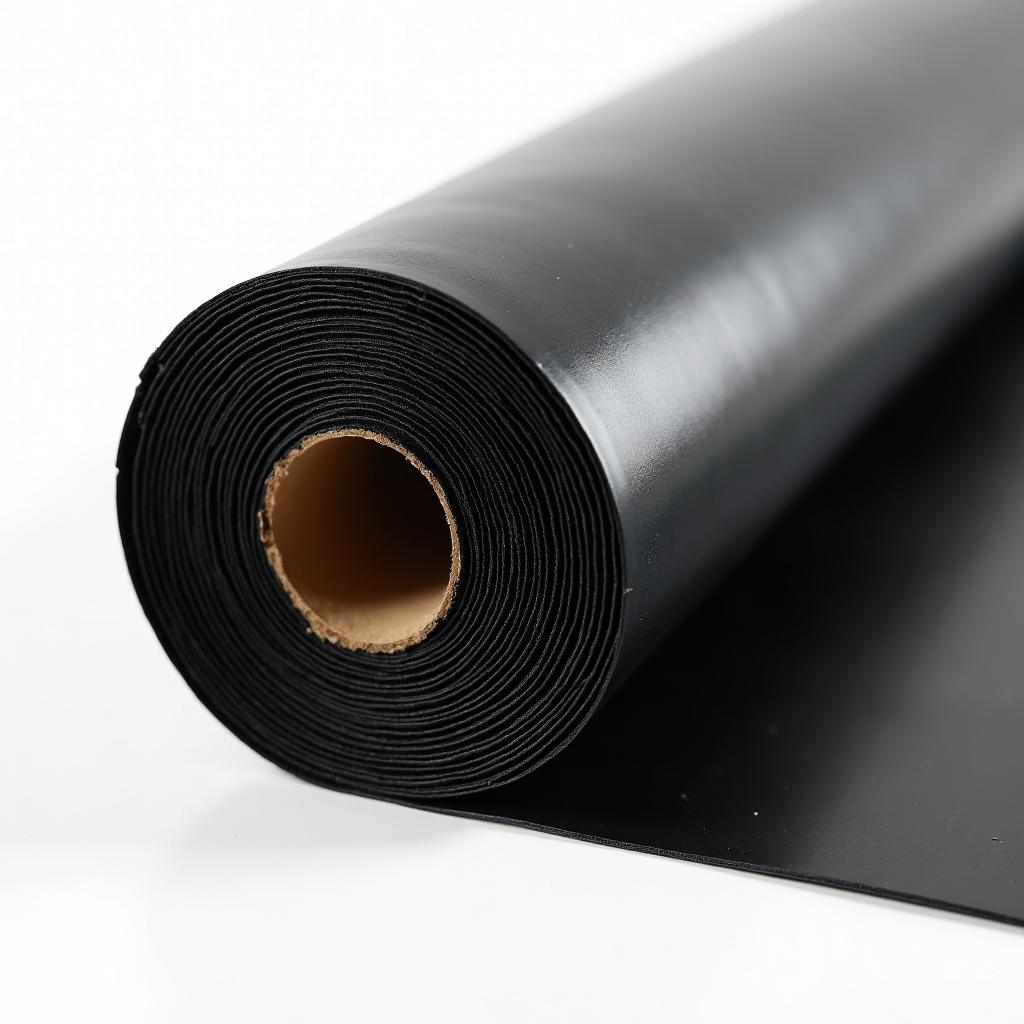
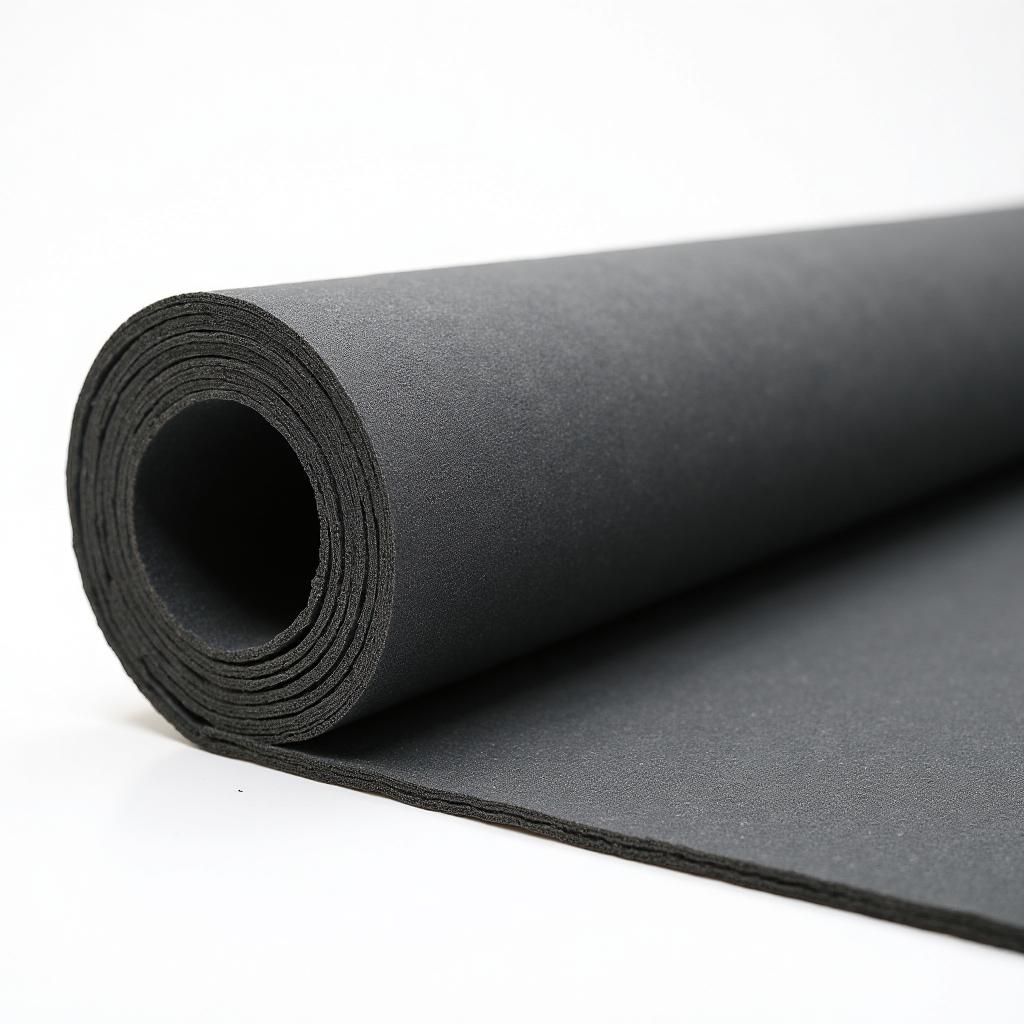
Mass loaded vinyl is a dense, flexible sound barrier designed to add serious mass to an assembly without taking up much space. Typical rolls come in 1 lb/ft² and 2 lb/ft² weights, at roughly 1/8" and 1/4" thick.
Three properties make MLV attractive in hotels:
- High mass in a thin layer: It behaves like a limp, heavy sheet that resists airborne sound transmission through walls, floors, and ceilings.
- Flexibility: Because it's not rigid like drywall, it doesn't "ring" at a single resonance; it helps fill in weak spots in the transmission loss curve.
- Easy integration: It can be stapled or screwed to studs, laid over subfloors, or sandwiched between drywall layers during fit-outs and renovations.
For hotels, that means you can meaningfully boost wall or ceiling performance within existing thickness constraints, instead of giving up rentable floor area to very thick wall constructions.
3Noise Problems in Hotels: Where Sound Really Comes From
Before you drop MLV into every wall, it's worth being clear about where noise is actually traveling.
Common hotel noise paths include:
- Party walls between guestrooms: Airborne speech, TV, and plumbing noise.
- Corridor walls: Doors slamming, luggage wheels, late-night chatter.
- Floors and ceilings: Footfall from above, chairs dragging, rolling carts in hallways.
- Mechanical and service areas: Elevators, laundry rooms, HVAC rooms adjacent to guestrooms.
On top of that, you have flanking paths: sound traveling above ceilings, below raised floors, through continuous framing, ductwork, and gaps. In many hotels, flanking noise ends up dictating the actual sound isolation between rooms more than the nominal wall rating.
MLV is strongest against airborne noise (voices, TVs, corridor sound). It needs to sit inside a well-designed assembly to work—and it must be paired with impact solutions for floors.
4Sound Isolation Targets for Hotel Walls (and Where MLV Fits)
Acoustic guidance for hotels typically points to higher sound isolation between rooms than basic code minimums if you want rooms that feel genuinely private and quiet.
In practical terms:
- Basic walls: Guests can still hear loud TVs and raised voices through shared walls.
- Improved walls: Normal speech is not heard; loud sounds are muffled. Suitable for mid-scale properties.
- High-performance walls: Strong privacy, better for upmarket and lifestyle brands where reviews are sensitive to noise.
A bare 2×4 wall with single drywall and no insulation often sits down in a "paper-thin" range. Insulation bumps that into a more acceptable zone. Adding MLV plus an extra drywall layer is one of the fastest ways to push a wall into higher performance without going to double-stud construction.
5Using Mass Loaded Vinyl in Hotel Guestroom Walls
Retrofit: Upgrading Existing Party Walls
For older or rebranded hotels where you can open one side of the wall, a practical MLV retrofit looks like this:
- Open the wall on the corridor side or one guestroom side.
- Fill cavities with mineral wool or quality fiberglass for absorption.
- Attach 1 lb/ft² MLV over the studs, full height, with seams taped and edges sealed.
- Add a new layer of 5/8" drywall over the MLV; consider a damping compound if budget allows.
This combination—insulation plus MLV plus heavy drywall—can deliver a substantial performance gain over a standard insulated wall, often on the order of several points in sound isolation, depending on the starting assembly and flanking conditions.
New Construction: Designing High-Performance Demising Walls
In new builds, you have more flexibility. A strong demising wall strategy often includes:
- Full-height walls to the structural deck (not stopping at the suspended ceiling).
- Staggered or double studs where possible on key separations.
- Mineral wool in the cavity for absorption.
- 1 lb or 2 lb MLV on one side of the framing, integrated with resilient channels or clips.
- Two layers of 5/8" drywall on at least one side, with acoustic sealant at perimeters.
In that context, MLV lets you hit demanding acoustic standards without overly thick walls and lost floor area.
6Ceilings and Floors: What MLV Can (and Can't) Do in Hotels
Vertical noise in hotels is a major source of complaints—especially from rooms below corridors or under popular amenities.
MLV is useful in floors and ceilings for airborne noise (people talking above, TVs, music), but it does not fix footfall by itself. Impact noise requires resilient underlayments or floating assemblies.
A smart use in a hotel stack looks like this:
- Floors: Use an impact-rated underlayment under finished flooring to handle footsteps and rolling loads, then add MLV as an additional mass layer in the floor/ceiling system to improve airborne performance.
- Ceilings: Where you have access from below, MLV can be installed over joists or above a new drywall ceiling, combined with insulation and resilient channels. For corridors over guestrooms, this is often the difference between "we can hear everything" and "we barely notice."
If impact noise is a major issue (high-heel clicks, carts, fitness rooms), you design the floor first around impact control, then decide where MLV gives you the best improvement on airborne sound.
7Flanking Noise: The Detail Work That Makes or Breaks Your MLV
You can build a great MLV wall and still have noisy rooms if sound simply detours around it.
Key flanking fixes in hotels include:
- Doors and frames: Solid-core doors with proper seals and automatic door bottoms are essential for corridor noise control.
- Outlets and penetrations: Avoid back-to-back outlets; use putty pads and acoustical caulk.
- Above-ceiling paths: Extend guestroom and corridor walls to the deck; where that's impossible in renovations, use dense insulation "lids" over demising walls to reduce spillover above the ceiling grid.
- Ducts and shafts: Line or reroute ductwork that directly couples loud spaces to guestrooms.
MLV doesn't fix flanking by itself, but once you've invested in better walls, it's worth tightening these details so you actually realize the improvement you paid for.
8Choosing the Right Mass Loaded Vinyl for Hospitality Projects
For hotel applications, most designs fall into one of three MLV categories:
- 1 lb/ft² standard MLV: The workhorse for guestroom walls and ceilings; good balance of performance and handling.
- 2 lb/ft² heavy MLV: Used where low-frequency or high-energy noise is a concern (mechanical rooms, dance clubs, rooftop bars, busy roads).
- Reinforced MLV: Has an internal mesh for extra tear resistance, useful in areas that see more handling or need more durability during construction.
When selecting a product, pay attention to verified weight per square foot, thickness, fire and smoke ratings, and any available test data for wall or floor assemblies that resemble your design.
9Implementation Roadmap: Existing Hotels vs New Builds
Existing Hotels and Rebrands
For existing properties, think in tiers:
- Start with the worst offenders: rooms next to elevators, mechanical spaces, or high-traffic corridors.
- Use MLV-plus-drywall retrofits on select walls, add better door seals, and address obvious flanking above ceilings.
- Combine MLV with underlayments in renovation zones where you're already working on floors or ceilings.
New Construction or Major Gut Renovations
In new builds or major overhauls:
- Set clear sound isolation targets early in design.
- Work with assemblies that combine insulation, MLV, clips/channels, and double drywall in key separations.
- Design out flanking paths—full-height partitions, smart shaft placement, and good door and window specs—from day one.
In both cases, MLV is not the only tool, but it's one of the most potent ways to elevate hotel acoustics when you're constrained by thickness, structure, and room layouts.
FAQs: Hotel Soundproofing with Mass Loaded Vinyl (MLV)
Related Guides in Industry Solutions
Continue exploring with these hand-picked articles

School Soundproofing with Mass Loaded Vinyl (MLV)
Complete guide to soundproofing schools, classrooms, and educational facilities with mass loaded vinyl. Meet ANSI S12.60 standards, improve speech intelligibility, and create optimal learning environments for students.
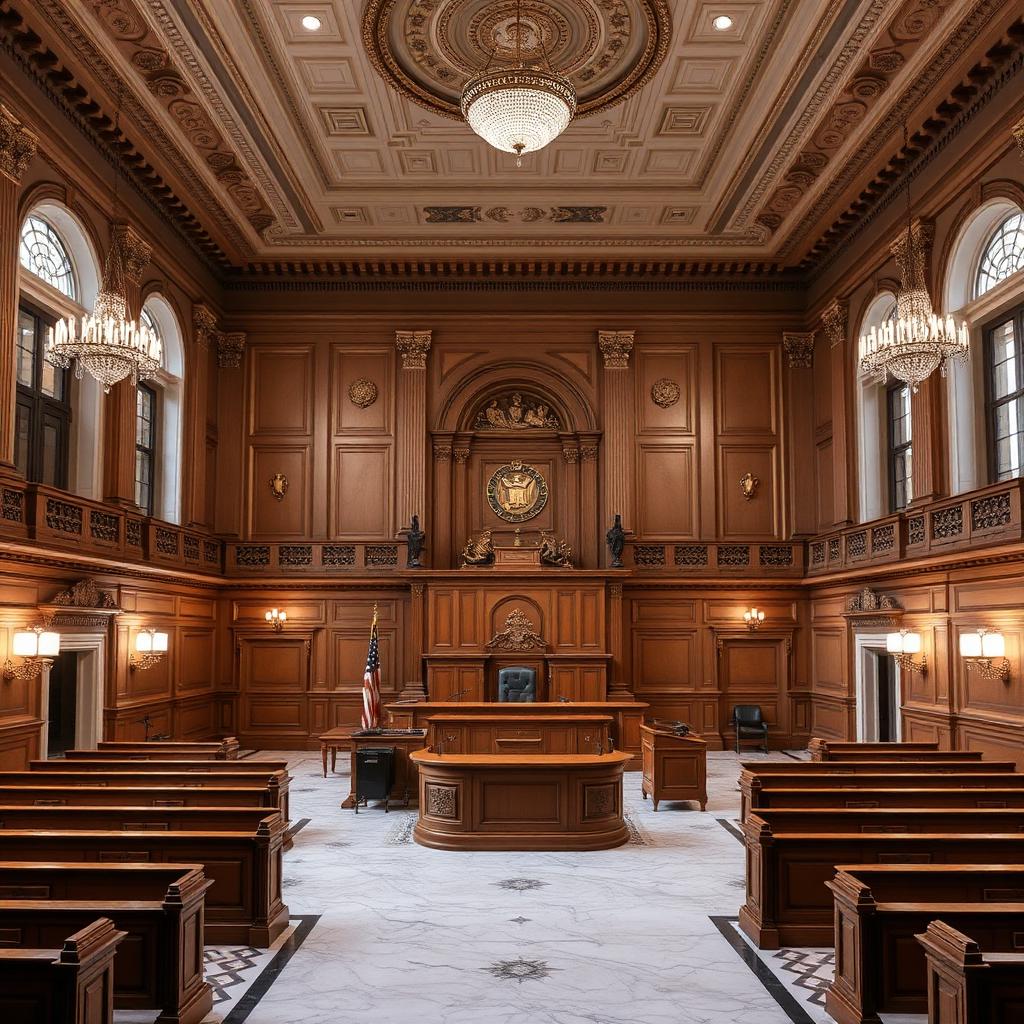
Courthouse Soundproofing with Mass Loaded Vinyl (MLV)
Complete guide to soundproofing courthouses, courtrooms, and legal facilities with mass loaded vinyl. Ensure speech privacy for attorney-client communications, protect witness identities, and create optimal acoustics for judicial proceedings.
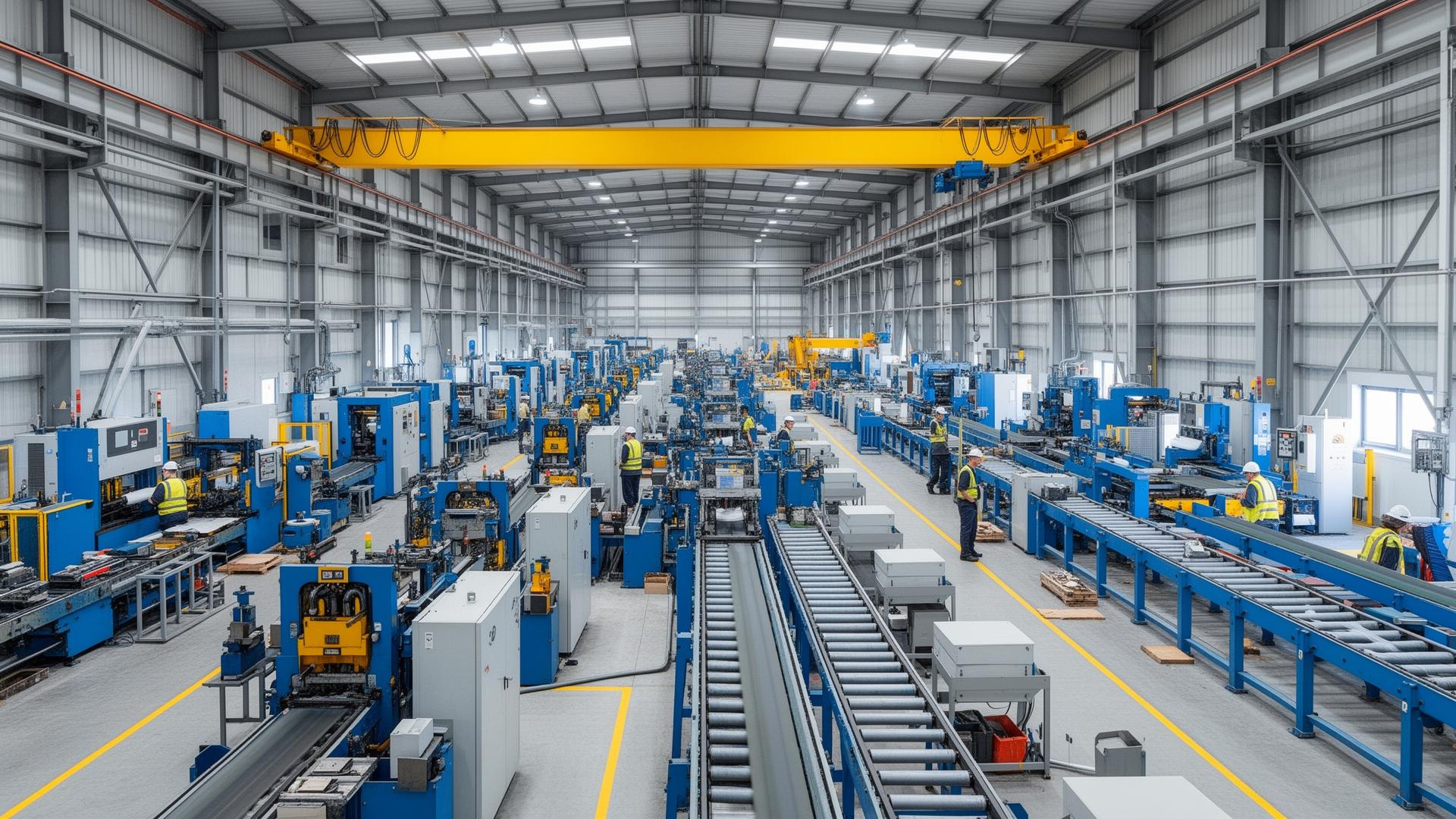
Industrial Factory Soundproofing with Mass Loaded Vinyl (MLV)
Complete guide to soundproofing manufacturing plants, production facilities, and industrial factories with mass loaded vinyl. Control machinery noise, meet OSHA regulations, and protect workers from hearing damage.
Our Complete Product Line
Professional-grade soundproofing materials for any application
Need Expert Soundproofing Advice?
Our team of soundproofing specialists is here to help you choose the right products and installation methods for your museum or gallery project.