Hard vs. Soft Materials: How Surface Texture Affects Your Room's Acoustics
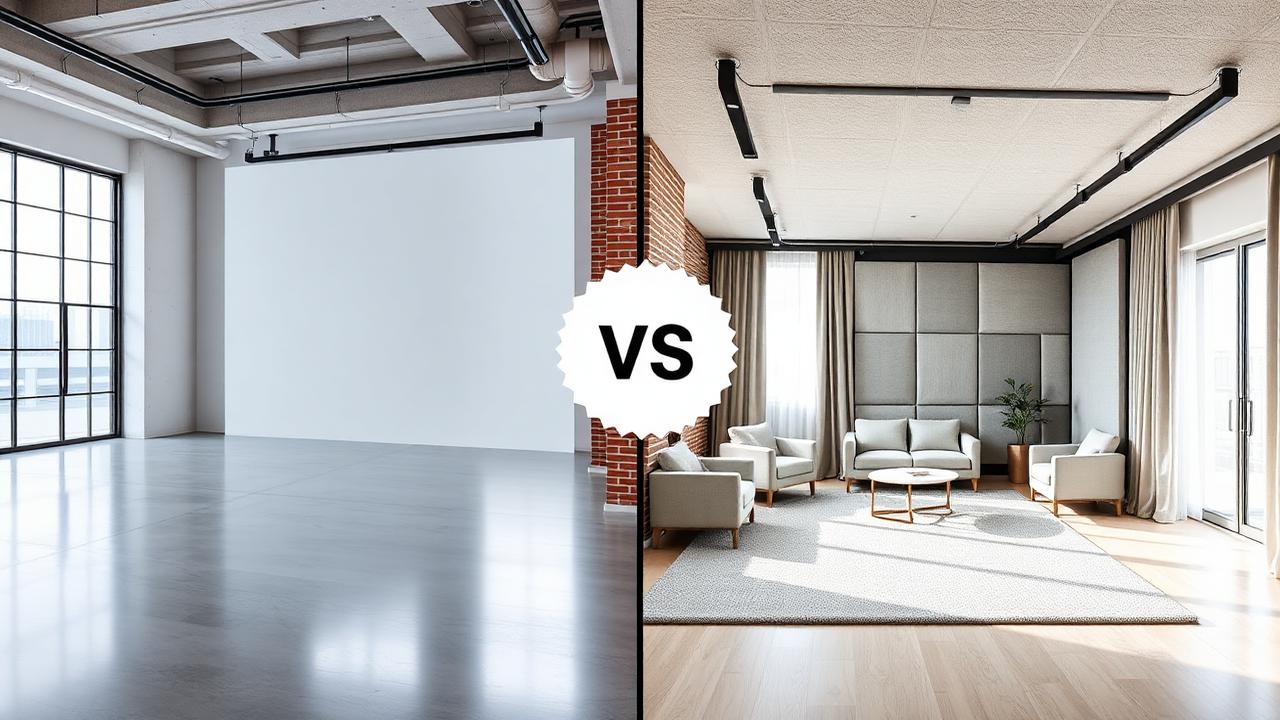
1The Hard Truth About Hard Surfaces
• Glass windows: Reflects 95-97% across most frequencies
• Ceramic tile: Reflects 98-99% — one of the worst acoustic surfaces
• Bare drywall: Reflects 90-95% (slightly better due to minor flex)
• Hardwood flooring: Reflects 85-92% depending on thickness and subfloor
2How Soft Materials Absorb Sound Energy
• Thickness: Thicker materials absorb lower frequencies. A 1-inch fabric panel absorbs high frequencies well but is nearly transparent to bass. A 4-inch mineral wool panel absorbs effectively down to 250 Hz.
• Density: Moderate density (3-8 lb/ft³) is optimal. Too light and there is insufficient fiber-to-air friction. Too dense and the material becomes reflective like a hard surface.
3Absorption Coefficients: Measuring the Difference
| Material | NRC Rating | Category |
|---|---|---|
| Polished concrete | 0.02 | Hard |
| Glass (single pane) | 0.05 | Hard |
| Hardwood floor | 0.10 | Hard |
| Bare drywall | 0.05 | Hard |
| Thin carpet (no pad) | 0.30 | Soft |
| Heavy carpet with pad | 0.55 | Soft |
| Heavy curtains | 0.50 | Soft |
| 2" mineral wool panel | 0.85 | Soft |
| 4" fiberglass panel | 0.95 | Soft |
4Room-by-Room Material Impact
• Bathrooms: Tile on every surface creates extreme reverberation. This is why singing in the shower sounds so reverberant — reverberation times in small tiled bathrooms can exceed 3 seconds.
• Open-plan offices: Hard desks, glass partitions, polished concrete floors, and minimal soft furnishings create noise levels that reduce productivity by up to 66% according to workplace studies.
• Restaurants: The trend toward industrial aesthetics — exposed concrete, metal chairs, bare tables — has made modern restaurants painfully loud. Many now exceed 85 dB during peak hours, approaching hearing-damage thresholds.
• Home studios: An untreated spare bedroom with hardwood floors and bare drywall produces recordings plagued by flutter echo and comb filtering that no EQ plugin can fix.
5The Right Balance: Mixing Hard and Soft
• Recording studios: 40-60% absorption coverage, strategically placed at first reflection points. The remaining hard surfaces provide natural ambience. Diffusers on rear walls scatter remaining reflections without absorbing them.
• Restaurants and offices: Acoustic ceiling tiles (NRC 0.70+) address the largest untreated surface. Wall-mounted fabric panels at conversation height handle direct speech reflections.
6Practical Fixes for Overly Reflective Rooms
• Hang heavy curtains: Floor-to-ceiling curtains over windows (and even blank walls) add significant absorption. Heavier fabrics perform better. Cost: $30-100 per window.
• Upholstered furniture: Replace hard chairs with fabric-covered seating. A single large sofa absorbs as much sound as several acoustic panels. Cost: varies.
• Acoustic panels: Mount 2-4 inch mineral wool or fiberglass panels wrapped in fabric at first reflection points on walls and ceiling. This is the most effective targeted treatment. Cost: $15-40 per panel DIY.
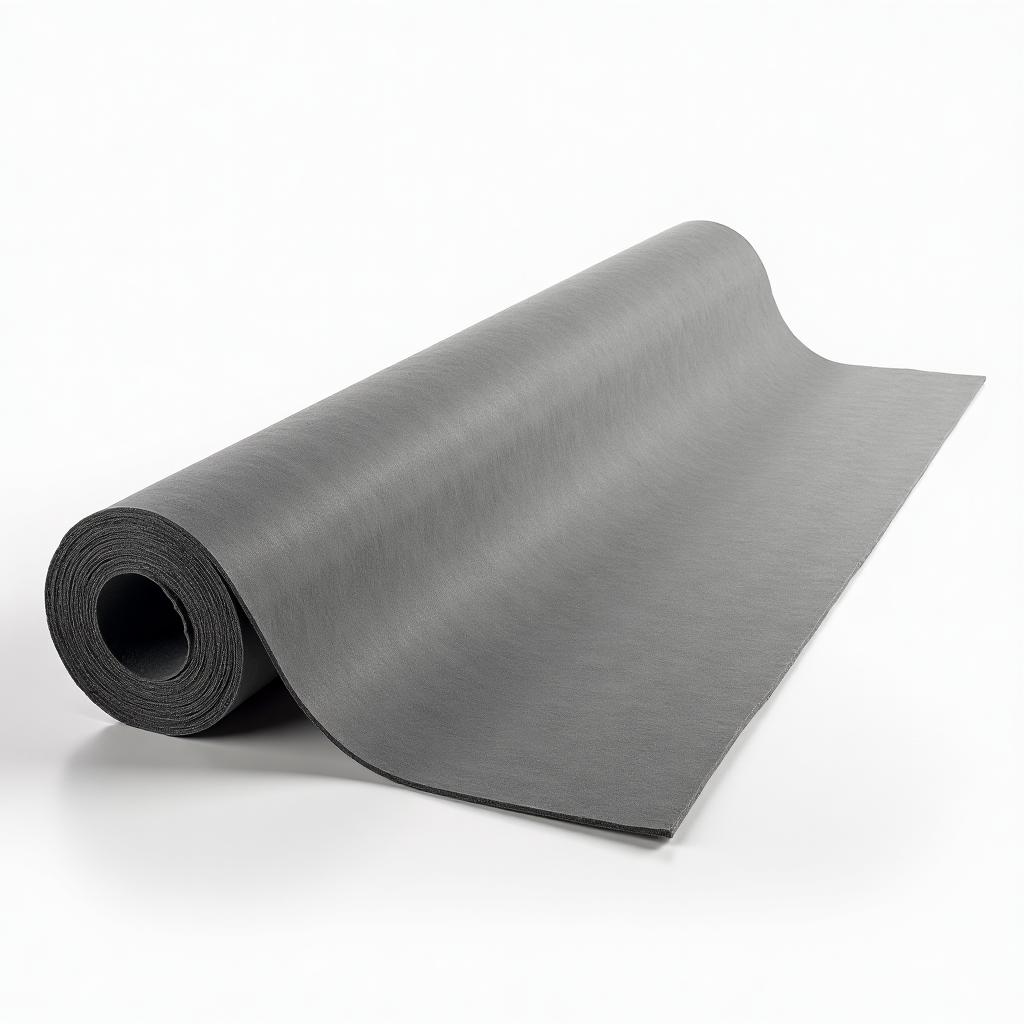
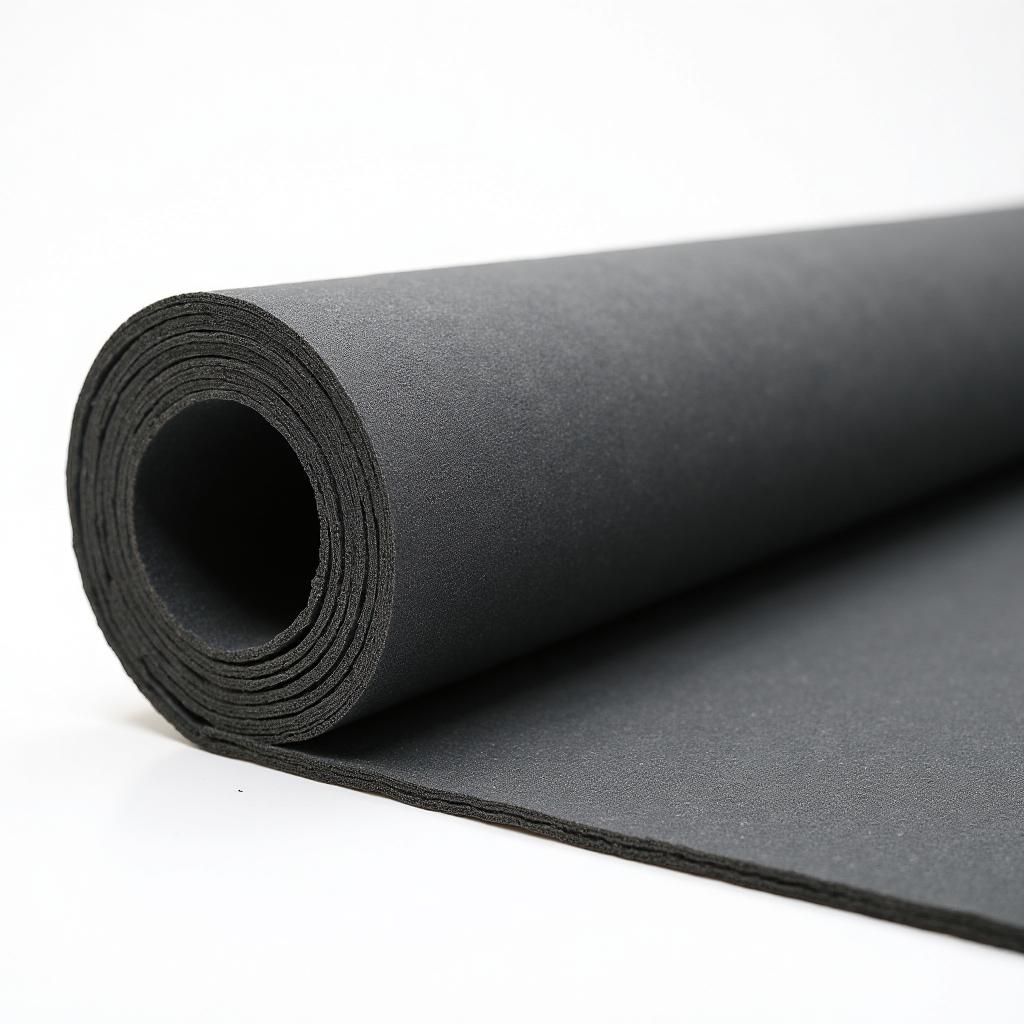
• Mass loaded vinyl + soft treatment: For rooms that need both sound isolation and acoustic treatment, apply MLV to walls first (blocks transmission between rooms), then mount acoustic panels over it (controls reflections within the room). Cost: $1.50-2.50/sf for MLV plus panel costs.
8Conclusion
FAQs: Hard vs Soft Materials Acoustics
Related Guides in Comparisons
Continue exploring with these hand-picked articles
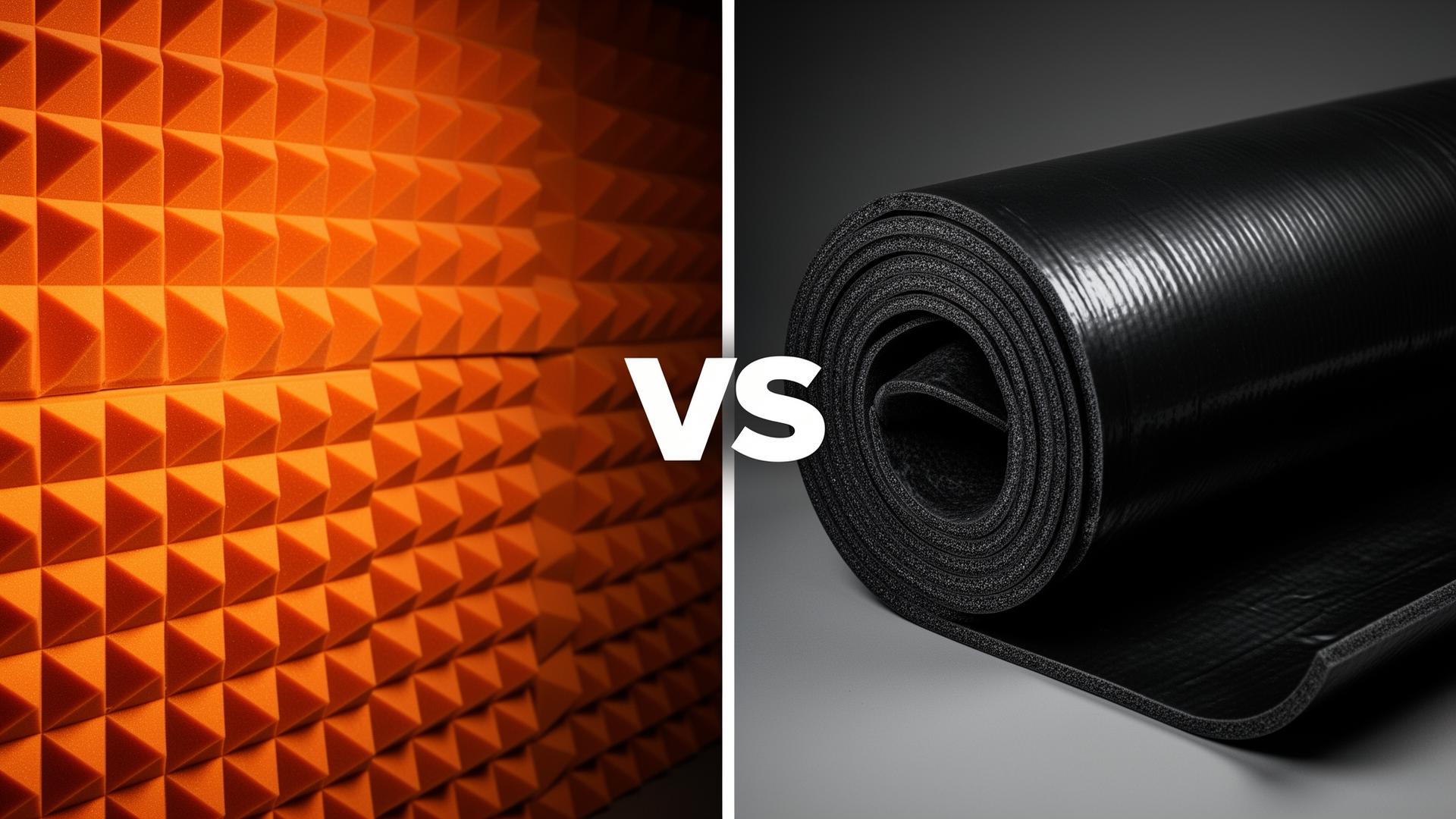
Acoustic Foam vs MLV: Which One Actually Stops Noise?
Acoustic foam absorbs echo while MLV blocks sound transmission—they're not the same thing. Discover which material you actually need, why foam won't stop neighbor noise, and when to use both for optimal acoustic control.
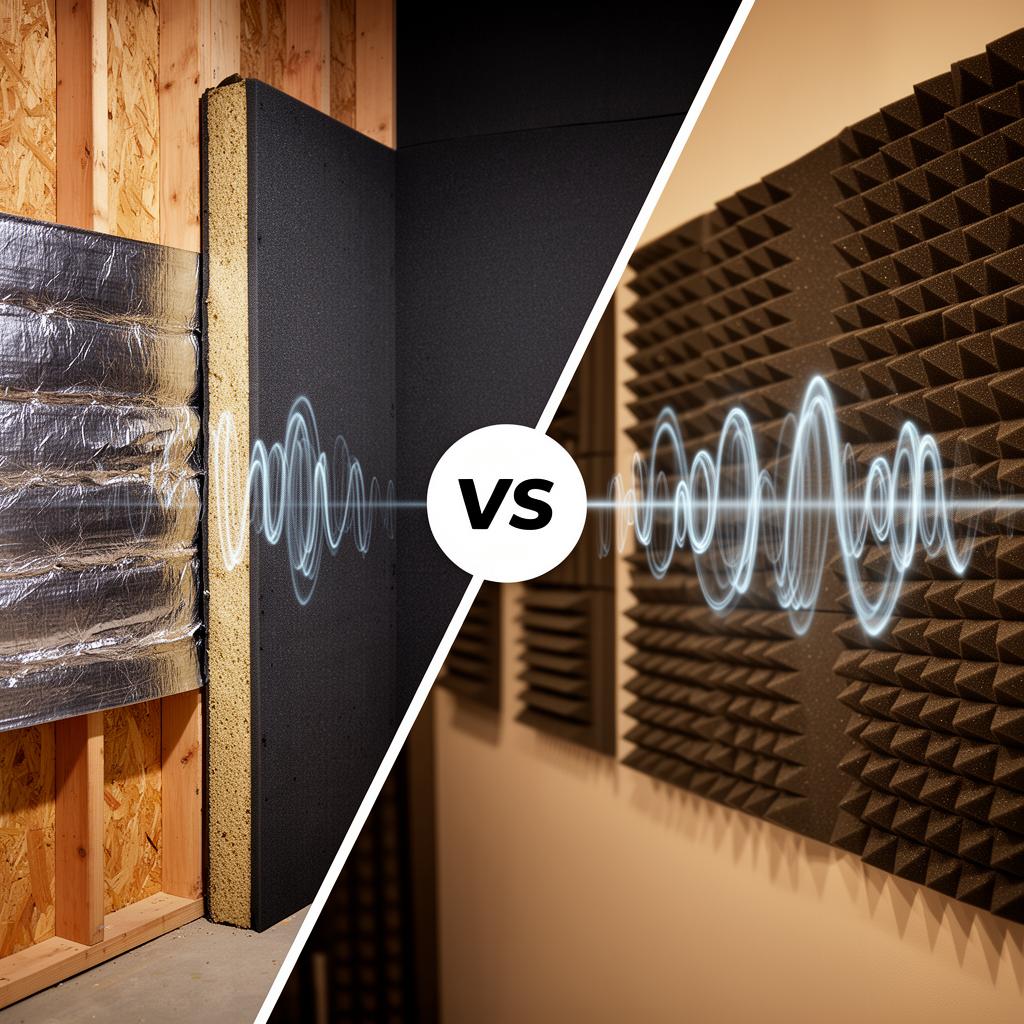
Soundproofing vs Sound Absorbing: The Critical Difference That Costs Thousands
Soundproofing blocks noise between spaces using dense materials like MLV. Sound absorption reduces echo within a room using porous materials like foam. Learn exactly when to use each, how they work differently, and why confusing them wastes thousands of dollars.
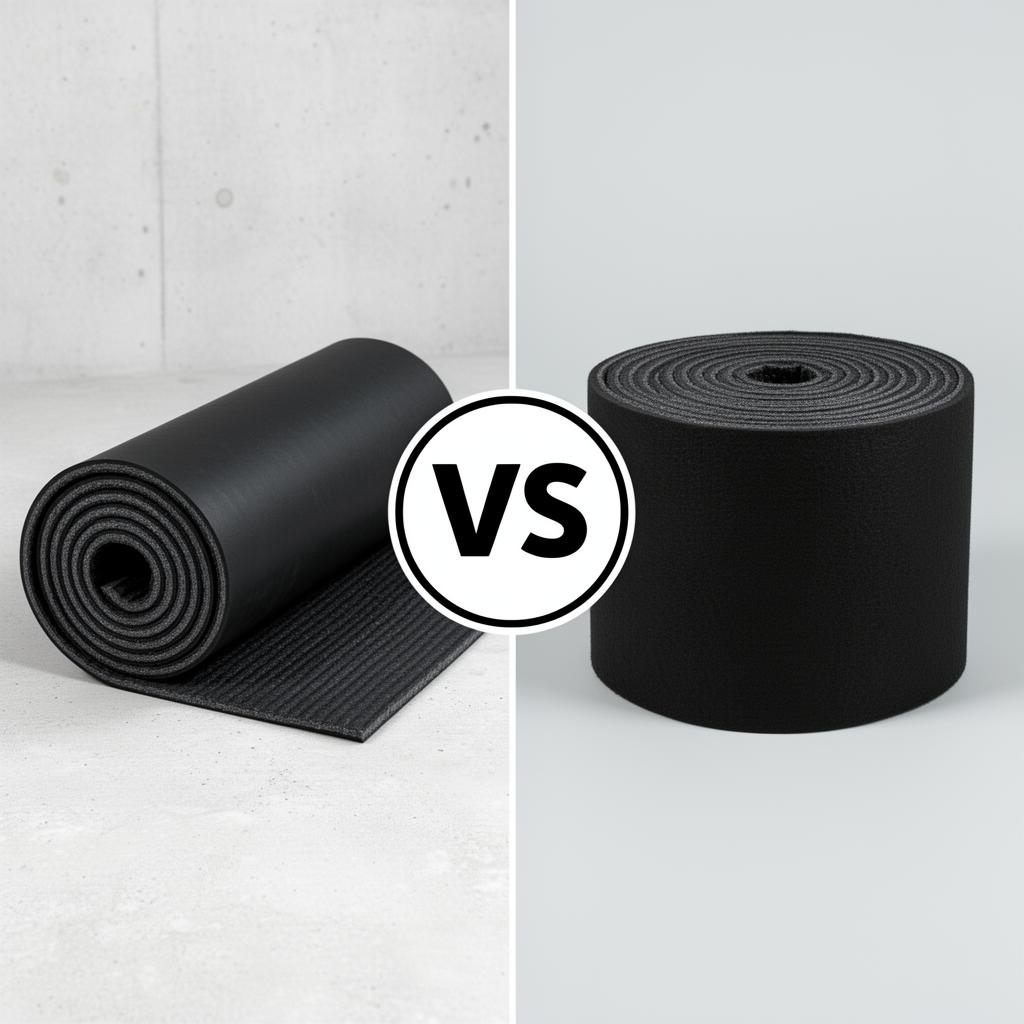
1 lb vs. 2 lb Mass Loaded Vinyl: Which Thickness Should You Buy?
Compare 1 lb/ft² MLV (STC 26) vs 2 lb/ft² MLV (STC 32). Practical buyer's guide covering use cases, cost math, wall assemblies, and when upgrading to 2 lb MLV is worth the investment.
Our Complete Product Line
Professional-grade soundproofing materials for any application
Need Expert Soundproofing Advice?
Our team of soundproofing specialists is here to help you choose the right products and installation methods for your museum or gallery project.