Gym Construction: MLV Requirements & Building Codes
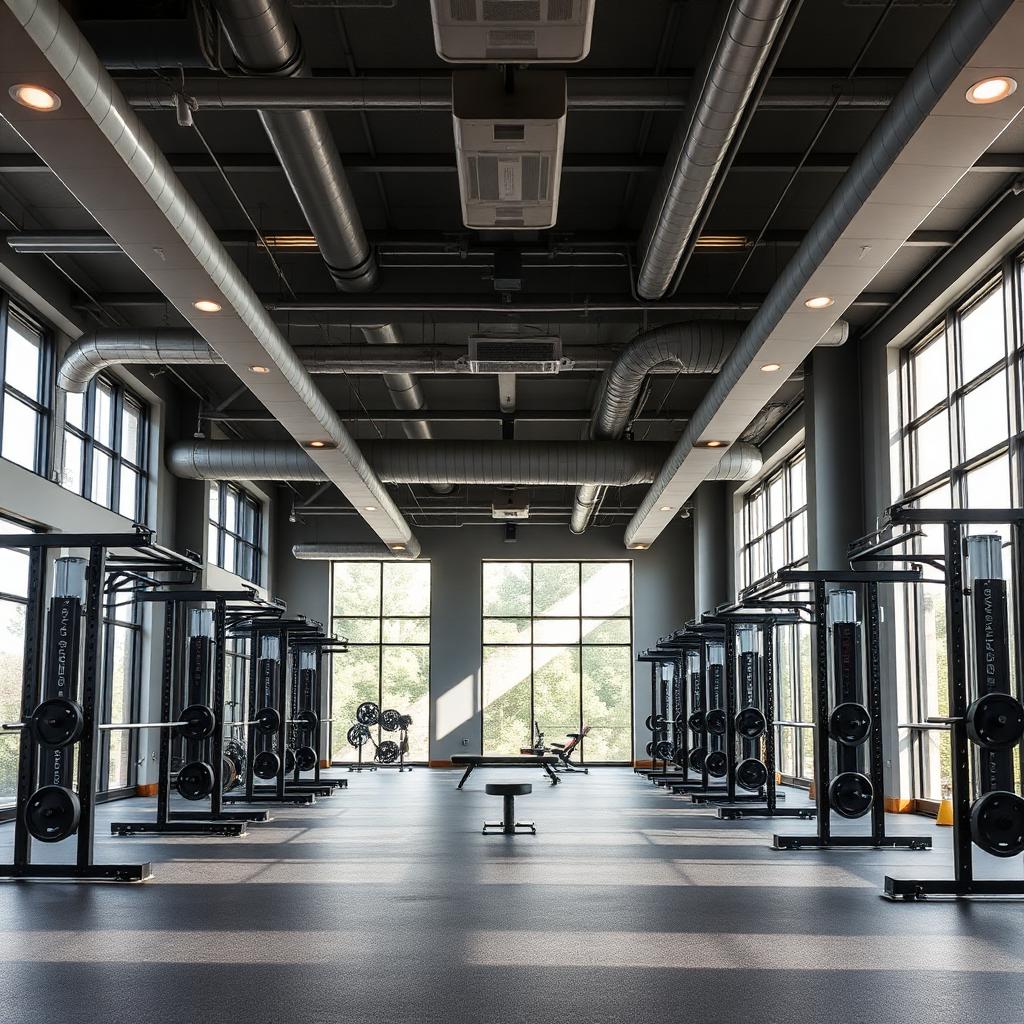
1Why Fitness Centers Face Unique Acoustic Challenges
The Physics of Gym Noise
• Airborne noise: Amplified music in group exercise classes reaches 95-105 dBA, comparable to live concert levels
• Low-frequency content: Bass from sound systems and weight drops contain significant energy below 100 Hz that penetrates standard construction
• Impulsive sounds: Sudden weight drops create peak levels 20-30 dB above average, triggering startle responses in neighbors
• Continuous operation: Early morning (5-6 AM) and late evening (9-11 PM) hours affect neighbors during noise-sensitive times
Common Facility Configurations
• Upper floor locations: Impact noise transmits downward to spaces below, often retail or restaurants
• Mixed-use buildings: Fitness centers in residential buildings create 24/7 neighbor conflicts
• Standalone buildings: Large gyms near residential areas must control noise at property lines
• Second-floor weight rooms: Heavy lifting areas over occupied spaces create the most severe impact problems
Business and Legal Implications
• Operating restrictions: Noise complaints often lead to restricted hours that damage business viability
• Legal liability: Neighbors successfully sue fitness facilities for noise-related property damage claims
• Permit revocation: Repeated noise violations can result in loss of occupancy permits
• Retrofit costs: Post-construction acoustic remediation costs 3-5x more than proper initial design
2Building Code Requirements for Fitness Facilities
IBC Requirements for Assembly Occupancies
• Mixed-use provisions: IBC requires specific construction between different occupancy types
• Exit requirements: High-occupancy group exercise rooms may require multiple exits, affecting wall layouts
• Ventilation: High air change requirements for fitness spaces create HVAC noise challenges
Residential Building Requirements
• Enhanced requirements: Many jurisdictions require STC 55-60 and IIC 55-60 for fitness-to-residential separations
• Luxury buildings: High-end residential often specifies STC 60+ and IIC 60+ in construction documents
• Condo associations: HOA rules may impose requirements exceeding code minimums
Lease Agreement Provisions
• Operating hour restrictions: Leases may limit high-noise activities to specific hours
• Equipment restrictions: Limitations on free weight areas, Olympic lifting, or high-intensity classes
• Flooring requirements: Specific rubber flooring thicknesses mandated for weight areas
• Music limitations: Maximum dBA levels for amplified sound systems
3Weight Room and Free Weight Area Acoustics
Understanding Impact Forces
• Frequency content: Impact energy concentrates at low frequencies (20-80 Hz) that travel efficiently through structures
• Repetition: Busy weight rooms experience continuous impacts throughout operating hours
• Olympic lifting: Snatch and clean-and-jerk drops from overhead create the highest impact levels
• Deadlifts: Even controlled deadlift lowering transmits significant vibration
Floor Assembly Requirements
• Rubber flooring: 1.5-2" rubber mat flooring provides first-line impact absorption
• MLV barrier layers: 1-2 lb/sf MLV between structural slab and topping adds mass for low-frequency control
• IIC targets: Weight rooms over occupied space should achieve IIC 60-65 minimum
• Platform areas: Olympic lifting platforms require additional isolation beyond general floor treatment
Wall Construction for Weight Rooms
• Low-frequency performance: Standard STC ratings may underestimate performance below 125 Hz—specify assemblies tested for gym applications
• Double-stud walls: Separate stud walls eliminate solid connections that transmit impact vibration
• MLV layers: 2 lb/sf MLV essential for adding mass to block low-frequency content
• Ceiling breaks: Walls must extend to structure above—stopping at ceiling creates flanking paths
4Group Exercise and Spin Studio Requirements
Sound Level Considerations
• Aerobics and dance: 90-100 dBA with significant bass content from music
• HIIT and boot camps: Instructor commands plus music reach 100+ dBA peaks
• Yoga and pilates: Lower levels (70-80 dBA) but still require isolation from adjacent spaces
• Operating frequency: Popular studios run 10-15 classes daily from early morning through evening
Wall Assembly Requirements
• Bass control: Assemblies must perform well at 63 Hz and 125 Hz, not just at mid-frequencies
• Double-layer MLV: Two layers of 1 lb/sf MLV sandwiched in wall assembly addresses bass transmission
• Decoupled construction: Resilient channels or separate stud walls prevent structure-borne transmission
• Door assemblies: STC 45-50 rated doors essential—standard doors destroy studio isolation
Floor Impact from Exercise Classes
• Frequency content: Jump frequencies (2-3 Hz) and harmonics excite structural resonances
• Floating floors: Studios with high-impact classes need isolated floor systems rated for group exercise
• Spring floors: Dance and aerobics studios often use sprung floor systems that also reduce sound transmission
• Vibration isolation: Studios should be isolated from building structure using appropriate resilient supports
5Cardio Floor and Equipment Vibration Control
Treadmill Vibration Characteristics
• Motor noise: Belt drive motors produce hum at 60-120 Hz depending on speed
• Cumulative effect: 20-30 treadmills operating simultaneously create significant building vibration
• Direct coupling: Treadmills sitting directly on structural slabs transmit all vibration to structure
• Time of operation: Early morning runners create vibration during noise-sensitive hours
Equipment Isolation Strategies
• Floating platforms: Groups of cardio equipment on isolated platforms reduce low-frequency transmission
• Floor assembly: Resilient flooring with MLV barrier layer beneath cardio areas
• IIC requirements: Cardio areas over occupied spaces should achieve IIC 55-60 minimum
• Maintenance: Worn belts and bearings significantly increase equipment noise and vibration
Elliptical and Cycling Equipment
• Spin bikes: Flywheel vibration and pedaling forces transmit through floor
• Rowing machines: Slide mechanisms create repetitive noise and vibration
• Stair climbers: Stepping motion creates rhythmic impact similar to treadmills
• Cable machines: Weight stack drops create impact noise requiring attention
6HVAC and Background Noise Management
Ventilation Requirements
• Cooling loads: High metabolic loads require substantial cooling capacity
• Exhaust systems: Locker rooms and restrooms require continuous exhaust
• Make-up air: Large exhaust volumes require corresponding outdoor air intake
• Equipment location: Rooftop HVAC units can affect neighboring buildings
Interior Noise Criteria
• Cardio floors: NC 40-45 for comfortable workout environment
• Group exercise: NC 35-40 to ensure music system clarity
• Yoga/pilates studios: NC 30-35 for quiet, contemplative atmosphere
• Reception/lobby: NC 35-40 for clear speech communication
HVAC Noise Control Strategies
• Low-velocity design: Larger ducts with lower air velocities reduce regenerated noise
• Diffuser selection: NC-rated diffusers appropriate for each space type
• Equipment isolation: Vibration-isolated equipment mounting prevents structure-borne transmission
• Exterior equipment: Acoustic barriers around rooftop equipment for neighbor protection
7MLV Installation Strategies for Fitness Centers
Floor Assembly Integration
• Above-slab systems: MLV under rubber flooring adds mass without major floor buildup
• Weight room areas: 2 lb/sf MLV recommended for free weight and Olympic lifting areas
• Cardio zones: 1 lb/sf MLV sufficient for most cardio equipment areas
• Studio floors: 1-2 lb/sf MLV depending on adjacency and class types
Wall Assembly Details
• Perimeter sealing: Acoustic caulk at all edges prevents flanking transmission
• Penetration treatment: Electrical boxes, pipes, and ducts sealed with appropriate methods
• Door frames: MLV wraps into door frames with acoustically-rated frames and seals
• Multiple layers: For STC 60+ assemblies, consider two MLV layers separated by drywall
Ceiling and Mechanical Room Treatment
• Mechanical rooms: MLV on walls and ceilings of mechanical rooms containing HVAC equipment
• Roof penetrations: Acoustic treatment around duct and pipe penetrations through roof
• Equipment enclosures: MLV-lined enclosures for compressors, pumps, and other noise sources
9Conclusion
Fitness center construction demands acoustic design expertise to balance high-energy workout environments with neighbor relations and code compliance. The combination of extreme impact forces from dropped weights, sustained high-level music in group exercise studios, and extended operating hours creates challenges that standard construction cannot address.
Mass loaded vinyl is essential for gym construction because it adds the mass needed to block low-frequency content from bass music and weight impacts, integrates into practical floor and wall assemblies, and provides the performance margin needed to meet increasingly stringent lease requirements and building codes. Whether designing new fitness facilities or retrofitting existing spaces to address noise complaints, comprehensive MLV integration with proper isolation systems ensures successful operation within commercial and residential buildings.
FAQs: Gym MLV Building Codes
Related Guides in Building Codes
Continue exploring with these hand-picked articles
Airport Construction: MLV Requirements and Building Codes
Building code requirements for soundproofing in airports and aviation facilities. How MLV helps developers meet FAA acoustic standards, TSA security requirements, and create comfortable passenger environments.
Museum Construction: MLV Requirements and Building Codes
Building code requirements for soundproofing in museums and cultural institutions. How MLV helps developers achieve gallery-to-gallery isolation, protect collections from vibration damage, meet conservation standards, and create contemplative visitor experiences.
Hotel Construction: MLV Requirements & Building Codes
Building code requirements for soundproofing in hotels and hospitality construction. How MLV helps developers meet STC requirements, brand acoustic standards, and cost-effective wall/floor assemblies for hotel projects.
Our Complete Product Line
Professional-grade soundproofing materials for any application
Need Expert Soundproofing Advice?
Our team of soundproofing specialists is here to help you choose the right products and installation methods for your museum or gallery project.