Fire-Rated Soundproofing Materials: What Contractors Need to Know About MLV and Building Codes
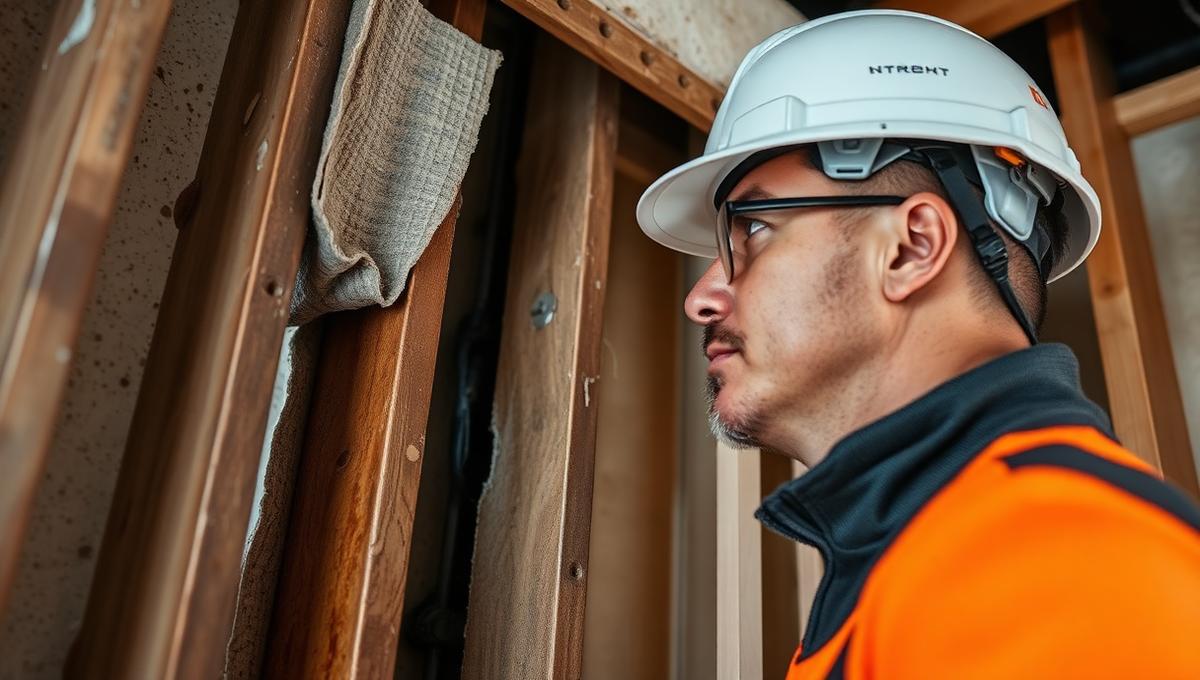
1Why Fire Ratings Matter for Soundproofing Projects
2Key Fire Rating Standards Every Contractor Must Know
ASTM E84 / UL 723 — Surface Burning Characteristics
• Flame Spread Index (FSI): How rapidly flame travels across the surface (Class A = 0-25, Class B = 26-75, Class C = 76-200)
• Smoke Developed Index (SDI): How much smoke the material produces (must be ≤450 for most applications)
ASTM E119 / UL 263 — Fire Resistance of Assemblies
UL Design Numbers
3MLV Fire Performance: ASTM E84 and UL Classifications
4Fire-Rated Wall Assemblies That Also Block Sound
1-Hour Fire-Rated Acoustic Wall (STC 50-55)
• 3-1/2" mineral wool insulation (non-combustible, melting point 2,150°F)
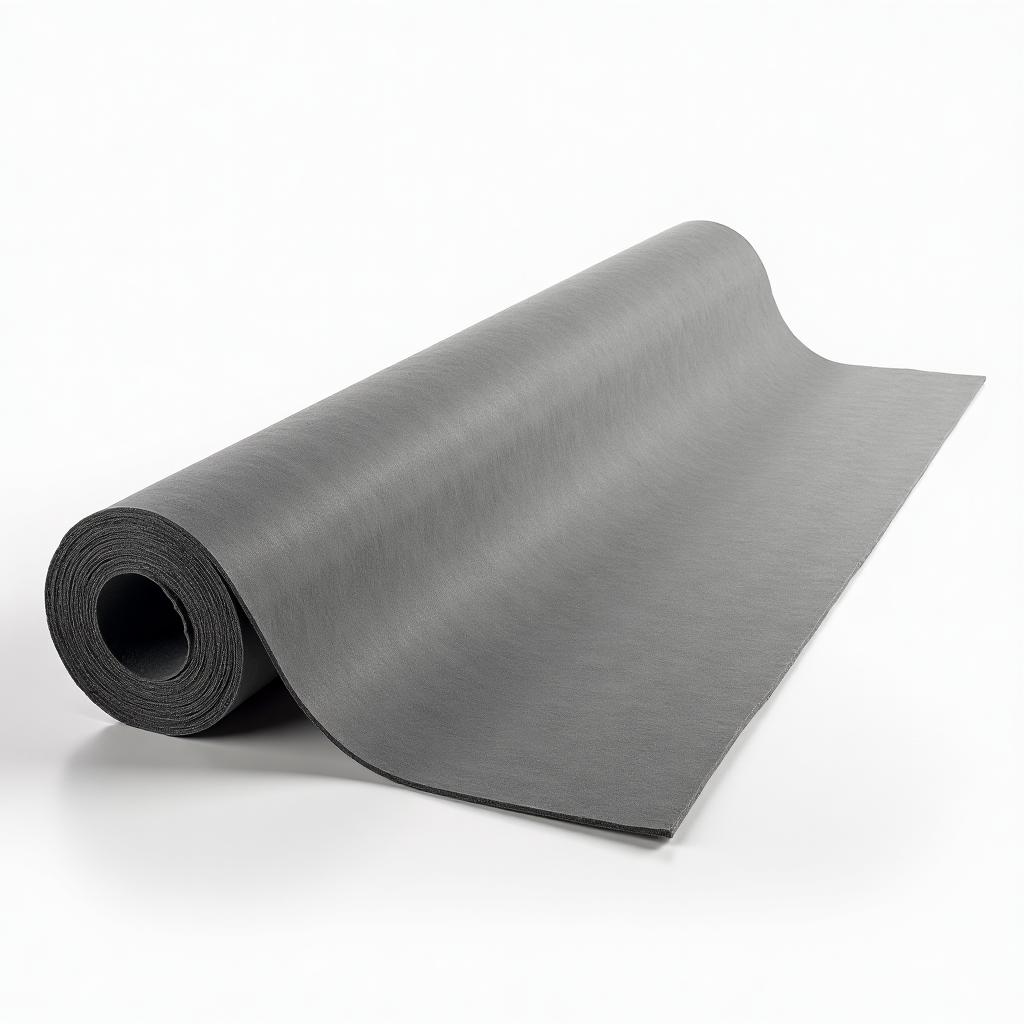
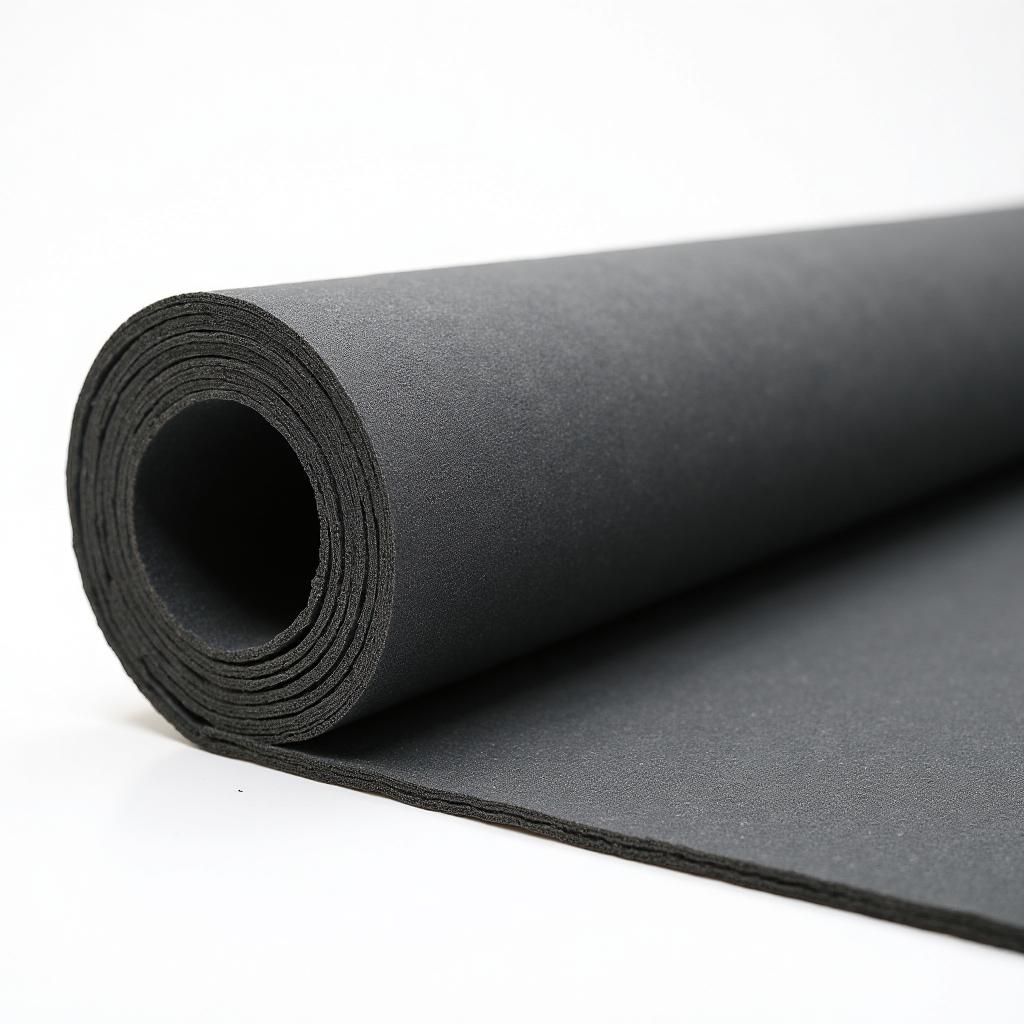
• 1 lb/ft² MLV membrane stapled to one side of studs
• 5/8" Type X gypsum board on each side
• Acoustic sealant at all perimeters and penetrations
2-Hour Fire-Rated Acoustic Wall (STC 55-60)
• 3-1/2" mineral wool insulation
• 1 lb/ft² MLV membrane
• Double layer 5/8" Type X gypsum board on each side
• Staggered joint pattern on drywall layers
• Fire-rated acoustic sealant at all perimeters
5Fire-Rated Floor/Ceiling Assemblies with MLV
• Below the floor joists: MLV draped over the ceiling framing before drywall installation adds significant airborne noise reduction to the assembly
• Within the cavity: Mineral wool batts between joists provide both fire resistance and sound absorption
6Materials That Fail Fire Inspections
• Mass loaded vinyl without documentation: Unbranded or imported MLV sold without ASTM E84 test reports cannot be verified and will be rejected by diligent inspectors
• Spray foam insulation in fire-rated assemblies: Unless the specific spray foam product is included in a UL-listed assembly design, it typically voids the fire rating
• Recycled rubber mats: Many recycled rubber products lack fire testing entirely. Their composition varies by batch, making consistent fire performance impossible to guarantee
• Cork underlayment: Natural cork has poor fire performance (Class C typically) and is not suitable for concealed installation in fire-rated assemblies without an intumescent barrier
7How to Maintain Fire Ratings When Adding Soundproofing
• Seal all penetrations: Electrical boxes, plumbing pipes, and HVAC ducts passing through fire-rated walls must use listed firestop systems (putty pads, intumescent caulk, or fire-rated collars). Acoustic sealant alone is not a firestop
• Maintain air cavity integrity: Do not compress insulation or overfill cavities. Fire-rated assemblies are tested with specific cavity configurations—changing the air space changes the performance
• Use mineral wool, not fiberglass: In fire-rated assemblies, mineral wool maintains its structure at temperatures up to 2,150°F. Fiberglass melts around 1,000°F, potentially creating voids that allow fire passage
• Document everything: Photograph the assembly at each stage of construction. Keep material data sheets, ASTM test reports, and UL listing references on-site for inspector review
8Inspection Tips: What AHJs Look For
• UL listing compliance: If you are claiming a specific UL design number, every component must match the listing exactly—stud gauge, insulation type and thickness, drywall brand and thickness, and fastener spacing
• Firestop at penetrations: This is the #1 failure point. Every pipe, wire, duct, and box penetrating a fire-rated assembly must have a listed firestop system. Inspectors will reject entire walls for a single unsealed penetration
• Drywall installation quality: Proper screw spacing (typically 8" on edges, 12" in field for Type X), no damaged or cracked boards, and fire-rated joint compound at all seams
• Labeling: Many jurisdictions require fire-rated assemblies to be permanently labeled with the UL design number and fire resistance rating. Check local requirements before closing walls
10Conclusion
FAQs: Fire Rated Soundproofing Materials
Related Guides in Materials
Continue exploring with these hand-picked articles
15 Best Cheap Soundproofing Materials 2026 (That Actually Work)
The 15 best budget soundproofing materials for 2026, ranked by real STC data and cost per square foot. Compare MLV, weatherstripping, acoustic caulk, resilient channels, green glue, and more.
10 Best Sound Absorbing Materials for Flawless Acoustics
Discover the 10 best sound absorbing materials ranked by NRC rating. Compare fiberglass, mineral wool, acoustic foam, PET felt, perforated wood, cork, acoustic plaster, and moss walls with placement strategies.
What Is MLV Actually Made Of? (And Why the Ingredients Matter)
Learn exactly what mass loaded vinyl (MLV) is made of—barium sulfate, calcium carbonate, thermoplastic polymers—and the material science that makes it the most effective thin-profile sound barrier.
Our Complete Product Line
Professional-grade soundproofing materials for any application
Need Expert Soundproofing Advice?
Our team of soundproofing specialists is here to help you choose the right products and installation methods for your museum or gallery project.