Dog Kennel Soundproofing with Mass Loaded Vinyl (MLV)
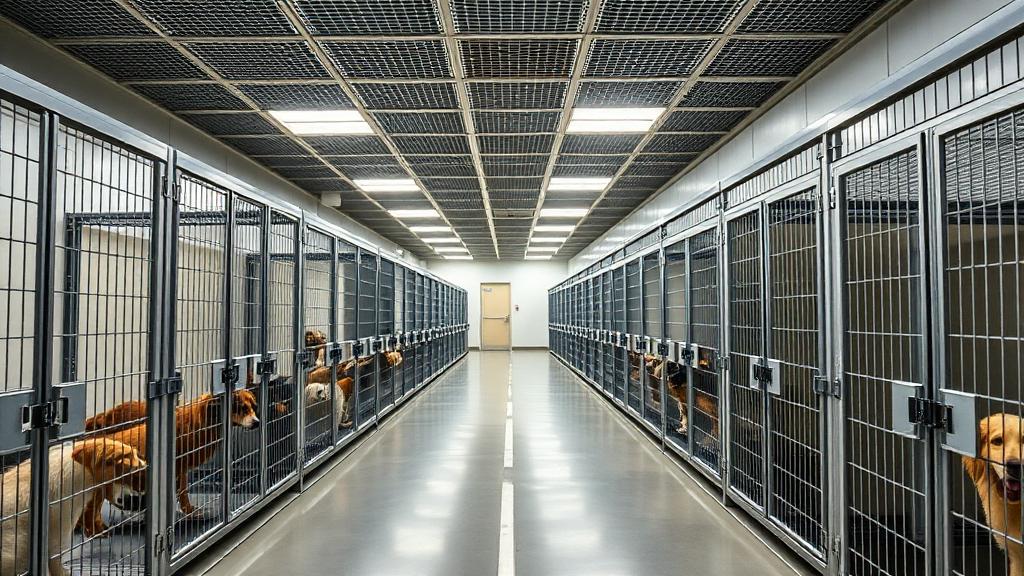
1Why Dog Kennels Need Soundproofing
• Zoning requirements: Many jurisdictions require kennels to demonstrate noise mitigation measures before approval or license renewal
• Staff health: Kennel workers experience high noise exposure that can cause hearing damage, stress, and burnout. OSHA limits apply to animal care facilities
• Animal welfare: Excessive noise stresses dogs, increasing barking in a feedback loop. Quieter environments help dogs stay calmer
• Business viability: Boarding facilities and daycare centers in desirable locations can only operate if they control noise impact
2Understanding Barking Noise Characteristics
• Single dog bark: 80-90 dB at 5 feet
• Large dog aggressive bark: 100-110 dB
• Multiple dogs barking: 100-115+ dB cumulative
• Continuous exposure above 85 dB requires hearing protection
Dog barks contain energy across a broad spectrum, but concentrate in the mid-frequency range (500 Hz to 4,000 Hz) where human hearing is most sensitive. This means barking is highly audible and annoying even at moderate volumes. Some deep-chested breeds produce significant low-frequency content that penetrates lightweight construction.
Barking is intermittent and unpredictable, triggered by arrivals, departures, feeding, play, and chain reactions between dogs. Unlike steady mechanical noise that fades into background, barking repeatedly draws attention.
• Through walls to adjacent properties
• Through roofs and ceilings to upper floors
• Through doors and windows (often the weakest links)
• Through ventilation systems and openings
• Over outdoor fencing to surrounding areas
3How Mass Loaded Vinyl Blocks Kennel Noise
• Thin profile: Adds 3-6 STC points without significant thickness—critical for retrofitting existing kennels
• Durability: Withstands moisture, cleaning chemicals, and the demanding environment of animal facilities
• Flexible installation: Conforms to walls, wraps around penetrations, and integrates with various construction types
A typical kennel wall with standard insulation and drywall might achieve STC 35-40. Adding 1 lb/sf MLV can push that to STC 42-48. With proper assembly design including resilient channels and double drywall, STC 50-55+ is achievable—enough to reduce perceived barking volume by 75% or more.
MLV blocks airborne sound transmission but does not absorb sound within the kennel space. For interior noise reduction and calmer dog behavior, combine MLV with acoustic absorption panels on interior surfaces.
4Wall Assemblies for Kennel Soundproofing
Suitable for moderate noise control:
• 2x4 or 2x6 wood studs at 16" o.c.
• R-13 or R-19 mineral wool insulation
• 1 lb/sf MLV applied over studs
• 5/8" Type X drywall or FRP panel
• Acoustic sealant at all perimeters
For walls adjacent to neighbors or offices:
• 2x6 wood studs or metal studs
• Mineral wool insulation full depth
• 1 lb/sf MLV over studs
• Resilient channels perpendicular to studs
• Double 5/8" drywall on resilient channel side
• Acoustic sealant throughout
For facilities with severe noise or close neighbors:
• Staggered stud or double stud wall with air gap
• Full mineral wool insulation
• 2 lb/sf MLV
• Resilient clips and hat channel system
• Double 5/8" drywall with damping compound
• All penetrations sealed and treated
Kennel walls must withstand pressure washing and disinfection. Use moisture-resistant finishes like FRP (fiberglass reinforced panels) or sealed drywall. MLV itself is waterproof and unaffected by cleaning chemicals.
5Ceiling and Roof Treatments
• Add 1 lb/sf MLV above ceiling joists or below roof deck
• Install mineral wool batts in ceiling cavity
• Use resilient channels for ceiling attachment
• Double-layer drywall ceiling with damping compound
• Seal all penetrations (lights, HVAC, sprinklers)
Many kennels occupy metal buildings with minimal acoustic performance. Treatment options include:
• Insulated liner panels with integrated MLV
• Spray foam plus MLV barrier
• Suspended acoustic ceiling below roof deck
• Interior framed walls decoupled from metal structure
These are common weak points. Options include:
• Acoustic skylights with laminated glass
• Skylight wells lined with MLV
• Eliminating non-essential roof penetrations
• Sealing around all roof-mounted equipment
6Outdoor Run and Yard Considerations
• Sound barrier walls: Dedicated acoustic barriers (8-12 feet tall) between runs and property lines
• Berms and landscaping: Earth berms with dense plantings provide some reduction and visual screening
• Covered runs: Roofed outdoor areas with MLV-lined walls contain noise better than open yards
Outdoor noise is inherently harder to control than indoor noise. Focus on:
• Locating runs on the side away from sensitive neighbors
• Limiting outdoor time during early morning and evening hours
• Using outdoor areas primarily for exercise rather than extended stays
• Combining outdoor barriers with enhanced indoor soundproofing
7Zoning Compliance and Noise Ordinances
• Conditional use permits: Kennels in commercial or residential zones often require specific noise mitigation plans
• Nuisance standards: Some jurisdictions use subjective "nuisance" standards based on neighbor complaints rather than measured levels
• State veterinary regulations: Some states include noise provisions in kennel licensing requirements
• Pre-construction acoustic analysis predicting noise levels
• Specification of soundproofing assemblies and materials
• Post-construction noise testing by qualified acoustician
• Operational procedures (hours, capacity limits, staffing)
• Complaint response protocols
Proactive engagement with zoning officials, showing detailed soundproofing plans and willingness to test and verify performance, typically produces better outcomes than reactive responses to complaints. MLV-enhanced assemblies with documented STC ratings provide concrete evidence of noise control investment.
8New Construction vs Retrofit Projects
• Design layout to maximize distance from property lines
• Locate kennels away from shared walls
• Integrate MLV into framing sequence before finishes
• Specify appropriate doors, windows, and ventilation from start
• Include acoustic vestibules at entries
• Lower cost per square foot when included in original scope
• Existing walls may lack cavity space for insulation
• Metal buildings require creative solutions
• Ventilation systems may transmit sound
• Adding thickness affects existing fixtures and clearances
• Operations must continue during construction
• Install MLV over existing surfaces with new finish layer
• Address the highest-priority walls first (those facing neighbors)
• Upgrade or seal doors and windows simultaneously
• Add acoustic treatments to HVAC systems
• Consider temporary barriers during phased construction
• Test performance after each phase to verify improvement
Soundproofing investment typically pays returns through:
• Ability to operate in desirable locations with higher demand
• Expanded capacity without neighbor conflicts
• Reduced staff turnover from better working conditions
• Avoided legal costs and fines from noise complaints
• Increased property value for facility
FAQs: Dog Kennel Soundproofing
Related Guides in Industry Solutions
Continue exploring with these hand-picked articles

School Soundproofing with Mass Loaded Vinyl (MLV)
Complete guide to soundproofing schools, classrooms, and educational facilities with mass loaded vinyl. Meet ANSI S12.60 standards, improve speech intelligibility, and create optimal learning environments for students.

Courthouse Soundproofing with Mass Loaded Vinyl (MLV)
Complete guide to soundproofing courthouses, courtrooms, and legal facilities with mass loaded vinyl. Ensure speech privacy for attorney-client communications, protect witness identities, and create optimal acoustics for judicial proceedings.

Industrial Factory Soundproofing with Mass Loaded Vinyl (MLV)
Complete guide to soundproofing manufacturing plants, production facilities, and industrial factories with mass loaded vinyl. Control machinery noise, meet OSHA regulations, and protect workers from hearing damage.
Our Complete Product Line
Professional-grade soundproofing materials for any application
Need Expert Soundproofing Advice?
Our team of soundproofing specialists is here to help you choose the right products and installation methods for your museum or gallery project.