Dog Kennel Construction: MLV Requirements & Building Codes
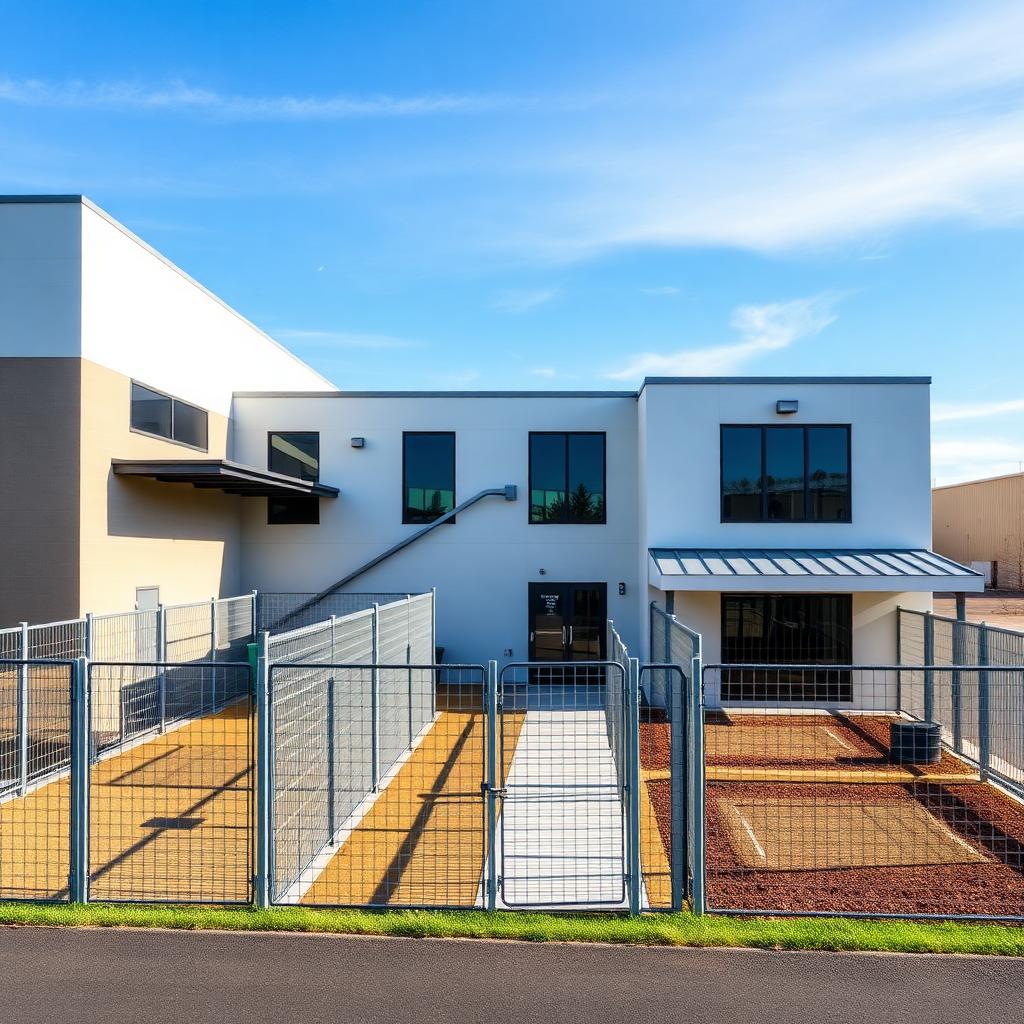
1Why Dog Kennels Face Strict Acoustic Requirements
The Physics of Barking Noise
• Cumulative effect: Multiple dogs barking simultaneously can exceed 110 dB inside kennel areas
• Low frequency content: Large dog barks contain significant energy at 100-400 Hz, which penetrates standard walls easily
• Impulsive nature: Sudden bark onset is more disturbing than continuous noise at the same level
• Duration: Barking episodes during feeding, arrivals, or nighttime can last 30+ minutes
Neighbor Relations and Community Impact
• Sleep disruption: Nighttime barking from boarding facilities creates the most serious complaints
• Outdoor noise: Exercise yards and outdoor runs transmit noise that walls alone cannot contain
• Complaint escalation: Initial complaints often escalate to code enforcement actions and legal disputes
• Business reputation: Facilities known for noise problems struggle to obtain permits for expansion or new locations
Regulatory Environment
• Noise ordinances: Property-line noise limits apply to all commercial operations including animal facilities
• Building codes: Standard commercial construction codes apply, though they don't address kennel-specific needs
• State animal welfare: Some states regulate noise levels within kennels to protect animal welfare
• Veterinary licensing: Veterinary facility standards may include acoustic considerations for patient recovery
2Zoning and Noise Ordinance Compliance
Conditional Use Permit Requirements
• Property line limits: Permits typically specify maximum dB levels at property boundaries (commonly 55-65 dBA daytime, 45-55 dBA nighttime)
• Building design: Permits may require specific wall construction, sound barriers, or building orientation
• Operating hours: Outdoor exercise areas may be restricted to certain hours to limit noise impact
• Complaint procedures: Permits often include provisions for addressing verified noise complaints
Noise Ordinance Structures
• Ambient-based limits: Some ordinances limit noise to a certain amount above existing ambient levels
• Time-of-day variations: Daytime limits (typically 7 AM-10 PM) are usually 10 dB higher than nighttime
• Duration considerations: Some ordinances consider how long noise exceeds limits, not just peak levels
• Special provisions: Agricultural zones may have different limits than commercial or residential areas
Design Targets for Compliance
• Required reduction: Achieving 55 dBA at 100 feet from 105 dBA source requires approximately STC 55-60 enclosure performance plus distance attenuation
• Safety margin: Design for 10 dB below ordinance limits to account for worst-case conditions
• Exterior openings: Windows, doors, and ventilation openings require specific treatment
• Outdoor areas: Acoustic barriers, building orientation, and operating restrictions for exercise yards
3Building Code Requirements for Animal Facilities
Occupancy Classification
• Storage occupancy (S-1): Kennel areas may be classified as moderate-hazard storage due to cleaning chemicals
• Mixed use: Large facilities often contain multiple occupancy types requiring separation
• Hazardous materials: Anesthesia gas storage in veterinary facilities may trigger additional requirements
• Fire separation: Required fire-rated construction between occupancies can incorporate acoustic treatment
Ventilation Requirements
• Exhaust systems: High-volume exhaust fans create significant noise both inside and outside
• Make-up air: Large intake systems required to replace exhausted air need acoustic treatment
• Duct sizing: Proper duct sizing reduces air velocity and associated noise
• Equipment location: HVAC equipment placement affects both interior and exterior noise exposure
Sanitation and Durability
• Chemical resistance: Cleaning agents and disinfectants can damage standard construction materials
• Impact resistance: Large dogs can damage walls through jumping and scratching
• Sealed surfaces: Non-porous surfaces prevent bacterial growth and odor absorption
• MLV protection: MLV must be encapsulated behind durable, washable finish materials
4Kennel Run and Housing Area Acoustics
Wall Construction for Kennel Areas
• CMU construction: 8" CMU with MLV liner and interior finish is common for durability and mass
• Metal building options: Insulated metal panels with additional MLV achieve required ratings at lower cost
• Interior finishes: FRP panels, sealed concrete, or epoxy-coated CMU protect MLV and provide washability
• Full-height construction: Walls must extend to roof deck—stopping at ceiling creates massive sound leaks
Ceiling and Roof Treatment
• Suspended ceilings: Avoid suspended ceilings in kennel areas due to cleaning requirements and sound leakage
• Direct-applied treatment: Spray foam insulation with MLV layer provides both thermal and acoustic performance
• Roof equipment: Exhaust fans and HVAC units on roof transmit noise directly—specify silencers
Individual Run Separation
• Acoustic benefits: Solid partitions with absorption reduce sound transmission between runs
• Material selection: FRP-faced panels over acoustic core provide durability and sound control
• Height considerations: Full-height partitions prevent sound flanking over partial walls
• Stress reduction: Quieter individual environments reduce overall facility noise levels
5Veterinary Treatment and Surgery Suites
Surgical Suite Requirements
• Equipment noise: Anesthesia machines, monitors, and ventilators require quiet operation
• Isolation from kennels: Surgery suites adjacent to kennel areas need STC 55-60 separation
• Recovery areas: Post-surgical recovery benefits from quiet environments (NC 40-45)
Examination Rooms
• Noise isolation: STC 50-55 between exam rooms and kennel areas for comfortable consultations
• Internal privacy: STC 45-50 between adjacent exam rooms for client confidentiality
• Sound masking: White noise systems in corridors enhance speech privacy
Imaging and Diagnostic Areas
• X-ray areas: Lead-lined walls for radiation protection also provide acoustic mass
• Ultrasound: Quiet environments essential for accurate diagnostic imaging
• Laboratory spaces: Centrifuges, analyzers, and other equipment require isolation from patient areas
6Reception and Client Areas
Lobby and Waiting Area Design
• Reverberation control: Hard surfaces for cleaning should be balanced with acoustic absorption
• Background masking: HVAC and sound masking can cover residual kennel noise transmission
• Door assemblies: Doors from lobby to kennel areas need STC 45-50 ratings with automatic closers
Consultation and Sales Areas
• Grooming viewing: Windows to grooming areas need acoustic glazing to reduce noise transmission
• Retail areas: Pet supply retail spaces benefit from background music to mask kennel noise
Client Comfort Considerations
• Visual cues: Acoustic panels and treatments visible to clients signal quality and care
• Tour routes: Facility tour paths designed to showcase quiet, well-managed spaces
• Staff training: Staff prepared to address noise concerns and explain acoustic investments
7HVAC and Ventilation Noise Control
Supply Air System Treatment
• Duct silencers: Inline silencers at each branch serving kennel and client areas
• Duct lining: Internally lined ductwork reduces airborne noise transmission
• Velocity control: Design for low duct velocities (800-1200 FPM) to minimize regenerated noise
• Diffuser selection: Low-noise diffusers rated for NC 25-30 contribution
Exhaust System Considerations
• Roof curbs: Acoustic curbs and silencers for roof-mounted exhaust fans
• Discharge direction: Orient exhaust discharge away from property lines and residences
• Variable speed: Variable speed drives allow reduced operation during quiet hours
• Maintenance: Worn bearings and imbalanced fans significantly increase noise output
Interior Noise Criteria
• Reception/lobby: NC 40-45 for comfortable client conversations
• Exam rooms: NC 35-40 for clear veterinarian-client communication
• Surgery suites: NC 30-35 for surgical team communication and patient monitoring
• Staff offices: NC 40-45 for phone calls and administrative work
8MLV Installation Strategies for Kennels
Material Selection for Animal Facilities
• Reinforced products: Consider fiberglass-reinforced MLV for areas subject to impact
• Water resistance: Standard MLV is water-resistant but must be protected from direct washdown
• Fire rating: Class A flame spread rating required for commercial construction
• Odor considerations: MLV should be fully encapsulated to prevent odor absorption
Installation in CMU Construction
• Mechanical attachment: Supplement adhesive with furring strips or Z-channels
• Protective layer: Cover MLV with FRP panels, sealed drywall, or epoxy-coated cement board
• Joint treatment: Seal all seams and edges with acoustic sealant before finish layer
• Base detail: Carry MLV to floor and seal to concrete slab to prevent base leakage
Metal Building Applications
• Liner panel systems: MLV installed behind interior liner panels provides mass without complexity
• Roof treatment: MLV under standing seam roof or above ceiling level essential for metal buildings
• Penetration sealing: All penetrations through metal panels must be acoustically sealed
Quality Verification
• Documentation: Photograph installation for permit inspections and future reference
• Acoustic testing: Consider post-construction testing to verify achieved STC ratings
• Ordinance verification: Test at property lines under realistic operating conditions
10Conclusion
Dog kennel and veterinary facility construction requires exceptional acoustic design to balance animal welfare, neighbor relations, and regulatory compliance. The extreme noise levels generated by multiple barking dogs—often exceeding 100 dB—demand wall assemblies capable of 50+ dB reduction to meet typical noise ordinances at property lines.
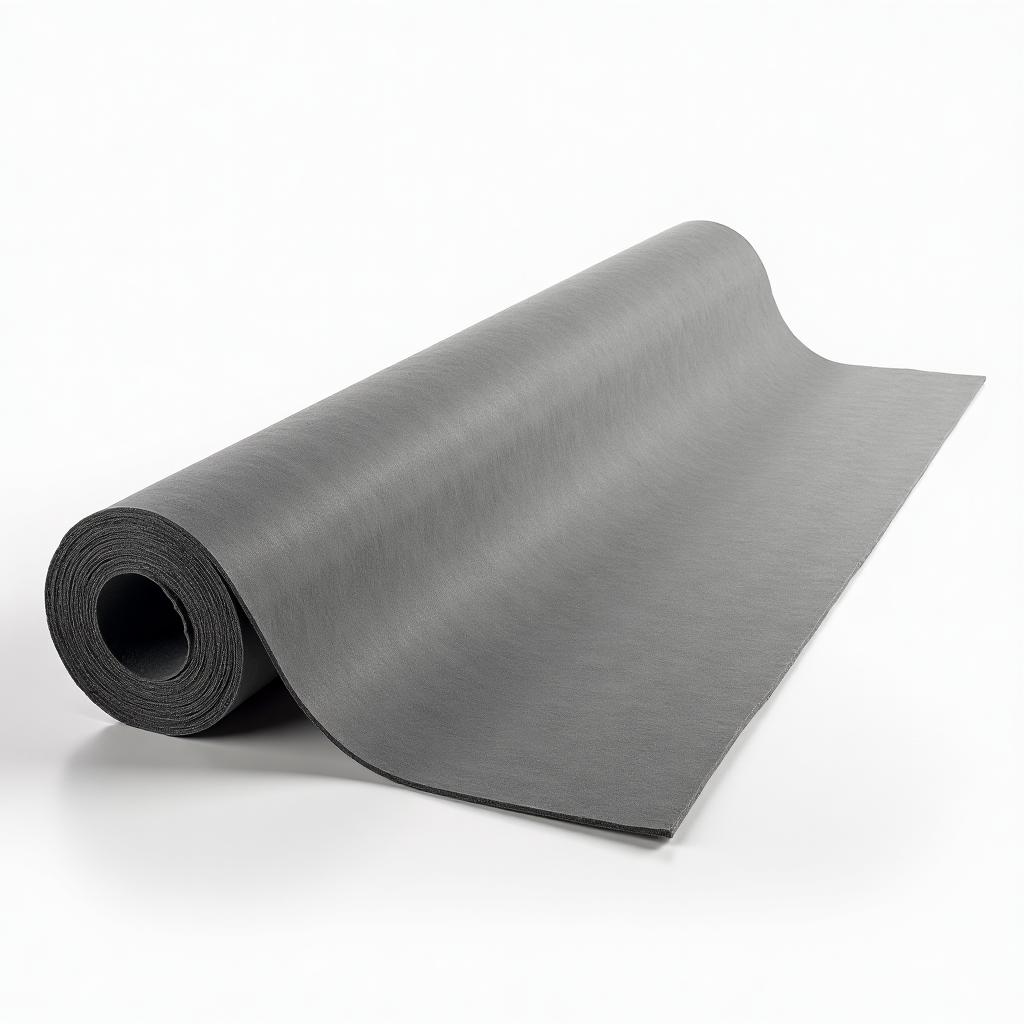
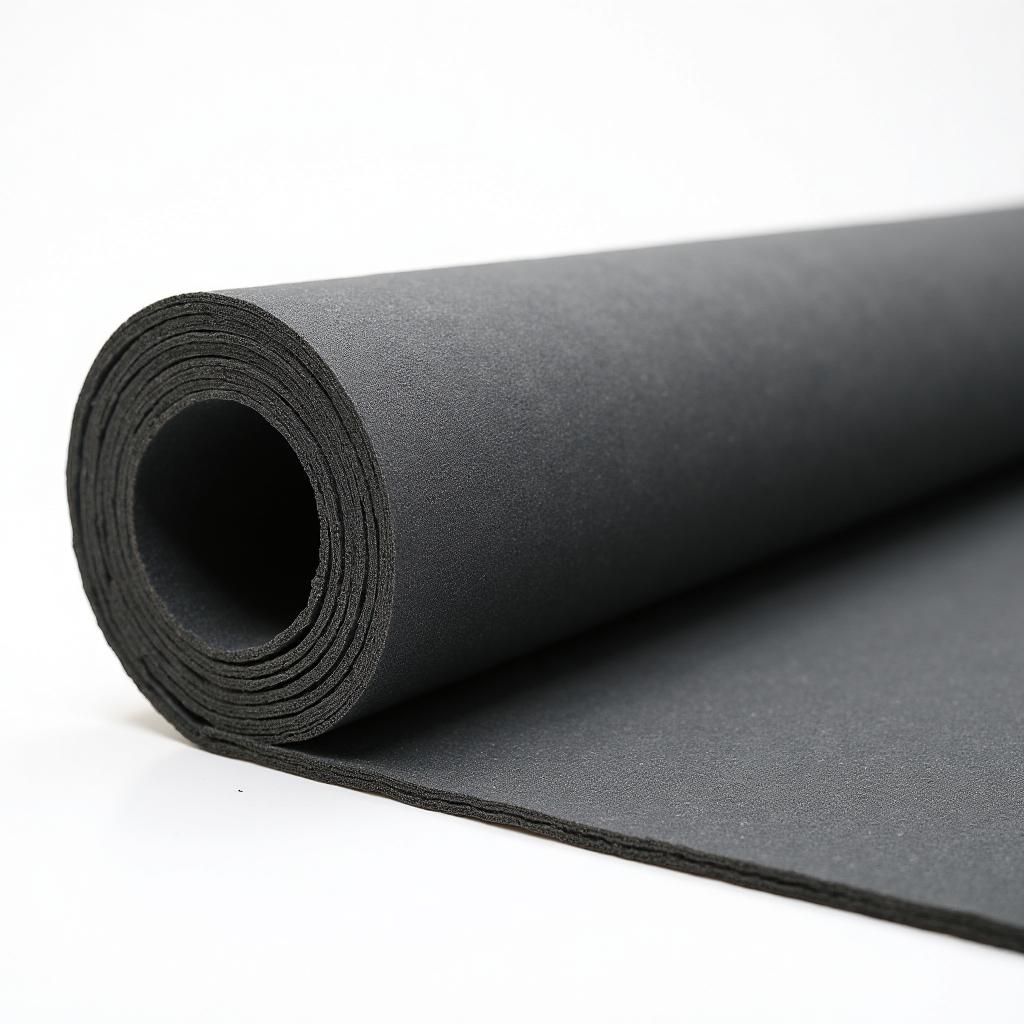
Mass loaded vinyl has become essential for kennel construction because it provides the mass needed to block low-frequency barking, works within standard wall thicknesses, and can be protected behind durable finishes that withstand daily washdown. Whether building new facilities or retrofitting existing kennels facing noise complaints, specifying 2 lb/sf MLV in exterior walls and properly treating HVAC systems ensures facilities can operate successfully within their communities for years to come.
FAQs: Dog Kennel MLV Building Codes
Related Guides in Building Codes
Continue exploring with these hand-picked articles
Airport Construction: MLV Requirements and Building Codes
Building code requirements for soundproofing in airports and aviation facilities. How MLV helps developers meet FAA acoustic standards, TSA security requirements, and create comfortable passenger environments.
Museum Construction: MLV Requirements and Building Codes
Building code requirements for soundproofing in museums and cultural institutions. How MLV helps developers achieve gallery-to-gallery isolation, protect collections from vibration damage, meet conservation standards, and create contemplative visitor experiences.
Hotel Construction: MLV Requirements & Building Codes
Building code requirements for soundproofing in hotels and hospitality construction. How MLV helps developers meet STC requirements, brand acoustic standards, and cost-effective wall/floor assemblies for hotel projects.
Our Complete Product Line
Professional-grade soundproofing materials for any application
Need Expert Soundproofing Advice?
Our team of soundproofing specialists is here to help you choose the right products and installation methods for your museum or gallery project.