The DIYer's Soundproofing Shopping List: What to Buy, What to Skip
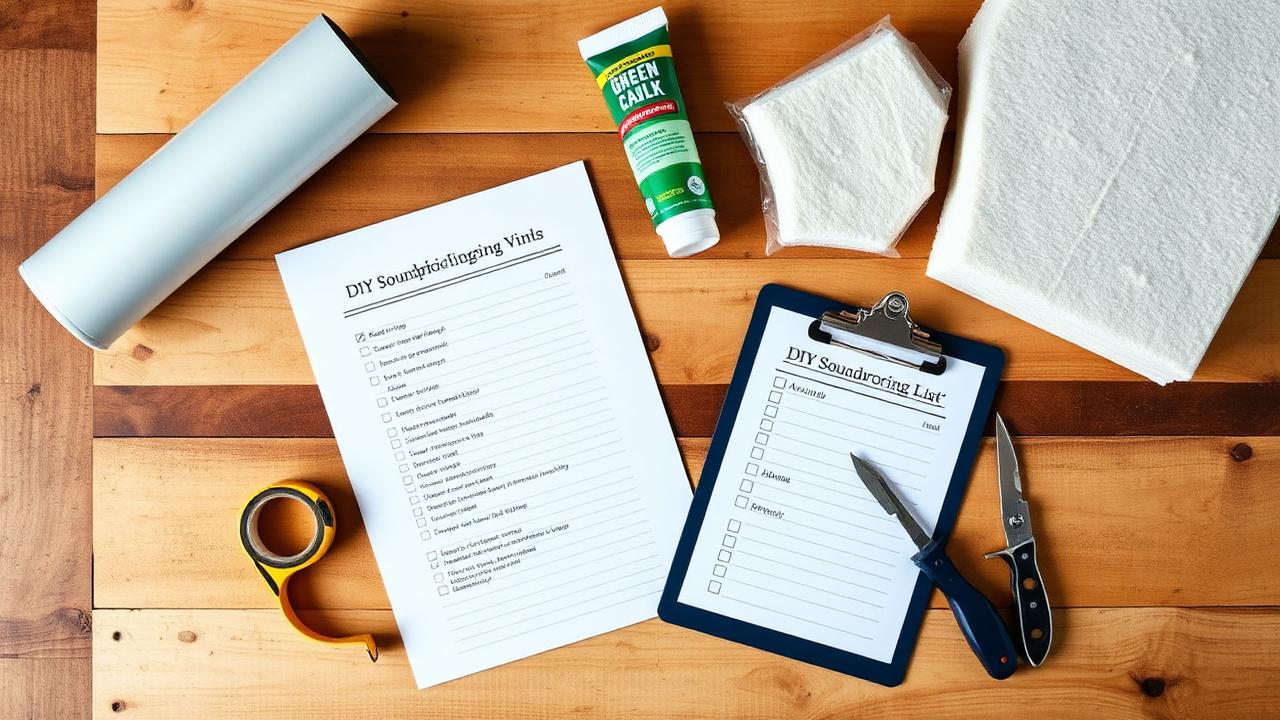
1Before You Buy: Know Your Noise Problem
2The Universal Must-Haves (Every Project Needs These)
• Seam tape (MLV seam tape or foil-backed tape): $10-15 per roll. Covers joints between barrier sheets. Without it, you have created pathways for sound to travel right through your expensive new wall.
• Putty pads or acoustic putty: $3-5 each. Wrap every electrical box, outlet, and switch on the treated wall. Electrical boxes are massive sound leaks that most DIYers forget.
3Wall Soundproofing Shopping List
• 5/8" Type X drywall: $12-15 per sheet — Adding a second layer of drywall with damping compound between layers is extremely effective. Heavier than standard 1/2" drywall.
• Damping compound (Green Glue): $15-18 per tube — Apply between drywall layers. Converts sound vibration into heat. Use 2 tubes per 4×8 sheet.
• Mineral wool insulation (Rockwool Safe'n'Sound): $55-65 per bag — Fill stud cavities if they are currently empty. Absorbs sound energy inside the wall. Only worth buying if your walls have no existing insulation.
• A second layer of 1/2" drywall instead of 5/8" Type X (still adds meaningful mass)
• DIY-cut MLV instead of pre-cut panels (same material, just requires more labor)
4Ceiling Soundproofing Shopping List
• Resilient channels or sound isolation clips: $2-4 per linear foot (channels) or $4-7 each (clips) — Decouple the ceiling drywall from the joists. This is the single most effective upgrade for impact noise and is worth the extra spend.
• 5/8" Type X drywall: $12-15 per sheet — Hang on resilient channels for maximum decoupling benefit.
• Mineral wool batts: $55-65 per bag — Fill joist cavities completely. Critical for ceilings with empty bays above.
5Floor Soundproofing Shopping List
• Rubber underlayment or recycled rubber mat: $1.00-2.00/sf — Excellent impact noise reduction under laminate and engineered hardwood. Look for minimum 2mm thickness.
• Acoustic floor underlayment (cork or foam composite): $0.50-1.50/sf — Budget-friendly option for moderate noise reduction under floating floors.
• Thick carpet pad (8 lb density minimum): $0.60-1.00/sf — If you are installing carpet, upgrade to the densest pad available. A premium pad outperforms a premium carpet for noise reduction.
6What to Skip: Products That Waste Your Money
• Soundproof paint: Marketing claims 30% noise reduction. Independent tests show STC improvement of 1-2 points — inaudible to the human ear. A $40 gallon of paint cannot replace physics.
• Peel-and-stick foam weatherstripping for walls: Designed for doors and windows. Sticking foam strips to a wall adds no meaningful mass and creates an uneven surface for drywall.
• Moving blankets as permanent wall treatment: Fine for temporary vocal booth dampening. Terrible for permanent noise blocking. They add negligible mass and look awful.
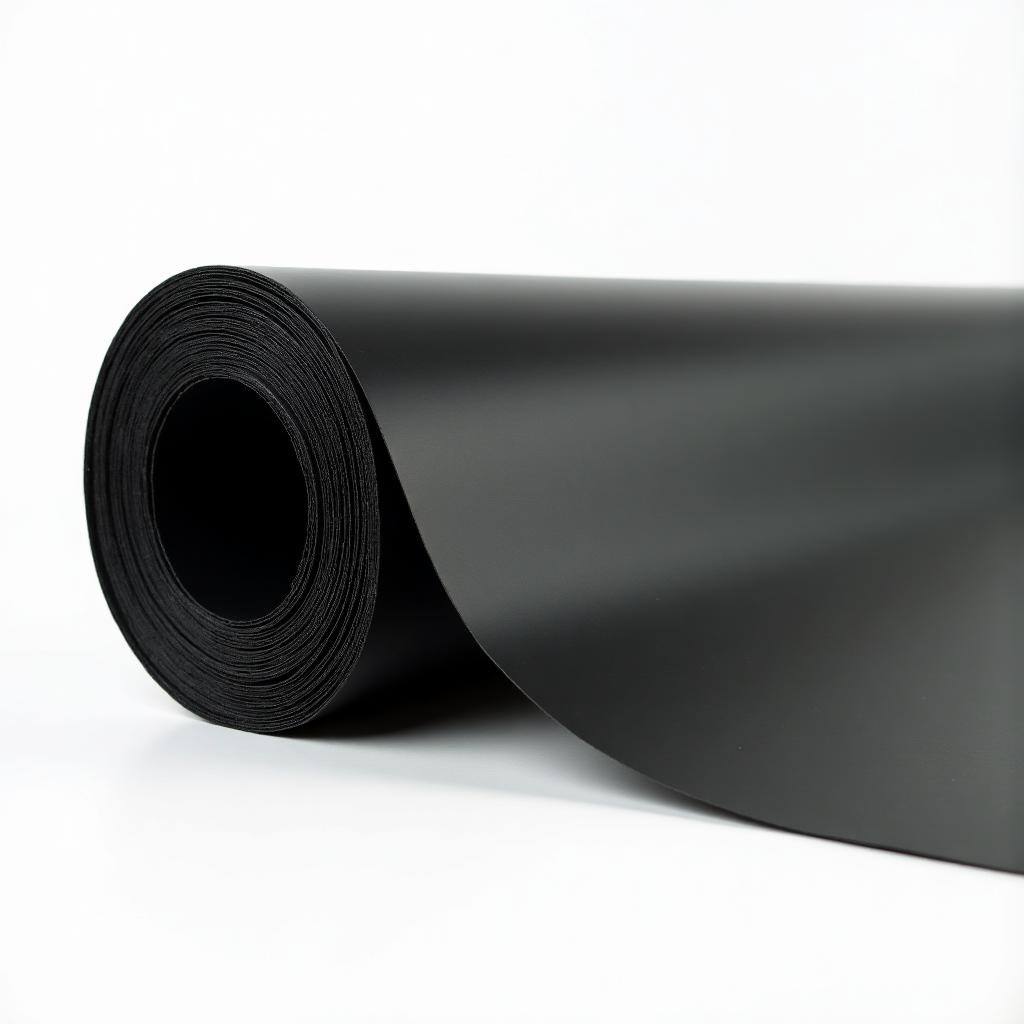
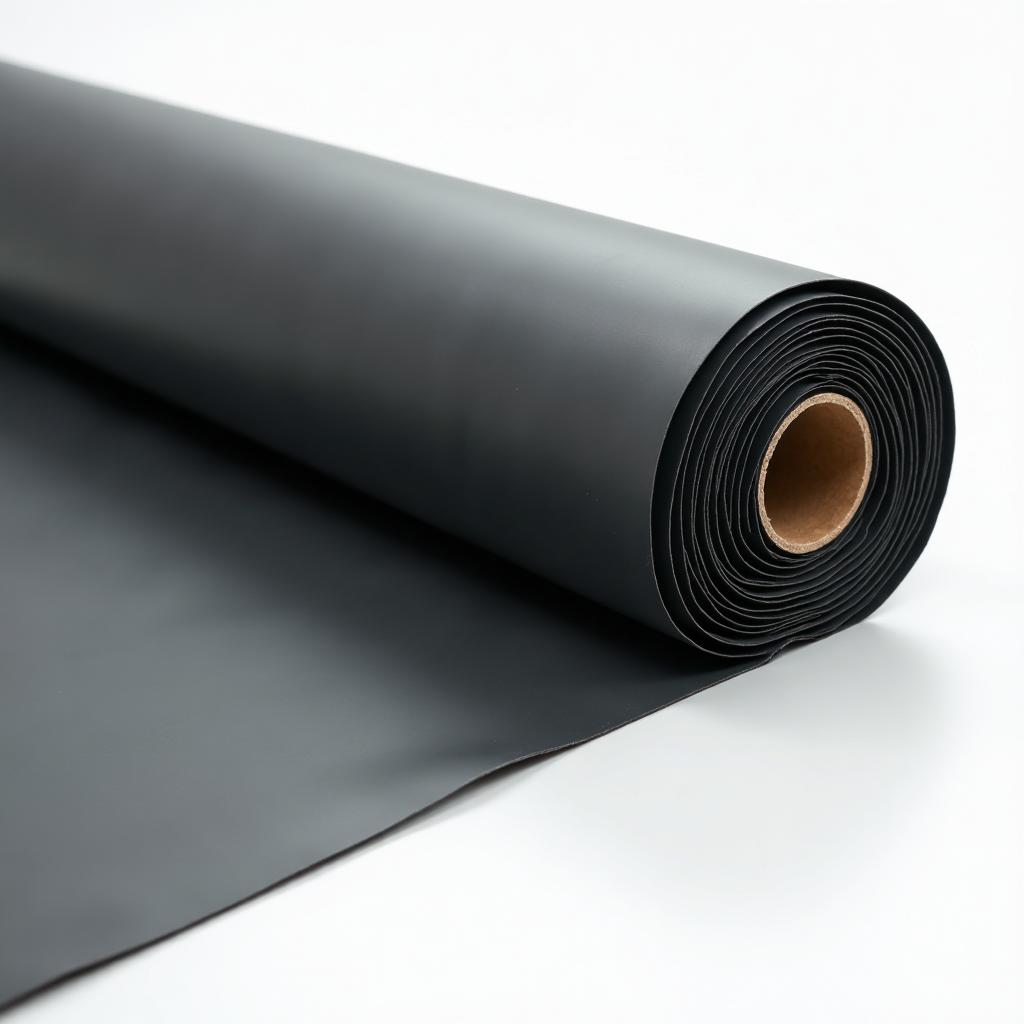
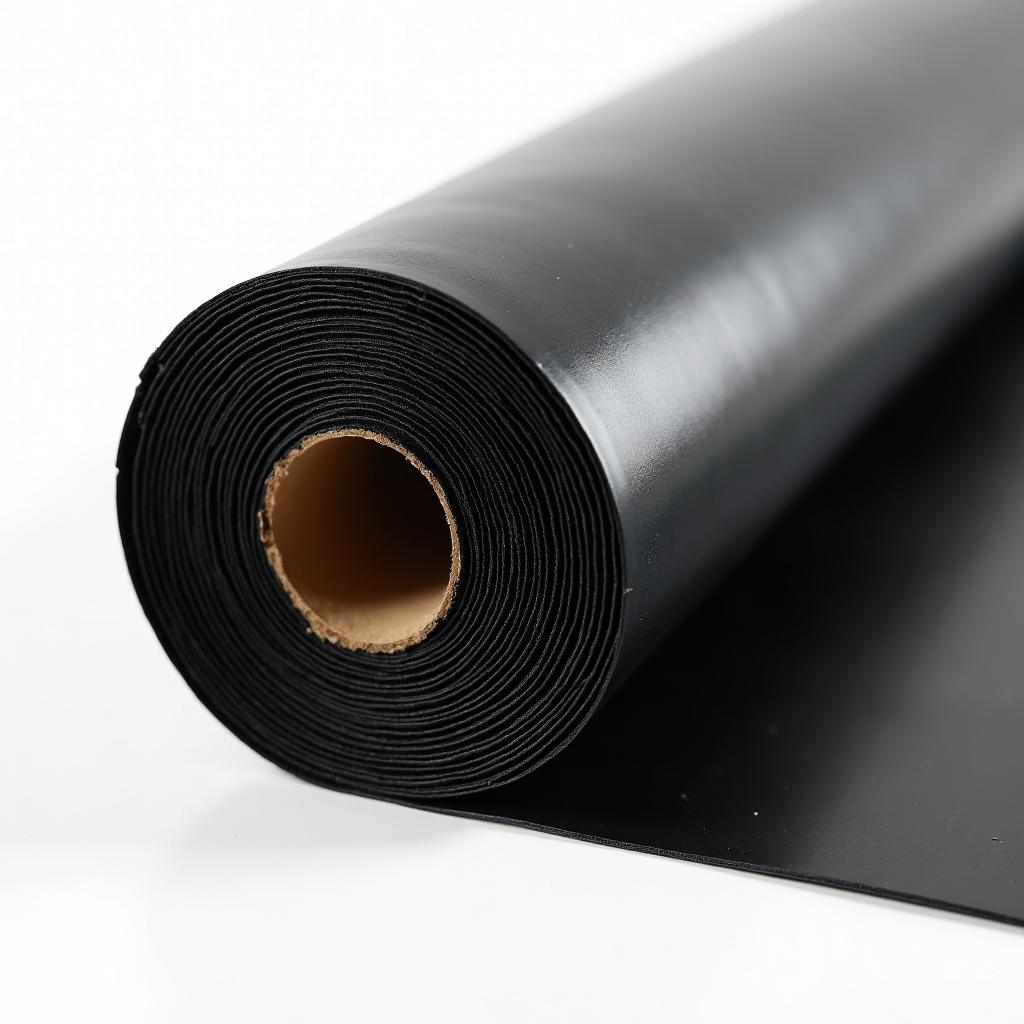
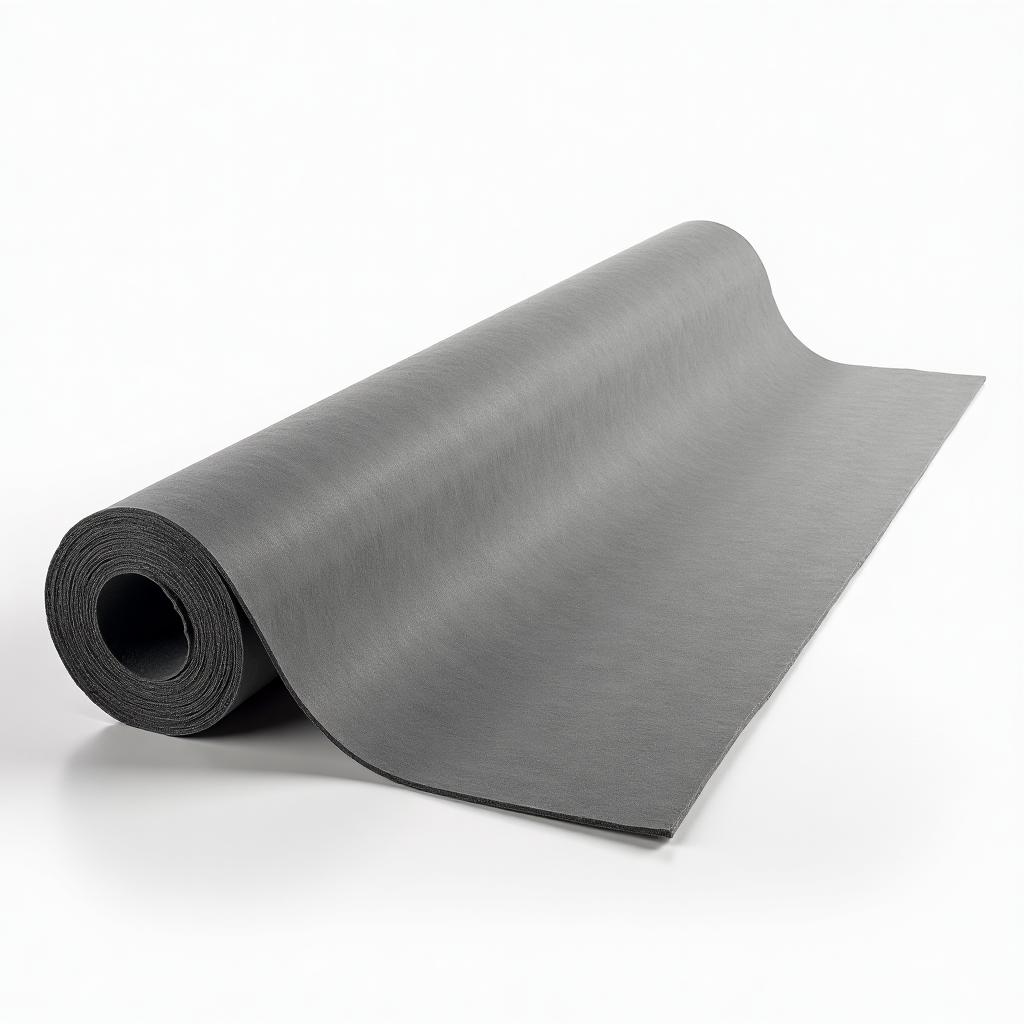
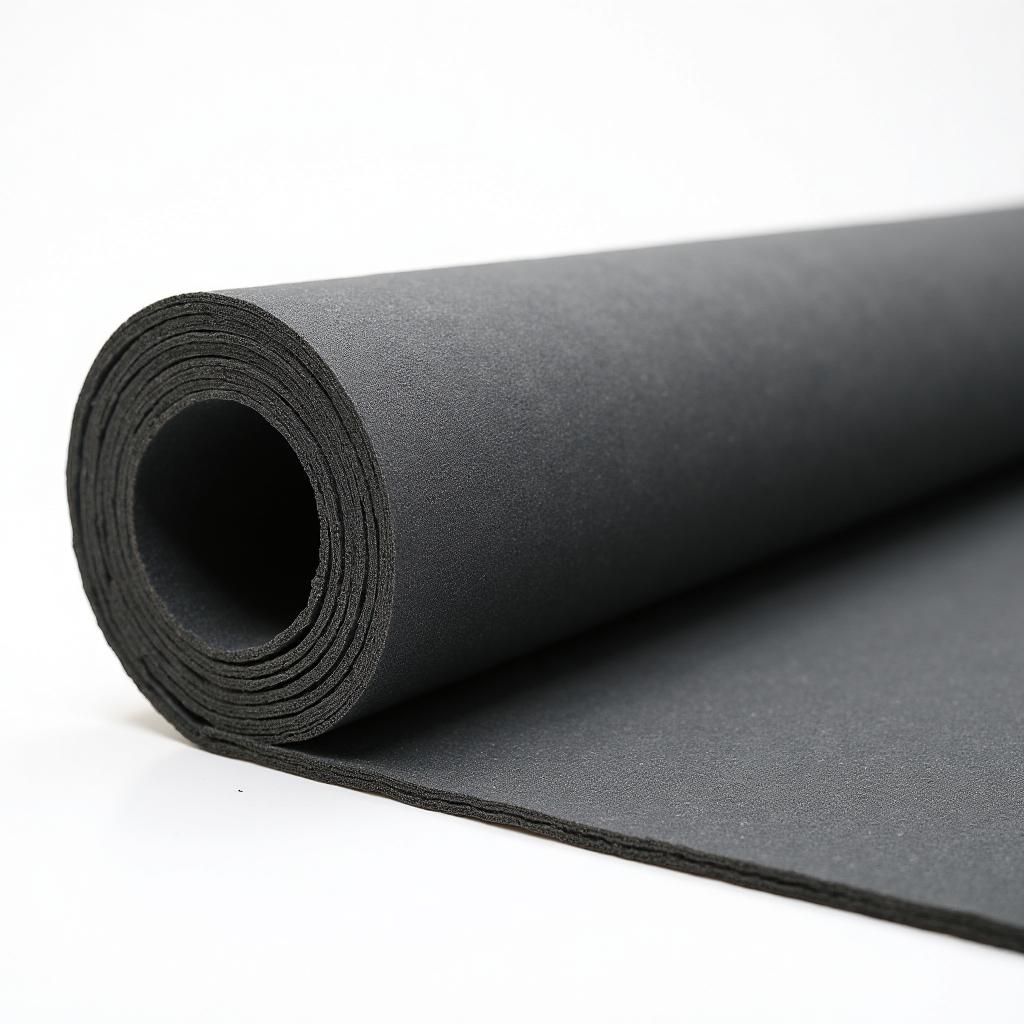
• Mass-loaded vinyl under 0.5 lb/sf: Ultra-thin MLV marketed as 'lightweight soundproofing' lacks the density to block meaningful sound energy. Insist on 1 lb/sf minimum.
7Budget Breakdown by Project Type
| Project | Budget Build (per sf) | Mid-Range Build (per sf) | Best Performance (per sf) |
|---|---|---|---|
| Single Wall (100 sf) | $1.50 – $2.50 | $3.50 – $5.00 | $6.00 – $8.00 |
| Ceiling (150 sf) | $2.00 – $3.00 | $4.50 – $6.50 | $7.00 – $10.00 |
| Floor (200 sf) | $1.00 – $2.00 | $2.50 – $4.00 | $4.50 – $6.00 |
9Conclusion
FAQs: Soundproofing Shopping List
Related Guides in Materials
Continue exploring with these hand-picked articles
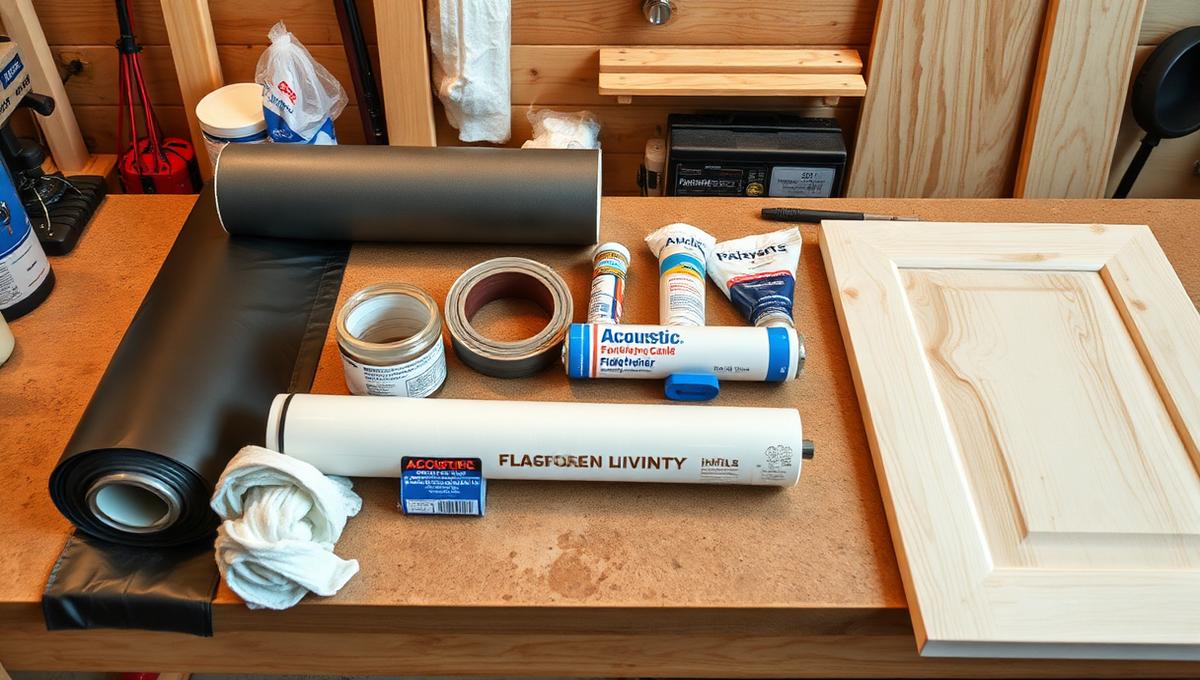
15 Best Cheap Soundproofing Materials 2026 (That Actually Work)
The 15 best budget soundproofing materials for 2026, ranked by real STC data and cost per square foot. Compare MLV, weatherstripping, acoustic caulk, resilient channels, green glue, and more.
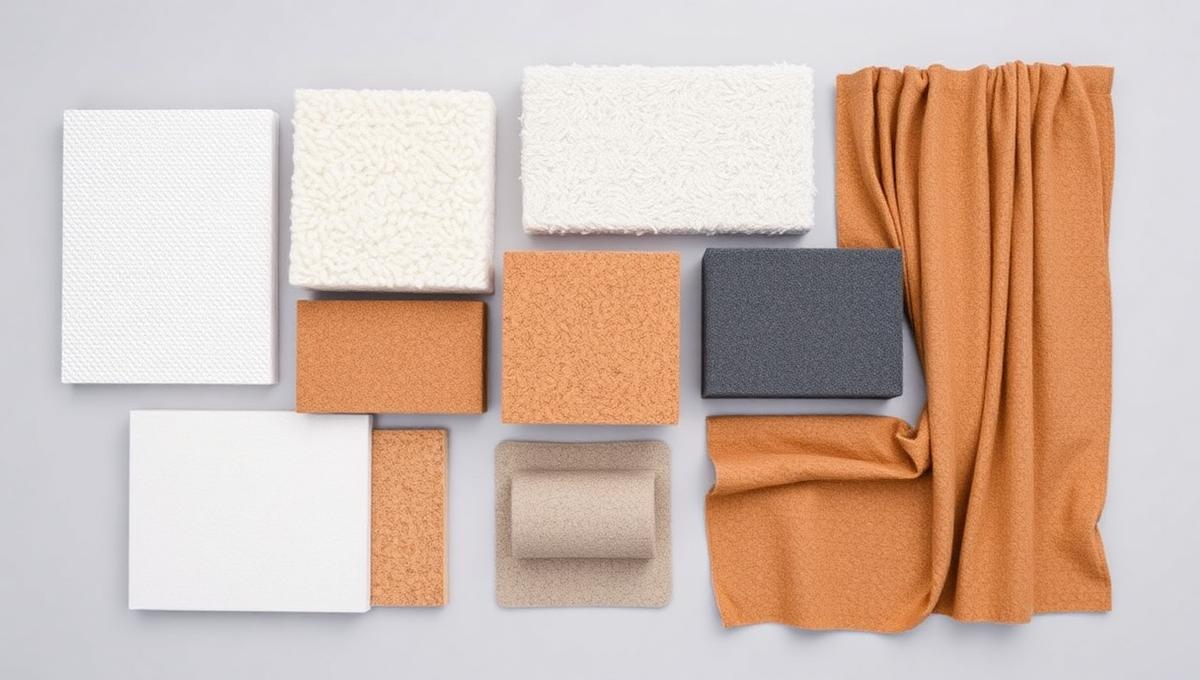
10 Best Sound Absorbing Materials for Flawless Acoustics
Discover the 10 best sound absorbing materials ranked by NRC rating. Compare fiberglass, mineral wool, acoustic foam, PET felt, perforated wood, cork, acoustic plaster, and moss walls with placement strategies.
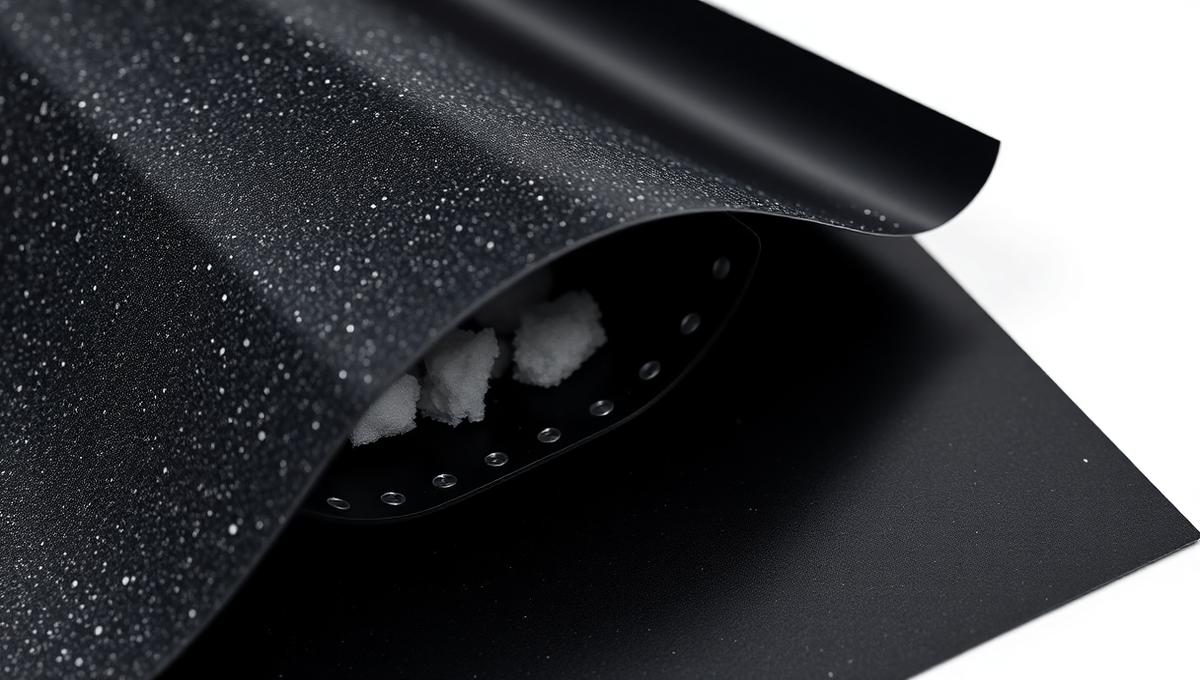
What Is MLV Actually Made Of? (And Why the Ingredients Matter)
Learn exactly what mass loaded vinyl (MLV) is made of—barium sulfate, calcium carbonate, thermoplastic polymers—and the material science that makes it the most effective thin-profile sound barrier.
Our Complete Product Line
Professional-grade soundproofing materials for any application
Need Expert Soundproofing Advice?
Our team of soundproofing specialists is here to help you choose the right products and installation methods for your museum or gallery project.