Decoupling vs. Adding Mass: Two Fundamentally Different Ways to Stop Sound
1The Two Laws of Soundproofing
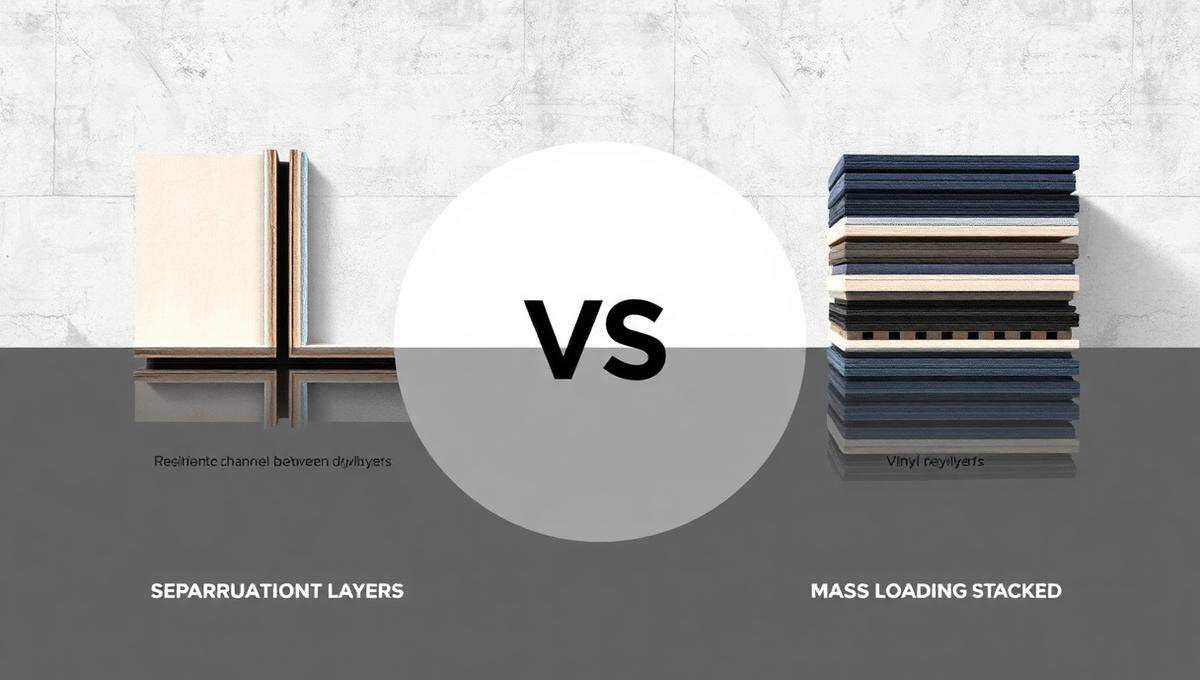
2What Decoupling Actually Does
• Resilient channels — thin metal hat channels screwed to studs, with drywall attached only to the channel. The channel flexes, absorbing vibration energy instead of transmitting it.
• Sound isolation clips — rubber-mounted clips that hold hat channel away from framing. More expensive but dramatically more effective than resilient channels alone.
• Staggered-stud walls — alternating studs on a wider top/bottom plate so each side of drywall contacts a different set of studs. No stud touches both surfaces.
• Double-wall construction — two completely independent stud walls with an air gap between them. The gold standard for decoupling.
3What Adding Mass Actually Does
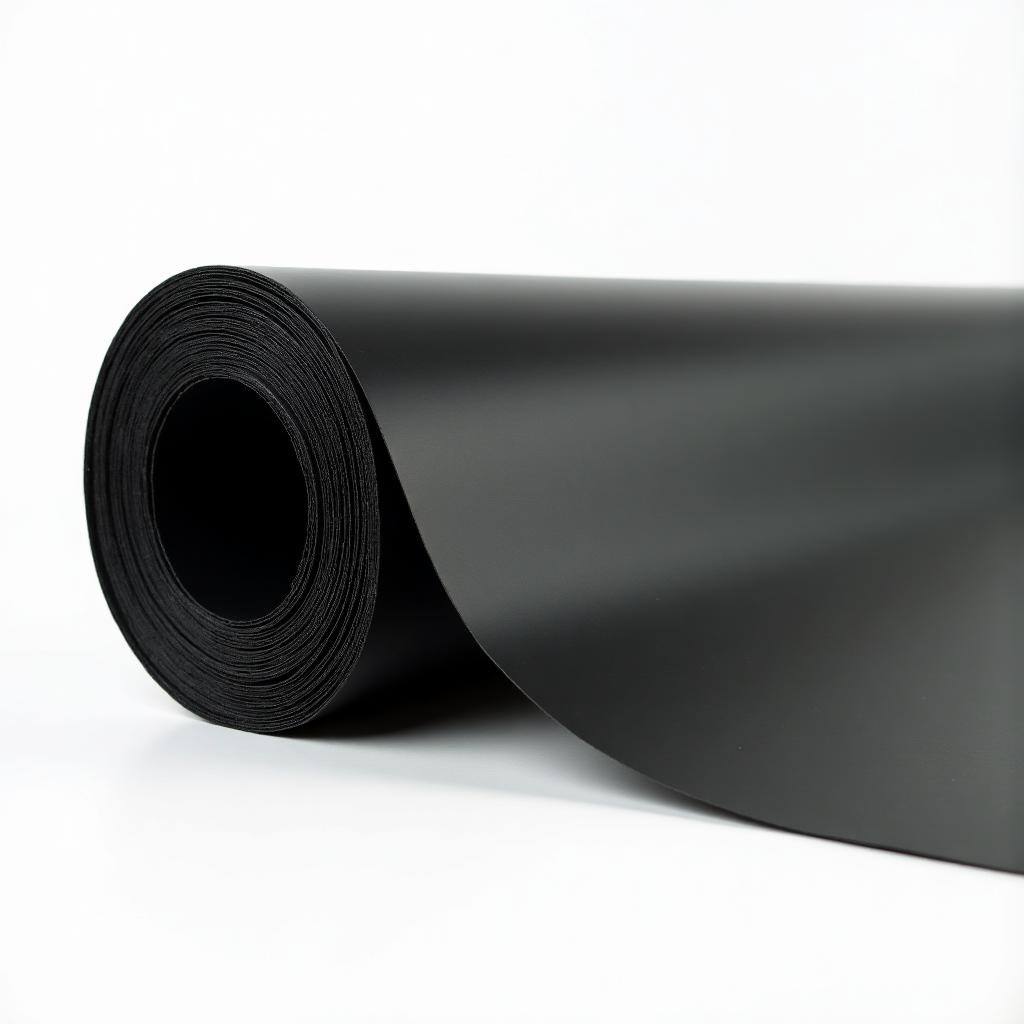
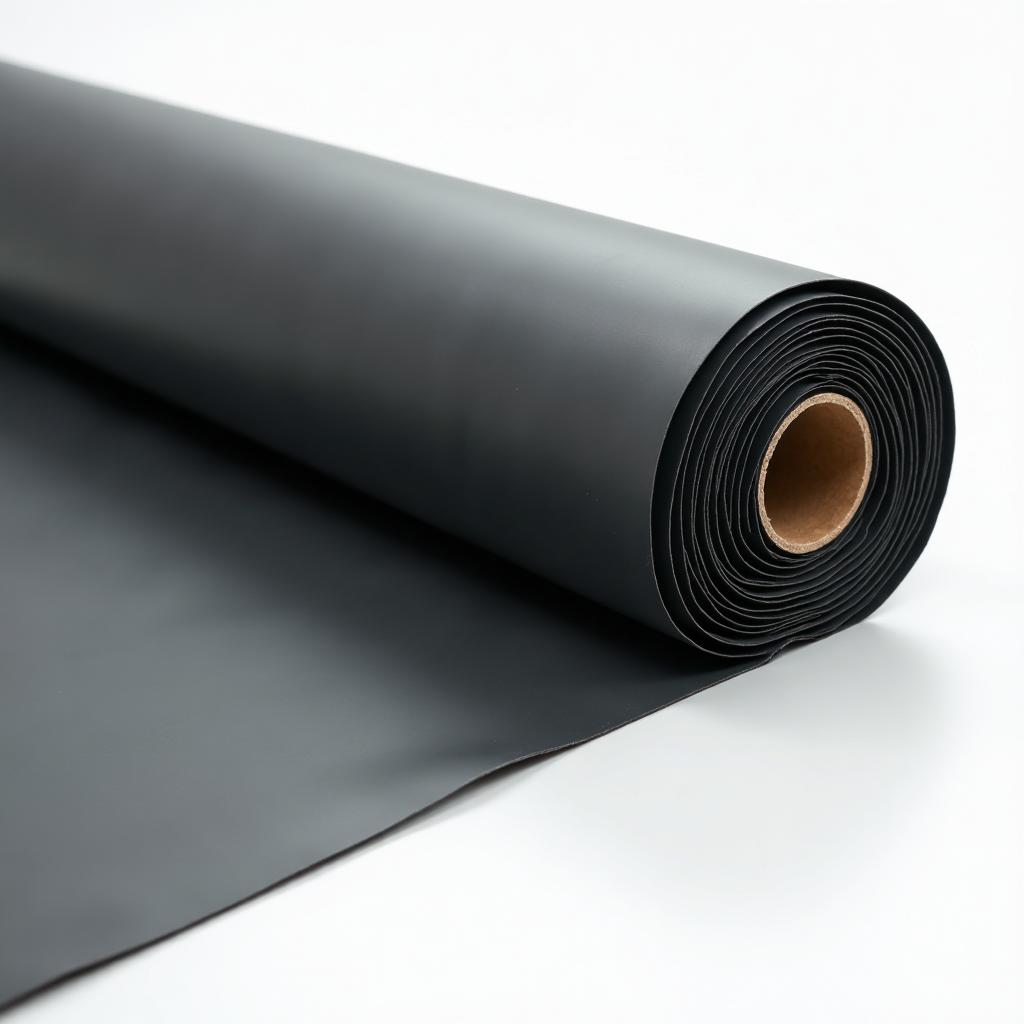
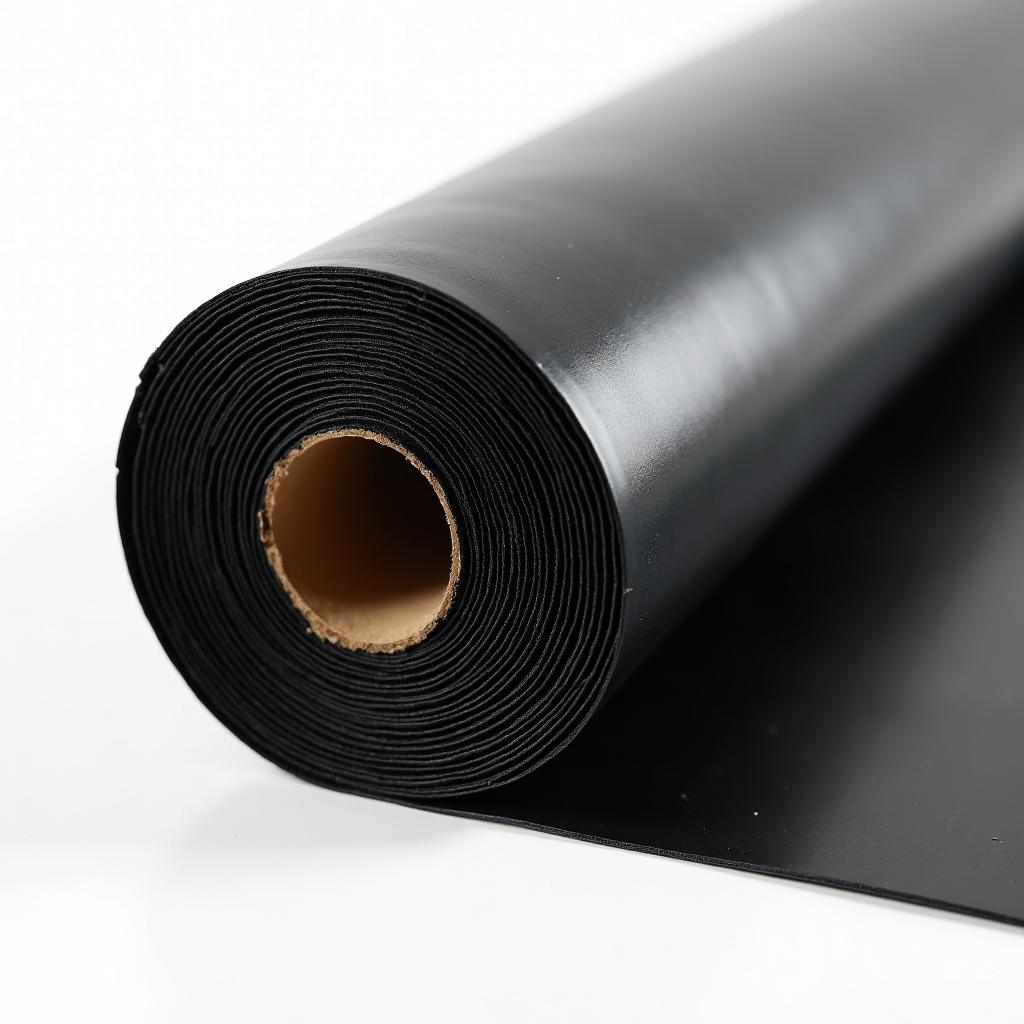
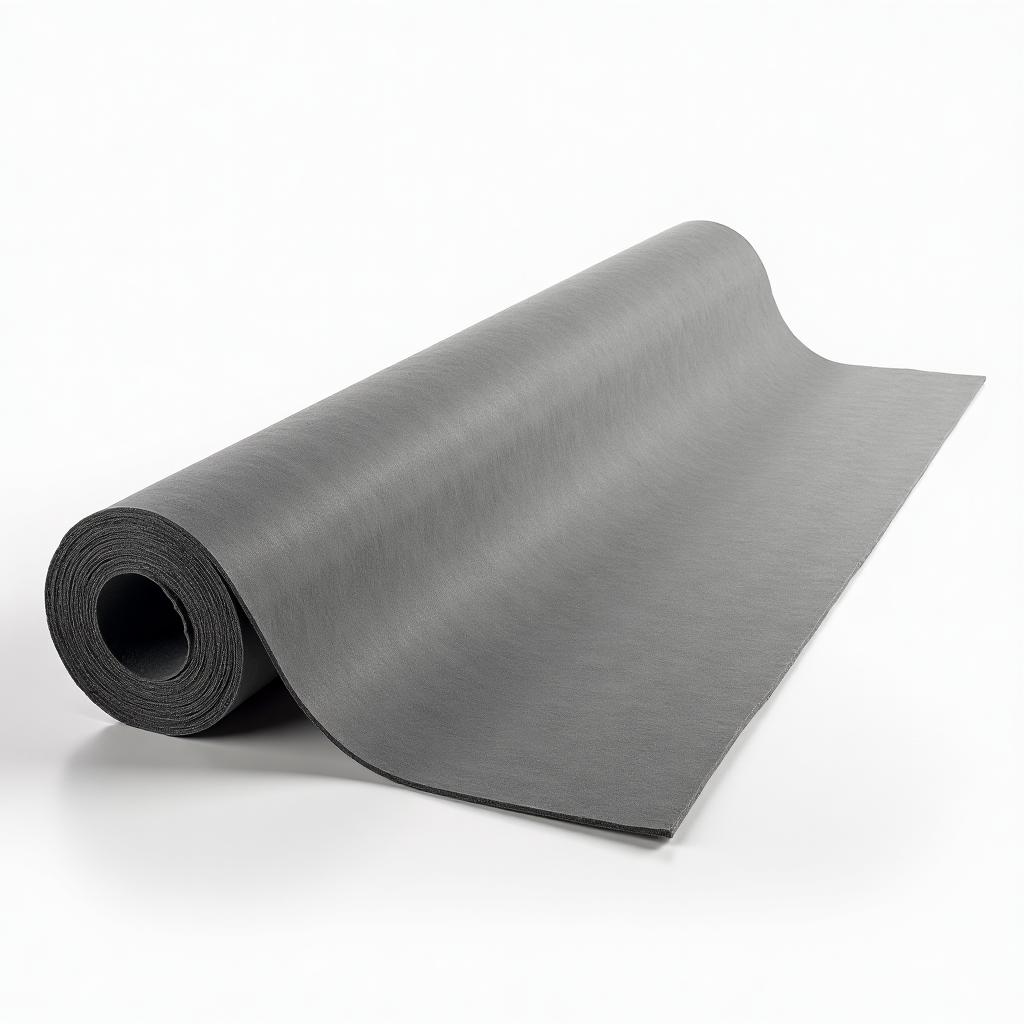
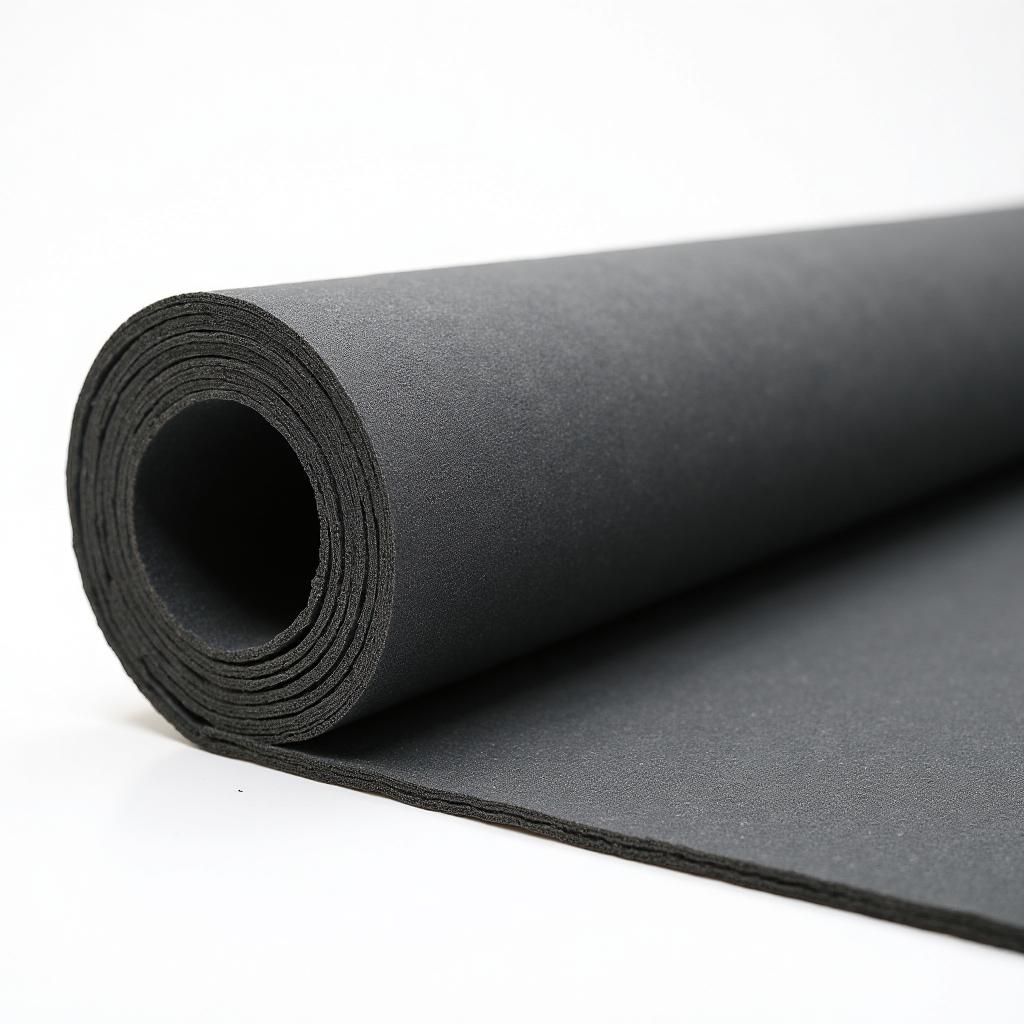
• Mass Loaded Vinyl (MLV) — a thin, dense, flexible membrane (1–2 lb/sq ft) that adds significant mass without significant thickness. The most efficient mass-per-inch material available to DIYers.
• Additional layers of drywall — a second or third layer of 5/8" drywall adds mass and also provides some damping when combined with Green Glue between layers.
• Concrete, brick, or CMU — the traditional high-mass solution. Extremely effective but impractical for retrofits and interior partitions.
• Lead sheeting — historically used in recording studios. Now largely replaced by MLV due to health concerns.
4Head-to-Head: Decoupling vs. Mass
| Wall Assembly | STC Rating | Low-Freq Performance | Cost (per sq ft) |
|---|---|---|---|
| Standard 2×4 wall, single drywall each side | 33–35 | Poor | $1.50–2.00 |
| Same wall + resilient channel one side (decoupled) | 43–46 | Fair (resonance dip ~80 Hz) | $2.50–3.50 |
| Same wall + 1 lb MLV one side (mass only) | 40–43 | Good | $3.00–4.00 |
| Same wall + isolation clips + 1 lb MLV + mineral wool cavity (both) | 52–58 | Very Good | $5.50–7.00 |
5Why the Best Assemblies Use Both
1. Fill the stud cavity with mineral wool insulation (absorbs energy crossing the air gap)
2. Install isolation clips and hat channel on one or both sides (decoupling)
3. Layer 1 lb MLV behind the drywall (mass)
4. Finish with 5/8" drywall, optionally doubled with Green Glue (more mass + damping)
5. Seal every edge, outlet, and penetration with acoustic caulk (eliminate flanking paths)
6Common Mistakes When Choosing a Strategy
8Conclusion
FAQs: Decoupling vs Adding Mass Soundproofing
Related Guides in Comparisons
Continue exploring with these hand-picked articles
Acoustic Foam vs MLV: Which One Actually Stops Noise?
Acoustic foam absorbs echo while MLV blocks sound transmission—they're not the same thing. Discover which material you actually need, why foam won't stop neighbor noise, and when to use both for optimal acoustic control.
Soundproofing vs Sound Absorbing: The Critical Difference That Costs Thousands
Soundproofing blocks noise between spaces using dense materials like MLV. Sound absorption reduces echo within a room using porous materials like foam. Learn exactly when to use each, how they work differently, and why confusing them wastes thousands of dollars.
1 lb vs. 2 lb Mass Loaded Vinyl: Which Thickness Should You Buy?
Compare 1 lb/ft² MLV (STC 26) vs 2 lb/ft² MLV (STC 32). Practical buyer's guide covering use cases, cost math, wall assemblies, and when upgrading to 2 lb MLV is worth the investment.
Our Complete Product Line
Professional-grade soundproofing materials for any application
Need Expert Soundproofing Advice?
Our team of soundproofing specialists is here to help you choose the right products and installation methods for your museum or gallery project.