Clubhouse Soundproofing with Mass Loaded Vinyl (MLV)
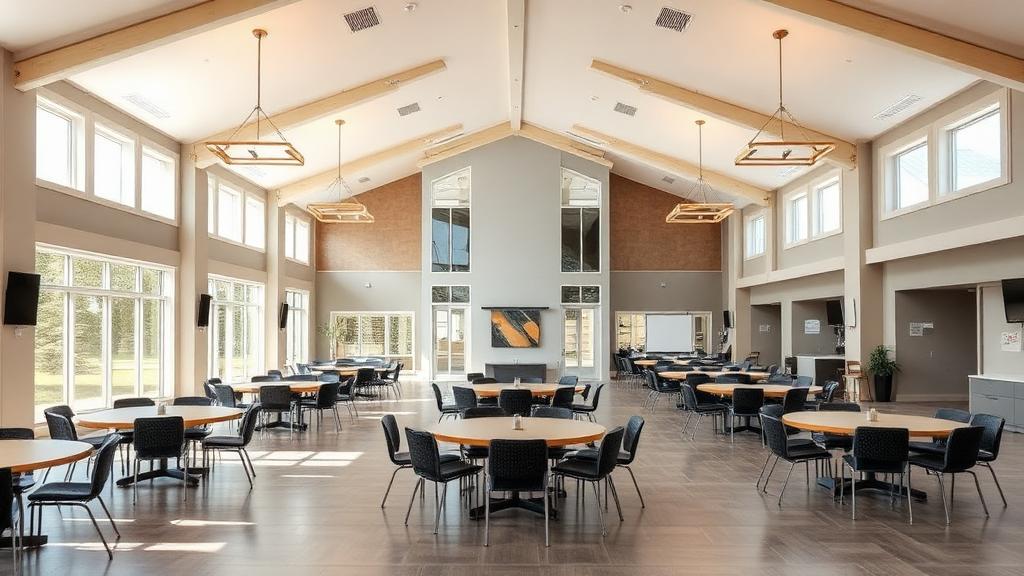
1Why Clubhouses Need Soundproofing
• Proximity to homes: Clubhouses often share walls with townhomes or sit just feet from single-family residences
• Extended hours: Community events frequently run into evening hours when neighbors expect quiet
• Bass and impact noise: Fitness classes, dancing, and speaker systems generate low-frequency sound that travels easily through standard construction
2Common Noise Problems in Clubhouses
• Music and DJ systems with heavy bass
• Large gatherings with amplified speech
• Dancing and foot traffic on hard floors
• Door slams from guests coming and going
• Aerobics and dance classes with instructor microphones
• Dropped weights and gym equipment
• Group fitness music
• Spinning/cycling classes
• HVAC systems running during events
• Kitchen and catering activities
• Pool equipment (for clubhouses with pools)
• Children's activities and playrooms
MLV excels at blocking airborne noise—music, voices, and general sound transmission through walls and ceilings. Impact noise from footsteps, dropped weights, and dancing requires additional treatment with resilient underlayments. Most clubhouse projects need both.
3How MLV Solves Clubhouse Noise Issues
• Broad frequency performance: Unlike rigid materials that resonate at specific frequencies, MLV's limpness provides consistent blocking across the sound spectrum
• Flexible installation: Conforms to existing walls, wraps around corners, and seals penetrations easily
• Cost-effective: Delivers meaningful improvement at a fraction of the cost of rebuilding walls with double-stud construction
4Wall Assemblies for Clubhouse Soundproofing
Suitable for moderate noise control in new construction:
• 2x4 or 2x6 wood studs at 16" o.c.
• R-13 or R-19 mineral wool insulation
• 1 lb/sf MLV applied over studs
• 5/8" Type X drywall both sides
• Acoustic sealant at all perimeters
For walls adjacent to homes or high-noise areas:
• 2x6 wood studs or 3-5/8" metal studs
• Mineral wool insulation full depth
• 1 lb/sf MLV over studs
• Resilient channels on room side, perpendicular to studs
• Double 5/8" drywall on resilient channel side
• Single 5/8" drywall on opposite side
• Acoustic sealant throughout
For party rooms, fitness areas, or spaces directly attached to residences:
• Staggered stud or double stud wall with air gap
• Full mineral wool insulation
• 1 lb/sf or 2 lb/sf MLV
• Resilient clips and hat channel system
• Double 5/8" drywall with damping compound between layers
• Acoustic sealant at every seam and penetration
• Extend walls and MLV to the roof deck or structural ceiling—not just to a drop ceiling
• Seal all electrical boxes with acoustic putty pads
• Use solid-core doors with acoustic seals (STC 35+ minimum) at entrances to activity spaces
• Address windows with laminated glass or secondary glazing if present
5Ceiling and Floor Treatments
• Add 1 lb/sf MLV above existing ceiling grid or below drywall
• Install mineral wool batts in ceiling cavity
• Use resilient channels or isolation clips for ceiling attachment
• Double-layer drywall ceiling with damping compound
• Seal all penetrations (lights, HVAC, sprinklers) with acoustic caulk
• Resilient rubber underlayment (5mm-10mm) for impact noise control
• 1 lb/sf MLV over subfloor for airborne noise
• Floating floor assembly for maximum isolation
• Consider rubber gym flooring in fitness areas for additional impact absorption
These high-impact areas require the most robust treatment. A typical assembly includes:
• Structural subfloor
• 1 lb/sf MLV adhered to subfloor
• 10mm resilient rubber underlayment
• Second plywood layer
• Finish flooring (rubber tiles, vinyl, or floating hardwood)
6Multi-Purpose Room Considerations
Soundproofing keeps noise in, but it also affects the acoustic quality within the space. A highly soundproofed room with hard surfaces can become echo-prone and uncomfortable. Balance MLV installation with acoustic absorption (panels, ceiling tiles, soft furnishings) to maintain good interior acoustics.
Consider acoustic zoning that separates high-noise and low-noise uses:
• Locate fitness areas and party spaces on exterior walls away from residences
• Create buffer zones (storage, restrooms, lobbies) between activity spaces and adjacent homes
• Use enhanced wall assemblies between different activity zones within the clubhouse
Some clubhouses use movable partitions to create different room configurations. These partitions rarely provide meaningful sound isolation. If acoustic separation is needed between divided spaces, consider:
• Installing MLV in the most-used partition locations
• Using solid, floor-to-ceiling partitions rather than accordion-style dividers
• Accepting that combined spaces will share sound and planning event scheduling accordingly
7HOA and Community Center Requirements
• Noise complaints from units adjacent to or above the clubhouse
• Restrictions on clubhouse hours and event types
• Rental revenue impacts from limited functionality
• Board liability for ongoing noise issues
• Property value effects from inadequate soundproofing
No soundproofing system eliminates all noise. MLV and proper assembly design can reduce transmission dramatically—making a loud party sound like quiet conversation next door—but some sound may still be perceptible during peak events. Communicate this clearly to both clubhouse users and neighboring residents.
For HOA projects, document the soundproofing scope clearly:
• Specify STC targets for each wall type
• Include MLV product specifications and installation requirements
• Define inspection and verification procedures
• Create usage guidelines that complement the acoustic design (e.g., maximum music levels, amplification restrictions)
8New Construction vs Retrofit Projects
• Design layout to maximize acoustic separation from residences
• Integrate MLV into framing sequence before drywall
• Coordinate mechanical systems to minimize noise transmission
• Build walls full-height to structure from the start
• Lower cost per square foot when included in original scope
• Existing walls may not extend to structure above drop ceilings
• Limited access to wall cavities without demolition
• Penetrations and flanking paths already established
• Occupied adjacent units create scheduling constraints
• Adding thickness affects trim, doors, and fixtures
• Install MLV over existing drywall with new drywall layer on top
• Address the highest-priority walls first (those adjacent to homes)
• Treat ceiling plenums with insulation lids or MLV barriers
• Upgrade doors and seals simultaneously with wall treatment
• Consider phased installation to minimize disruption
Clubhouse soundproofing retrofits typically deliver strong returns through:
• Elimination of noise complaints and related legal exposure
• Expanded rental revenue from fewer event restrictions
• Increased property values for units near quiet, well-managed clubhouses
• Improved resident satisfaction and community relations
FAQs: Clubhouse Soundproofing
Related Guides in Industry Solutions
Continue exploring with these hand-picked articles

School Soundproofing with Mass Loaded Vinyl (MLV)
Complete guide to soundproofing schools, classrooms, and educational facilities with mass loaded vinyl. Meet ANSI S12.60 standards, improve speech intelligibility, and create optimal learning environments for students.
Courthouse Soundproofing with Mass Loaded Vinyl (MLV)
Complete guide to soundproofing courthouses, courtrooms, and legal facilities with mass loaded vinyl. Ensure speech privacy for attorney-client communications, protect witness identities, and create optimal acoustics for judicial proceedings.

Industrial Factory Soundproofing with Mass Loaded Vinyl (MLV)
Complete guide to soundproofing manufacturing plants, production facilities, and industrial factories with mass loaded vinyl. Control machinery noise, meet OSHA regulations, and protect workers from hearing damage.
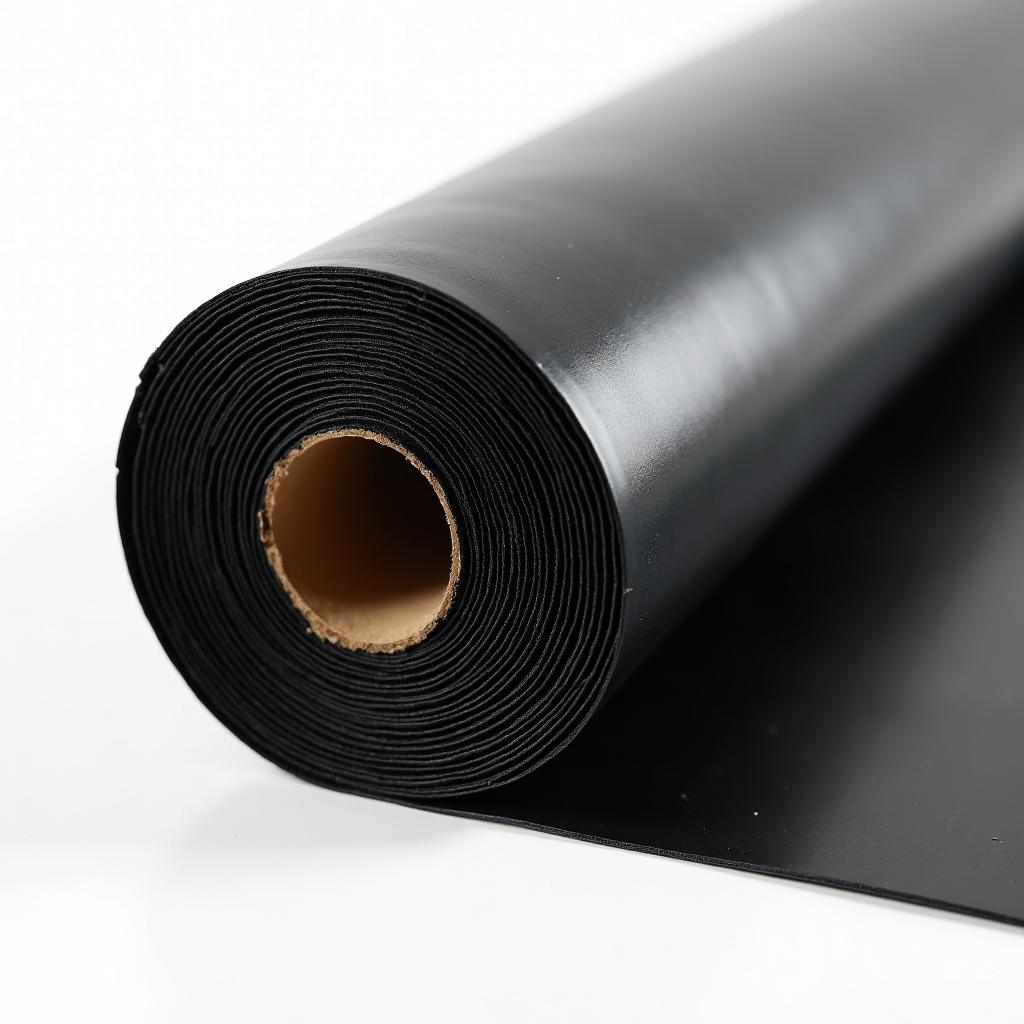
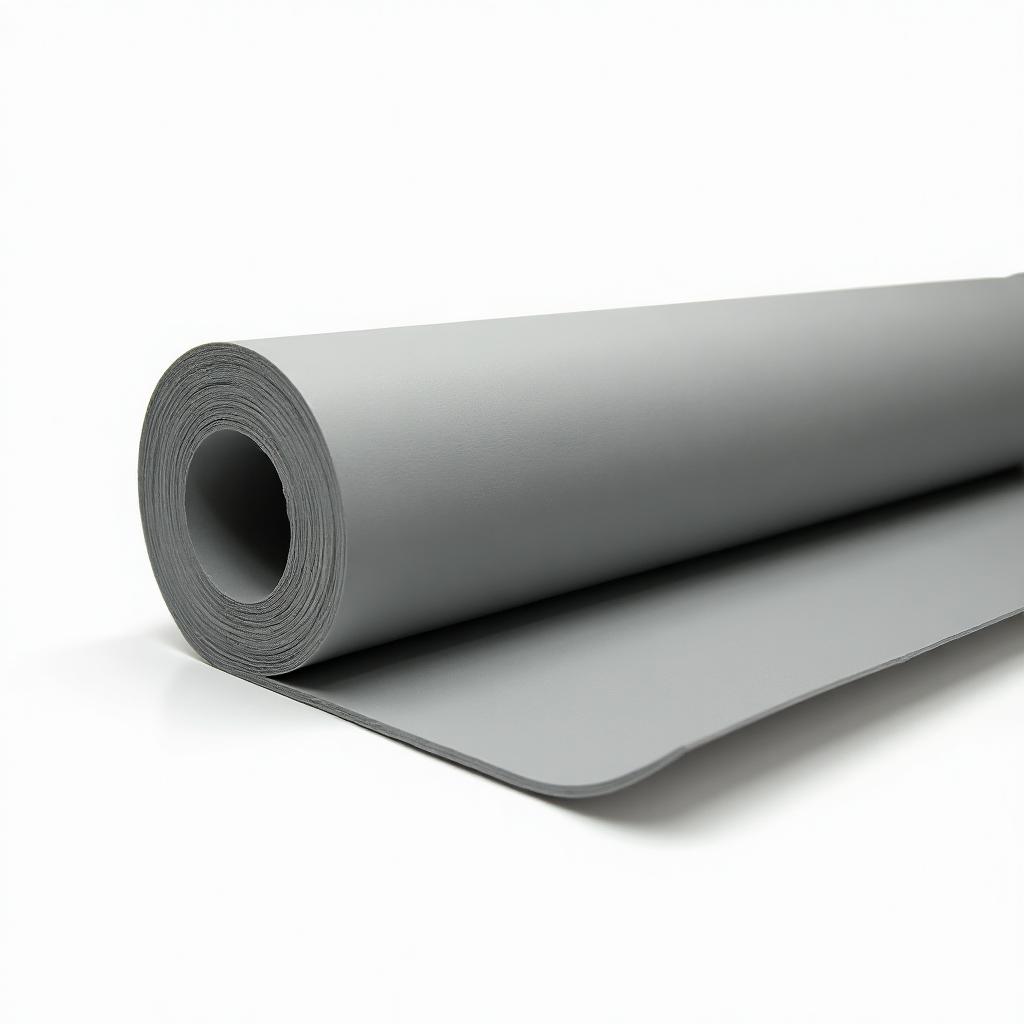
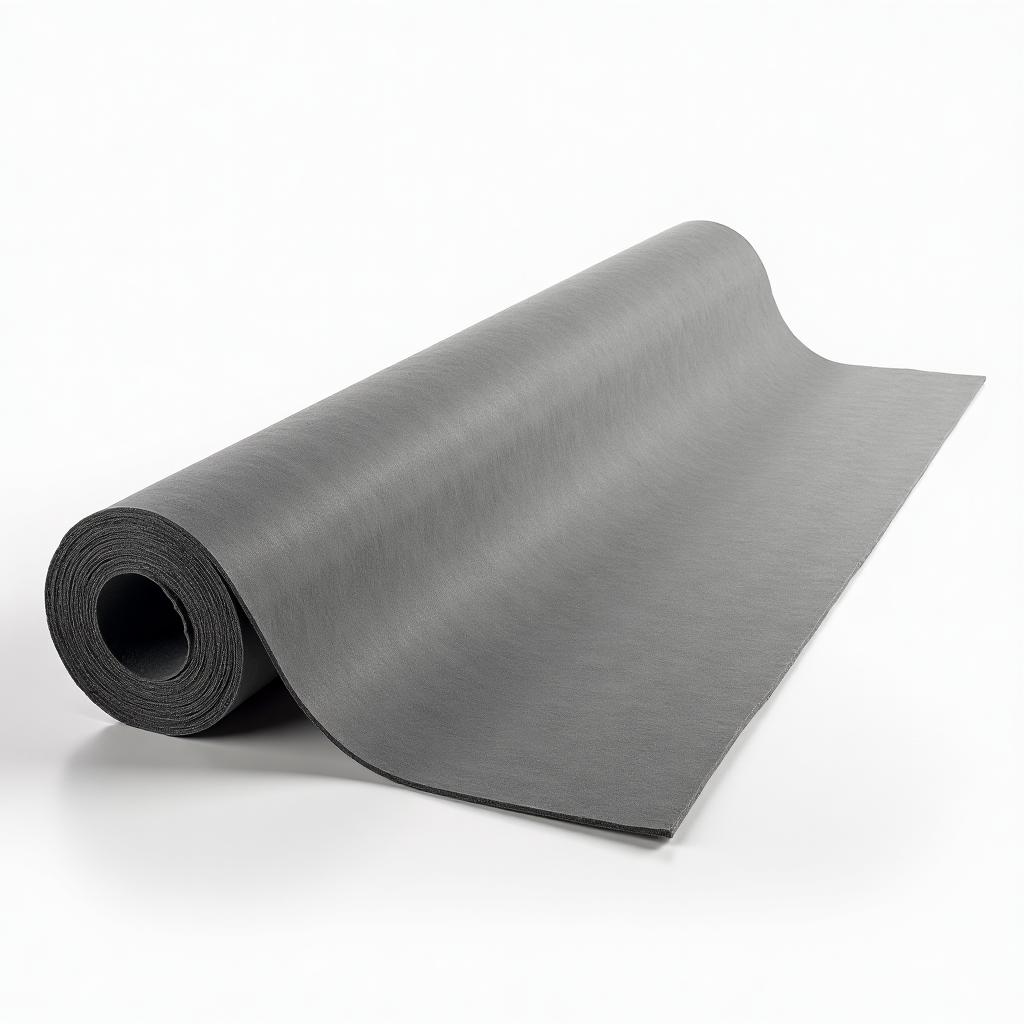
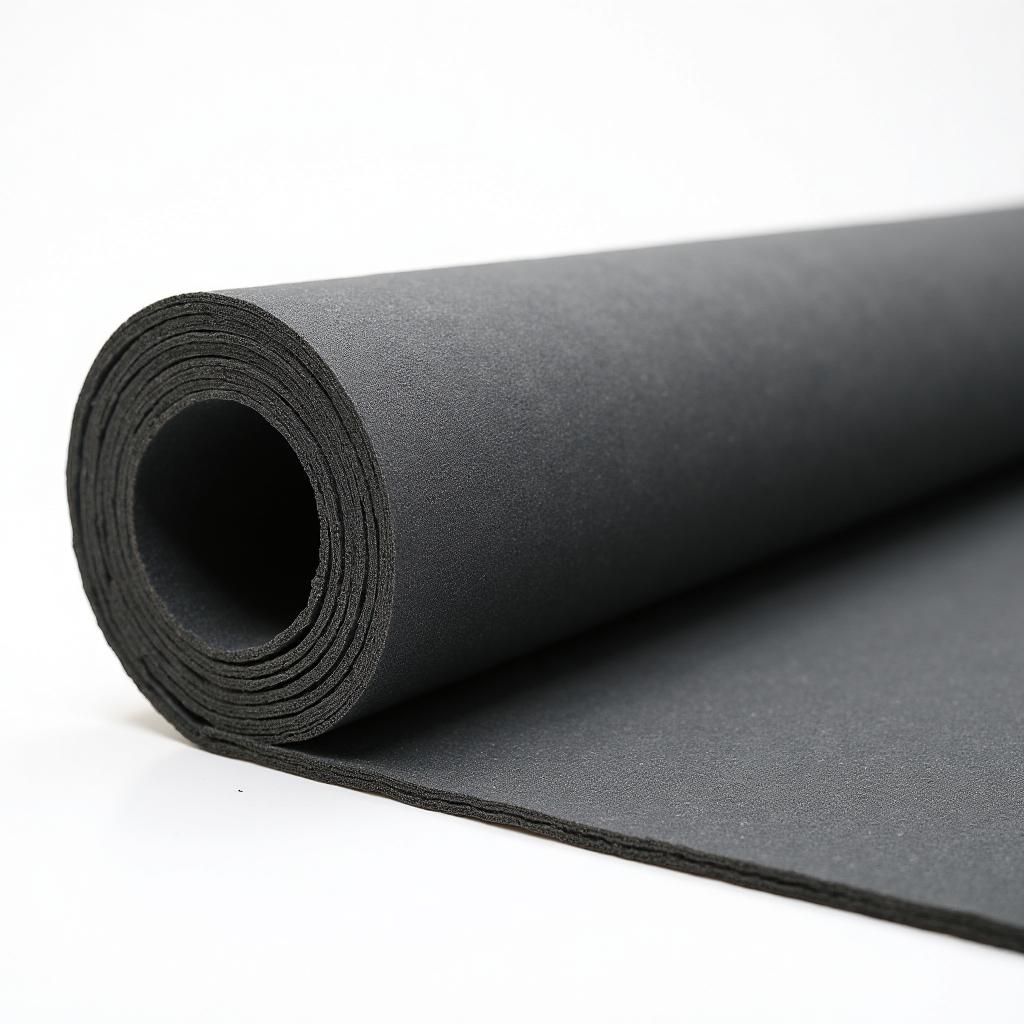
Our Complete Product Line
Professional-grade soundproofing materials for any application
Need Expert Soundproofing Advice?
Our team of soundproofing specialists is here to help you choose the right products and installation methods for your museum or gallery project.