Clubhouse Construction: MLV Requirements & Building Codes
1Why Clubhouses Face Unique Acoustic Challenges
Residential Proximity Creates Heightened Sensitivity
• Outdoor gathering areas: Patios, pools, and courtyards create sound sources that can't be fully enclosed
• Late evening events: Weddings, parties, and HOA meetings often run into evening hours when residents expect quiet
• Early morning fitness: 6 AM spin classes and pool laps can disturb sleeping neighbors
• Heightened expectations: Residents who chose to live in planned communities often have higher quiet expectations than urban dwellers
Multi-Use Programming Creates Variable Noise
• Fitness classes: High-impact aerobics, spin classes, and weight rooms create both airborne and structure-borne noise
• Children's programs: Birthday parties, summer camps, and after-school activities generate unpredictable noise
• HOA meetings: Monthly board meetings require speech privacy for sensitive community discussions
• Pool and spa areas: Mechanical equipment, splashing water, and socializing combine for complex noise control
Existing Construction Often Inadequate
• Changing use patterns: Facilities designed for occasional card games now host weekly fitness classes and monthly events
• Community growth: As developments age and densify, homes built closer to clubhouses increase noise sensitivity
• Renovation opportunities: Major renovations provide chances to address acoustic deficiencies that have plagued communities for years
2Building Code Requirements for Community Facilities
IBC Assembly Occupancy Classification
• A-3 occupancy: Meeting rooms, recreation areas, and community halls may be classified A-3
• Mixed use: Large clubhouses often contain multiple occupancy types requiring separation
• Occupant load: Event spaces must be sized for anticipated occupancy with appropriate egress
• Fire separation: Assembly spaces often require fire-rated construction that can incorporate acoustic treatment
Sound Transmission Requirements
• When adjacent to residences: Clubhouse walls adjoining attached residences must meet STC 50+ requirements
• Internal separations: Mechanical rooms, kitchens, and high-noise areas require isolation from occupied spaces
• Fire-rated assemblies: Required fire separations can incorporate MLV to add acoustic performance
Local Zoning and Use Permits
• Operating hour restrictions: Many permits limit amplified music to certain hours (e.g., 8 AM to 10 PM)
• Event frequency limits: Some permits restrict the number of large events per month or year
• Complaint-based enforcement: Excessive noise complaints can trigger permit review or revocation
• Acoustic studies: Major renovations or use changes may require acoustic studies demonstrating code compliance
3Noise Ordinance Compliance for HOA Clubhouses
Understanding Residential Noise Limits
• Nighttime limits: Usually 45-55 dBA from 10 PM to 7 AM
• Impulsive sounds: Impact noise often has stricter limits or separate measurement criteria
• Low-frequency provisions: Some ordinances address bass frequencies that travel further and penetrate structures more easily
• Duration considerations: Brief exceedances may be treated differently than sustained noise
Design Targets for Compliance
• Required reduction: Achieving 55 dBA at 50 feet from 100 dBA source requires approximately STC 55-60 enclosure performance
• Safety margin: Design for 10 dB below limit to account for field conditions and measurement variability
• HVAC considerations: Mechanical equipment noise adds to total community exposure
• Outdoor events: Patio and pool area events may require portable barriers or hour restrictions
Documentation and Monitoring
• Post-construction verification: Test actual performance with simulated or real events
• Event management protocols: Written policies for sound level limits, DJ/band contracts, and monitoring
• Complaint response: Document how complaints are investigated and addressed
• Periodic retesting: Verify continued performance after major renovations or HVAC changes
4Event Space and Multipurpose Room Acoustics
Wall Construction Requirements
• Double-stud construction: Two separate stud walls with air gap eliminates structural sound bridges
• MLV integration: 2 lb/sf MLV on each stud row adds critical mass without excessive thickness
• Multiple drywall layers: Double 5/8" drywall each side with staggered joints
• Full-height walls: Extend from slab to structure—stopping at ceiling grid creates massive flanking paths
Floor and Ceiling Treatment
• IIC ratings: Target IIC 55-60 for event floors above occupied spaces
• Ceiling mass: Suspended ceilings with MLV barriers prevent sound transmission to attic spaces and roof
• Roof deck treatment: Metal roof decks may require additional mass to prevent exterior noise radiation
Door and Window Performance
• Emergency exits: Fire-rated doors with acoustic gaskets maintain fire safety and sound isolation
• Windows: Laminated acoustic glass (STC 38-42) for views to exterior; fixed windows preferred over operable
• Service doors: Kitchen and storage access doors should achieve STC 40-45 minimum
Internal Room Acoustics
• Wall treatment: Acoustic panels on 25-40% of wall area controls flutter echo and reverberation
• Ceiling treatment: High-NRC ceiling tiles or acoustic clouds provide absorption
• Hard dance floor: Maintain reflective floor for dancing while treating walls and ceiling
5Fitness Center and Pool Area Isolation
Cardio and Weight Room Isolation
• Weight drops: Free weight areas generate 100+ dB impact spikes that require floating floors and wall mass
• Music levels: Group fitness classes often run at 85-95 dBA requiring substantial wall isolation
• Early hours: 5-6 AM fitness users require extra isolation from sleeping residents
• MLV recommendation: 1-2 lb/sf MLV depending on adjacencies; floating floors essential for weight areas
Group Fitness Studio Treatment
• Instructor voice: Sound systems must overcome background music while maintaining wall isolation
• Bass frequencies: Spin classes with heavy bass require attention to low-frequency isolation
• Yoga/meditation: Quiet classes need isolation FROM adjacent spaces—reverse acoustic concern
Pool and Spa Areas
• Reverberant spaces: Hard surfaces required for water resistance create highly reverberant environments
• Sound reinforcement: Lifeguard and emergency announcements must be intelligible in reverberant space
• Outdoor pools: Cannot be fully enclosed—operating hours and landscape barriers help control impact
6Meeting Rooms and Business Center Privacy
HOA Board Room Requirements
• STC targets: STC 50-55 to adjacent spaces prevents conversation intelligibility
• Sound masking: Electronic masking in corridors outside board rooms enhances privacy
• Video conferencing: Remote attendees require good room acoustics for clear audio pickup
• Recording considerations: Some boards record meetings—room acoustics affect recording quality
Small Meeting and Conference Rooms
• Resident business use: Many residents use clubhouse meeting rooms for work meetings
• Real estate closings: Private transaction discussions require confidential privacy
• Wall construction: STC 45-50 with attention to door assemblies and ceiling plenum
Business Center and Coworking Spaces
• Open work areas: Acoustic furniture, panels, and sound masking create usable open office environments
• Printer/copy areas: Equipment noise isolation from quiet work zones
• HVAC considerations: Quiet mechanical systems essential for focus work—target NC 35-40
7Kitchen and Catering Facility Noise Control
Kitchen Equipment Noise Sources
• Dishwashers: Commercial dishwashers run at 70-80 dBA during operation
• Ice machines: Continuous compressor and ice drop noise requires isolation
• Food preparation: Cutting, mixing, and food handling creates variable impact noise
• Service activity: Catering staff voices and dish handling during events adds to noise
Kitchen Wall and Opening Treatment
• Pass-through windows: Acoustic treatment around service windows—consider sliding closures
• Swinging doors: Automatic closers on kitchen doors; consider vestibule for high-traffic service
• MLV application: 1 lb/sf MLV in kitchen-adjacent walls adds effective mass without thick assemblies
HVAC and Exhaust Considerations
• Make-up air: Kitchen make-up air systems need silencing at intake and discharge
• Roof penetrations: Exhaust fans on roof can disturb nearby residences—silencers and setbacks help
• Balancing: Proper HVAC balancing prevents door noise from pressure differentials
8MLV Installation Strategies for Clubhouses
Material Selection
• Fire rating: Class A flame spread (≤25) required for assembly occupancy
• Durability: Heavy-gauge MLV withstands installation in high-activity construction environments
• Reinforced varieties: Consider fiberglass-reinforced MLV for areas subject to impact or puncture
New Construction Integration
• Continuous coverage: MLV must cover entire wall area with no gaps at corners, tops, or bottoms
• Seam sealing: Overlap seams 2" minimum and seal with acoustic caulk
• Penetration treatment: Cut MLV tight to electrical boxes, conduit, and pipe penetrations; seal with acoustic caulk
• Ceiling barriers: Install MLV above suspended ceiling grid to prevent flanking paths
Renovation and Retrofit Applications
• Expected improvement: Surface-applied MLV typically adds 6-10 STC points to existing walls
• Ceiling retrofit: Install MLV barriers above existing ceiling tiles without removing grid
• Door upgrades: Replace standard doors with acoustic doors or add solid core overlays
• Phased approach: Prioritize event space walls facing residences, then address secondary areas
Quality Assurance
• Pre-close photography: Document installation before concealing for future reference
• Post-construction testing: Consider acoustic testing to verify as-built STC performance
• Event testing: Simulate actual event conditions to verify real-world performance at property lines
10Conclusion
Clubhouse soundproofing requires a comprehensive approach that addresses the unique challenges of community facilities located within residential environments. From containing wedding band noise to isolating early-morning fitness classes, proper acoustic design protects community harmony and property values while enabling the full range of programming that residents expect.
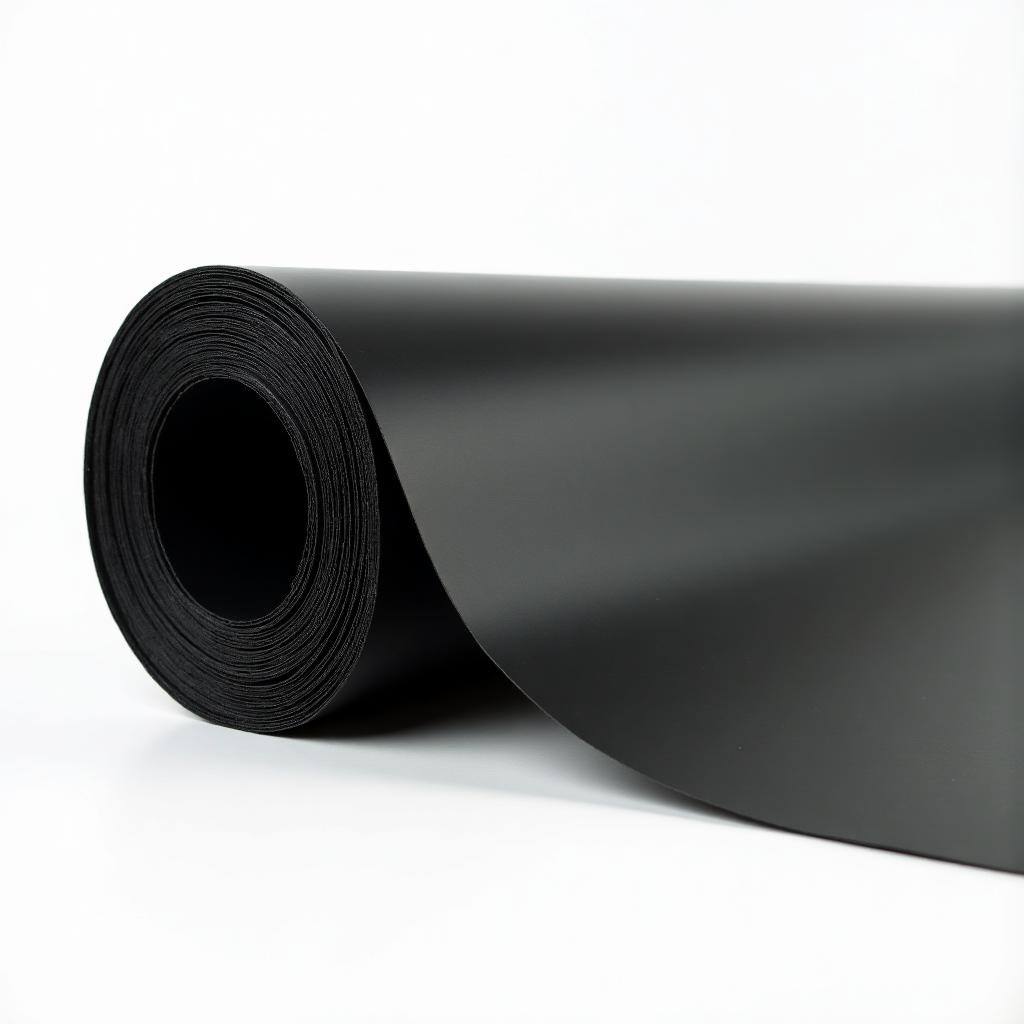
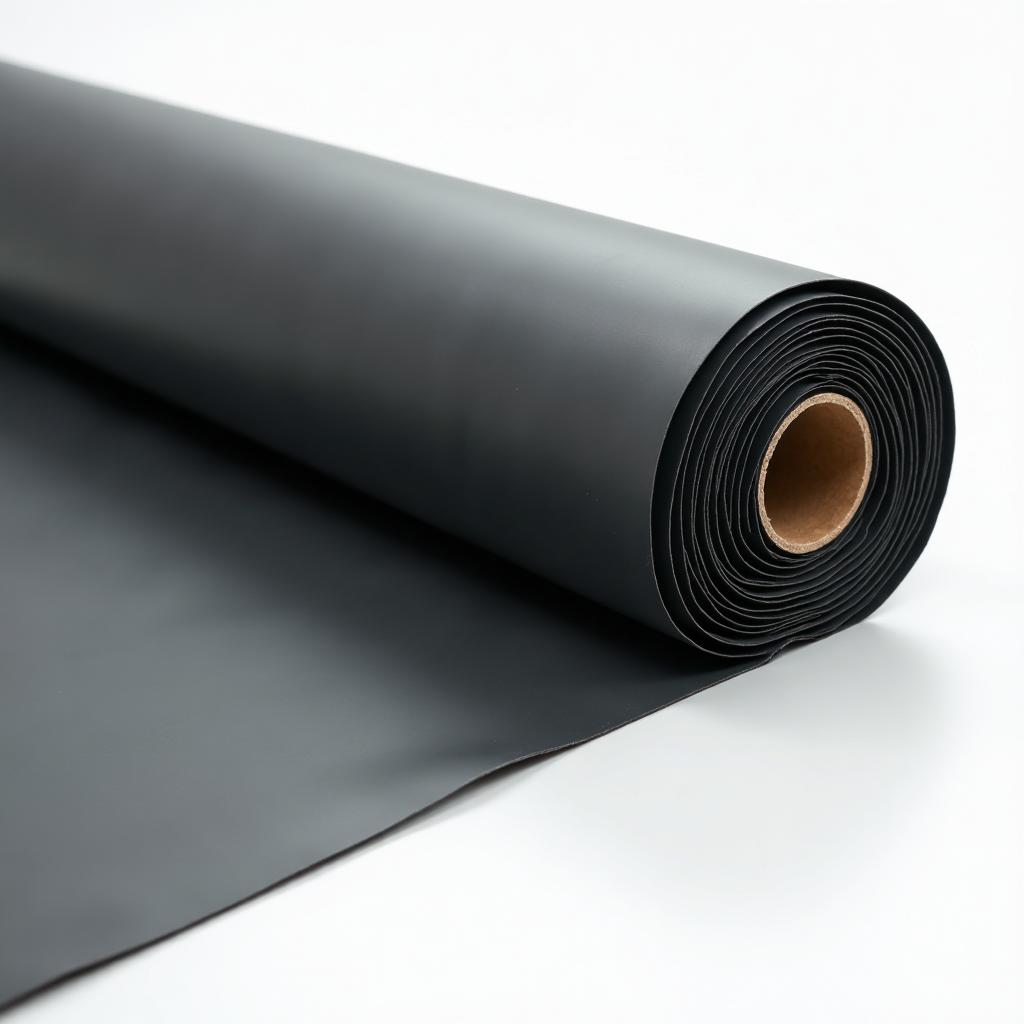
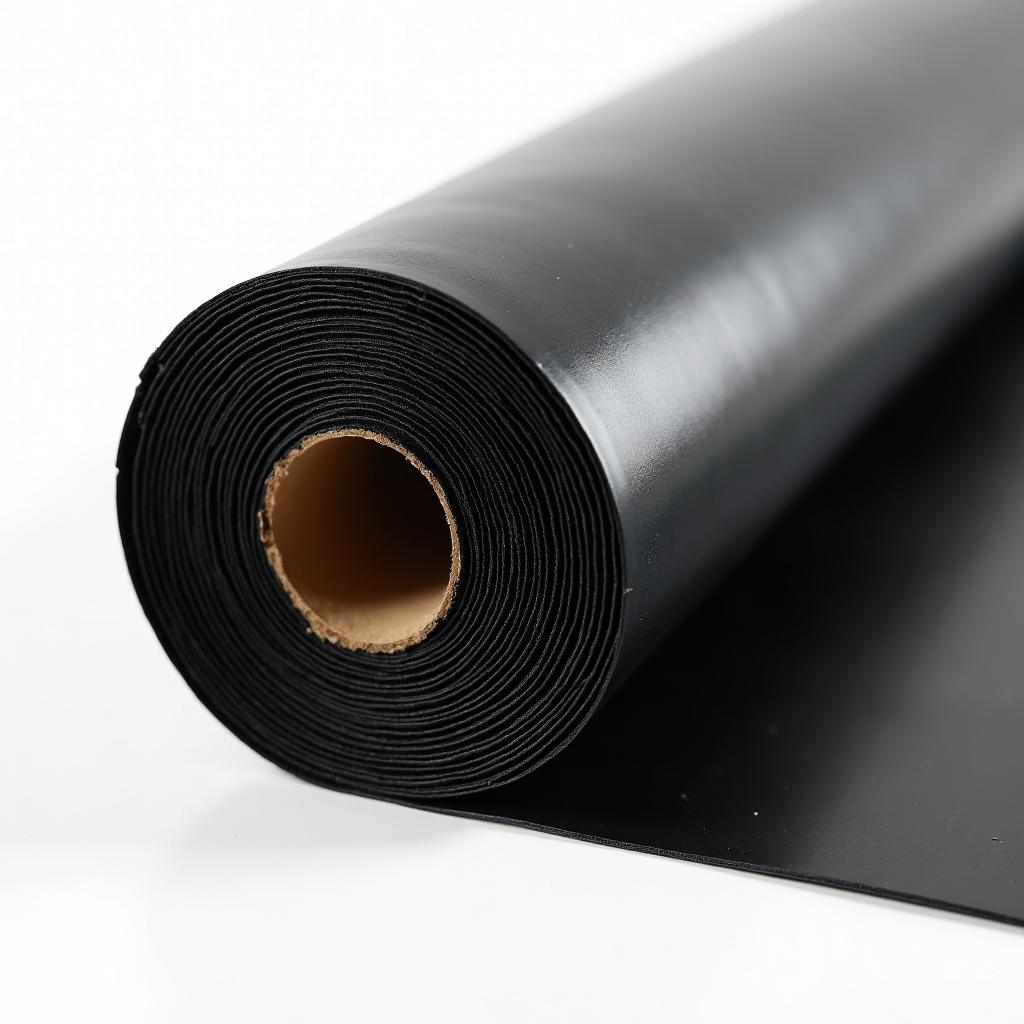
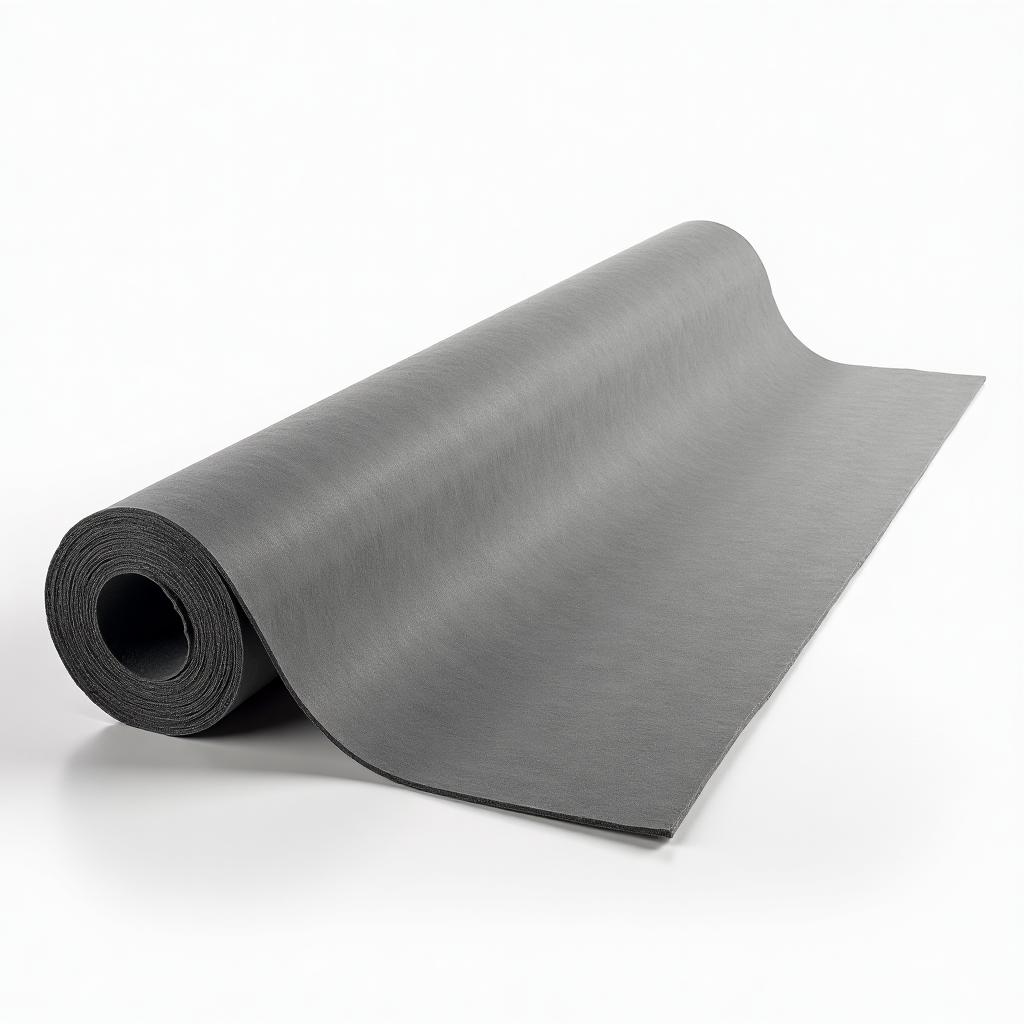
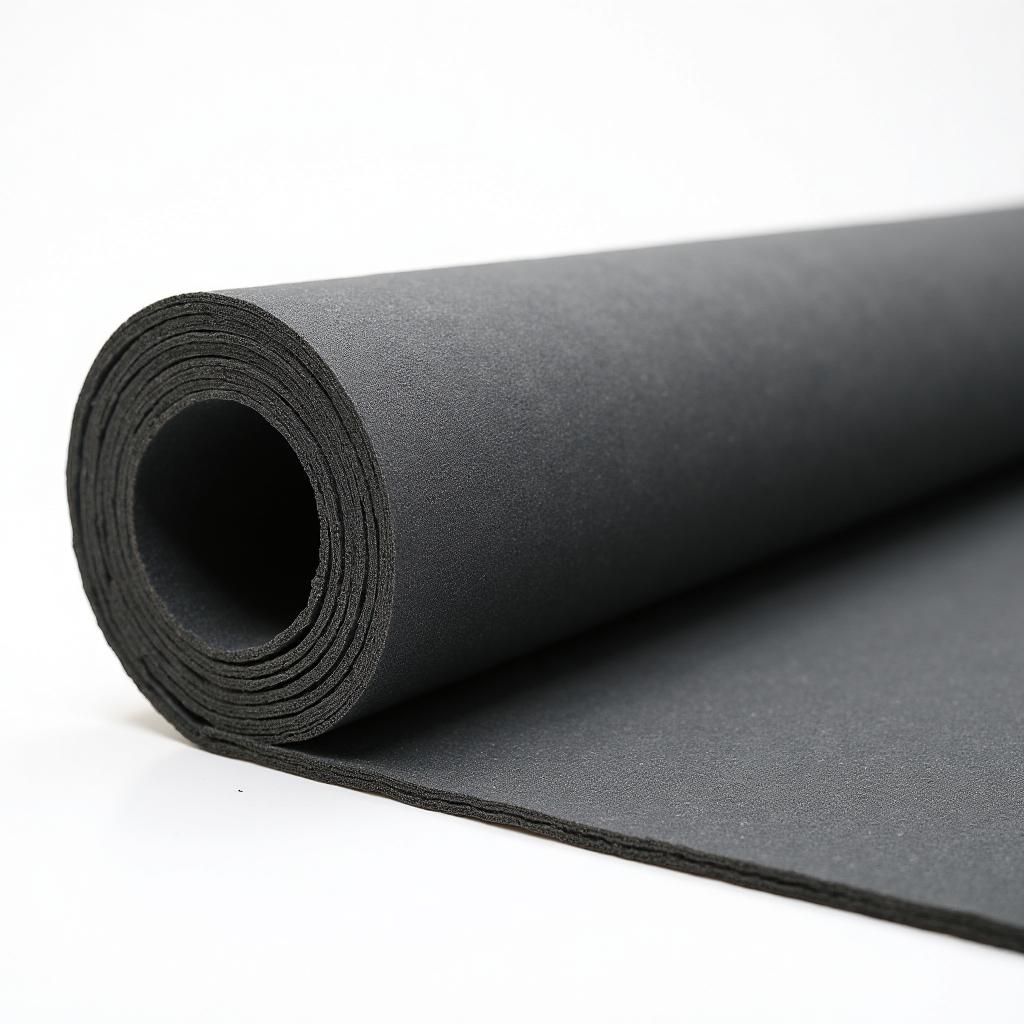
Mass loaded vinyl has become essential for clubhouse construction because it delivers the STC 55-60 ratings needed for event spaces without consuming excessive wall thickness, meets the fire codes required for assembly occupancy, and provides cost-effective solutions for the large wall areas typical of community facilities. Whether building new clubhouses or retrofitting existing facilities, specifying appropriate MLV—2 lb/sf for residential-facing walls, 1 lb/sf for internal partitions—ensures that community centers serve their intended purpose without becoming sources of neighborhood conflict.
FAQs: Clubhouse MLV Building Codes
Related Guides in Building Codes
Continue exploring with these hand-picked articles
Airport Construction: MLV Requirements and Building Codes
Building code requirements for soundproofing in airports and aviation facilities. How MLV helps developers meet FAA acoustic standards, TSA security requirements, and create comfortable passenger environments.
Museum Construction: MLV Requirements and Building Codes
Building code requirements for soundproofing in museums and cultural institutions. How MLV helps developers achieve gallery-to-gallery isolation, protect collections from vibration damage, meet conservation standards, and create contemplative visitor experiences.
Hotel Construction: MLV Requirements & Building Codes
Building code requirements for soundproofing in hotels and hospitality construction. How MLV helps developers meet STC requirements, brand acoustic standards, and cost-effective wall/floor assemblies for hotel projects.
Our Complete Product Line
Professional-grade soundproofing materials for any application
Need Expert Soundproofing Advice?
Our team of soundproofing specialists is here to help you choose the right products and installation methods for your museum or gallery project.