Church Construction: MLV Requirements & Building Codes
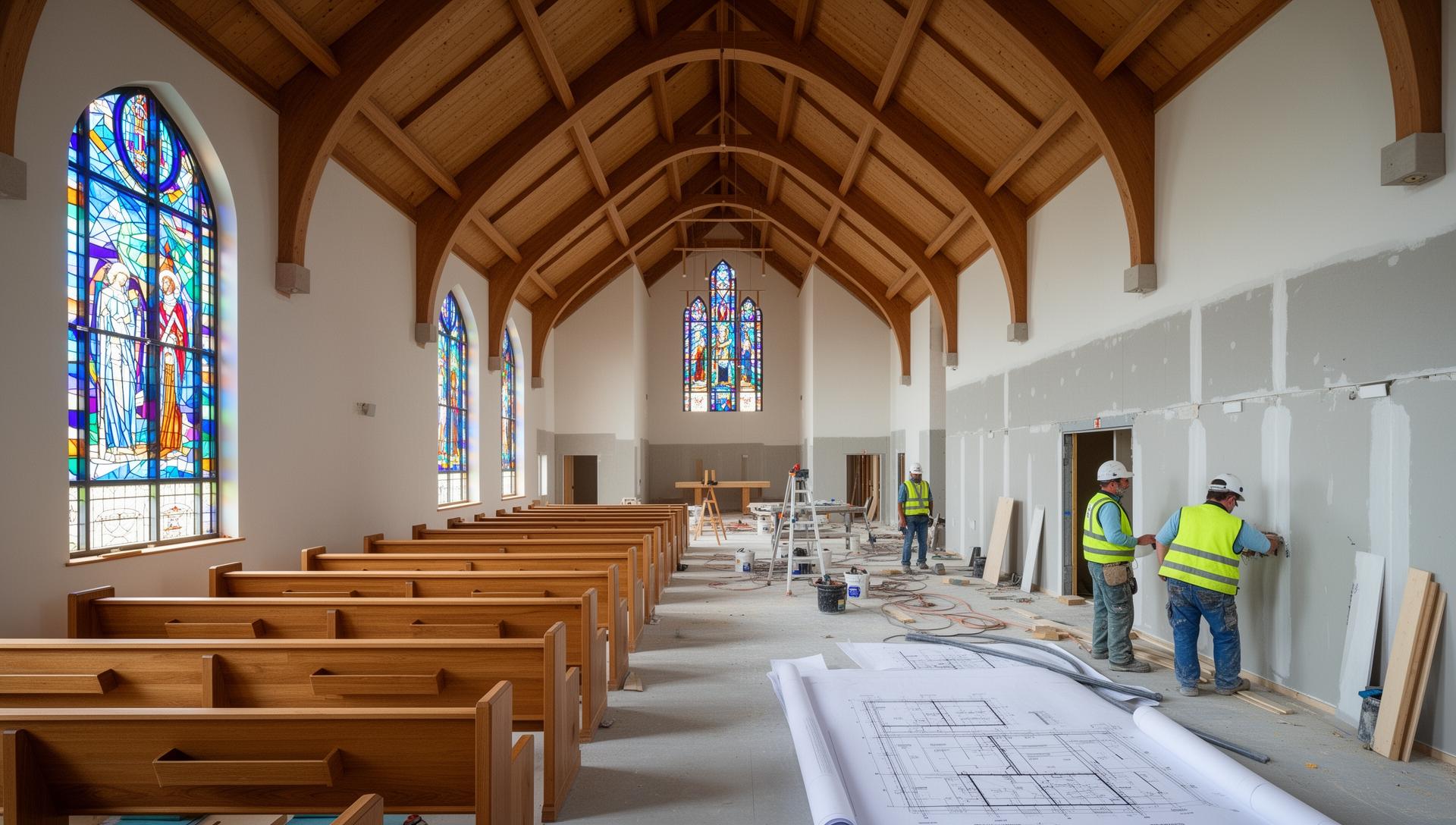
1Why Churches Need Specialized Acoustic Design
The Acoustic Paradox of Worship
• Musical fullness: Worship music benefits from room resonance that enriches sound, especially for traditional organ and choral programs
• Sound isolation: Contemporary praise bands generate 100+ dB levels that must not disturb adjacent classrooms, nurseries, or neighboring properties
• Flexible spaces: Many churches use sanctuaries for concerts, weddings, funerals, and community events with different acoustic needs
• Budget constraints: Religious organizations typically operate with limited construction budgets, requiring cost-effective acoustic solutions
Concurrent Activities Challenge
• Weekday evenings: Choir rehearsal in the sanctuary while AA meetings in the fellowship hall and youth groups in the gymnasium
• Wedding ceremonies: Quiet ceremonies requiring isolation from rehearsal dinner setup in adjacent spaces
• Community use: Rental to outside groups creates unpredictable noise scenarios that permanent members don't control
Community Relations
• Extended hours: Evening services, rehearsals, and youth events extending into late hours
• Parking and gathering: Pre- and post-service activity in parking areas affecting residential neighbors
• Zoning challenges: Many churches occupy sites adjacent to residential areas with strict noise ordinances
2Building Code Requirements for Religious Facilities
International Building Code (IBC) Requirements
• Mixed-use buildings: Churches that lease space to tenants or include commercial uses require rated demising walls with STC ratings
• Means of egress: Emergency communication systems must be audible throughout the building—acoustic design must not impair life safety announcements
• Fire-rated assemblies: Many high-STC wall assemblies require specific fire ratings that affect material selection
ADA Accessibility Requirements
• Hearing loop compatibility: Induction loop systems require floor or ceiling installations that may affect construction details
• Signal-to-noise ratios: Background noise must be controlled to ensure assistive devices function properly
• Equal access: Accessible seating areas must have equivalent acoustic quality to other seating
Local Noise Ordinances
• Frequency considerations: Low-frequency bass and drums travel farther and penetrate structures more easily than high frequencies
• Time restrictions: Some ordinances limit amplified sound to specific hours, affecting evening services and events
• Complaint-driven enforcement: Even legally compliant noise levels can trigger enforcement if neighbors complain
Denominational and Liturgical Standards
• Protestant guidelines: Various denominations recommend different approaches based on worship style—contemporary vs. traditional
• Synagogue acoustics: Specific requirements for speech clarity in Hebrew and for cantorial music
• Orthodox requirements: Unaccompanied choral music requires different acoustic treatment than amplified worship
3Sanctuary Acoustic Challenges
Room Geometry and Reverberation
• Room volume: Larger volumes require more acoustic treatment and higher sound system power levels
• Parallel surfaces: Facing parallel walls create flutter echoes that disturb speech intelligibility
• Fan-shaped rooms: Widening room shapes can cause acoustic focusing and dead spots
• Balconies: Overhanging balconies create acoustic shadows that require careful speaker placement
Speech Intelligibility Requirements
• Signal-to-noise ratio: Minimum 25 dB above background noise for clear speech understanding
• Early reflections: Beneficial reflections arriving within 50ms enhance clarity; later reflections create confusion
• Background noise: HVAC systems must achieve NC 25-30 to avoid interfering with unamplified speech
Music Program Considerations
• Contemporary bands: Shorter reverberation (RT60 1.0-1.5 seconds) prevents muddy amplified sound
• Blended worship: Variable acoustics through motorized panels or banners may be required
• Orchestra/concert: Churches hosting community orchestras need concert-hall acoustic qualities
Isolation from Adjacent Spaces
• To nurseries: STC 55-60 required—crying babies and amplified worship must be mutually isolated
• To offices: STC 45-50 allows staff to work during services and events
• To exterior: STC 50-55 or higher may be required to meet noise ordinance limits at property lines
4Multi-Purpose Space Considerations
Sanctuary as Multi-Purpose Space
• Concerts and performances: Community events may have different audio requirements
• Conferences and seminars: Speaking events require high speech intelligibility
• Social gatherings: Receptions and dinners need controlled noise levels for conversation
Variable Acoustic Solutions
• Retractable curtains: Heavy curtains along walls can reduce reverberation when needed
• Modular panels: Removable acoustic panels allow configuration changes
• Electronic systems: Active acoustic systems can artificially modify room characteristics
Gymnasium Conversions
• Sound isolation: Separating gymnasium noise from classrooms and main sanctuary requires high STC walls
• MLV application: Adding MLV to partition walls between gymnasium and adjacent spaces achieves needed isolation
• HVAC control: Large gymnasium HVAC systems require careful acoustic treatment
5Music and Worship Band Isolation
Sound Level Reality
• Bass guitar amplifiers: 95-110 dB with 40-100 Hz fundamentals that travel through building mass
• Electric guitars: 95-105 dB with significant mid-frequency energy
• Keyboard/synthesizers: 90-100 dB but with full frequency range including deep bass
• Vocals through PA: Main PA systems often reach 100-110 dB peak levels in the sanctuary
Rehearsal Space Isolation
• Choir rehearsal: STC 50-55 adequate for vocal groups without amplification
• Individual practice: STC 45-50 for single instrument practice rooms
• Recording capability: Some churches include recording studios requiring NC 15-20 backgrounds
Platform and Stage Isolation
• Monitor systems: In-ear monitoring eliminates stage wedge speakers and reduces overall stage volume
• Amplifier isolation: Isolation rooms for guitar/bass amplifiers allow amp tone without stage volume
• Subwoofer placement: Careful subwoofer positioning reduces structure-borne bass transmission
MLV Applications for Music Isolation
• Ceiling isolation: MLV above rehearsal room ceilings prevents sound travel through plenum to adjacent spaces
• Floor isolation: Floating floors with MLV underlayment reduce impact and bass transmission
• Door assemblies: Acoustic doors with STC 45-50 ratings complete the isolation envelope
6Nursery and Childcare Sound Separation
The Bidirectional Challenge
• Nursery to sanctuary: Crying babies and active toddlers must not be audible during sermons or prayers
• Nursery to nursery: Infant rooms should be isolated from toddler activity areas to protect sleep
• Exterior play: Outdoor play areas need isolation from worship and from neighboring properties
Regulatory Requirements
• Sleep requirements: Infant nap areas typically require background noise below 50 dB for quality sleep
• Speech development: Toddler classrooms need controlled acoustics for language learning (RT60 under 0.6 seconds)
• Safety communication: Emergency announcements must be audible without being startling
Wall Assembly Recommendations
• MLV integration: 2 lb/sf MLV on interior face of each stud row adds critical mass
• Full-height construction: Walls must extend from slab to structure—not just to ceiling grid
• Sealed penetrations: Every outlet, pipe, and cable penetration acoustically sealed
Door and Window Considerations
• Vision panels: Viewing windows to nurseries must use laminated acoustic glass in proper frames
• Dutch doors: Traditional nursery check-in openings require careful sealing when closed
• Pass-through windows: Speaker paging and parent check-in openings need acoustic consideration
7Fellowship Hall and Gymnasium Acoustics
Reverberation Control
• Large volumes: High ceilings and open floor plans create long reverberation times (RT60 3-5+ seconds untreated)
• Speech intelligibility: Announcements and conversation become impossible without acoustic treatment
• Music events: Band performances become muddy and unintelligible without absorption
Absorption Requirements
• Wall panels: Acoustic panels on walls reduce flutter echo between parallel surfaces
• Target RT60: 1.0-1.5 seconds for multipurpose use; 0.8-1.0 seconds for dedicated speech venues
• NRC requirements: Use panels with NRC 0.85 or higher for effective absorption
Isolation from Worship Spaces
• Event noise: Parties, receptions, and youth events generate significant noise that must not travel
• STC requirements: STC 50-55 minimum between fellowship hall and sanctuary or classrooms
• Impact isolation: Gymnasiums above or below other spaces need IIC 50+ floor/ceiling assemblies
Kitchen and Serving Area Considerations
• Isolation requirements: STC 45-50 between kitchen and fellowship hall for event use
• Pass-through windows: Serving openings need closable shutters with acoustic seals
• Exhaust duct treatment: Kitchen exhaust can transmit sound to exterior—silencers may be required
8MLV Installation Strategies for Churches
Sanctuary Wall Construction
• Staggered-stud option: 2x4 studs on 2x6 plates with MLV and insulation achieve STC 55-58 in less space
• Resilient channel: Adding resilient channel on one side improves STC by 5-7 points
• Fire rating: Ensure assembly meets required fire separation ratings for occupancy separation
Ceiling and Plenum Treatment
• Wall extensions: For highest performance, extend walls to structure with MLV and insulation
• Duct wrapping: Ductwork penetrating acoustic walls should be wrapped with MLV to prevent crosstalk
• Light fixture treatment: Recessed fixtures in acoustic ceilings need back-boxes with MLV lining
Floor Isolation Details
• Floating floors: Isolated floor systems on resilient underlayment achieve IIC 55-65
• Pew mounting: Pews should be mounted through resilient pads to reduce structure-borne sound
• Platform isolation: Worship platforms benefit from floating floor construction to reduce drum/bass transmission
Special Considerations
• Visible surfaces: Some traditional sanctuaries have exposed structural elements where MLV must be concealed
• Stained glass: MLV cannot address sound transmission through windows—consider storm glazing or acoustic glazing
• Volunteer labor: Many churches use volunteer labor—ensure proper MLV installation training
10Conclusion
Church construction presents some of the most complex acoustic challenges in commercial building. The combination of high-volume worship spaces, contemporary amplified music, sensitive nursery areas, and multi-purpose fellowship halls requires comprehensive acoustic planning from the earliest design stages.
Mass loaded vinyl plays a critical role in achieving the STC ratings required between conflicting uses—from STC 55-60 nursery walls to STC 60+ music rehearsal rooms. Its thin profile is particularly valuable in church construction where space is often limited and budgets constrained.
Success requires understanding the complete acoustic picture: room acoustics for speech and music, sound isolation between spaces, HVAC noise control, and exterior noise compliance. Working with qualified acoustic consultants and specifying proven MLV assemblies ensures worship facilities that support their mission for decades to come.
FAQs: Church Construction Soundproofing
Related Guides in Building Codes
Continue exploring with these hand-picked articles
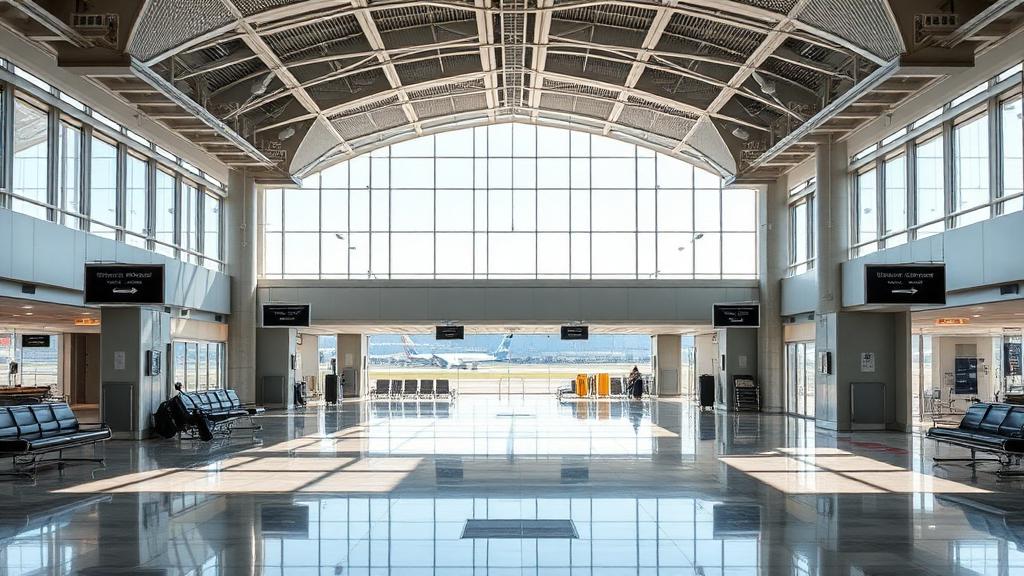
Airport Construction: MLV Requirements and Building Codes
Building code requirements for soundproofing in airports and aviation facilities. How MLV helps developers meet FAA acoustic standards, TSA security requirements, and create comfortable passenger environments.
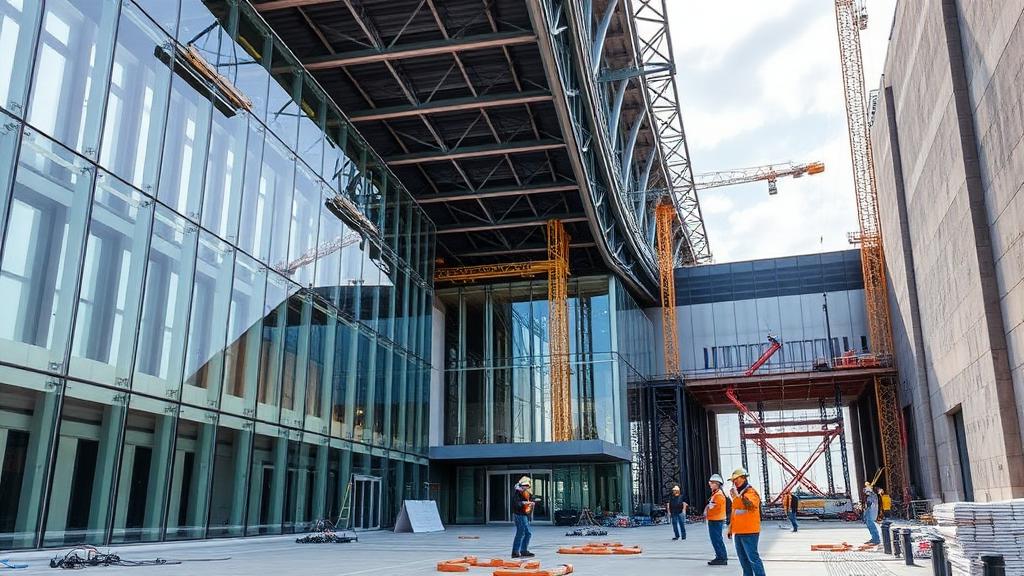
Museum Construction: MLV Requirements and Building Codes
Building code requirements for soundproofing in museums and cultural institutions. How MLV helps developers achieve gallery-to-gallery isolation, protect collections from vibration damage, meet conservation standards, and create contemplative visitor experiences.
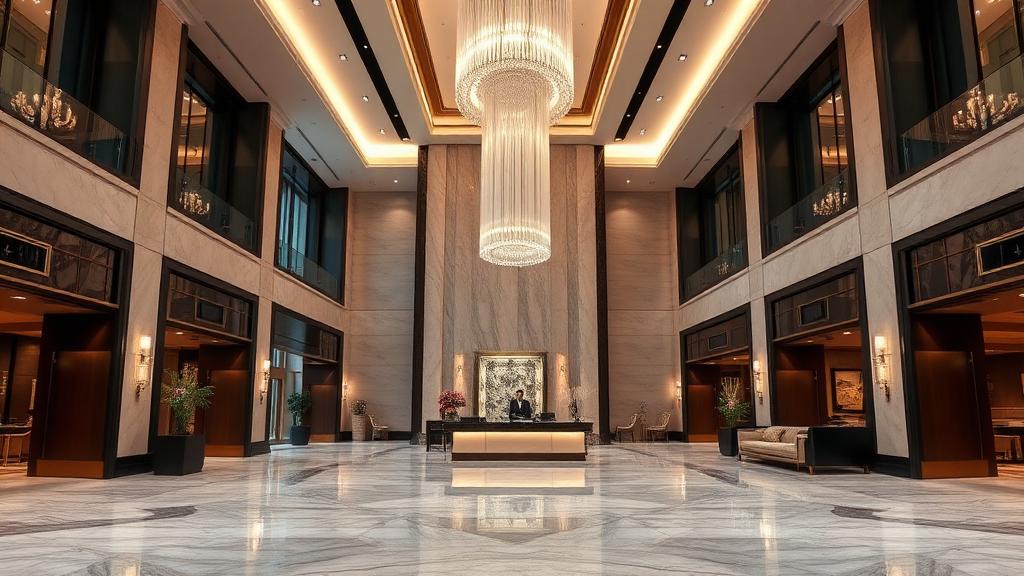
Hotel Construction: MLV Requirements & Building Codes
Building code requirements for soundproofing in hotels and hospitality construction. How MLV helps developers meet STC requirements, brand acoustic standards, and cost-effective wall/floor assemblies for hotel projects.
Our Complete Product Line
Professional-grade soundproofing materials for any application
Need Expert Soundproofing Advice?
Our team of soundproofing specialists is here to help you choose the right products and installation methods for your museum or gallery project.