Comparisons8 min readAuthorMass Loaded Vinyl DirectPublishedUpdated

    Cheap vs. Expensive MLV: Is the Price Difference Actually Worth It?
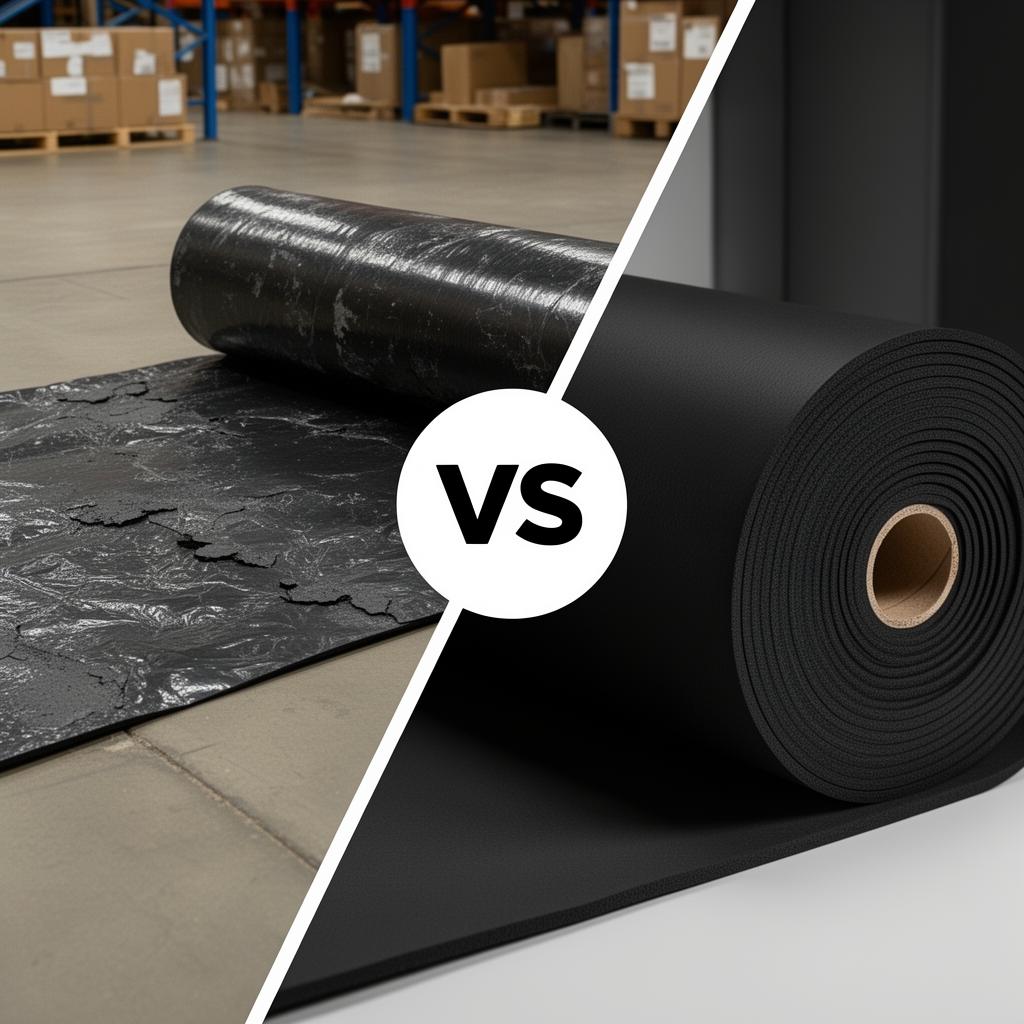
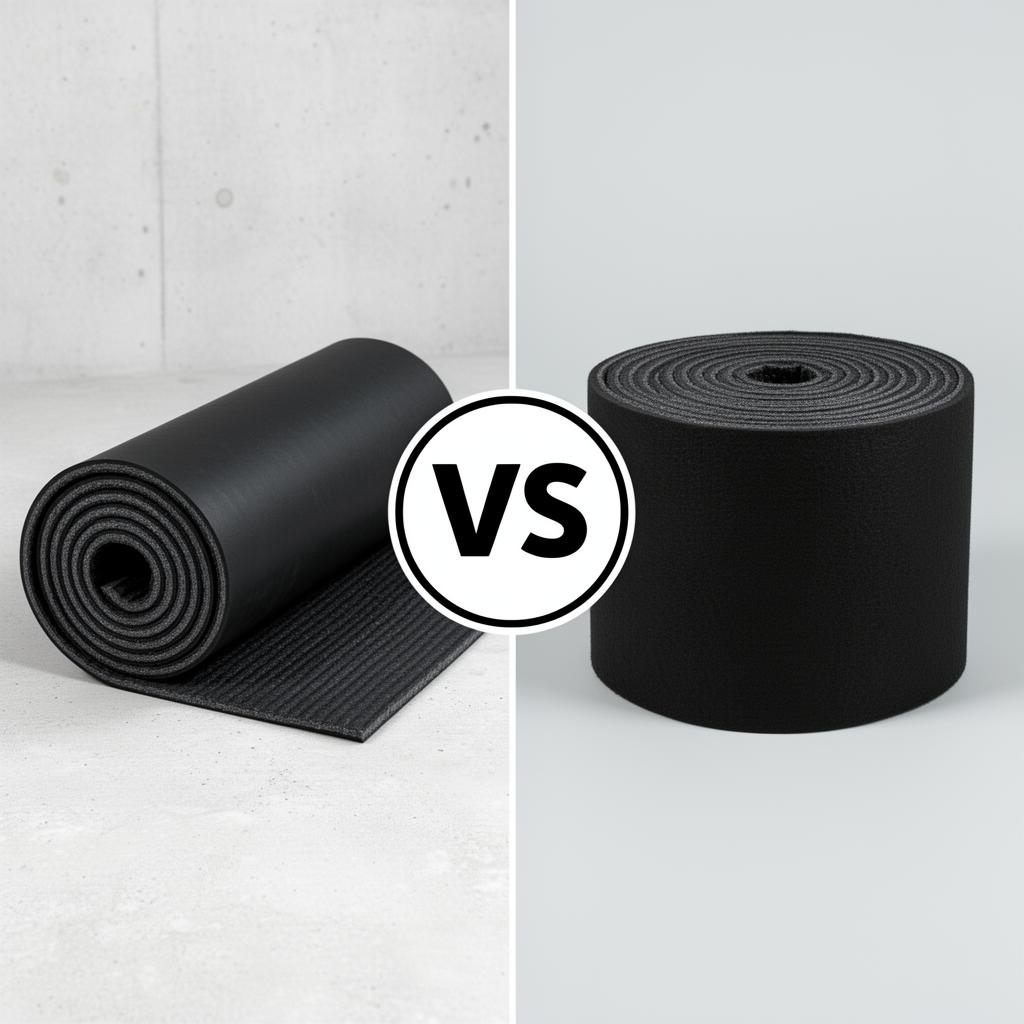
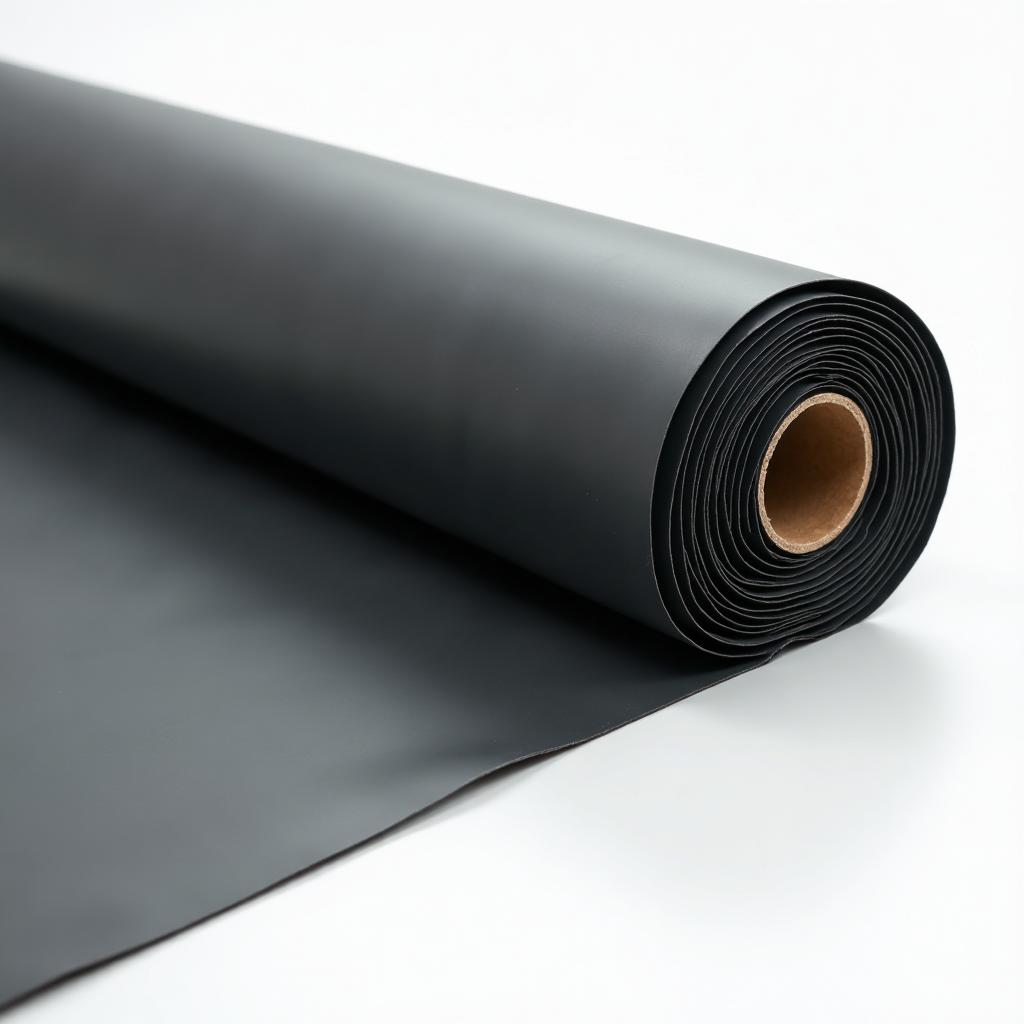
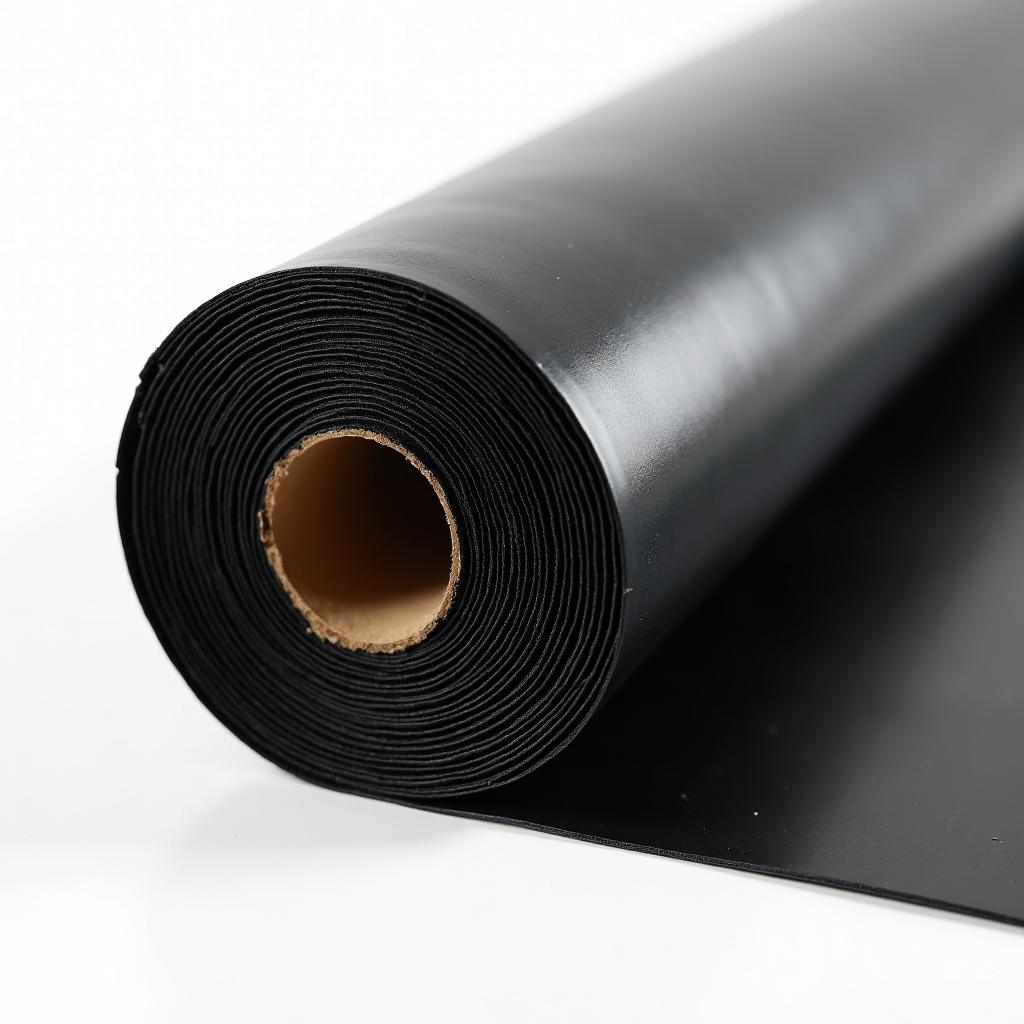
    Side-by-side comparison of budget and premium mass loaded vinyl rolls in a warehouse setting showing differences in quality and finish
    Side-by-side comparison of budget and premium mass loaded vinyl rolls in a warehouse setting showing differences in quality and finish

    1Why MLV Prices Vary So Much

    Mass loaded vinyl is not a single standardized product. It is a category of flexible vinyl barriers loaded with dense mineral fillers. The type of filler, the manufacturing process, and the country of origin all drive significant price differences.
    Premium MLV typically uses barium sulfate — a naturally dense mineral that provides maximum mass per unit thickness. Budget alternatives often substitute cheaper calcium carbonate (essentially ground limestone) which requires more volume to achieve the same weight. The result is a thicker, less flexible sheet that is harder to install and more prone to cracking at bends.
    Manufacturing quality control also matters enormously. Premium producers measure density at multiple points across every roll to ensure the rated 1 lb/sf (or 2 lb/sf) weight is consistent edge to edge. Budget producers may average the weight across the roll, meaning some sections weigh 0.85 lb/sf while others hit 1.1 lb/sf. Sound finds the weakest link — and that thin section becomes your noise leak.

    2The Real Differences Between Cheap and Premium MLV

    Beyond raw materials, several tangible differences separate budget from premium mass loaded vinyl:
    Density consistency: Premium MLV holds ±3% weight tolerance across the entire roll. Budget MLV can vary ±15% or more. In acoustic testing, a 10% density drop in a single section reduces the wall assembly's effective STC by 2-3 points — audible to most listeners.
    Flexibility and workability: High-quality barium sulfate MLV stays pliable in temperatures down to 20°F. Cheap calcium carbonate formulas stiffen dramatically in cold conditions, making winter installations on job sites extremely difficult. The material cracks at fold points, creating permanent weak spots.
    Odor and off-gassing: Budget imported MLV frequently uses recycled vinyl compounds that produce a strong chemical smell lasting weeks or even months. Premium MLV uses virgin vinyl resins with minimal VOC emissions — critical for residential bedrooms, nurseries, and home studios where occupants spend extended hours.
    Longevity: Cheap fillers can settle and shift within the vinyl matrix over years, especially in vertical wall installations. This creates density gradients where the bottom of the sheet becomes heavier than the top. Premium formulations use particle-size-optimized fillers that resist migration indefinitely.
    FeatureBudget MLV ($0.75–$1.25/sf)Premium MLV ($1.50–$2.50/sf)
    Primary FillerCalcium carbonateBarium sulfate
    Weight Tolerance±10–15%±3%
    STC Rating (standalone)STC 23–25STC 26–27
    Cold FlexibilityStiffens below 40°FPliable to 20°F
    Off-gassing / OdorStrong, weeks to monthsMinimal, days
    Typical WarrantyNone or 1 year5–10 years

    3Head-to-Head Performance Comparison

    The most important question is whether the acoustic performance gap justifies the price gap. Independent lab testing tells a clear story.
    A 1 lb/sf premium MLV consistently tests at STC 26–27 as a standalone barrier. That same rated weight in budget MLV typically lands at STC 23–25 — a 2-4 point deficit that is directly audible. In a complete wall assembly (stud wall + insulation + MLV + drywall), that gap often translates to STC 48 vs. STC 51. The premium assembly crosses the critical STC 50 threshold where loud speech becomes inaudible — the budget assembly does not.
    Low-frequency performance reveals an even larger gap. Budget MLV with calcium carbonate fillers loses effectiveness below 200 Hz, exactly where bass, traffic rumble, and HVAC noise live. Barium sulfate's higher specific gravity maintains blocking power deeper into the low-frequency range. If your primary noise source is bass-heavy — home theaters, music studios, highway traffic — premium MLV delivers disproportionately better results.
    For mid and high-frequency noise (voices, television, general household sounds), the performance gap narrows. Both budget and premium MLV handle frequencies above 500 Hz effectively because less mass is needed to block shorter wavelengths.

    4Hidden Costs of Going Cheap

    The sticker price is not the whole story. Budget MLV introduces several hidden costs that erode the initial savings:
    Installation difficulty: Stiff, inconsistent material takes longer to cut, position, and fasten. Professional installers report 20-30% more labor time with cheap MLV versus premium rolls. At $50-75 per hour for contractor labor, that extra time eliminates the material savings on any project over 200 square feet.
    Seam failures: Budget MLV with irregular surfaces does not accept seam tape as reliably. Poor adhesion at seams creates flanking paths that compromise the entire installation. Resealing failed seams after drywall is hung requires destructive rework.
    Replacement risk: Cheap MLV that cracks, sags, or degrades within 5 years means tearing out drywall to replace it — a cost that dwarfs the original savings many times over. Premium MLV with a 10-year warranty eliminates this risk entirely.
    Acoustic underperformance: If your project has a target STC rating (common in multifamily construction, home studios, and commercial spaces), budget MLV may force you to add a second layer to hit spec. Two layers of cheap MLV costs more than one layer of premium and adds unnecessary thickness to your wall assembly.

    5When Budget MLV Actually Makes Sense

    Budget MLV is not always the wrong choice. There are legitimate scenarios where it delivers acceptable results at meaningful savings:
    Temporary installations: If you are renting and plan to remove the MLV when you move, investing in premium material makes little sense. Budget MLV hung with grommets over walls or windows provides meaningful noise reduction for a fraction of the cost.
    Non-critical spaces: Workshops, garages, storage areas, and utility rooms where acoustic perfection is unnecessary can benefit from budget MLV without consequence. The 2-3 STC point deficit is irrelevant when you are blocking table saw noise from reaching the living room — any MLV dramatically outperforms bare walls.
    Layered assemblies: In wall assemblies that already include resilient channels, double drywall, and cavity insulation, the MLV layer contributes a smaller percentage of the total STC. The performance gap between budget and premium shrinks in context because other components compensate.
    Large commercial projects: When covering 5,000+ square feet and the spec calls for STC 45 (not STC 50+), budget MLV combined with proper insulation and sealing can meet requirements at substantially lower total cost.

    6How to Spot Quality Before You Buy

    You do not need a lab to evaluate MLV quality before purchase. These checks reveal most problems immediately:
    Weigh a sample: Request a 12" × 12" sample and weigh it on a kitchen scale. A true 1 lb/sf MLV sample should weigh exactly 1 pound (±0.03 lb for premium, ±0.15 lb for budget). If the sample weighs 0.85 lb, the product is underweight regardless of what the listing claims.
    Bend test: Fold the sample 180 degrees. Premium MLV bends smoothly without cracking or showing white stress lines. Budget MLV cracks visibly at the fold, especially in cooler temperatures. Those cracks become permanent weak points in your installation.
    Smell test: Strong chemical odor from a small sample means the full roll will stink for weeks in an enclosed room. Premium MLV has a mild rubber-like scent that dissipates within days.
    Check the spec sheet: Legitimate manufacturers publish ASTM E90 test results showing STC ratings from an accredited lab. If the seller cannot provide third-party test data, assume the product has not been independently verified. Marketing claims without lab data are meaningless in acoustics.
    Ask about the filler: Reputable manufacturers will tell you whether they use barium sulfate, calcium carbonate, or a blend. Sellers who dodge the question or do not know the answer are typically reselling unmarked import rolls with no quality control.

    8Conclusion

    The price difference between cheap and premium MLV is real — and in most residential and studio projects, premium MLV delivers meaningfully better acoustic performance, easier installation, and longer lifespan. The 2-4 STC point advantage of premium MLV often determines whether your wall assembly crosses critical performance thresholds. However, budget MLV has legitimate uses in temporary setups, non-critical spaces, and large commercial projects where layered assemblies compensate for individual material quality. The smartest approach is matching your MLV quality to your project requirements — not defaulting to the cheapest option and hoping for the best.

    FAQs: Cheap vs Expensive MLV

    Need Expert Soundproofing Advice?

    Our team of soundproofing specialists is here to help you choose the right products and installation methods for your museum or gallery project.